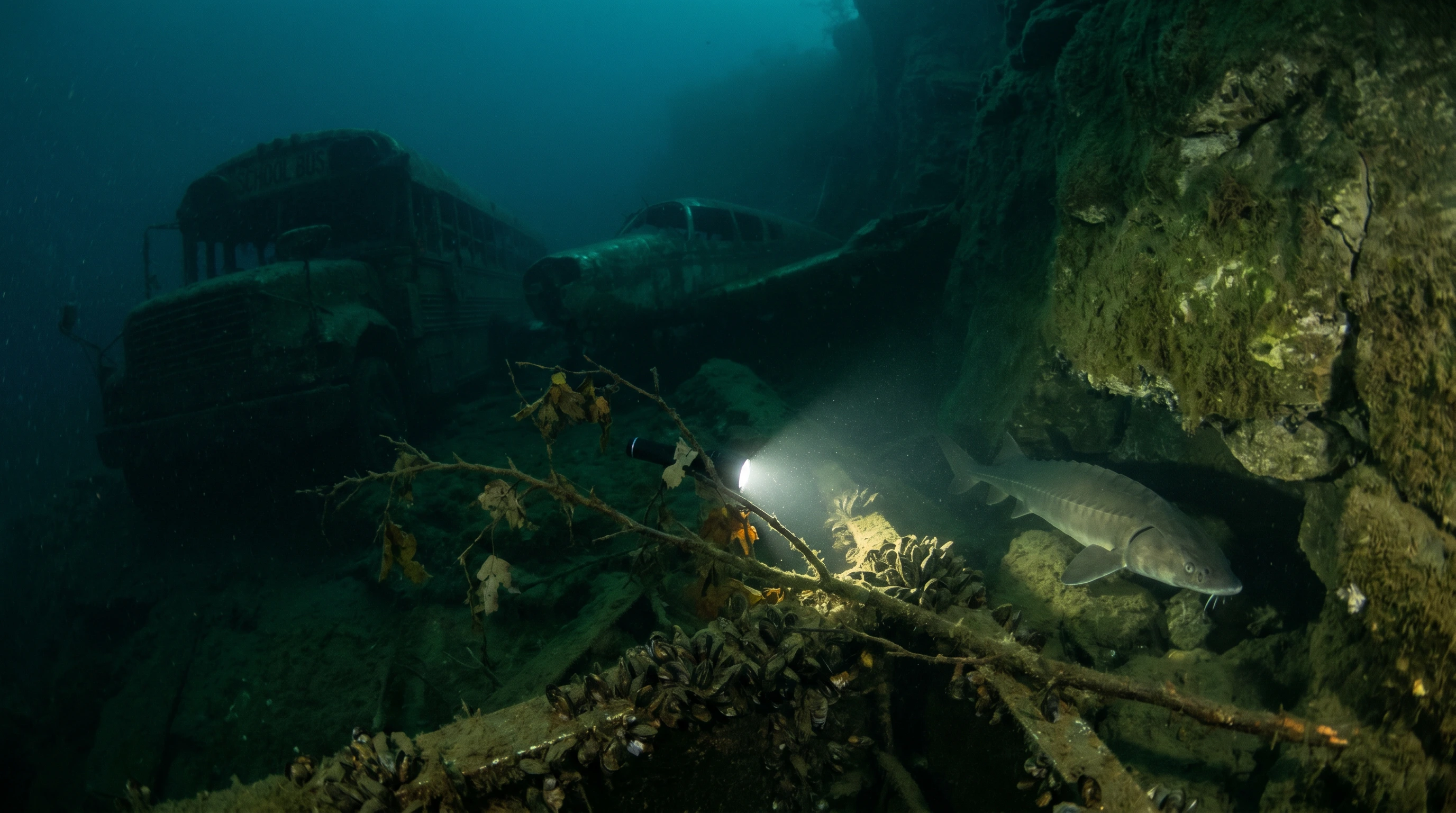
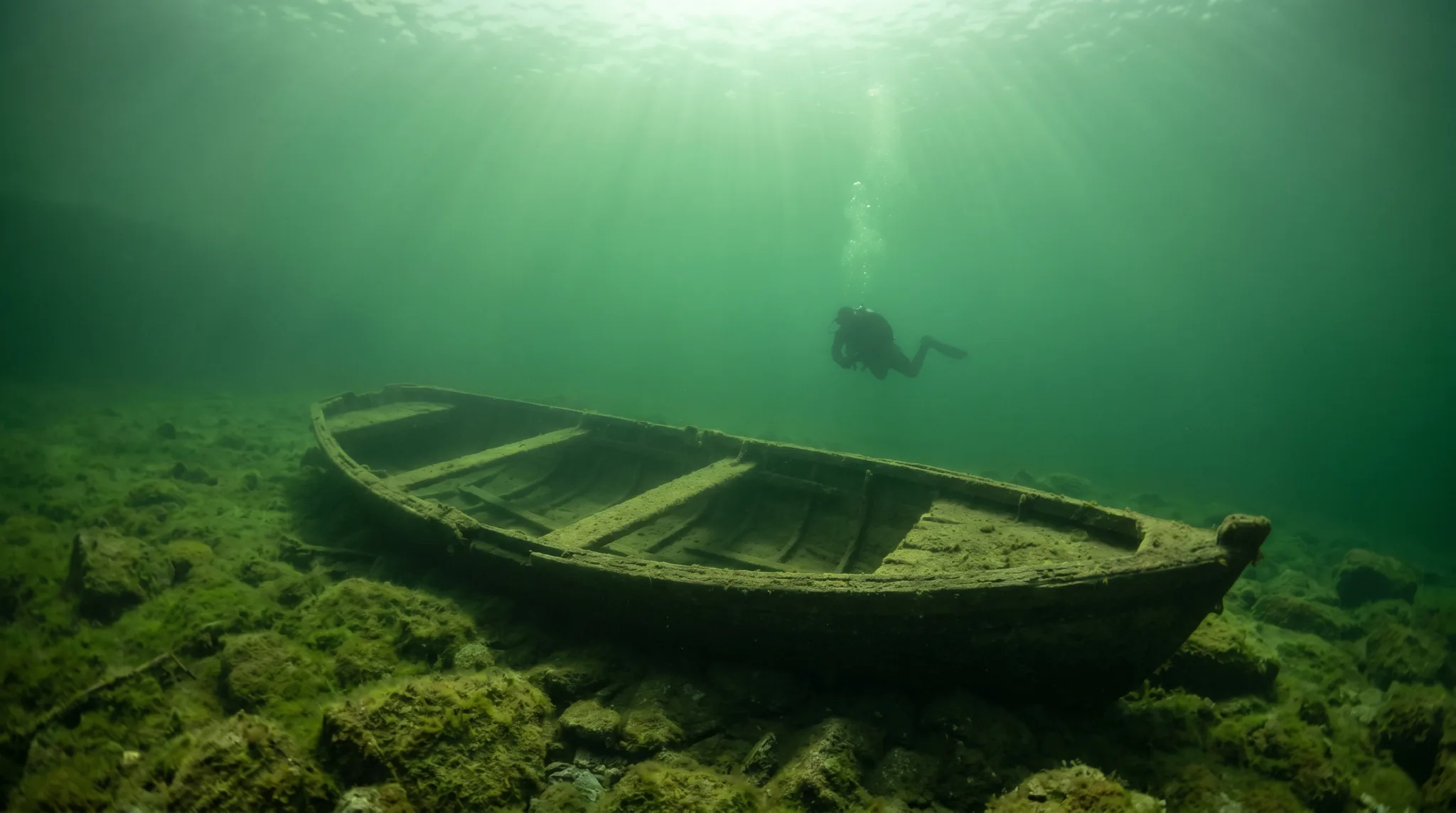
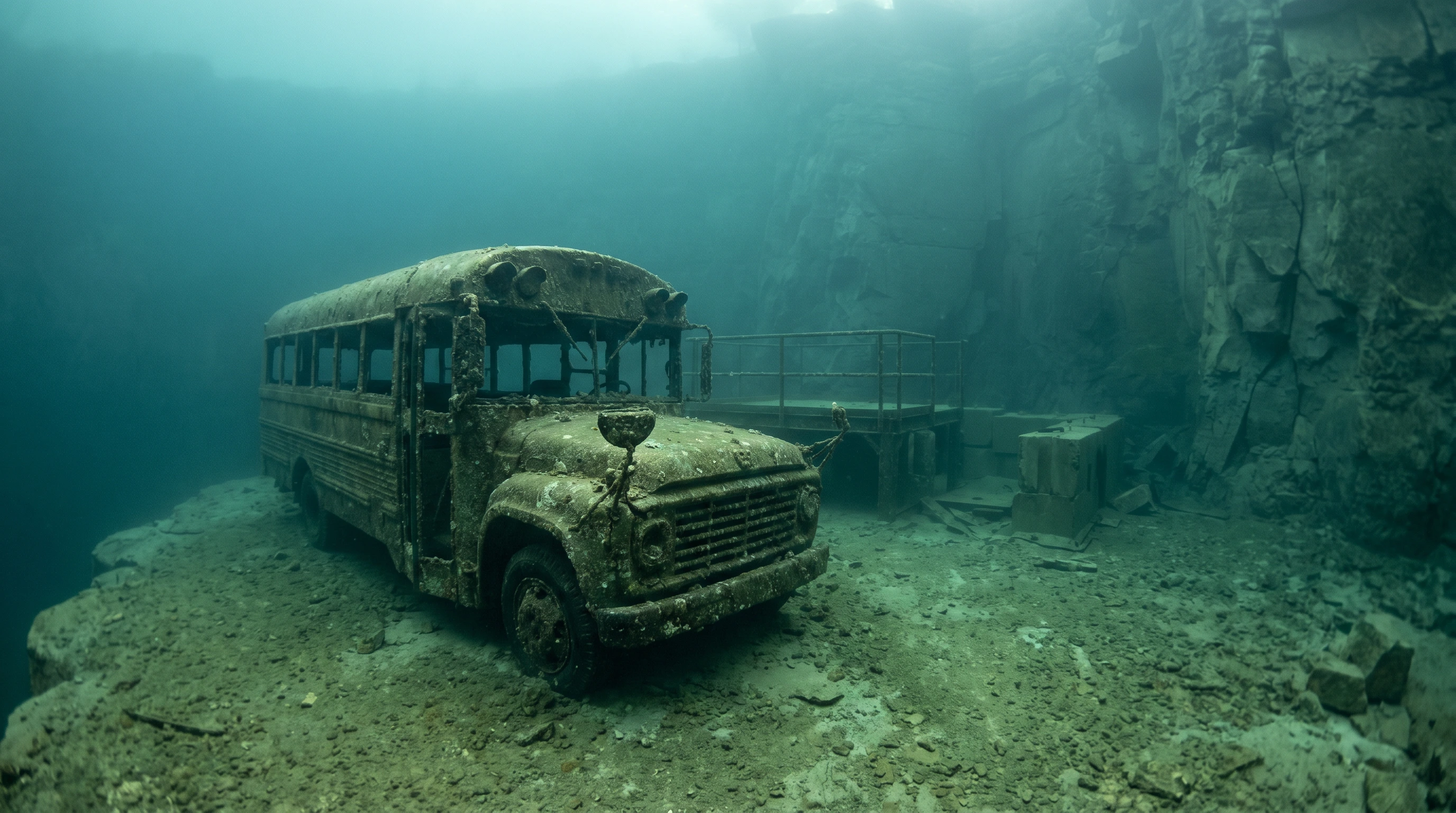
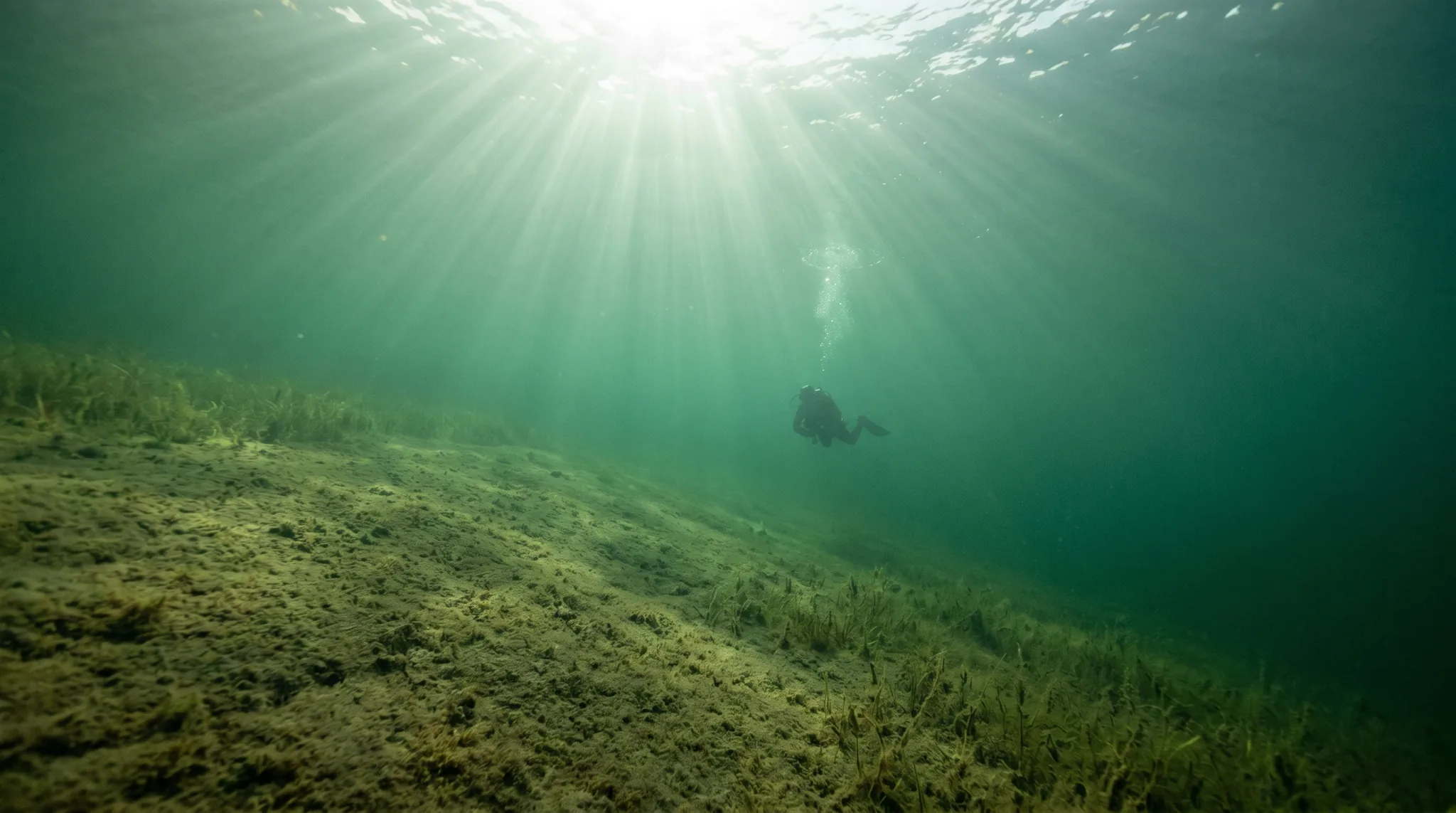
The Detroit River and its surrounding quarry sites offer a freshwater diving experience built around wrecks, artificial reefs, and muck diving. Quarry sites such as Gilboa Quarry and White Star Quarry suit beginners through to technical divers, while river sites like Elizabeth Park reward advanced divers willing to work in low-visibility current. The fish life is remarkably varied: Sturgeon, Walleye, Pike, and Brown Trout are all regularly observed. Summer brings the warmest water and the most diver activity.
Monthly water temperature across Detroit River's sites, from satellite sea-surface data corrected for depth. The band shows the site-to-site spread.
Water temperatures climb steadily from spring into the peak summer months, when conditions are most comfortable for extended dives. The warmest period runs from June through September, making those months the most popular for both quarry and river diving. Winter temperatures drop sharply, making a drysuit essential outside the warmer season.
30 operators

30 more sites to explore
Water temperature around Detroit River ranges from about 1°C in January to 24°C in July, based on satellite sea-temperature data for its dive sites.
In the warm season (about 24°C) a 3mm full suit is comfortable in Detroit River; in the coldest months (about 1°C) step up to a drysuit.
Fin maps 36 sites in Detroit River (27 scuba diving sites and 12 snorkelling spots, with some suited to both).
Across Detroit River's dive sites, June, July, August and September are most often reported as the best months to visit.
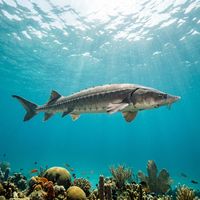
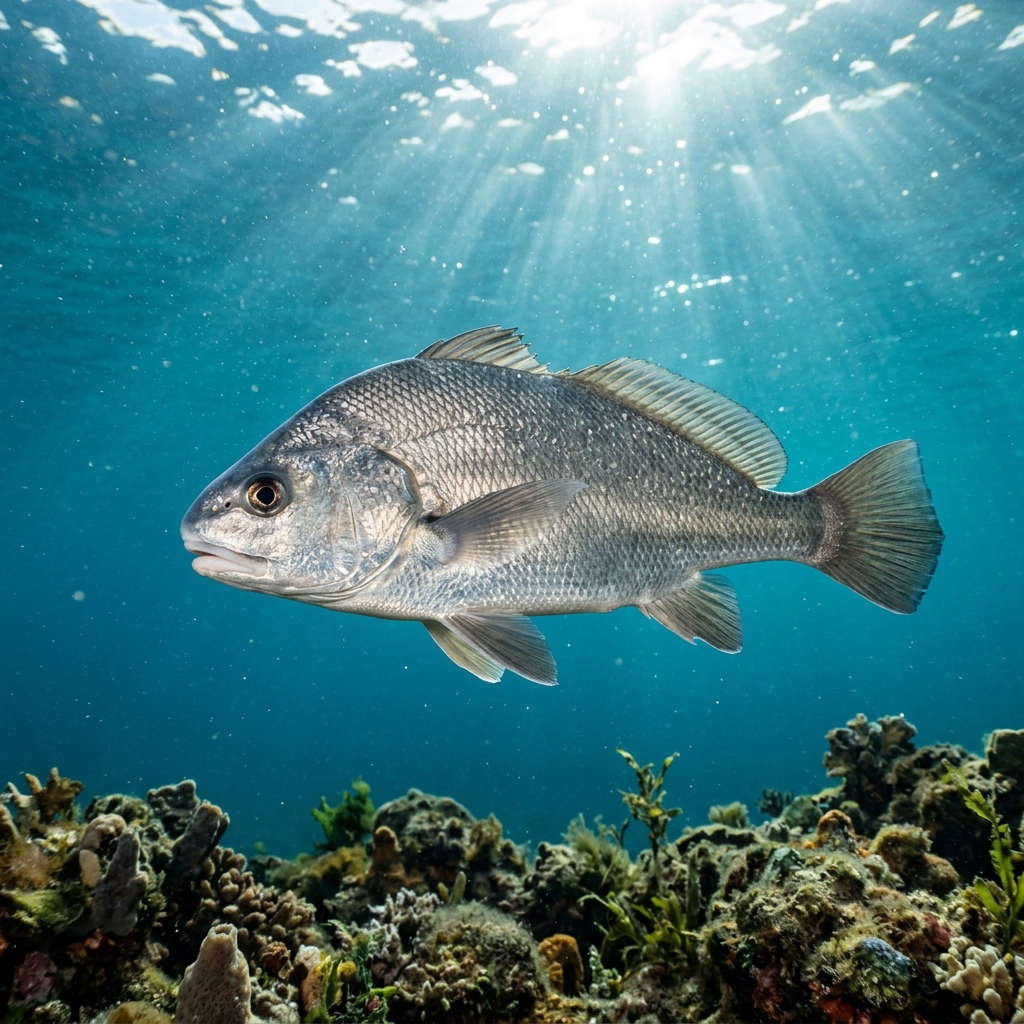
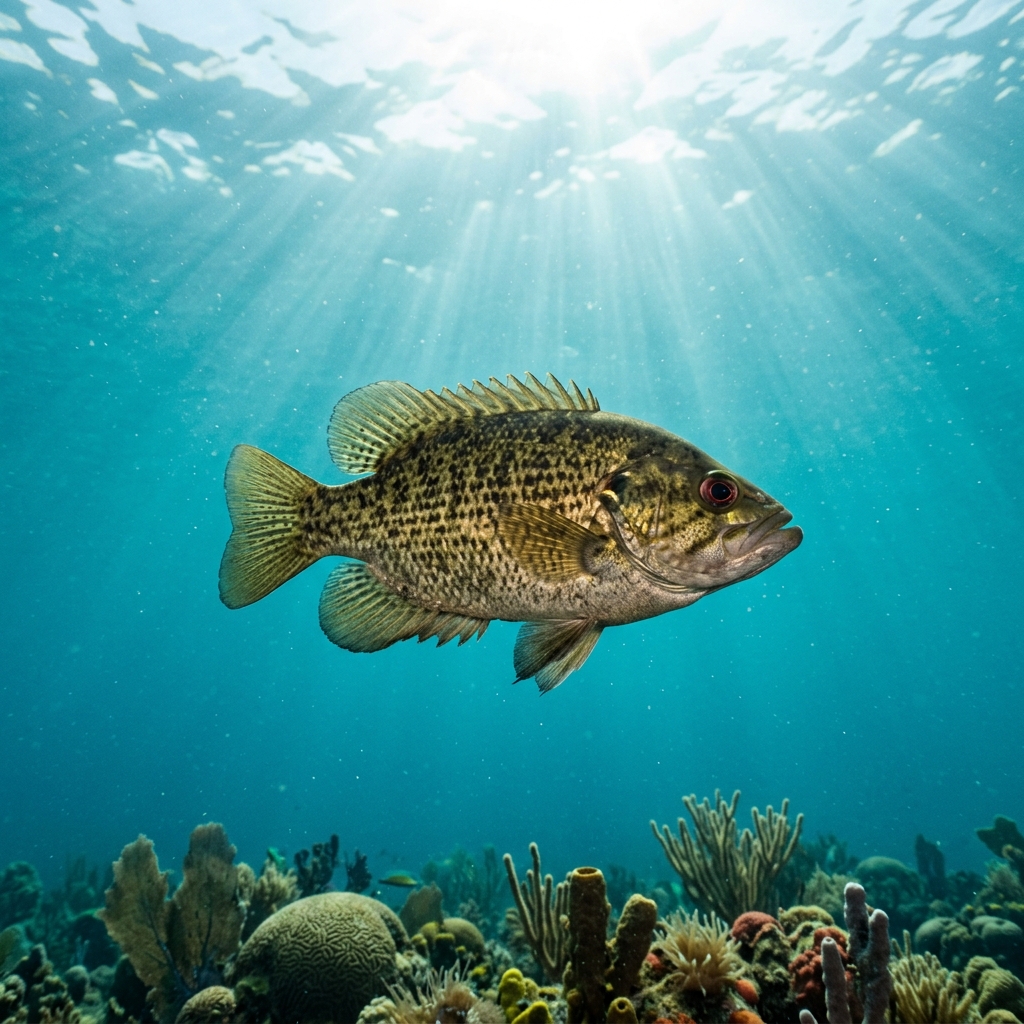
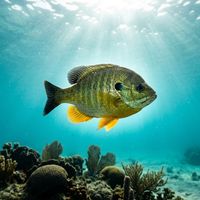
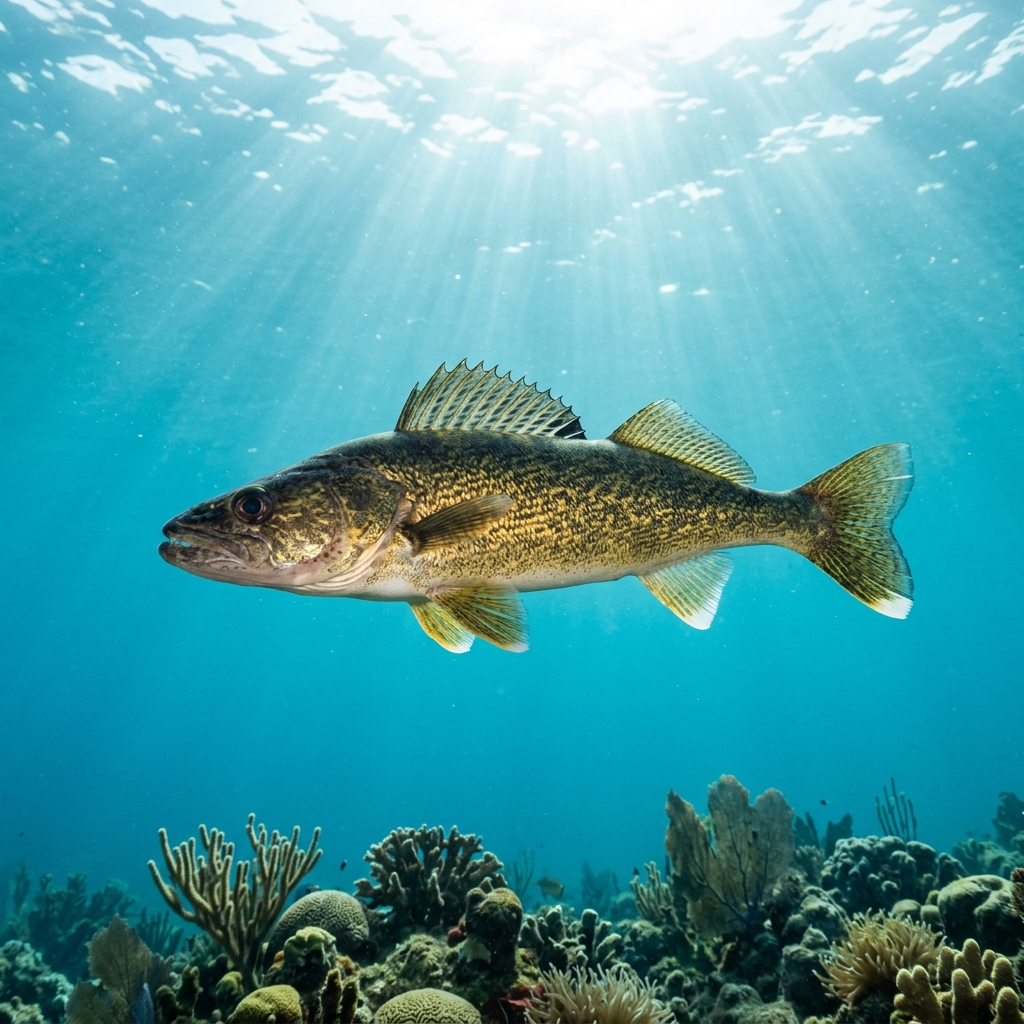
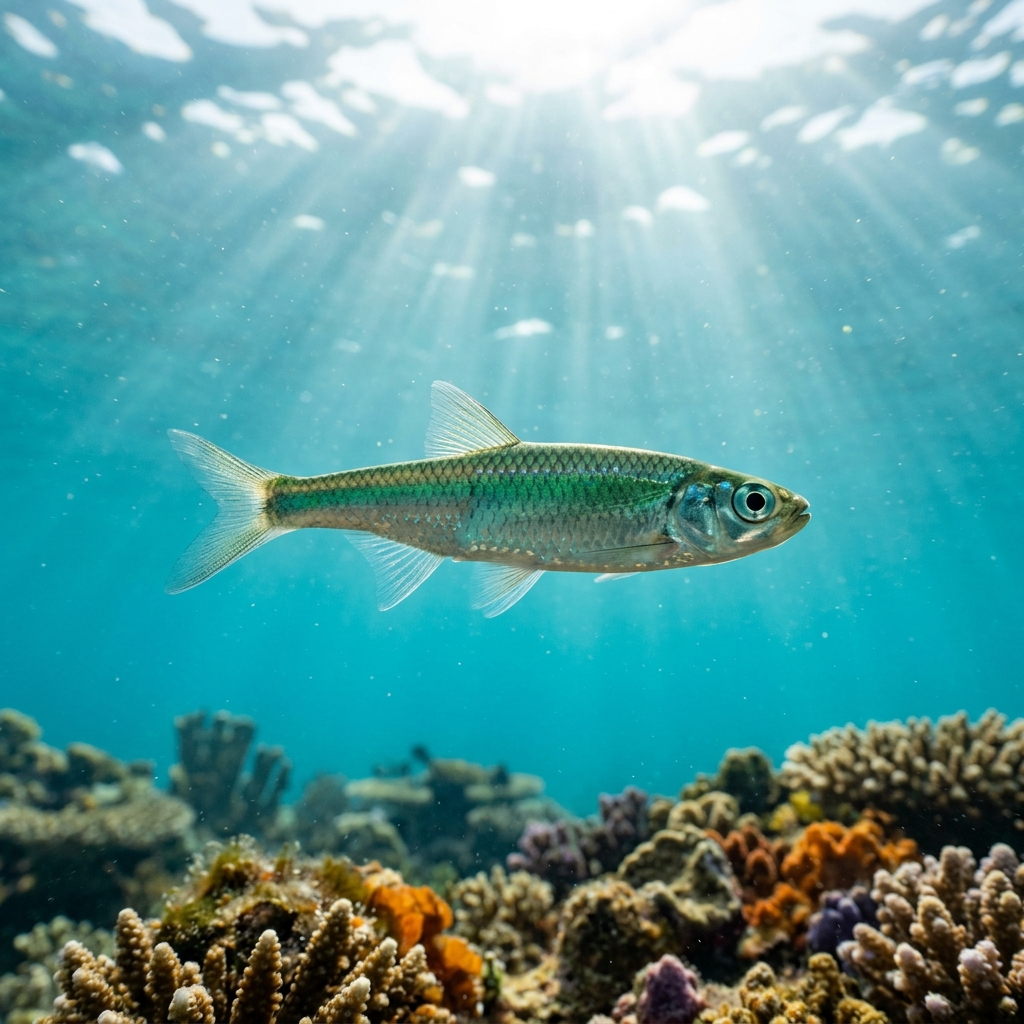
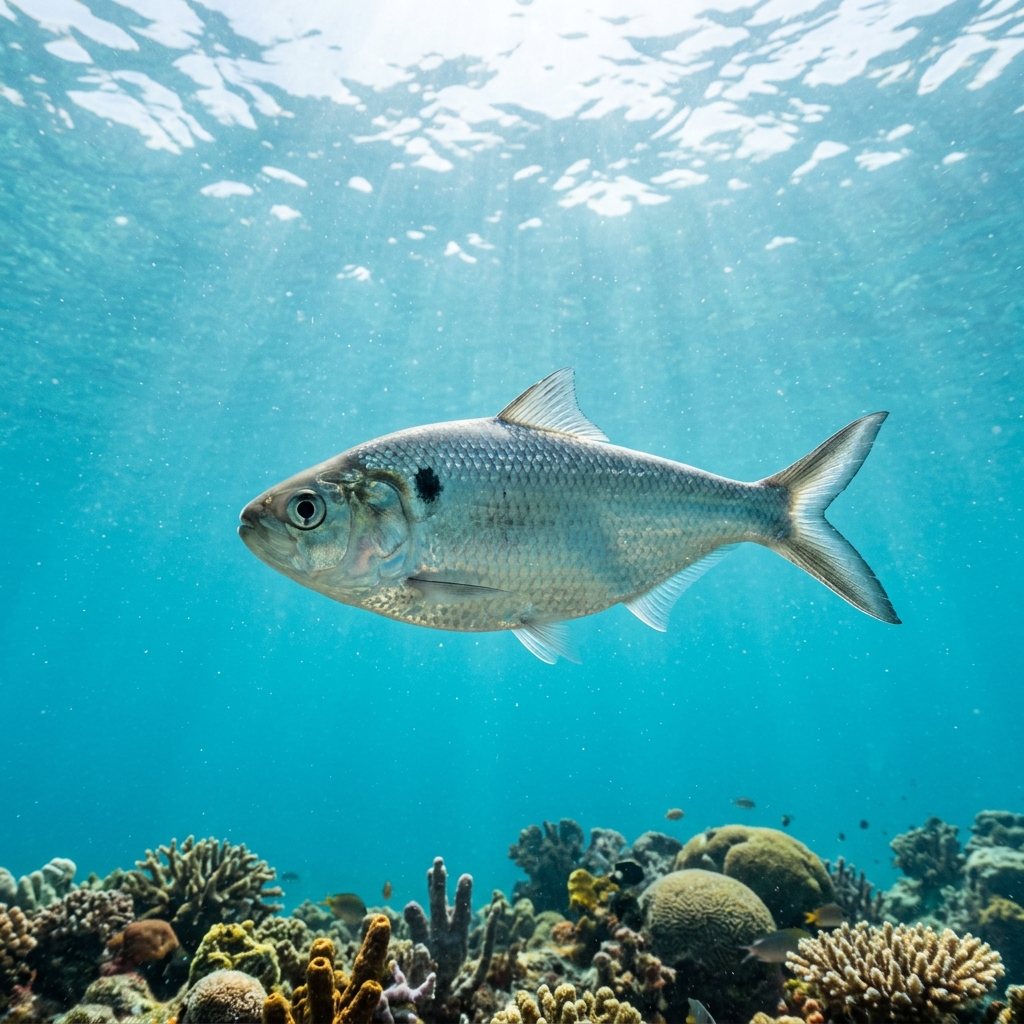
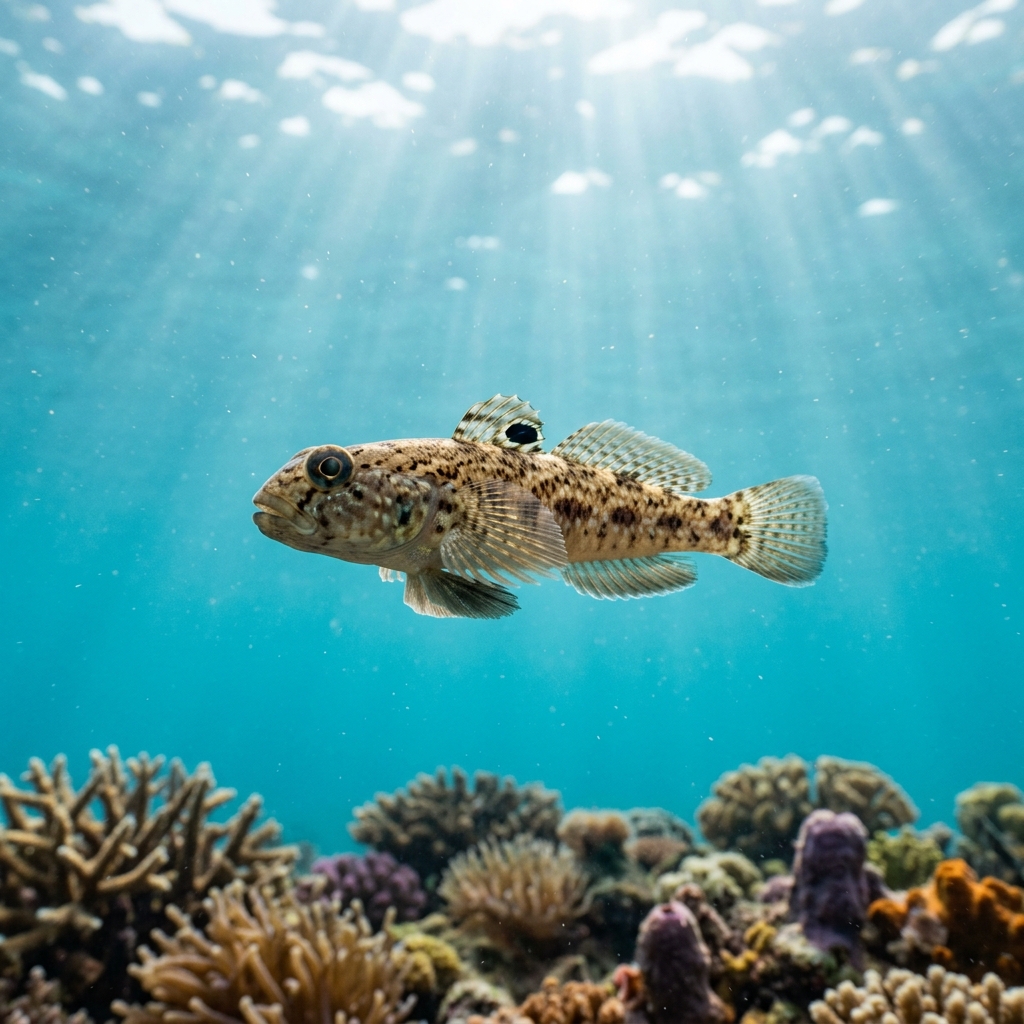
The region has an impressive freshwater species list drawn from actual diver observations. Sturgeon, Walleye, Pike, and Freshwater Drum are very commonly reported, alongside Brown Trout, Rainbow Trout, and Burbot. Smaller species such as Rock Bass, Blue Gill, Logperch, and Round Goby are also frequently encountered across multiple sites.
Several sites are well suited to beginners, particularly the quarry sites. Gilboa Quarry and White Star Quarry both offer shore access and a range of depths that allow new divers to build confidence. Lime Lake is another beginner-friendly option, featuring a rope course to assist with navigation. River sites such as Elizabeth Park are rated advanced and are best left until divers have more experience with current and low visibility.
The majority of sites in this region are shore-accessible, which keeps logistics straightforward. Gilboa Quarry, White Star Quarry, Anita's Wreck, and Elizabeth Park are all reached from shore. The Mary Alice B is a notable exception, requiring boat access to reach the wreck.
The region covers a broad mix of site types. Wrecks are the most prominent feature, found at multiple quarry and river locations. Artificial reefs and walls add variety, particularly at the quarry sites. Elizabeth Park offers a muck diving experience quite different in character from the structured quarry environments, rewarding patient divers with close-up encounters with bottom-dwelling species.