Polyodontidae spp.
Freshwater giants with paddle-shaped snouts, most often logged in the Great Lakes and Carolinas of the US, sightings uncommon year-round.
Look for a long, flat, paddle-shaped snout (rostrum) making up a large portion of the body length, a smooth grey to slate-coloured body with no scales, and a wide shark-like tail. The mouth is huge and toothless, kept open while swimming to filter tiny plankton from the water. There is no obvious difference in appearance between males and females underwater.
Divers typically encounter paddlefish cruising slowly near the bottom or mid-water in large rivers, lakes, and reservoirs, mouth agape as they filter-feed on plankton. They tend to be unbothered by divers, continuing their steady swimming pattern rather than darting off, though the low visibility at most sites means they often appear suddenly out of the gloom. Sightings logged so far are uncommon to rare, so patience and slow, careful scanning pay off more than fast searching.
That paddle-shaped snout isn't for digging or defence, it's packed with electroreceptors that help the fish detect the faint electrical signals of plankton swarms in murky, low-visibility water.
Sighting data doesn't show a clear seasonal pattern, so treat this as a year-round possibility wherever populations are established. Paddlefish stay active across a wide temperature range in large rivers and reservoirs, which likely explains the lack of a tight seasonal window in the logs.
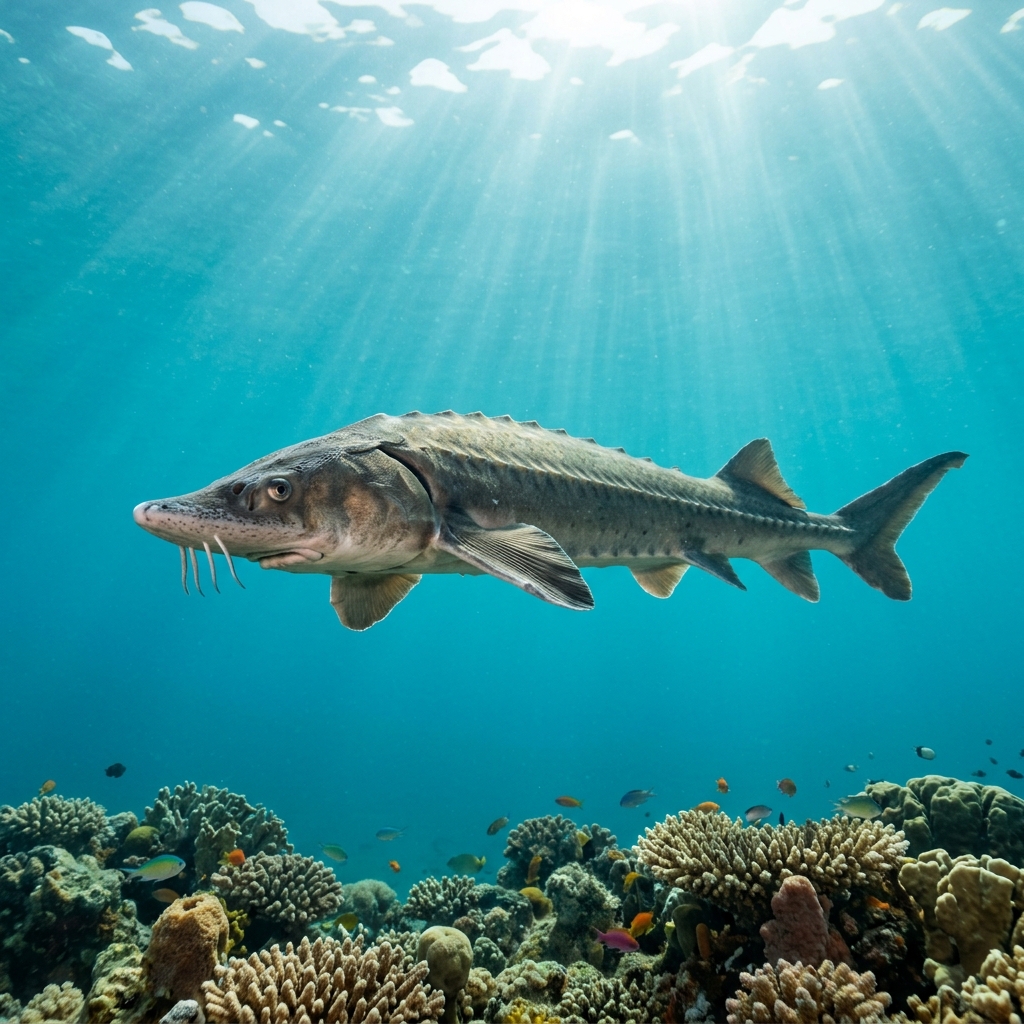
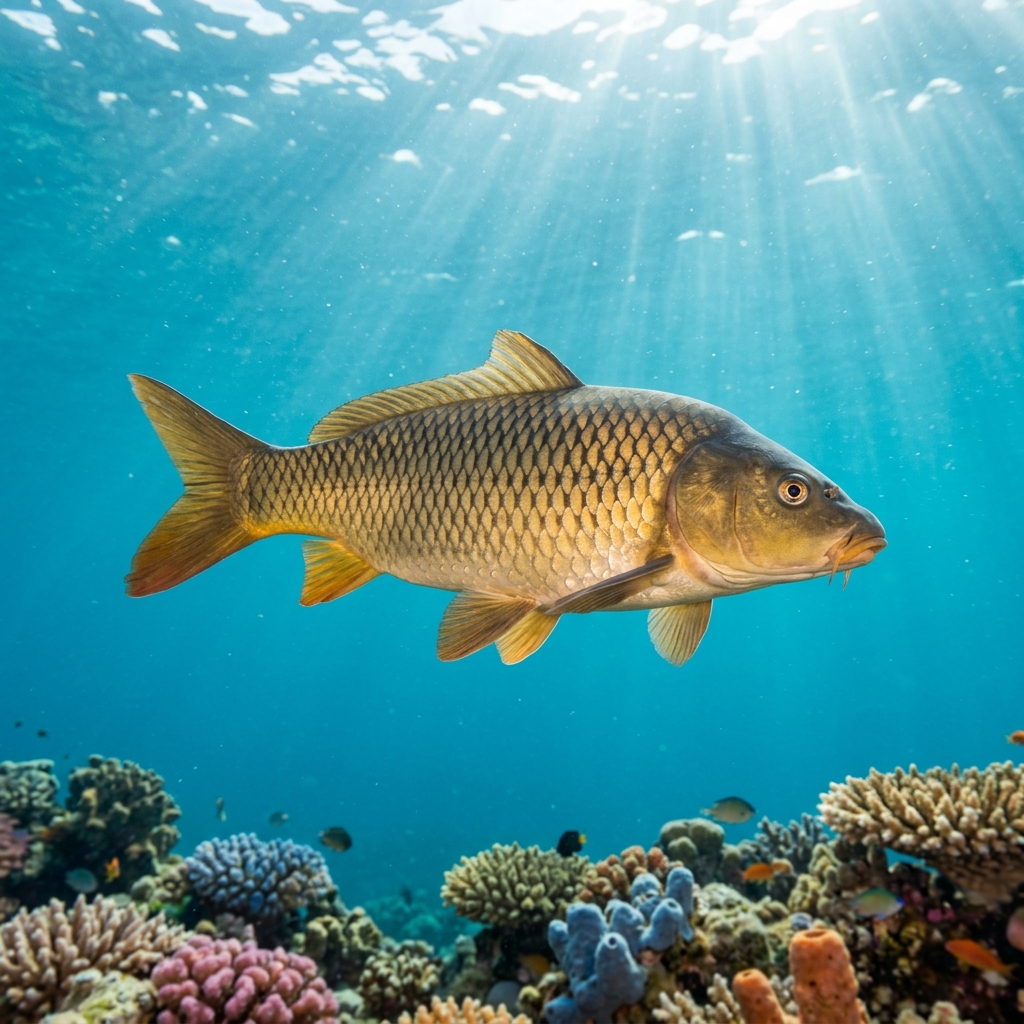
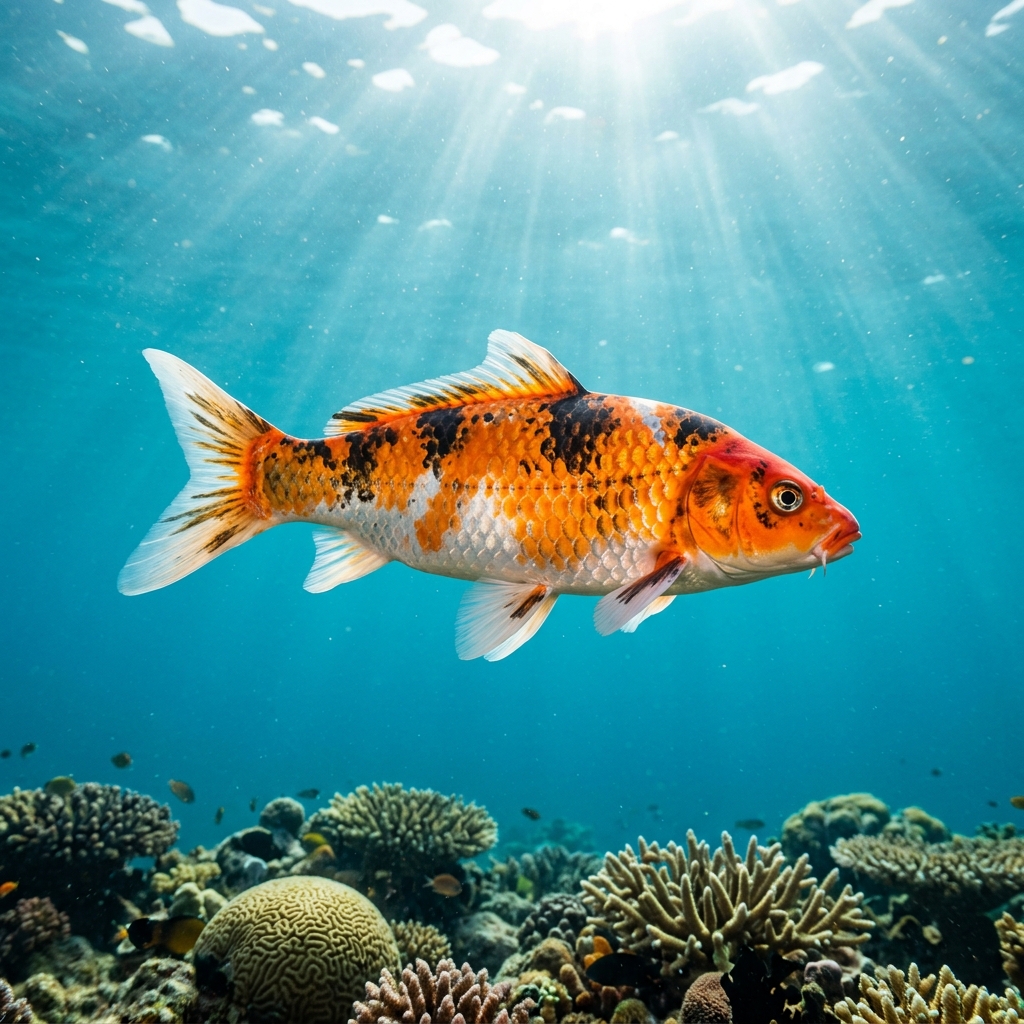
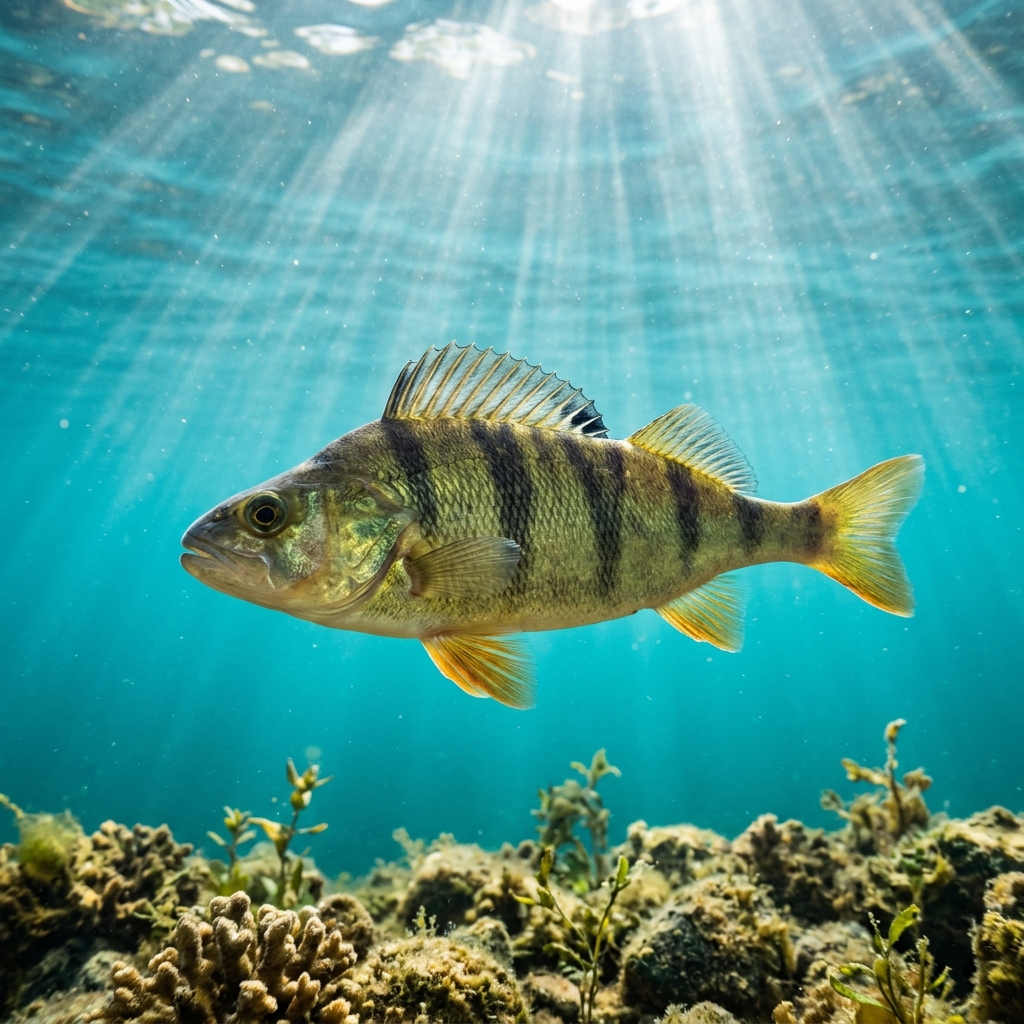
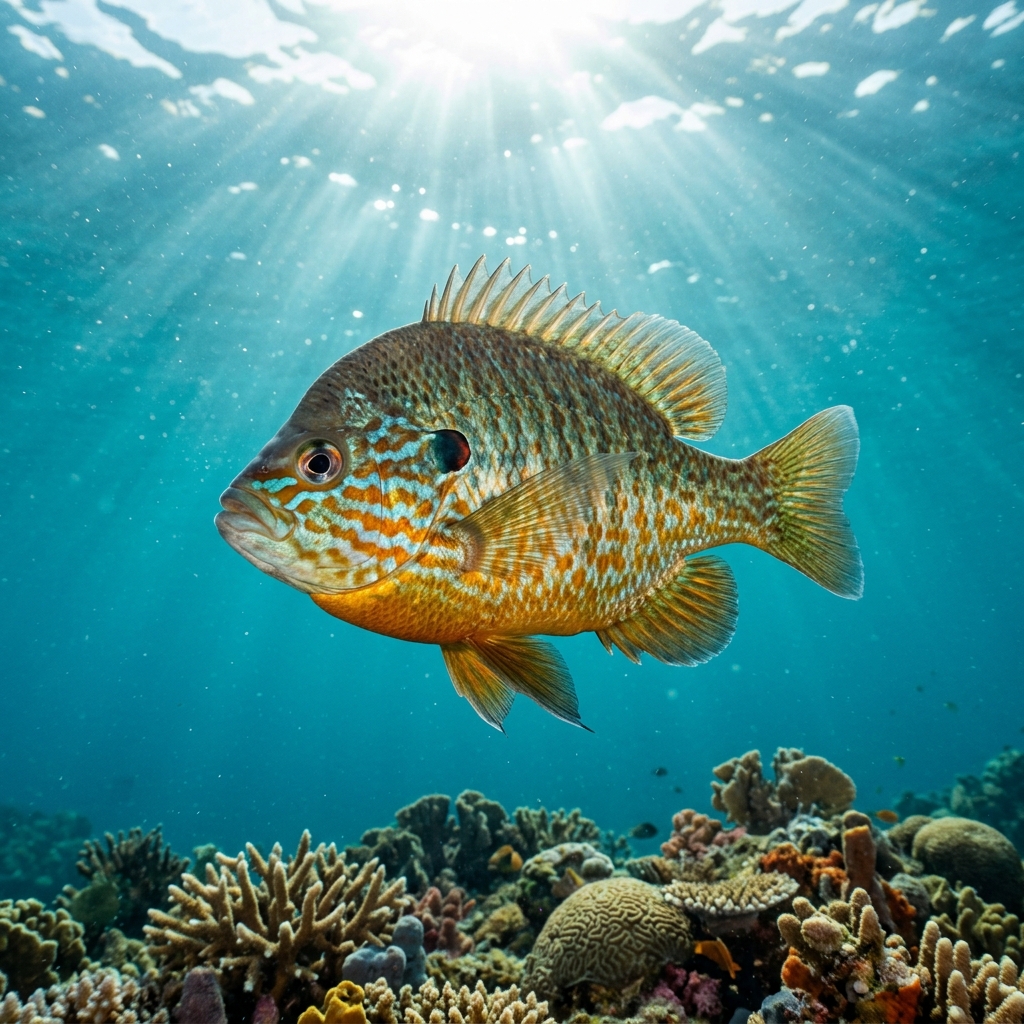
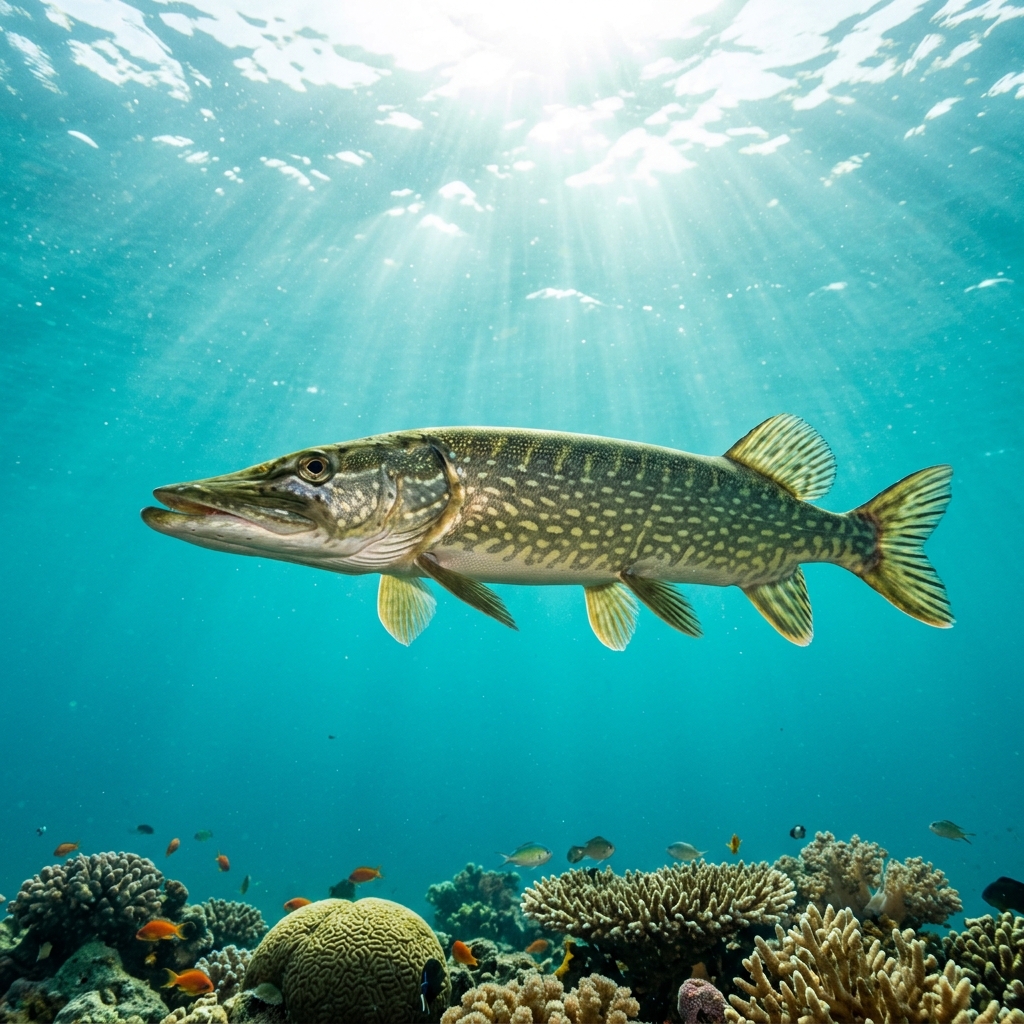
Reef neighbours a diver could mistake it for. Use the identification notes above to tell them apart.
Freshwater sightings in the United States, with the Great Lakes, the Carolinas, and the Great Plains regions showing the most consistent records, plus additional reports across the southern states. Visibility in these rivers and reservoirs tends to be low, so most encounters happen at close range in murky water rather than open sightlines.
Mapping where Paddlefish is logged…
Sightings cluster in the United States, particularly the Great Lakes, the Carolinas, and the Great Plains regions, with additional records across the southern states. Expect murky freshwater rather than clear tropical conditions.
There isn't a strong seasonal pattern in the sighting data, so they're logged year-round wherever populations exist. Treat any dive in their range as a possibility regardless of month.
Look for the unmistakable long, flat, paddle-shaped snout, a smooth scaleless grey body, and a wide tail. It swims with its large mouth open to filter-feed, which is a giveaway even in poor visibility.
Exact sizes vary by species within the family, but they're among the larger freshwater fish divers might encounter, with long bodies and a snout that can make up a notable share of their total length.
Their paddle-shaped snout is covered in electroreceptors that detect the tiny electrical fields given off by plankton, letting them filter-feed effectively even in the murky, low-visibility water they favour.
Site and sighting data is aggregated from diver logs, iNaturalist and GBIF. For taxonomy and conservation status:
Sun Perch
2,182 sites