Macrotritopus defilippi
Find Atlantic Longarm Octopus in Florida and the Caribbean. Sightings peak Mar, Jun in warm water from 21-29°C. Tips for ID and best dive sites.
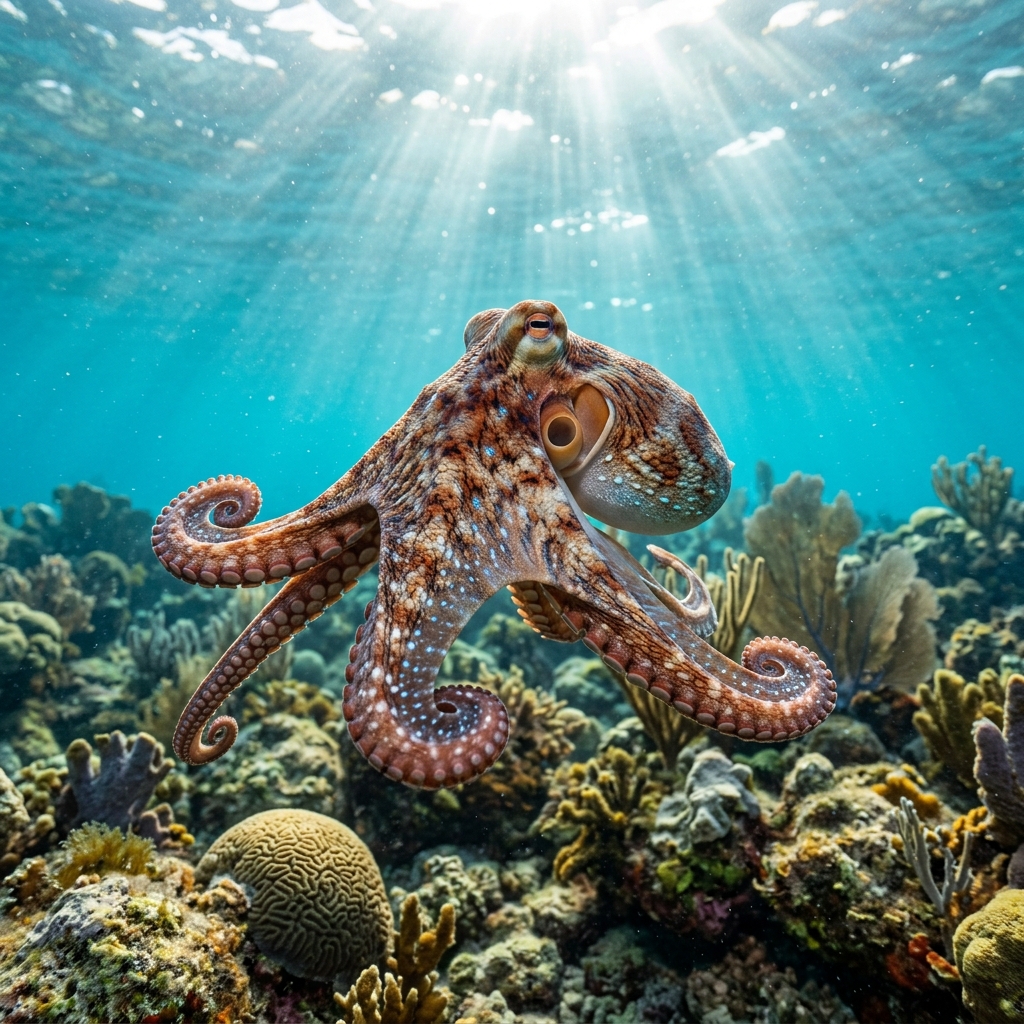
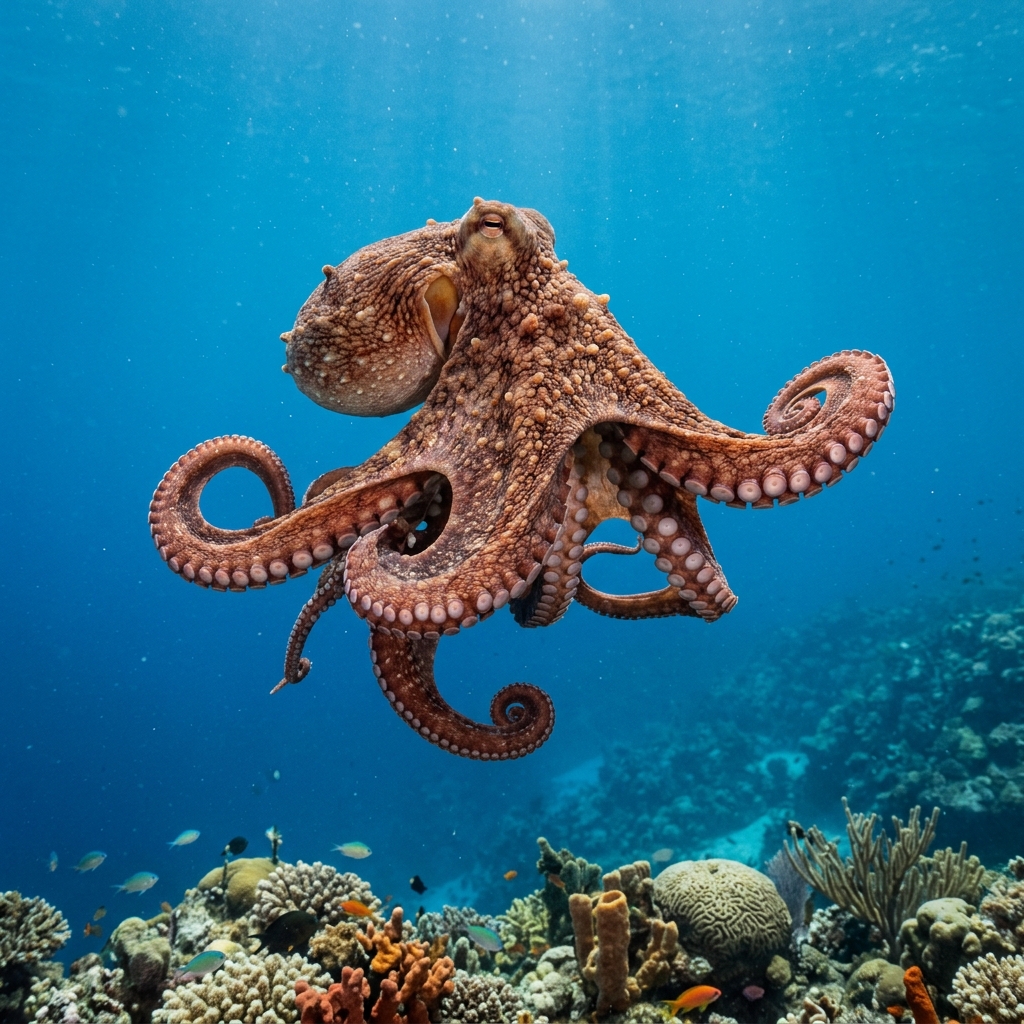
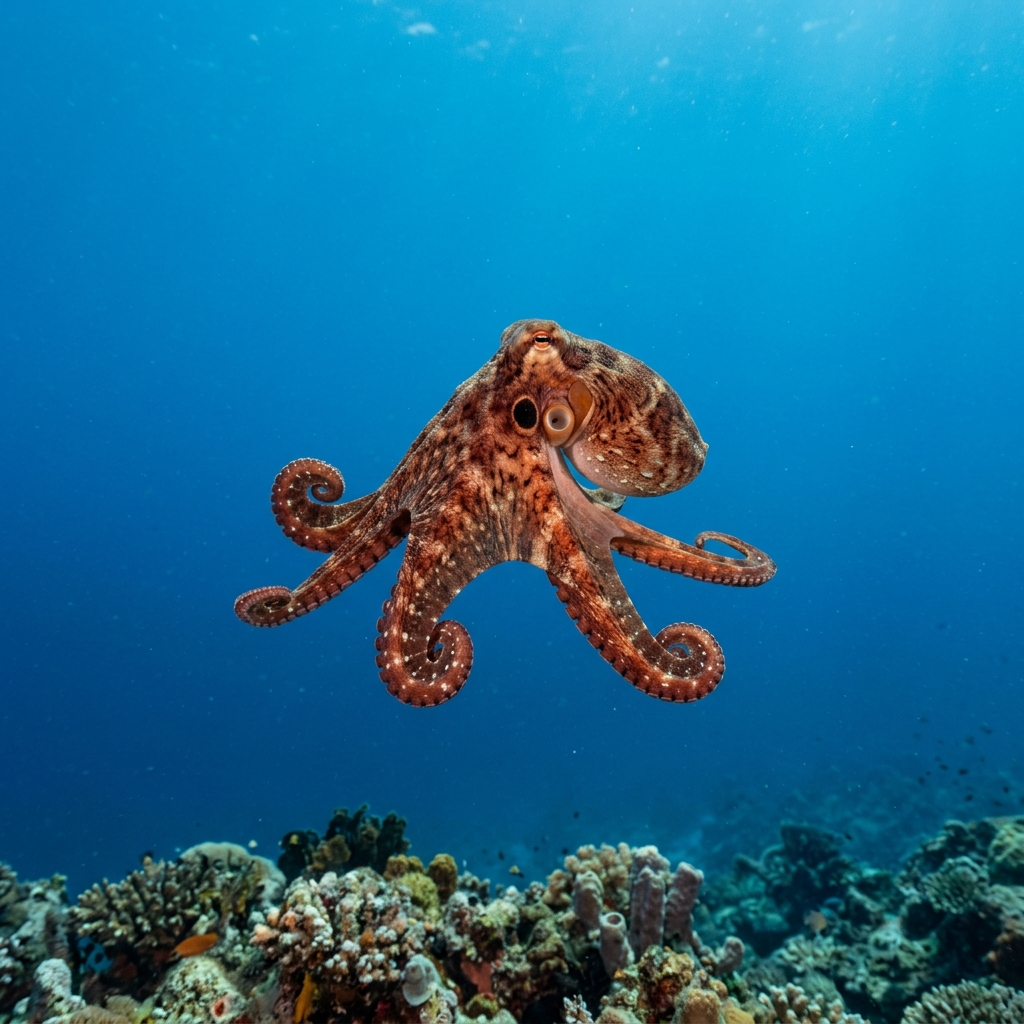
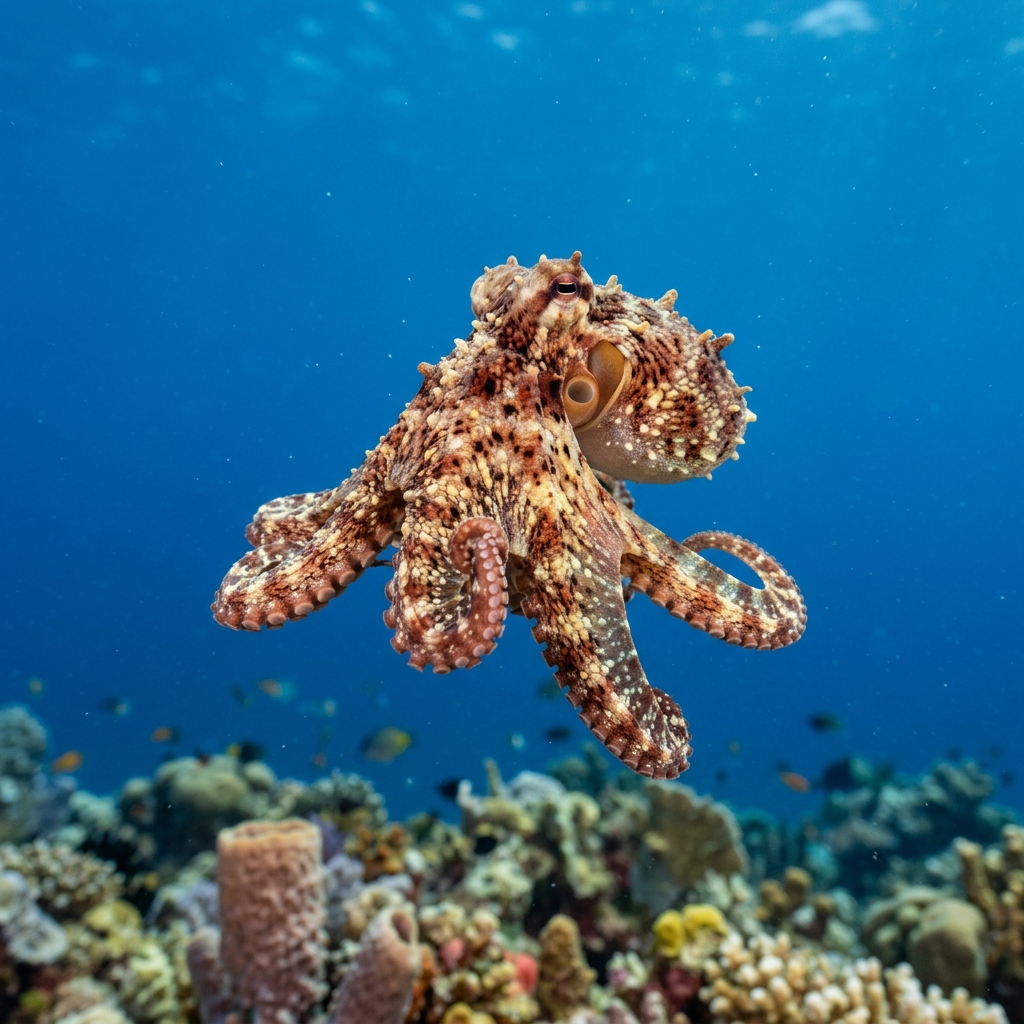
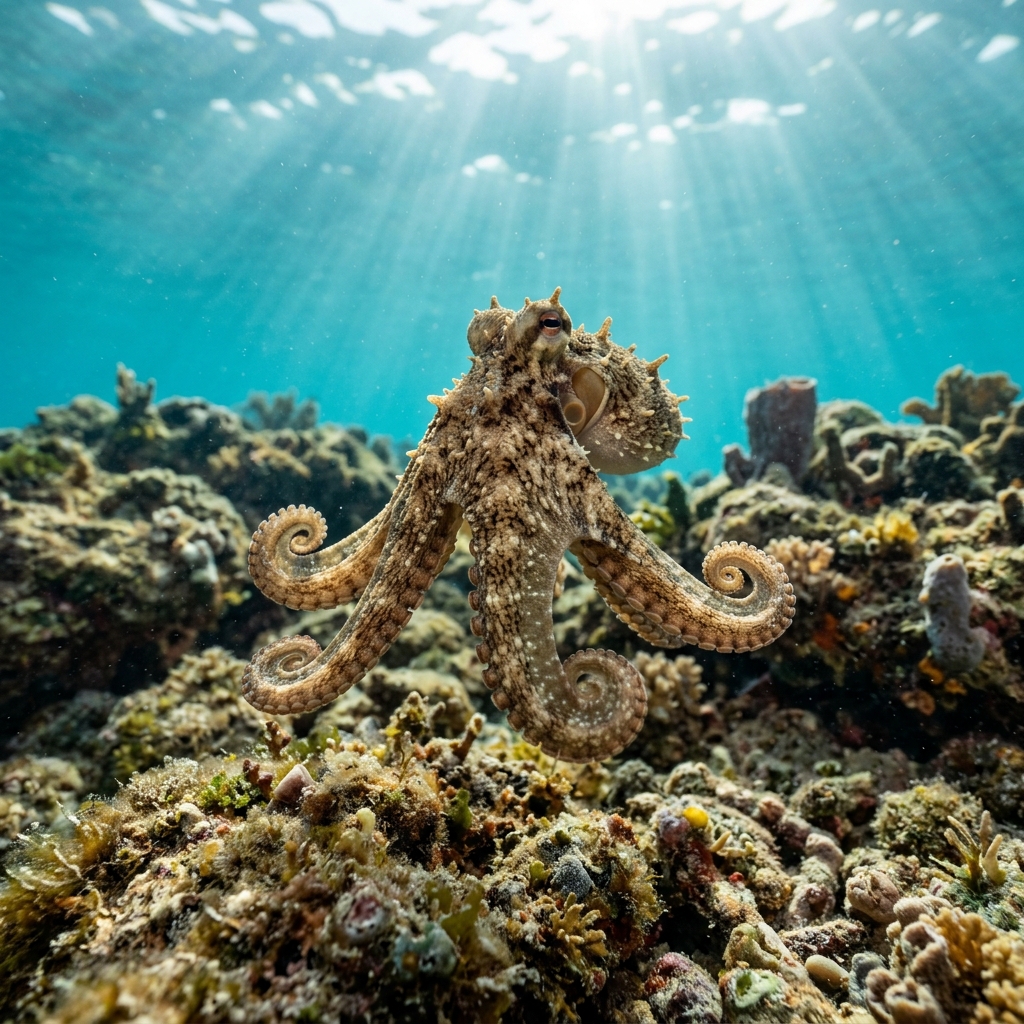
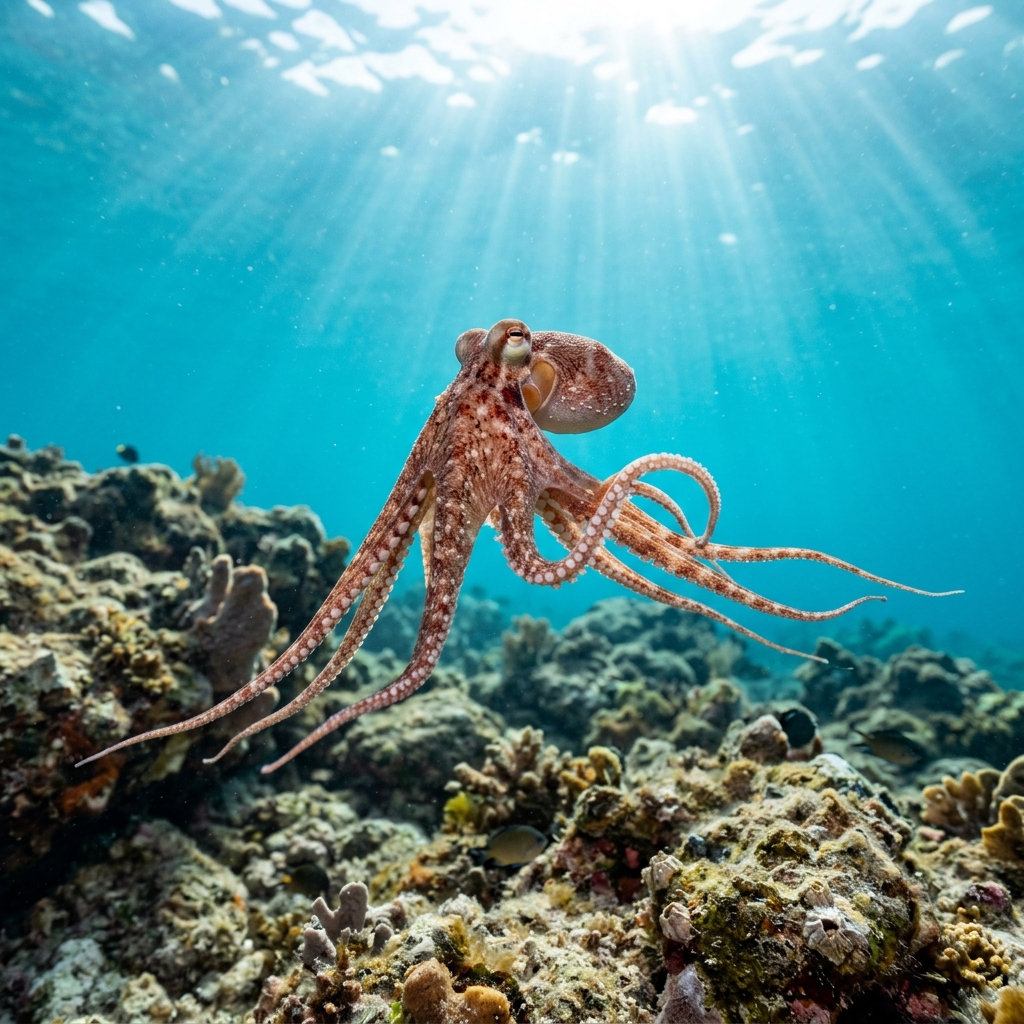
The giveaway is in the name: the arms are noticeably long and slender relative to the small, compact body, giving it a spidery silhouette that sets it apart from chunkier octopus species. Skin tone shifts between sandy beige, pale grey, and rusty brown as it moves across different substrates, and fine papillae (small skin projections) can give the body a slightly textured look. Look for the long reach of the arms as it forages, often with two or three arms probing ahead while the body stays low.
Divers most often spot this species actively foraging low over sand and rubble, using its elongated arms to probe crevices and depressions well ahead of its body. It is not particularly bold and will typically withdraw or change colour quickly when approached, so slow, unhurried movement gives you the best chance of a prolonged look. Encounters tend to happen in relatively shallow, warm water rather than deep reef walls.
This species is a known mimic of flatfish: it can compress its body and undulate its arms in a convincing impression of a flounder moving across the seabed, a defence tactic that can fool both predators and curious divers alike.
Sightings in the Northern Hemisphere concentrate strongly from March through June, so late winter into early summer is the prime window across Florida and the Caribbean.
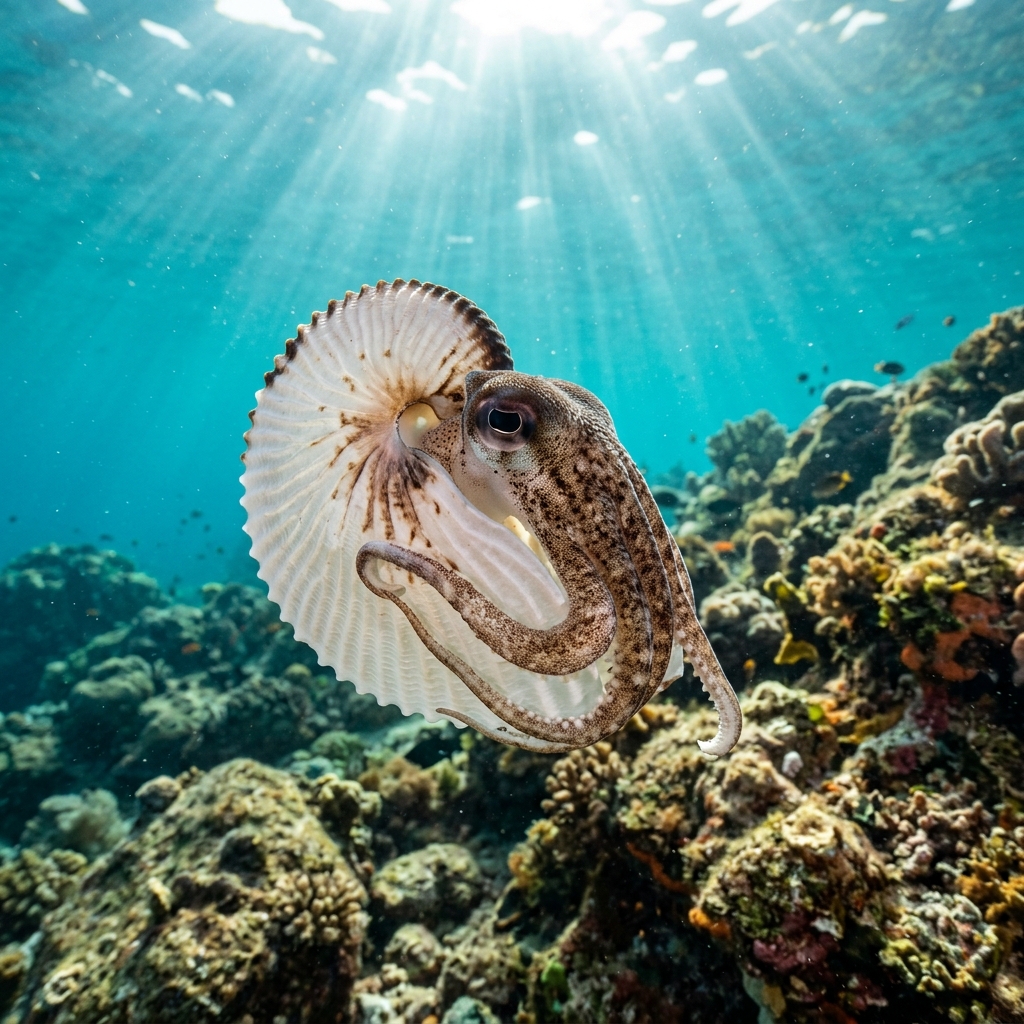
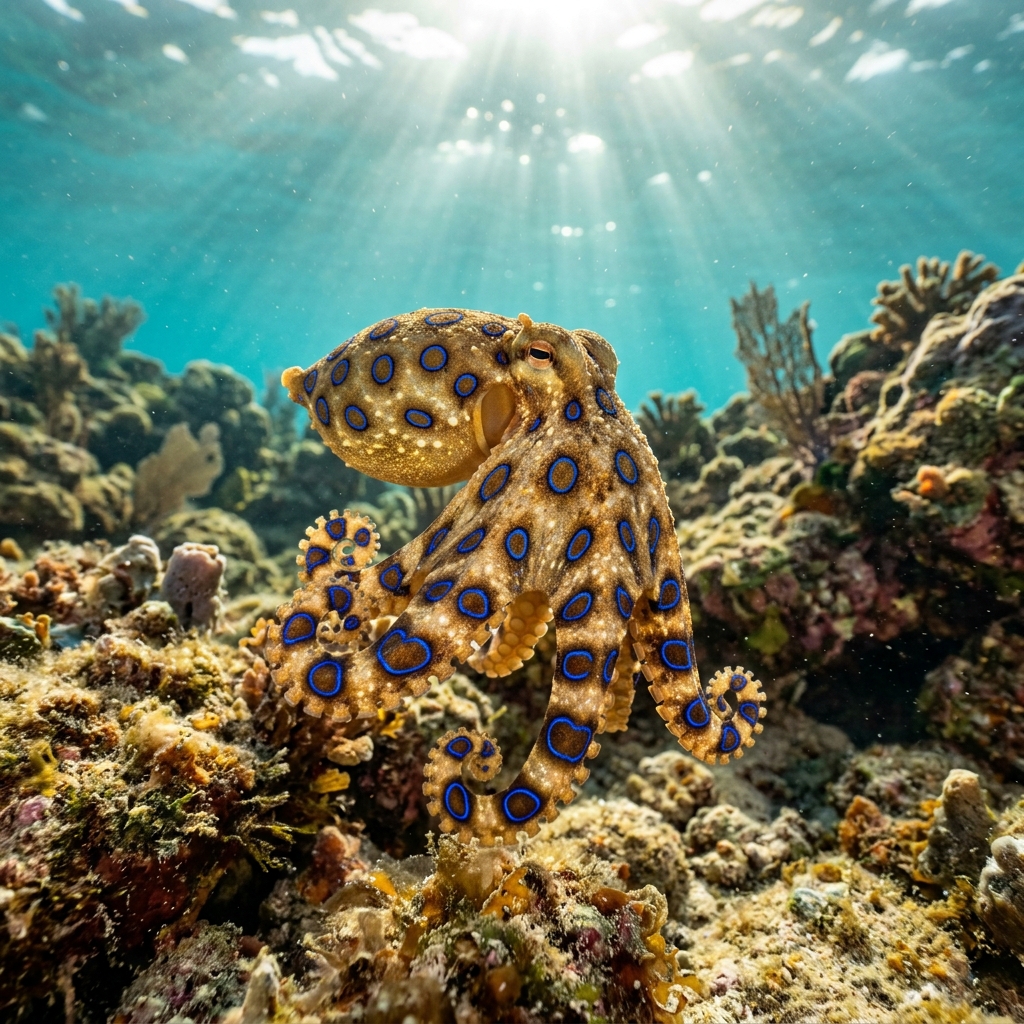
Reef neighbours a diver could mistake it for. Use the identification notes above to tell them apart.
The overwhelming majority of logged sightings come from Florida and the broader southeast United States, making Florida reefs and nearshore sandy habitats the most reliable place to search. The Saba Marine Park in the Caribbean is the next most consistent location, with further records from Tenerife in the Canary Islands rounding out the known range for divers.
Mapping where Atlantic Longarm Octopus is logged…
Florida and the southeast United States account for the vast majority of diver observations, with the Saba Marine Park in the Caribbean also offering reliable sightings. There are additional records from Tenerife in the Canary Islands. Shallow sandy or rubble habitats are the most productive spots to search.
Sightings peak between March and June across the Northern Hemisphere sites where it is most commonly logged. Observed water temperatures range from about 21°C to 29°C, so the species favours the warmer months at the cooler end of that range in Florida.
Focus on the arm length: the arms are strikingly long and slender compared to the small body, giving a spidery look unlike most other octopuses in its range. Body colour shifts from sandy beige to brown depending on substrate. In Florida waters, the Caribbean Reef Octopus is a common confusion species but tends to show bolder, more vivid colouring.
No. This species poses no risk to divers. Like all octopuses it can bite if seriously harassed, but it is shy and will move away long before that becomes a concern. Observe without touching and it will generally stay visible longer.
It is one of the few octopus species documented mimicking flatfish such as flounders. By flattening its body and rippling its long arms in a wave-like motion, it convincingly imitates a flounder gliding across the seabed, confusing predators and making it a fascinating animal to watch if you catch it in the act.
Site and sighting data is aggregated from diver logs, iNaturalist and GBIF. For taxonomy and conservation status:
Brazilian Reef Octopus
1,142 sites