Doriopsilla gemela
A tiny nudibranch logged mainly around California, in cool water between 12.8 and 18.9°C, spotted year-round on temperate reefs.
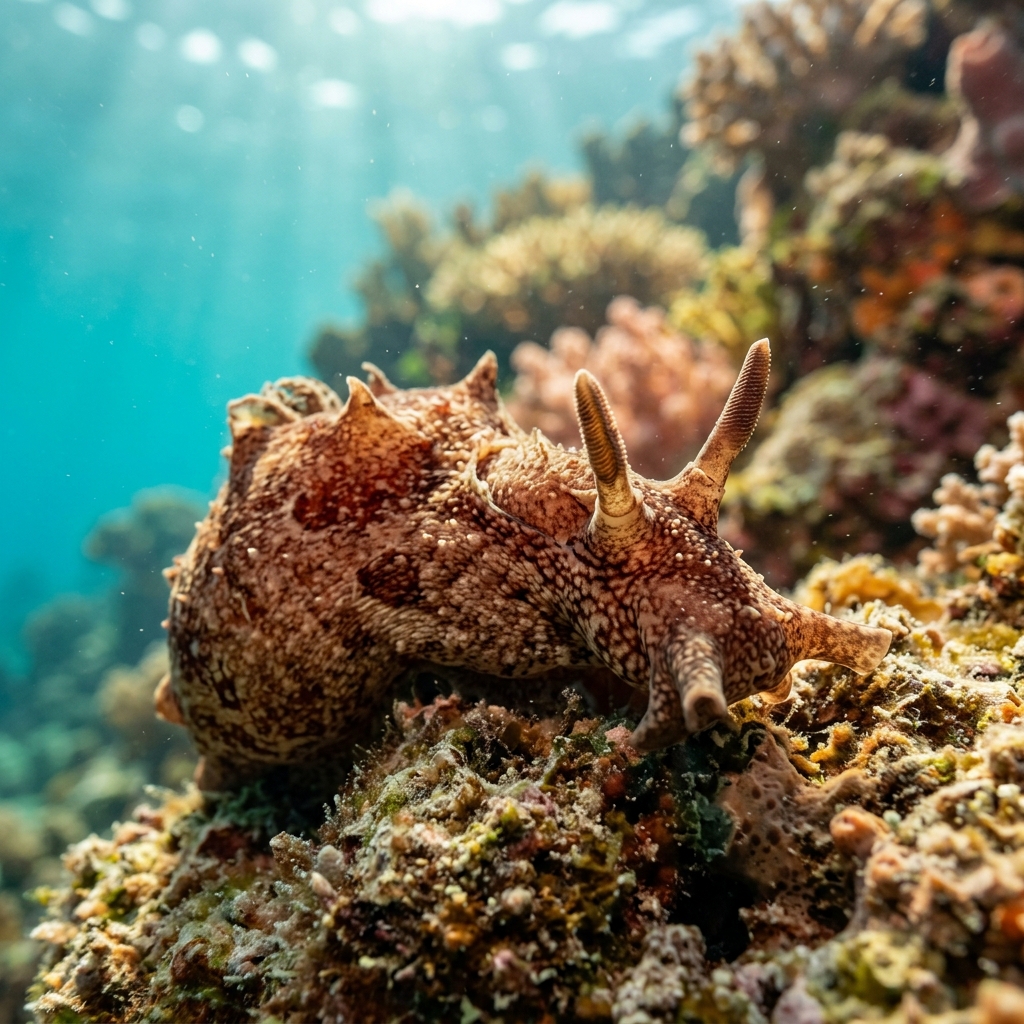
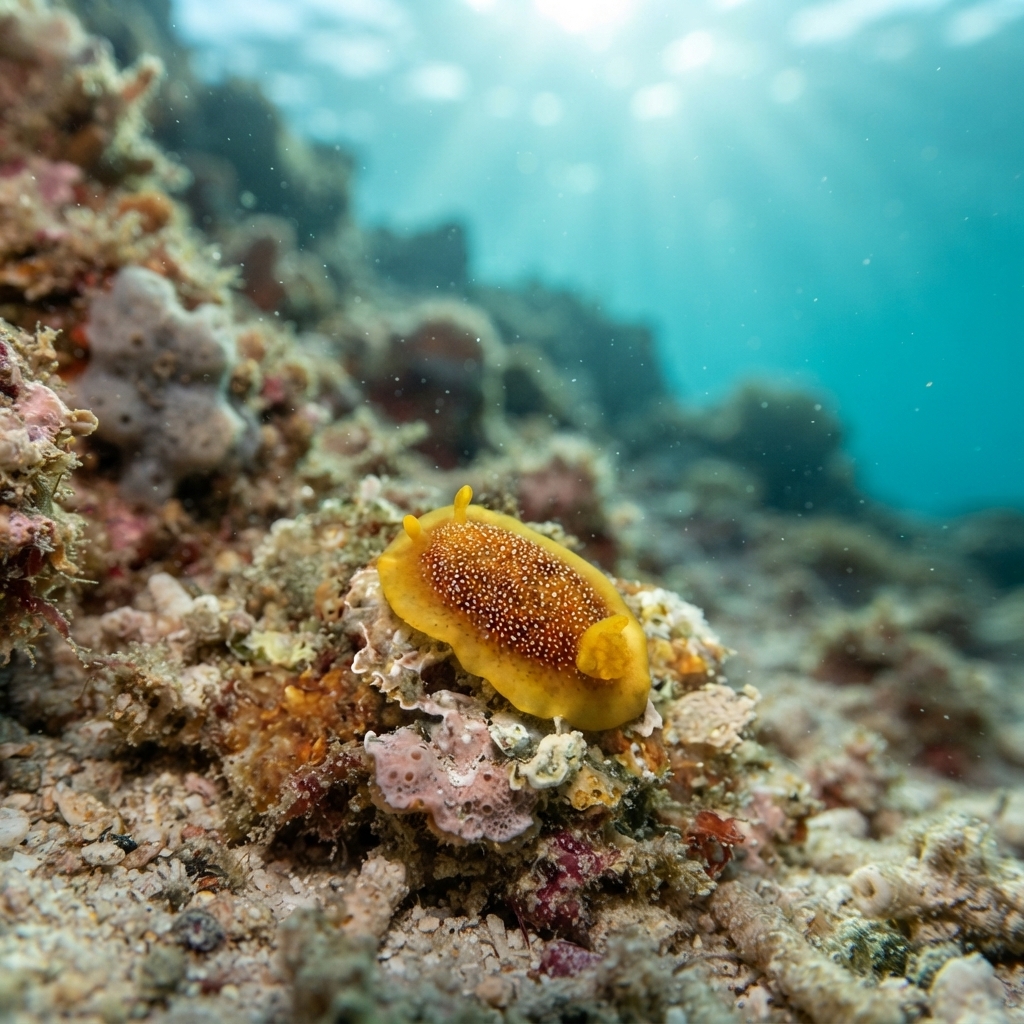
A soft-bodied sea slug barely 2 cm long, easy to miss unless you're scanning rock and rubble closely. The body is smooth and rounded rather than frilled, typical of the dendrodorid family, with a muted, low-contrast colouring that blends into the substrate. Look for the small cluster of gills near the rear and the retractable rhinophores (the paired sensory horns) on the head, both key dendrodorid traits at this scale.
Like most dendrodorid nudibranchs, it moves slowly over rock and encrusting sponge, grazing rather than swimming, and pays no attention to divers hovering nearby. Most sightings are on close macro-focused dives where someone is deliberately combing through rubble and low reef structure rather than cruising past at speed. Expect to find it stationary or barely moving whenever you do spot it.
Dendrodorid nudibranchs like this one lack the radula (the rasping feeding organ) found in most other sea slugs, feeding instead by absorbing sponge tissue directly, a fairly unusual dietary trick within the group.
Sightings don't cluster into a clear season, so treat this as a year-round find in California's cool water, which sits in the observed range of roughly 12.8 to 18.9°C. Cooler months on the low end of that range are as productive as warmer ones, since the species doesn't appear to track a narrow temperature window.
Every logged sighting of this species comes from the United States, and specifically California, making it a west coast specialty rather than a species you'll find on a broader trip itinerary. Within California it turns up across a spread of sites, most often logged as uncommon, so it rewards divers who already know how to search cool-water rock and reef for small mollusks.
Mapping where Yellow-gilled Sea Goddess is logged…
Sightings are concentrated in California, United States, where it's found across a range of dive sites, usually logged as uncommon rather than a guaranteed find. There's no confirmed record of it outside California in the current data.
There's no strong seasonal pattern in the sightings, so it's best treated as a year-round possibility in California's cool coastal water, which typically runs between about 12.8 and 18.9°C.
It's a small, smooth-bodied nudibranch around 2 cm long with muted colouring and a compact gill cluster near the tail, typical of the dendrodorid family. Its small size and subtle colouring mean it's easiest to spot while searching rock and rubble slowly and closely.
It's a small nudibranch, reaching only around 2 cm in length, so it's a species for divers doing slow, close-focus macro searches rather than casual reef cruising.
Like other dendrodorid nudibranchs, it has no radula and instead feeds by absorbing sponge tissue directly, an unusual feeding method compared to most other sea slugs that rasp at their food.
No, it poses no danger to divers. It's a small, slow-moving grazer that has no interaction with people beyond being photographed if you can find it.
Site and sighting data is aggregated from diver logs, iNaturalist and GBIF. For taxonomy and conservation status:
Light-spotted Aegires
3,168 sites