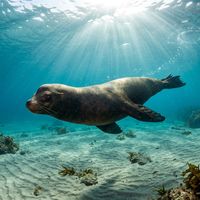
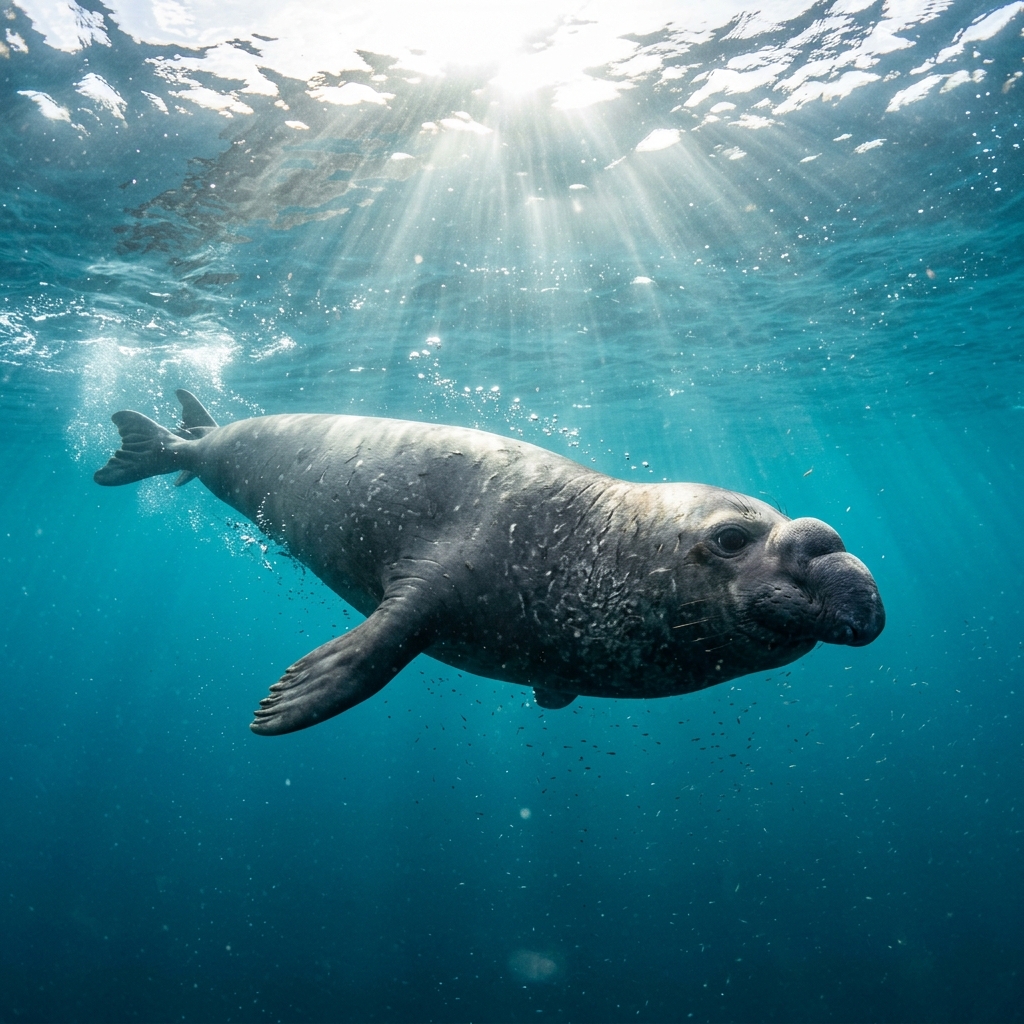
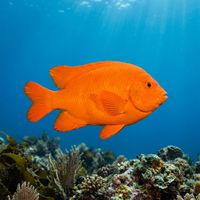
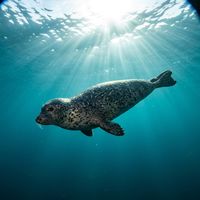
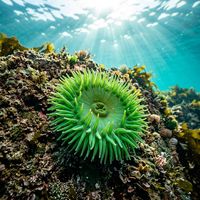
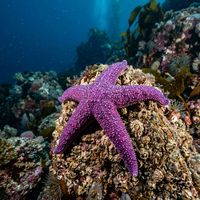
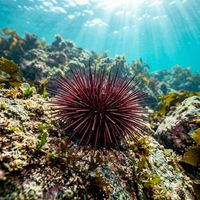
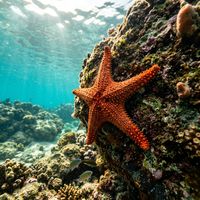
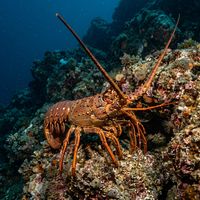
Santa Cruz Island is a boat-access diving destination defined by dense kelp forest, reef and wall topography, and a rich cast of marine mammals. California Sea Lion and Northern Elephant Seal are sighted regularly across the sites, while Garibaldi, Ochre Sea Star and Giant Green Anemone are found at virtually every dive. Sites range from beginner-friendly reef and kelp dives at Pelican Bay and Forney Cove to more demanding pinnacles and cave diving at Bee Rock and Painted Cave.

Monthly water temperature across Santa Cruz Island's sites, from satellite sea-surface data corrected for depth. The band shows the site-to-site spread.
Water temperature stays cool and relatively stable year-round, with a modest warm peak in autumn. Conditions and diver reports favour late summer through autumn, particularly September and October, when visibility and marine activity tend to be at their best. Winter months are diveable but see less activity.
3 operators
3 more sites to explore
Water temperature around Santa Cruz Island ranges from about 13°C in April to 16°C in September, based on satellite sea-temperature data for its dive sites.
With water around 13–16°C, a 7mm or semi-dry suit works in Santa Cruz Island year-round.
Fin maps 14 sites in Santa Cruz Island (14 scuba diving sites).
Across Santa Cruz Island's dive sites, July, September and October are most often reported as the best months to visit.
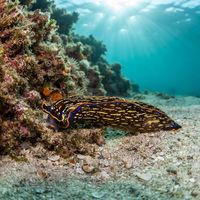
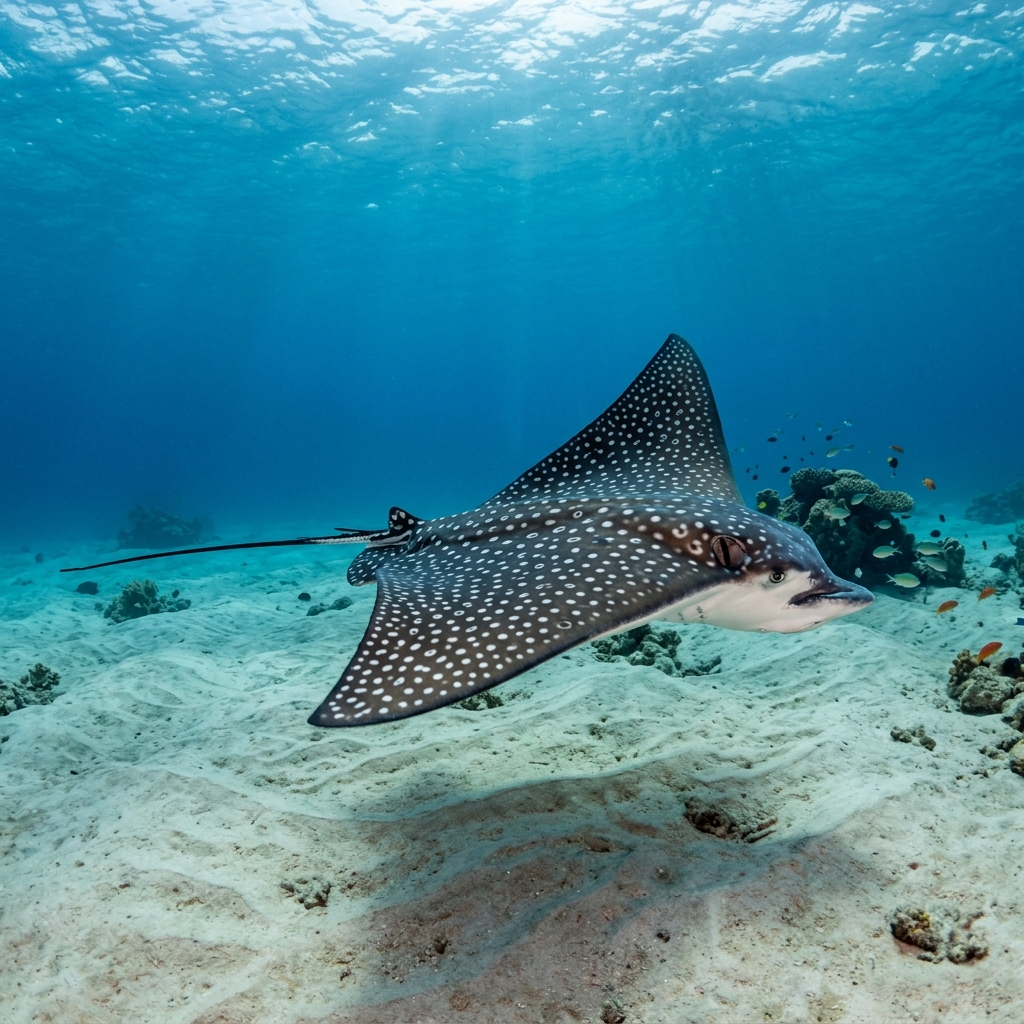
California Sea Lion and Harbor Seal are commonly encountered across many sites, and Northern Elephant Seal sightings are also well documented. Garibaldi, Ochre Sea Star and Giant Green Anemone are present at virtually every site. Less frequent but observed highlights include Horn Shark, Eagle Ray, Spanish Shawl nudibranch, and the colourful sea slug Navanax.
Several sites are rated for beginners, including Pelican Bay, Punta Arena, Forney Cove and Bowen Point. These are reef and kelp forest dives with moderate depth ranges and boat access from established operators. Intermediate-rated sites such as Painted Cave and Bee Rock suit divers with more experience managing kelp, walls and variable conditions.
All sites listed are boat-access only. Operators including Maverick UnderSea Divers, Dive Santa Barbara and Blue Cheer Ocean Sports run trips to the island. There are no shore-entry dive sites in the data.
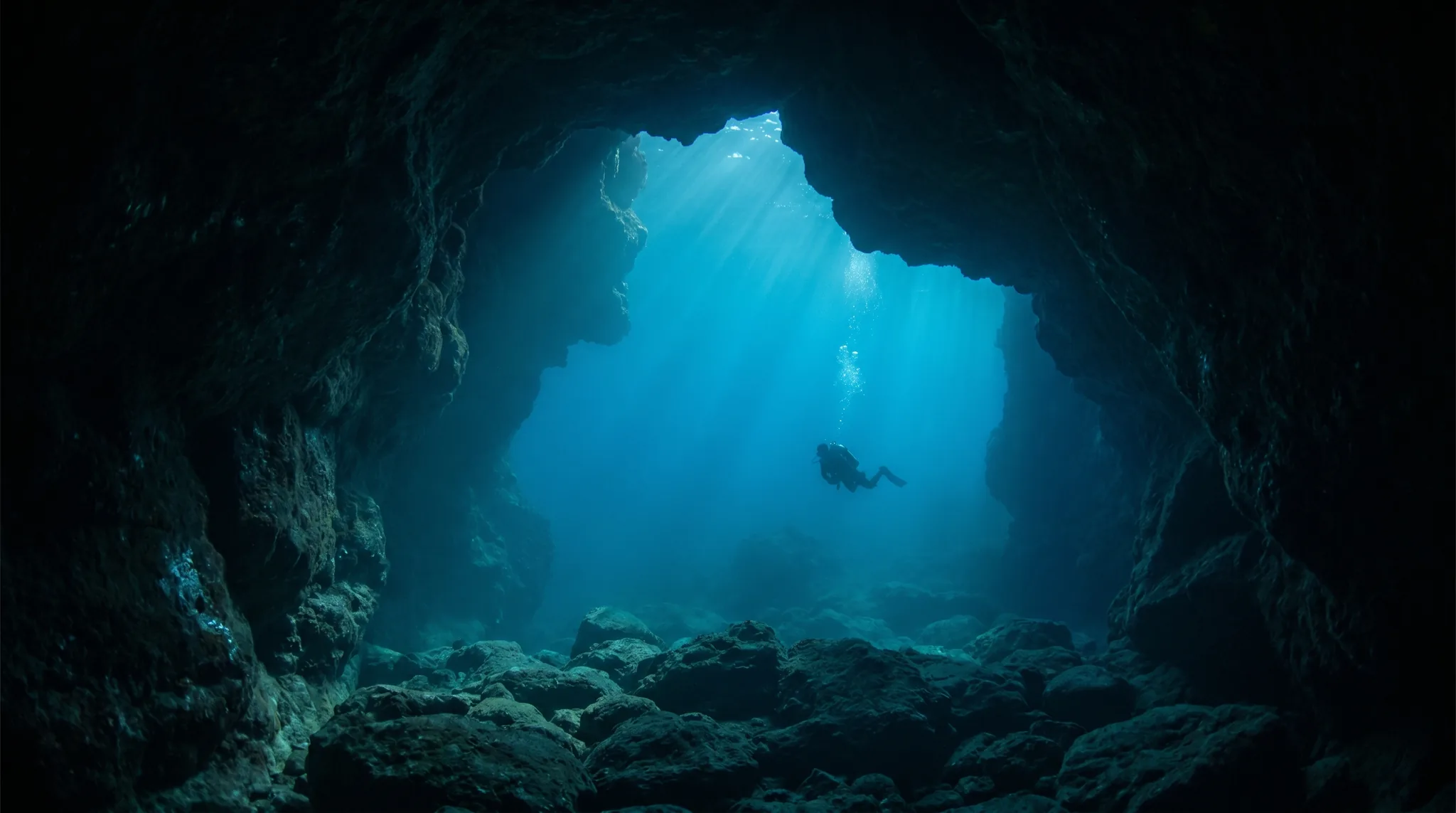
The island has a varied mix of site types: kelp forest and reef dives make up the majority, but there are also walls, pinnacles, a cave at Painted Cave, and an artificial reef structure at Gull Island. Scorpion Anchorage adds a wreck element to its reef and kelp environment, giving the island a broad range of underwater terrain for different interests.