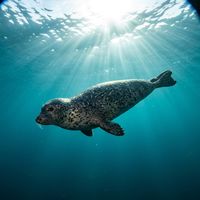
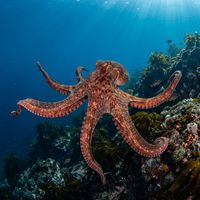
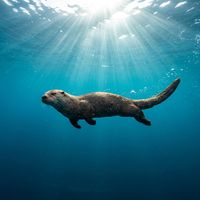
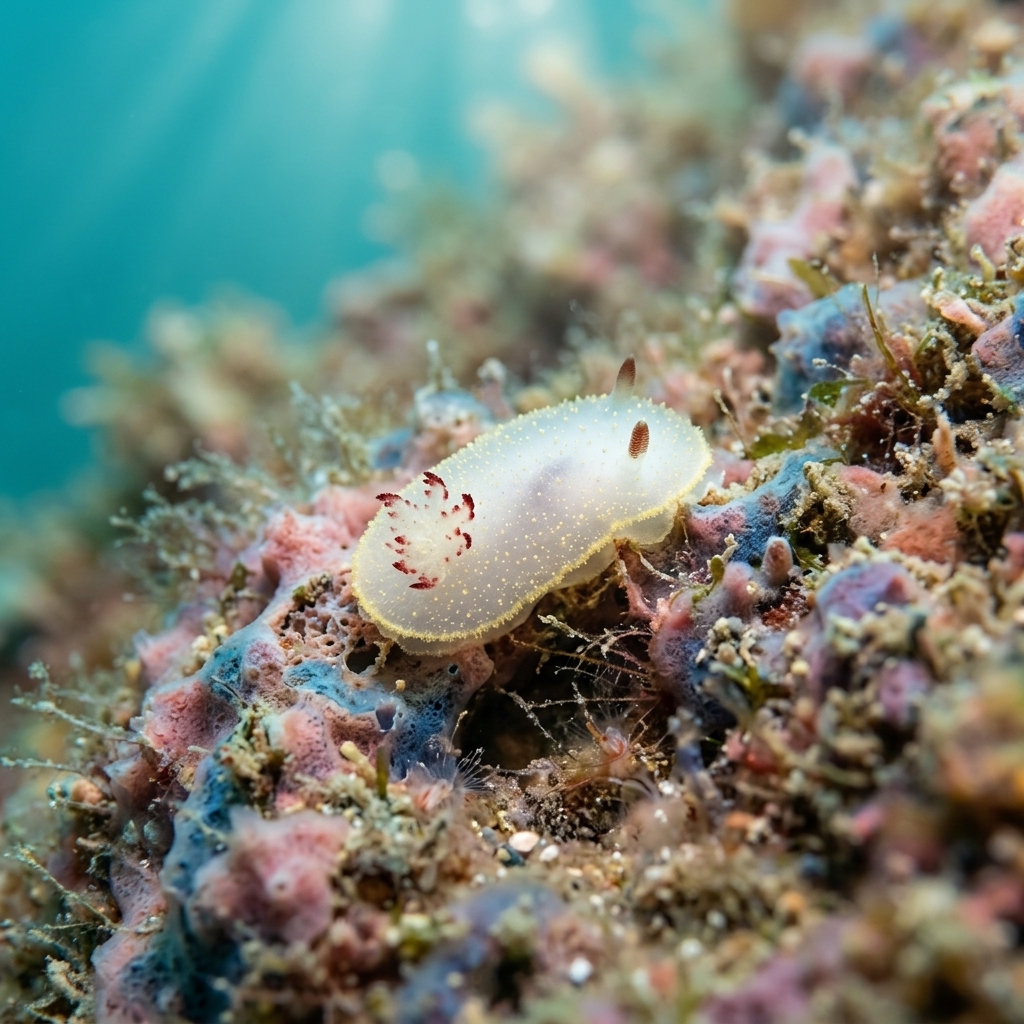
Southcentral Alaska offers cold-water diving across a varied mix of site types, from kelp forest and reef to wreck and freshwater. Shore entry dominates, with sites ranging from very shallow beginner spots like Hidden Lake and Valdez City Pool to more demanding dives such as Whittier Cessna. Harbor Seal, Giant Pacific Octopus, King Crab, and Sea Star are regularly observed, alongside occasional sightings of Sea Otter and Steller Sea Lion. Water stays cold year-round, so drysuit experience is essential.
Monthly water temperature across Southcentral Alaska's sites, from satellite sea-surface data corrected for depth. The band shows the site-to-site spread.
Water temperatures are coldest through late winter and early spring, rising to their warmest in late summer before cooling again through autumn. The warmer months bring the most comfortable conditions for extended dives, though the data shows divers also rate shoulder seasons favourably. Exposure to cold is a constant factor regardless of season, and drysuit capability is advisable throughout the year.
8 operators
United States
United States
United States
United States
10 more sites to explore
Water temperature around Southcentral Alaska ranges from about 4°C in February to 12°C in August, based on satellite sea-temperature data for its dive sites.
In the warm season (about 12°C) a 7mm or semi-dry suit is comfortable in Southcentral Alaska; in the coldest months (about 4°C) step up to a drysuit.
Fin maps 15 sites in Southcentral Alaska (12 scuba diving sites and 4 snorkelling spots, with some suited to both).
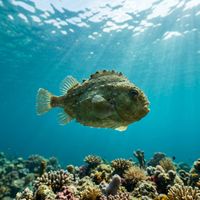
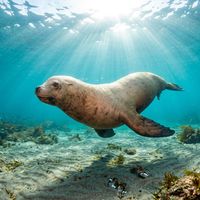
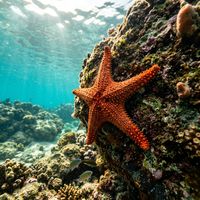
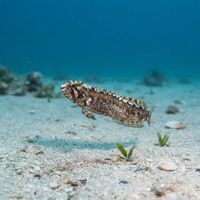
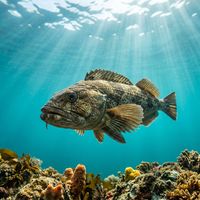
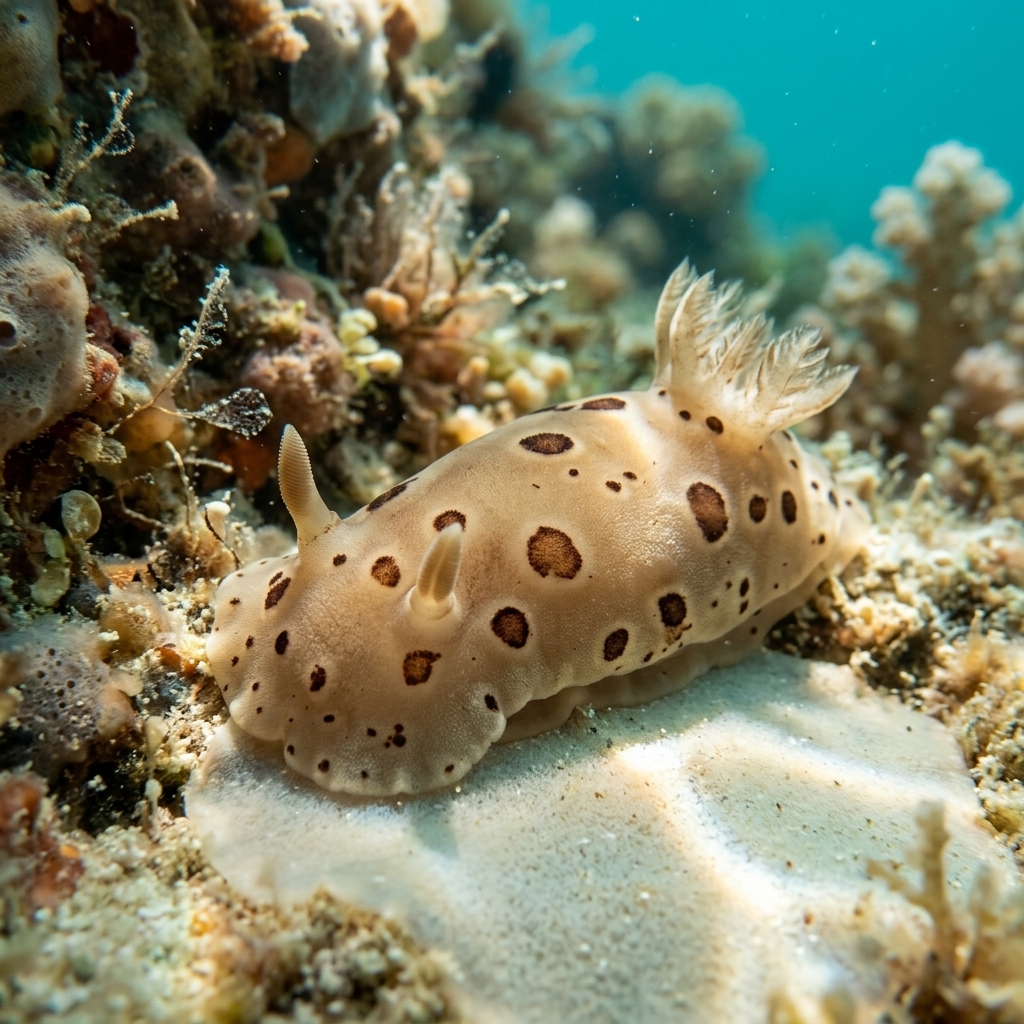
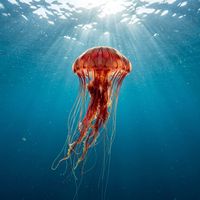
Harbor Seal and Sea Star are the most commonly observed species across sites. Giant Pacific Octopus, King Crab, and Nanaimo Dorid are also frequently sighted. Divers may occasionally come across Sea Otter, Steller Sea Lion, Ling Cod, Righteye Flounder, and Pacific Lion's Mane Jellyfish.
Several sites cater specifically to beginners, including Hidden Lake and Valdez City Pool, both of which offer shallow, shore-entry conditions. Kasitsna Bay Laboratory is rated advanced due to its cold-water conditions and site complexity, while PetroStar Cove and Whittier Cessna sit at an intermediate level. Newcomers to cold-water diving should build comfort with thermal protection before attempting the more demanding sites.
Shore entry is the standard across the sites listed in this region, with no boat-access sites recorded in the current data. This makes logistics relatively straightforward, though some sites require walking gear to the water's edge. There are currently no listed dive operators in the region, so visiting divers should plan to be self-sufficient or arrange support in advance.
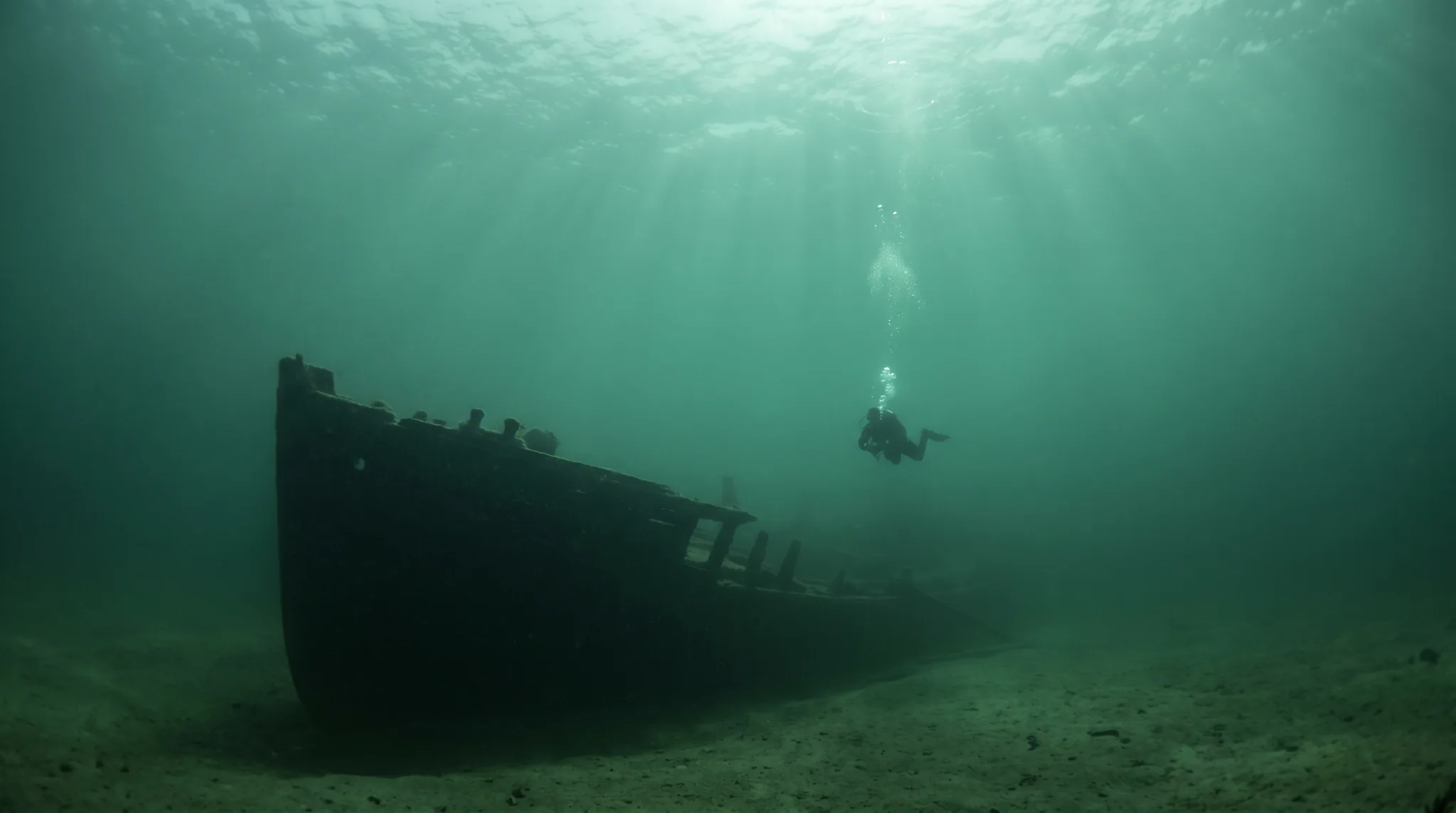
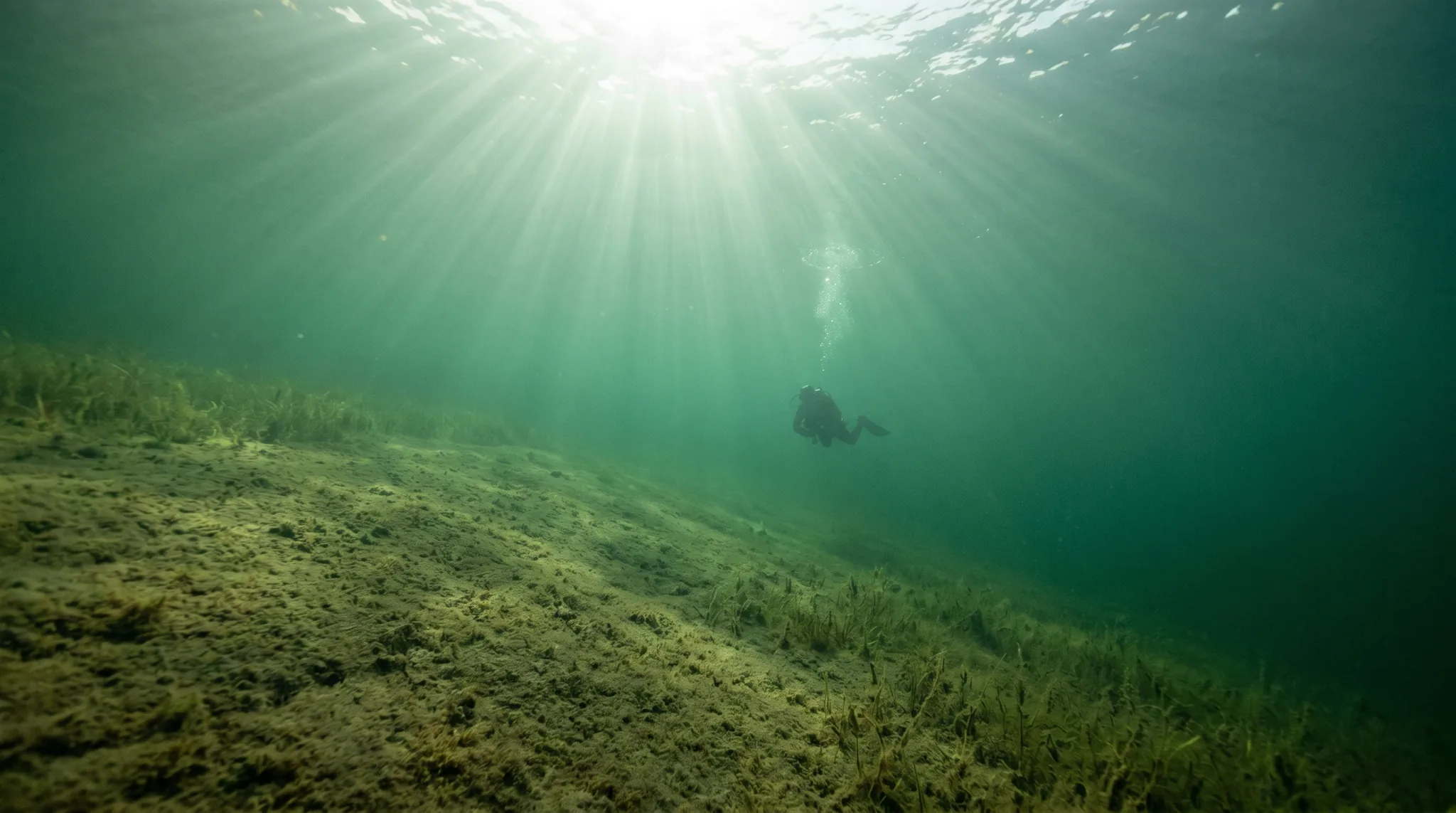
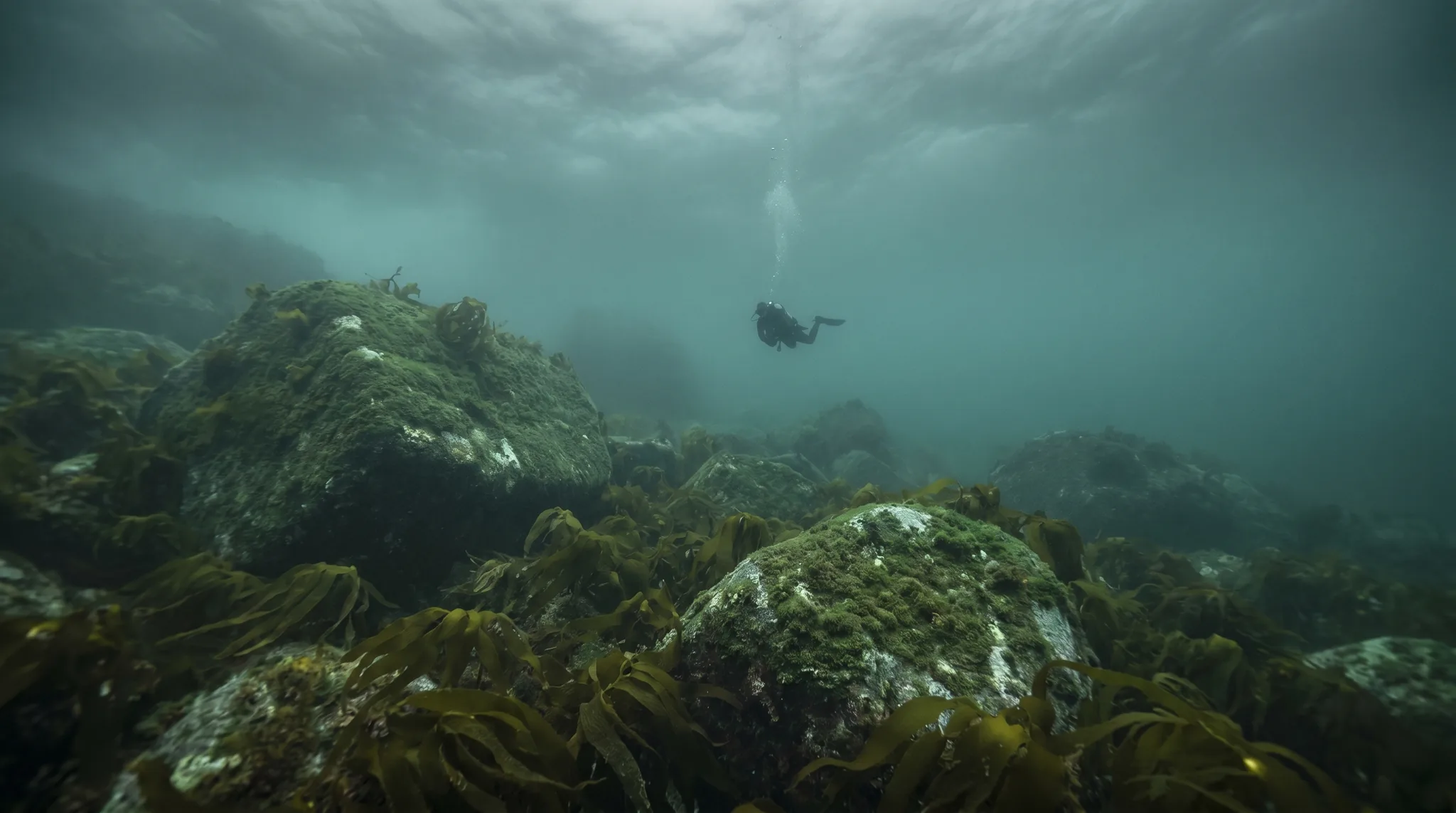
The region covers a broad range of site types, including kelp forest, reef, artificial reef, seagrass, and wreck diving. Kasitsna Bay Laboratory combines several of these in a single shore dive. Whittier Cessna adds a submerged aircraft wreck alongside reef and kelp forest, giving more experienced divers a multi-layered environment to explore. Hidden Lake stands out as a freshwater option among the otherwise cold saltwater sites.