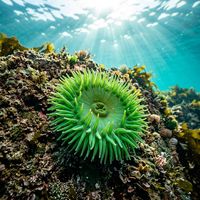
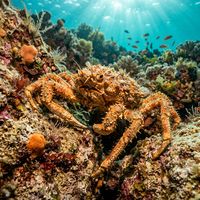
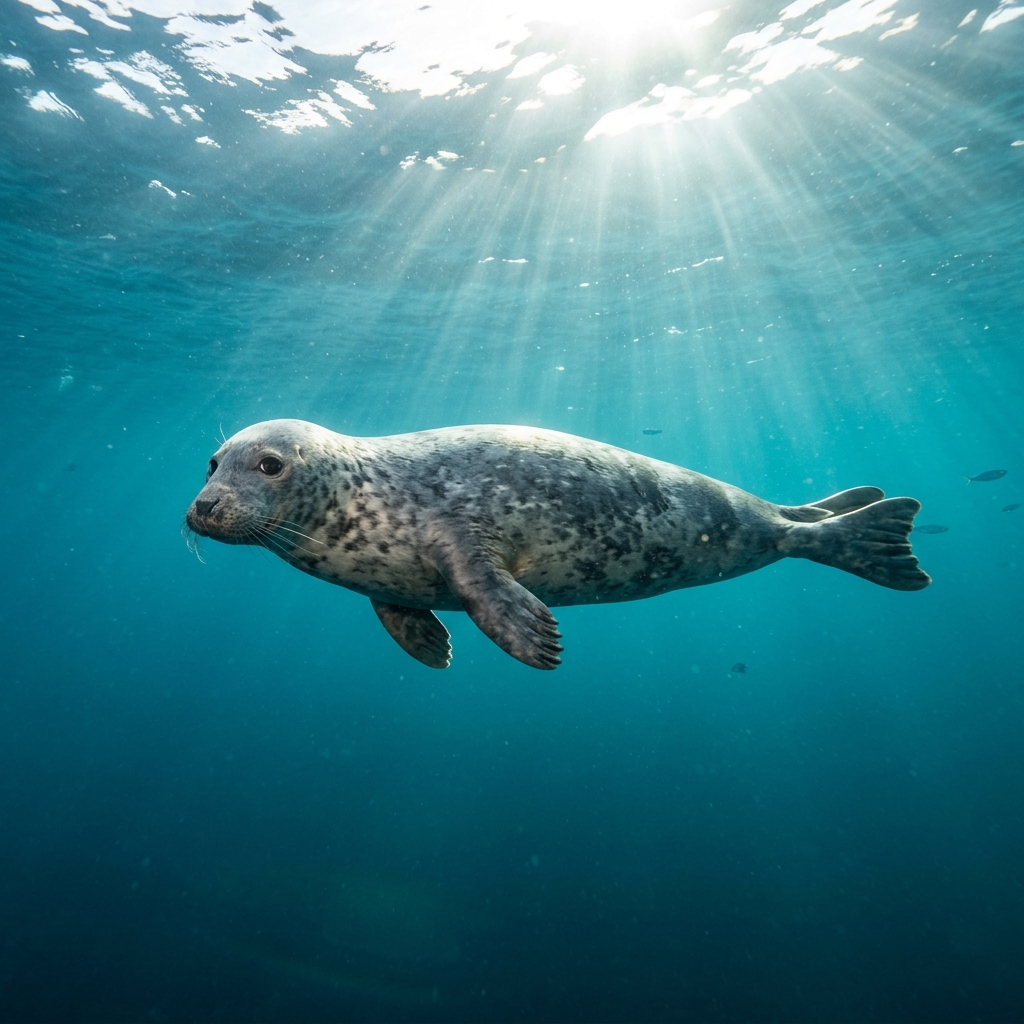
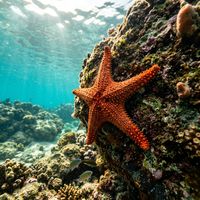
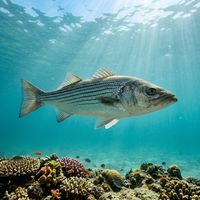
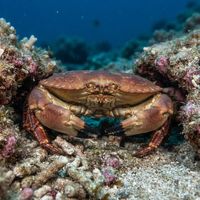
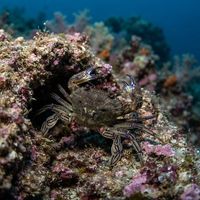
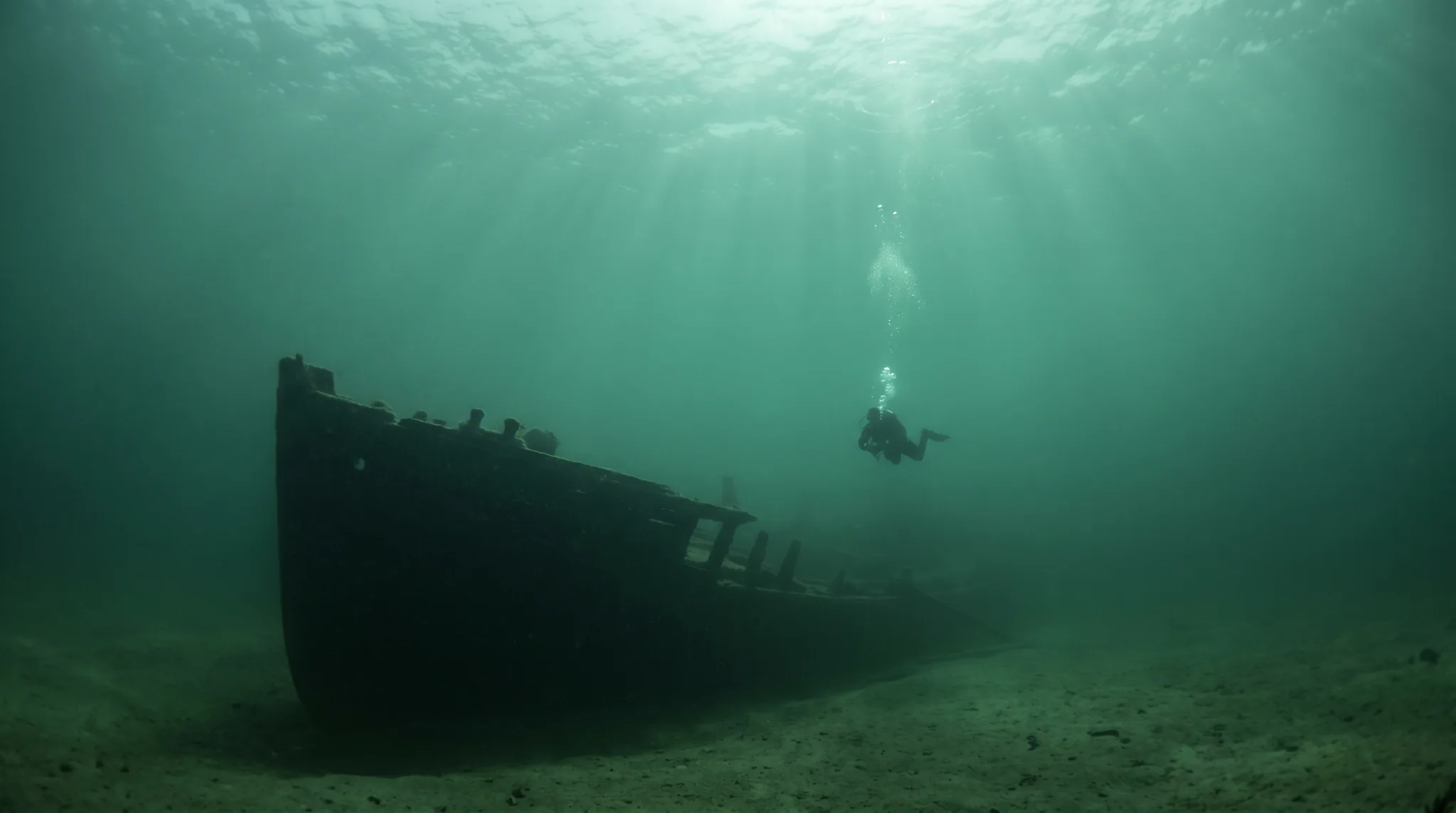
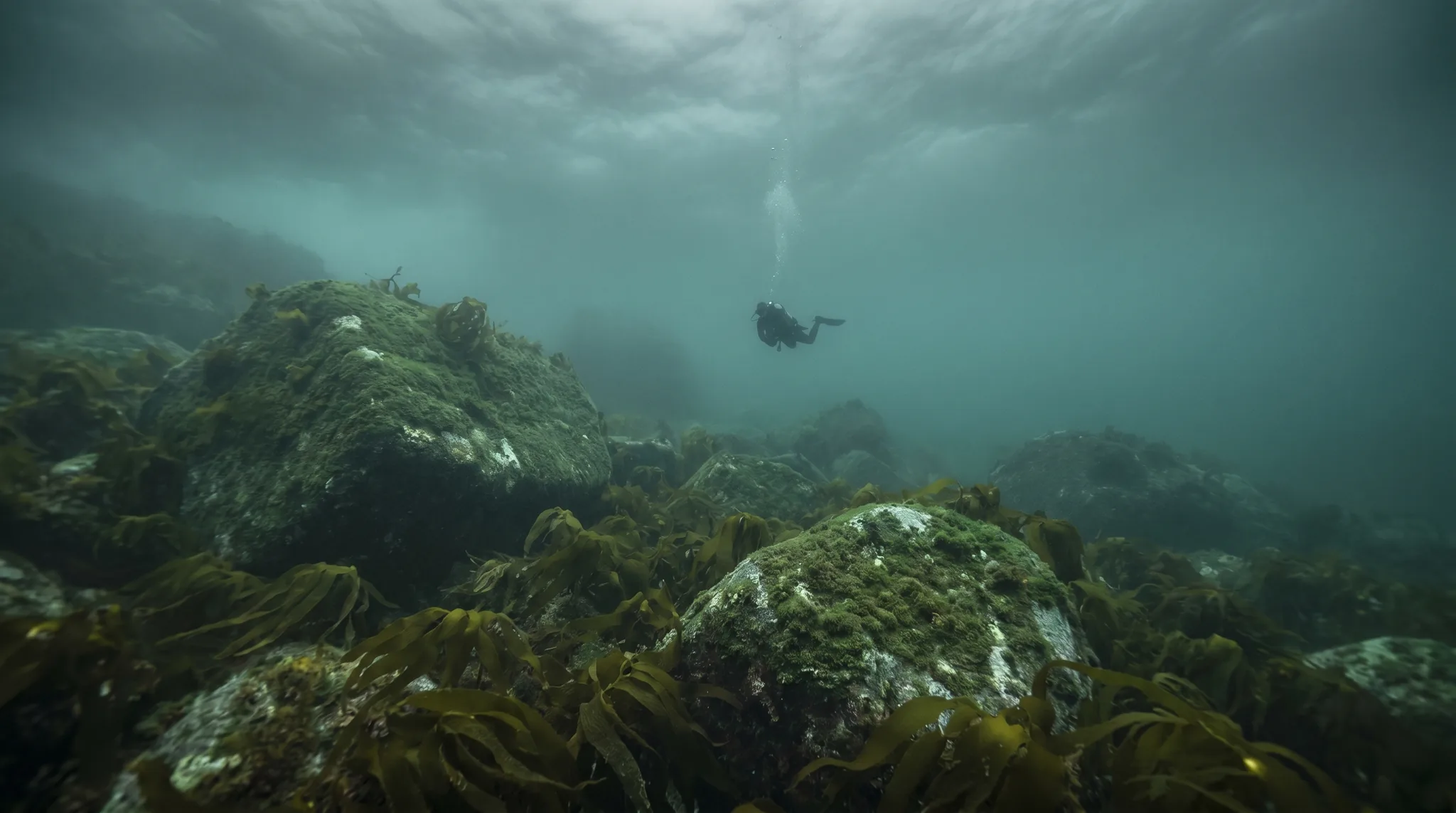
Cardigan Bay's snorkelling is defined by rocky reefs, a rich invertebrate community, and the occasional marine mammal encounter. The Spiny Spider Crab and Shanny are found across almost every site, while the European Common Cuttlefish is a signature sighting. Sea Anemone, Sea Star, and European Green Crab fill the shallows, and Gray Seal appearances add an element of surprise. Water temperatures climb from spring into summer, making the warmest months the most rewarding time to explore.
Monthly water temperature across Cardigan Bay's sites, from satellite sea-surface data corrected for depth. The band shows the site-to-site spread.
2 operators
United Kingdom
12 more sites to explore
Water temperature around Cardigan Bay ranges from about 8°C in February to 18°C in August, based on satellite sea-temperature data for its dive sites.
In the warm season (about 18°C) a 5mm suit is comfortable in Cardigan Bay; in the coldest months (about 8°C) step up to a drysuit.
Fin maps 14 sites in Cardigan Bay (4 scuba diving sites and 11 snorkelling spots, with some suited to both).
Across Cardigan Bay's dive sites, May, June, July, August and September are most often reported as the best months to visit.
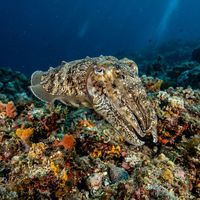
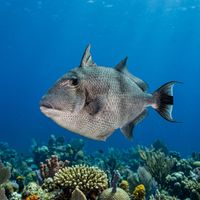
The most consistent sightings are Spiny Spider Crab, Shanny, and European Green Crab, which appear across nearly all sites. European Common Cuttlefish are frequently observed and are considered one of the bay's signature species. Temperate Bass, Cod, Sea Anemone, and Sea Star are also regularly encountered on the reef. Gray Seal turns up occasionally, and both Bottlenose Dolphin and Risso's Dolphin have been recorded in the area.
The majority of sites are shallow and reached from shore, which makes them accessible for those without extensive experience. Reef structure is present across much of the bay, giving snorkellers something to explore without needing to venture into deep water. Summer conditions, when water temperatures are at their warmest, are the most forgiving for beginners.
Shore entry is the standard approach across Cardigan Bay's snorkel sites. There are no listed dive or snorkel operators currently based in the region, so independent access is the norm. Sites such as Sun Beach and Tywyn are both noted as shore-entry locations, keeping logistics simple for self-guided snorkellers.
Reef is the dominant site type, providing rocky structure that supports a broad range of species from crabs and anemones to fish. The relatively shallow depth range across most sites means reef features are within easy reach at the surface. This variety of nooks and ledges is what makes invertebrates such as the Spiny Spider Crab and European Common Cuttlefish so regularly encountered.