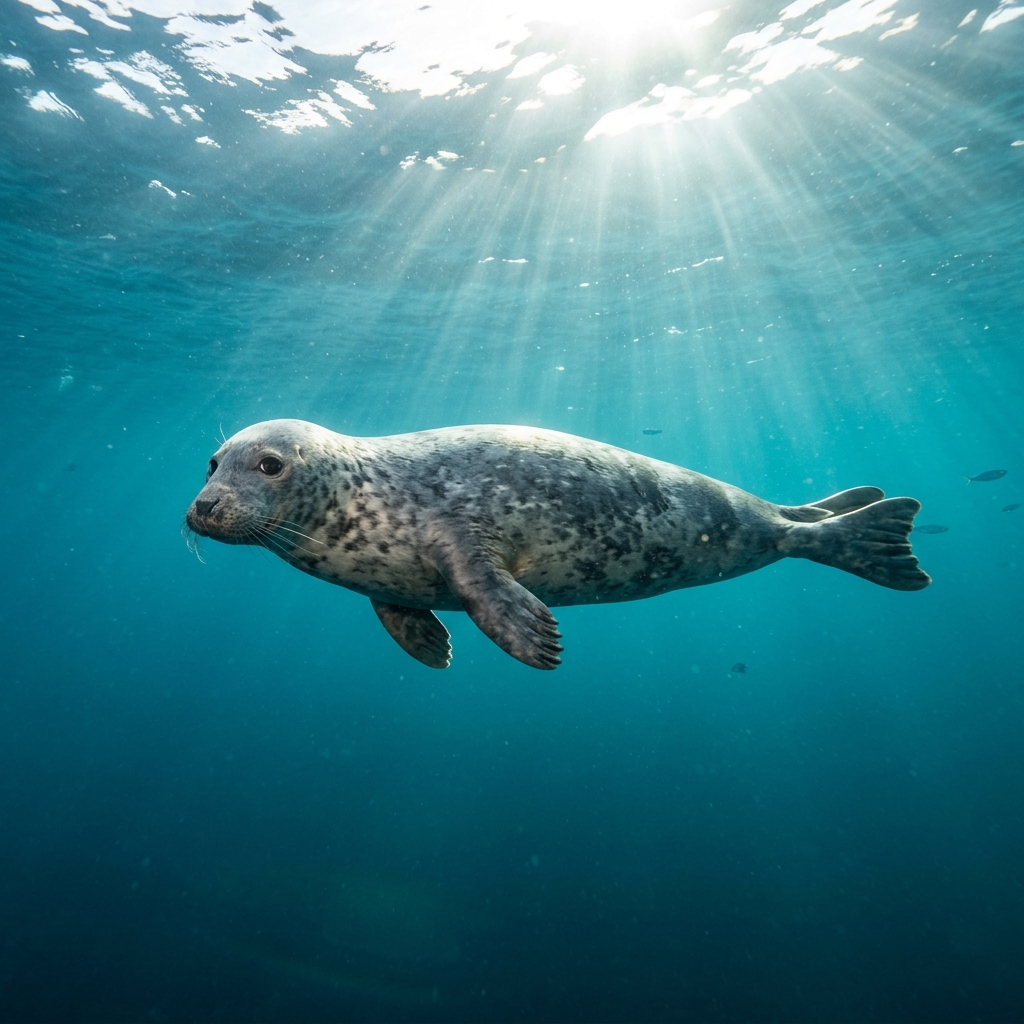
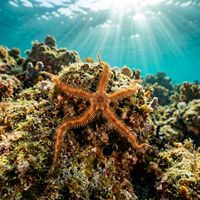
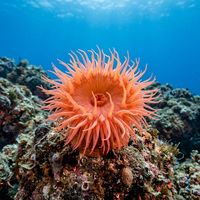
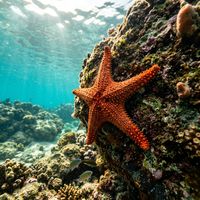
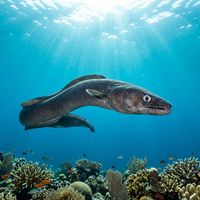
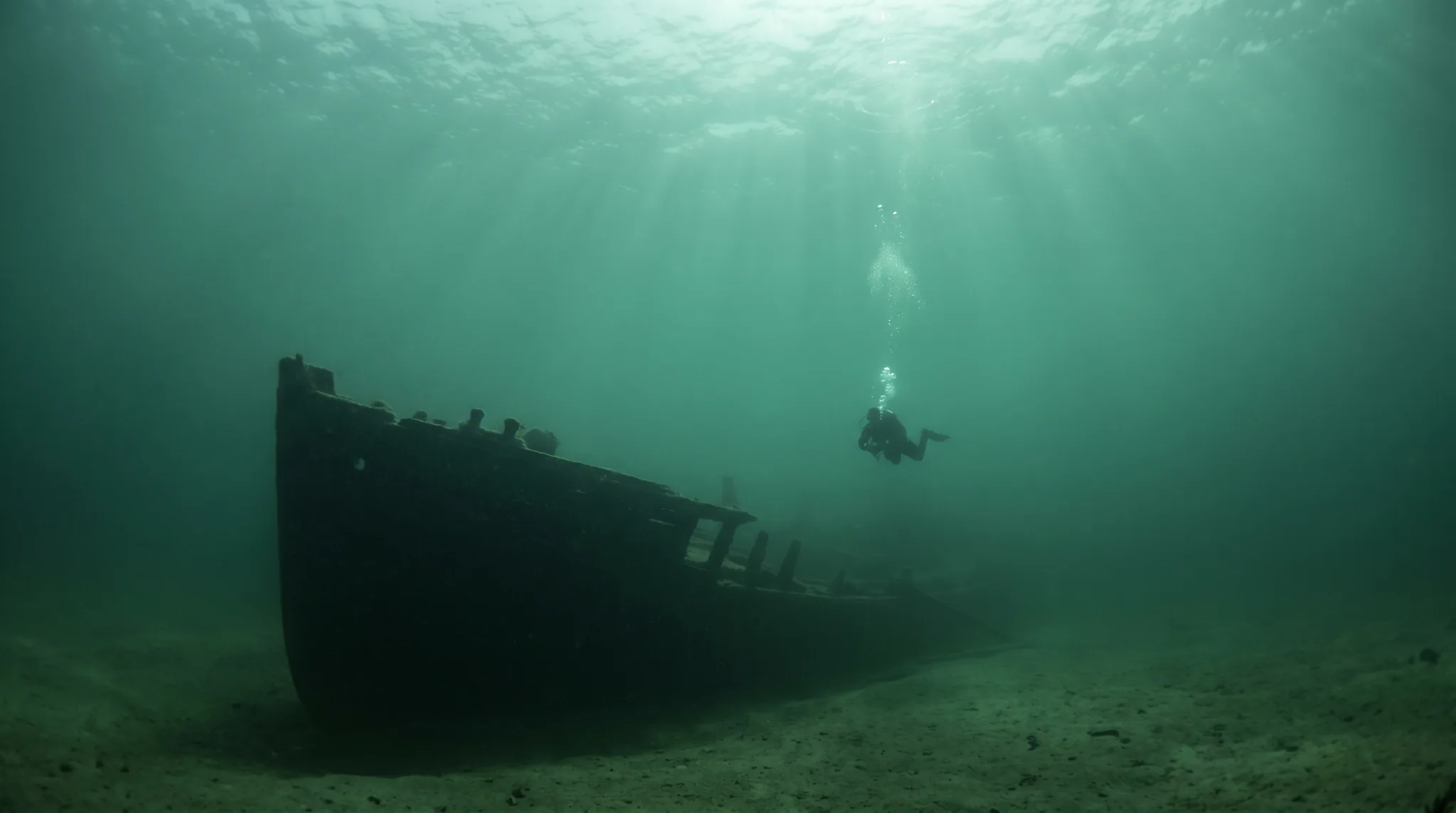
North Wales offers a compelling mix of flooded slate quarries, rocky reefs, kelp forest, cave systems and wrecks ranging from shallow to deep. The quarries at Dorothea and Vivian provide contained, current-free conditions ideal for training and technical progression, while offshore reefs such as Puffin Island and Ynys Moelfre demand respect for tidal movement. Wrecks suit divers across skill levels. Brittle Star, Sea Star and Tube Worm are found across almost every site, and Gray Seal and Harbor Seal are regularly encountered.
Monthly water temperature across North Wales's sites, from satellite sea-surface data corrected for depth. The band shows the site-to-site spread.
Water temperature rises from its winter low into the mid-teens by late summer, making July through September the most comfortable months for those who feel the cold. Spring sees temperatures beginning to climb and conditions improving, which aligns with the peak diving season running from May through September. Outside these months diving remains possible but cooler water and reduced visibility call for more exposure protection.
15 operators
18 more sites to explore
Water temperature around North Wales ranges from about 9°C in February to 16°C in August, based on satellite sea-temperature data for its dive sites.
In the warm season (about 16°C) a 7mm or semi-dry suit is comfortable in North Wales; in the coldest months (about 9°C) step up to a drysuit.
Fin maps 30 sites in North Wales (26 scuba diving sites and 7 snorkelling spots, with some suited to both).
Across North Wales's dive sites, May, June, July, August and September are most often reported as the best months to visit.
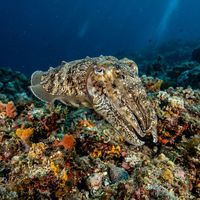
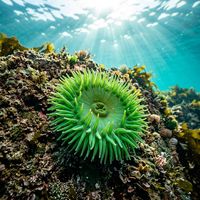
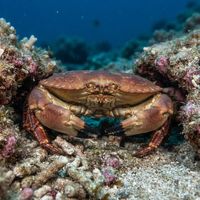
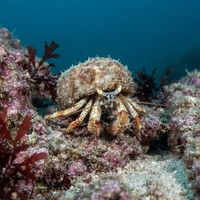
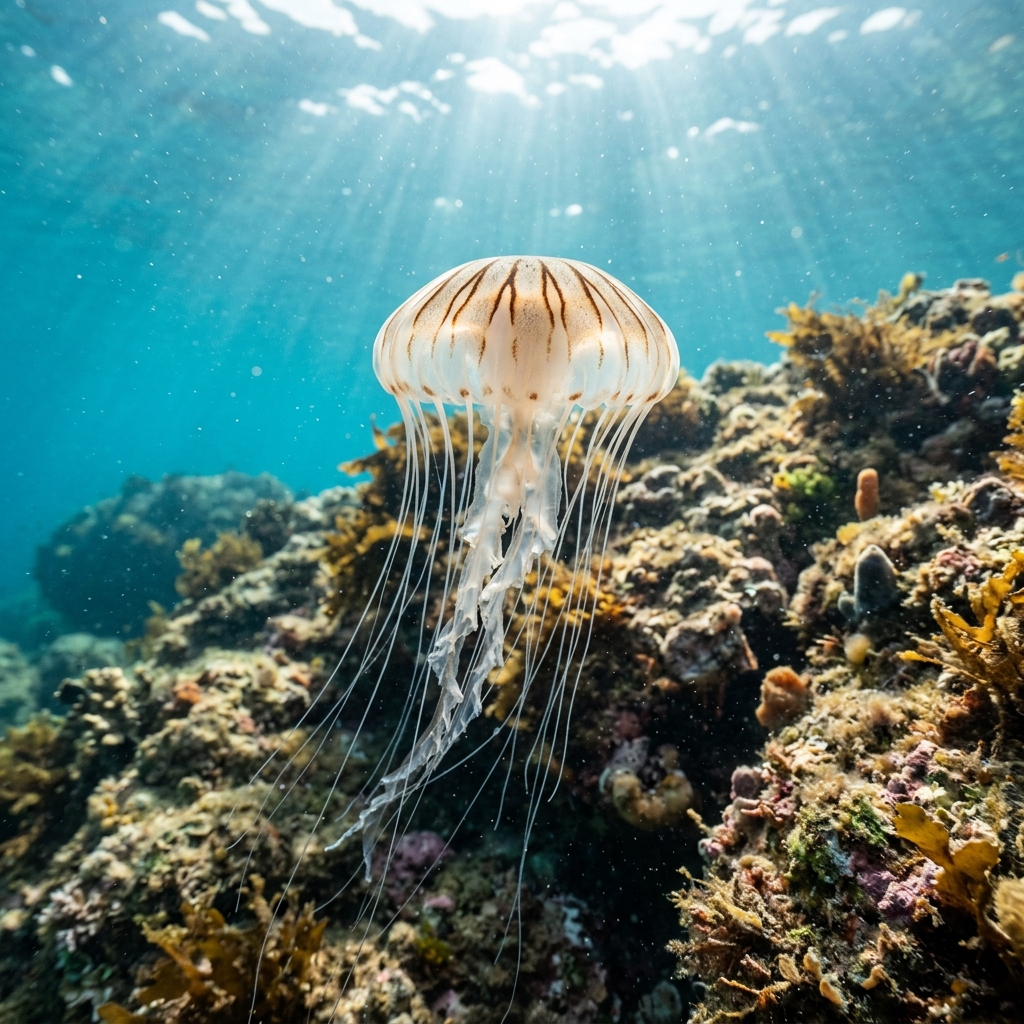
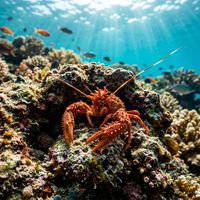
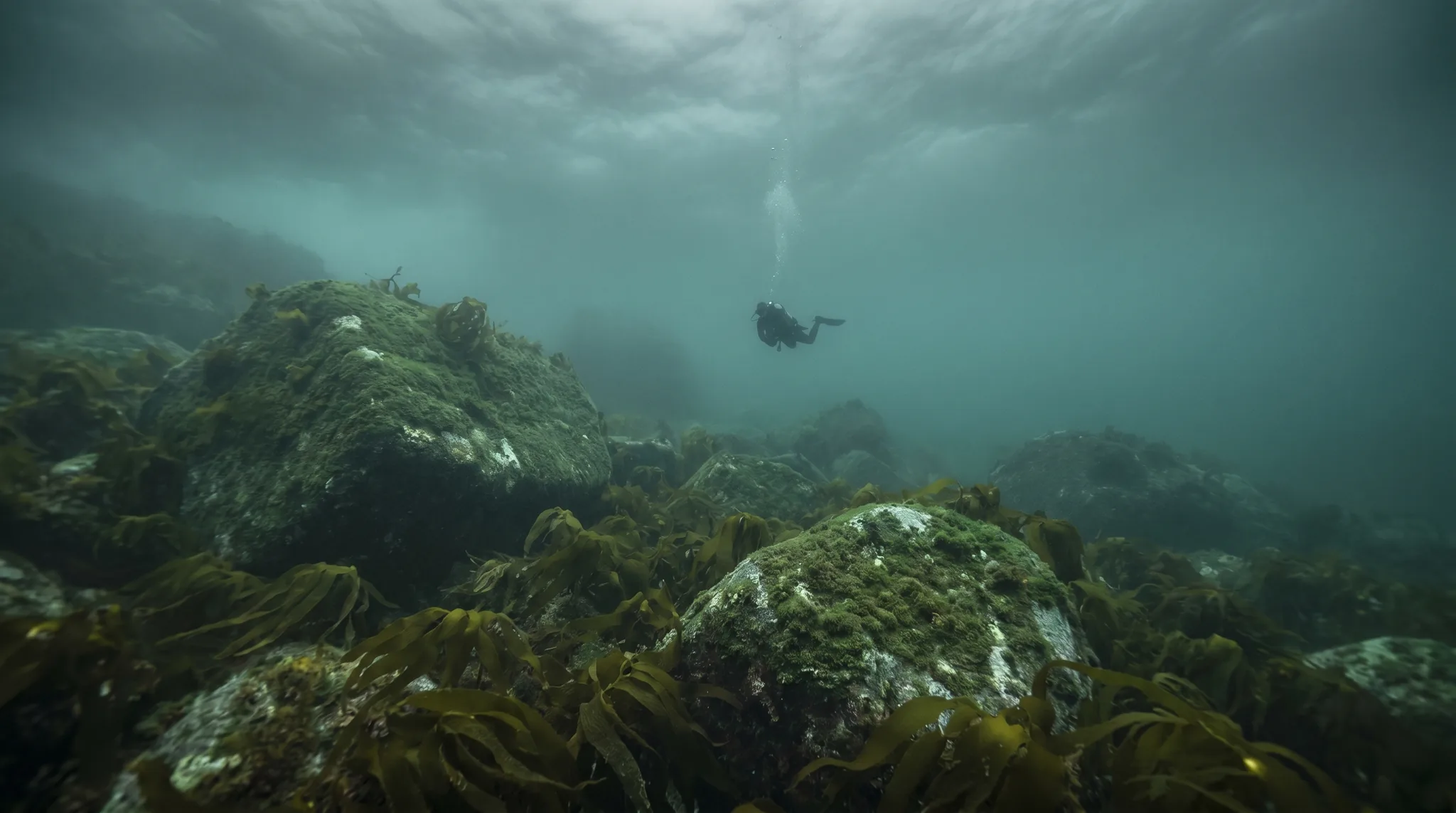
Brittle Star, Sea Star and Tube Worm are found across the great majority of sites. Catshark, Squat Lobster, Spiny Spider Crab and Rock Crab are commonly encountered, along with Sepiola and Compass Jellyfish. The signature species are European Common Cuttlefish, Gray Seal and Harbor Seal, all of which have been observed in the region.
Yes. Vivian Quarry and Dorothea Quarry offer contained, current-free freshwater diving with shore entry, making them popular for newly qualified divers and those building confidence. Trefor Pier and Criccieth Castle are shallow shore dives also rated for beginners. The wreck Missouri is accessible from shore or boat at a consistent, manageable depth.
The flooded slate quarries such as Vivian Quarry and Dorothea Quarry are freshwater, current-free and accessed from shore, offering predictable conditions suited to training and practice dives. Offshore sites like Puffin Island and Ynys Moelfre are tidal reef dives with kelp forest and cave features that require careful timing and intermediate to advanced experience. Wrecks range from shallow, boat-accessible dives to deeper sites strictly for experienced divers.
A good number of sites are accessible from shore, including both quarry sites, Trefor Pier, Criccieth Castle and the Missouri wreck. However, some of the more rewarding reef and wreck sites, including Puffin Island, Ynys Moelfre and the deeper Chacabuco wreck, require a boat. Having both shore and boat options means divers can plan trips even without a charter booked.