Cyclopterus lumpus
A stout, warty ball of a fish clinging to rocks in Zeeland's cold water, most reliably found uncommon in the Netherlands and Germany.
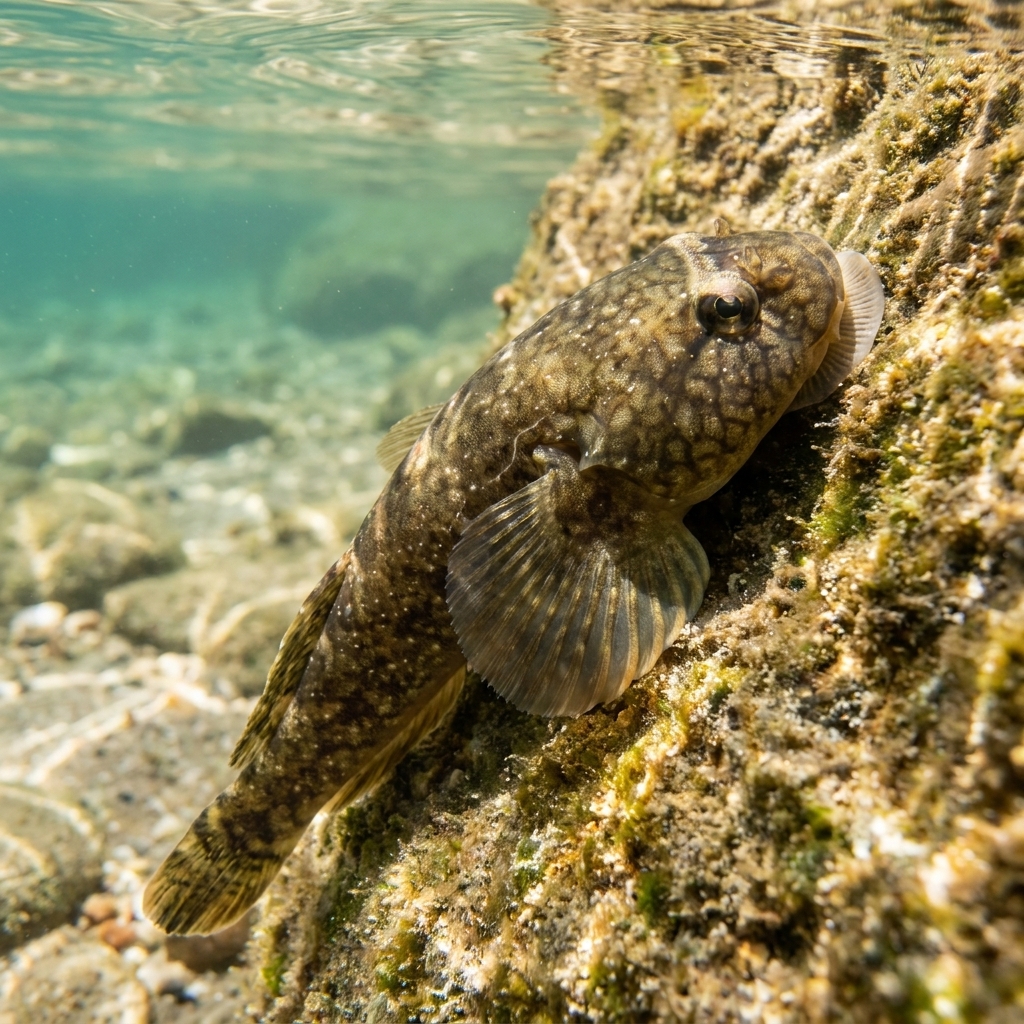
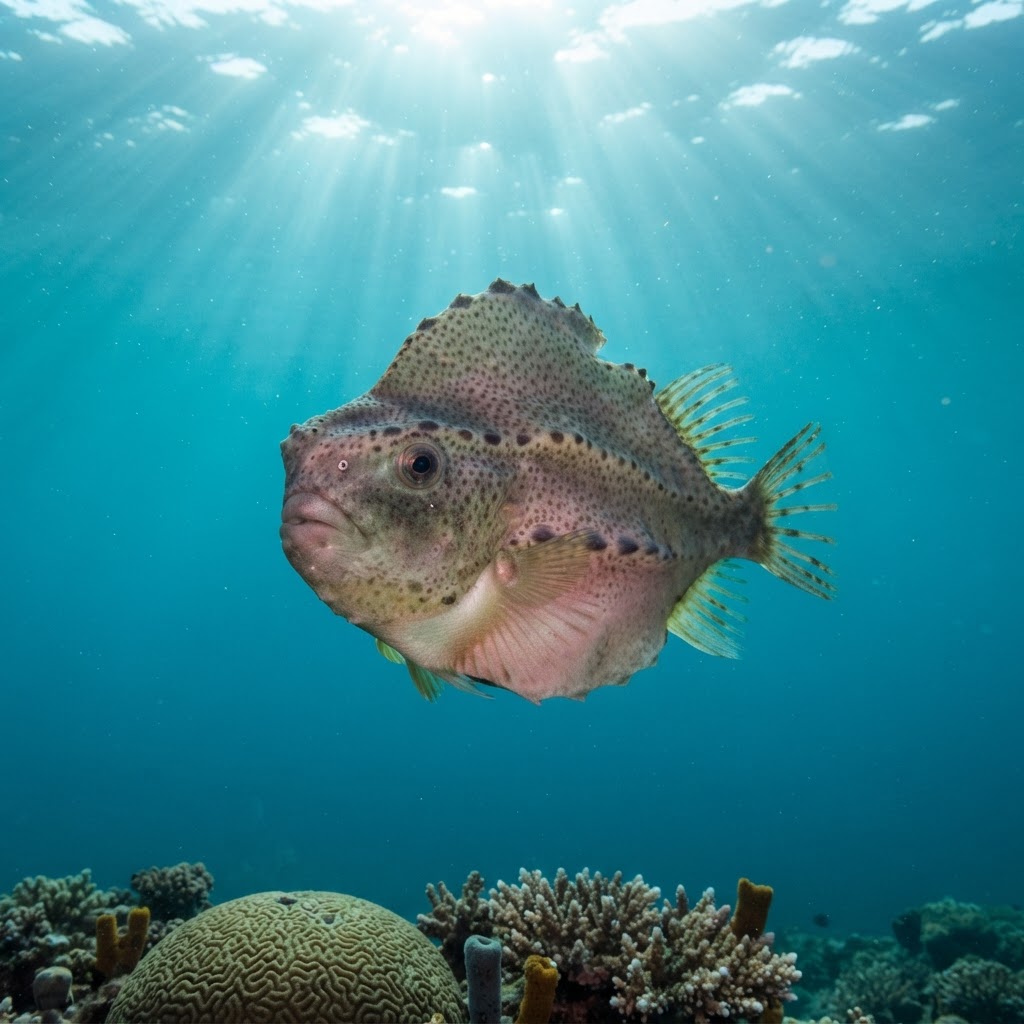
A short, round body shaped almost like a ball with no visible neck, usually grey-green to brownish with rows of bony tubercles down the flanks. Look for the sucker disc on its belly, formed from fused pelvic fins, which it uses to grip rock and kelp rather than swim off. Males in shallower water often show a reddish or orange flush on the belly and fins, especially when guarding eggs, while females tend to stay a plainer grey-green.
Expect to find it parked on a rock, piling, or patch of kelp rather than swimming in open water, using its sucker disc to hold position against current with barely a fin twitch. It is not shy so much as inert, letting divers get close before it bothers to shuffle off, and it is logged as uncommon to rare at most sites, so a sighting takes a bit of patient scanning of the substrate rather than the water column.
That sucker disc on its belly is strong enough to hold the fish fast to rock in surge that would otherwise sweep it away, letting it sit motionless instead of fighting the current by swimming.
Sightings show no clear seasonal spike in the data, and the fish is logged across a wide range from near-freezing water up to about 11 C, so it can turn up any time conditions stay on the cold side. In practice this makes it a year-round possibility at cold-water sites rather than a species tied to one season.
This is a cold-water species most reliably logged in the Netherlands, especially around Zeeland, with a strong secondary presence in Schleswig-Holstein, Germany. Divers also find it off Nova Scotia in Canada, and it turns up less often in England, Jersey and Guernsey in the UK, and Nordland in Norway.
Mapping where Lumpfish is logged…
The most reliable spot is Zeeland in the Netherlands, with Schleswig-Holstein in Germany close behind. Nova Scotia in Canada, parts of England, and Nordland in Norway also produce sightings, though less consistently.
There is no strong season in the sighting data, so lumpfish can be found year-round at cold-water sites. They are recorded in water from near freezing up to around 11 C, which covers most of the diving calendar at their usual haunts.
Look for a round, almost ball-shaped body with bony ridges along the sides and no obvious neck or streamlined shape. It usually sits still on rock or kelp rather than swimming, gripping the surface with a sucker disc on its belly.
Adults typically reach around 43 cm, giving them a stocky, rounded silhouette rather than a long or slender one. That size, combined with their sluggish habits, makes them easy to overlook against a rocky bottom.
Their pelvic fins have fused into a suction cup strong enough to anchor them to rock or kelp in strong current, so they hold position by sticking rather than swimming against the flow.
No, lumpfish pose no threat to divers. They are slow, sedentary fish that rely on camouflage and their sucker disc rather than speed or aggression.
Site and sighting data is aggregated from diver logs, iNaturalist and GBIF. For taxonomy and conservation status:
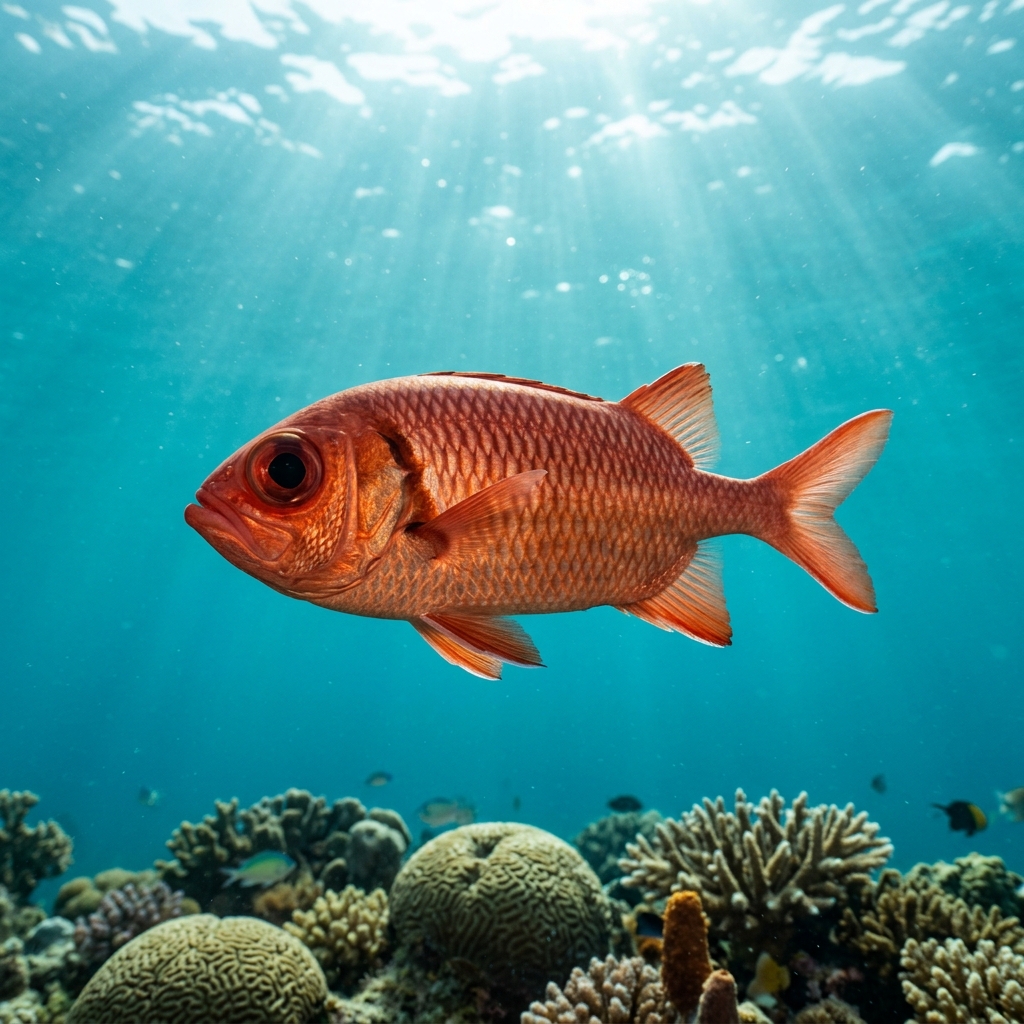
Soldierfish
3,612 sites