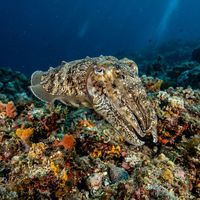
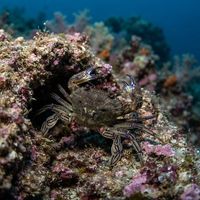
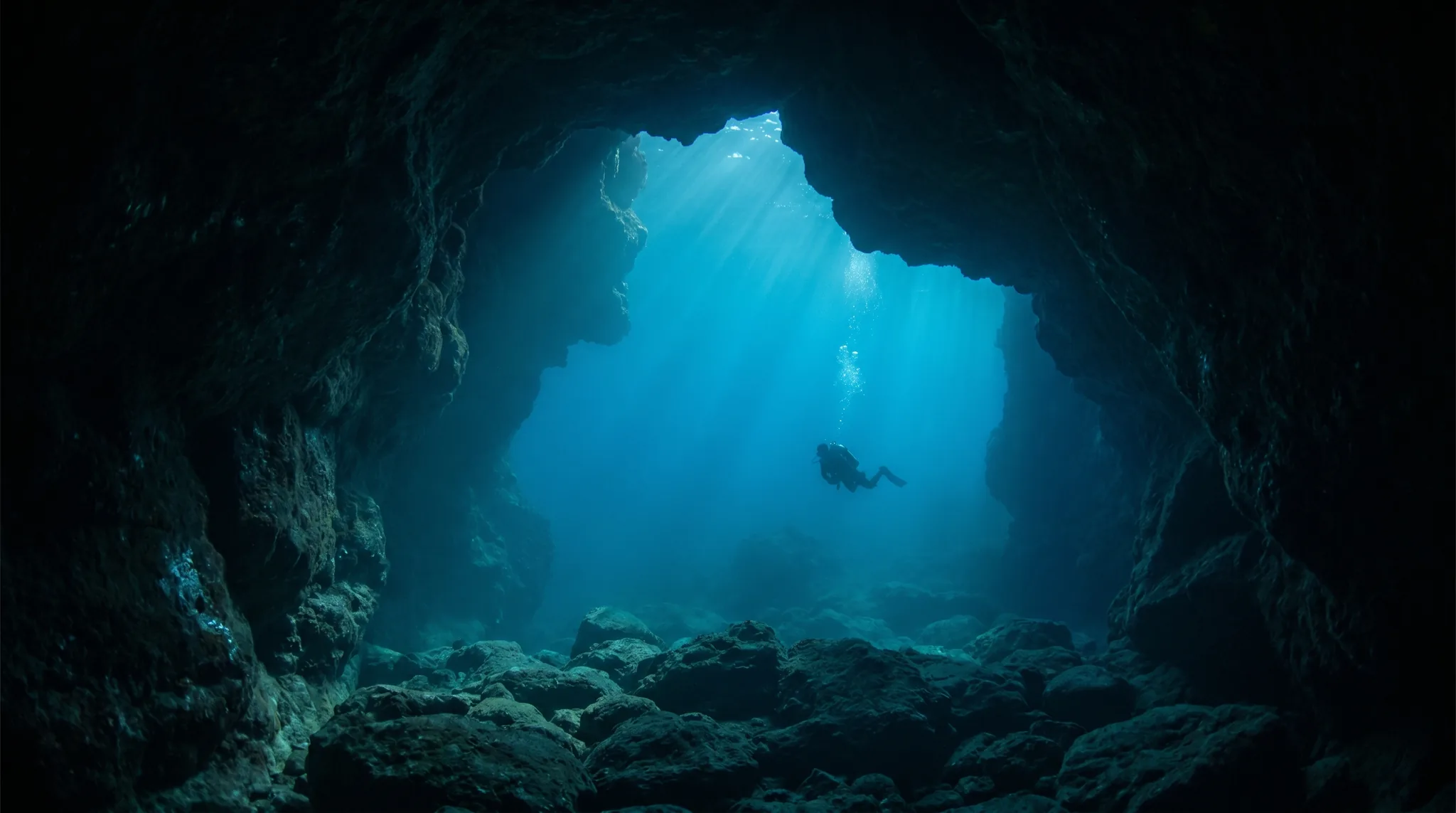
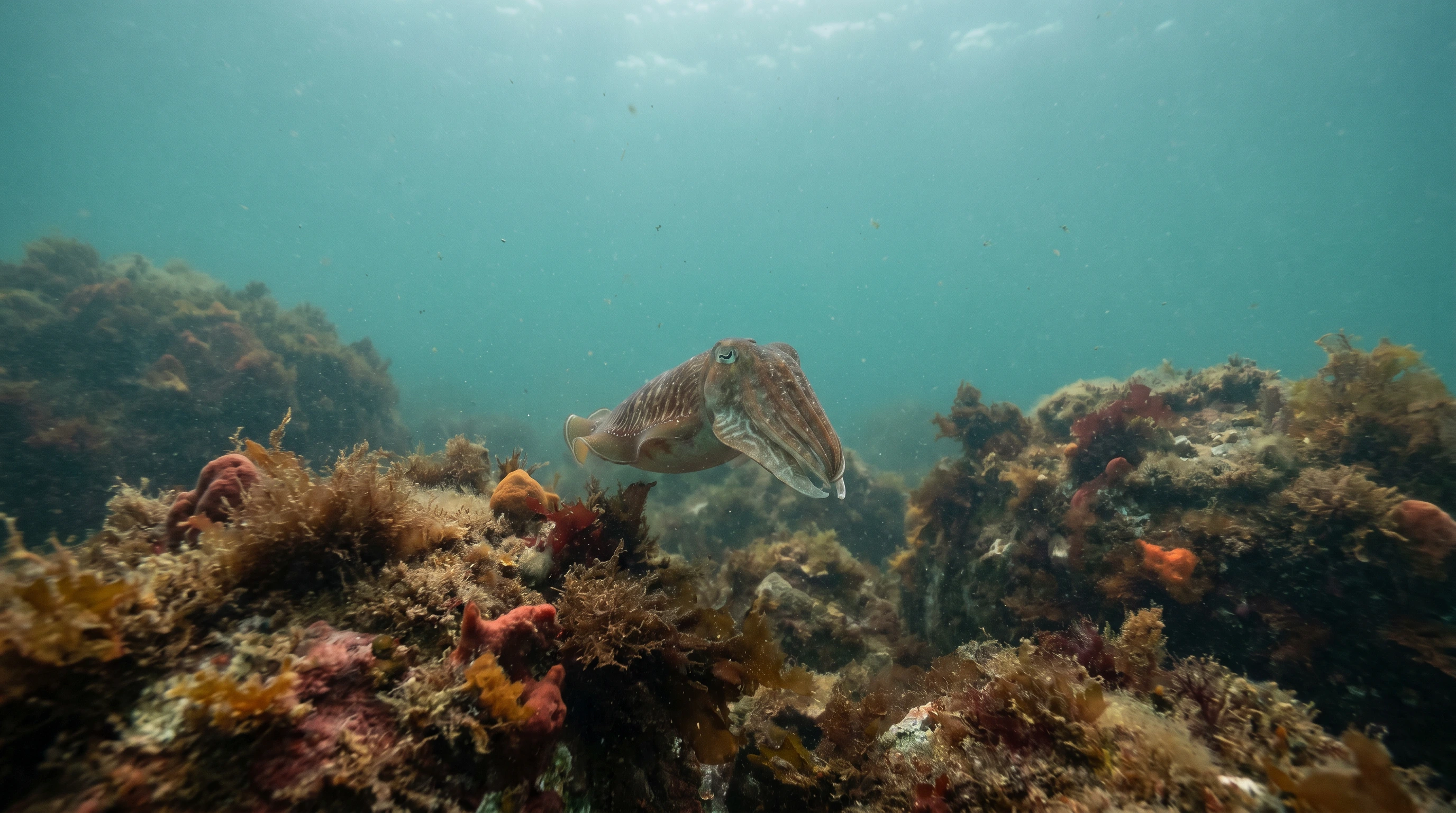
North Brittany and the Emerald Coast is defined by tidal force and a wealth of wrecks. Strong currents shape most sites, rewarding divers who time their entries with the tide. Granite reefs, walls and drop-offs lie within easy boat range of Saint-Malo, while a freshwater quarry at Carrière du Rocher Coupé offers a sheltered alternative. The European Common Cuttlefish is the signature encounter, joined by Spiny Spider Crab, Catshark and Conger Eel across a broad mix of skill levels.
Monthly water temperature across North Brittany & Emerald Coast's sites, from satellite sea-surface data corrected for depth. The band shows the site-to-site spread.
Water temperature climbs from its winter low through spring, reaching its warmest in late summer before easing back through autumn. The most popular diving months run from late spring through to mid-autumn, when conditions are most settled and temperatures most comfortable. Tidal range throughout the region is significant, so current management is central to planning any dive, whatever the season.
22 operators

Saint-Malo, France
30 more sites to explore
Water temperature around North Brittany & Emerald Coast ranges from about 9°C in February to 17°C in August, based on satellite sea-temperature data for its dive sites.
In the warm season (about 17°C) a 7mm or semi-dry suit is comfortable in North Brittany & Emerald Coast; in the coldest months (about 9°C) step up to a drysuit.
Fin maps 42 sites in North Brittany & Emerald Coast (34 scuba diving sites and 9 snorkelling spots, with some suited to both).
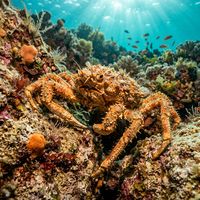
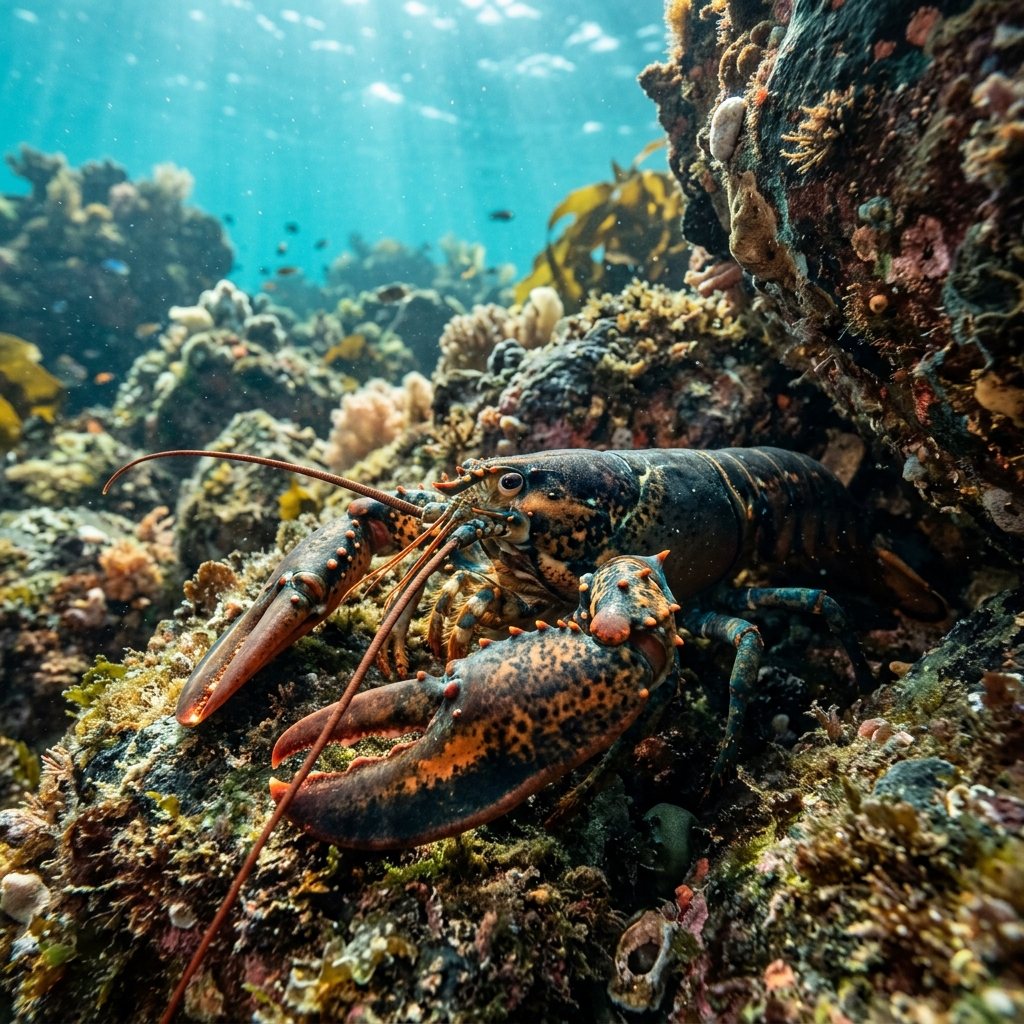
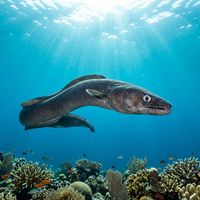
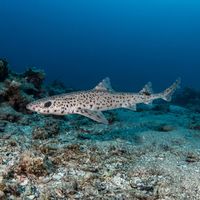
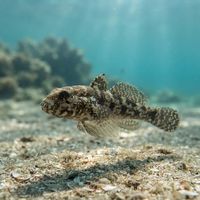
The European Common Cuttlefish is the signature species and is observed very frequently across sites. Spiny Spider Crab, Squat Lobster, Brittle Star and Catshark are also very commonly encountered. Conger Eel, Tompot Blenny, Striped Red Mullet and Temperate Bass round out a rich temperate community, with the occasional sighting of European Spiny Lobster and Common Lobster in the rockier habitats.
Yes, several sites cater to those early in their diving experience. Les Buharats, Laplace and Les Jardins de la Conchée are all listed at beginner skill level, with the latter offering a varied environment of granite boulders and kelp. All three are accessed by boat, so divers will need to plan accordingly with a local operator.
Currents are central to the experience throughout North Brittany and the Emerald Coast. Many sites, including La Catis, the Walter and the Hinrich, note moderate currents as a defining condition. Entry timing relative to the tide is essential, and the majority of sites are rated intermediate or advanced partly because of this tidal influence. Diving with an operator familiar with local conditions is strongly advisable.
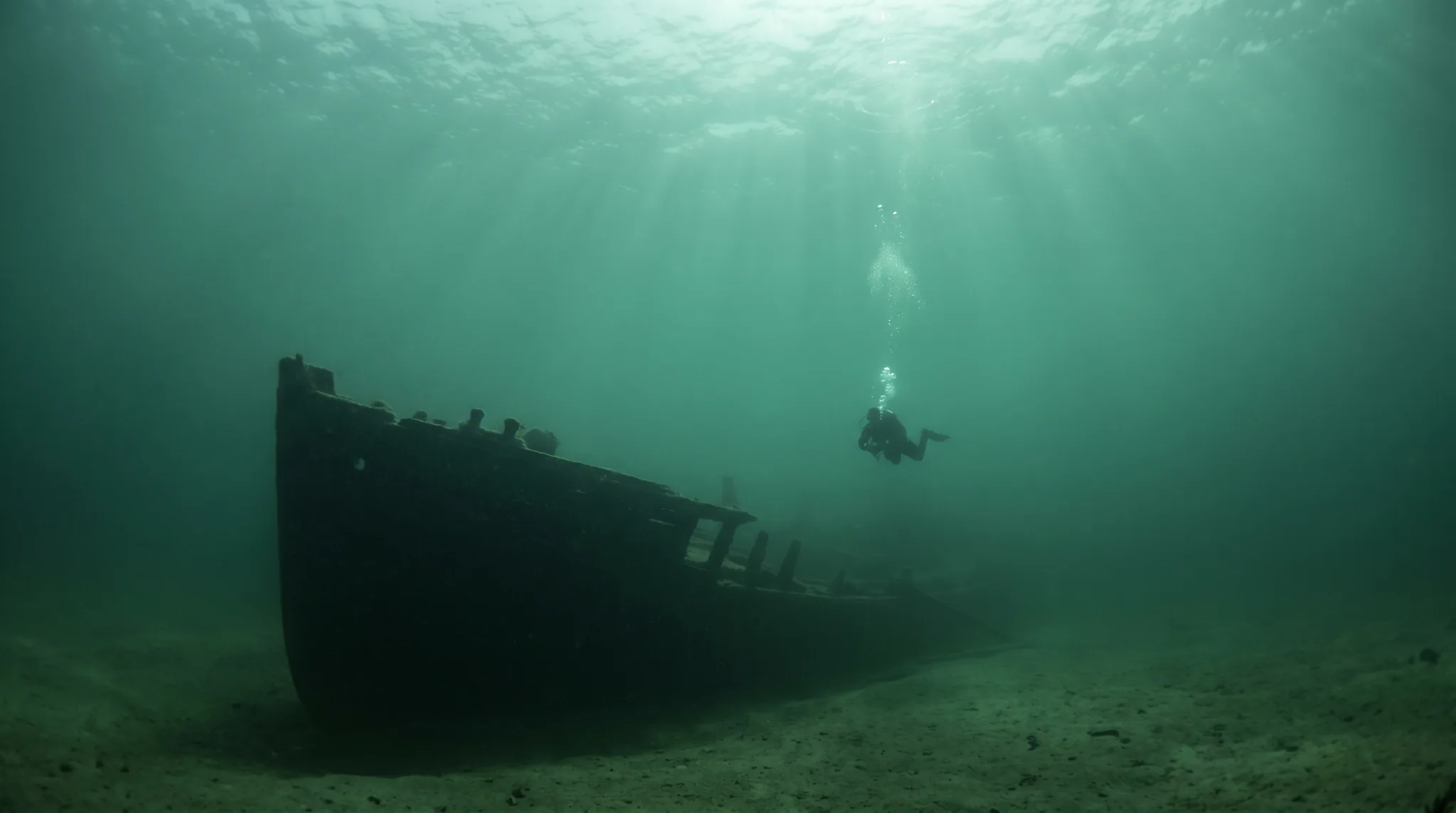
The region has a strong wreck culture, with named wrecks including the Walter, Hilda, Skeldon, Hinrich, Laplace and Les Jardins de la Conchée among others. Granite reefs, walls and drop-offs are also well represented, and the freshwater quarry at Carrière du Rocher Coupé provides an unusual alternative with walls, artificial reefs and its own set of wrecks in a single site.