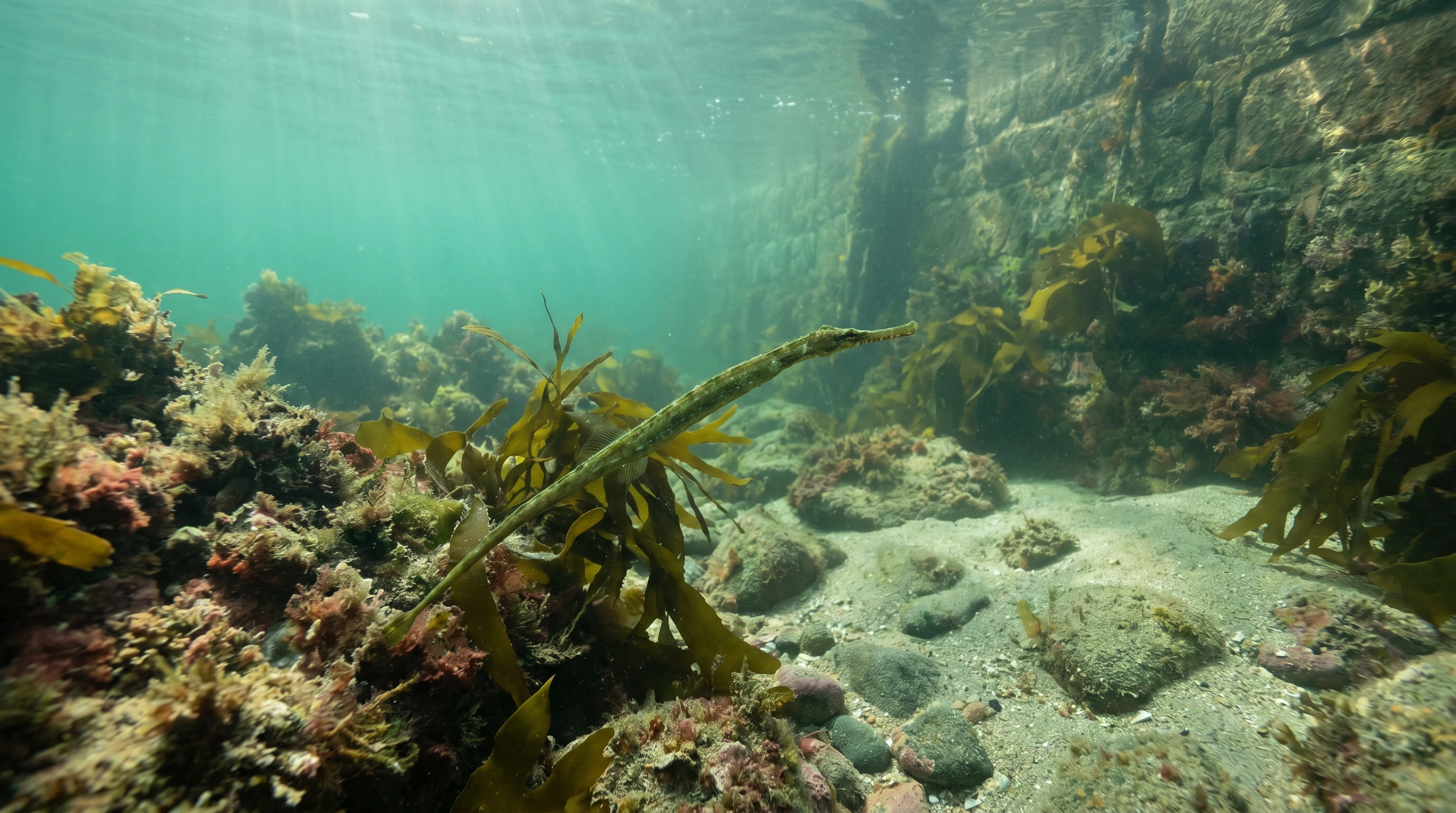
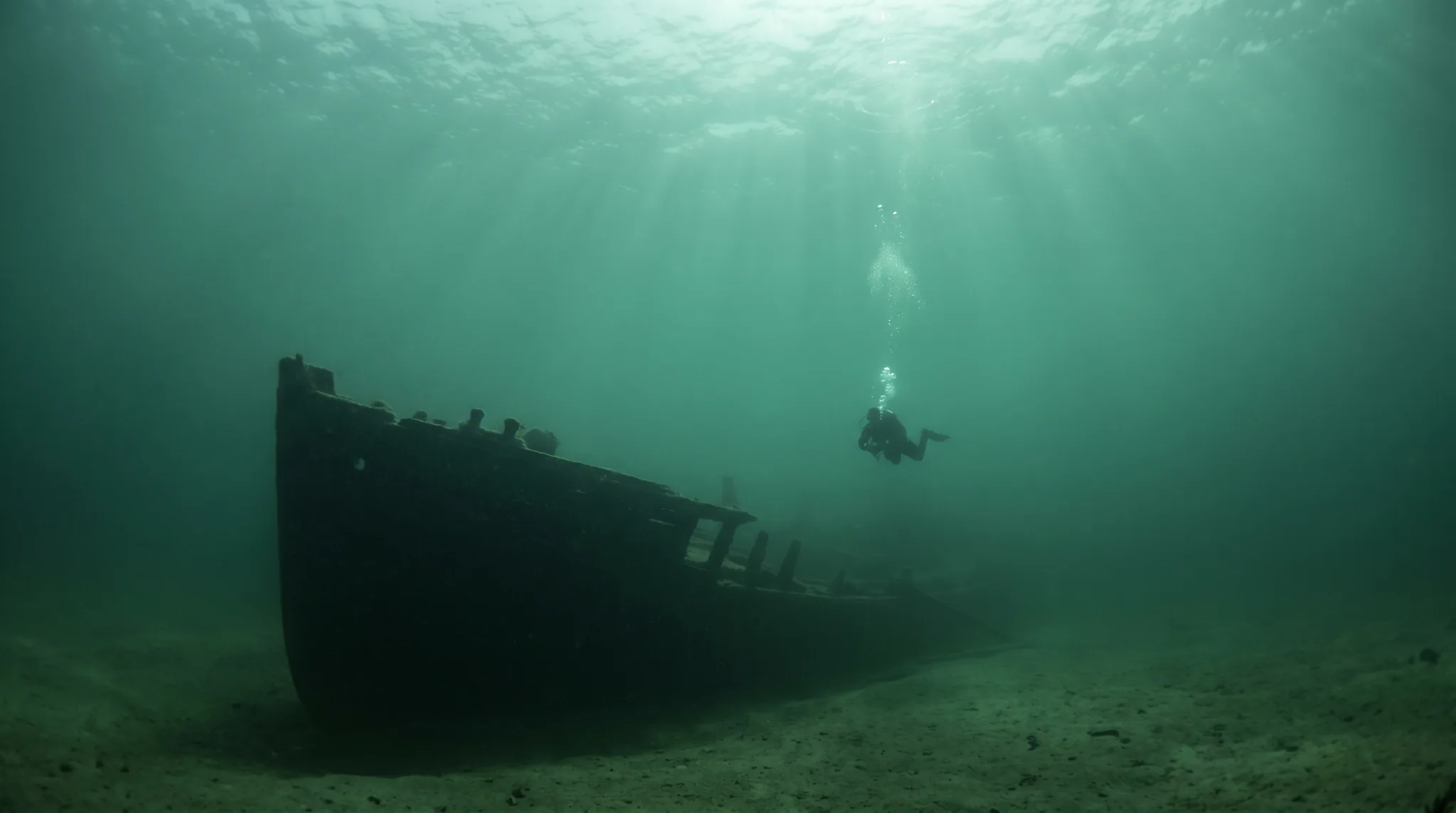
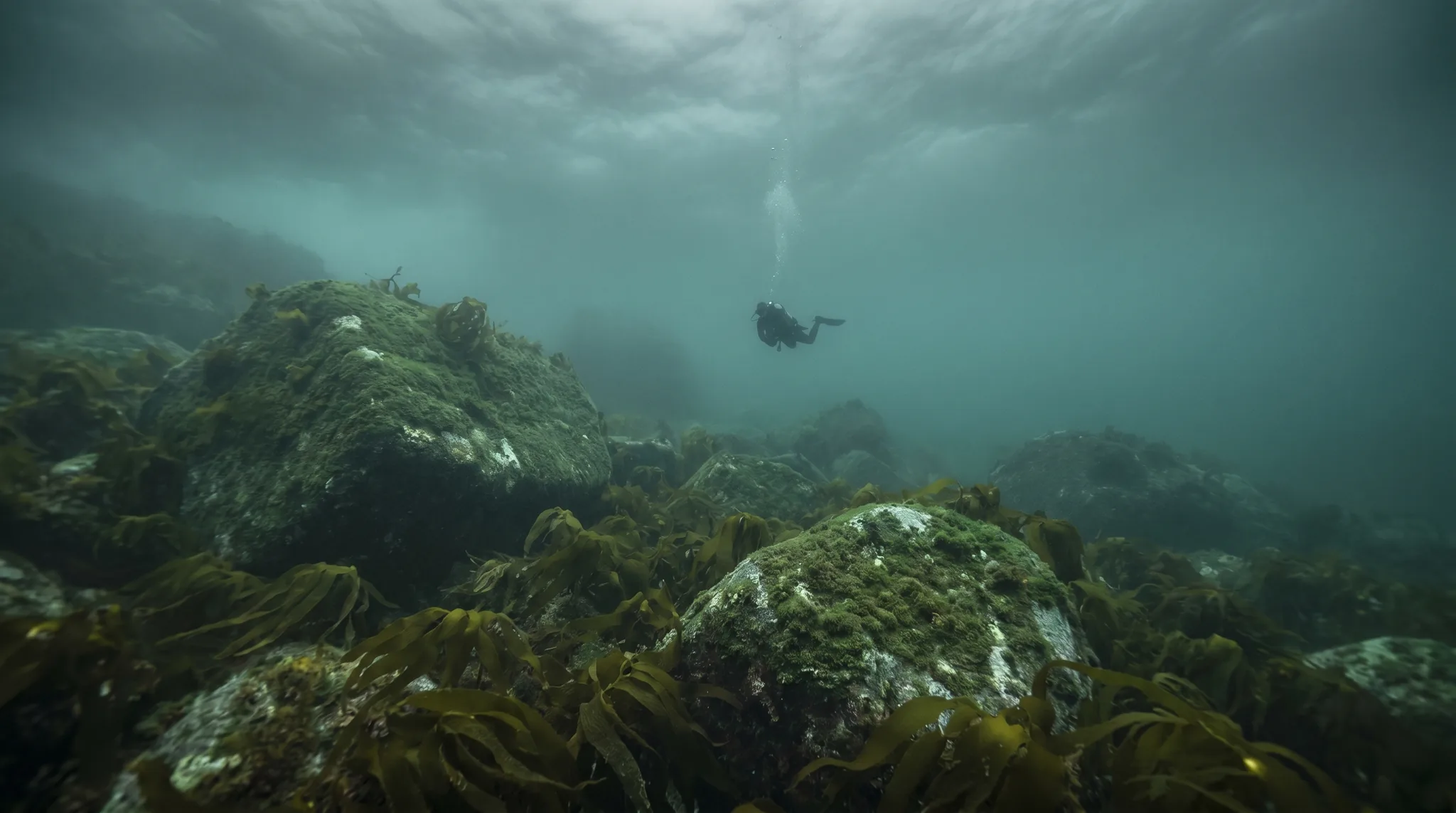
Cotentin's underwater character is shaped by temperate, tidal waters and a mix of wreck diving and shallow rocky terrain. All sites fall within the Cherbourg sub-area, where the standout dive is the Leopoldville Wreck, a deep, advanced-only boat dive. Invertebrate life dominates across both dive and snorkel sites: Conger Eel, Sea Star, Brittle Star, Shanny, European Green Crab and Sea Squirt are observed consistently. Conditions are cool year-round, rewarding those who come prepared.
1 areas
Monthly water temperature across Cotentin's sites, from satellite sea-surface data corrected for depth. The band shows the site-to-site spread.
Water temperatures climb gradually from late spring through summer, peaking in August and September before cooling again through autumn. The warmer months offer the most comfortable conditions for exploring the wrecks and rock structures accessible by boat. Tidal influence is a factor throughout the year, so divers should plan entries around slack water.
3 operators
10 more sites to explore
Water temperature around Cotentin ranges from about 10°C in February to 18°C in August, based on satellite sea-temperature data for its dive sites.
In the warm season (about 18°C) a 5mm suit is comfortable in Cotentin; in the coldest months (about 10°C) step up to a drysuit.
Fin maps 11 sites in Cotentin (6 scuba diving sites and 5 snorkelling spots).
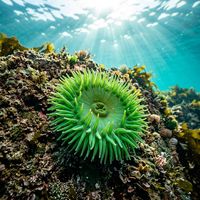
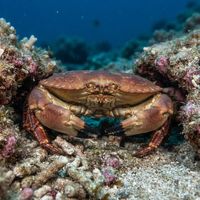
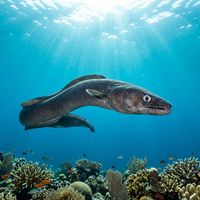
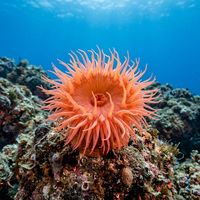
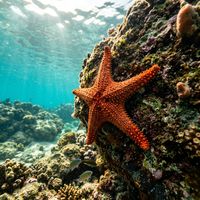
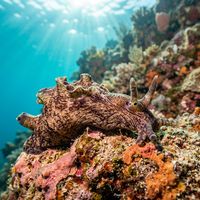
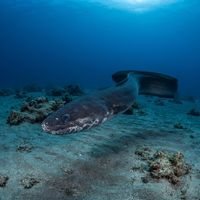
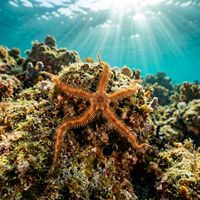
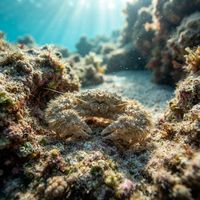
Observations across sites record Conger Eel and Sea Star as the most consistently encountered species. Brittle Star, Sea Hare, Shanny, European Green Crab and Sea Squirt are also very commonly observed. Spiny Spider Crab, Squat Lobster and Sea Anemone appear regularly, while Bottlenose Dolphin has been recorded on occasion.
The Leopoldville Wreck, the headline dive site in Cotentin, is rated advanced and accessed only by boat, reaching considerable depth. Beginners would not be suited to this site. Those new to diving should check individual site skill ratings before planning a trip, as the deeper wrecks in the Cherbourg area demand experience and appropriate certification.
Boat access is required for the Leopoldville Wreck, and this pattern is typical for the deeper dive sites around Cherbourg. Snorkel sites in the region tend to suit shore-based access given their shallower, rocky character. There are currently no listed dive operators in the region's data, so visiting divers will need to arrange their own vessels or seek operators independently.
The dive sites lean toward structural exploration, with the Leopoldville Wreck as the defining example for advanced divers. Snorkel sites are distinct, sitting in shallower rocky terrain where invertebrate life is the main attraction. The two sets of sites do not overlap, meaning snorkellers and divers are working quite different environments within the same Cherbourg sub-area.