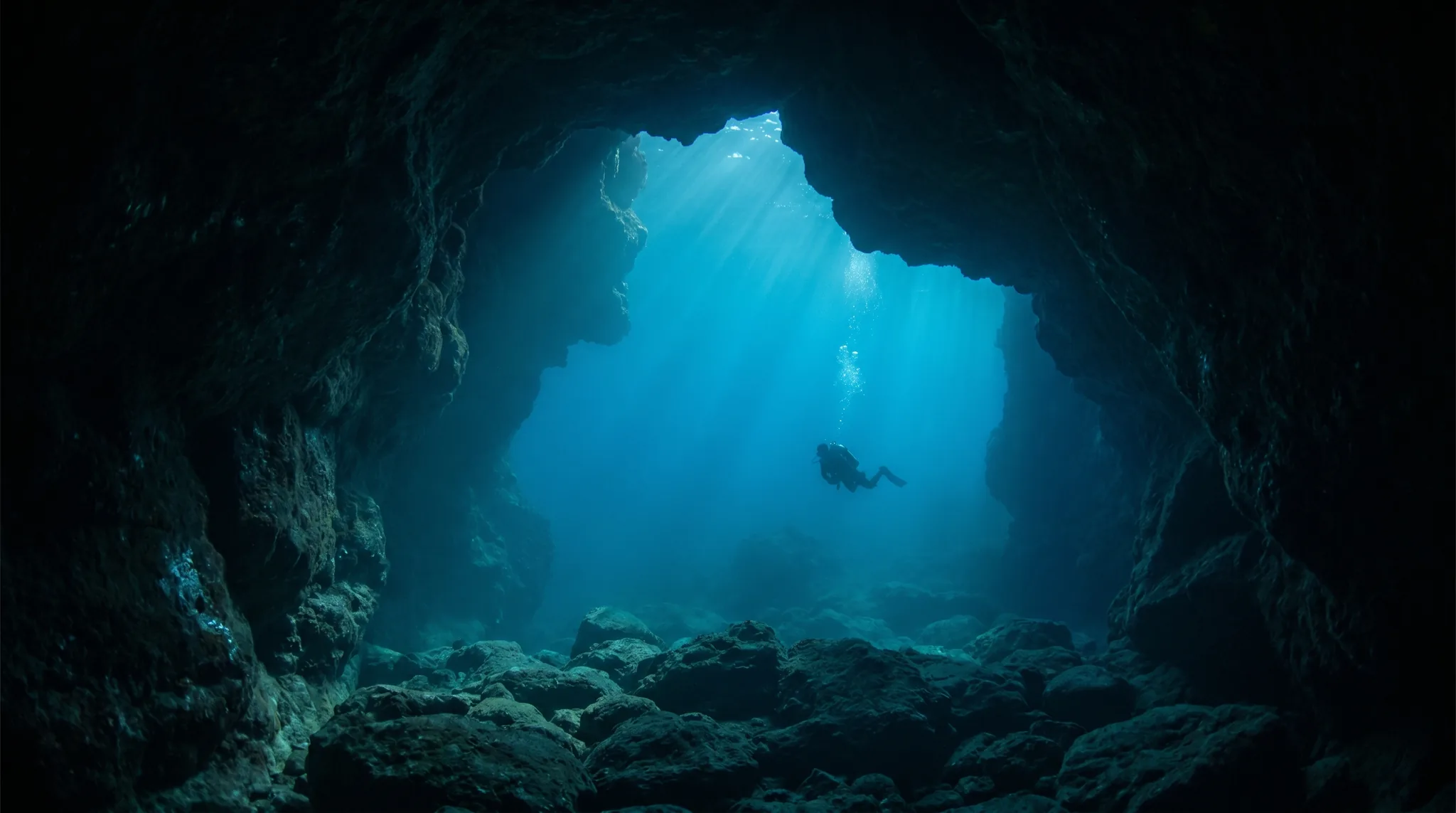
The Pink Granite Coast offers reef, wall, and kelp forest diving shaped by cool temperate water and tidal influence. Crabs of several species, Wrasses, and Soft Coral appear across virtually every site, while the European Common Cuttlefish and Gray Seal give the region its distinctive character. Sites range from accessible shore entries to offshore boat dives such as Phare des Triagoz, where deeper walls reward more adventurous divers. Conditions suit beginners at many sites, though tidal planning matters throughout.
Monthly water temperature across Pink Granite Coast's sites, from satellite sea-surface data corrected for depth. The band shows the site-to-site spread.
Water stays cold year-round, warming slightly through summer and peaking in August and September before cooling again through autumn. The more comfortable months run from late spring through early autumn, when temperatures climb to their seasonal high and conditions are most settled. Tidal currents influence many sites, so checking the tidal cycle before diving is advisable regardless of the time of year.
17 operators
Trebeurden, France
Lezardrieux, France
Tregastel, France
Trebeurden, France
19 more sites to explore
Water temperature around Pink Granite Coast ranges from about 10°C in March to 16°C in August, based on satellite sea-temperature data for its dive sites.
In the warm season (about 16°C) a 7mm or semi-dry suit is comfortable in Pink Granite Coast; in the coldest months (about 10°C) step up to a drysuit.
Fin maps 21 sites in Pink Granite Coast (18 scuba diving sites and 6 snorkelling spots, with some suited to both).
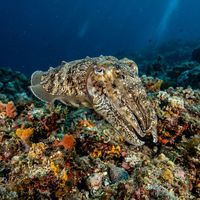
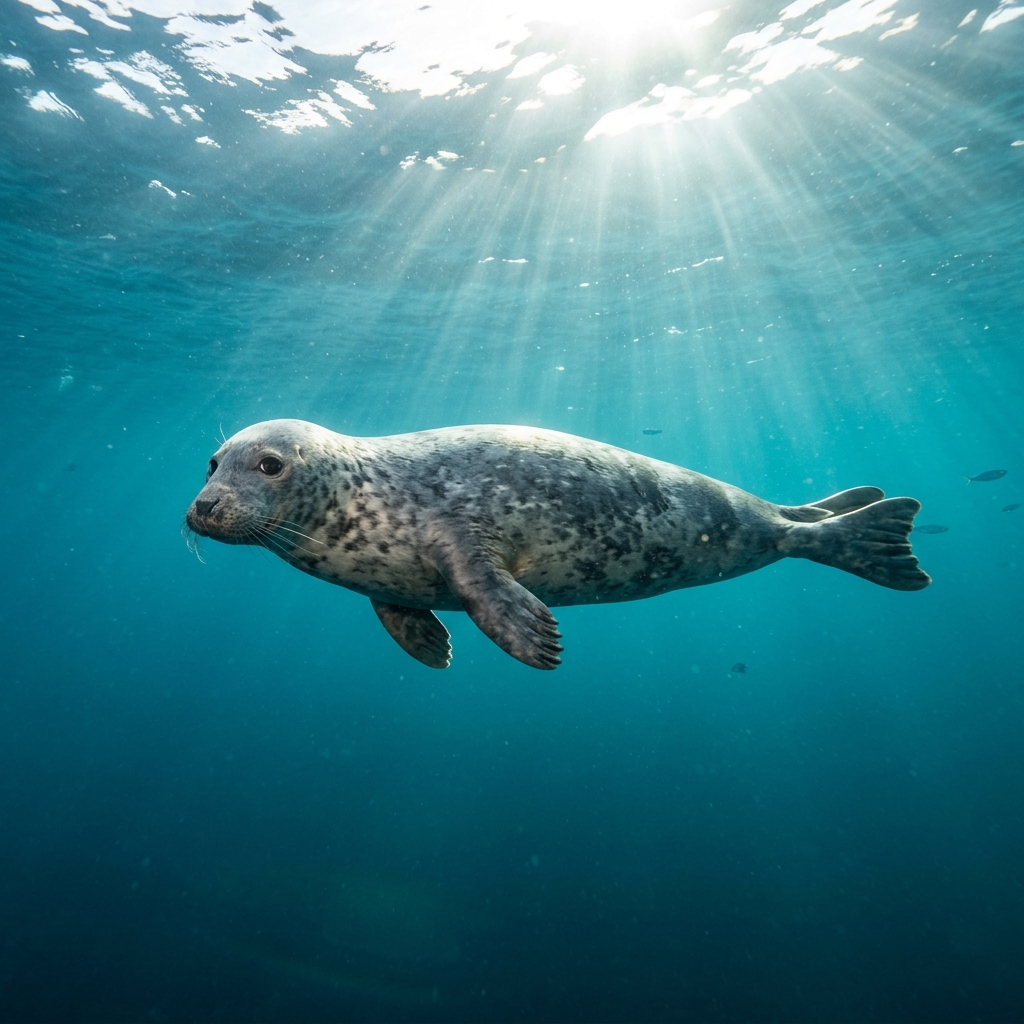
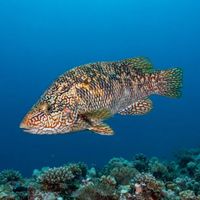
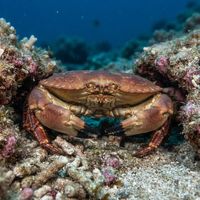
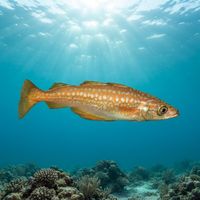
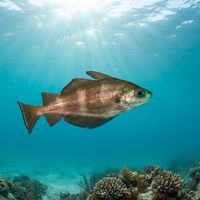
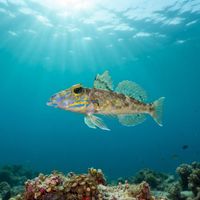
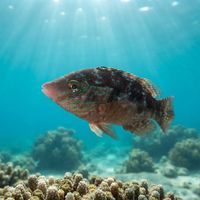
The European Common Cuttlefish and Gray Seal are the signature species here, both observed regularly across the region's sites. Crabs are remarkably well represented, with Rock Crab, Spiny Spider Crab, and European Green Crab all recorded as very common. Wrasses, Cod, Soft Coral, and Sea Star appear at nearly every site, and patient divers occasionally encounter Common Lobster, Conger Eel, and Sea Slug in the rockier sections.
Both options exist. Sites such as Crique du Squéouel are accessible from the shore as well as by boat, making them practical for independent divers. Offshore sites like Phare des Triagoz require a boat, placing them slightly further from the coast and reaching deeper water. Checking local conditions and tidal timing matters whichever entry type you choose.
Several sites here are rated for beginners, including both Phare des Triagoz and Crique du Squéouel. The range of site types means newer divers can build experience on shallower reefs and kelp structures before moving to deeper walls. Tidal currents are a factor at many sites, so diving with a local guide or experienced buddy is sensible when you are still developing your skills.
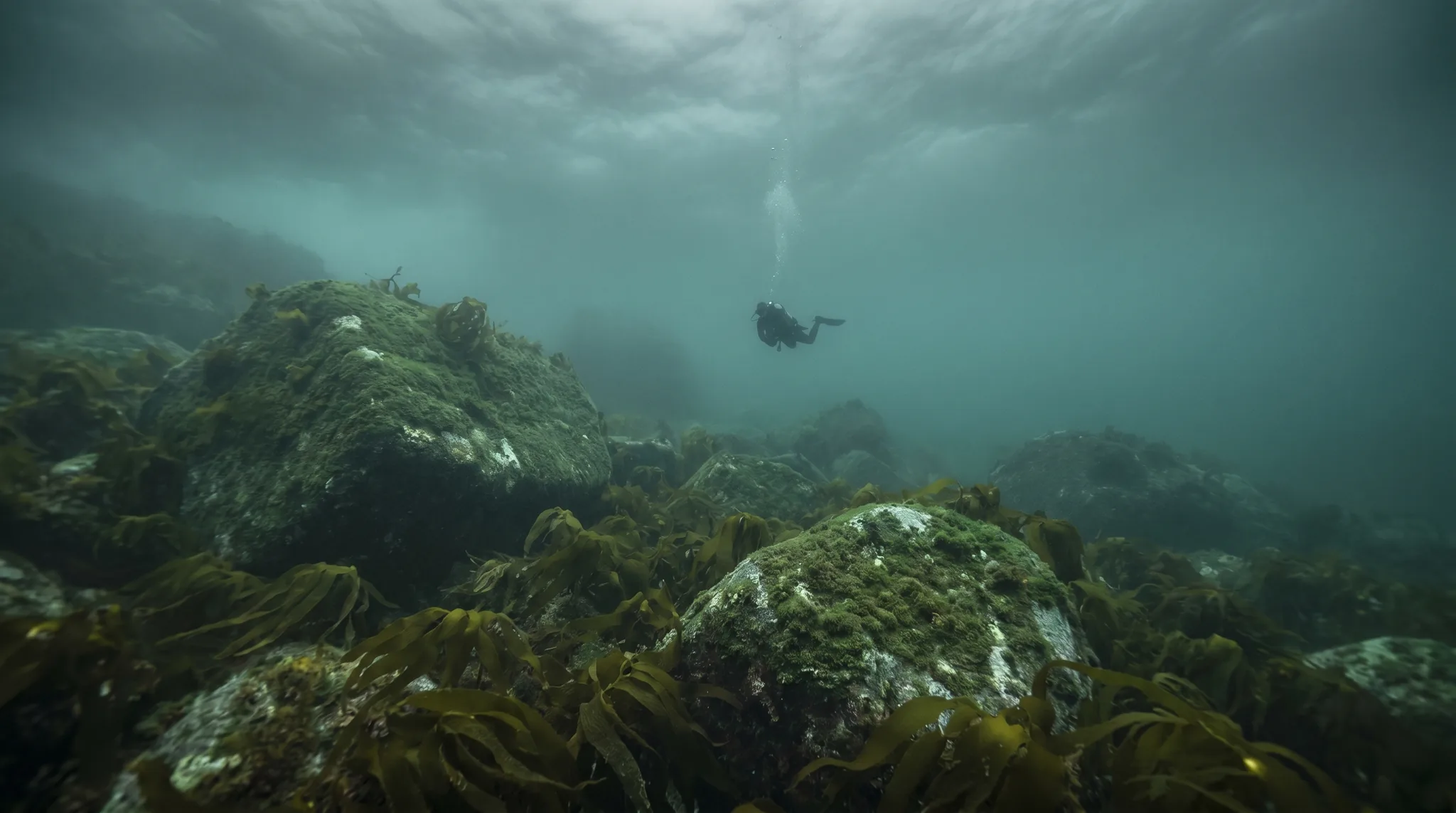
The dominant site types are reef, wall, and kelp forest, often combined at the same site. Kelp provides habitat for much of the invertebrate life, including Tompot Blenny, Spirograph, and Sea Squirt, while deeper walls support Soft Coral growth and shelter Conger Eel. The granite topography creates plenty of crevices where Common Lobster and Squat Lobster tend to tuck themselves away.