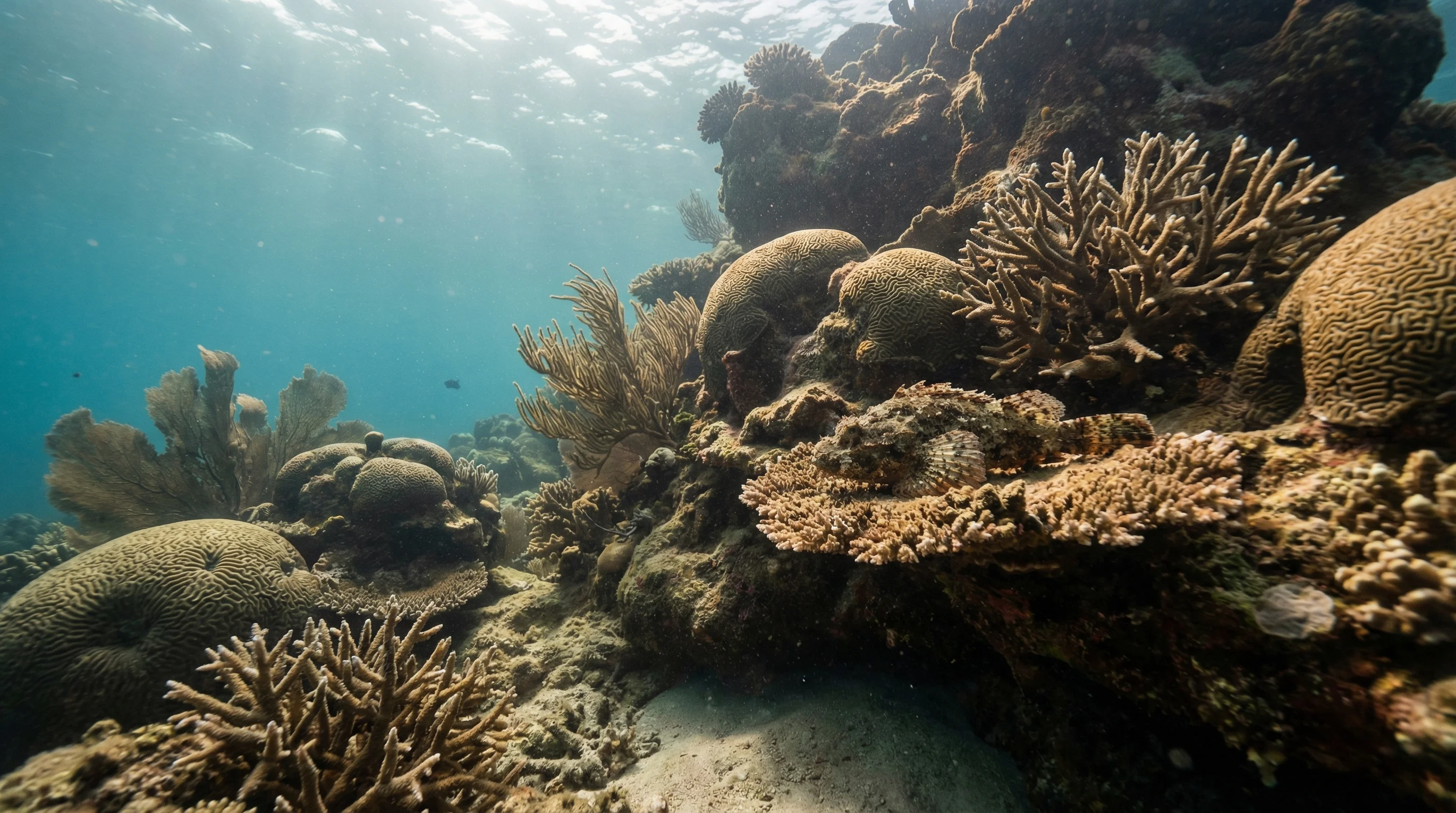
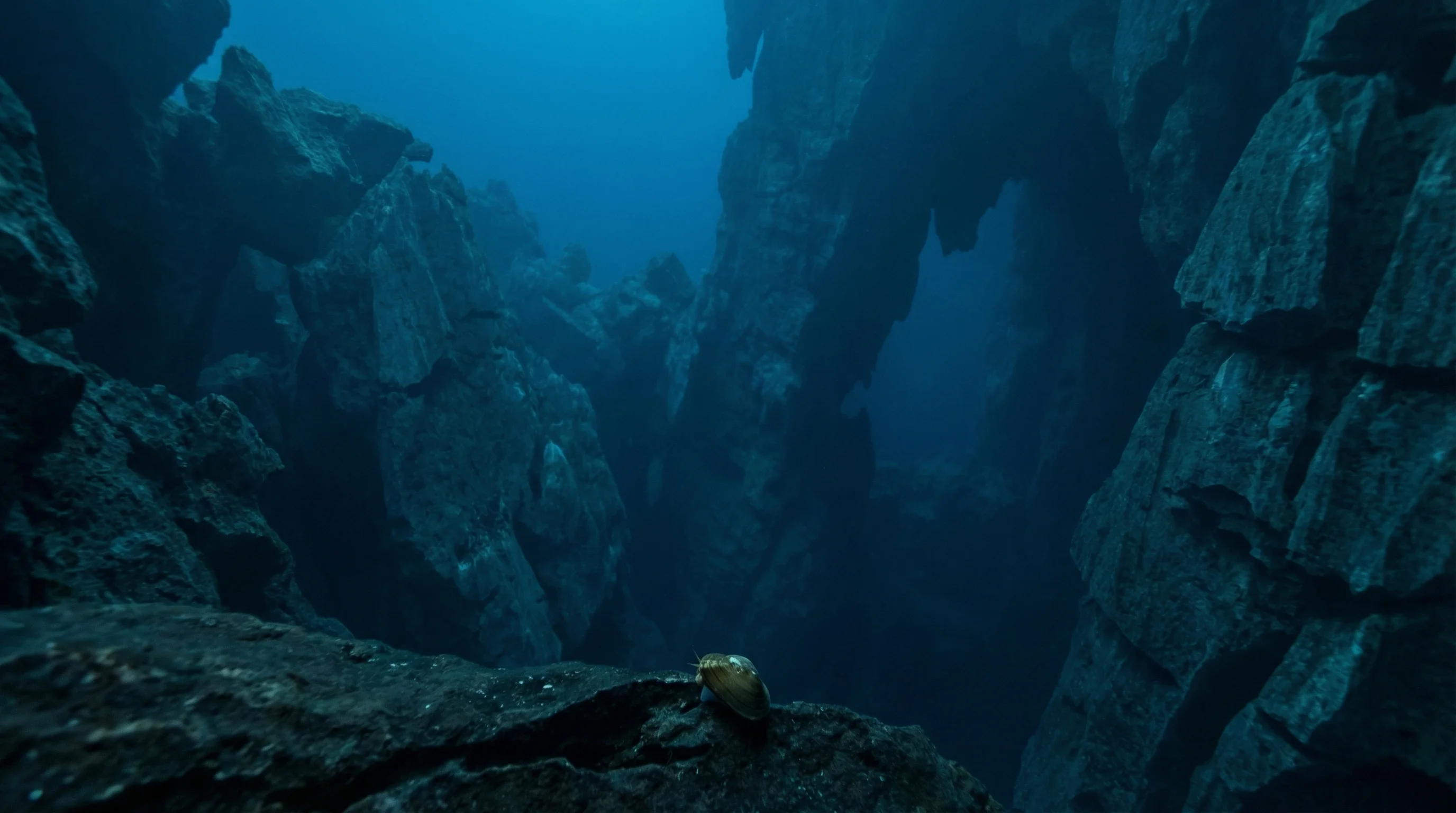
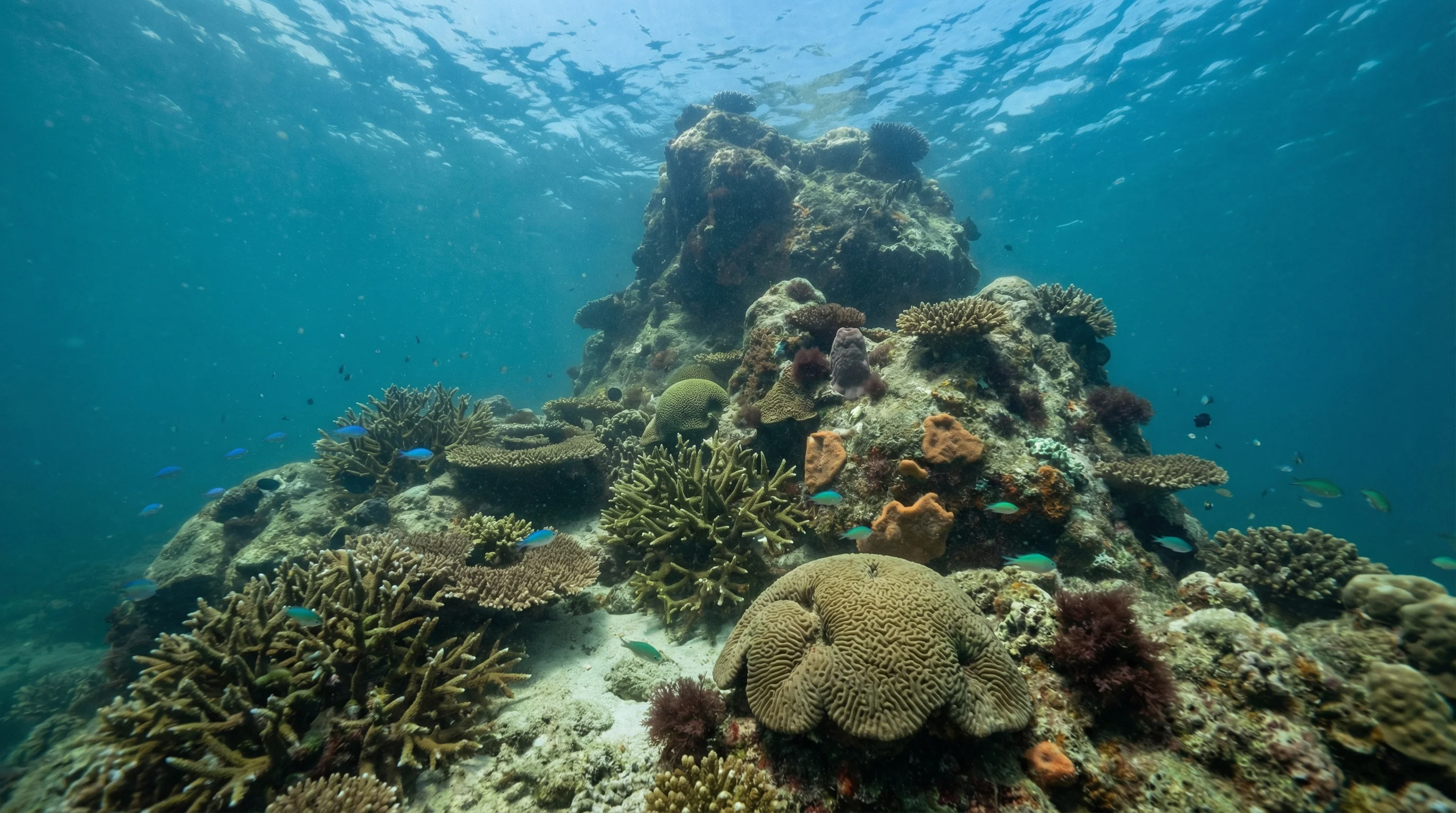
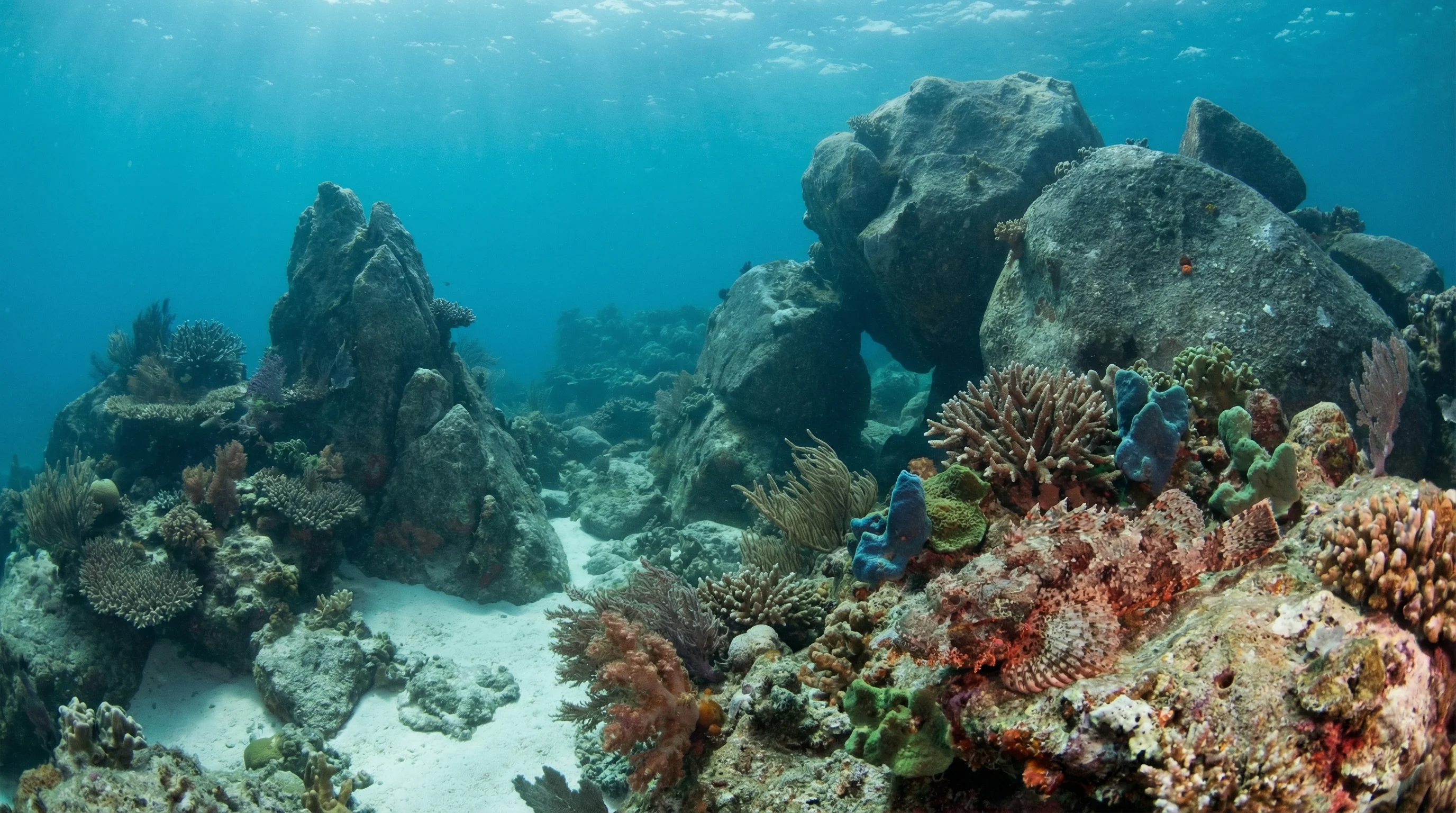
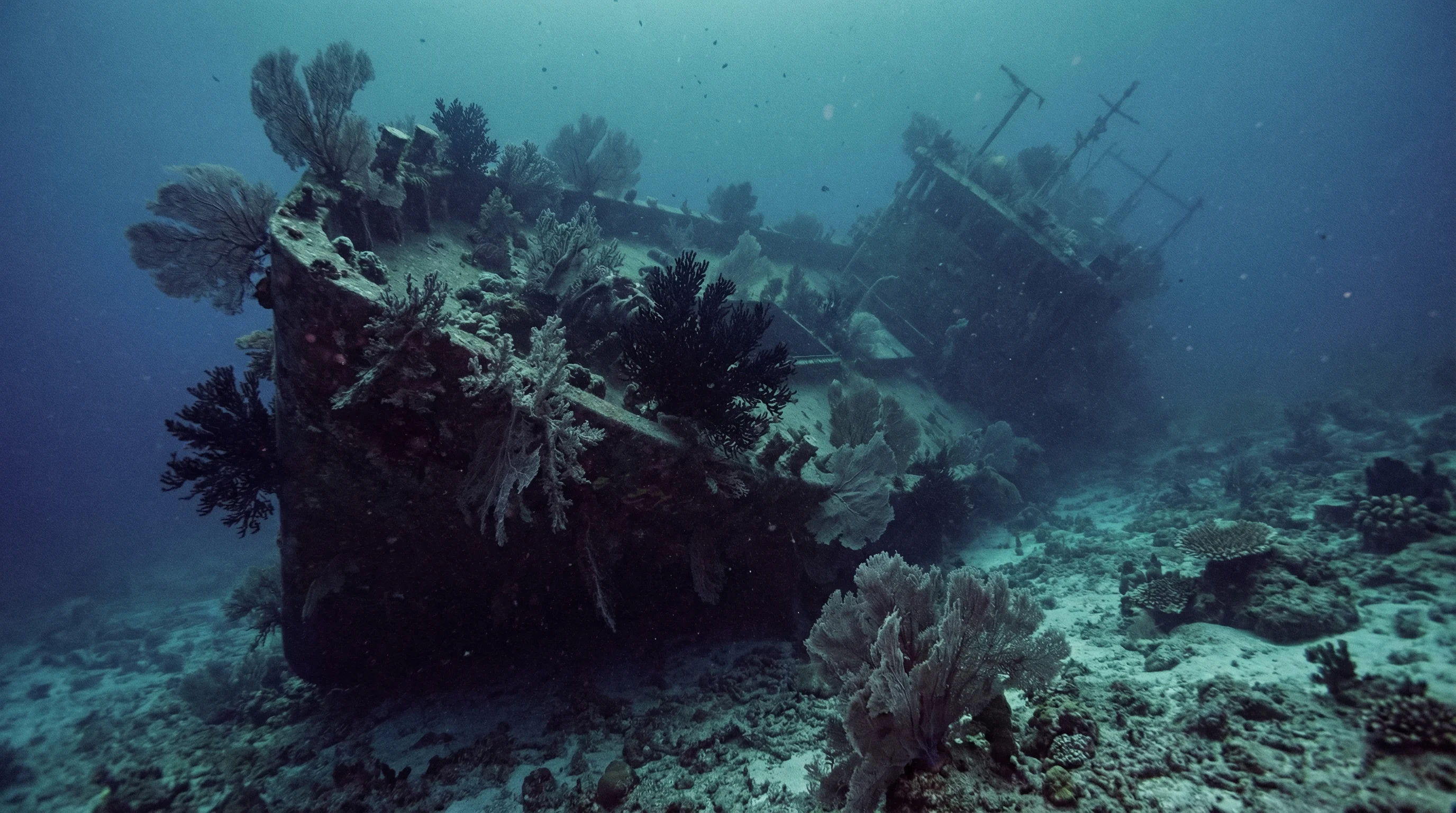
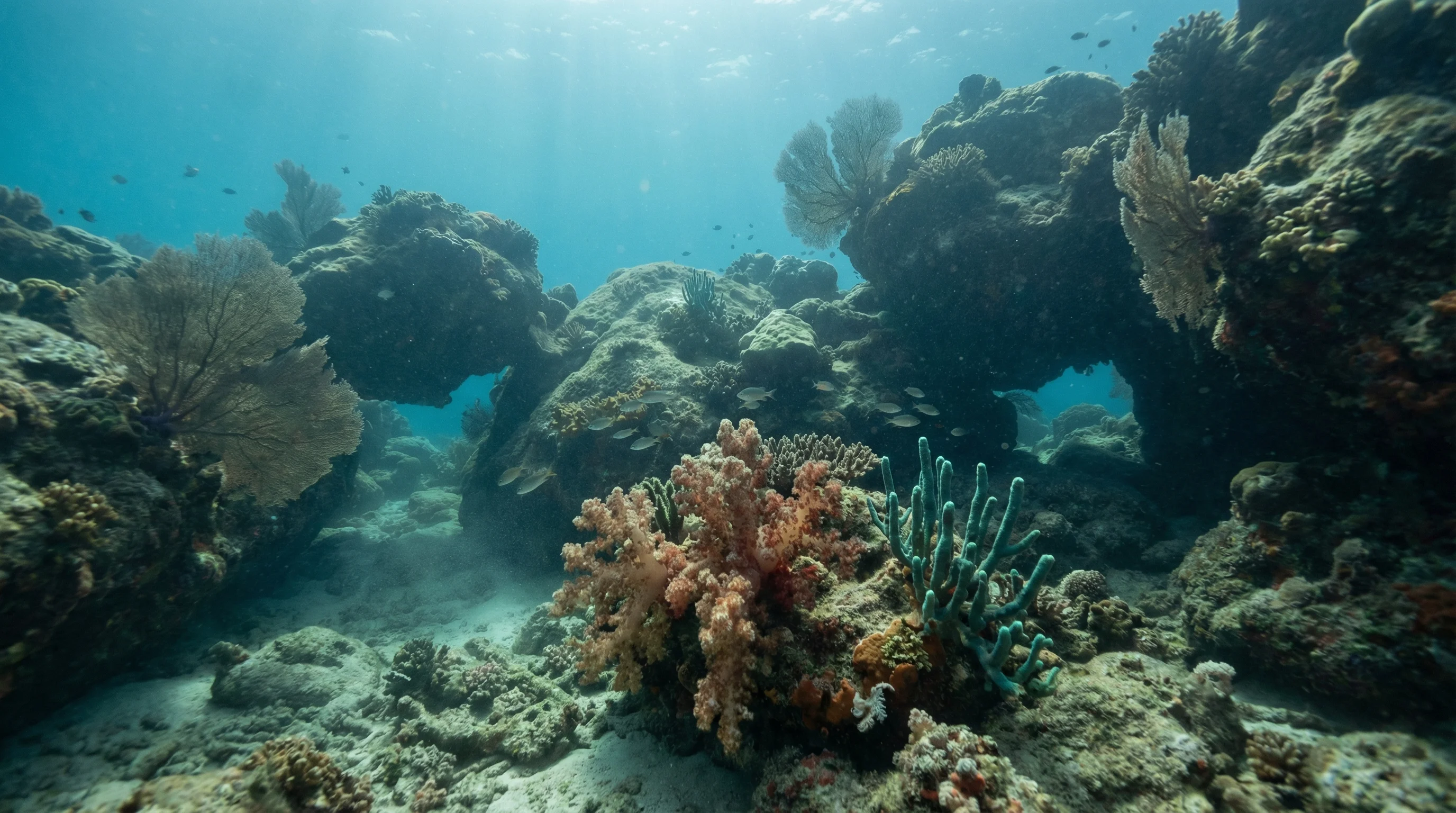
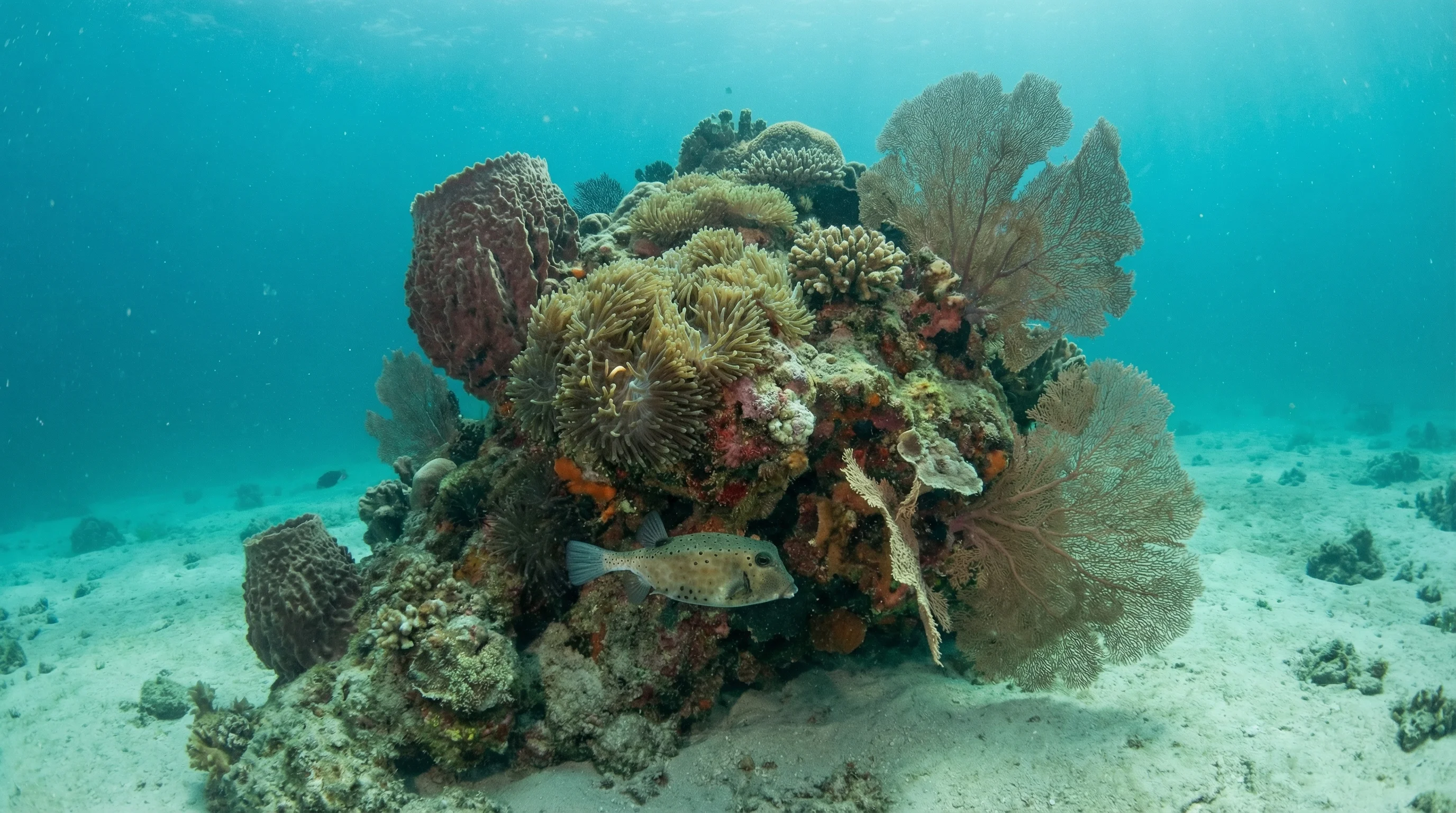
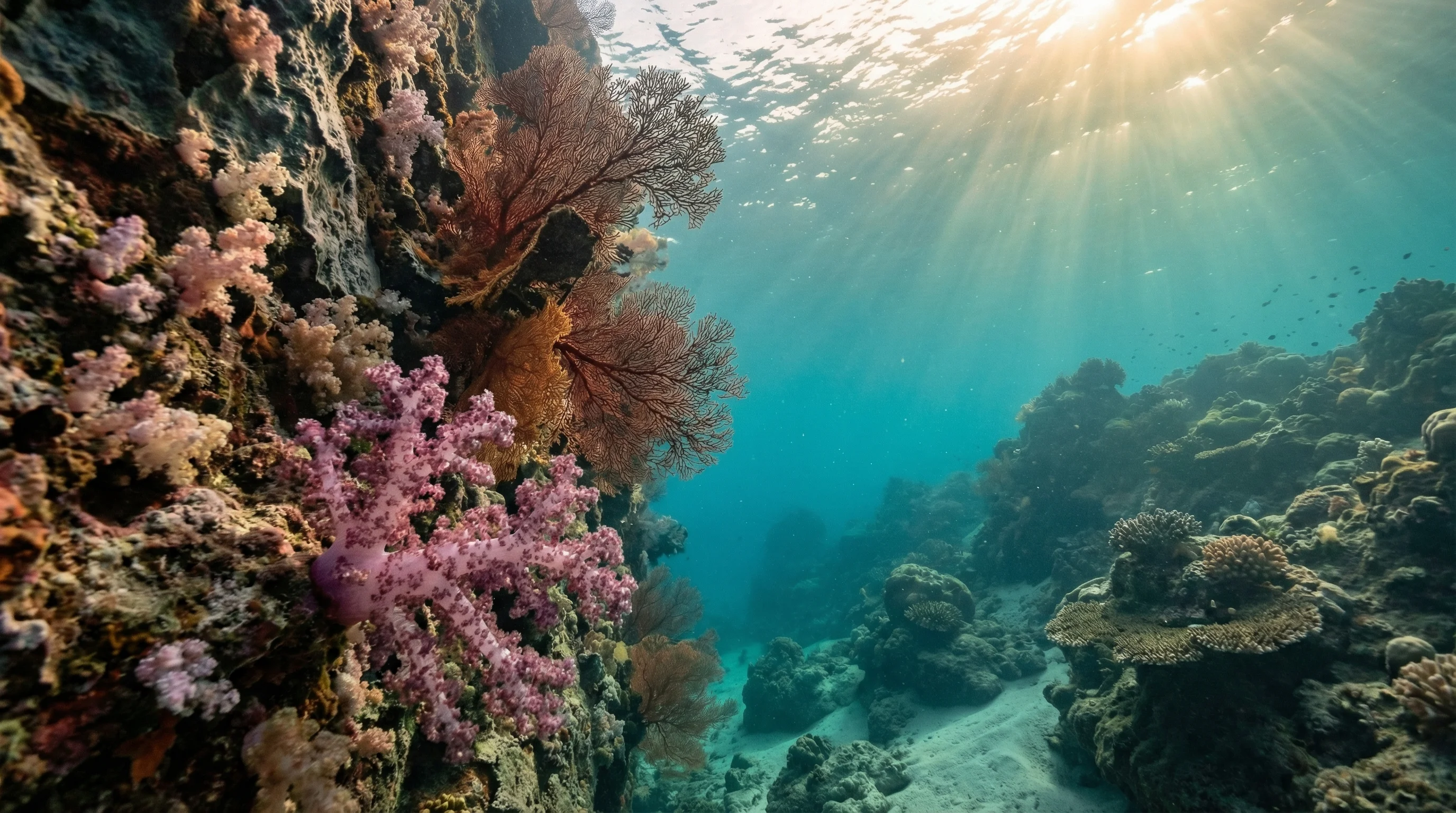
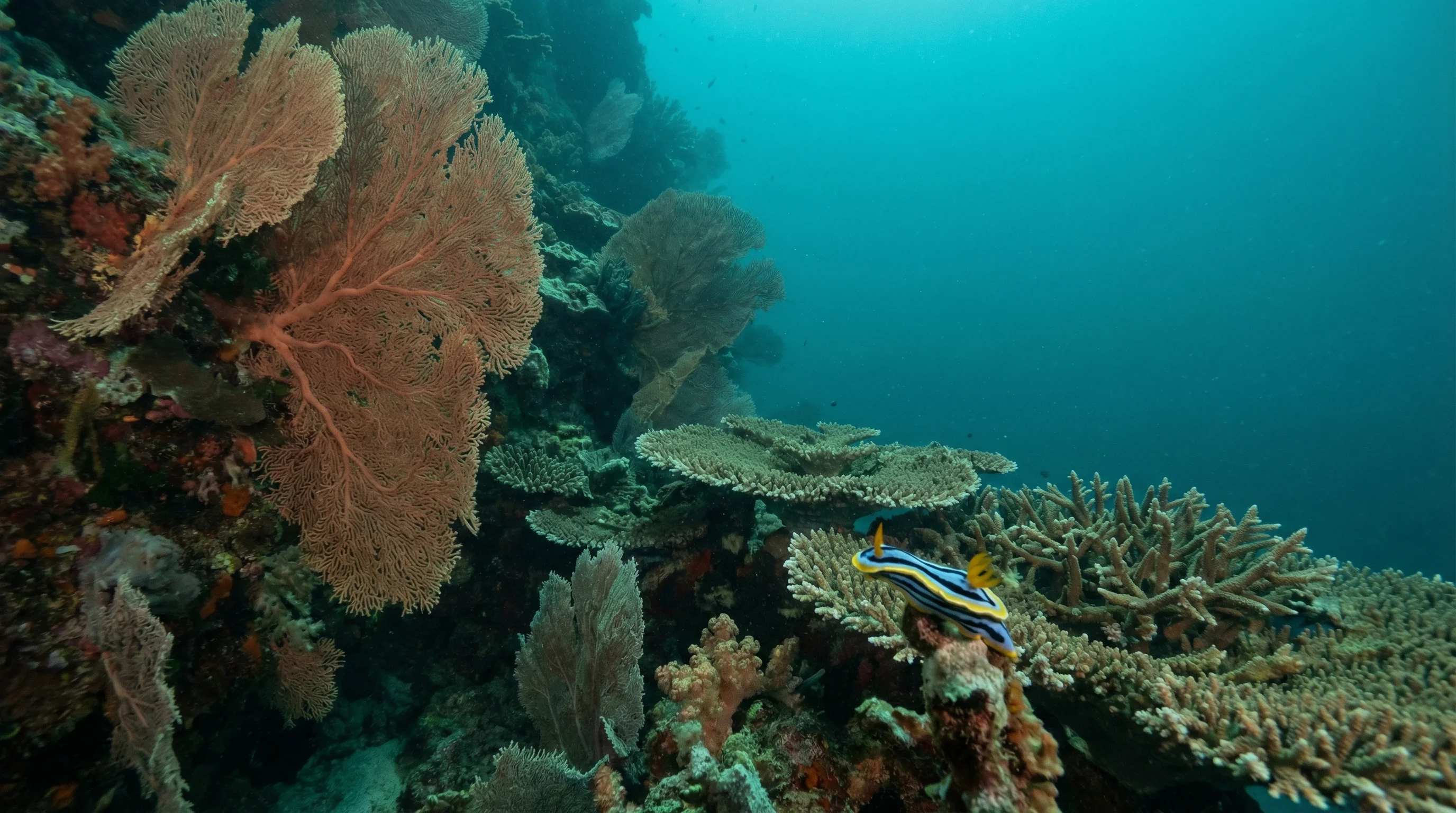
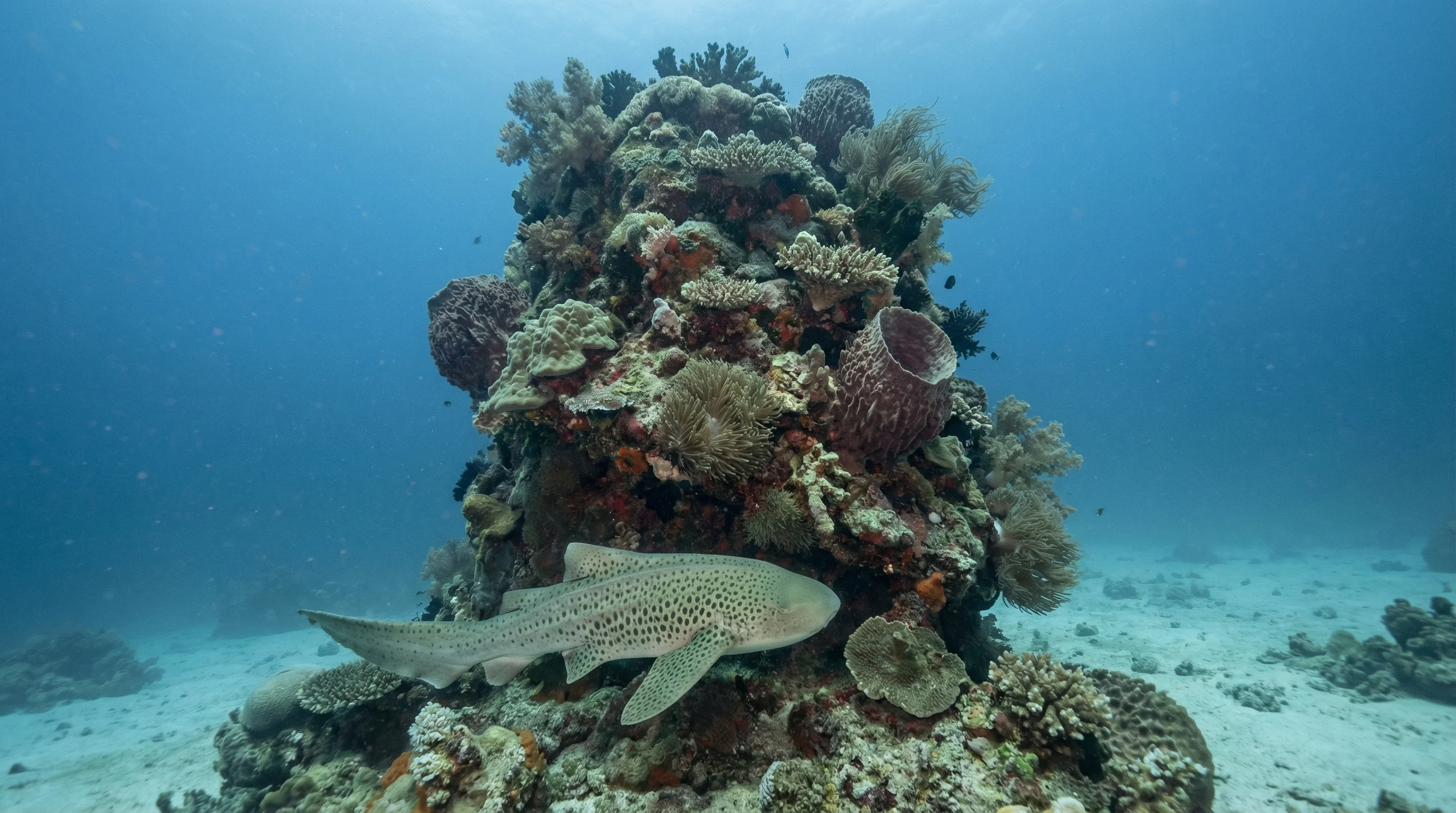
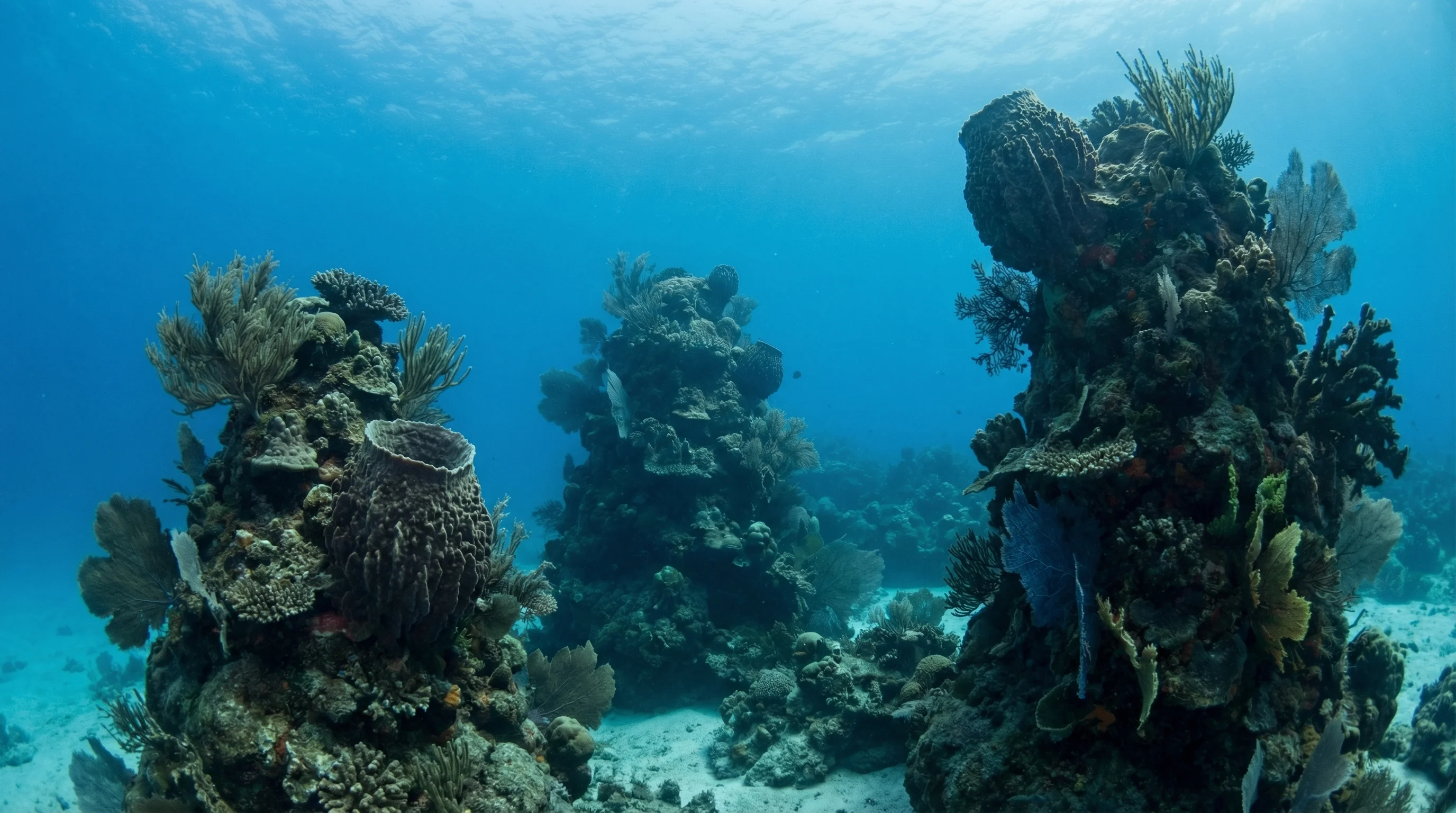
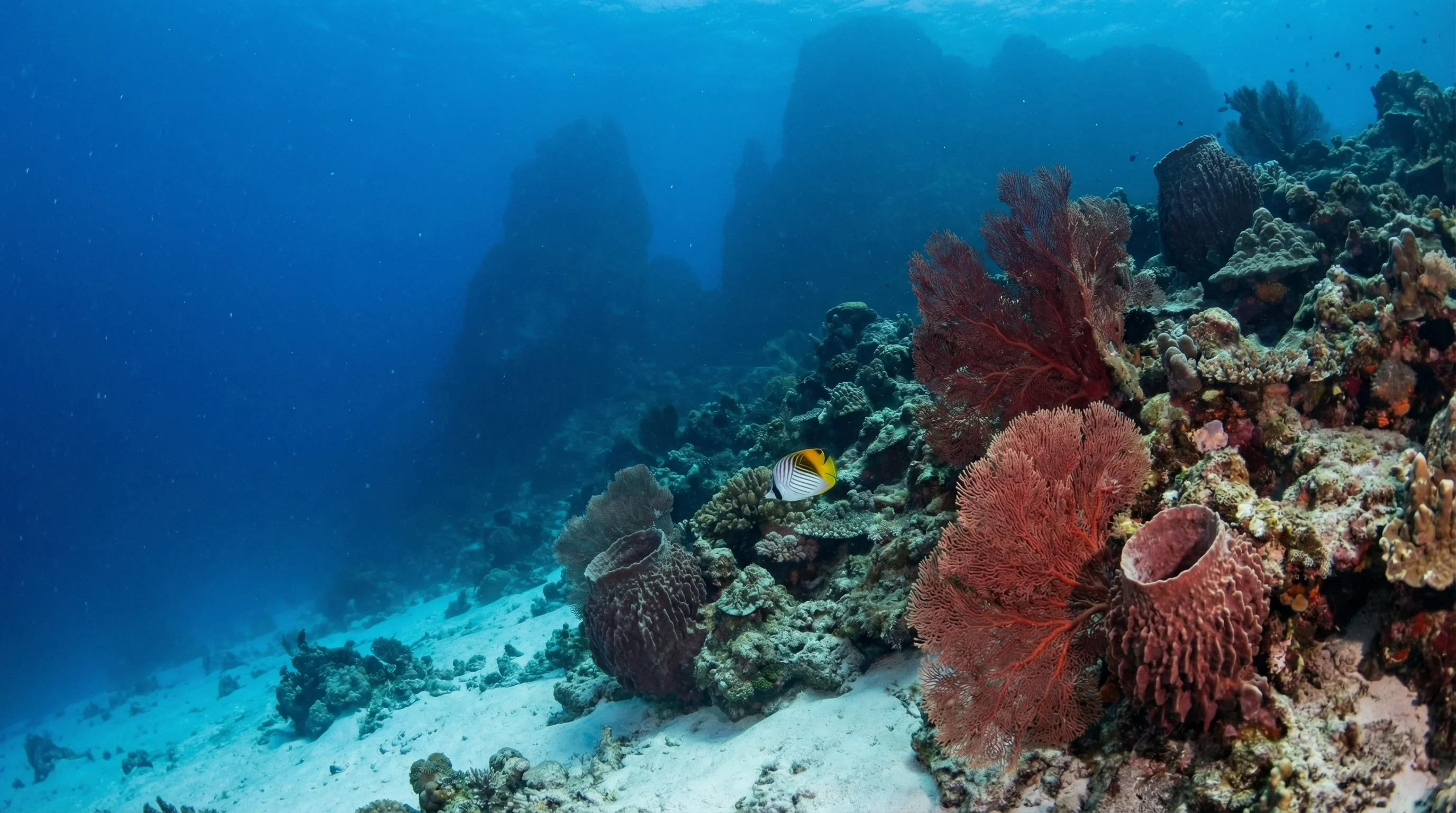
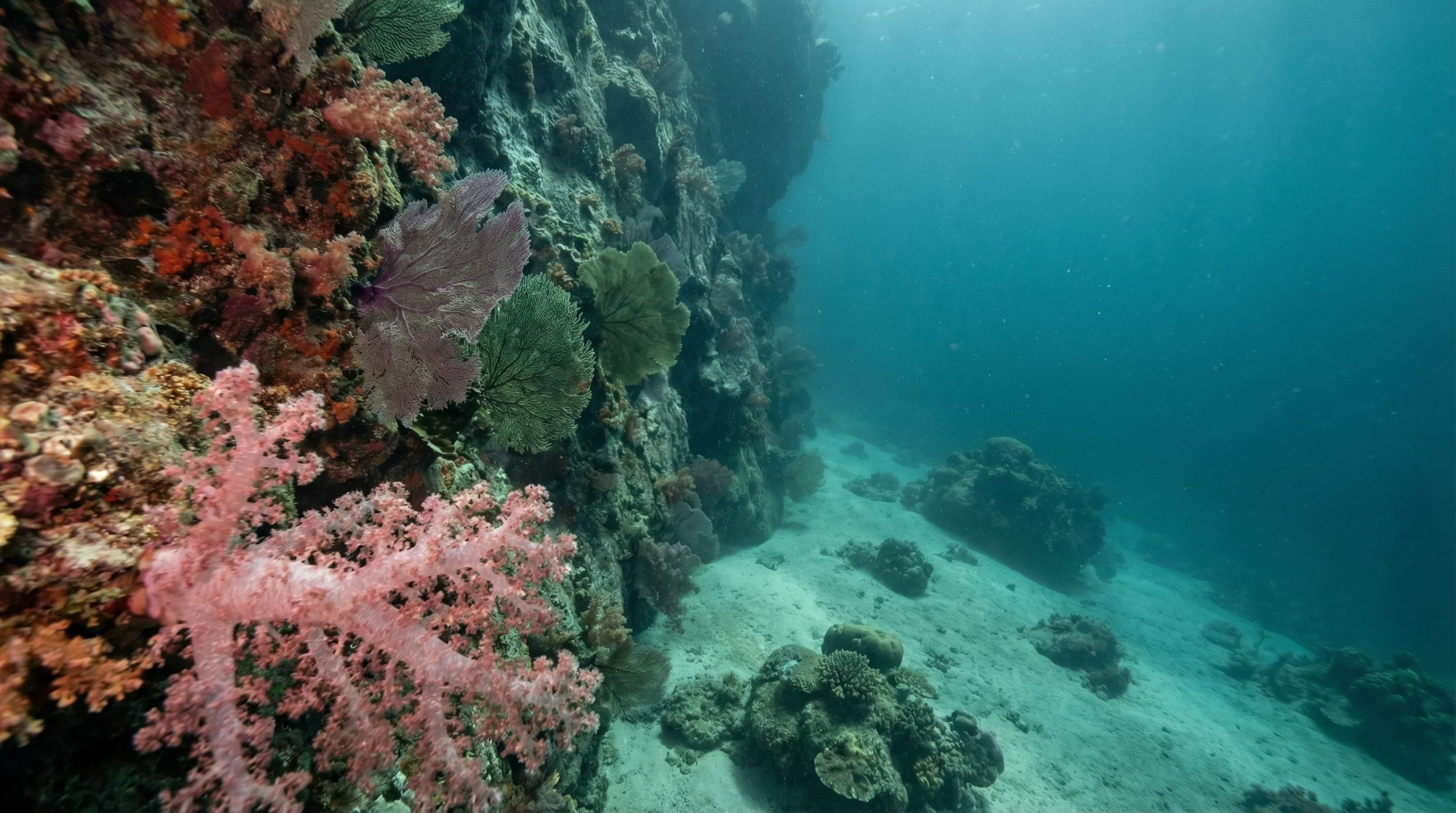
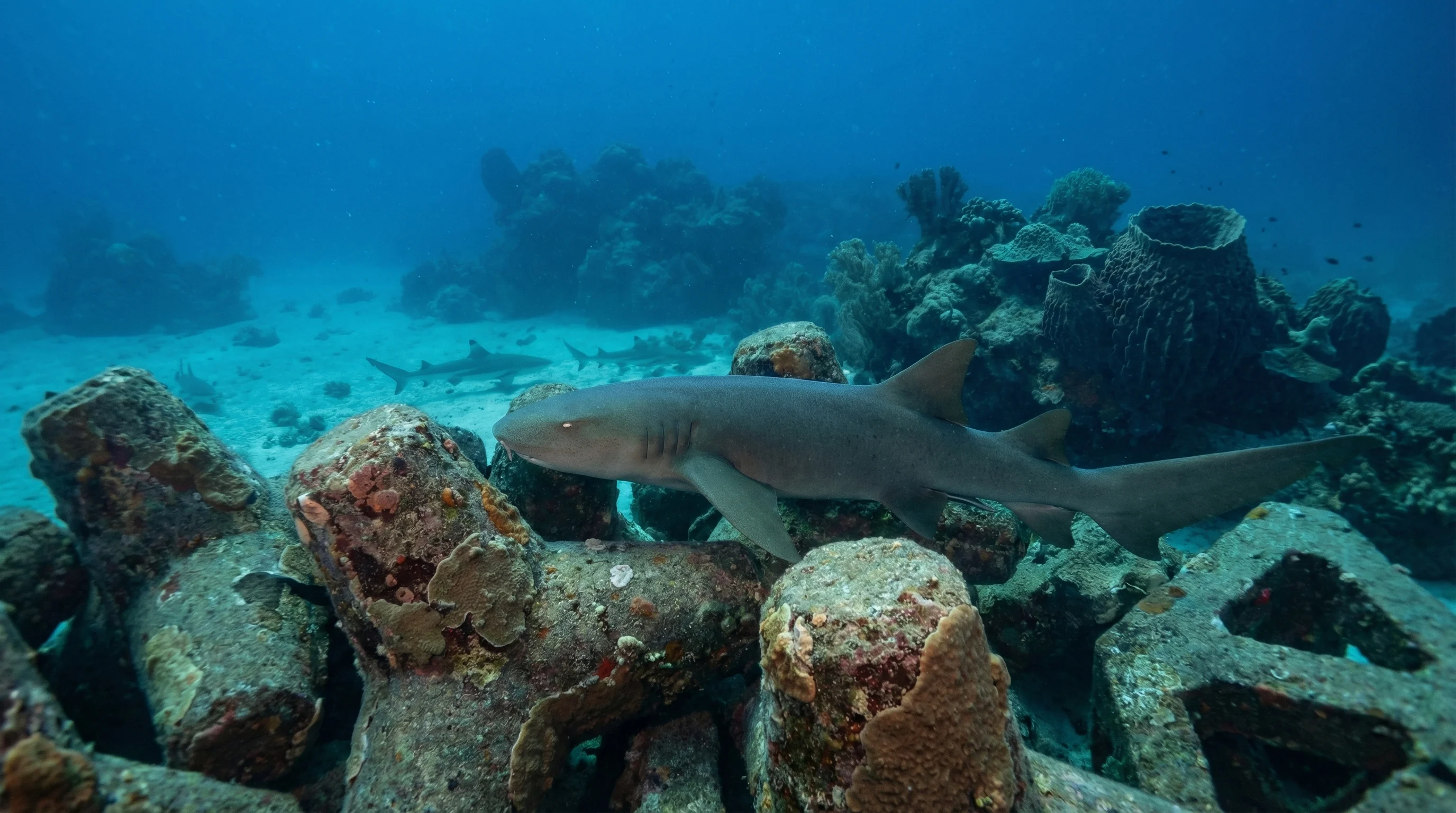
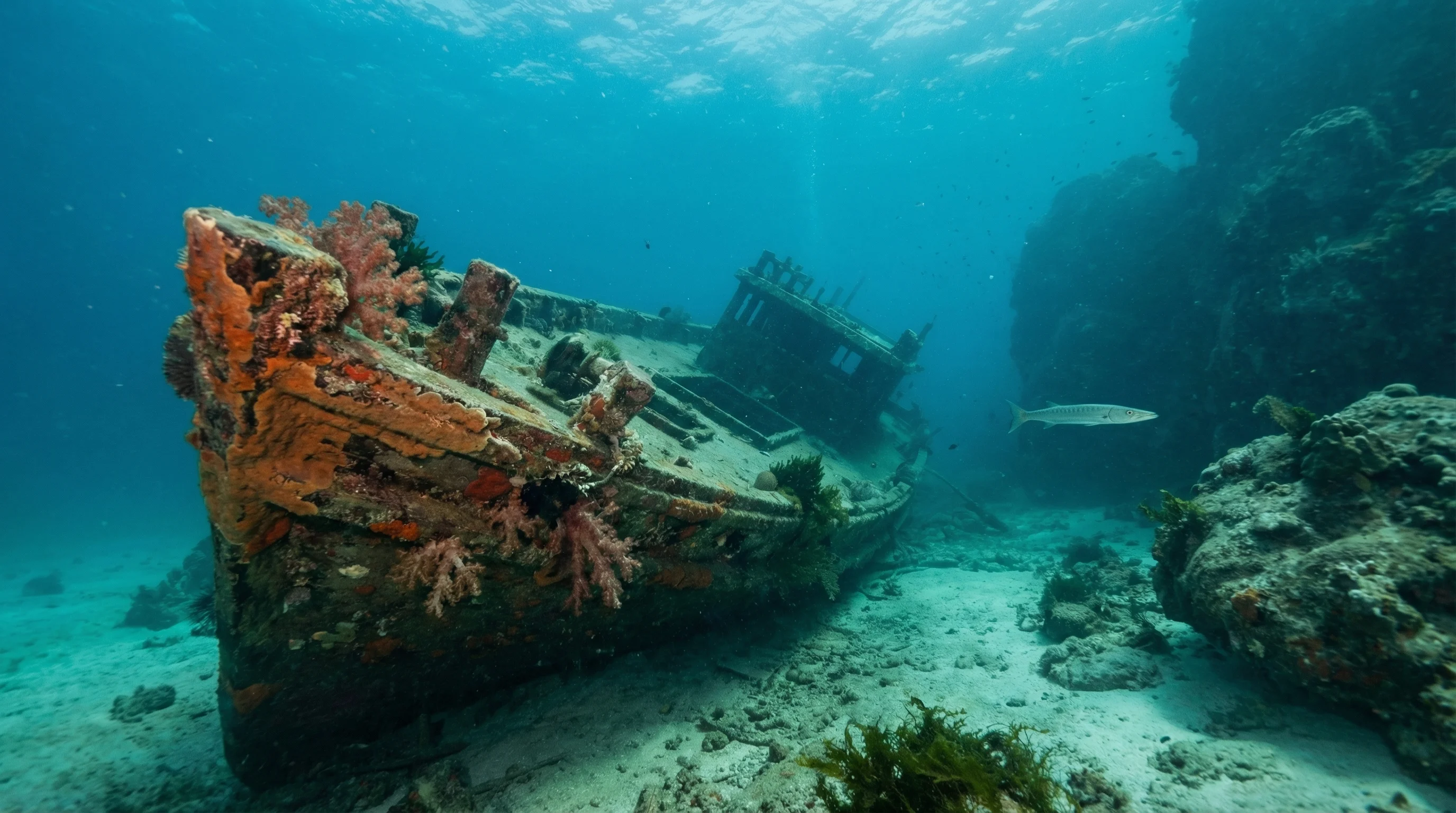
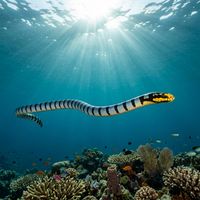
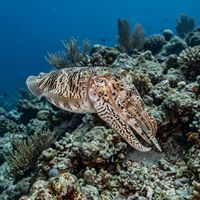
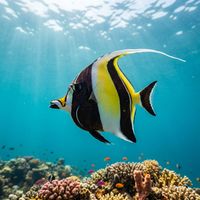
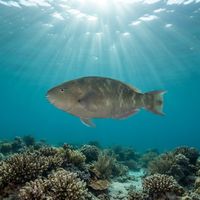
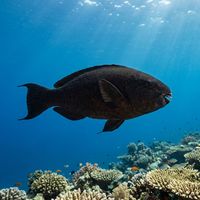
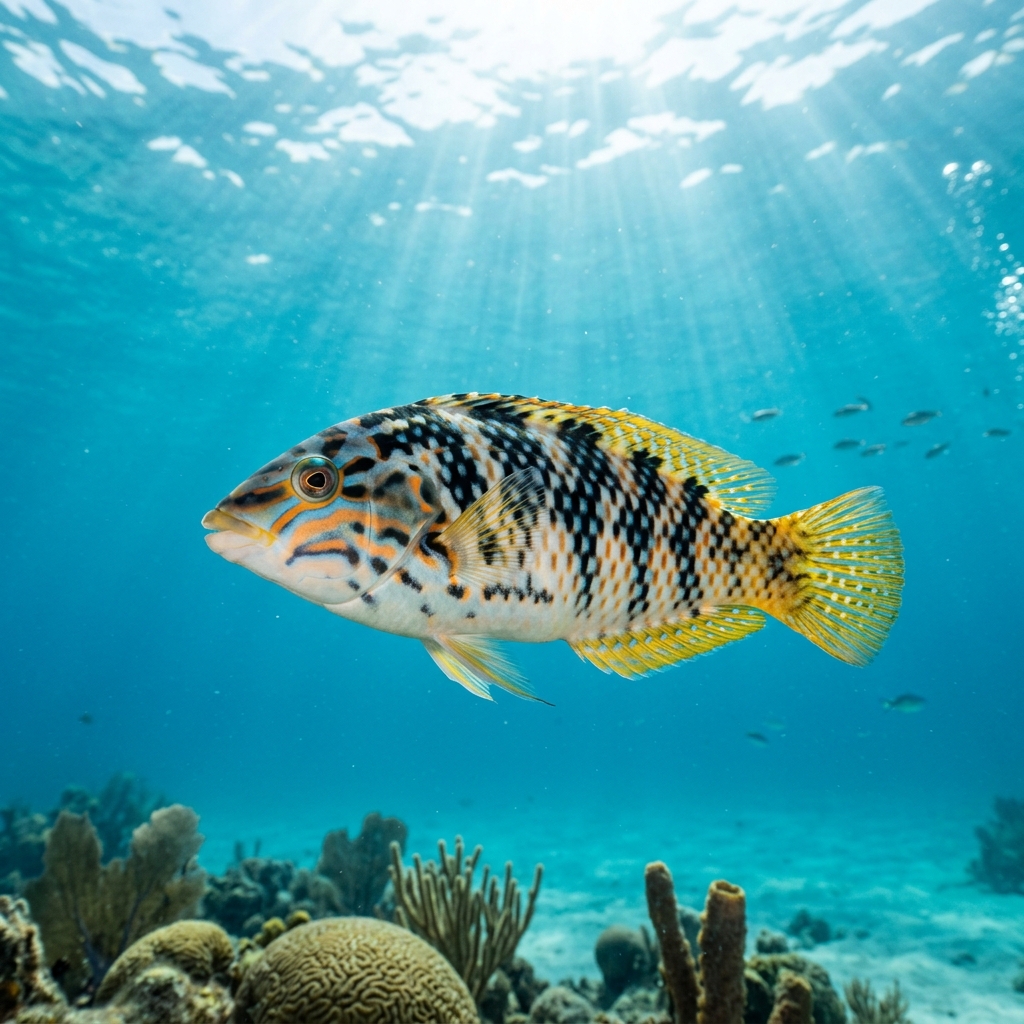
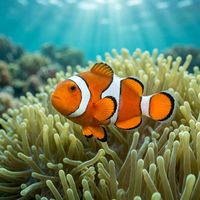
Koh Phi Phi offers a varied underwater landscape built around reefs, walls, pinnacles, caverns and even a wreck. The two main sub-areas, Phi Phi Leh and the Bida Islands, each bring a distinct character: Phi Phi Leh holds sheltered walls and cave formations, while the Bidas stack up diverse topography across a compact cluster of sites. Most access is by boat. The reef fish life is rich and observation-backed, with Moorish Idol, Wrasses, Common Clownfish and Giant Moray appearing across the great majority of sites. Zebra Shark, Sea Krait and Pharaoh Cuttlefish give experienced divers something specific to seek out.
2 areas
Monthly water temperature across Koh Phi Phi's sites, from satellite sea-surface data corrected for depth. The band shows the site-to-site spread.
Water stays warm throughout the year, with the peak of warmth arriving in April and May. Visibility is most reliable from November through to April, when diver reports are strongest and conditions are generally calmer. The June to September period sees quieter traffic and can bring reduced visibility, so divers planning around conditions are best served by the drier months.
28 operators
12 more sites to explore
Water temperature around Koh Phi Phi ranges from about 29°C in January to 31°C in April, based on satellite sea-temperature data for its dive sites.
With water around 29–31°C, a rash guard or 3mm shorty works in Koh Phi Phi year-round.
Fin maps 45 sites in Koh Phi Phi (44 scuba diving sites and 14 snorkelling spots, with some suited to both), organised into 2 areas.
Across Koh Phi Phi's dive sites, January, February, March, April, November and December are most often reported as the best months to visit.
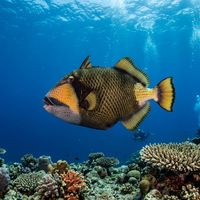
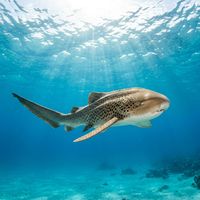
Koh Phi Phi's signature species include the Zebra Shark, Pharaoh Cuttlefish, Giant Moray, Sea Krait and Titan Triggerfish, all of which are observation-backed. Pharaoh Cuttlefish and Zebra Shark reward patient divers willing to look along reef edges and sandy patches. The Sea Krait is a truly distinctive reptile sighting, frequently encountered across many sites.
A large proportion of sites at Koh Phi Phi are rated for beginners, including Pileh Wall, Tonsai Wall, Monkey Reef and Ton Sai Bay. Several of these are shallow reefs or gently sloping walls that keep most of the action within easy reach. Intermediate and advanced sites like Garang Heng, Hin Dot and Palong Bay are also available for those looking to progress.
Phi Phi Leh holds the greater number of sites and includes well-known spots such as Maya Bay, Pileh Wall and Palong Bay, with a mix of wall, cavern and reef diving. The Bida Islands form a smaller, more focused cluster to the south, where the topography combines reef, wall, cave and pinnacle diving across a compact area. Both sub-areas are boat-access only.
The vast majority of dive and snorkel sites at Koh Phi Phi are reached by boat, reflecting how scattered the sites are around the islands. Ton Sai Bay is the notable exception, offering a shore entry suitable for beginners and snorkellers. Operators such as Profun Divers Academy, Blue Planet Divers and Phi Phi Sea Frog Diving Center run boat trips to the wider site network.