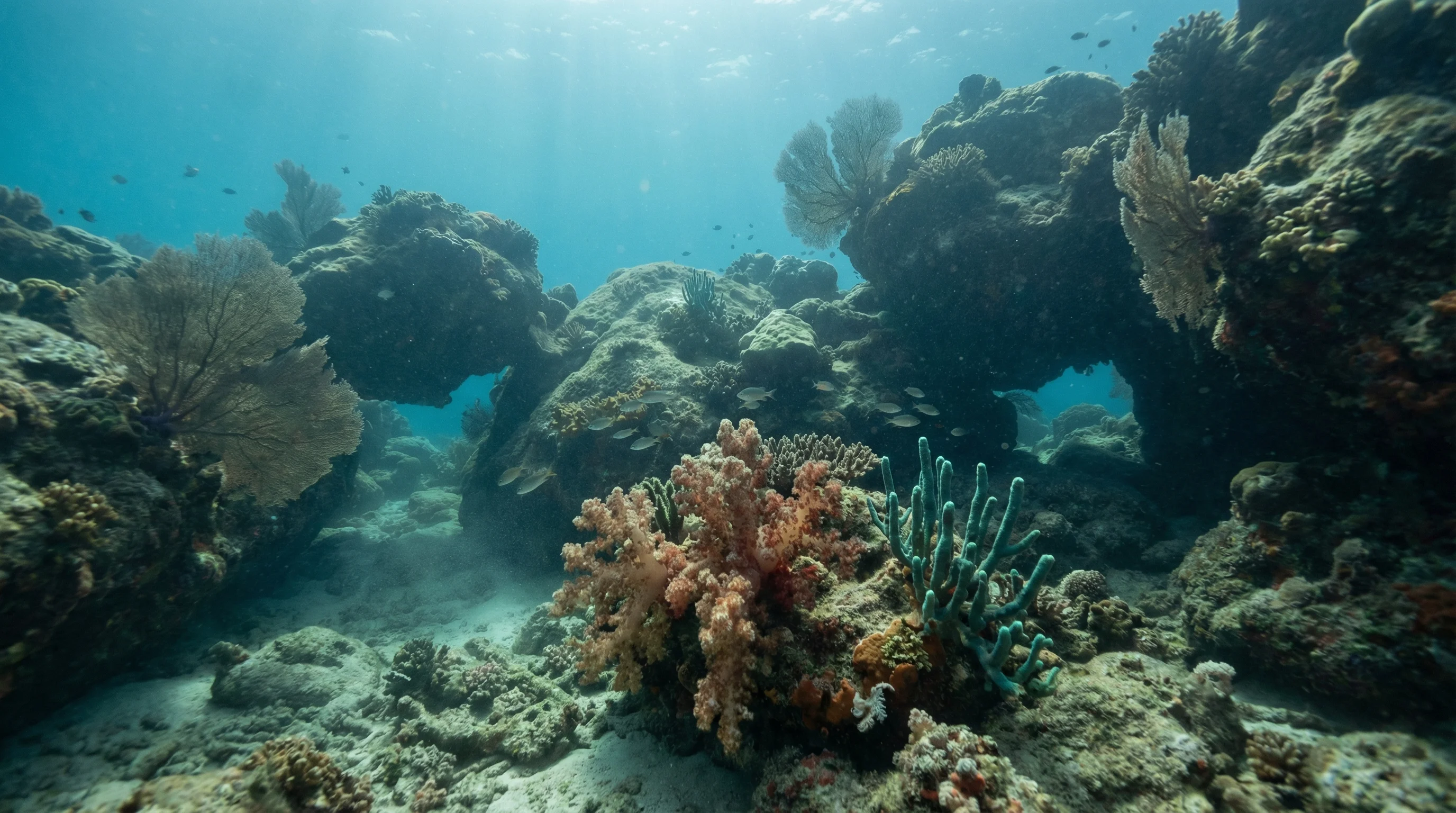
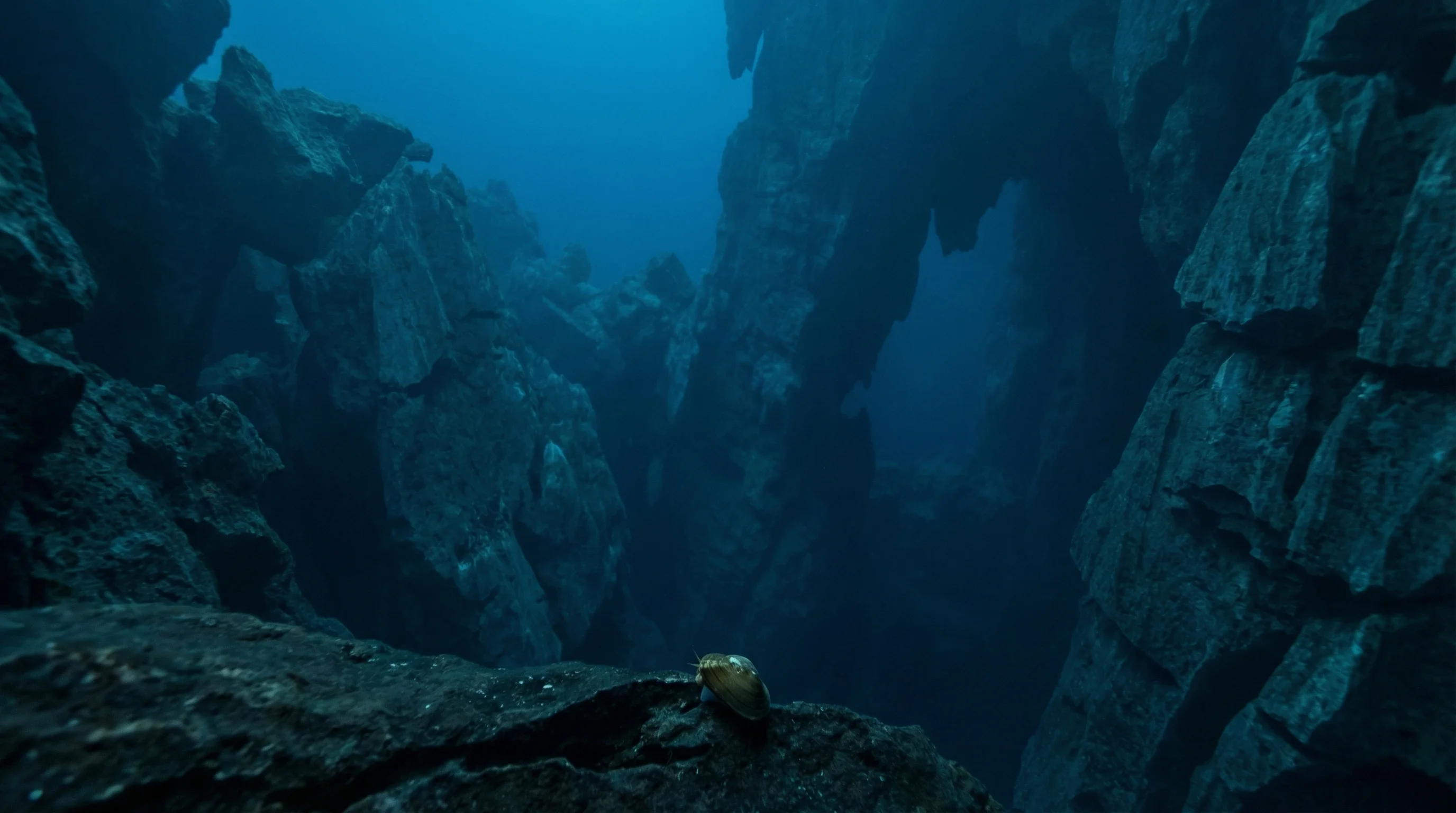
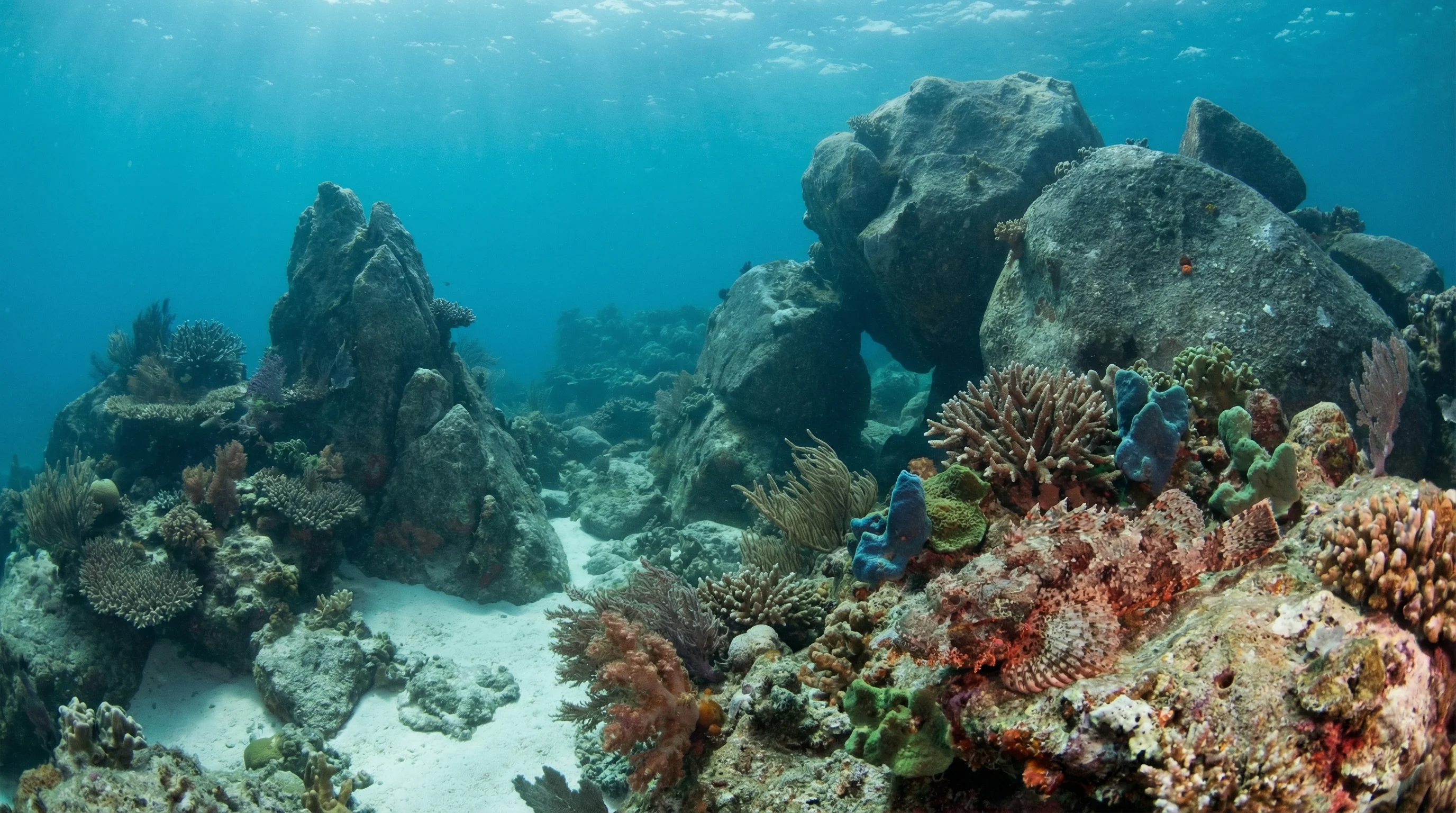
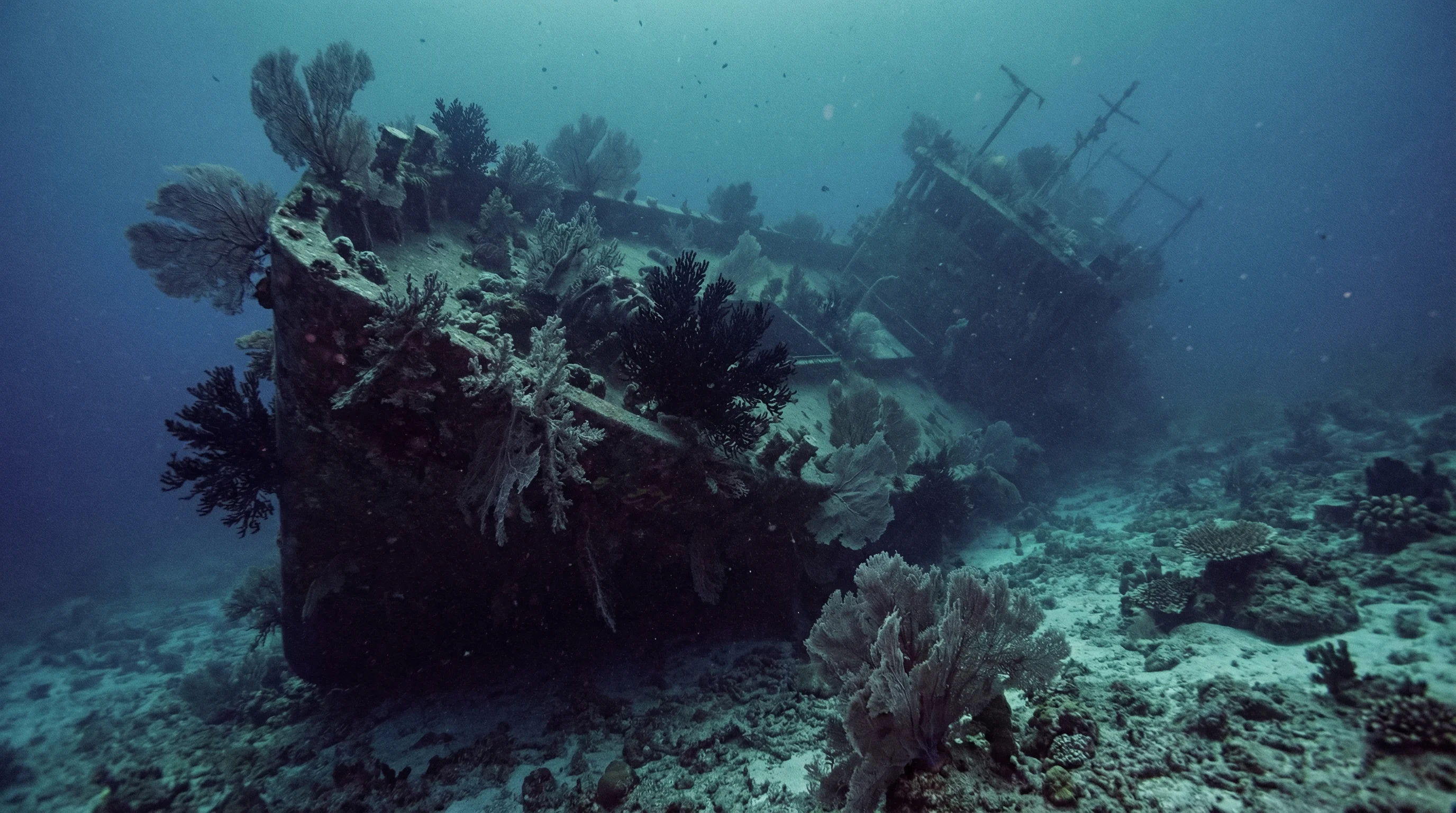
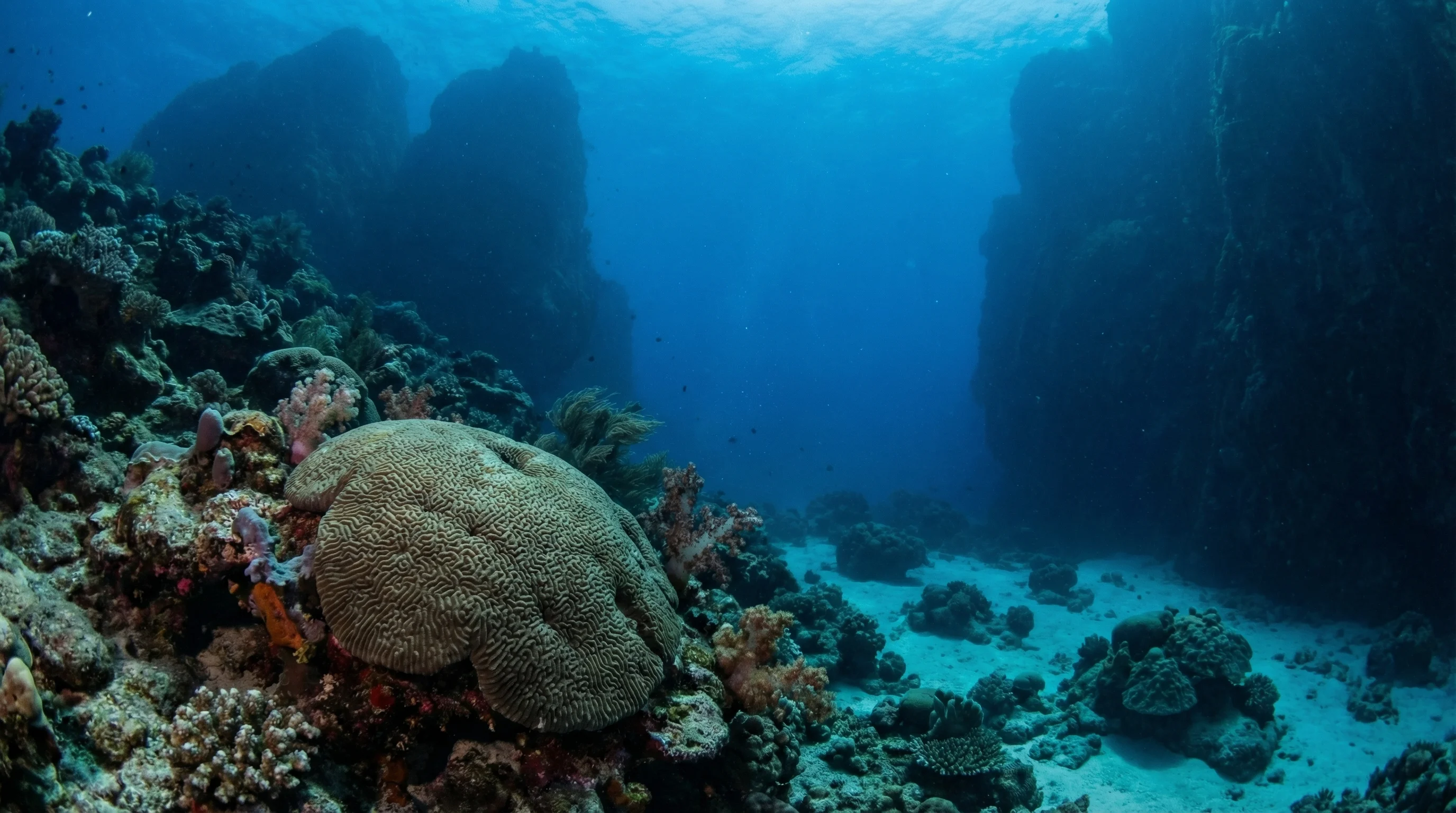
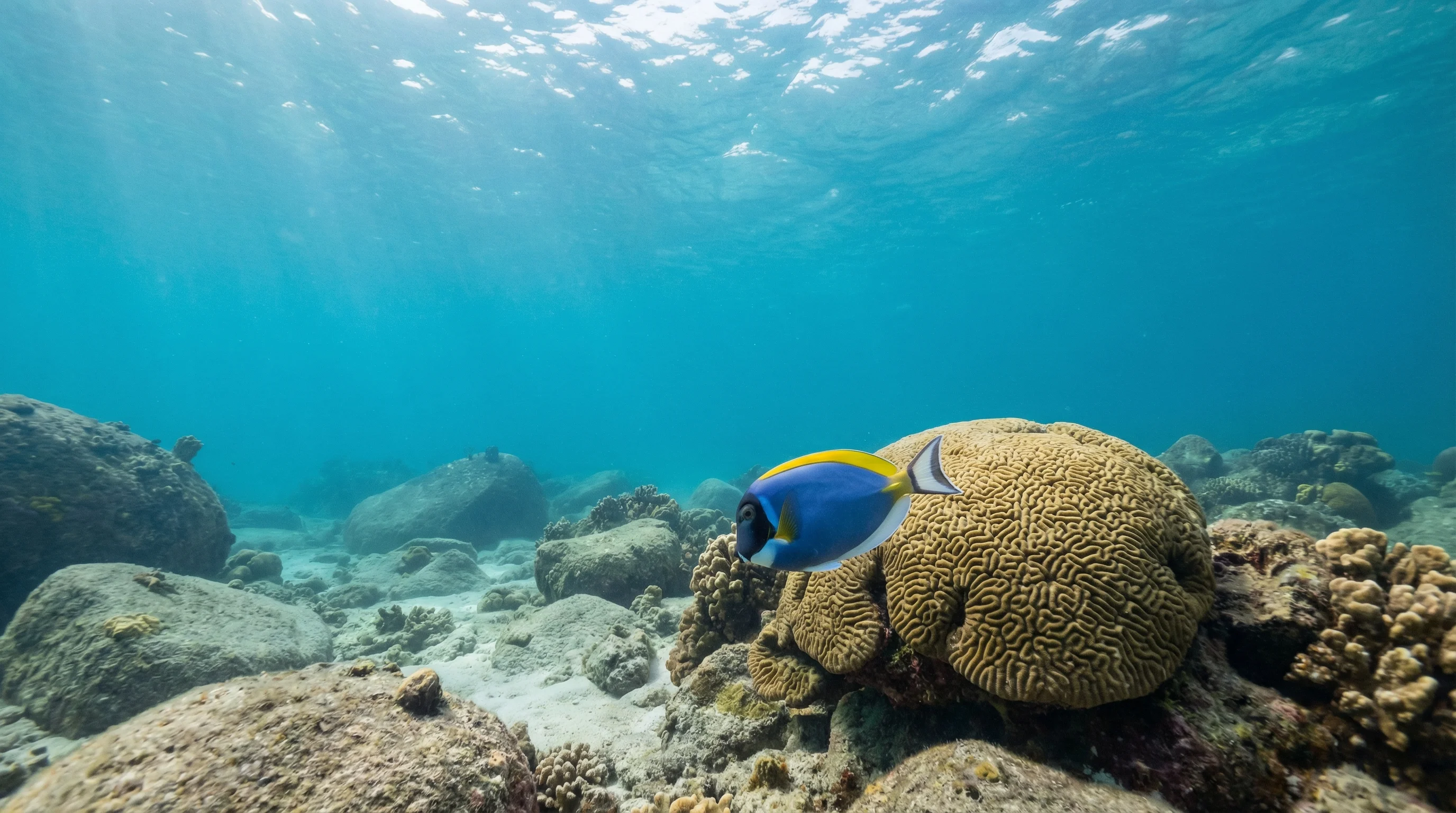
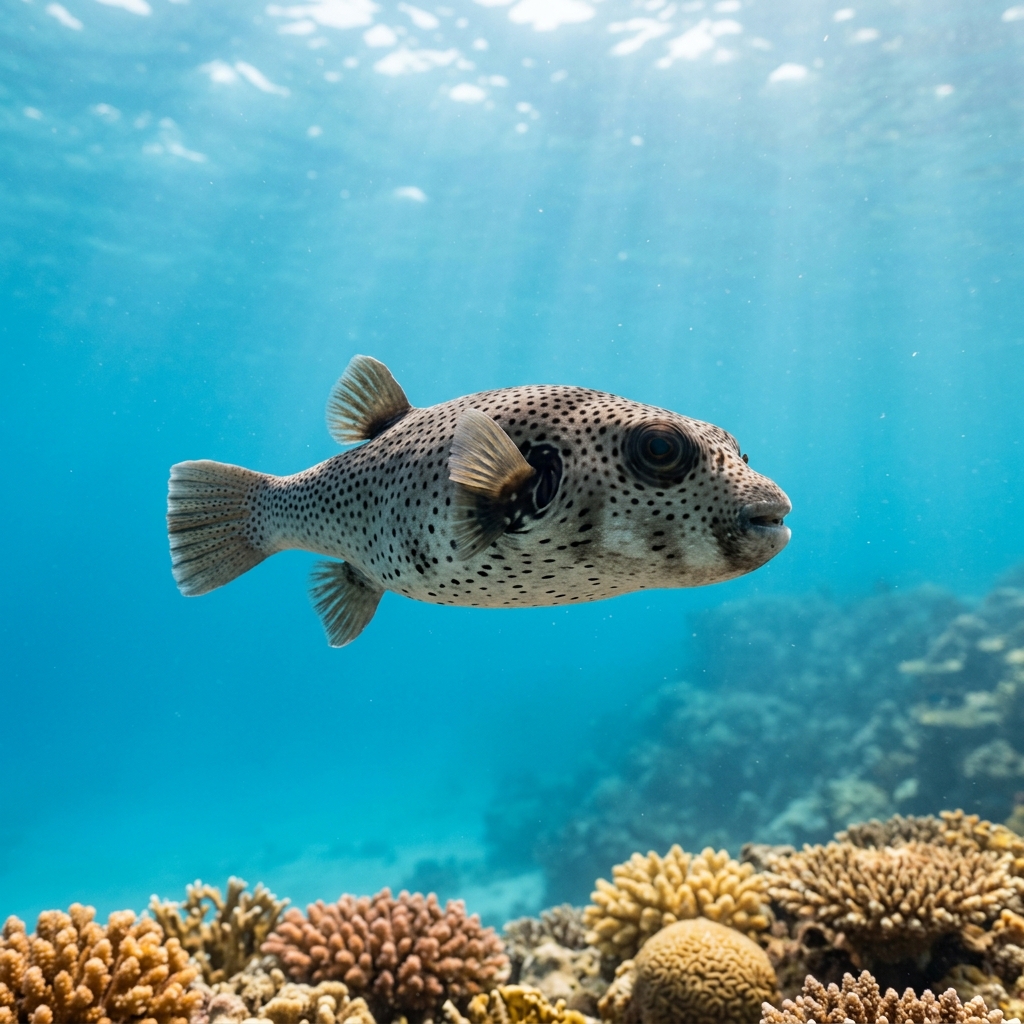
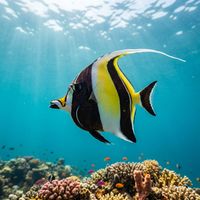
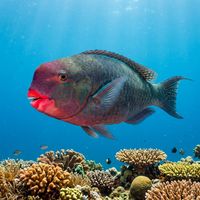
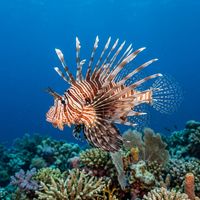
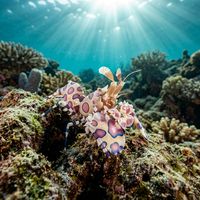
Koh Lanta's diving centres on two distinct sub-areas: the multi-site cluster of Koh Haa, which alone accounts for the majority of sites, and the remote pinnacle of Hin Daeng and Hin Muang. Topography ranges from shallow beginner reefs and shore entries to walls, caverns, swim-throughs and drift sites. The Whale Shark is an observation-backed presence, alongside a rich cast of reef fish including the Moorish Idol, Common Clownfish, and Blackspotted Pufferfish. Signature encounters include the Giant Moray, Indian Lionfish, and the occasional Harlequin Shrimp. The dry season brings the clearest conditions and the strongest site coverage.
2 areas
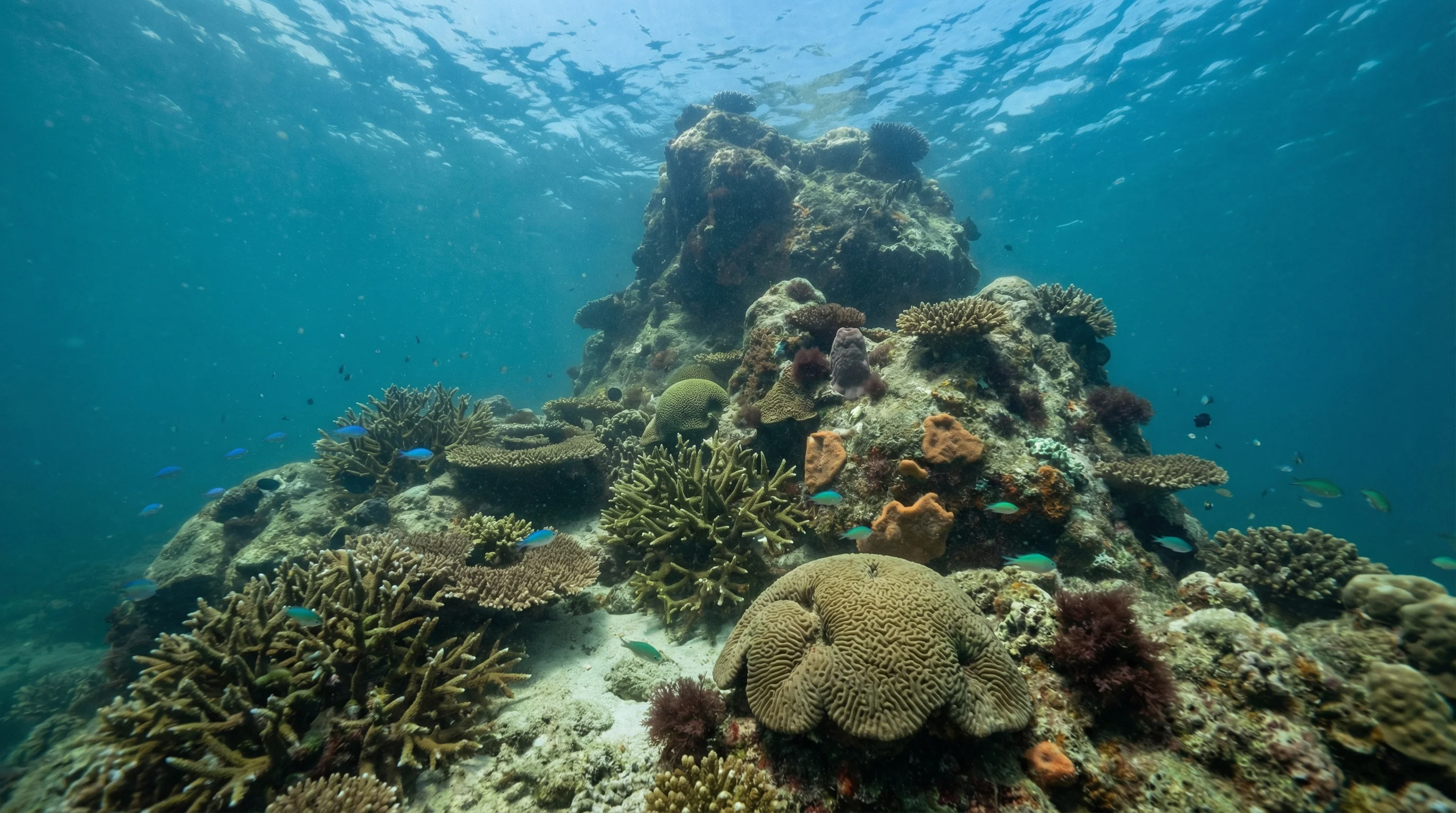
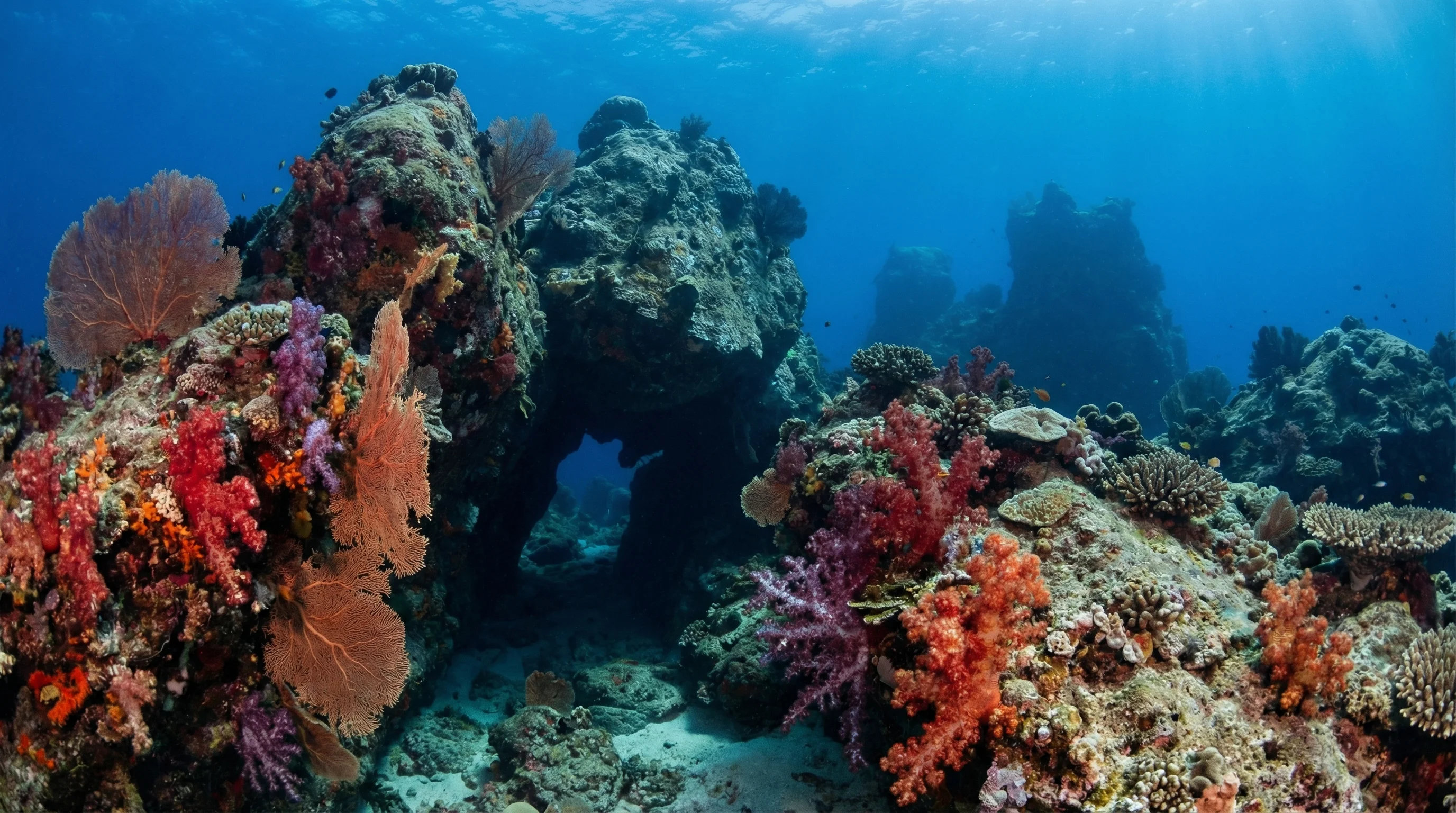
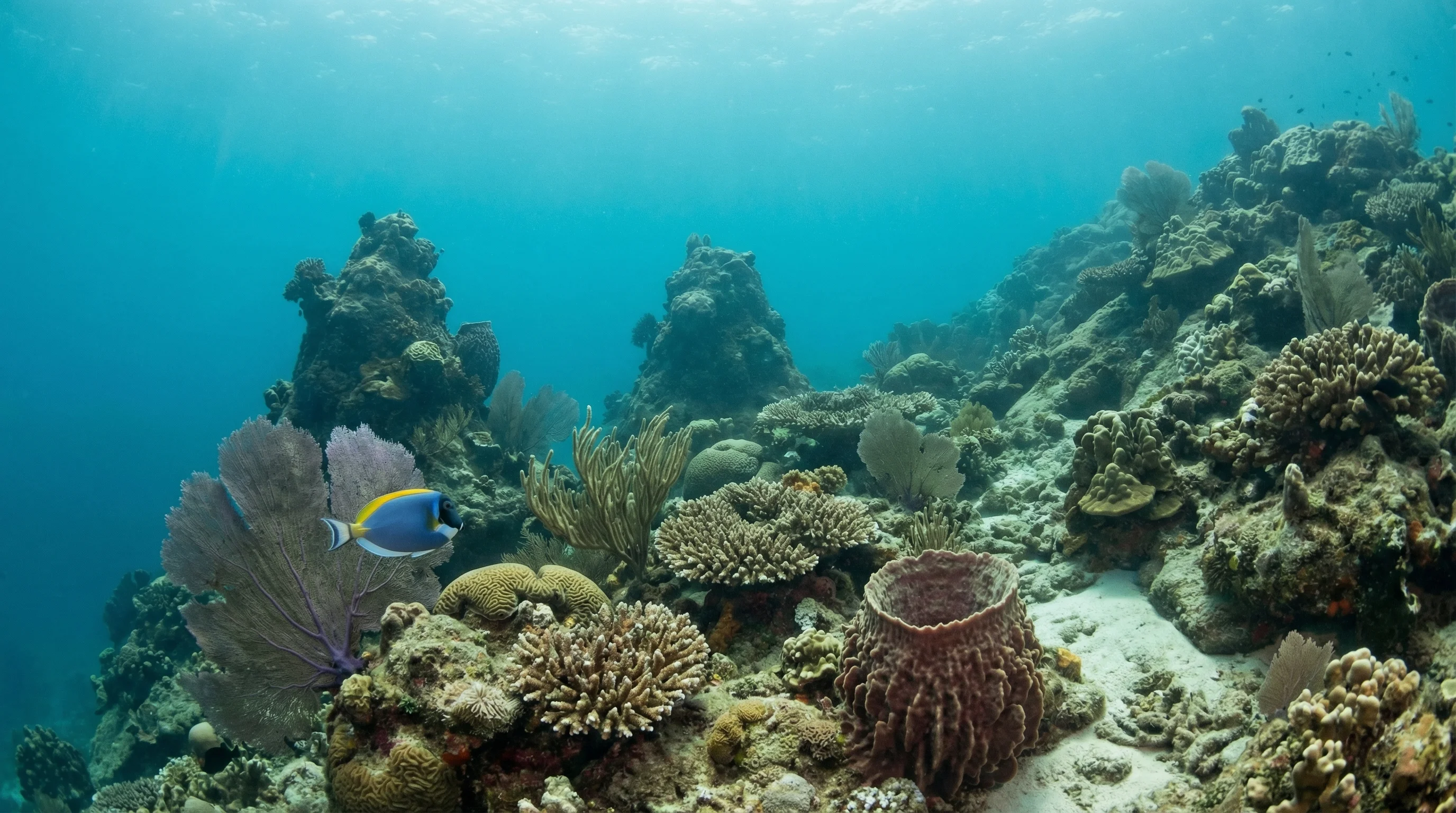
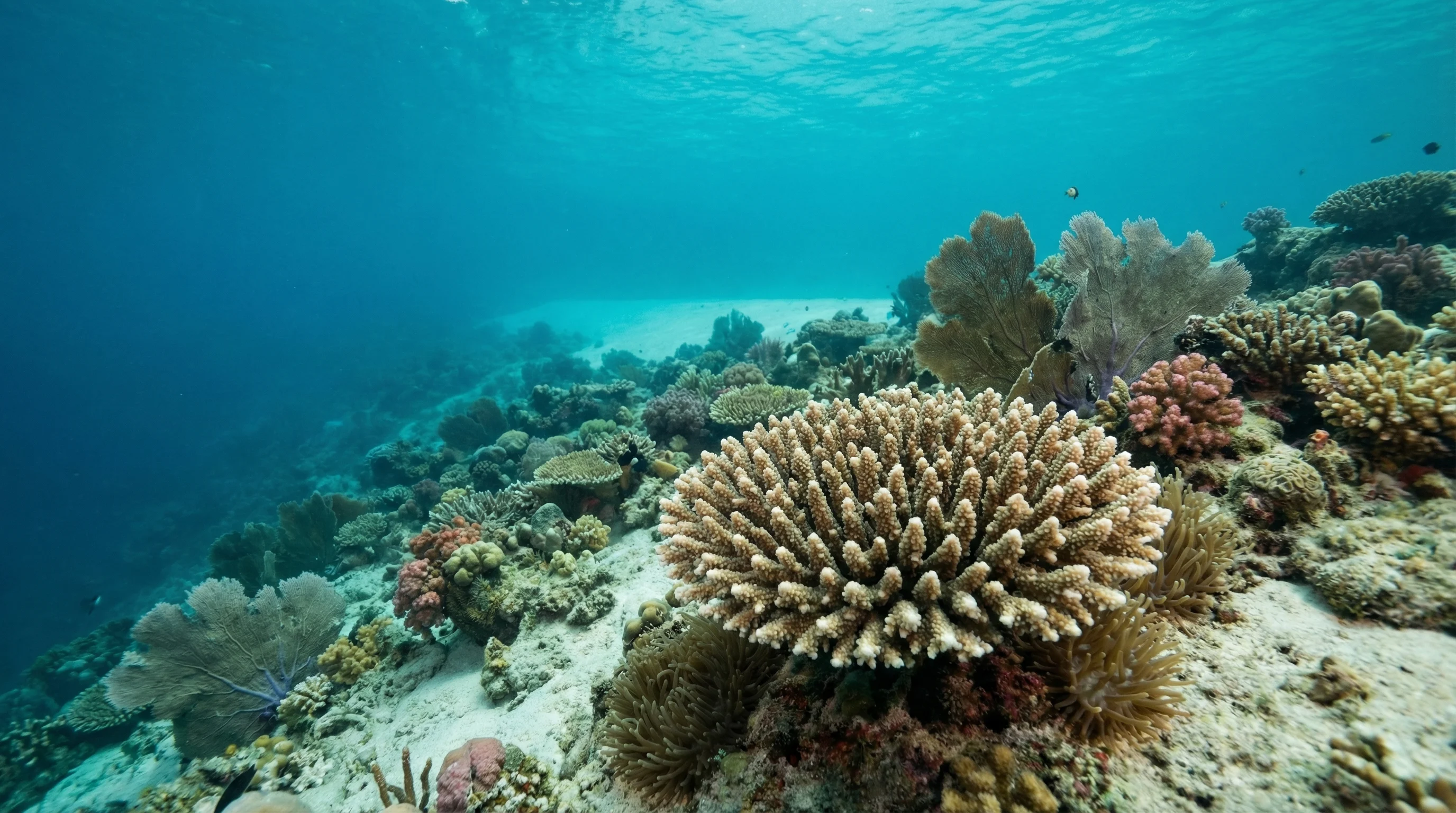
Monthly water temperature across Koh Lanta's sites, from satellite sea-surface data corrected for depth. The band shows the site-to-site spread.
Water stays warm across the entire year, with the warmest months in the middle of the year and only a slight dip in the coolest months. The best-months data points firmly to the dry season, from November through April, when visibility and conditions peak. From May onwards, conditions soften and fewer operators run trips, so visiting earlier or later in the shoulder months of November and May gives a useful balance of good diving and lighter crowds.
9 operators
Saladan, Thailand
6 more sites to explore
Water temperature around Koh Lanta ranges from about 29°C in January to 31°C in April, based on satellite sea-temperature data for its dive sites.
With water around 29–31°C, a rash guard or 3mm shorty works in Koh Lanta year-round.
Fin maps 25 sites in Koh Lanta (25 scuba diving sites and 9 snorkelling spots, with some suited to both), organised into 2 areas.
Across Koh Lanta's dive sites, January, February, March, April, November and December are most often reported as the best months to visit.
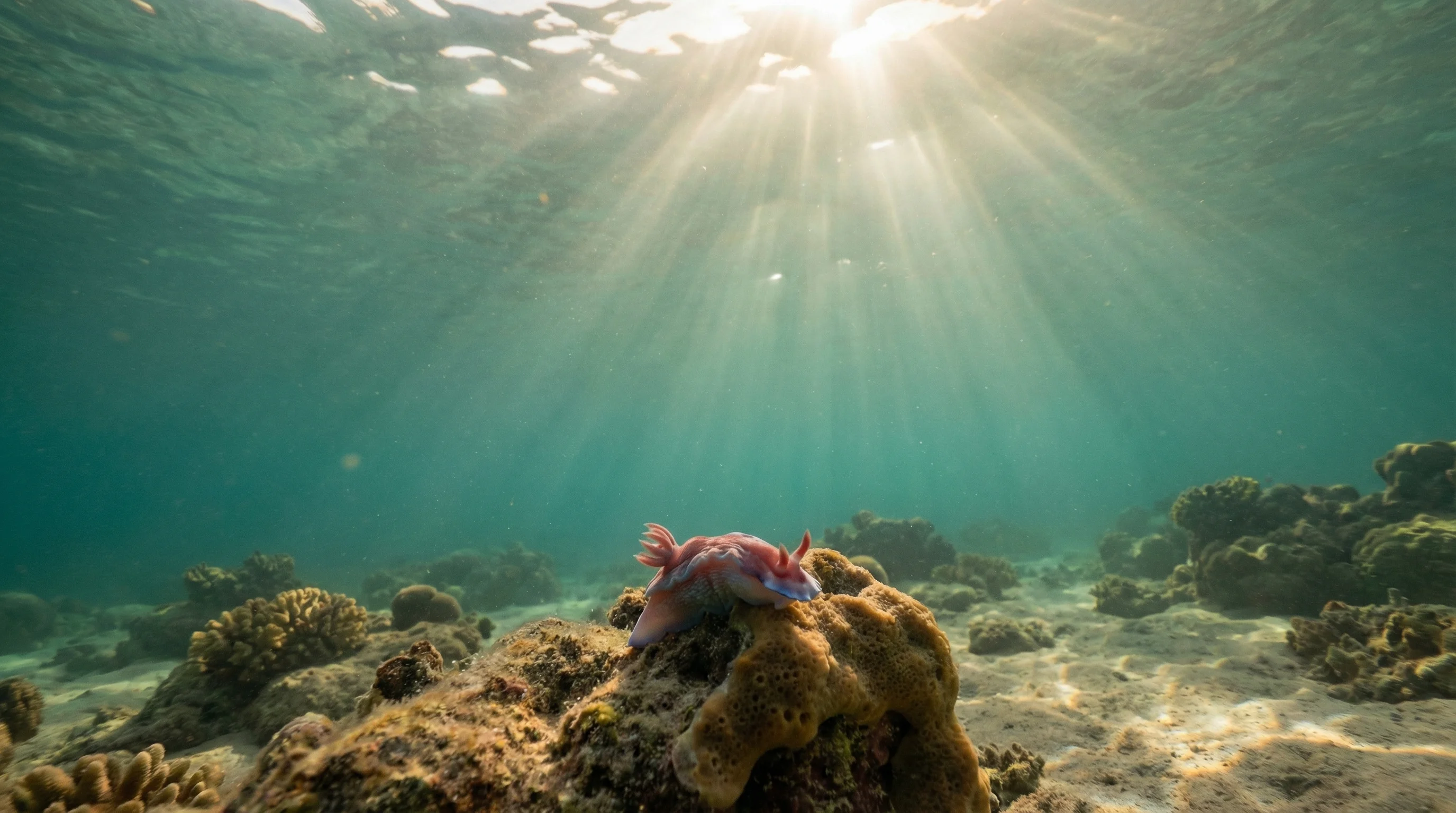
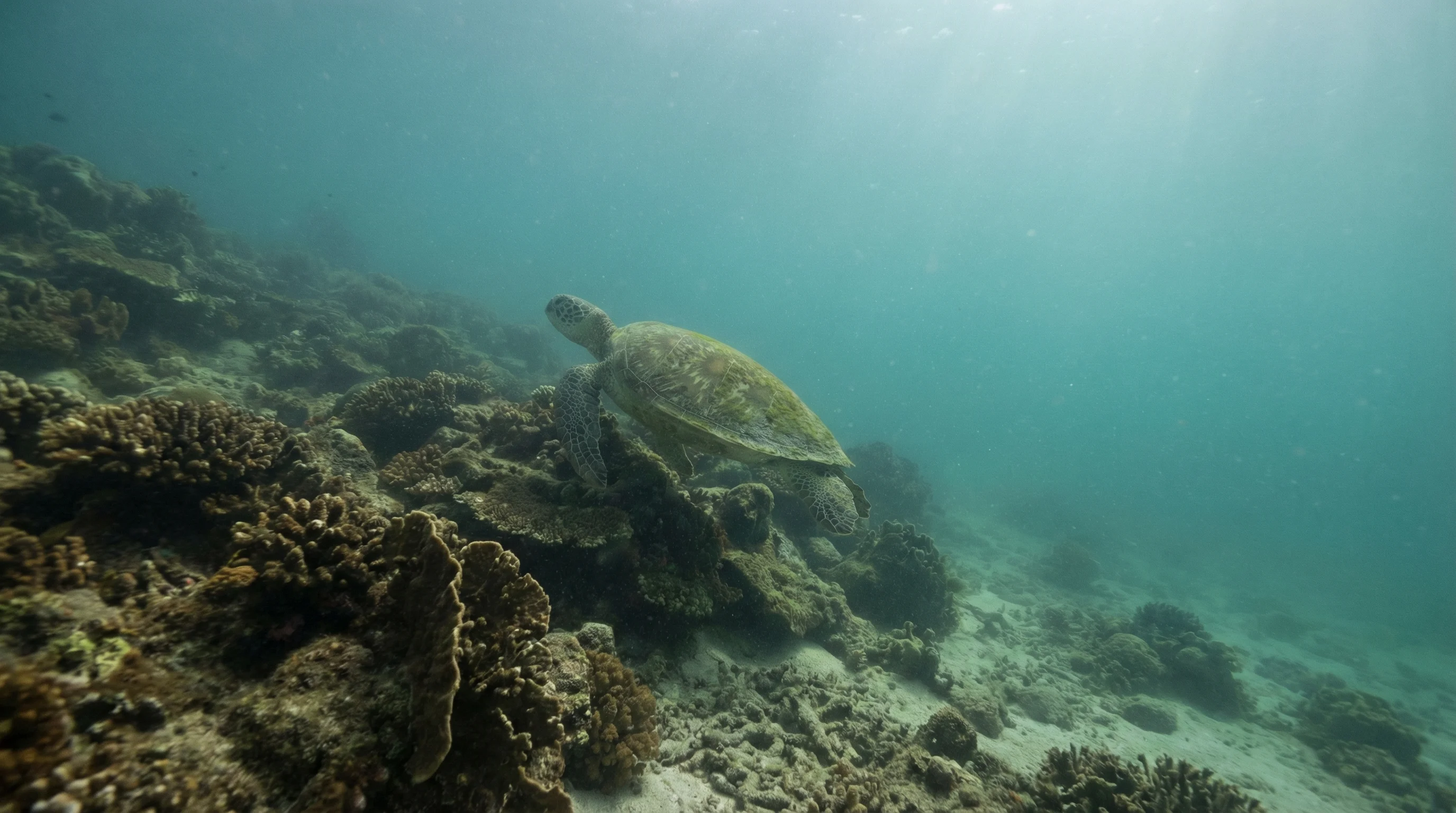
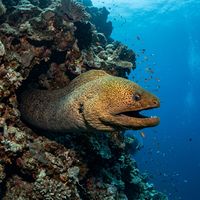
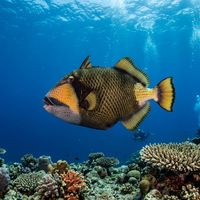
Whale Shark is an observation-backed species across a broad range of Koh Lanta sites and is tagged as commonly seen. The Giant Moray and Blacktip Reef Shark have also been recorded, alongside large reef fish such as the Titan Triggerfish. Sightings naturally depend on conditions and timing, with the dry season offering the most consistent visibility.
A large share of Koh Lanta's sites are rated for beginners, including reef and pinnacle dives at Koh Haa such as Hin Nok, Hin Ngam, and Lak Siam. Palm Beach offers the only shore entry in the site list and sits at very shallow depths, making it a gentle introduction. Intermediate divers have options too, including the wall and cavern systems at The Chimney and Koh Haa number three.
Koh Haa is by far the larger sub-area, covering the majority of listed sites and offering a wide range of reef types, depths and skill levels, from shallow beginner pinnacles to deeper walls and cave systems. Hin Daeng and Hin Muang is represented by a single site and is typically the destination for divers seeking a more remote, dedicated trip. Both sub-areas are reached by boat.
Almost all of Koh Lanta's sites are boat-access only, reflecting the island and offshore nature of the sub-areas. Palm Beach at Koh Haa is the one listed exception, offering a shore entry onto a shallow reef suitable for beginners. Planning around boat departure times is therefore relevant for most dives in the region.