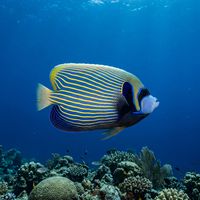
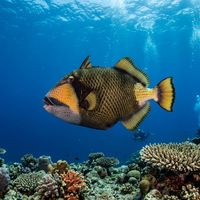
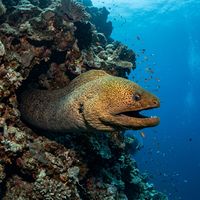
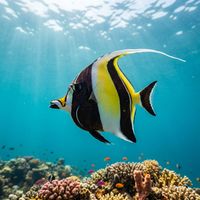
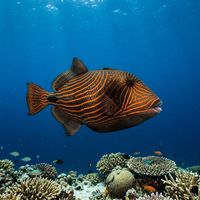
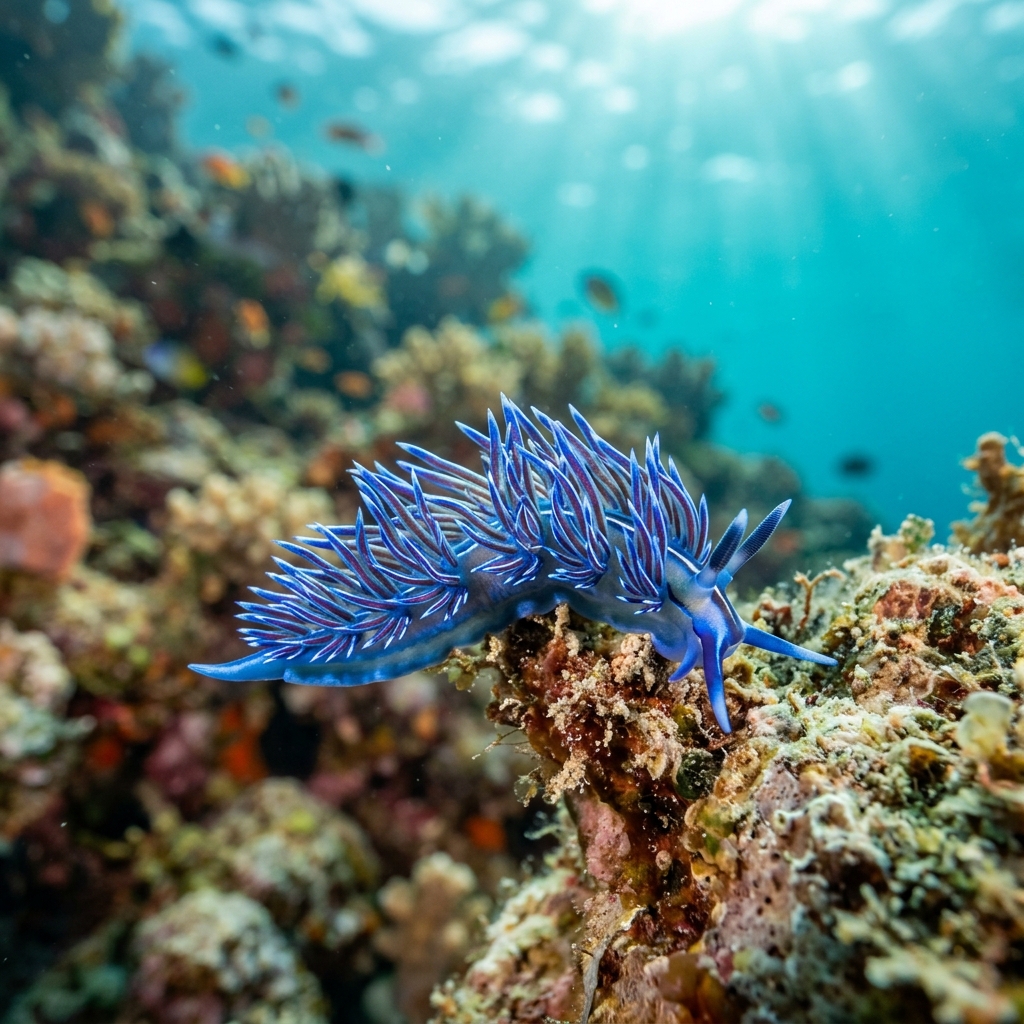
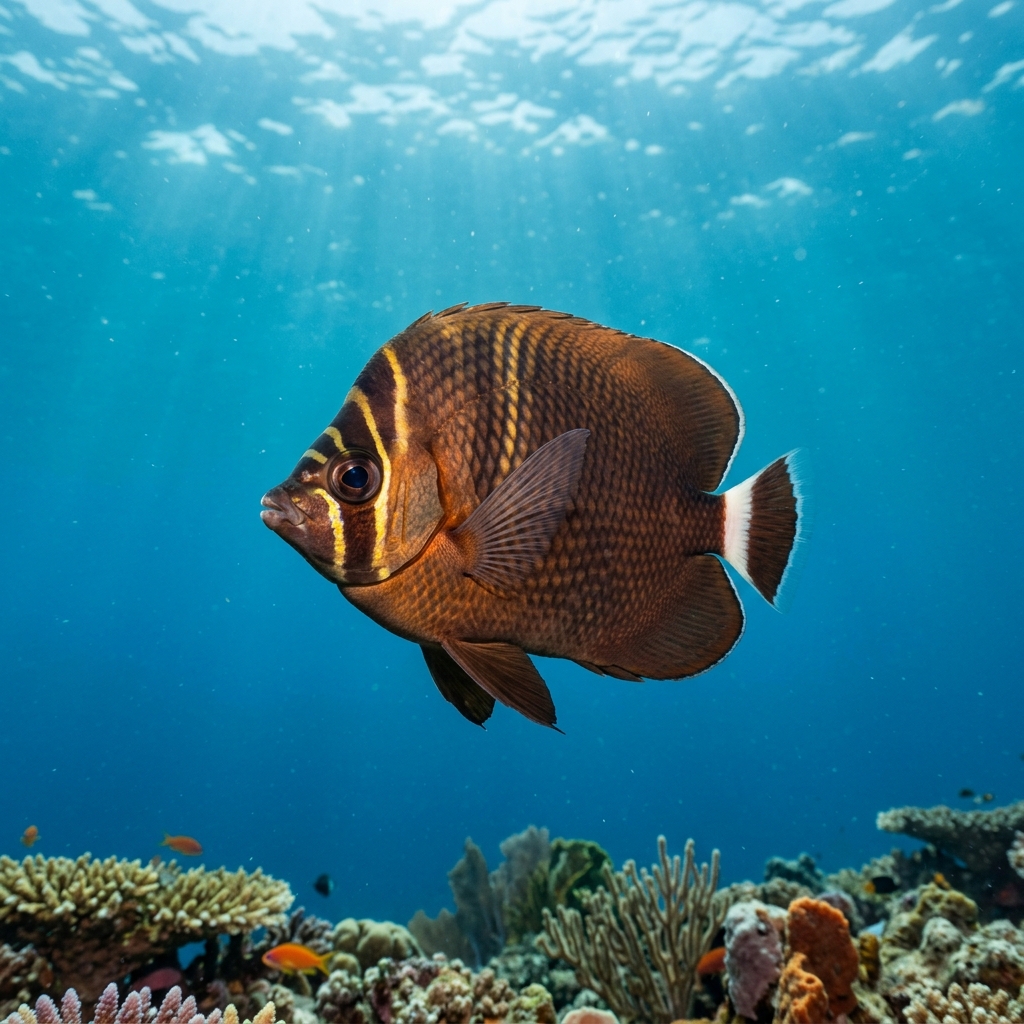
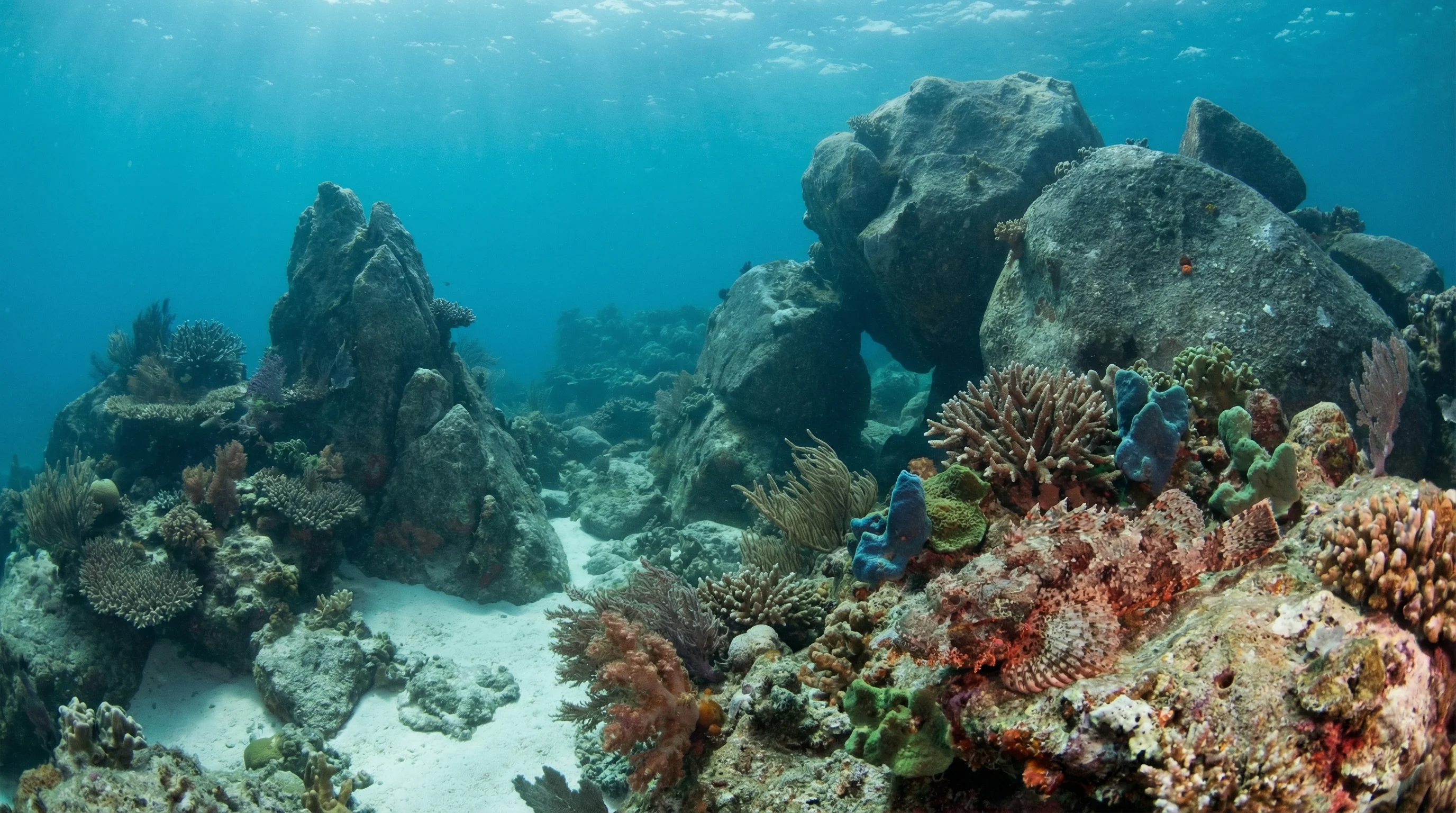
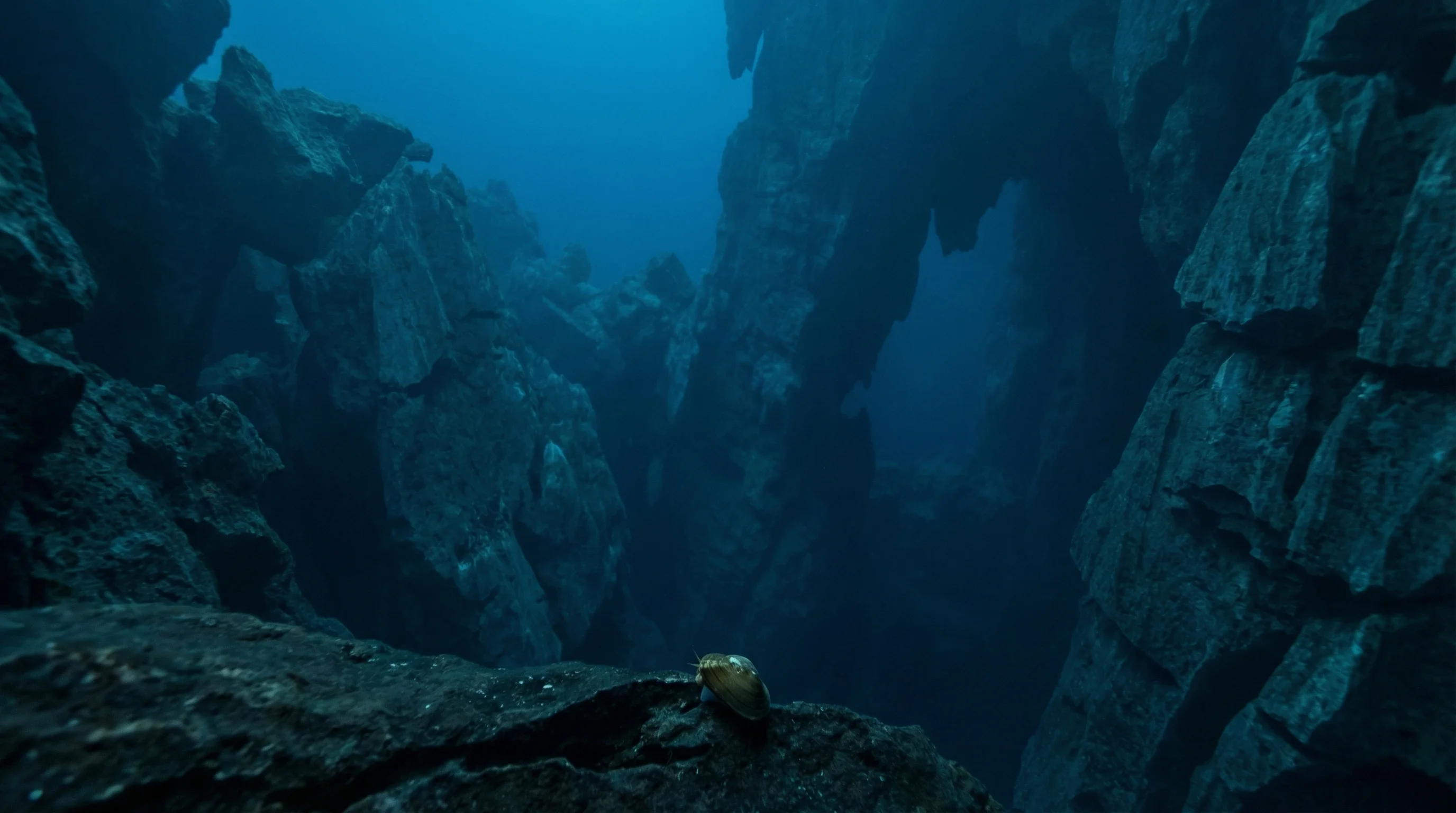
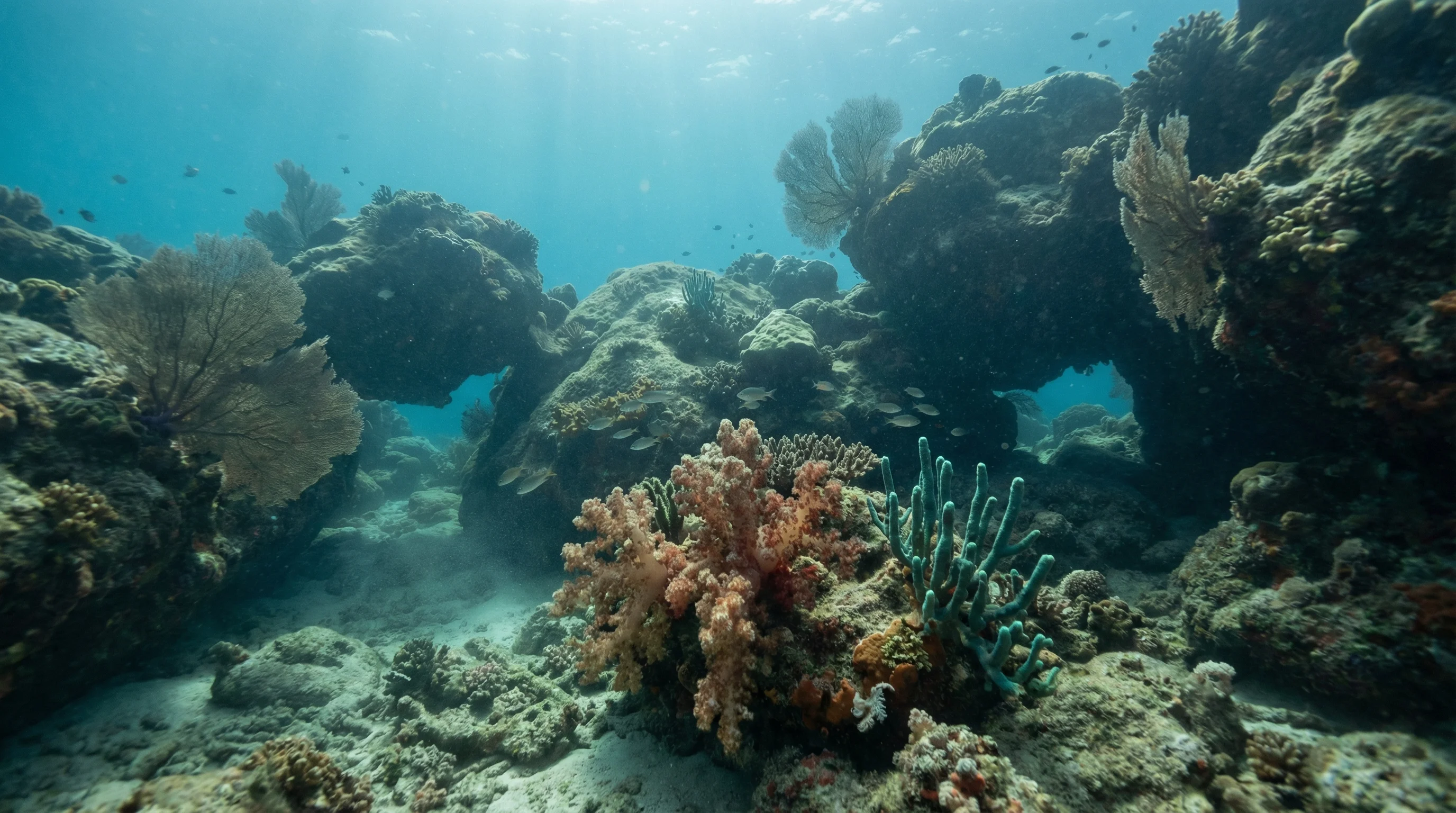
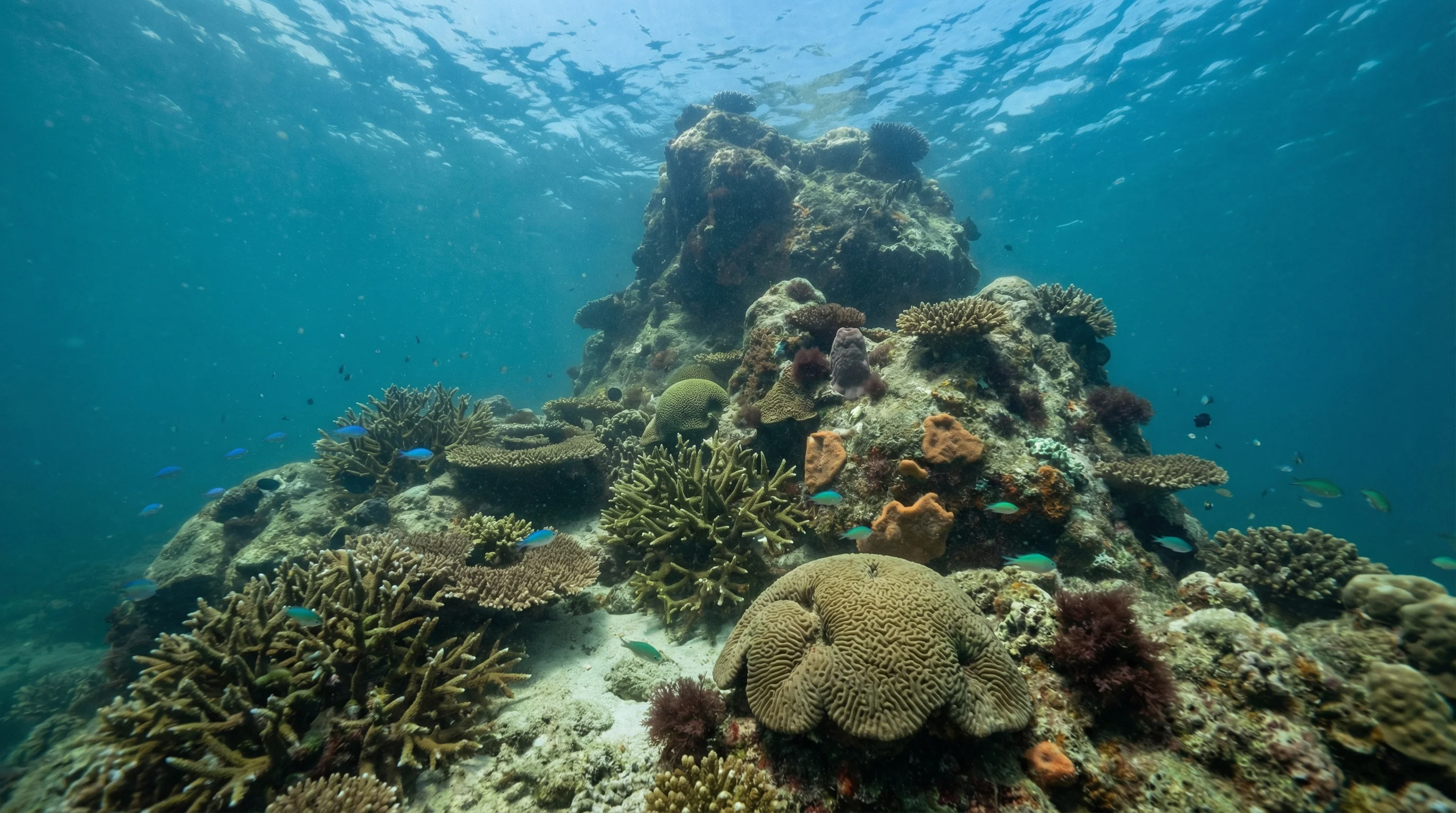
Khao Lak serves as the gateway to some of Thailand's most varied offshore diving, with sub-areas spanning the Similan Islands, the Surin Islands, Koh Tachai, Richelieu Rock and the Boonsung Wreck. Site types range from granite boulder reefs, walls and pinnacles to wrecks and muck dives, covering shallow snorkel-friendly bays through to deep drift dives. The season runs roughly from November to April, when visibility peaks and conditions calm. Signature species include the Whale Shark, Giant Moray, Emperor Angelfish and Harlequin Shrimp, with the Moorish Idol and Titan Triggerfish appearing at nearly every site.
5 areas
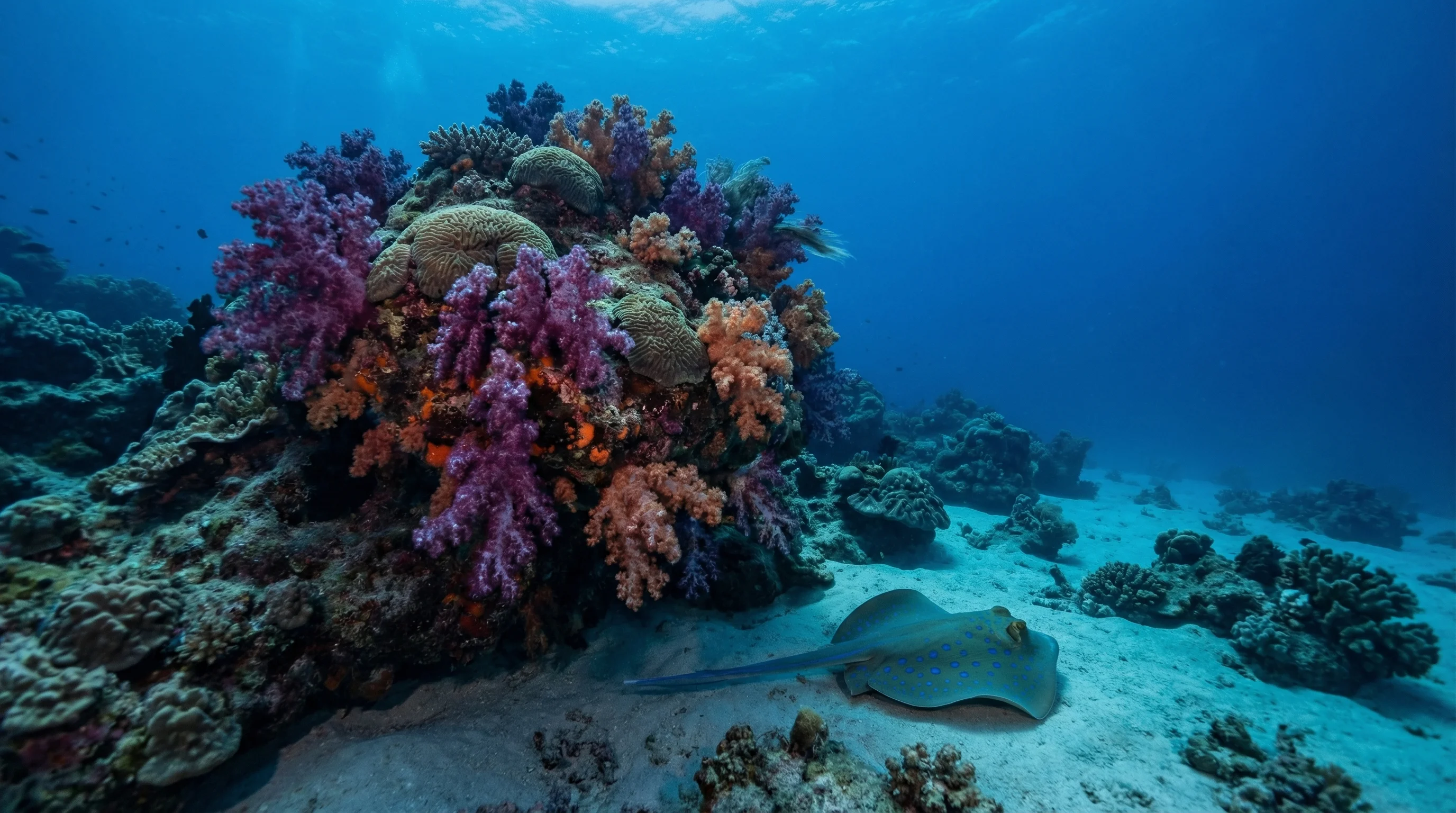 36
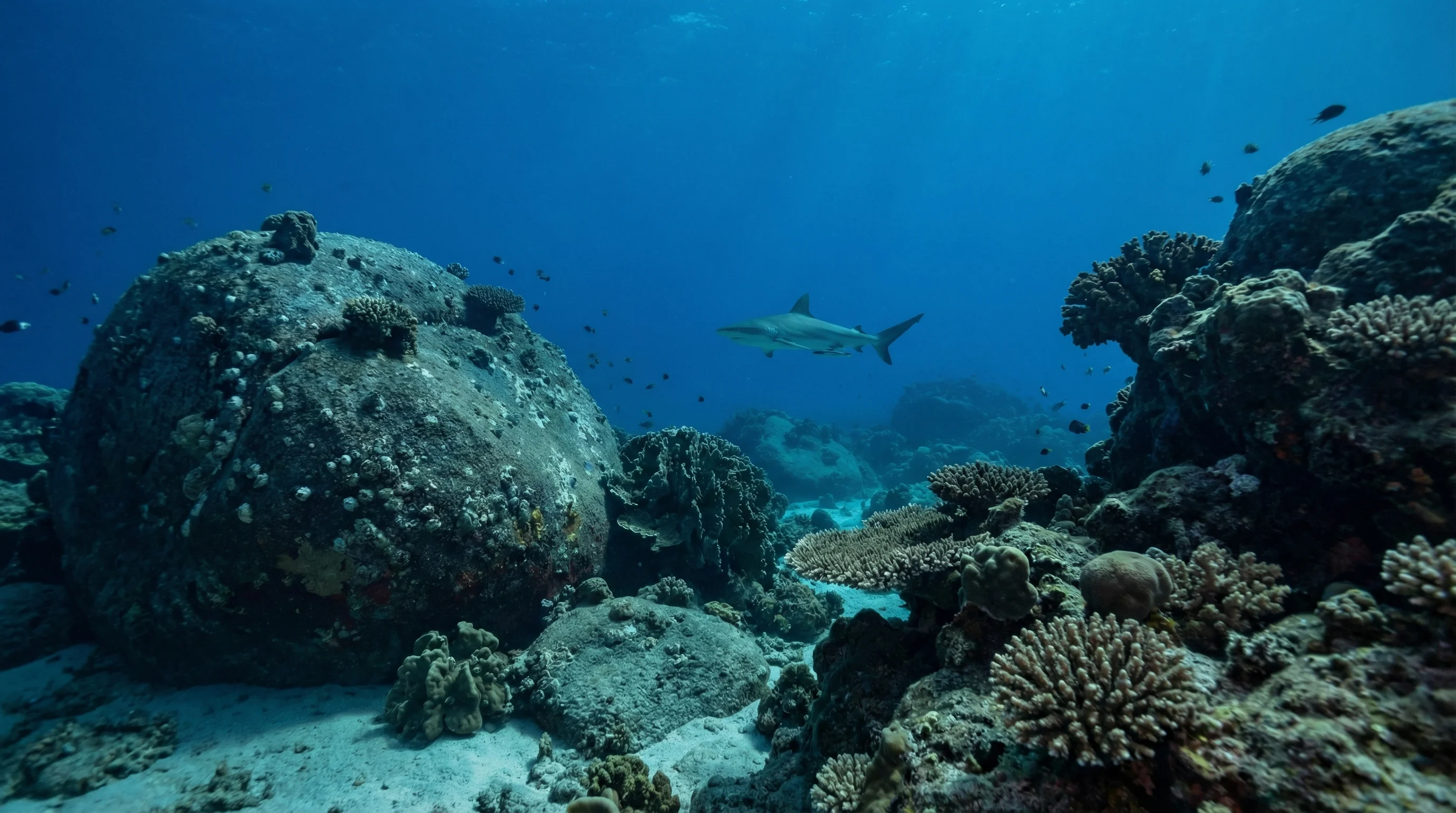
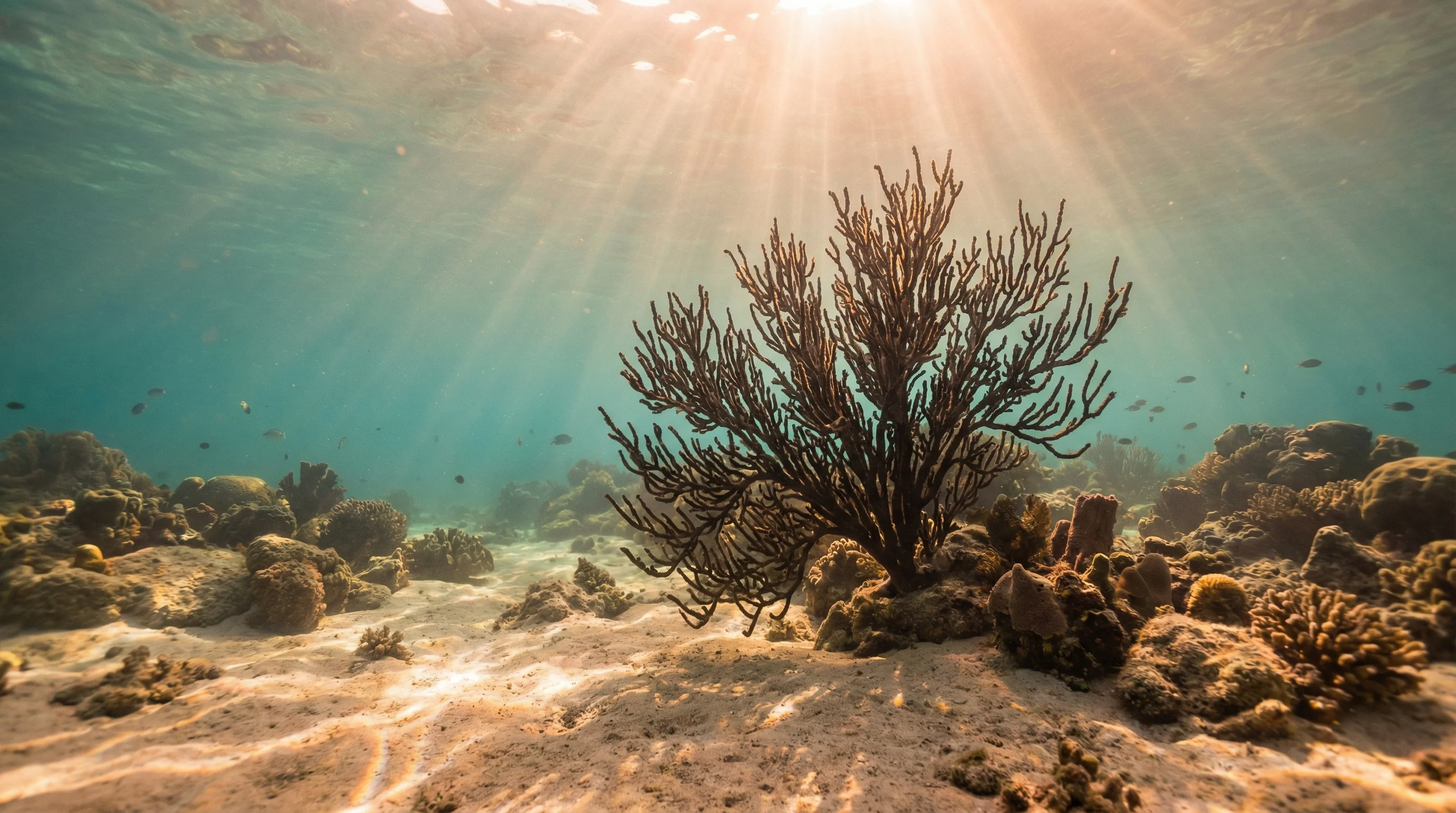
36Granite boulders, walls and drift dives hosting Emperor Angelfish, Coral Grouper and Ornate Ghostpipefish across a wide skill range.
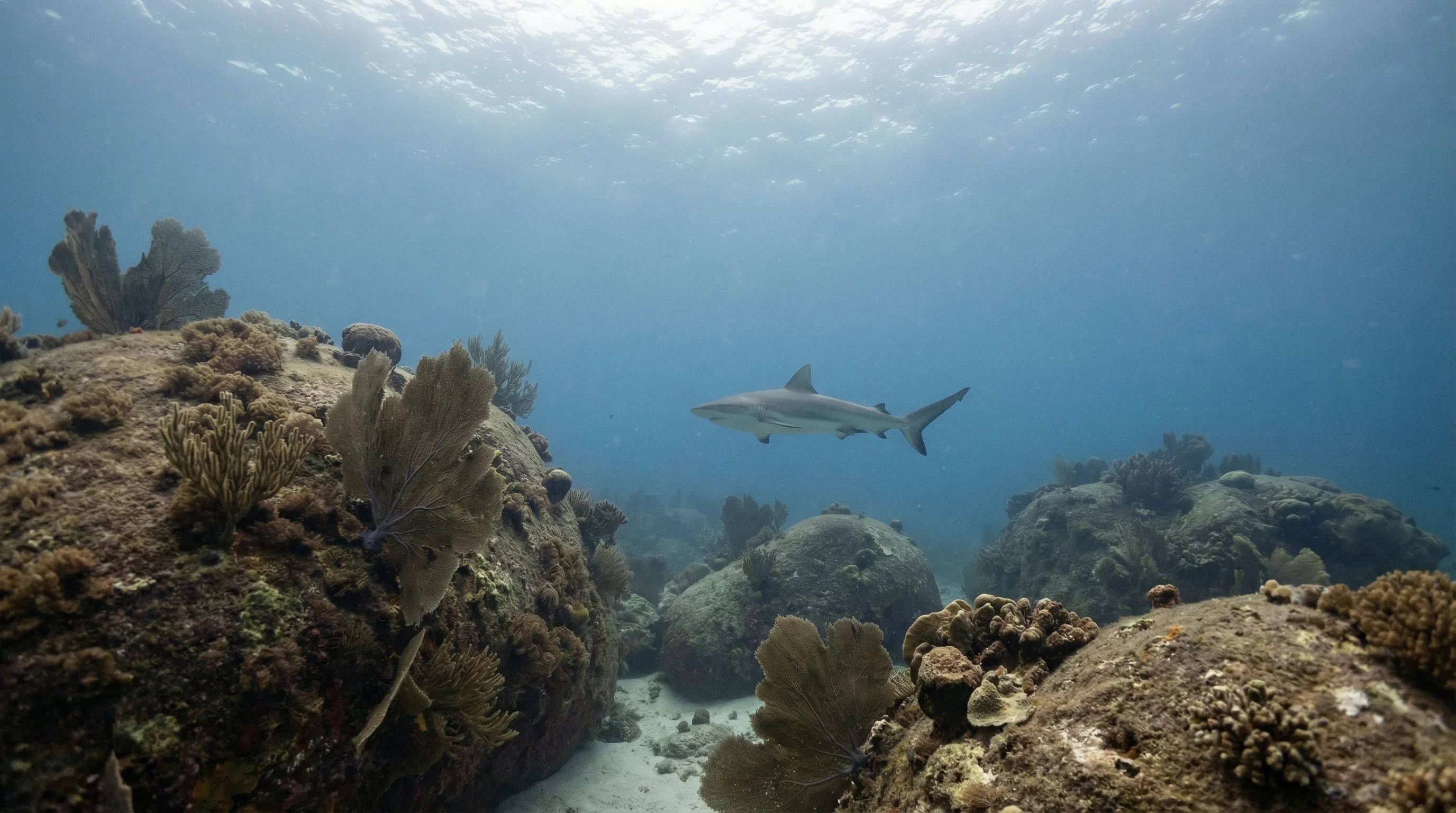 22
22Boat-access reef diving with exceptional angelfish and triggerfish diversity, from gentle beginner bays to deep walls and drift pinnacles.
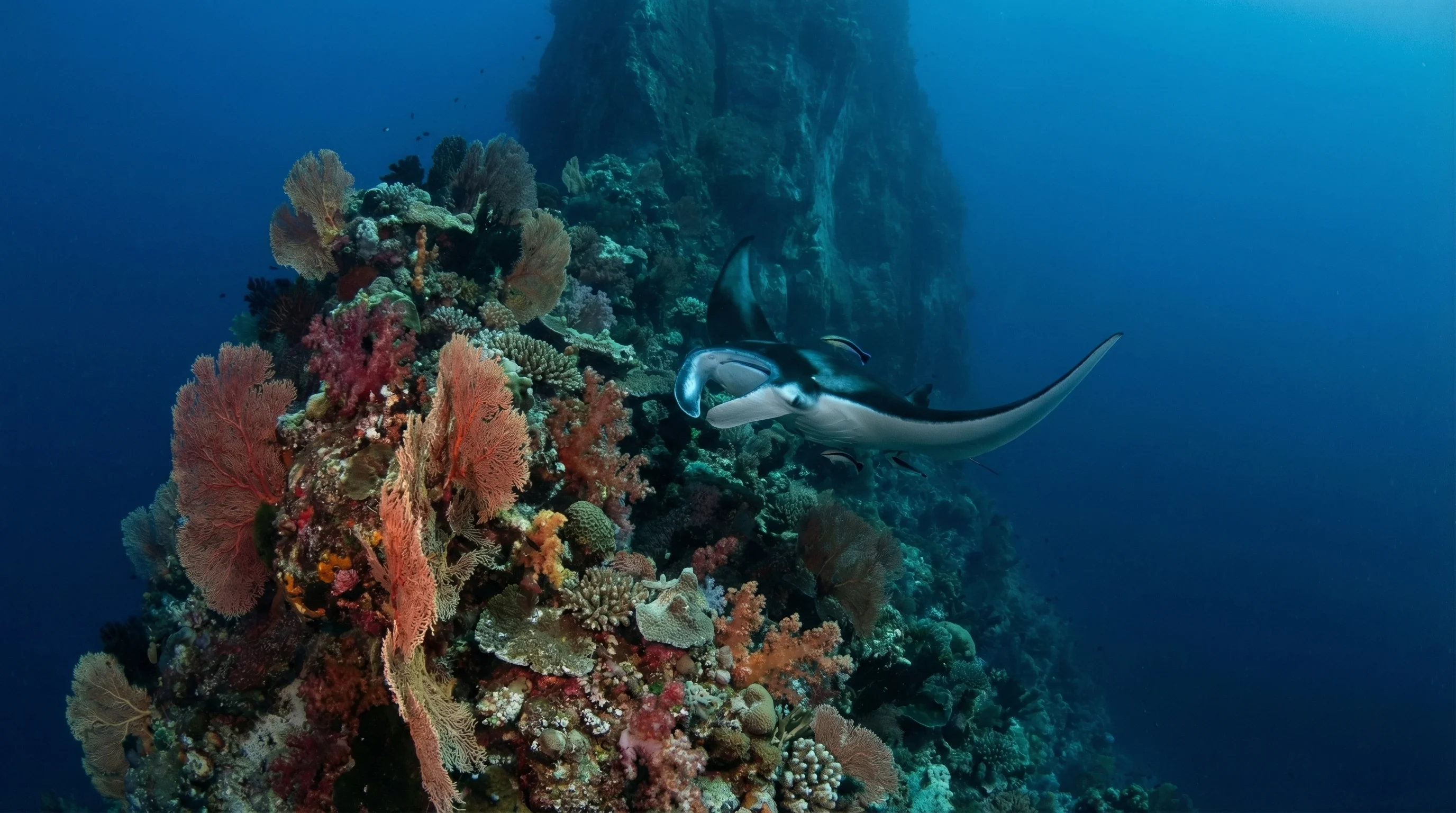 7
7Similan National Marine Park island in the Andaman Sea with deep pinnacles, strong currents, and whale sharks, open mid-October to mid-May.
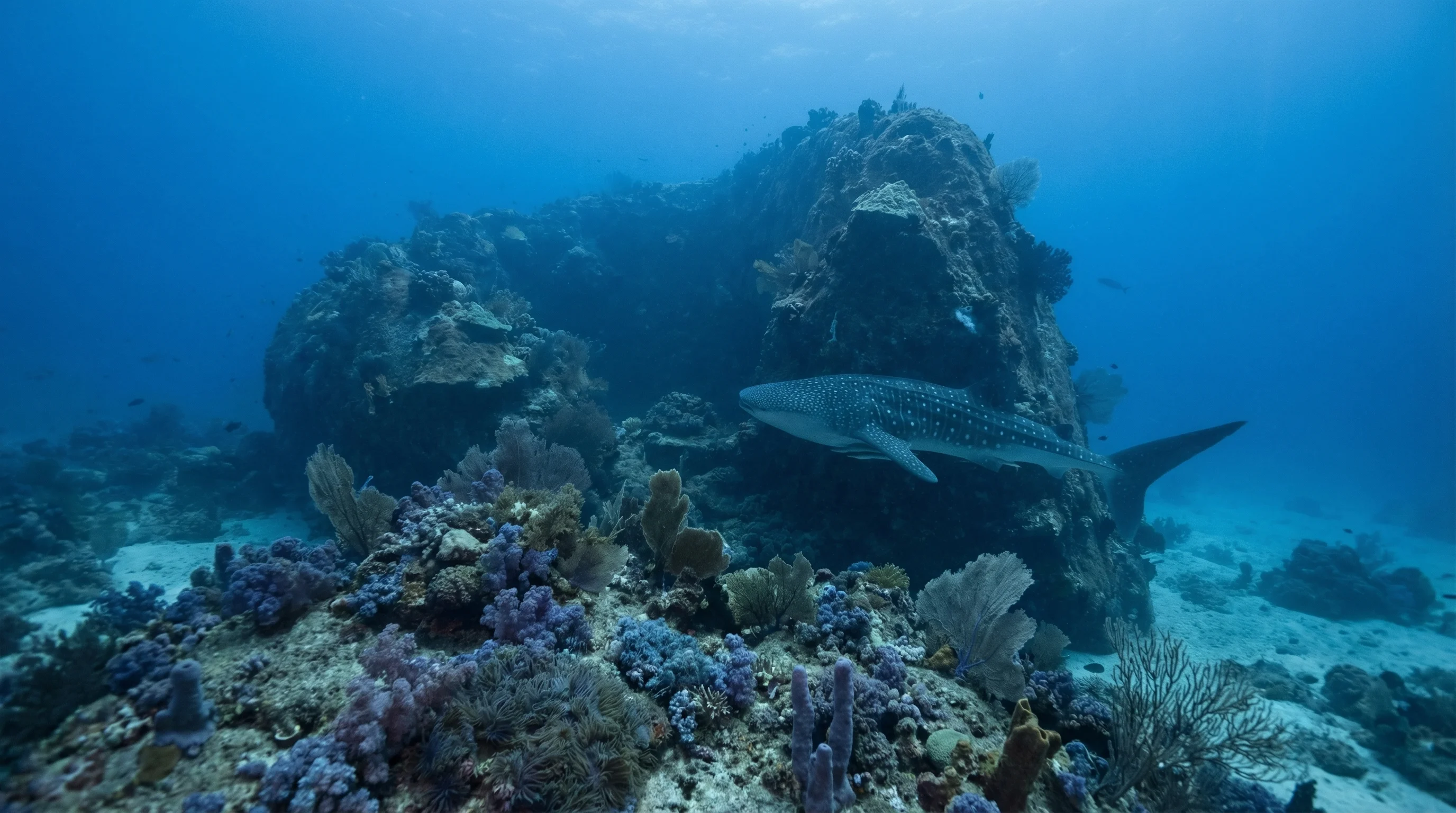
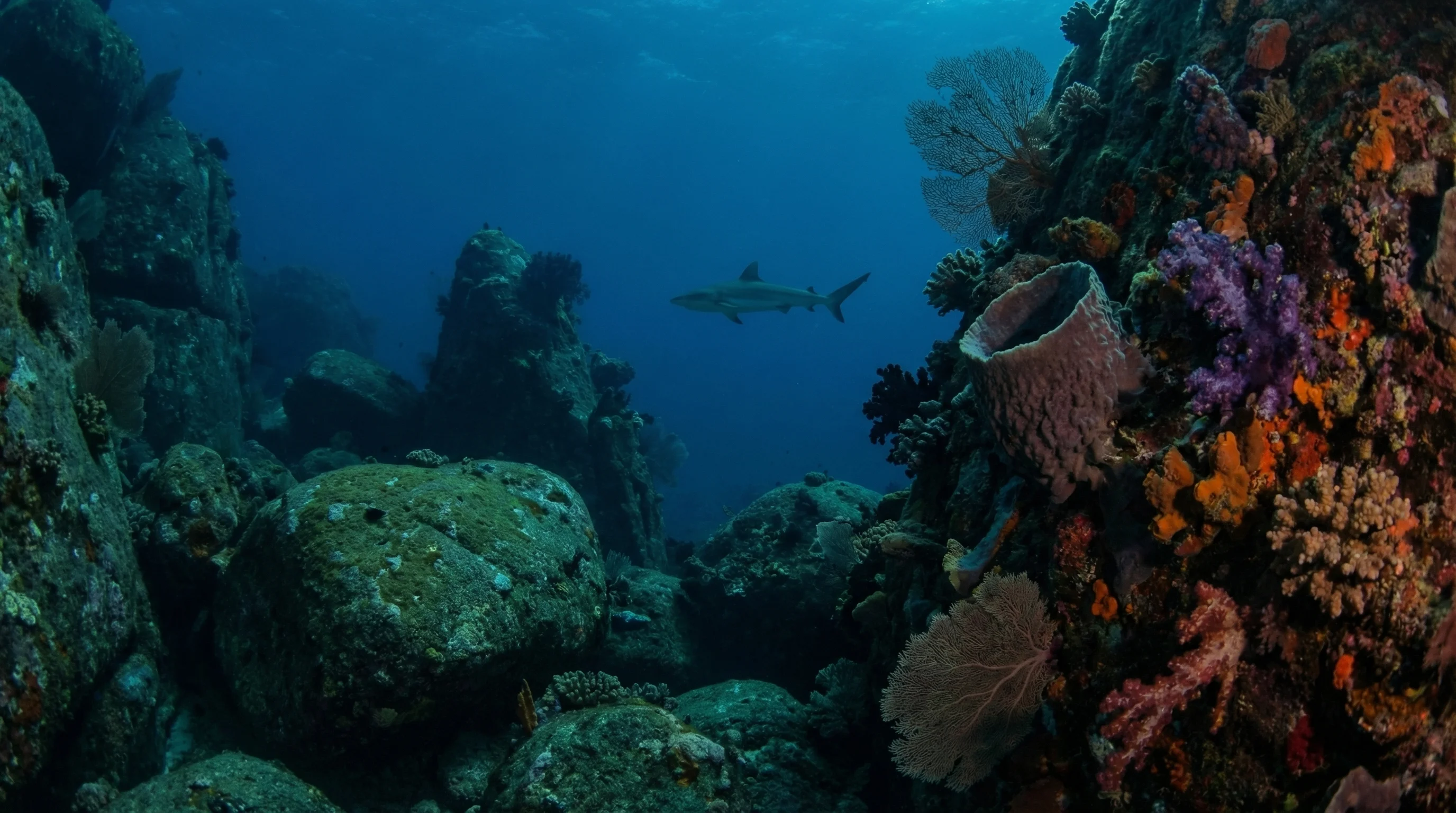
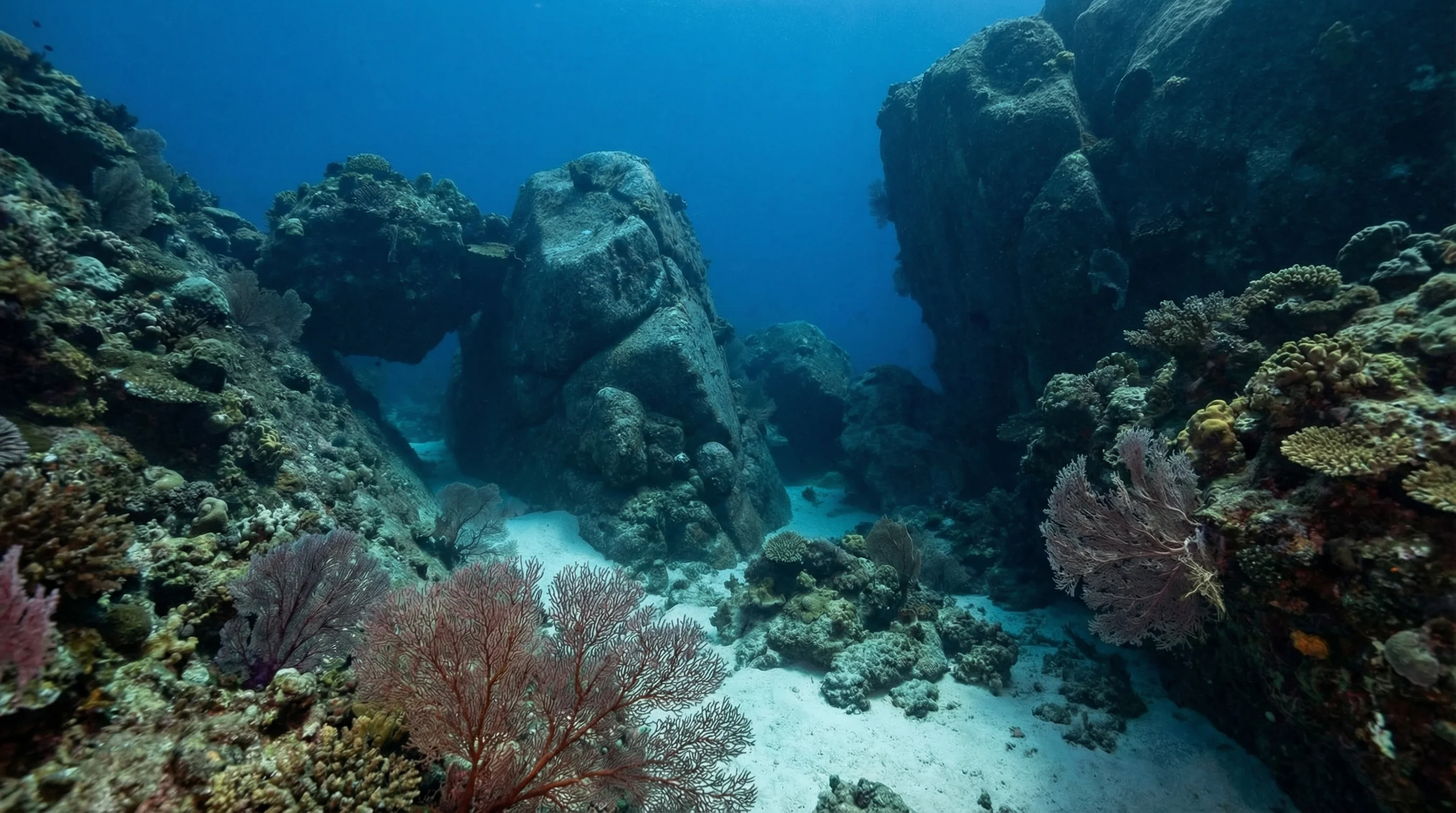
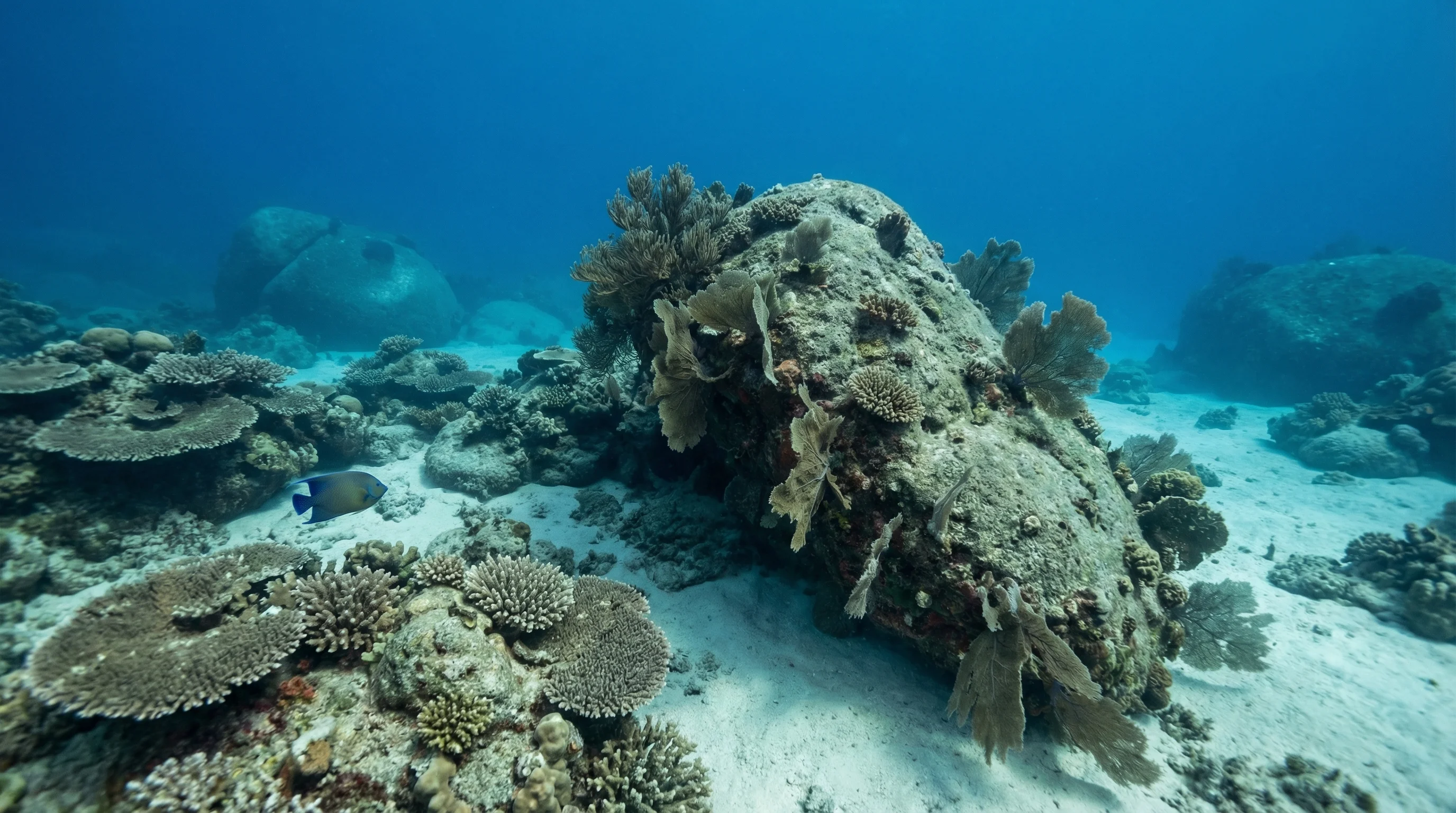
Monthly water temperature across Khao Lak's sites, from satellite sea-surface data corrected for depth. The band shows the site-to-site spread.
Water stays warm throughout the year, rising to its peak warmth between April and June. The main dive season runs from November through April, when calmer seas and strong visibility make liveaboard and day-trip access to the Similans and Surins reliable. From May onwards, conditions deteriorate markedly and most offshore sites become inaccessible through the mid-year months.
28 operators
4 more sites to explore
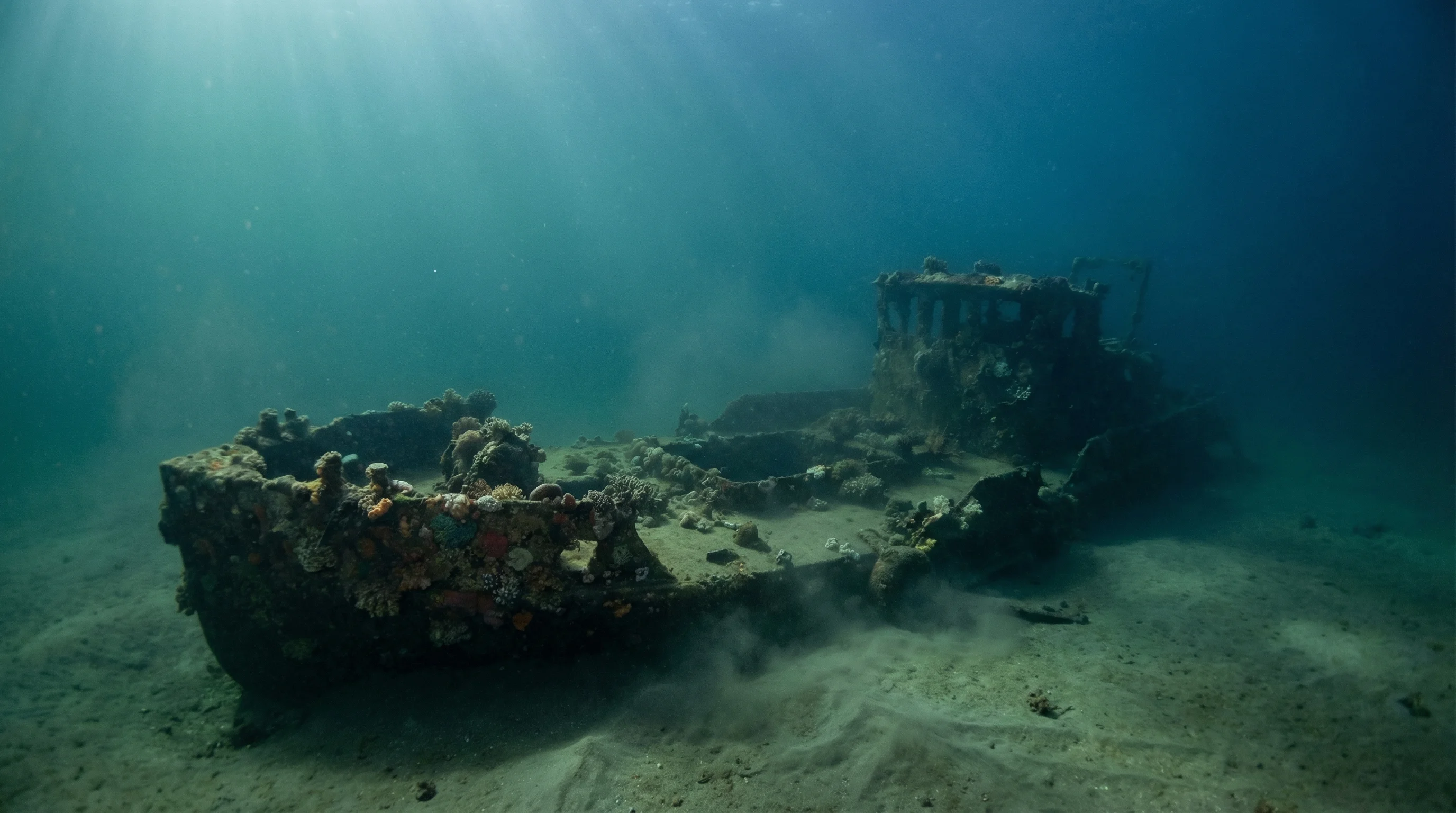
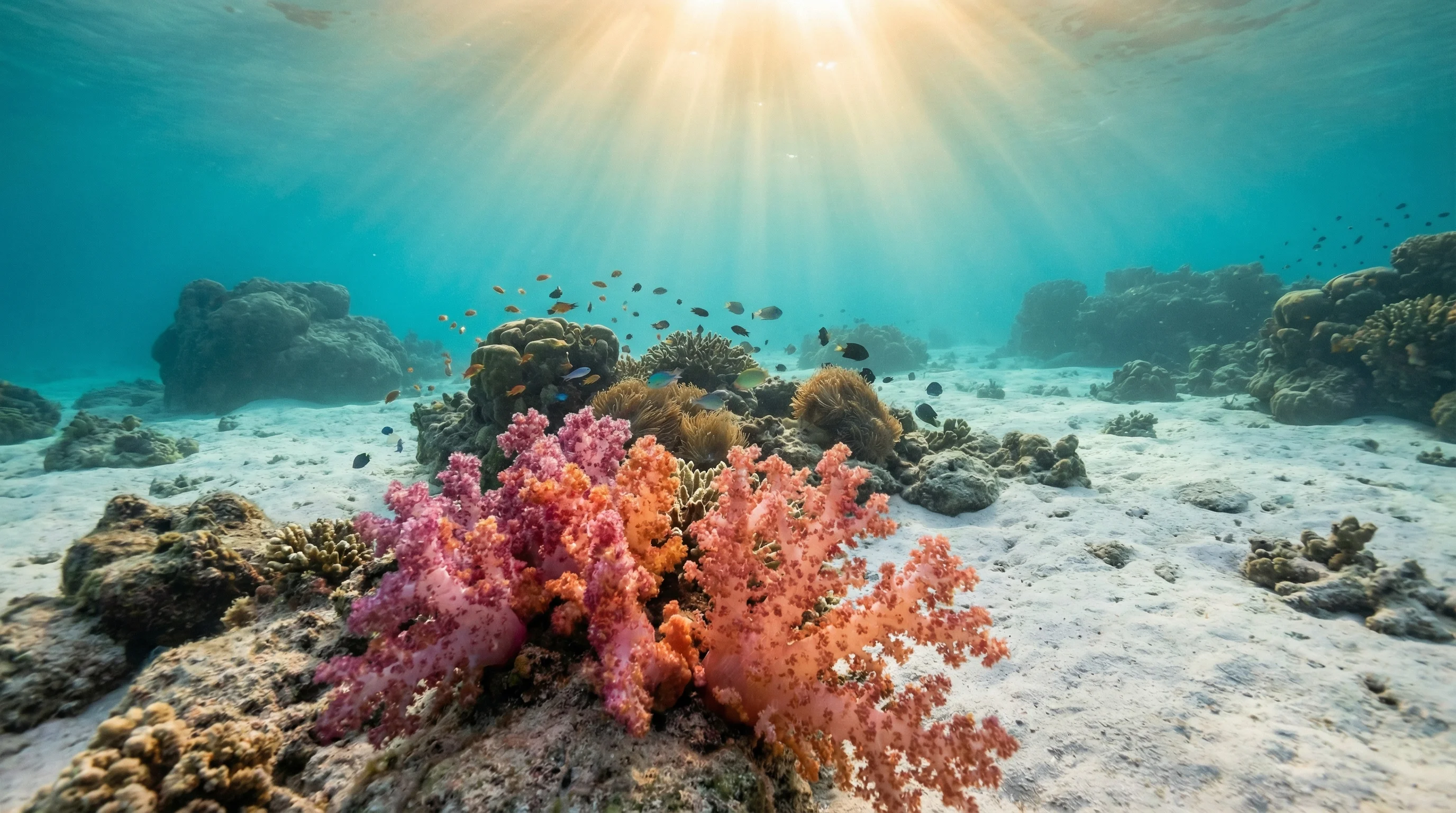
Andaman Sea wrecks and a deep freshwater cave system off Khao Lak, known for dense fish life and varied dive types.
Water temperature around Khao Lak ranges from about 28°C in January to 30°C in April, based on satellite sea-temperature data for its dive sites.
With water around 28–30°C, a rash guard or 3mm shorty works in Khao Lak year-round.
Fin maps 79 sites in Khao Lak (79 scuba diving sites and 16 snorkelling spots, with some suited to both), organised into 5 areas.
Across Khao Lak's dive sites, January, February, March, April, November and December are most often reported as the best months to visit.
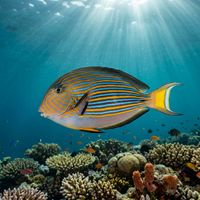
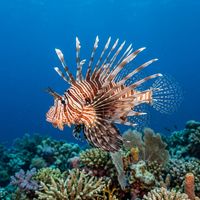
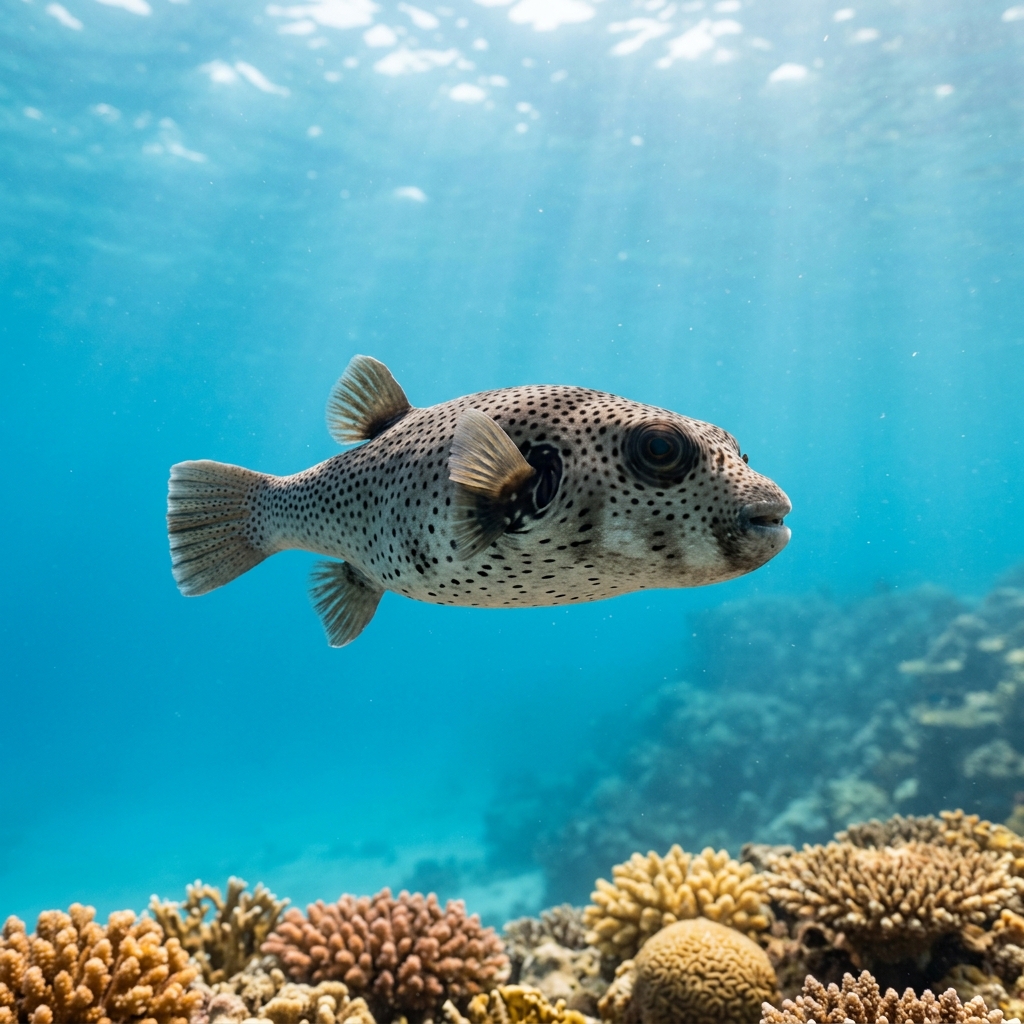
Khao Lak's signature species include the Whale Shark, Giant Moray, Emperor Angelfish, Titan Triggerfish, Ornate Ghostpipefish and Harlequin Shrimp. More commonly encountered across almost every site are the Moorish Idol, Striped Surgeonfish, Orangestripe Triggerfish and various Wrasses. Richelieu Rock in particular is a well-known aggregation point for larger pelagic visitors.
Khao Lak caters to a wide range of skill levels. Beginner-rated sites include Ao Chak, Anita's Reef, the Bon Soong Wreck and Natai Pier, the last of which is a shallow shore dive. Intermediate sites such as Richelieu Rock and Koh Tachai Pinnacle step up the challenge, while advanced divers can head to Fantasea Reef, the Sea Chart Wreck or the Tuna Wreck for deeper drift and wreck diving.
The Similan Islands offer the largest selection of sites, mixing reef slopes, walls and pinnacles, and account for the majority of snorkel-accessible spots. The Surin Islands provide another substantial cluster of offshore reefs. Koh Tachai features a notable pinnacle drift dive. Richelieu Rock stands alone as a limestone pinnacle site suited to intermediate divers. The Boonsung Wreck area is a distinct wreck-diving destination in its own right.
The vast majority of sites in Khao Lak are boat-access only, reflecting the offshore nature of the Similan Islands, Surin Islands and outlying pinnacles. Shore diving does exist: Natai Pier and Khumnam Tha Taeng are both shallow, shore-entry muck and artificial-reef sites suitable for beginners. Operators including Similan Dive Center, Khao Lak Explorer Diving Center and Big Blue run day trips and liveaboards to the offshore sub-areas.