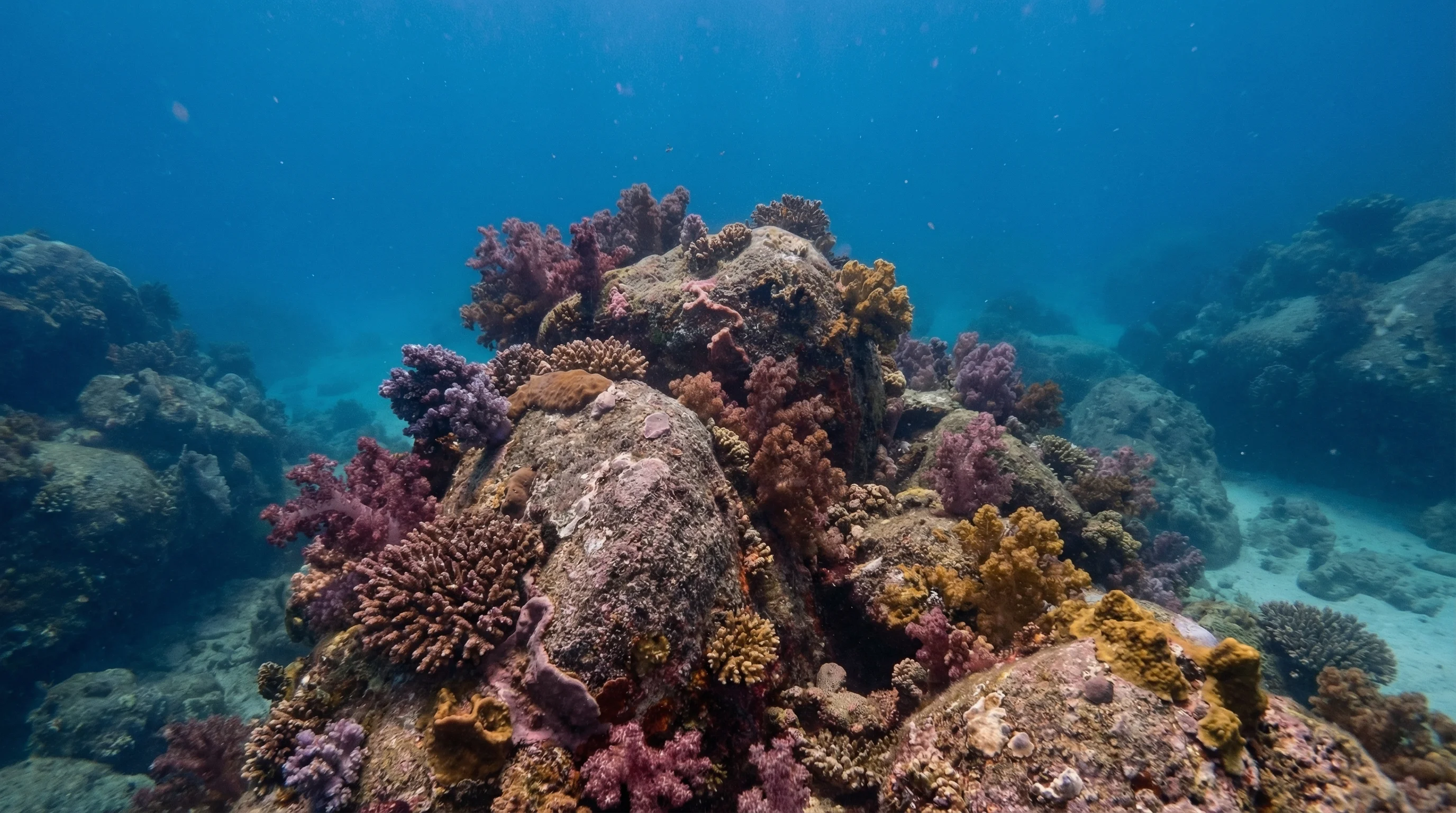
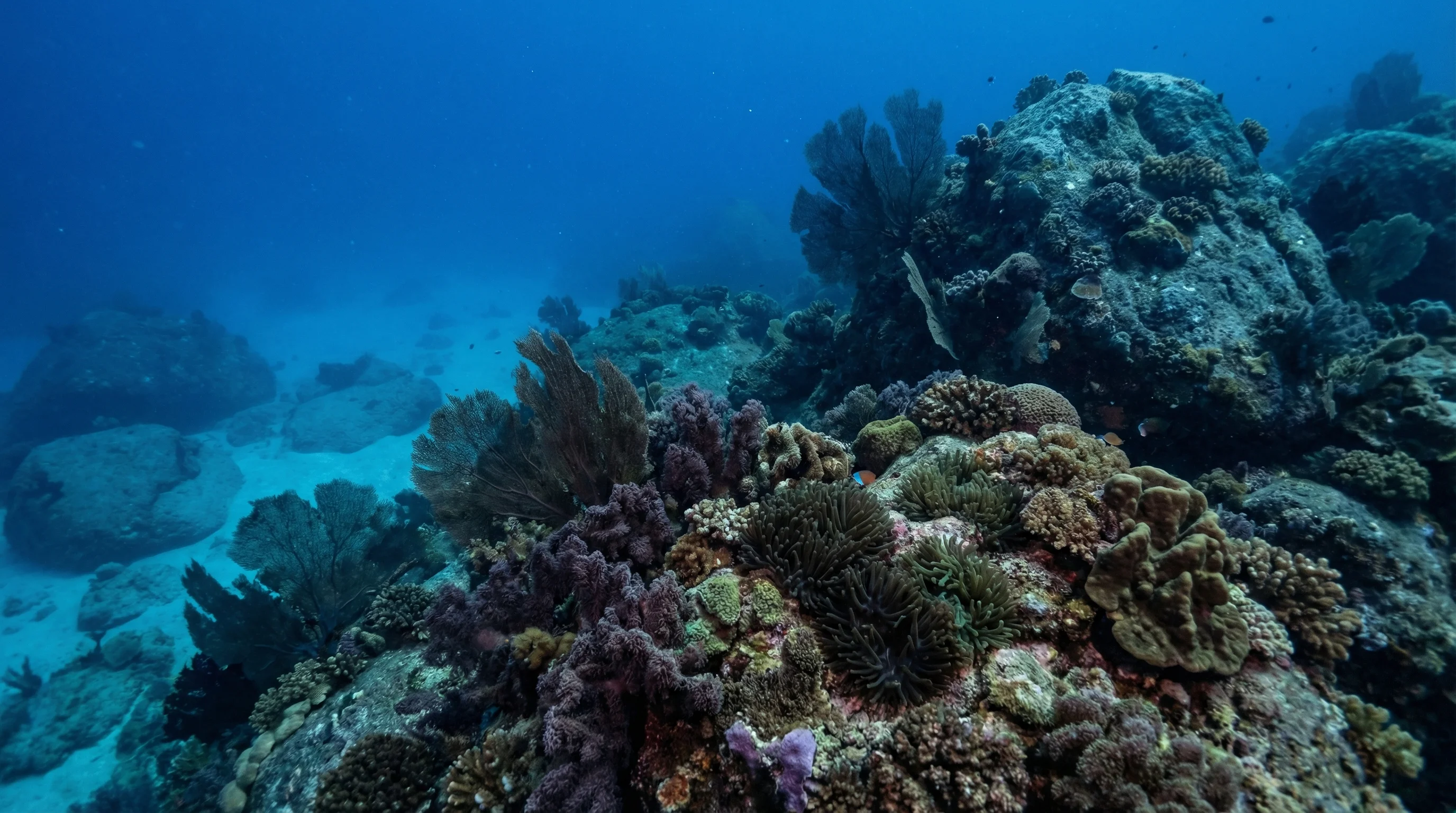
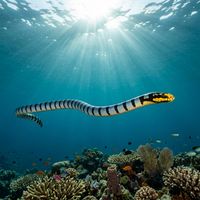
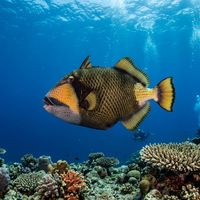
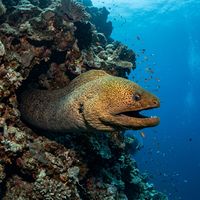
Koh Lipe's diving is anchored around the Koh Adang sub-area, which accounts for the great majority of sites and covers a wide range of terrain: shallow beginner reefs, drift-fed pinnacles, stepped walls, muck patches, and, for advanced divers, the deep Yong Hua Wreck. Currents are a defining feature at many sites, from the persistent flow at 7 Rocks and Adang Corner to the milder drift at Koh Bitsi. Marine life is consistently rich, with Sea Krait, Titan Triggerfish, Giant Moray and Common Clownfish observed across nearly all sites. Conditions favour dry-season visits, broadly November through April.
1 areas

Monthly water temperature across Koh Lipe's sites, from satellite sea-surface data corrected for depth. The band shows the site-to-site spread.
Water temperature stays warm throughout the year, rising slightly in the middle months and settling to its coolest in the cooler dry season. The best-months data points clearly to November through April as the peak period, when visibility tends to improve and conditions on exposed sites stabilise. May through October brings a wetter pattern with more variable conditions, though the water remains warm and some sites stay diveable.
11 operators
Thailand
Thailand
11 more sites to explore
Water temperature around Koh Lipe ranges from about 29°C in January to 31°C in April, based on satellite sea-temperature data for its dive sites.
With water around 29–31°C, a rash guard or 3mm shorty works in Koh Lipe year-round.
Fin maps 35 sites in Koh Lipe (34 scuba diving sites and 8 snorkelling spots, with some suited to both).
Across Koh Lipe's dive sites, January, February, March, April, November and December are most often reported as the best months to visit.
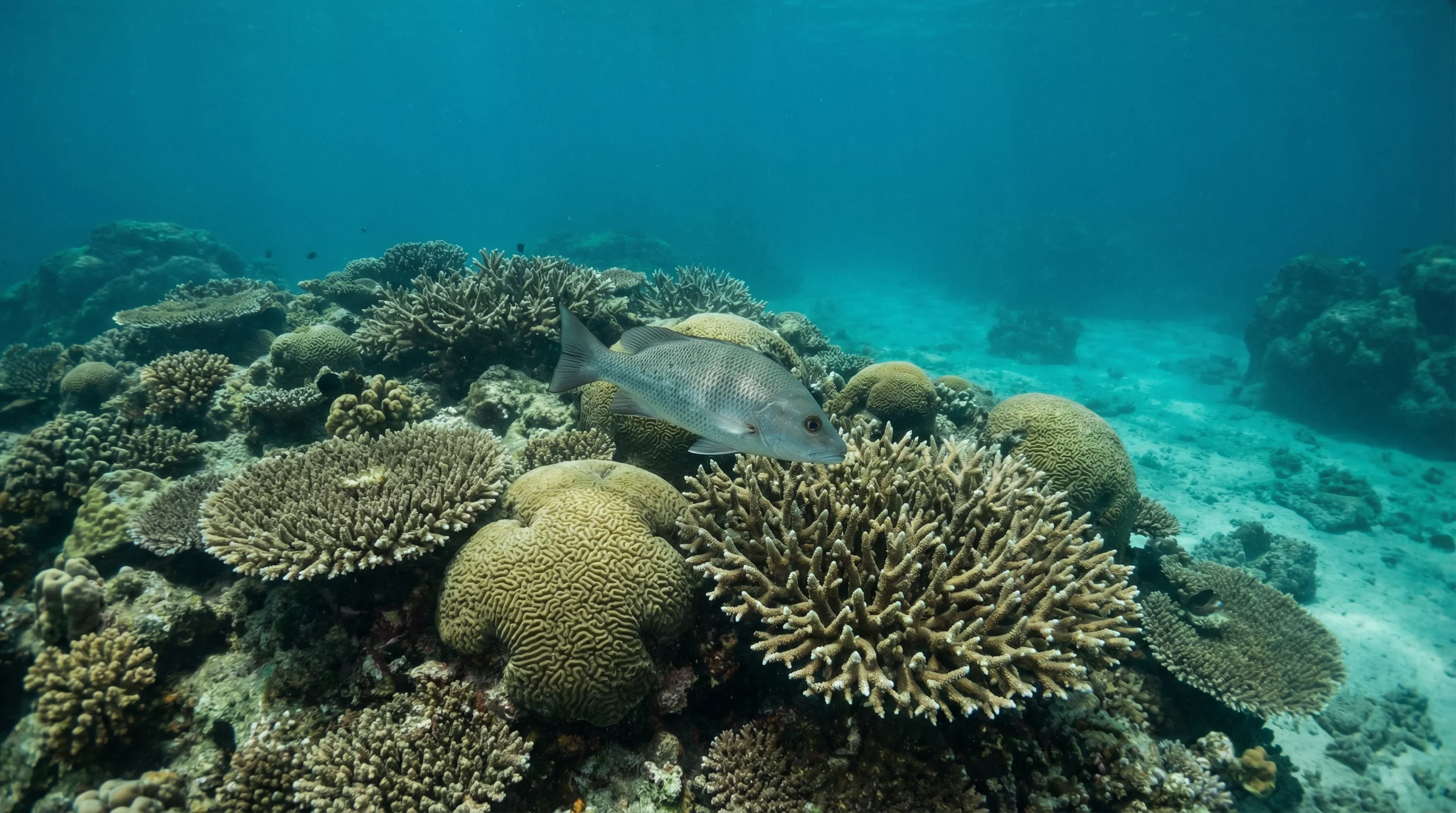
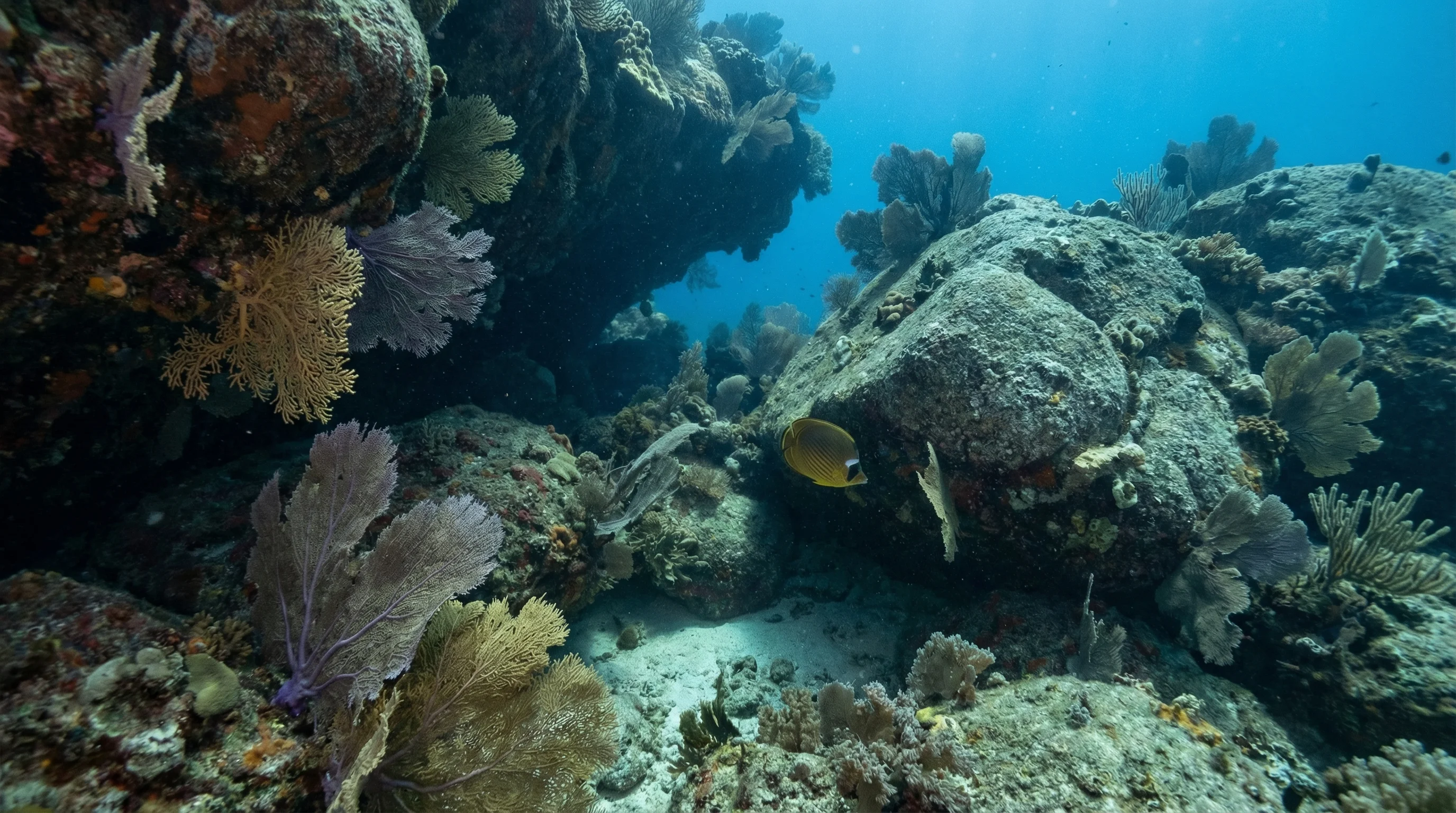
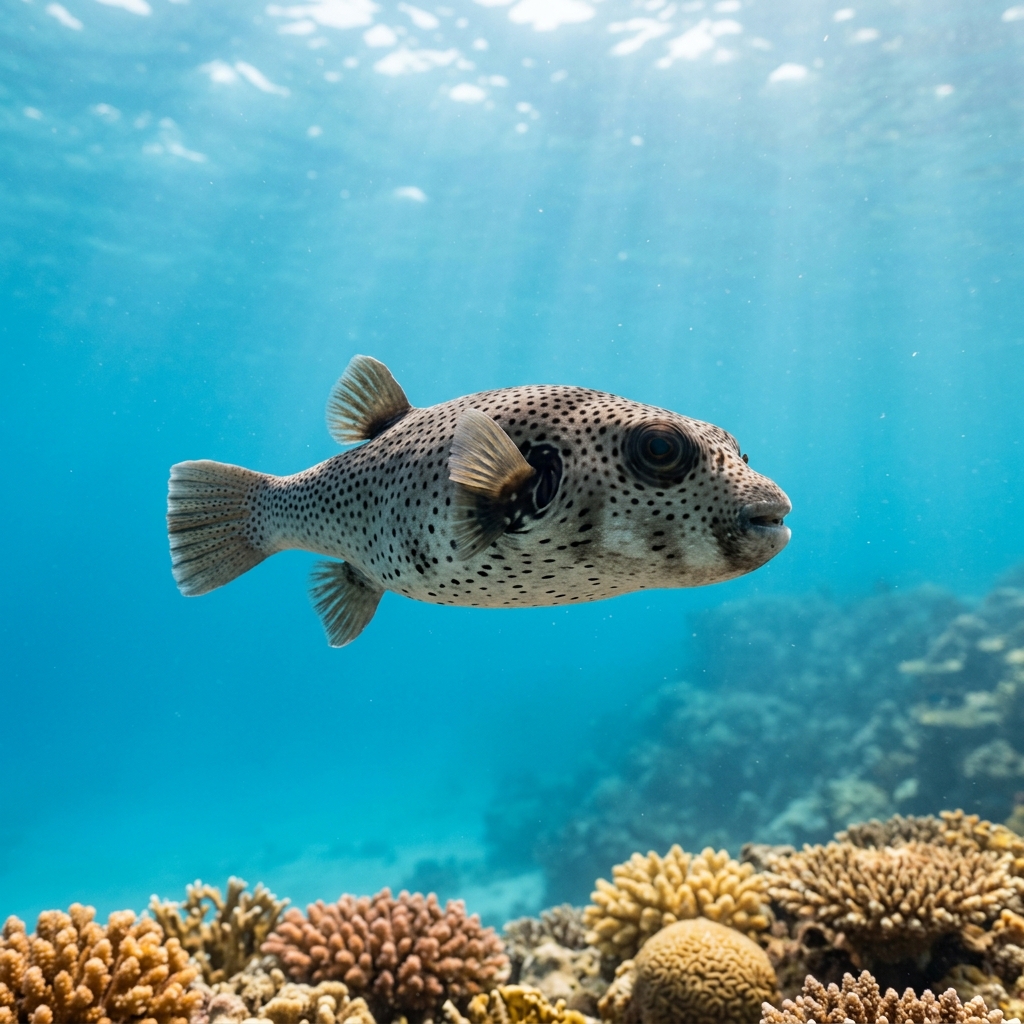
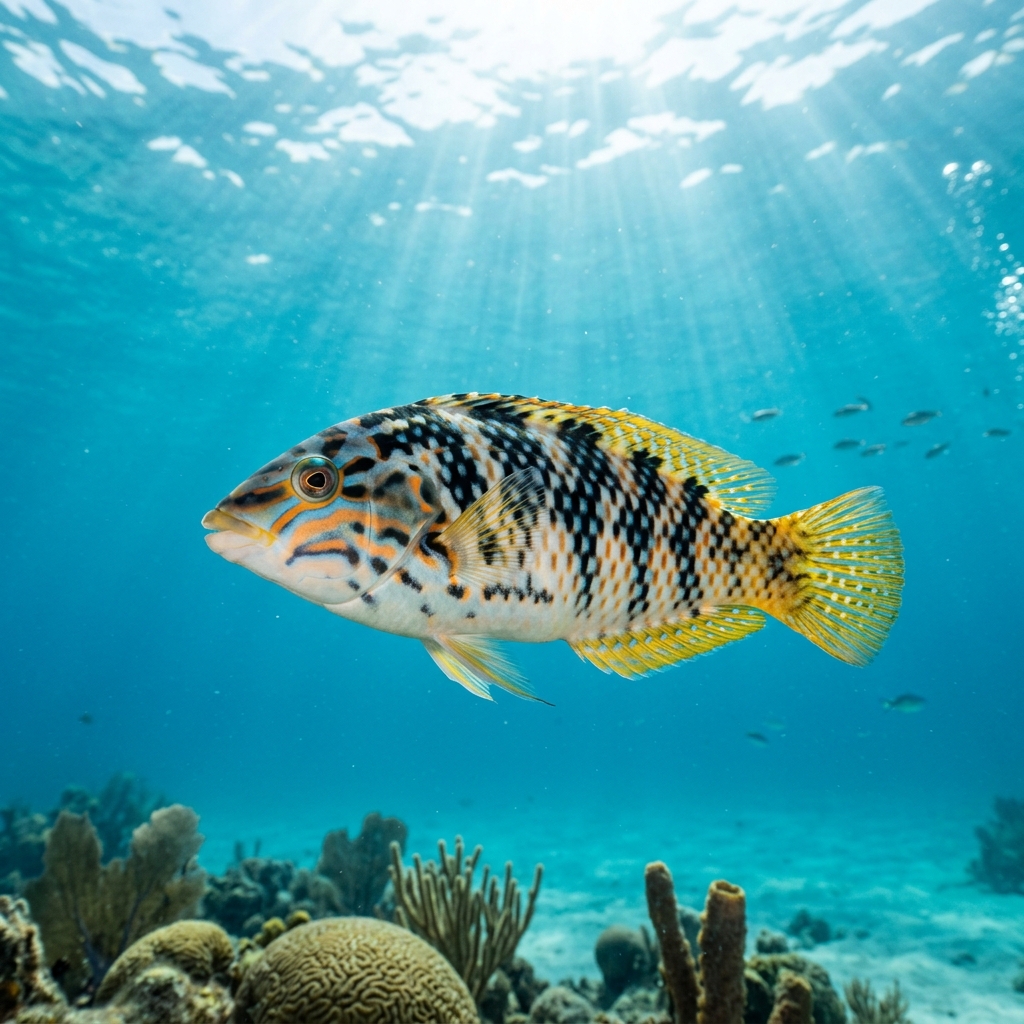
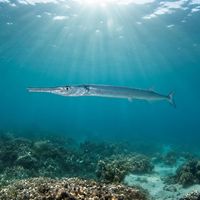
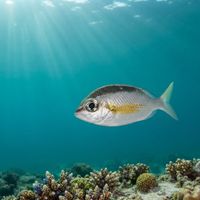
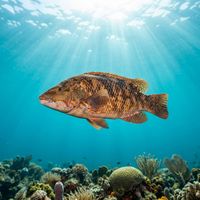
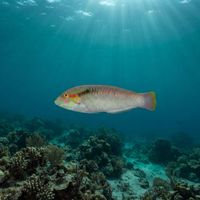
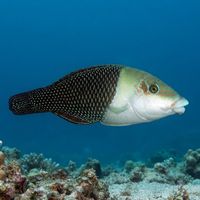
Observed species across the sites include Sea Krait, Titan Triggerfish, Giant Moray, Blackspotted Pufferfish, Common Clownfish, Moorish Idol, Porcupinefish, and Blue-barred Parrotfish, among many others. Signature species such as Whale Shark, Seahorse and Lionfish have also been recorded, though these are less routine encounters. The reef fish community is particularly diverse, with wrasses, groupers and butterflyfish present at nearly every site.
Several sites are well suited to beginners, including Plamong on Koh Adang (a shore-entry reef), White Rock, Honeycomb Beach, and Ao Taloo Lancha, all of which sit at shallow depths with calmer conditions. Intermediate and advanced sites also exist for those looking to progress, including drift dives at Adang Corner and the deep Yong Hua Wreck. The range of skill levels across the site mix means divers at different stages can find appropriate dives.
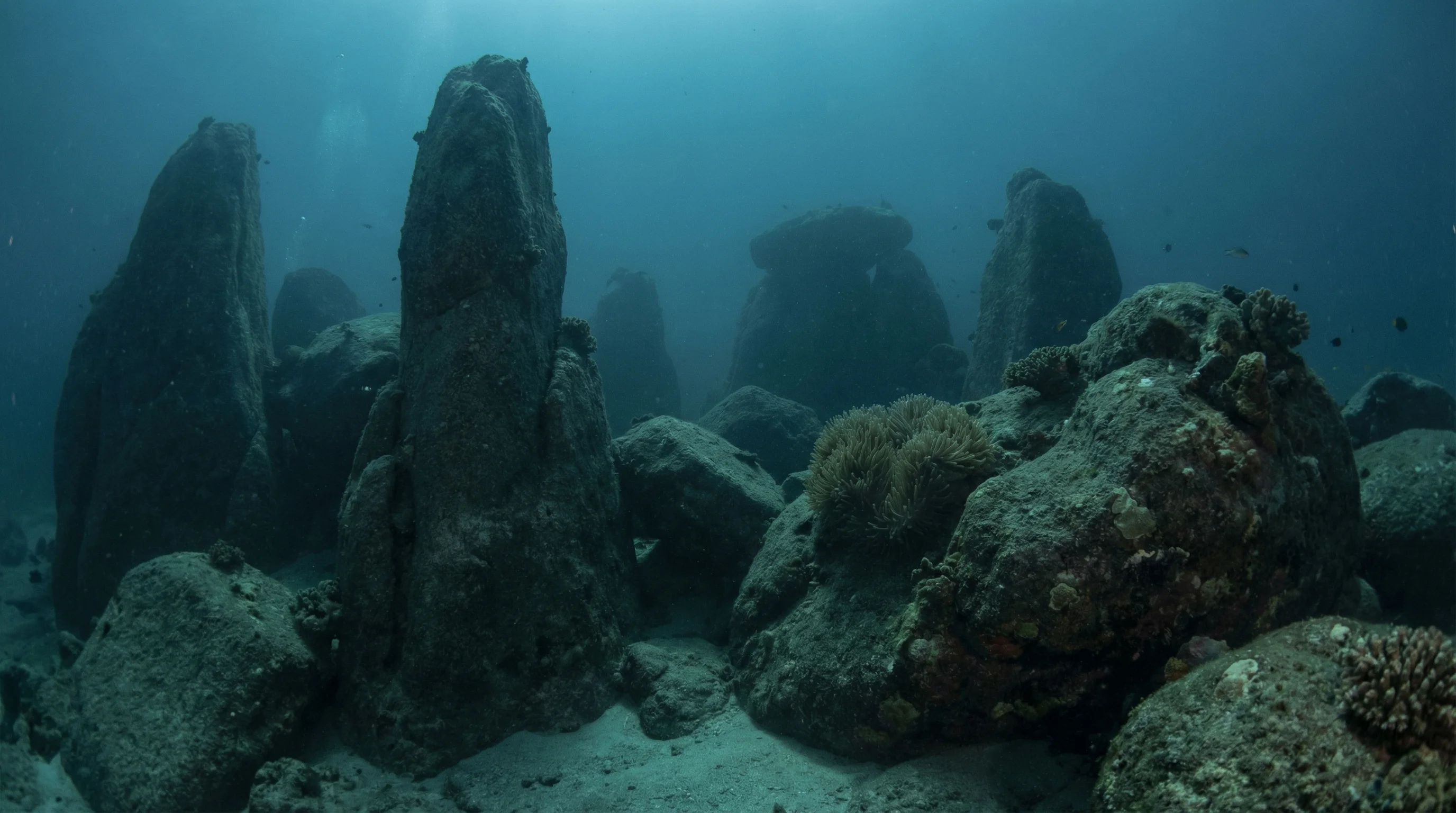
Almost all sites are boat-access only, which is typical given that most diving is concentrated around Koh Adang and nearby islands and pinnacles. The one exception is Plamong on Koh Adang, which can be entered from shore. Sites like Stone Henge, Sail Rock and the Yong Hua Wreck are offshore and require longer boat trips.
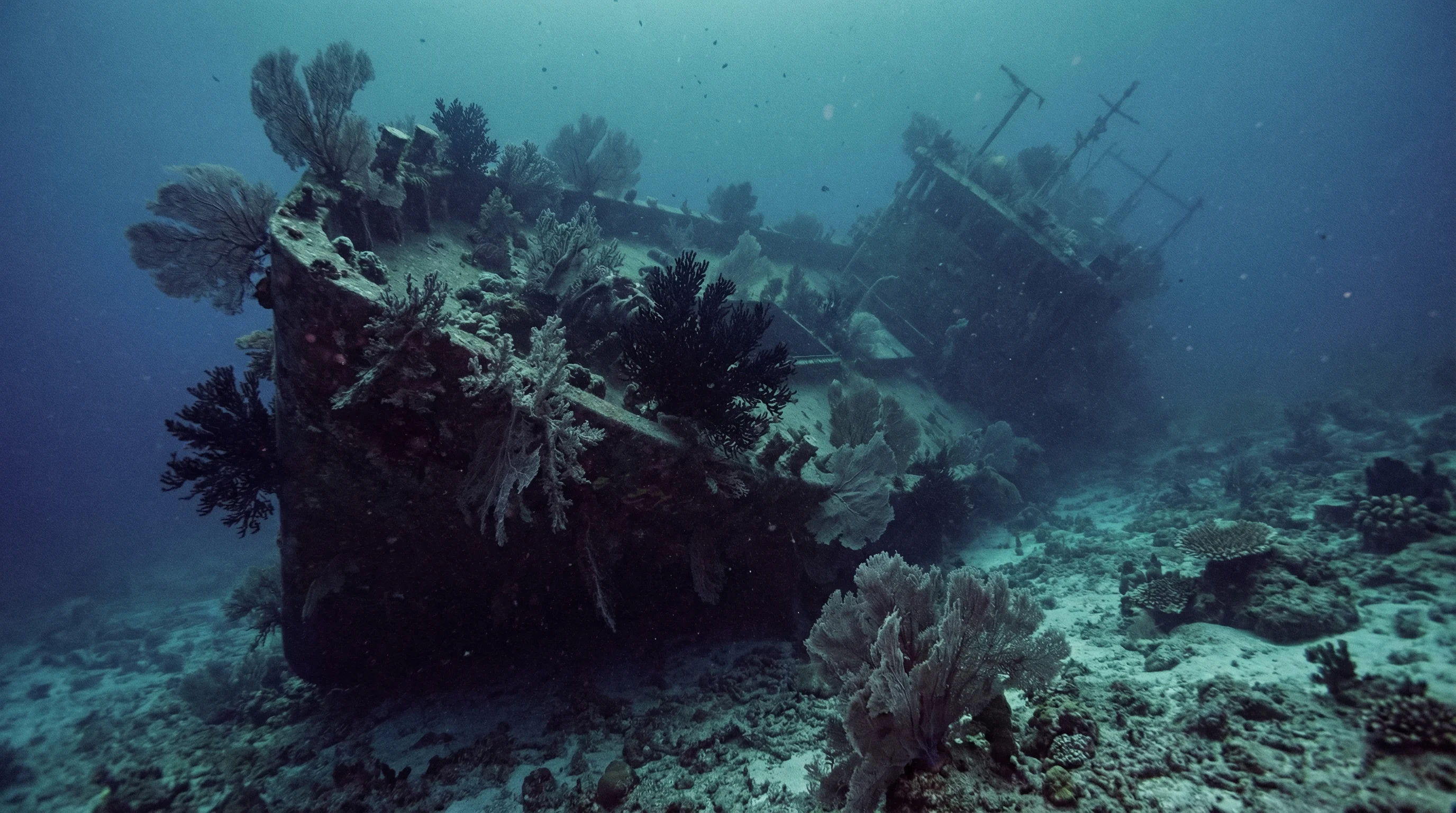
The Koh Adang sub-area offers the broadest variety, from very shallow beginner reefs like Koh Kra and White Rock to multi-feature sites such as Koh Yang, which combines reef, wall and pinnacle in a single dive. Drift sites such as Adang Corner and 7 Rocks demand solid buoyancy and current awareness. The Yong Hua Wreck sits in a category of its own as a deep, advanced site with strong currents and a large shipwreck to explore.