Oedalechilus labeo
Small silvery schooler common in Murcia, the French Riviera and Sicily, seen in 16-22C water year-round on Mediterranean reefs.
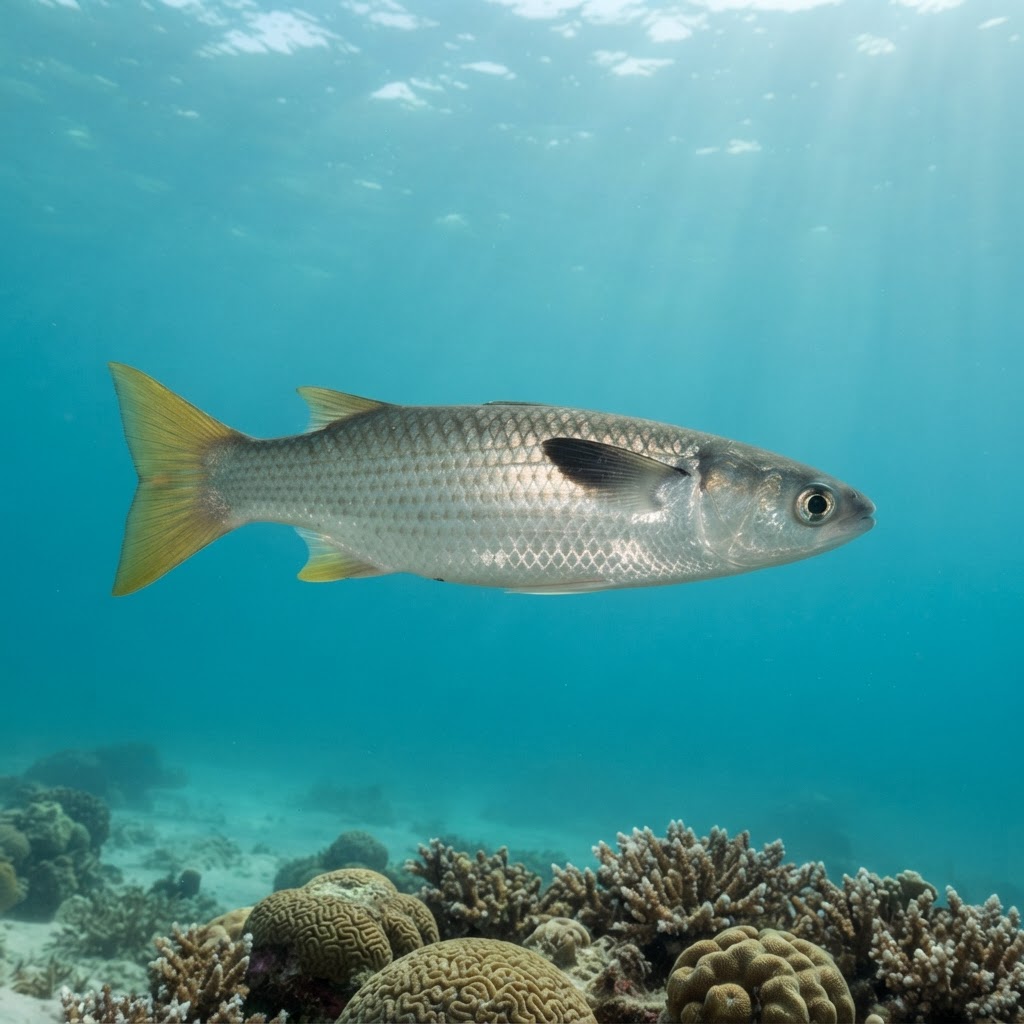
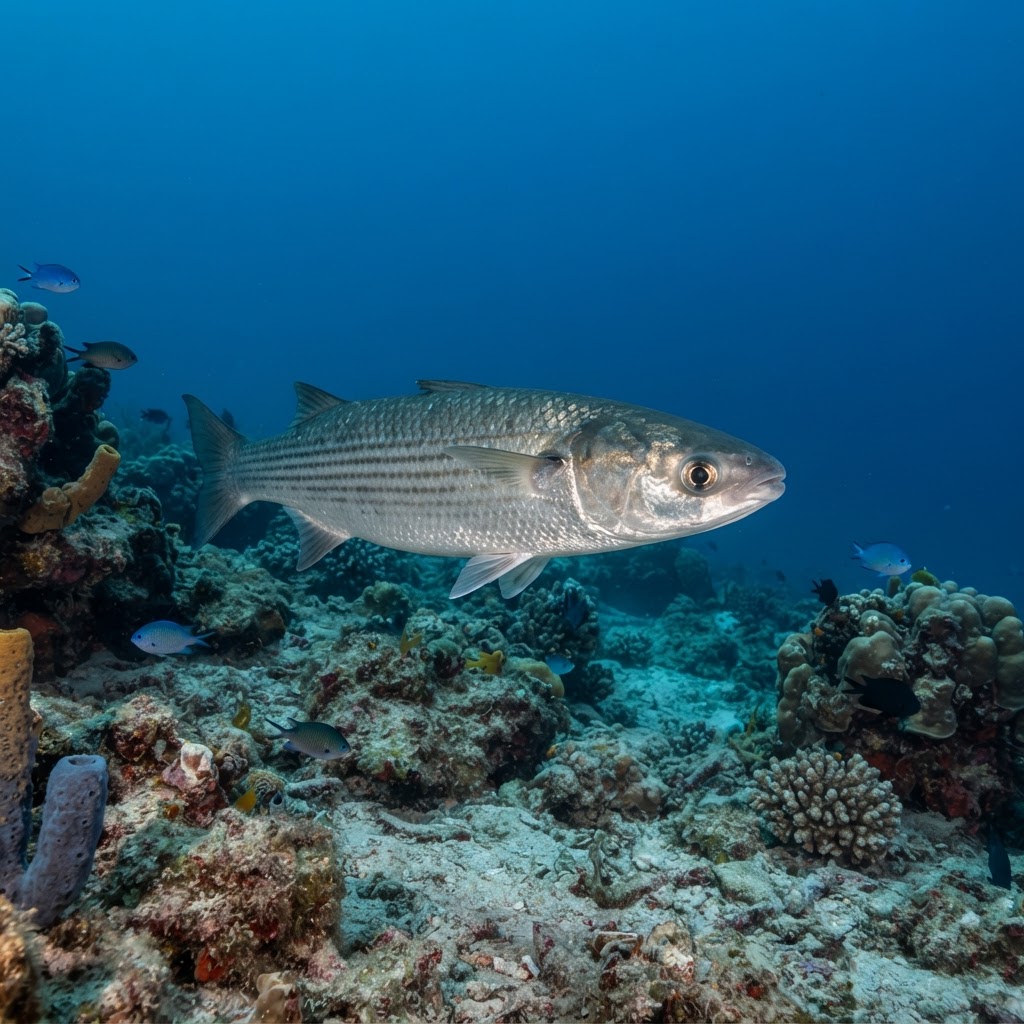
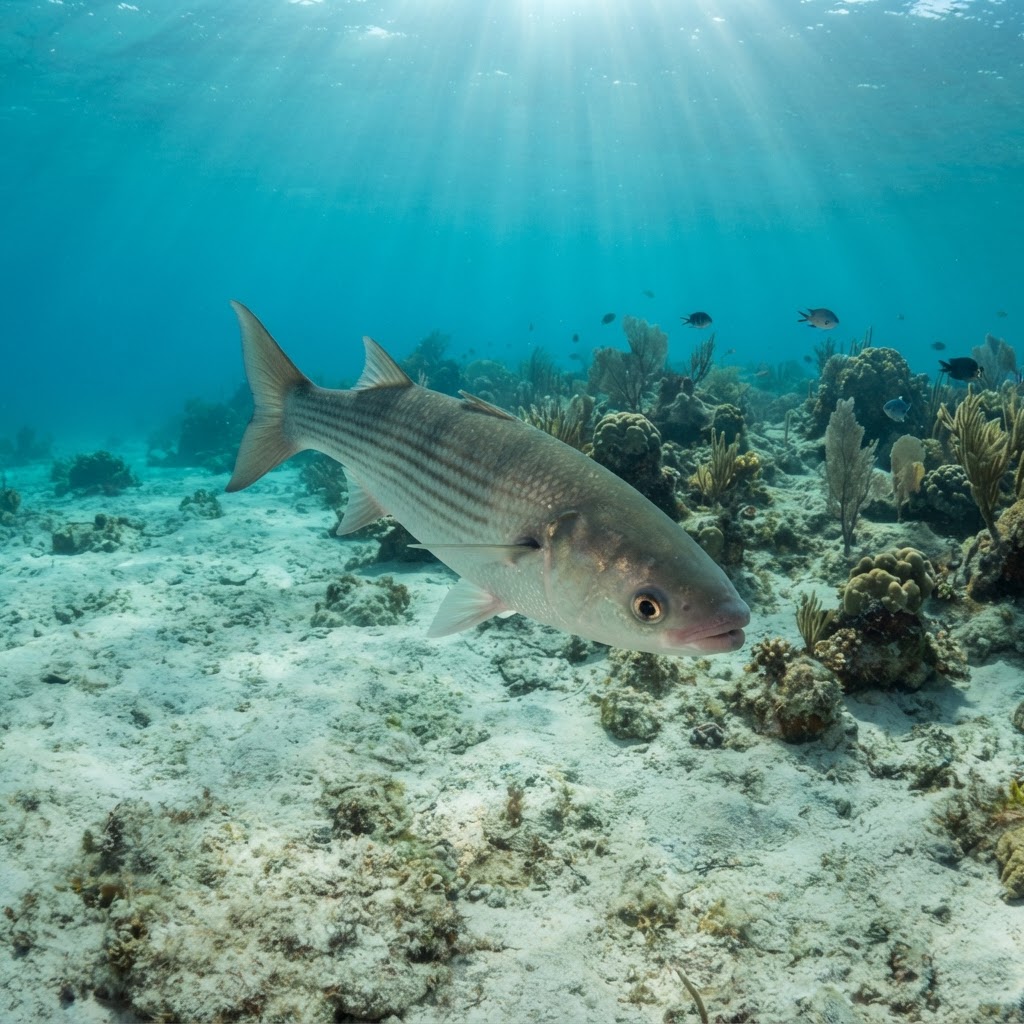
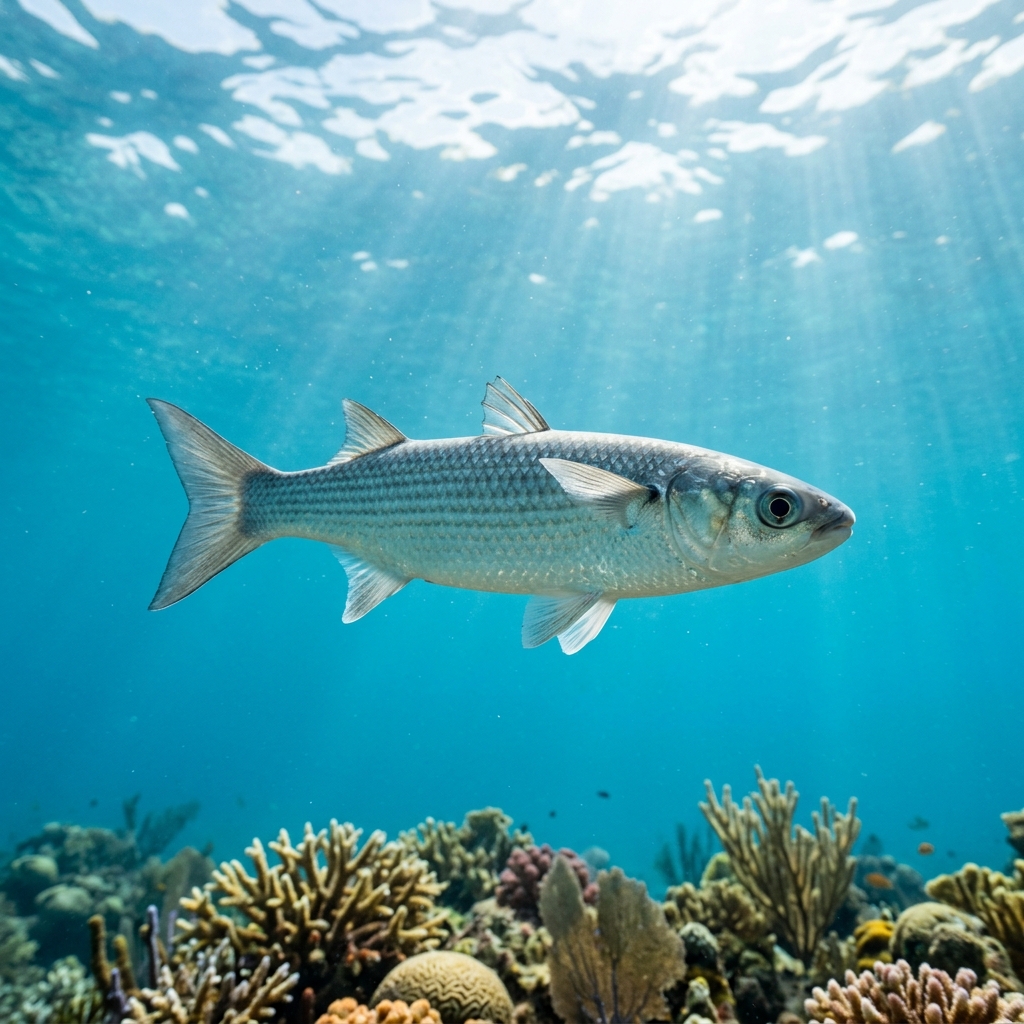
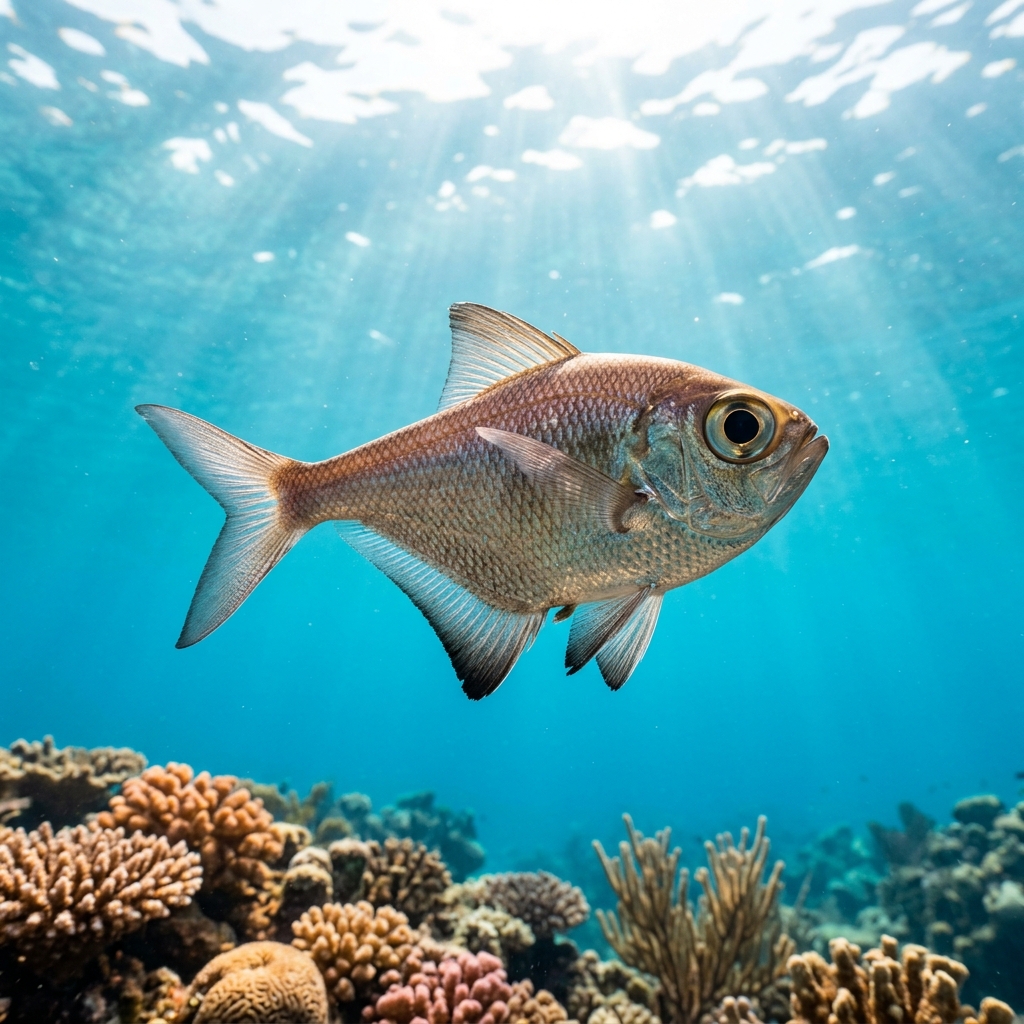
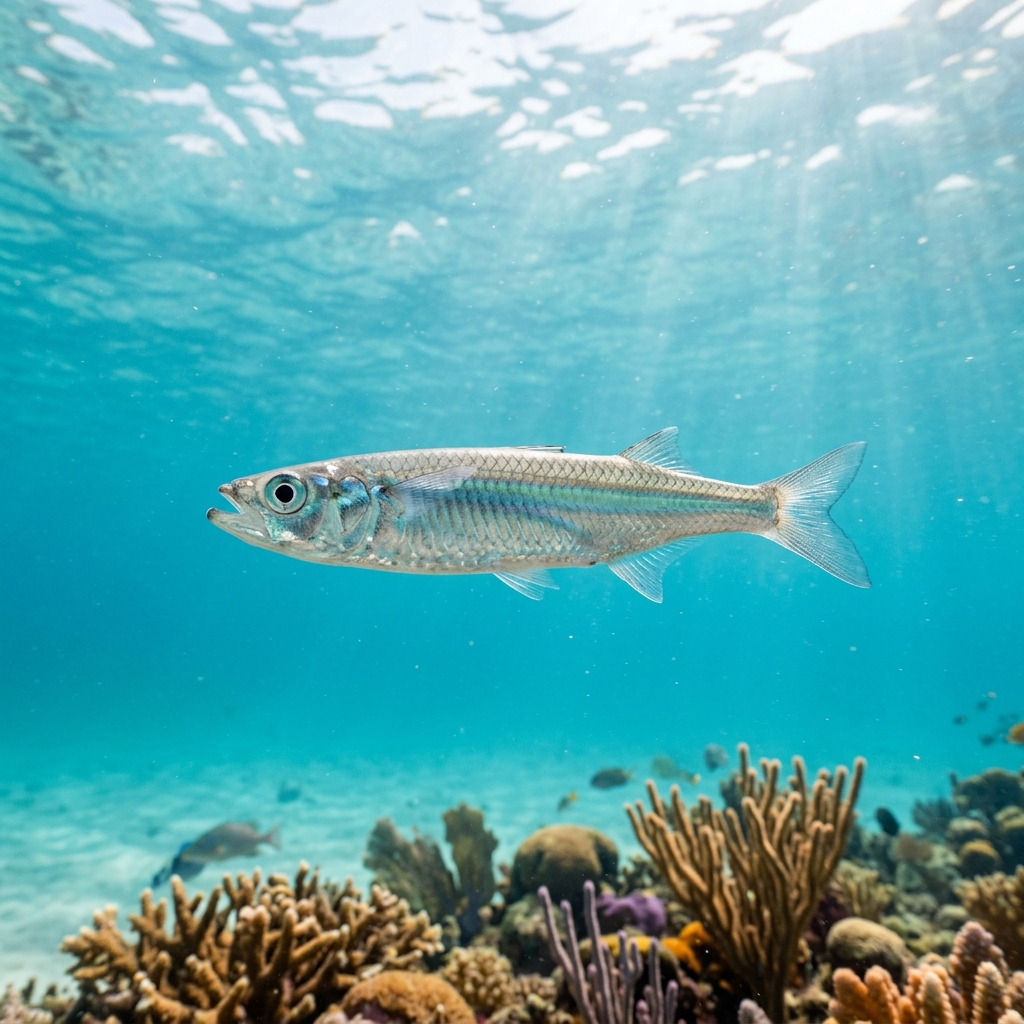
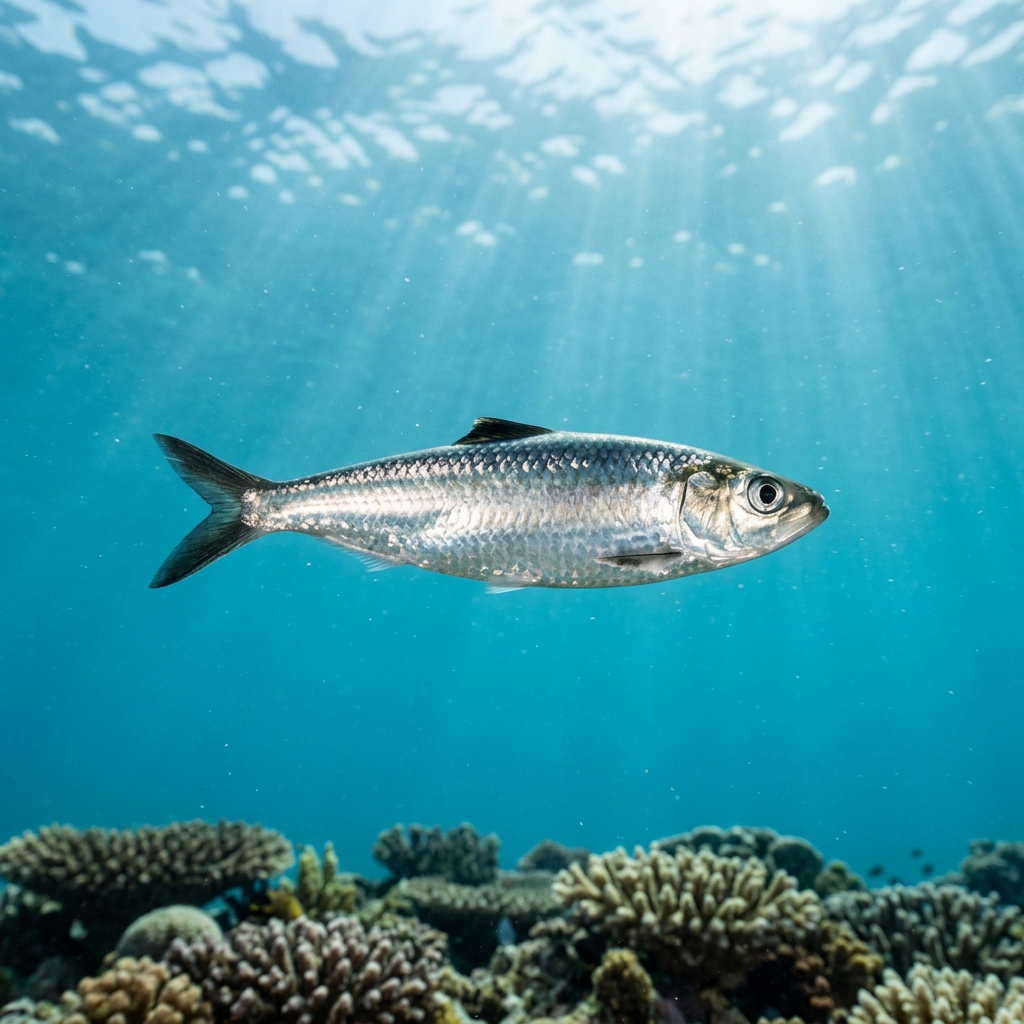
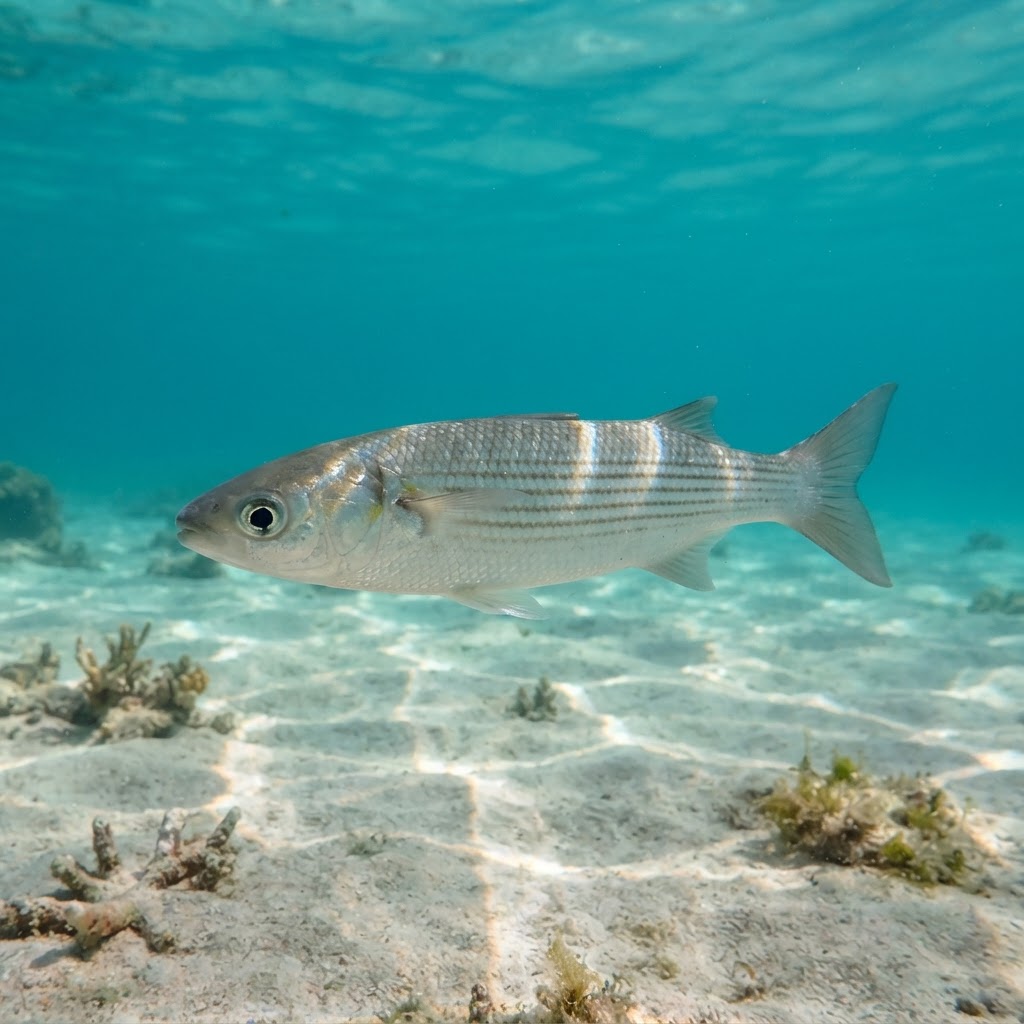
A slim, silvery fish around 17 cm with a slightly compressed body and a pale, almost white belly that catches the light as it turns. Look for the thick, fleshy upper lip that gives this species its name, distinguishing it from other Mediterranean mullets at close range. It typically moves in loose schools just off the bottom rather than alone.
Divers usually spot it grazing over sand, weed or rocky bottom in loose, unhurried schools, working the substrate for algae rather than chasing anything down. It tends to hold a fairly relaxed distance from divers, drifting off if approached too fast but not bolting for cover, and it is most often noticed in shallower water close to shore.
As a herbivore it spends its time grazing algae off rock and sediment rather than hunting, so its lips and mouth are built for scraping rather than biting, which is exactly the thick-lipped feature divers use to name it.
Sightings are spread through the year with no strong seasonal pattern in the data, and the observed 16.4 to 21.6 C range covers much of the Mediterranean's diveable season, so treat it as a year-round possibility rather than a seasonal target.
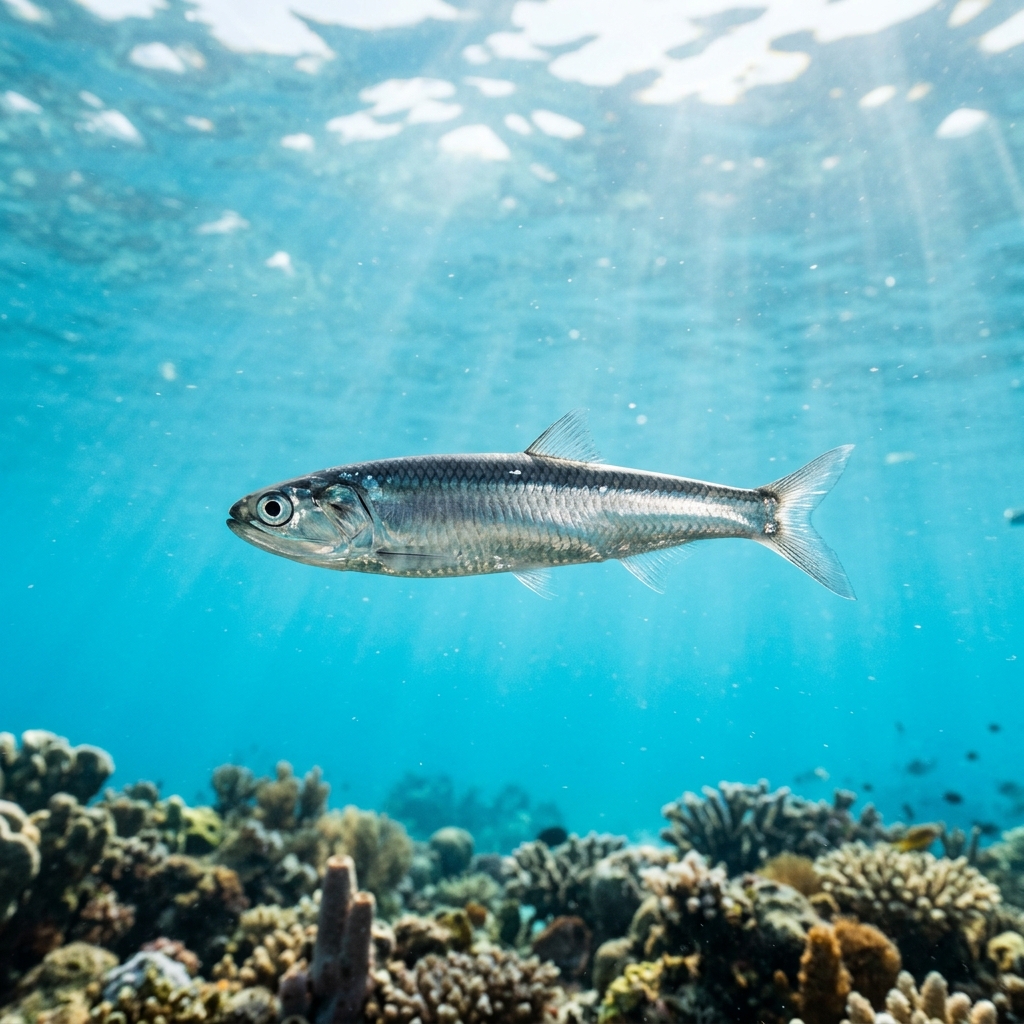
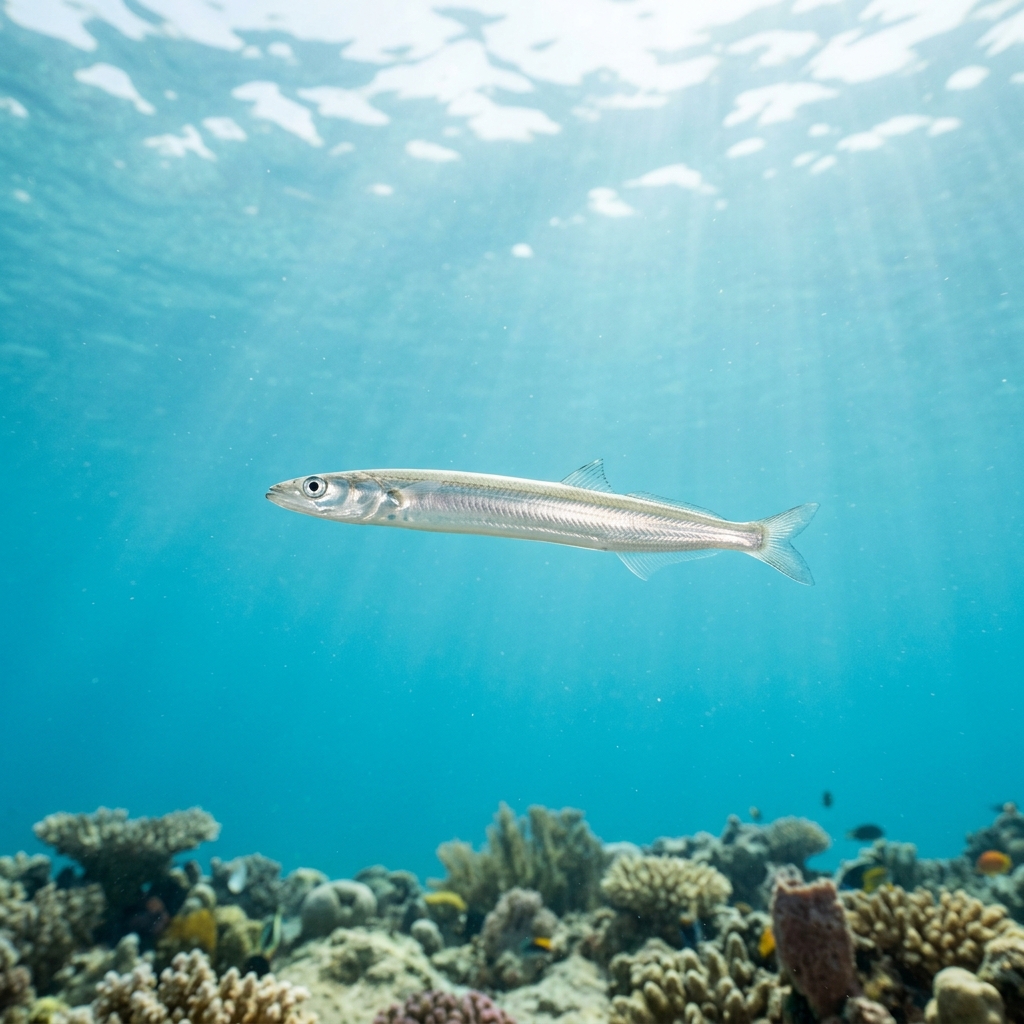
Reef neighbours a diver could mistake it for. Use the identification notes above to tell them apart.
Most reliably logged around the Mediterranean, with strong numbers in Murcia and the Balearic Islands in Spain, the French Riviera and Provence in France, Sicily in Italy, Istria and Kvarner in Croatia, and around Malta and the Ionian Islands in Greece. It also turns up along the Turkish coast, making it a fixture of rocky and sandy shallows right across the Mediterranean basin.
Mapping where Boxlip Mullet is logged…
It shows up widely across the Mediterranean, with particularly good odds in Murcia and the Balearic Islands in Spain, the French Riviera, Sicily, Istria and Kvarner in Croatia, and around Malta and Greece's Ionian Islands.
There is no strong season in the sighting data, and it is recorded in water from about 16 to 22C, so it is realistically a year-round sighting on Mediterranean dives rather than a seasonal event.
Look for a small silvery fish, around 17 cm, with a pale belly and a noticeably thick, fleshy upper lip. It usually appears in loose schools grazing near the bottom rather than swimming alone in open water.
They typically reach around 17 cm in length, making them one of the smaller mullets divers encounter on Mediterranean reefs and sandy shallows.
No, they pose no threat to divers. They are herbivorous grazers that keep their distance and have no defensive or aggressive behaviour worth noting.
Site and sighting data is aggregated from diver logs, iNaturalist and GBIF. For taxonomy and conservation status:
Anchovy
2,433 sites