Trachinotus ovatus
Silvery and fast, pompano turn up on dives across Murcia, the Canary Islands and Crete, mostly as a quick flash in open water.
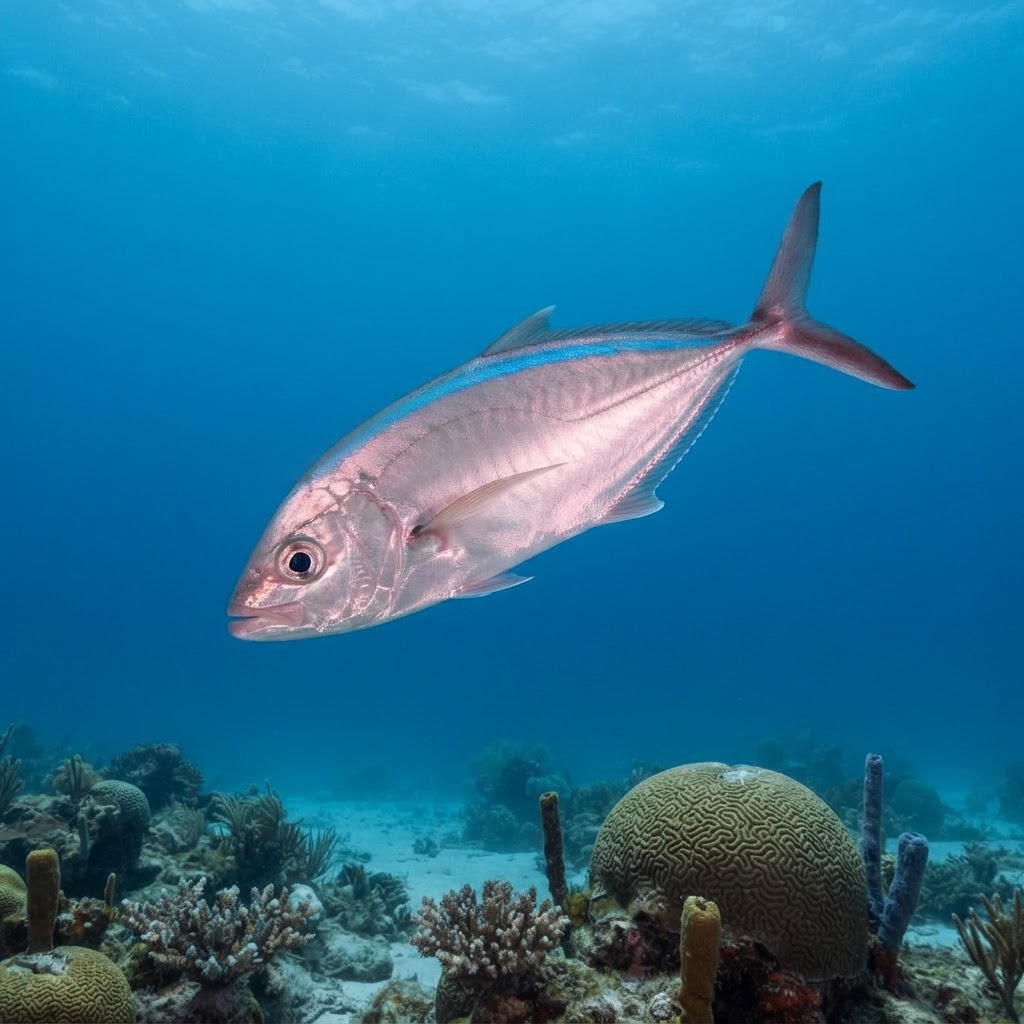
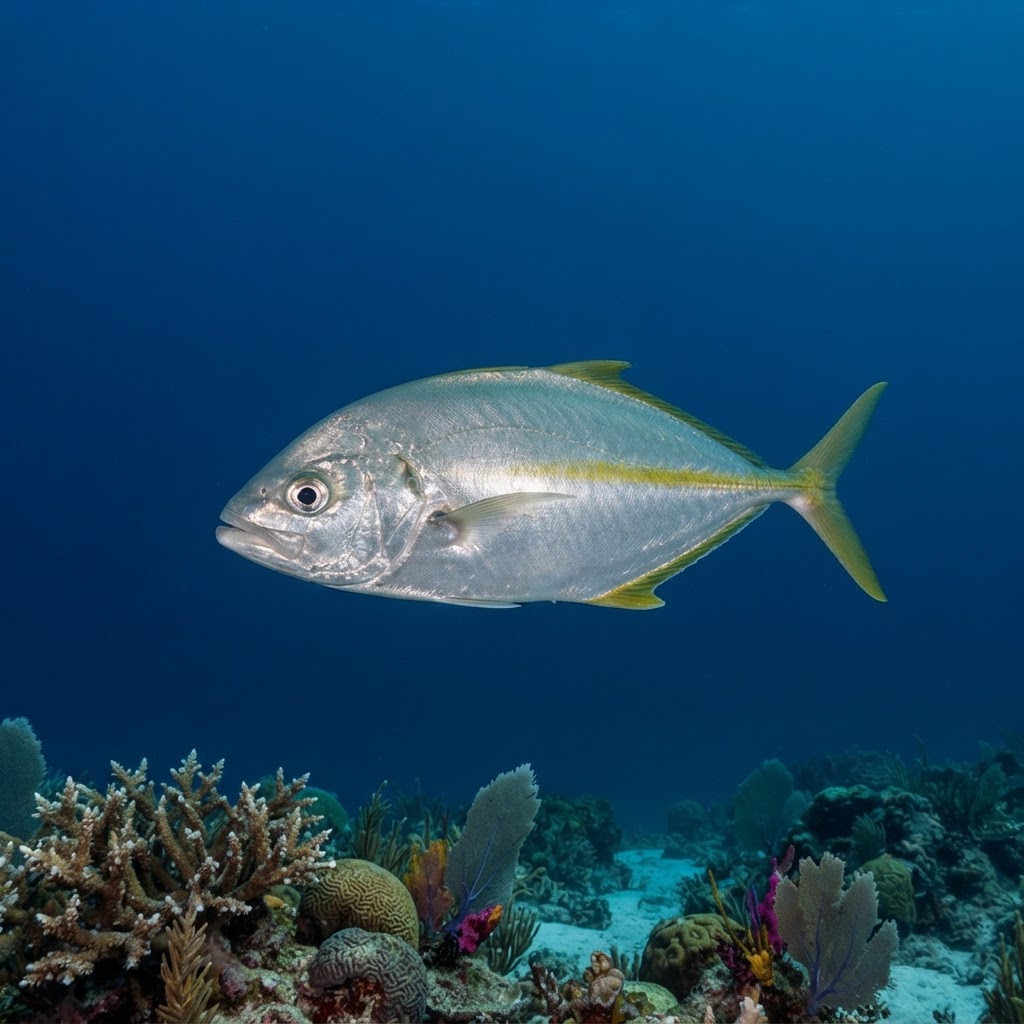
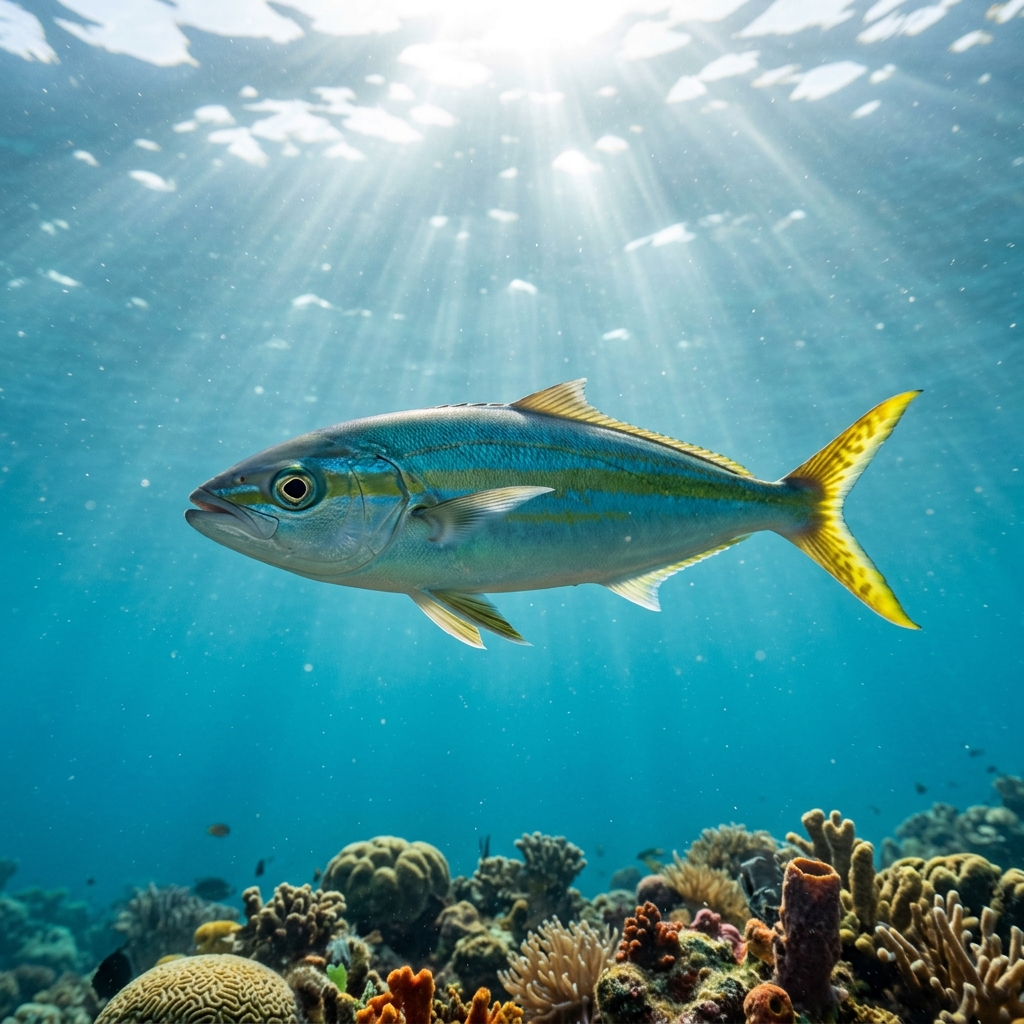
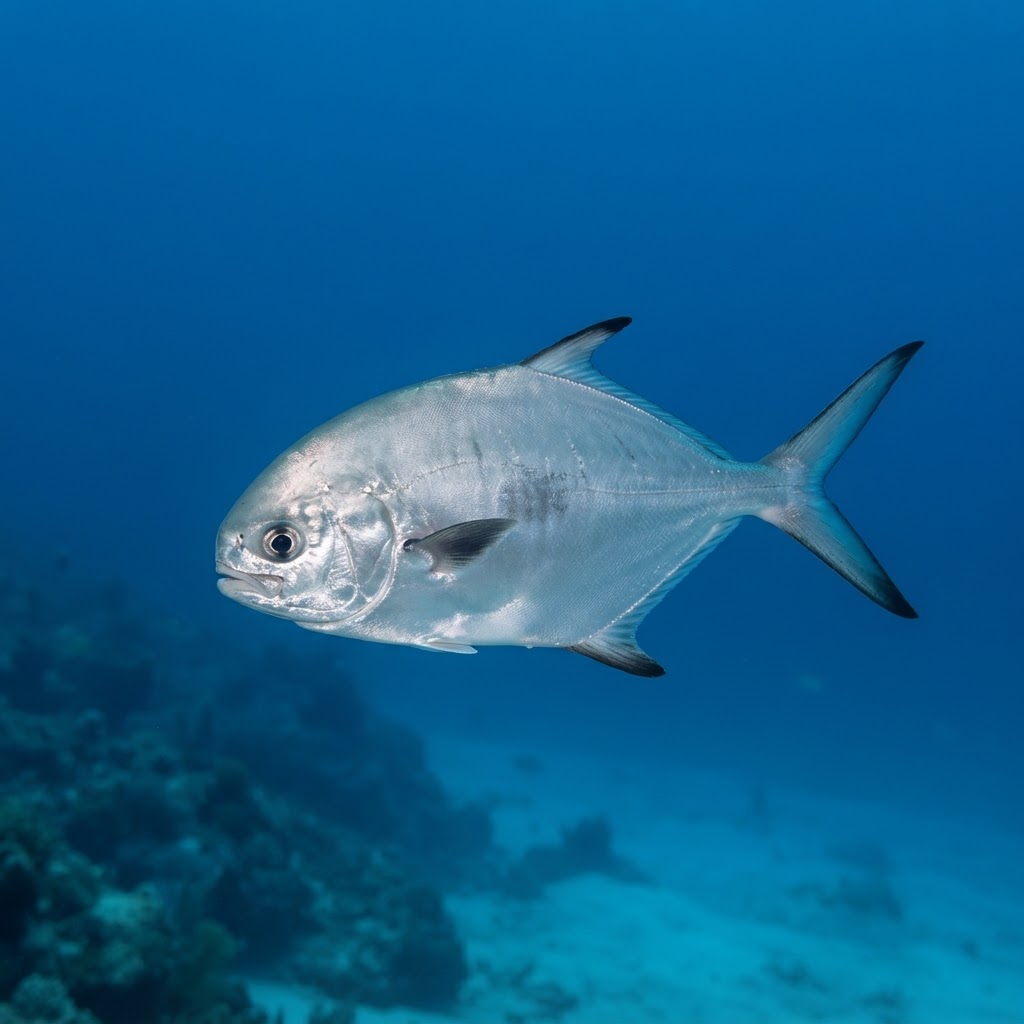
A deep, oval-shaped body flattened side to side, silvery overall with a faint yellowish wash on the fins and lower flanks. Look for a sharply forked tail and a blunt, rounded snout that gives the head a slightly compressed profile compared to other jacks. Adults reach around 49 cm and are usually seen alone or in small loose groups rather than tight schools.
Divers typically spot pompano cruising in open water off reefs and rocky slopes rather than tucked into structure, often solo or in small, loosely associated groups. It keeps a comfortable distance from divers and tends to keep moving, making it more of a passing sighting than something that lingers for a photo. At most sites it is logged as rare to uncommon, so a clear view is a small win rather than a given.
It belongs to the same pelagic-neritic (open-water, near-shore) niche as many jacks, patrolling depths from 50 down to 200 metres, which puts a chunk of its range well beyond typical recreational diving limits and explains why most sightings are brief, near-surface encounters rather than close inspections.
Sightings show no clear seasonal pattern, so treat this as a year-round possibility wherever it is logged. Its recorded temperature niche of roughly 10 to 17 C fits the cooler end of Mediterranean and Atlantic island diving, which lines up with divers finding it across most of the year rather than in a single warm-season window.
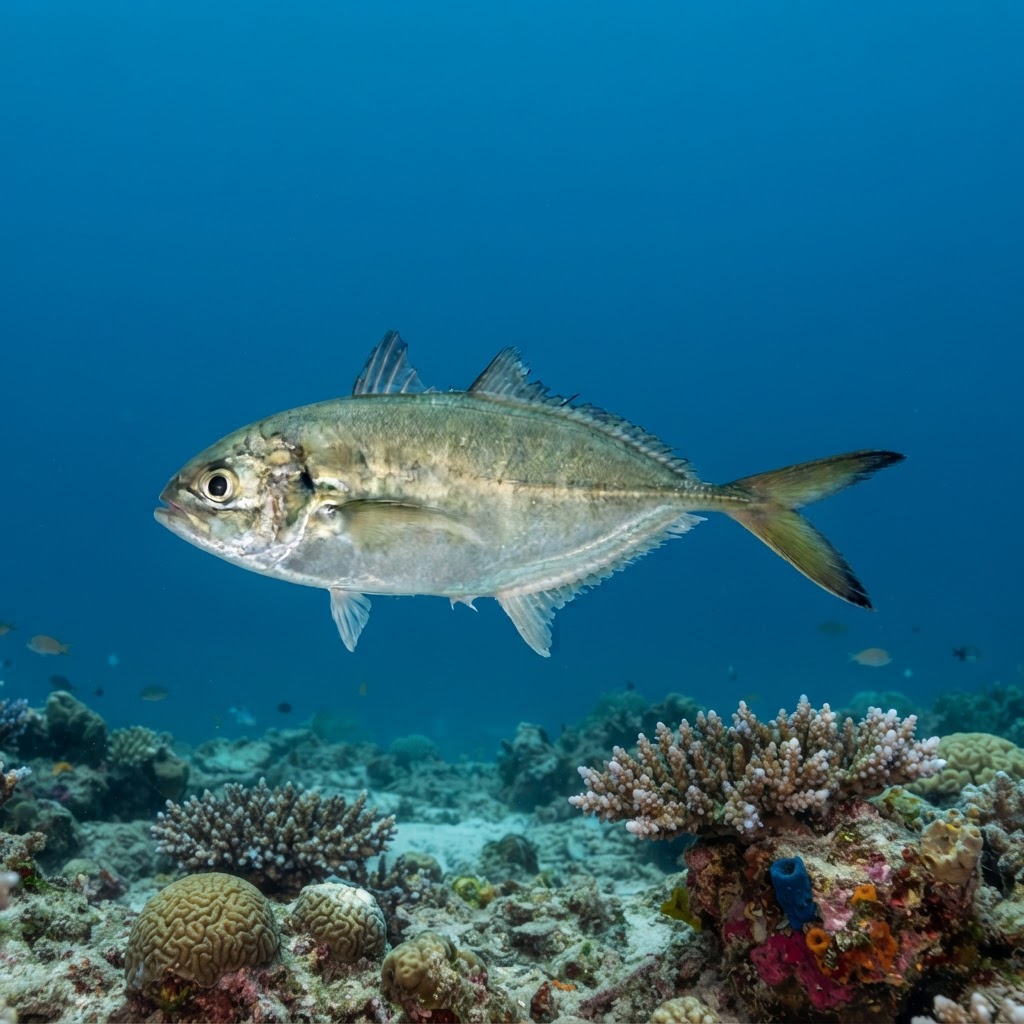
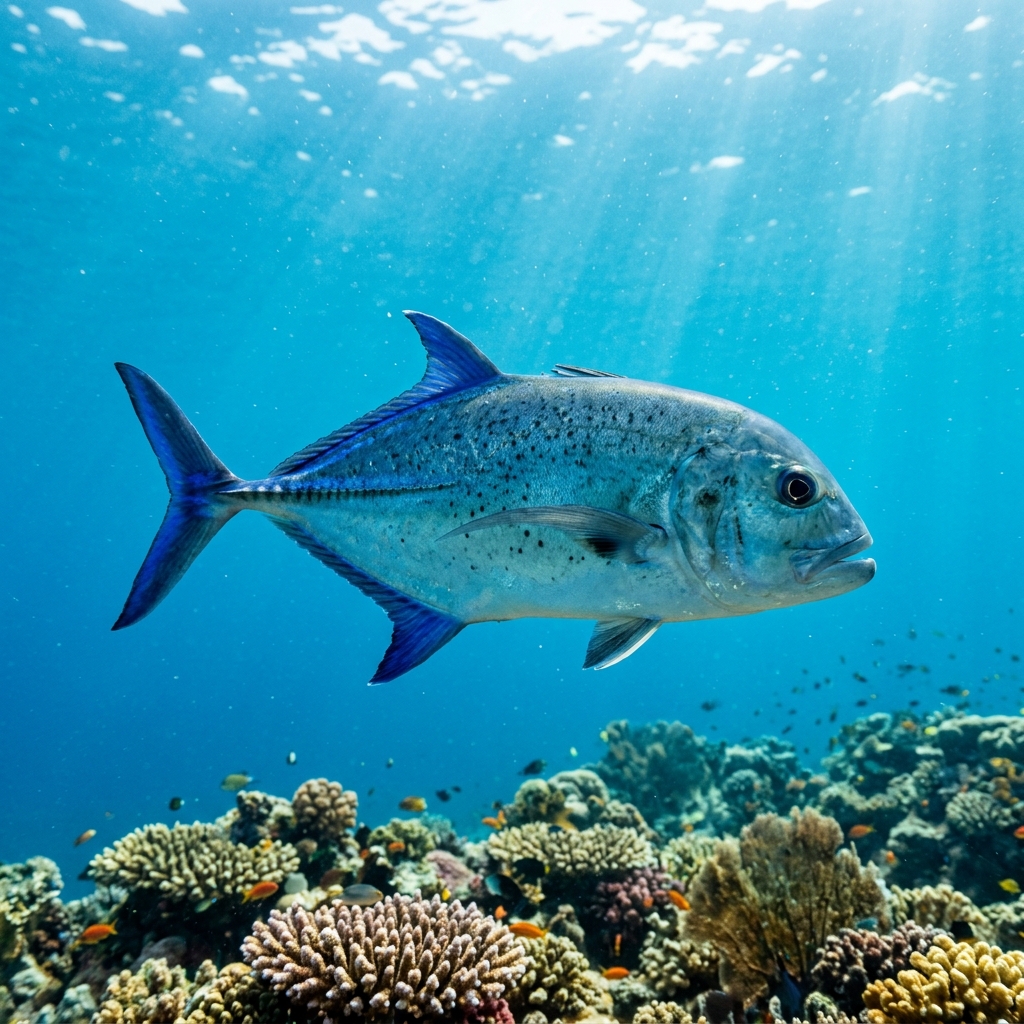
Reef neighbours a diver could mistake it for. Use the identification notes above to tell them apart.
Most reliably logged in Spain, especially around Murcia and Valencia, and across the Canary Islands, with Fuerteventura and Gran Canaria producing the strongest sightings. Greece, notably Crete, and the Azores around Sao Miguel and Santa Maria are the other consistent spots, with smaller but steady records from Italy, Cyprus, Madeira and Malta.
Mapping where Pompano is logged…
Spain and the Canary Islands produce the most sightings, particularly Murcia, Valencia, Fuerteventura and Gran Canaria. Crete in Greece and Sao Miguel and Santa Maria in the Azores are also reliable areas, with smaller numbers reported from Italy, Cyprus, Madeira and Malta.
There is no strong seasonal pattern in the sighting data, so they are logged year-round at most sites. Their recorded temperature range of about 10 to 17 C suggests they are comfortable through the cooler diving months as well as summer.
Look for a deep, flattened, oval-shaped silvery body with a forked tail and a rounded snout. They are usually seen alone or in small loose groups moving through open water rather than sheltering near structure.
They typically reach around 49 cm in length, making them a mid-sized member of the jack family rather than one of the larger trevallies.
No, pompano pose no threat to divers. They are a fast-moving, open-water fish that keeps its distance and shows no aggressive behaviour around people.
Site and sighting data is aggregated from diver logs, iNaturalist and GBIF. For taxonomy and conservation status:
Bigeye Trevally
2,591 sites