Epinephelus costae
Spot goldblotch grouper along rocky Mediterranean reefs, most reliably in Murcia and Valencia, in water from 13 to 27.5C.
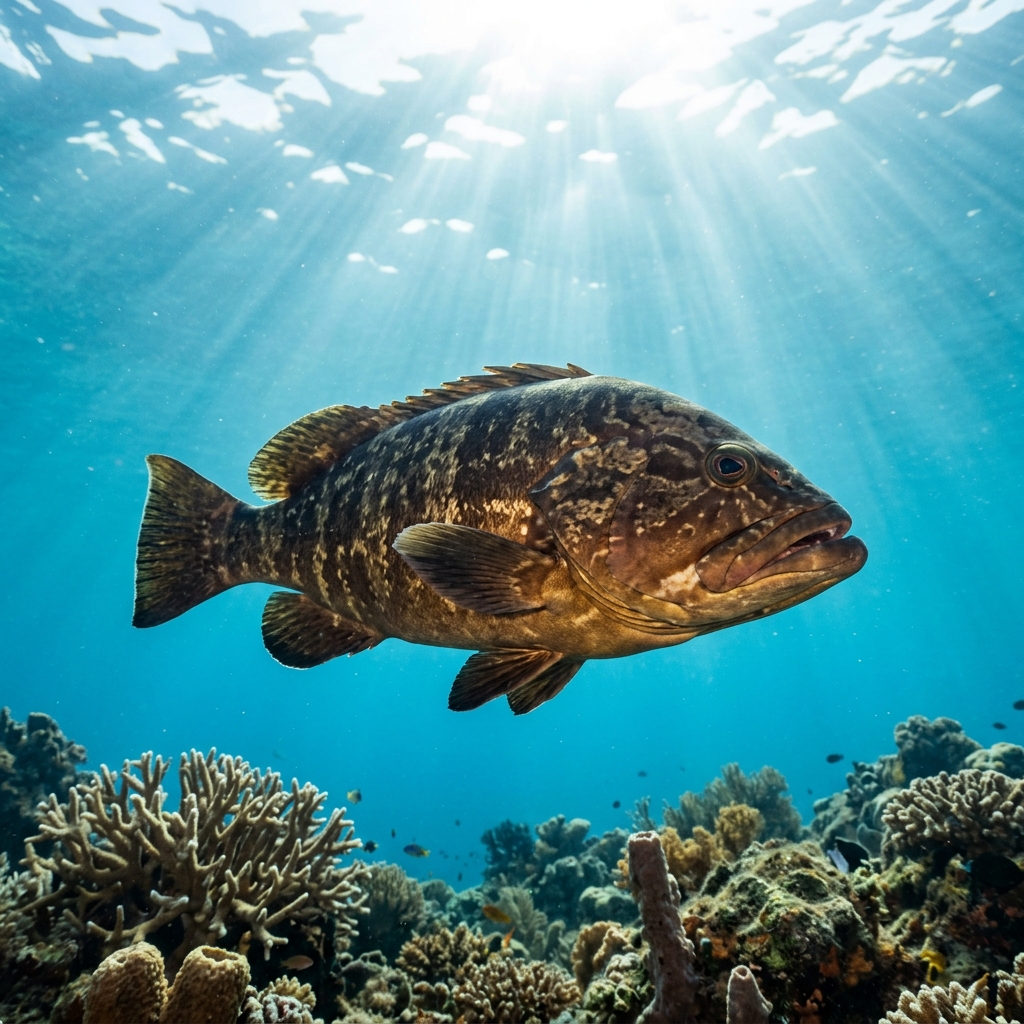
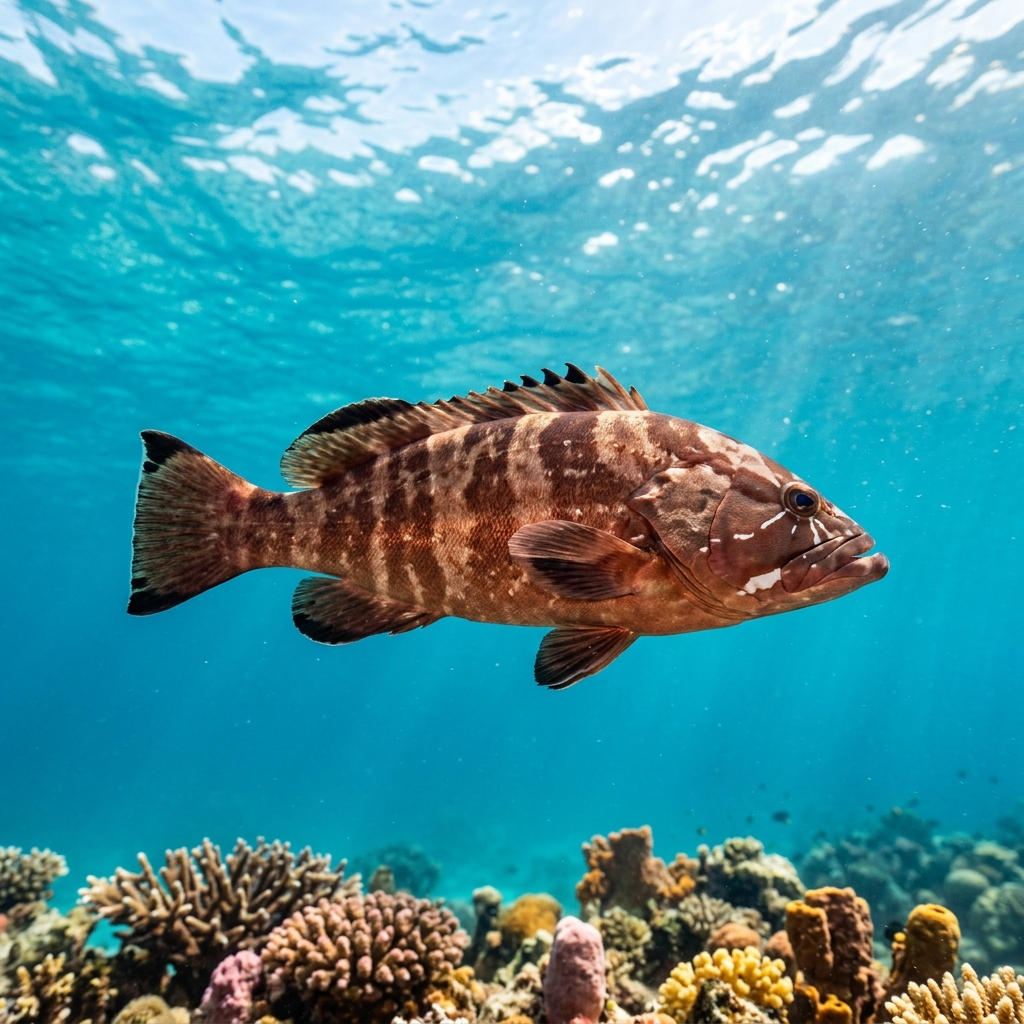
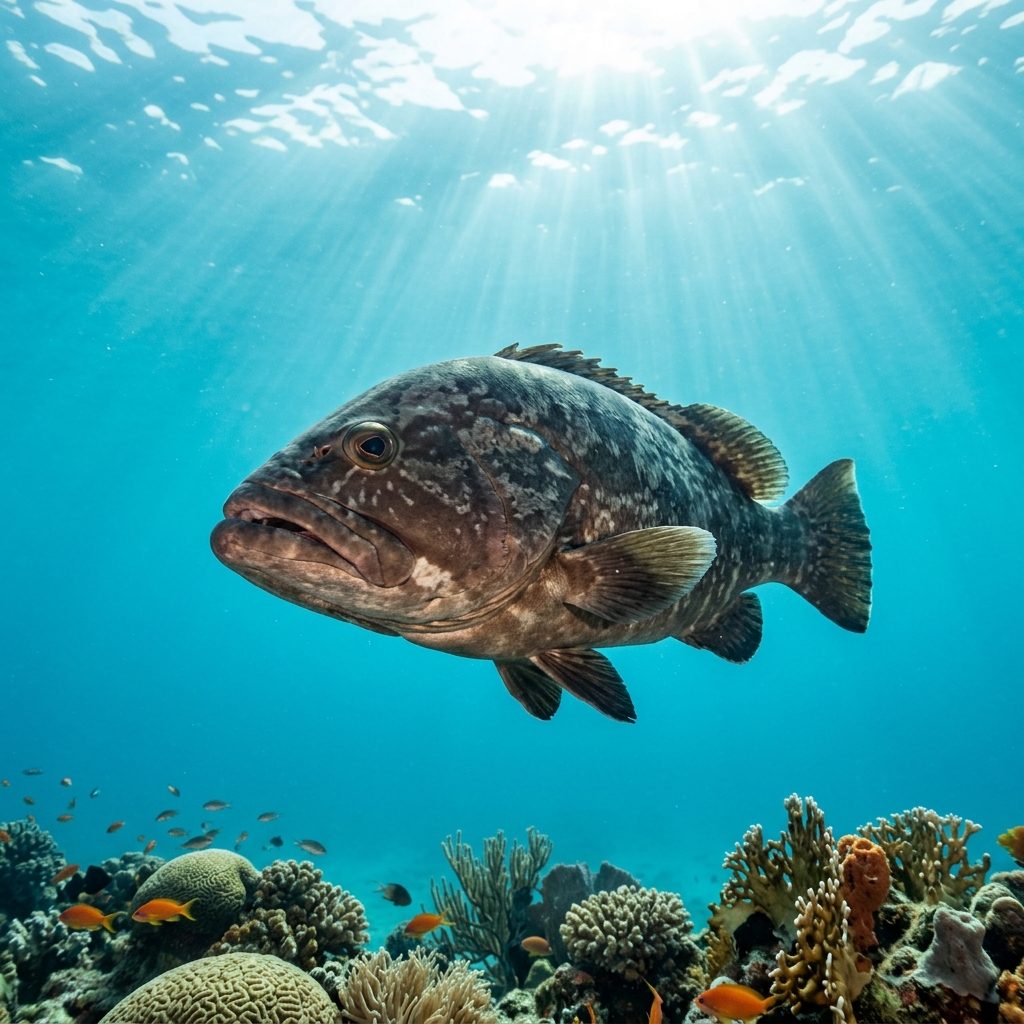
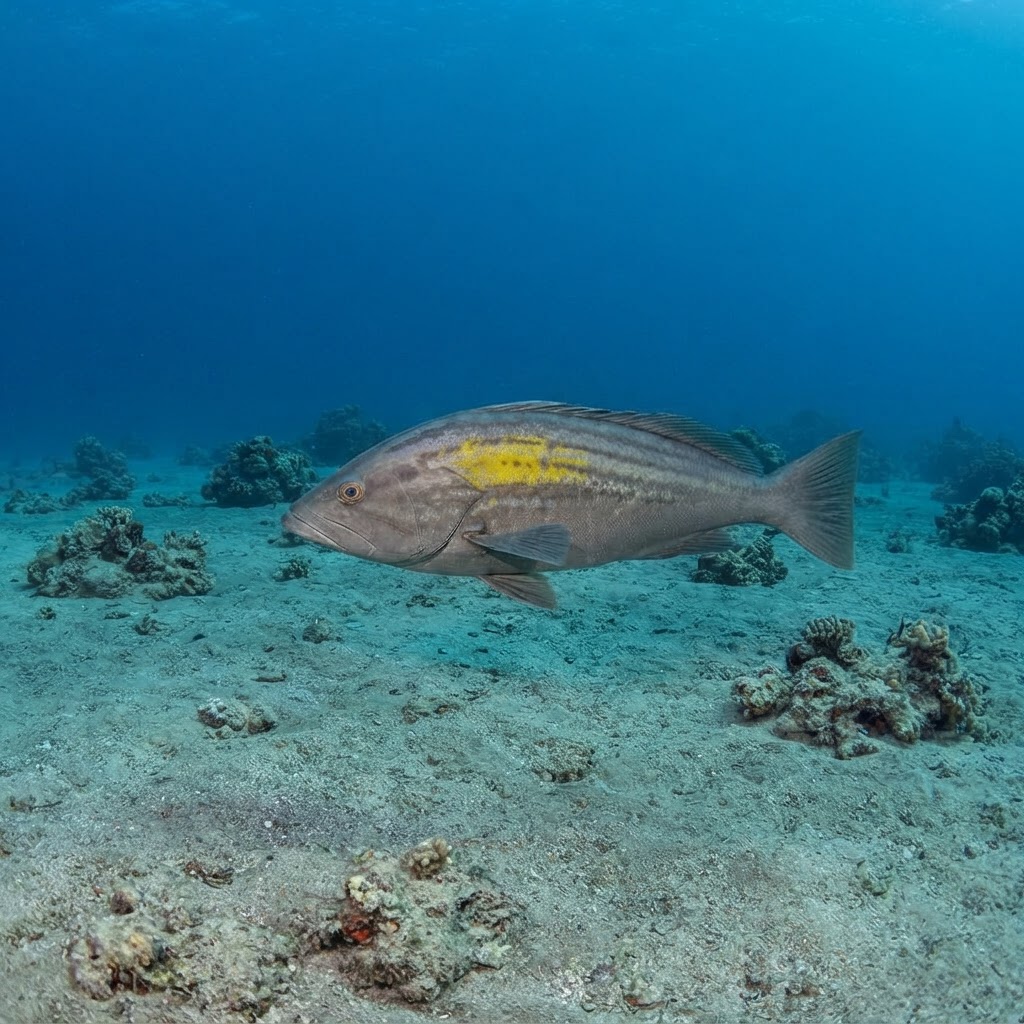
A heavy-bodied grouper that can reach close to a metre, with a mottled brown to grey body scattered with small pale gold or yellowish blotches that give it its name. The head is broad and the mouth wide, typical of the grouper family, and it usually sits low against rock or rubble rather than swimming in open water. Look for the gold flecking across the flanks and fins, which fades and becomes harder to pick out on larger, older fish.
Divers typically find goldblotch grouper holding station near rocky ledges, caves and rubble patches rather than out in the open, often with just the head visible from a crevice. It is generally unbothered by divers at a respectful distance, more likely to hold its ground and watch than bolt, though it will retreat into cover if approached too fast. As a demersal predator it spends most of its time close to the bottom, ambushing smaller fish and invertebrates rather than actively chasing prey across the reef.
Like many groupers, this species is a protogynous hermaphrodite, meaning individuals typically start life as females and some later transition to males as they grow larger, which is part of why big goldblotch grouper are proportionally rarer to see.
There is no clear seasonal pattern in the sighting data, so treat it as a year-round species at most of these sites. It tolerates a wide temperature range from around 13.4 to 27.5C, which matches its habit of moving between shallow rocky reefs and much deeper water depending on conditions.
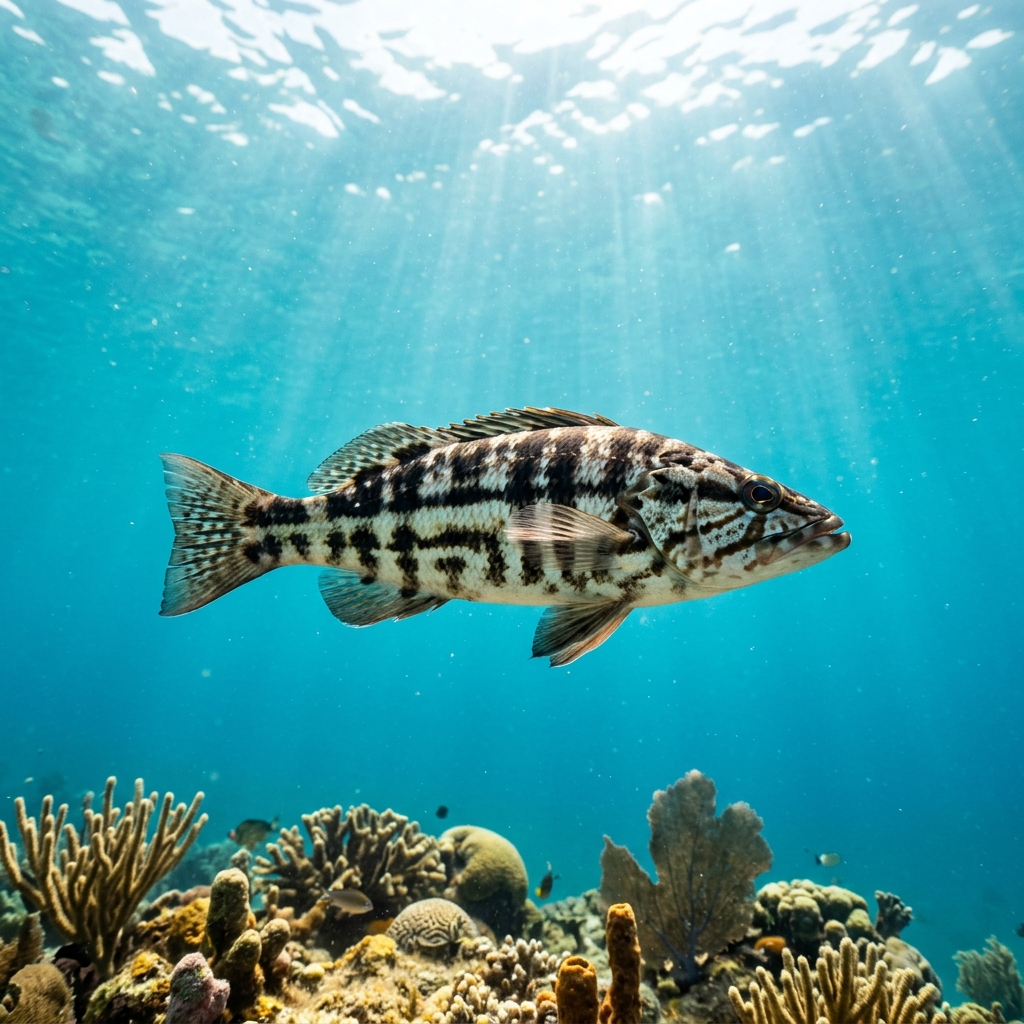
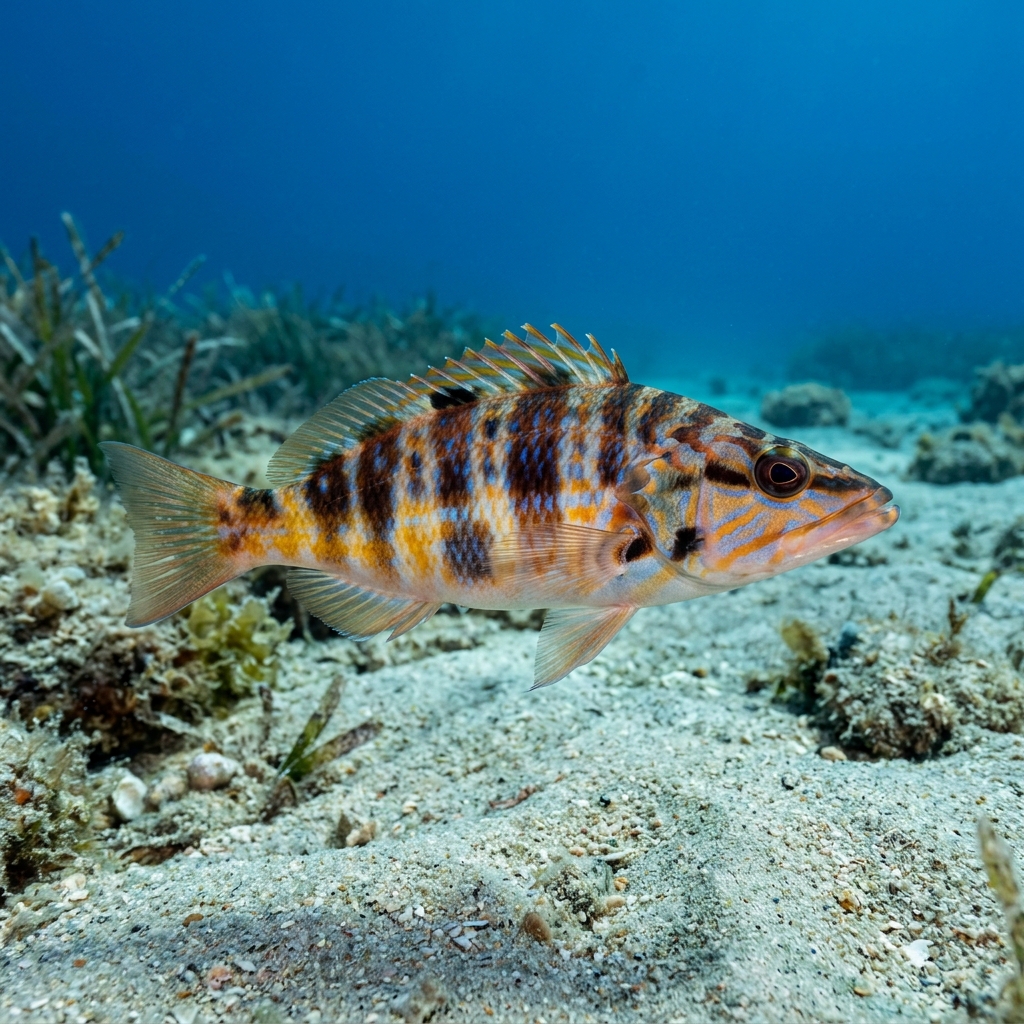
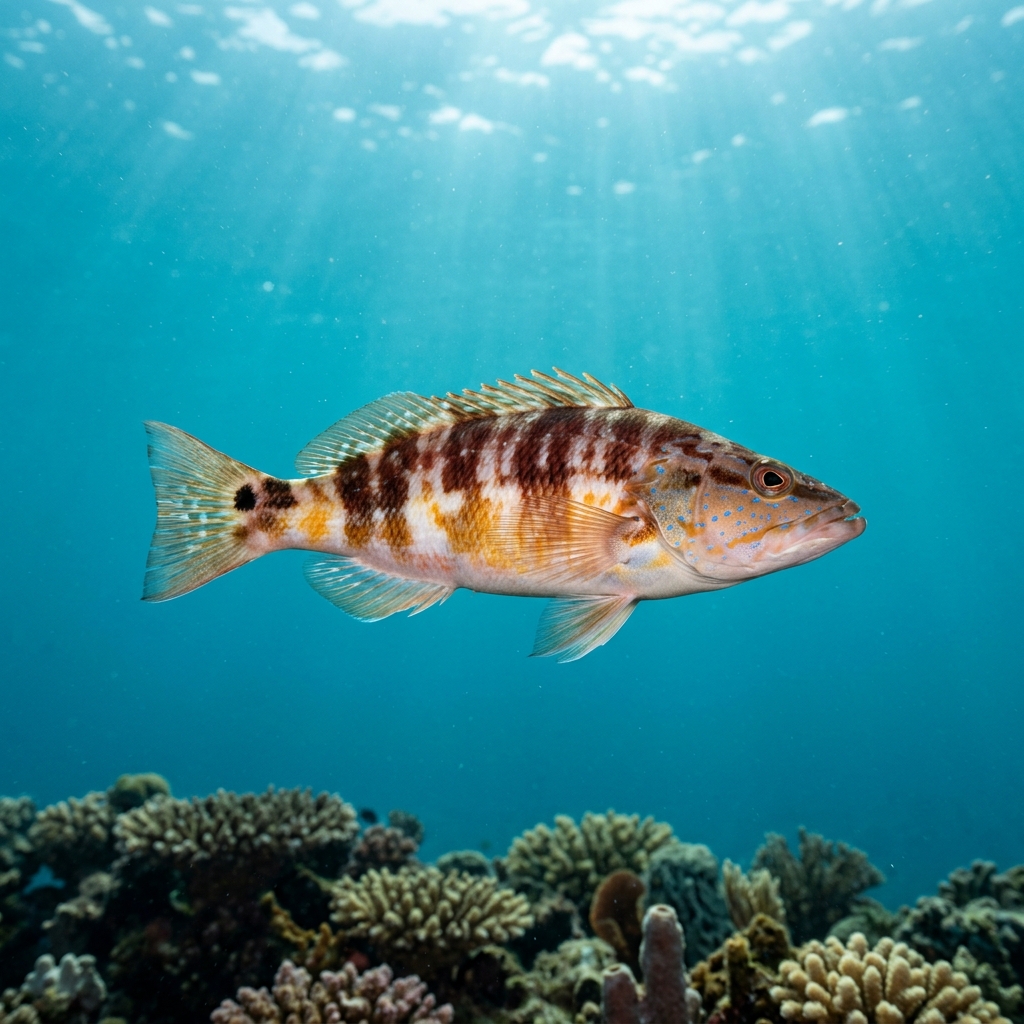
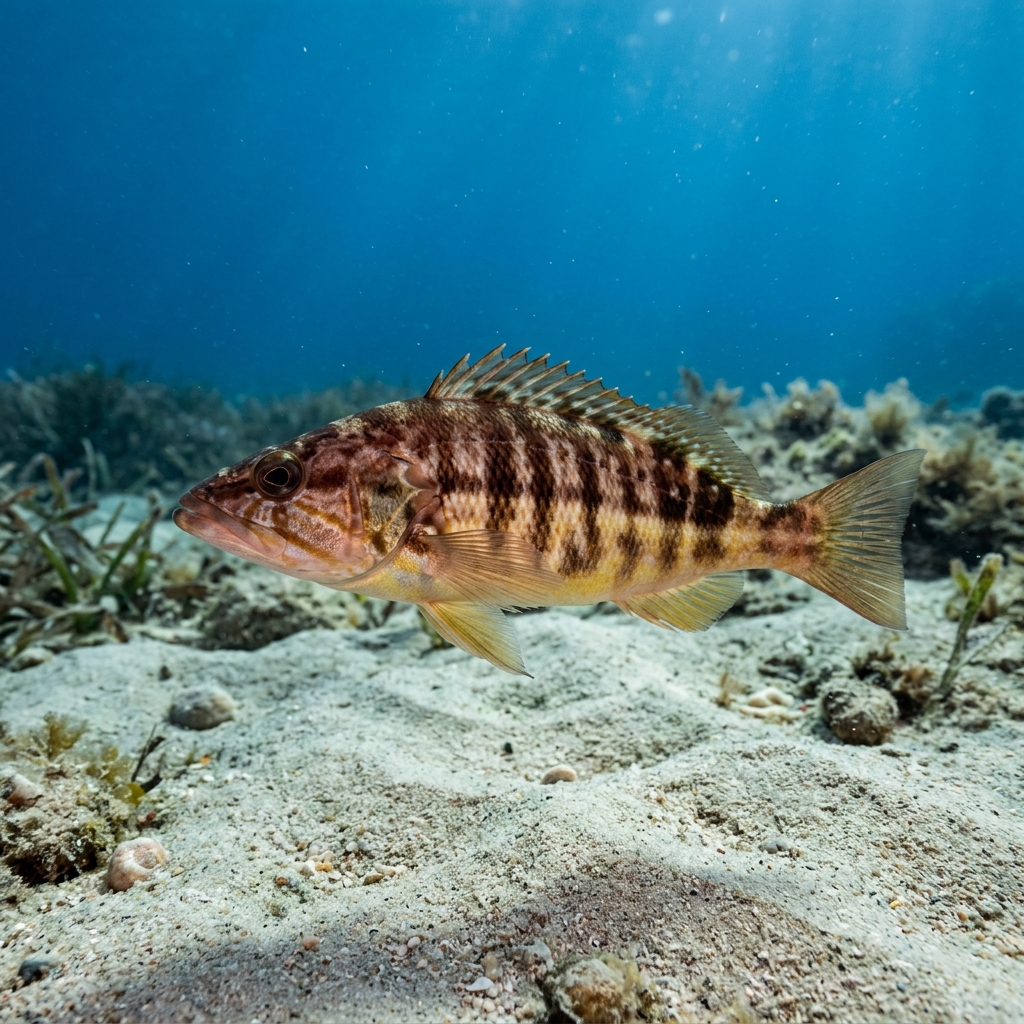
Reef neighbours a diver could mistake it for. Use the identification notes above to tell them apart.
This is a Mediterranean rock-and-reef species, most commonly logged in Spain, especially around Murcia, Valencia, the Balearic Islands and Andalusia, with a reliable presence in Italy, Greece, Turkey and Malta too. The Ionian Islands in Greece and the Turquoise Coast in Turkey are strong regional bets outside Spain, and it also turns up around Sardinia, Gozo and Cyprus.
Mapping where Goldblotch Grouper is logged…
The strongest sightings come from Spain, particularly Murcia, Valencia, the Balearic Islands and Andalusia, with further reliable spots in Italy, Greece, Turkey, Malta and Cyprus. It is a Mediterranean rocky-reef species rather than a tropical one.
Sightings do not show a strong seasonal pattern, so it is worth looking for year-round at Mediterranean sites. Its wide tolerance from roughly 13 to 27.5C means it is not restricted to a narrow summer window like some warm-water species.
Look for a large, heavy-bodied grouper with a mottled brown body and small pale gold blotches scattered across the flanks and fins. It usually sits close to rock or rubble rather than swimming freely in open water.
They can grow to around 98cm, making them one of the larger grouper species a diver might encounter on Mediterranean rocky reefs.
No, they are not considered dangerous to divers. They are generally calm around divers and will simply retreat into cover if approached too quickly.
Site and sighting data is aggregated from diver logs, iNaturalist and GBIF. For taxonomy and conservation status:
Blacktip Grouper
2,726 sites