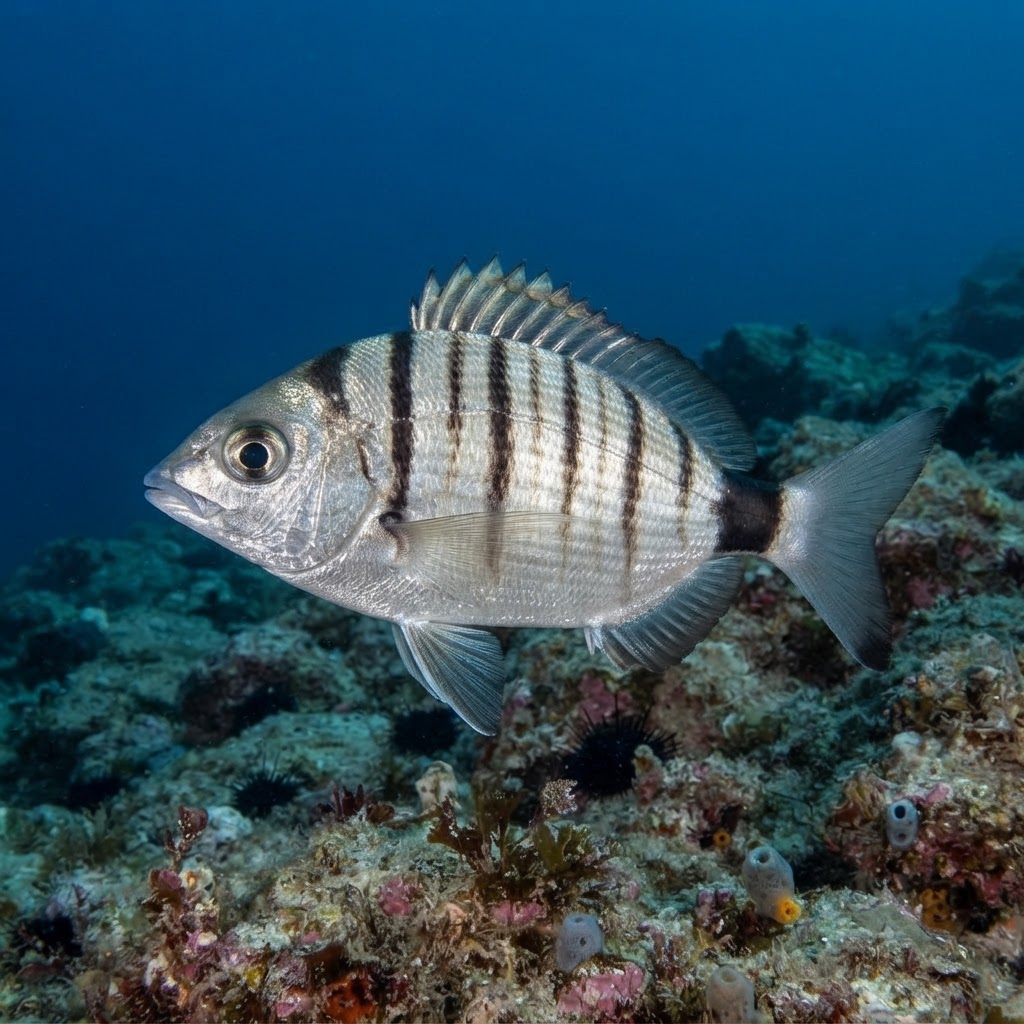
Diplodus puntazzo
Silver-grey and sharp-nosed, this bream turns up year-round across Catalonia, the French Riviera and Croatia in 16-22C water.
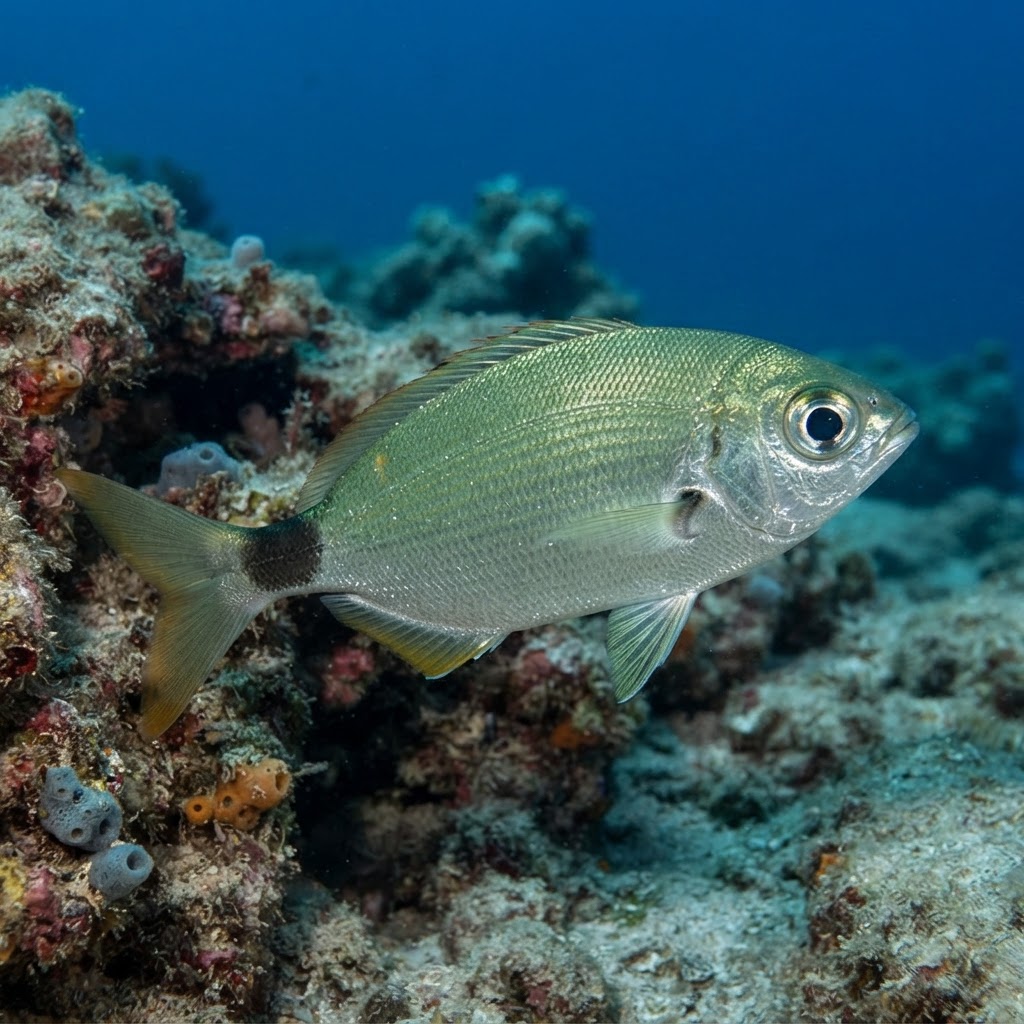
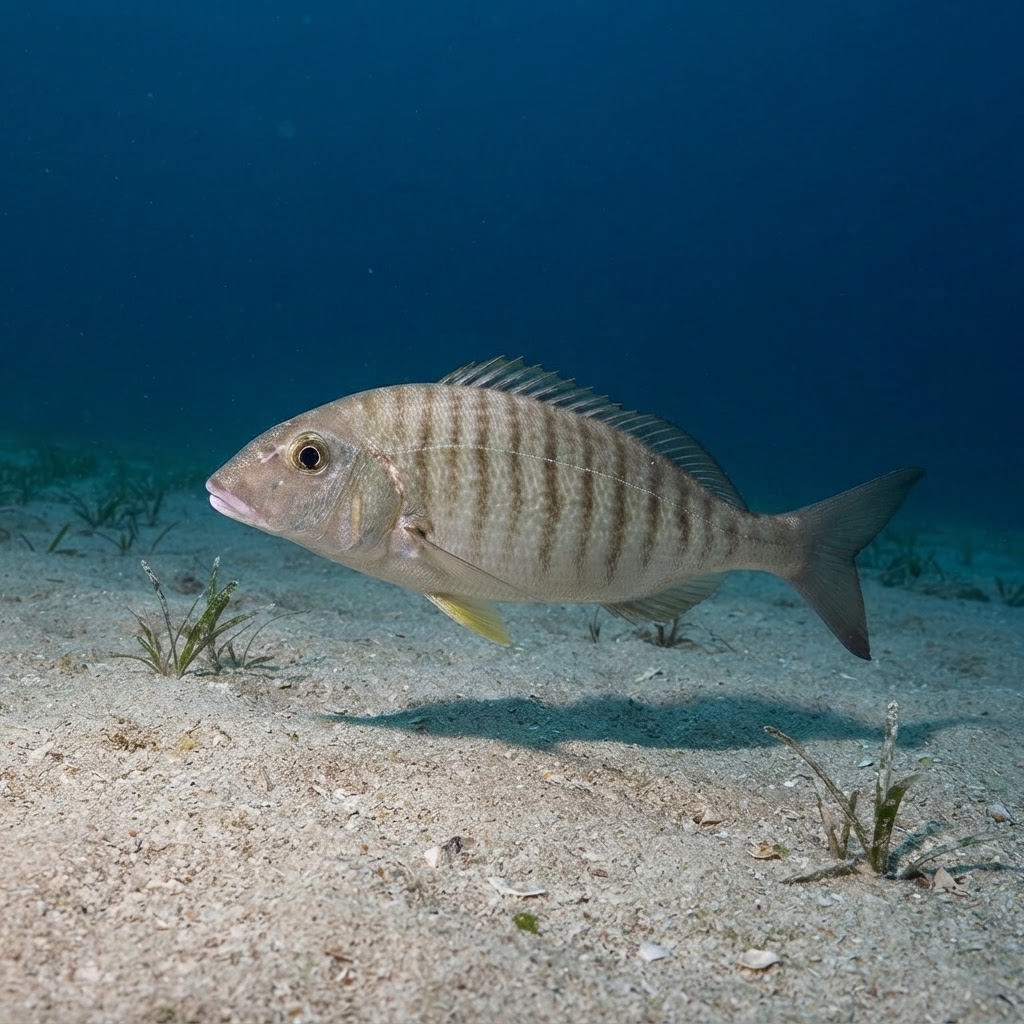
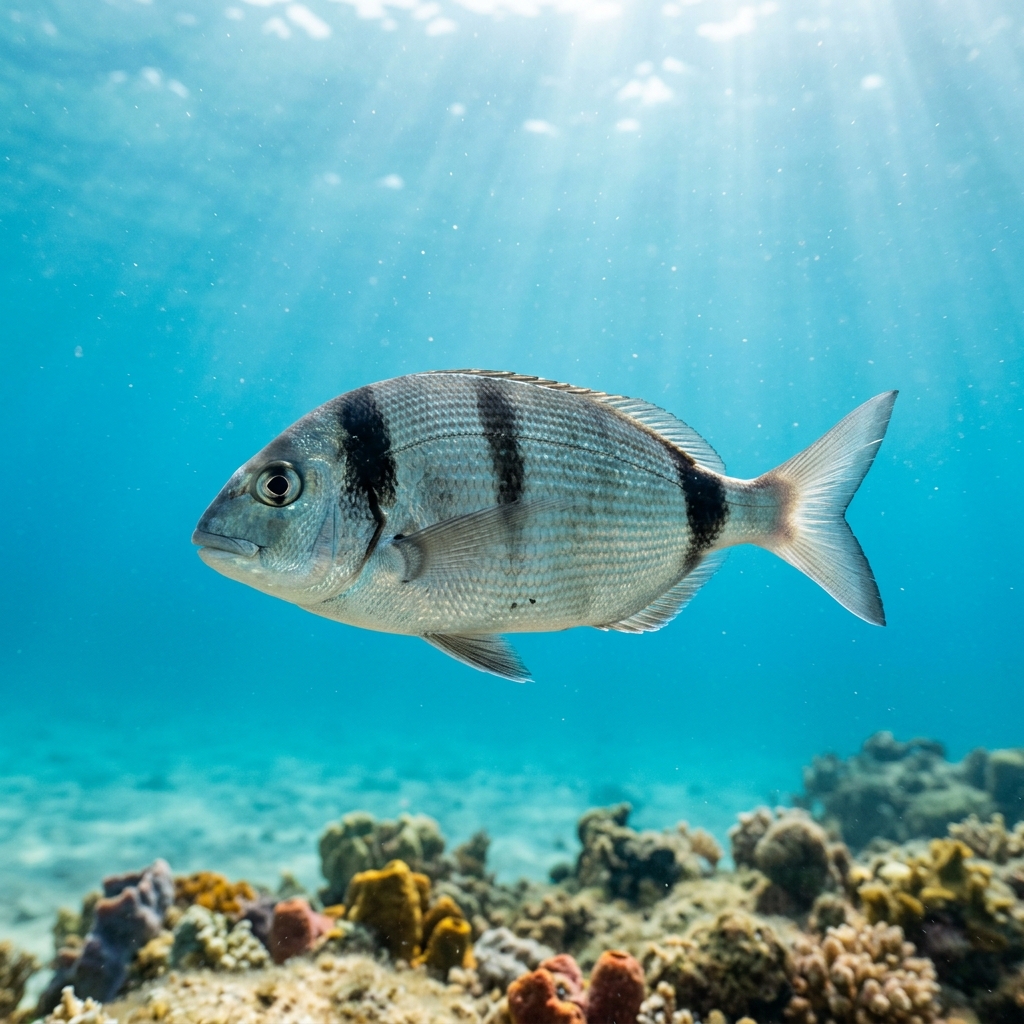
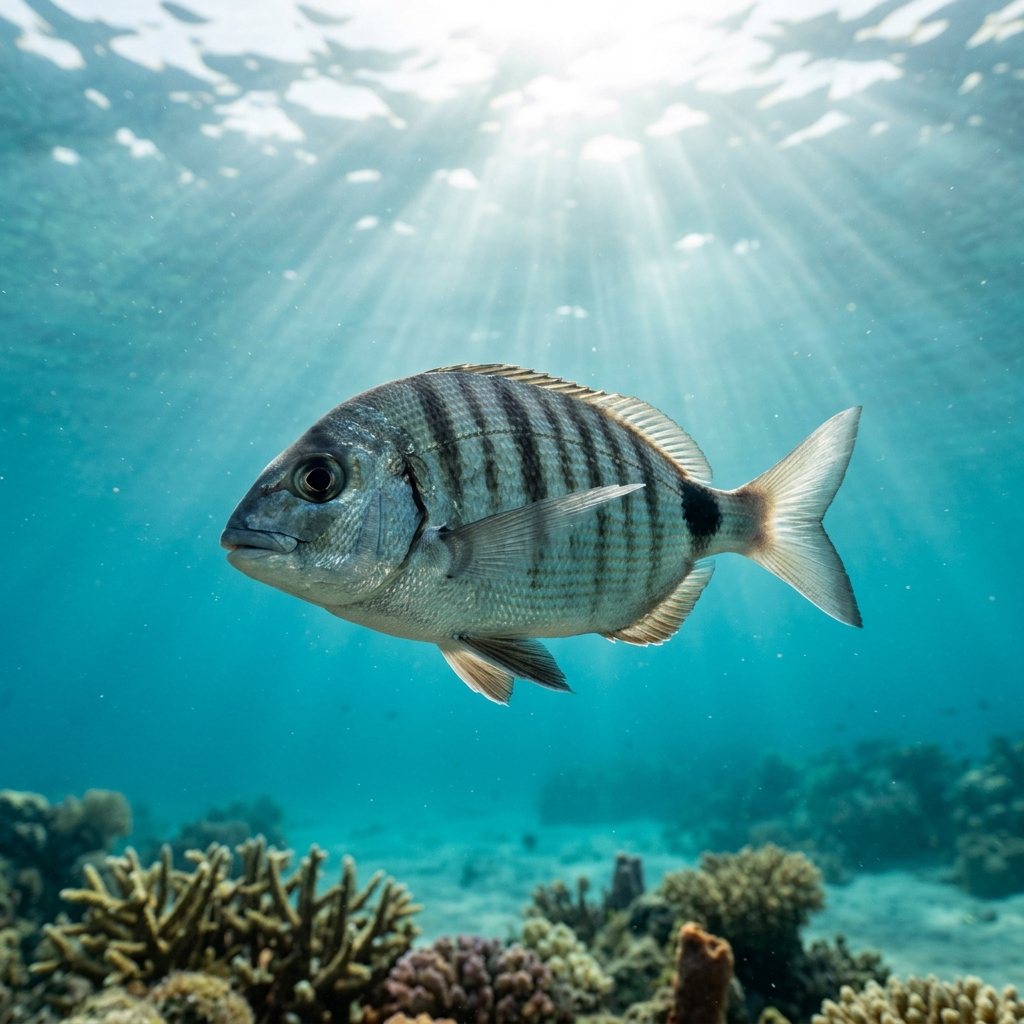
Look for a slim, silvery fish with a distinctly pointed, elongated snout that sets it apart from rounder-faced breams. A dark saddle band wraps the tail base, and faint vertical striping can show along the flanks in good light. Adults reach around 42cm, often seen singly or in loose groups hovering just off rocky bottom.
Divers most often find it cruising alone or in small loose groups a metre or two off rocky and mixed-bottom reef, probing crevices and sediment for food rather than schooling tightly in open water. It tends to hold a cautious distance from divers, easing off if approached directly but generally continuing its business rather than bolting for cover.
That sharply pointed snout is a feeding tool as much as an ID mark, letting it pick invertebrates out of narrow rock crevices that blunter-nosed breams can't reach.
Sightings show no strong seasonal pattern, and with a comfort range of roughly 16 to 21.6C it is a fair bet across most of the Mediterranean diving calendar. Expect slightly better visibility conditions and warmer water in the summer months, though the fish itself is there year-round.
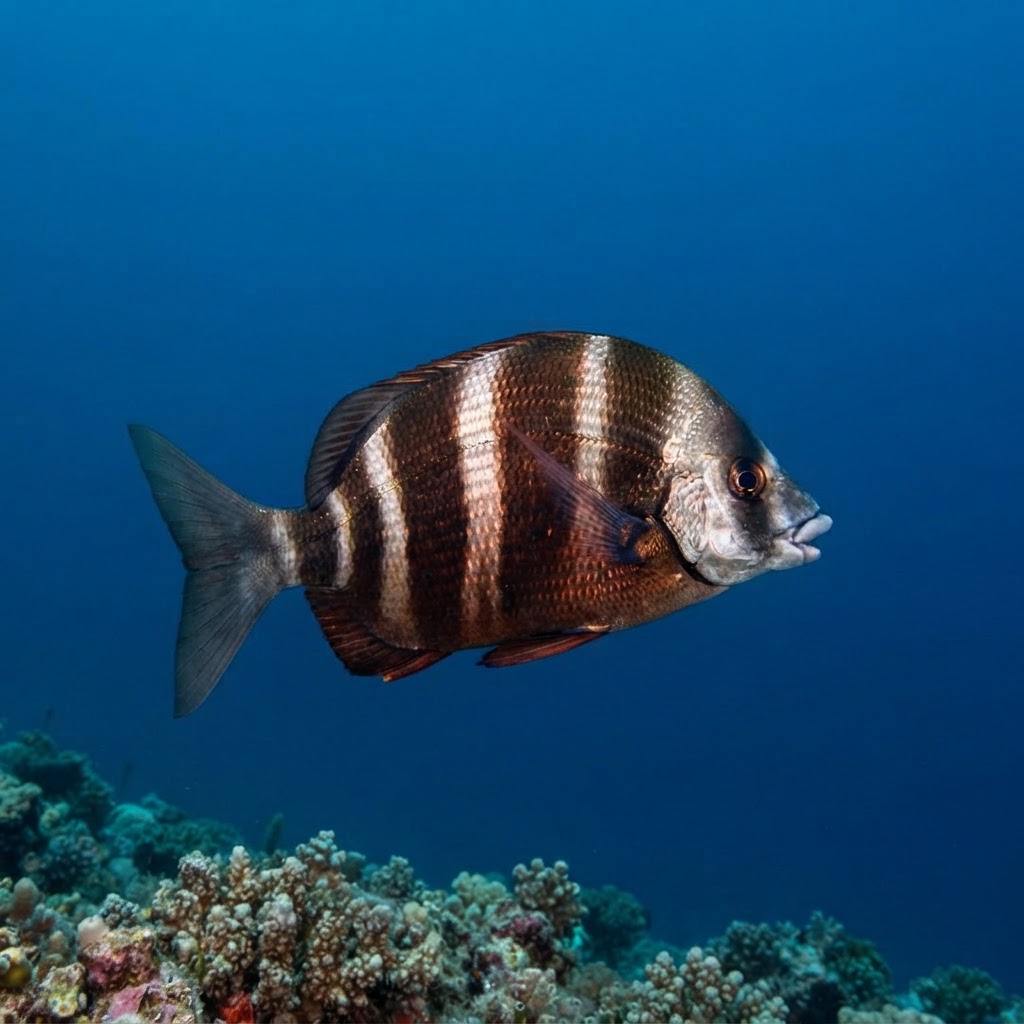
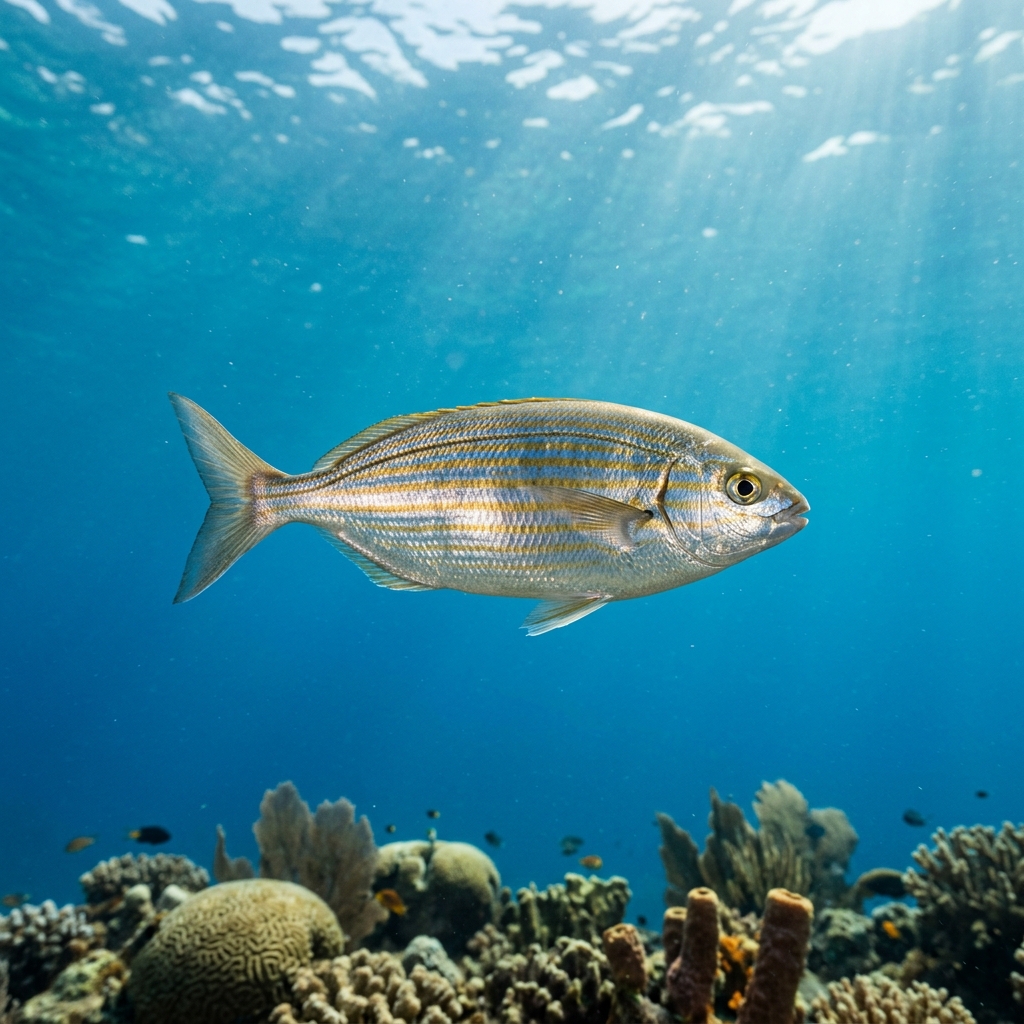
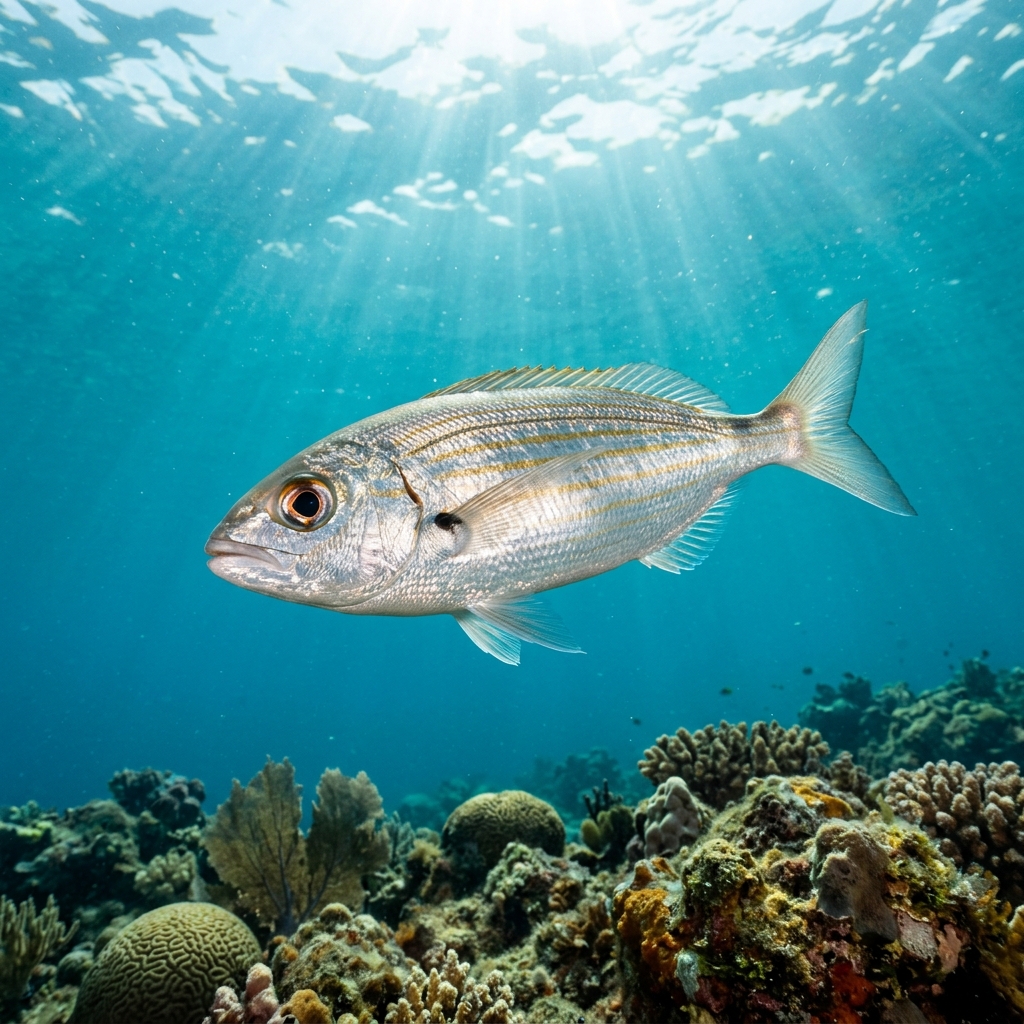
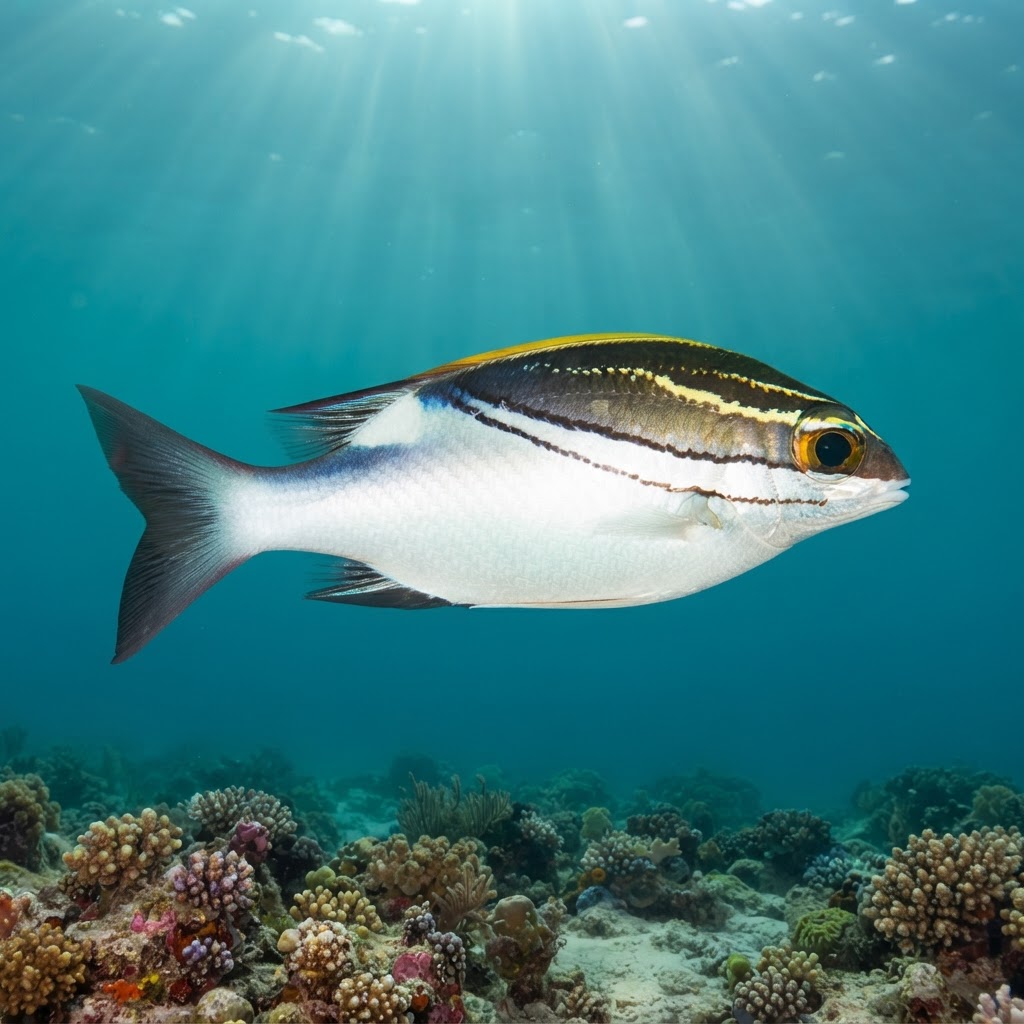
Reef neighbours a diver could mistake it for. Use the identification notes above to tell them apart.
This is a Mediterranean regular, most reliably logged in Catalonia and the Balearic Islands in Spain, along the French Riviera and Provence coast, and around Istria and Kvarner in Croatia. It also shows up consistently in Italy, the Canary Islands, Greece and Turkey, usually over rocky reef and mixed rubble rather than open sand.
Mapping where Sharpsnout Seabream is logged…
It's most commonly logged in Catalonia and the Balearic Islands in Spain, along the French Riviera and Provence in France, and around Istria and Kvarner in Croatia. It also turns up widely in Italy, the Canary Islands, Greece and Turkey.
There's no strong season in the sighting data, so it's a year-round fish across the Mediterranean. It sits comfortably in 16 to 21.6C water, which covers most of the region's diving season.
Check for a silvery body with a noticeably long, pointed snout, a dark band across the tail base, and faint vertical stripes on the flanks. It grows to about 42cm and is usually seen alone or in small loose groups near rocky reef.
They typically reach around 42cm in length, making them a mid-sized bream you'll notice easily against smaller reef fish but not mistake for the larger White Seabream.
No, they pose no threat to divers and will typically keep a cautious distance if you approach directly rather than react aggressively.
Site and sighting data is aggregated from diver logs, iNaturalist and GBIF. For taxonomy and conservation status:
Saddled Bream
3,846 sites