Pinnoctopus spp.
White-spotted octopus spotted across the Costa Brava, French Riviera and Canary Islands. Learn how to ID this genus and where divers log it most.
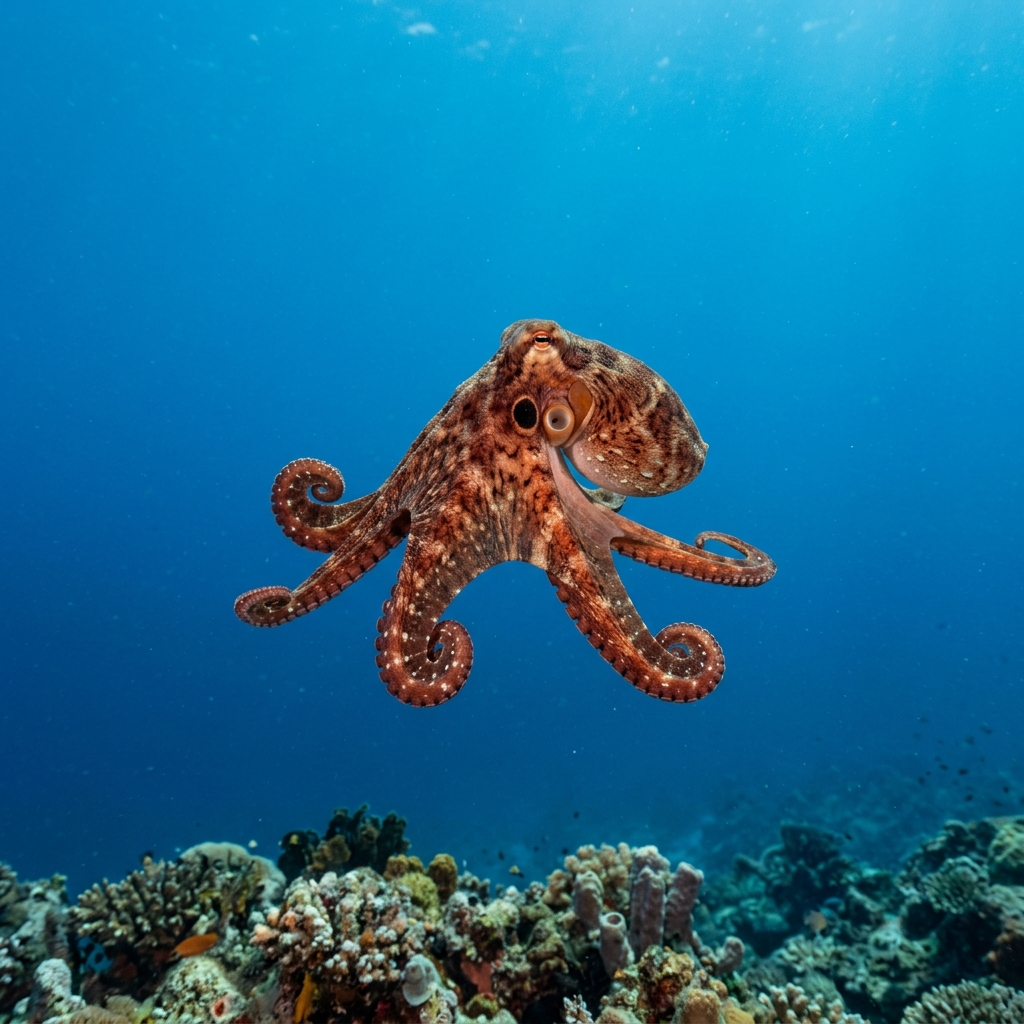
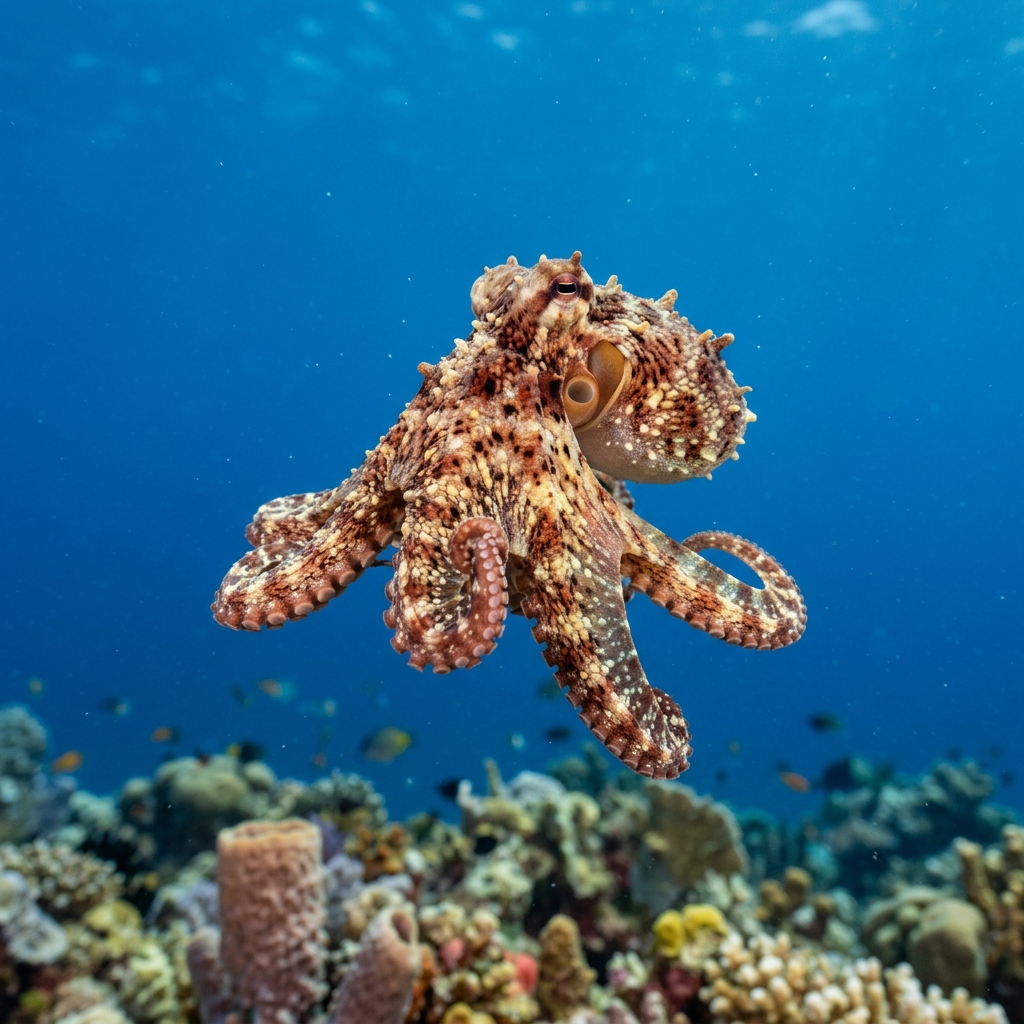
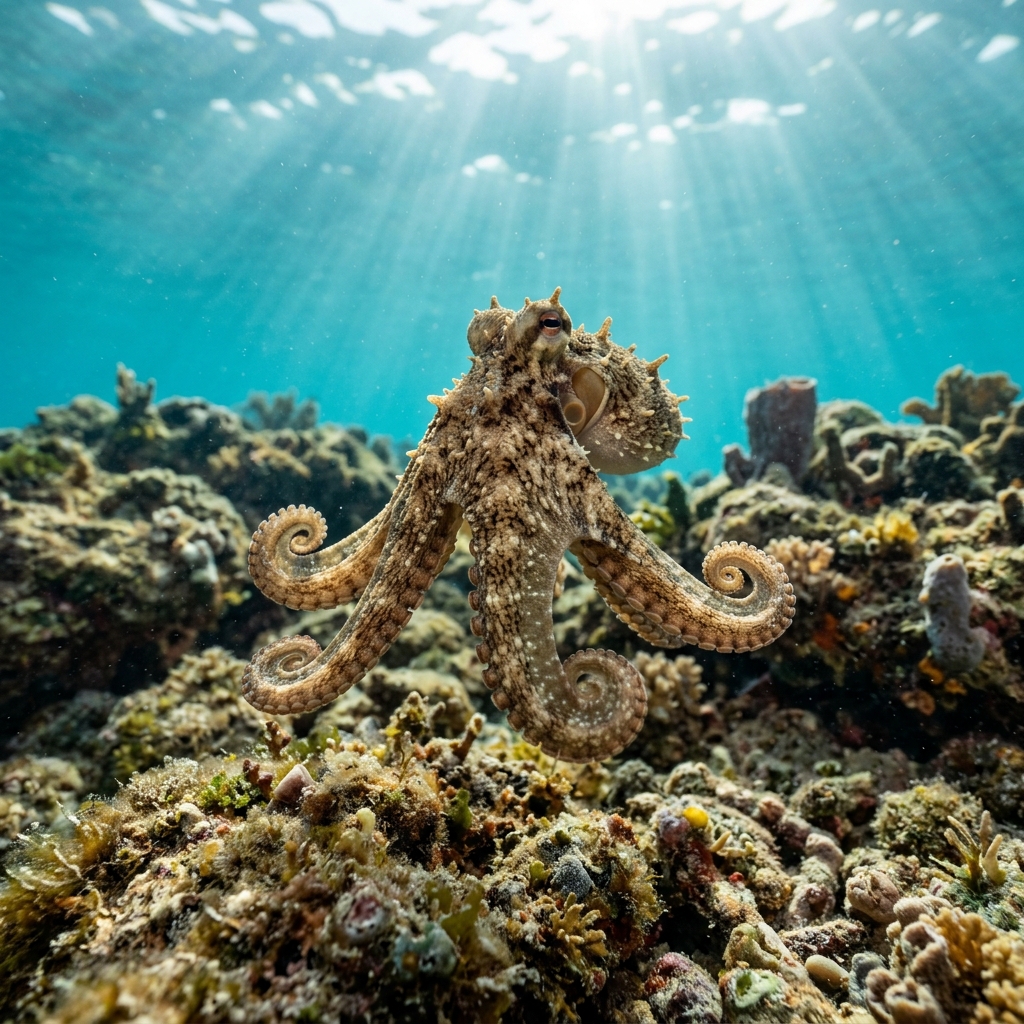
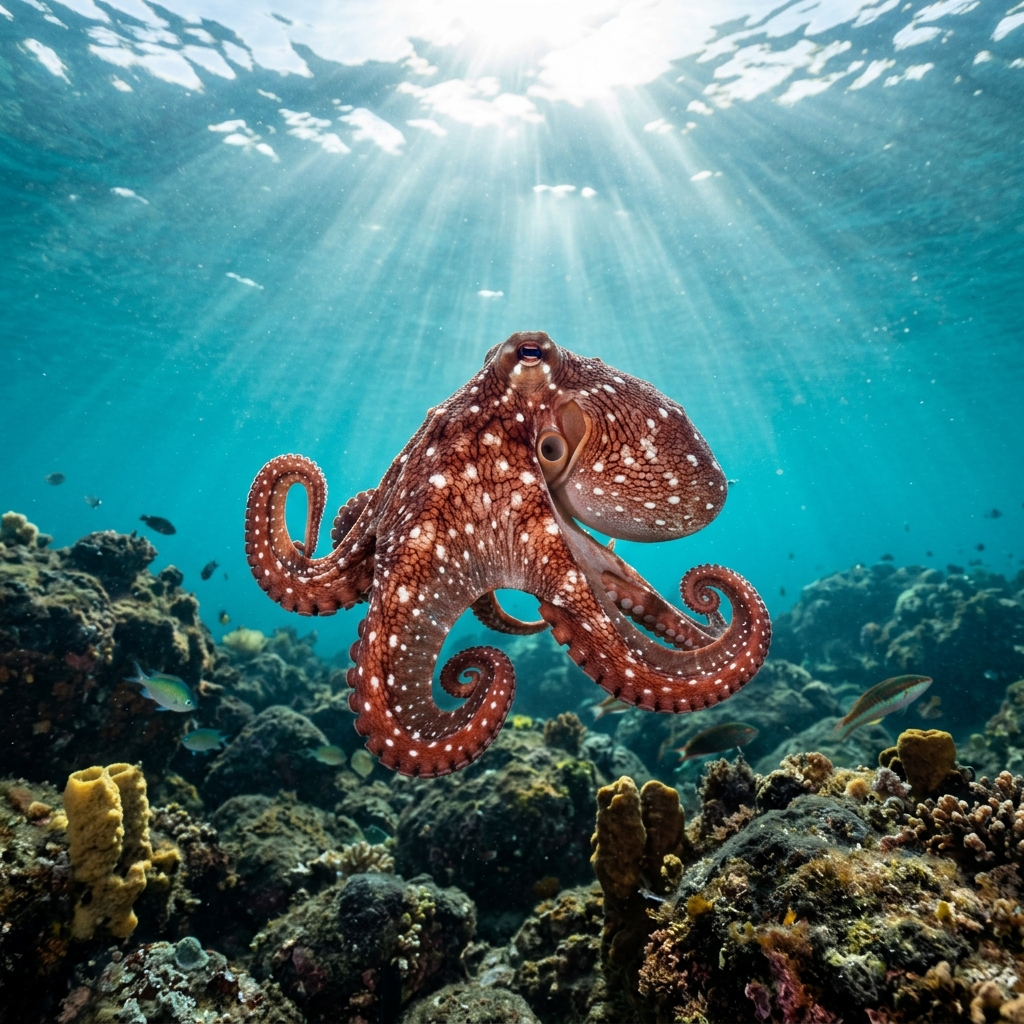
Members of this genus are most reliably picked out by the scattered, high-contrast white spots (iridophores) peppering the mantle and arms against a variable background colour that shifts from reddish-brown to grey or pale cream. Body size is not yet well established from diver data, but the arms are typically long relative to the mantle, giving a rangy, spread-out look when foraging. The white spots remain visible even when the background colour changes, making them the best single field mark to key on. Look for them tucked into rocky crevices or low-profile den sites, often with debris piled at the entrance.
Encounters are typically of solitary animals out on the reef during the day, investigating crevices or returning to a den with food. When a diver approaches, they often flatten the mantle, deepen their skin texture, and change background colour before retreating into a hole rather than jetting away. Early morning and late afternoon tend to produce the most active foraging behaviour on Mediterranean rocky reefs.
The genus name Pinnoctopus and the defining white spots are thought to be produced by light-reflecting cells called iridophores, which remain visible even under active camouflage colour change, making this genus easier to track mid-encounter than many other octopuses.
Northern Hemisphere sightings are spread across every month with no concentrated peak, so there is no single best season to target this genus. The observed water temperature range of 13.5 to 27.6 °C suggests these octopuses tolerate both warm tropical reefs and cooler temperate Mediterranean conditions year-round.
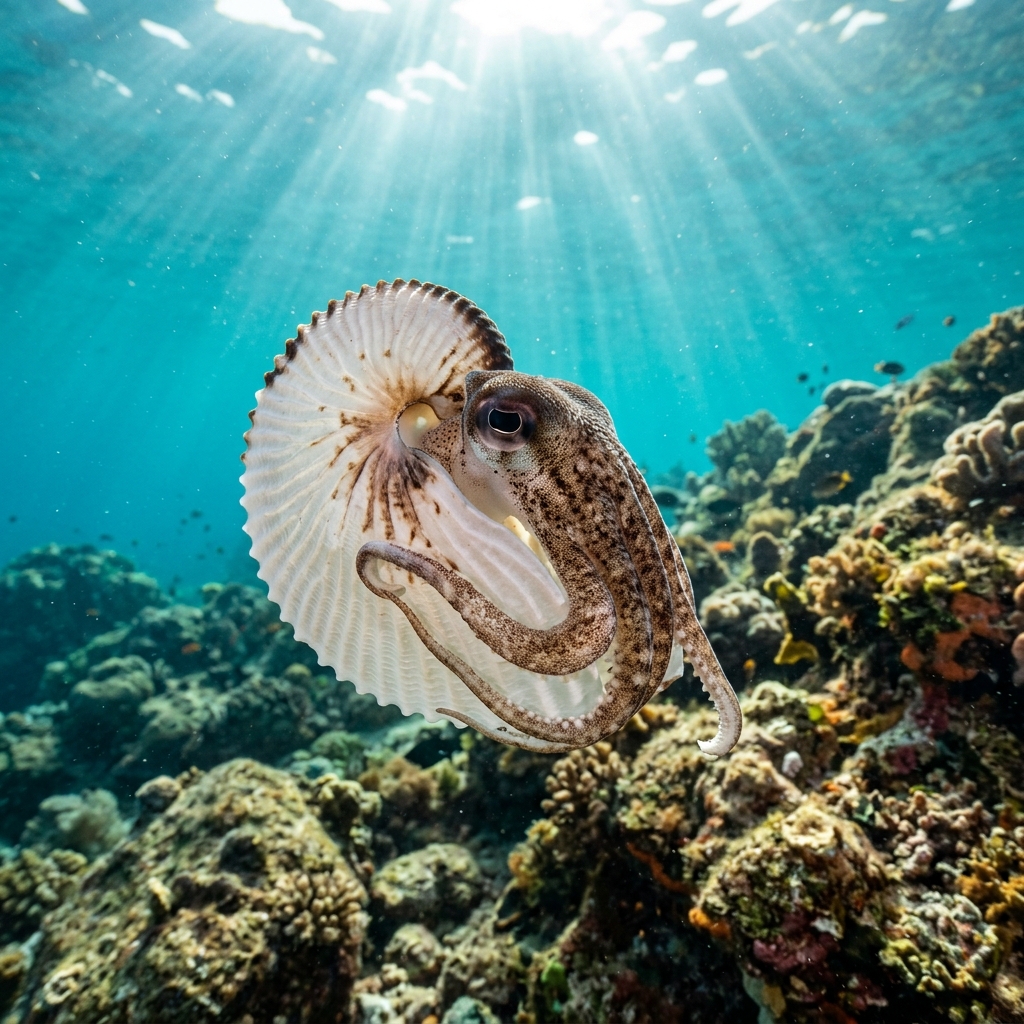
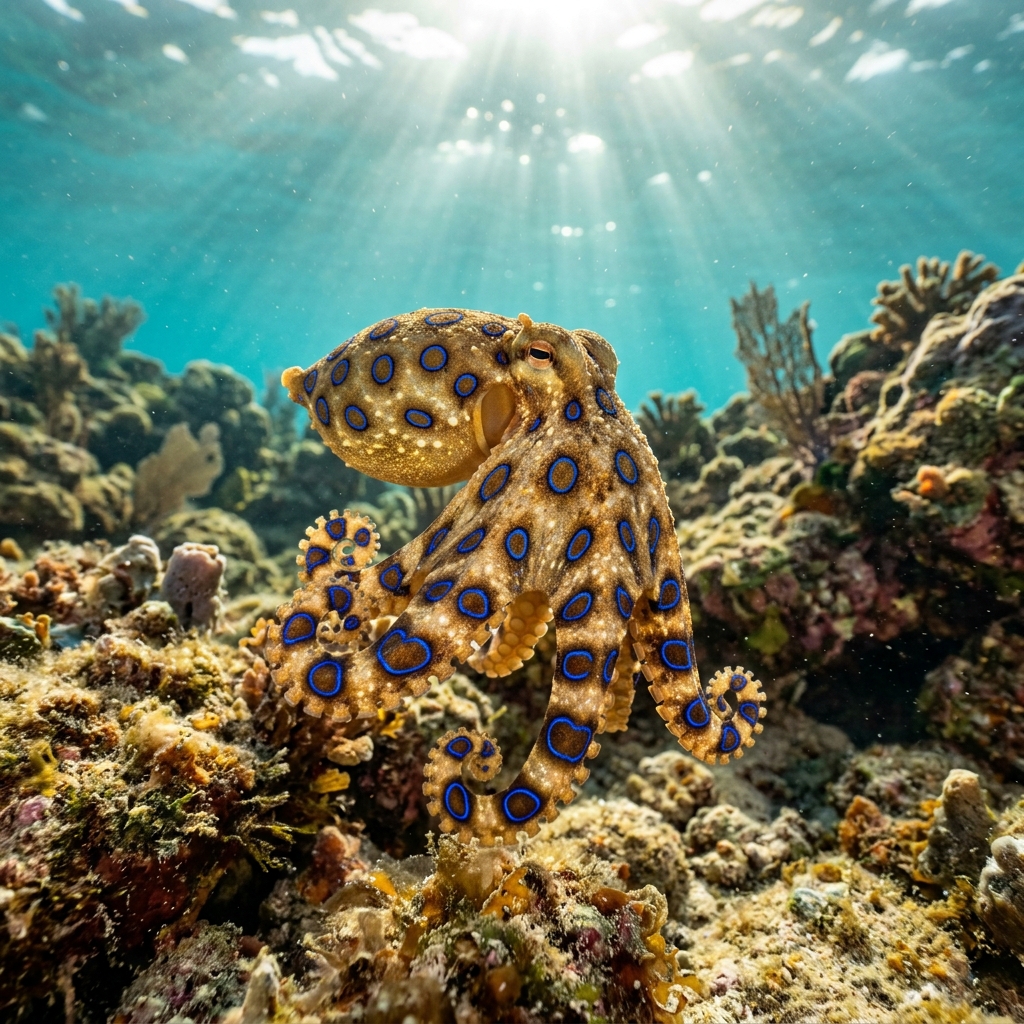
Reef neighbours a diver could mistake it for. Use the identification notes above to tell them apart.
Most commonly logged along the Spanish Mediterranean coast, particularly the Costa Brava and Costa Blanca, which together account for the largest share of sightings. The French Riviera and Provence coast are a reliable second choice, with further sightings recorded around Tenerife in the Canary Islands and off Sardinia. Divers visiting Zanzibar and Hawaii also report encounters, giving the genus a notably broad geographic spread.
Mapping where White-spotted Octopus is logged…
The strongest sighting records come from the Costa Brava and Costa Blanca in Spain, the French Riviera and Provence, and Tenerife in the Canary Islands. Divers also log them in Sardinia, Zanzibar, and Hawaii, showing the genus is present across both Mediterranean and tropical waters.
Northern Hemisphere data shows no concentrated season, with sightings spread throughout the year. The genus tolerates a wide temperature range, from around 13.5 °C in cooler Mediterranean waters up to nearly 28 °C on tropical reefs, so timing a dive around this species specifically is not necessary.
Look for the persistent bright white spots scattered across the mantle and arms. Unlike background colour, which shifts constantly with mood and surroundings, these white spots stay visible throughout colour changes. Long arms relative to a compact mantle also help distinguish this genus from stockier species.
No. Like all octopuses they have a beak and venom used for subduing prey, but they pose no meaningful risk to divers who observe them without handling. They typically retreat into a den when approached rather than acting defensively.
Most divers who log this genus describe it as uncommon, with only a smaller number of sites reporting frequent sightings. Slow, patient searching of rocky reef edges and crevices, especially around potential den sites marked by shell debris, gives the best chance of a sighting.
Site and sighting data is aggregated from diver logs, iNaturalist and GBIF. For taxonomy and conservation status:
Brazilian Reef Octopus
1,142 sites