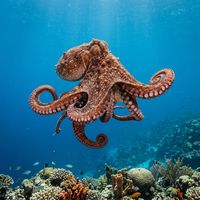
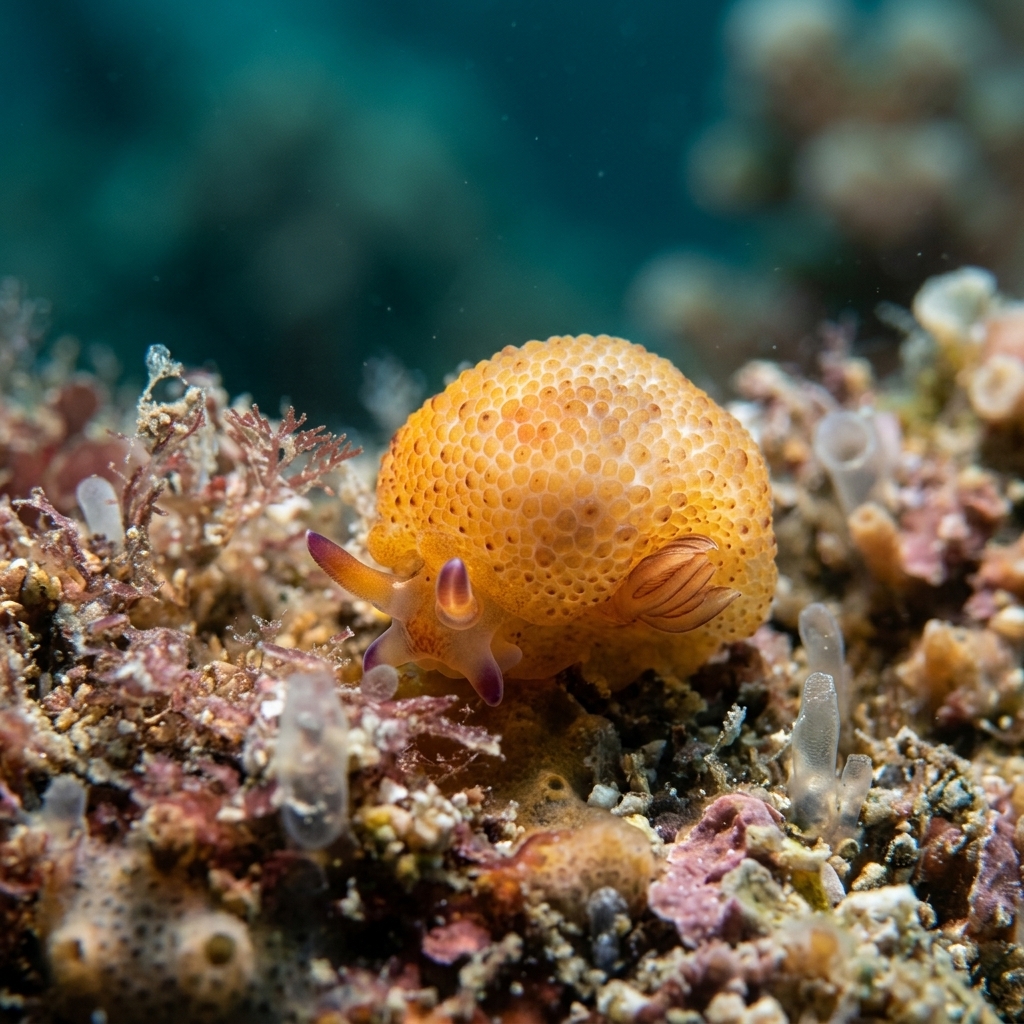
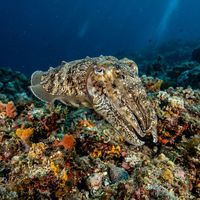
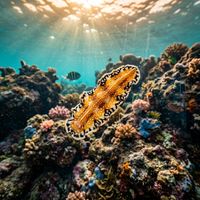
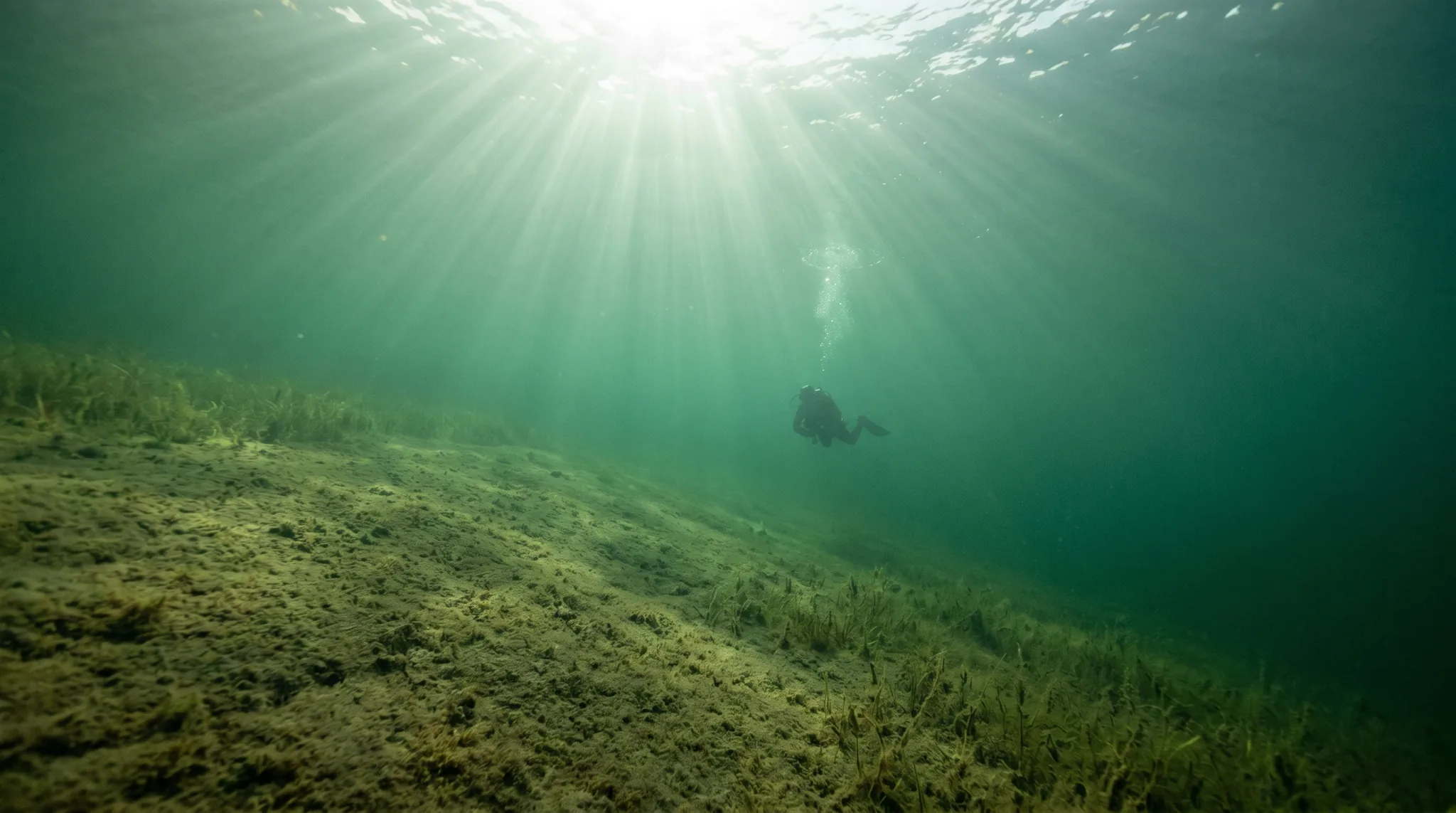
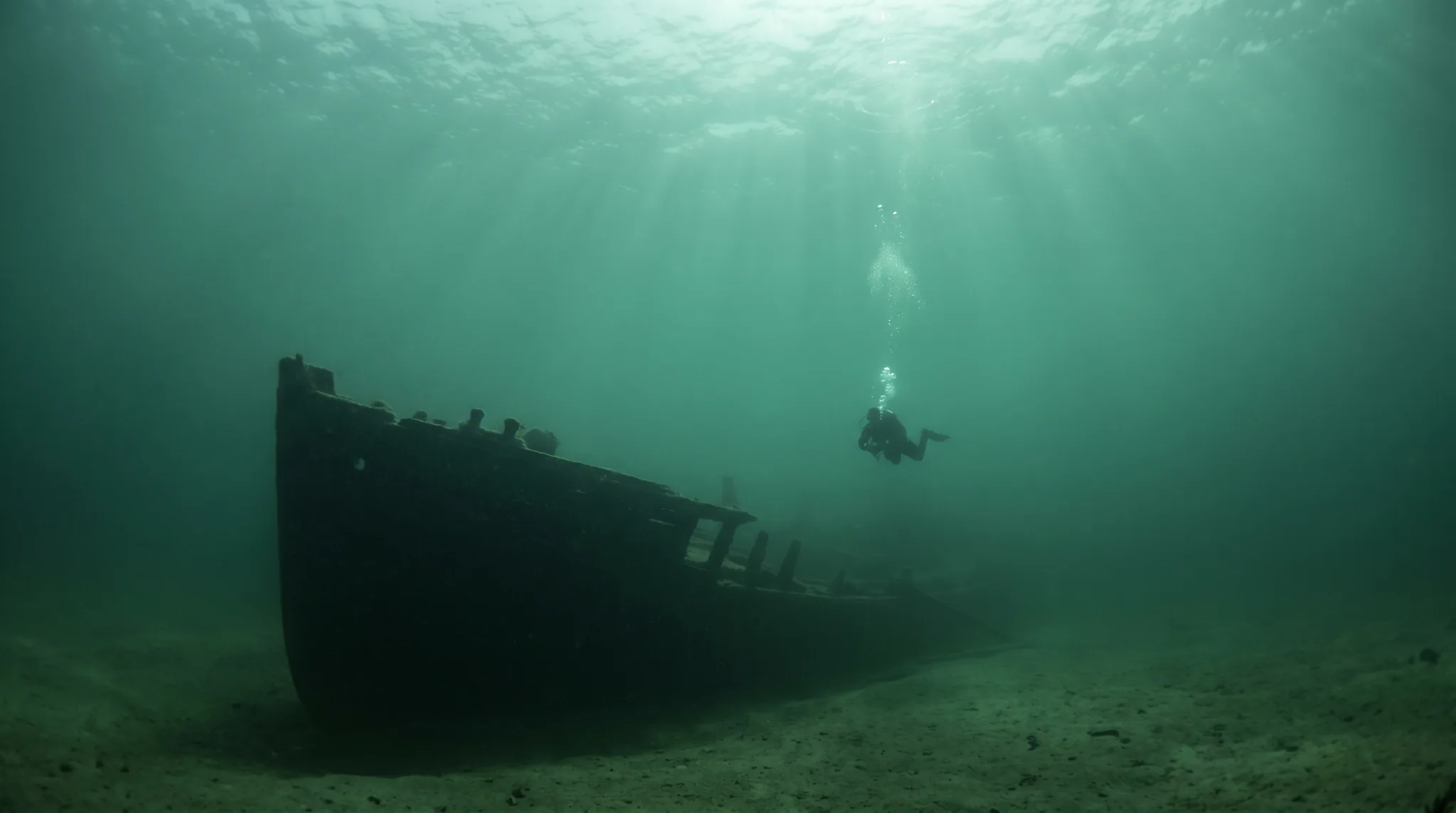
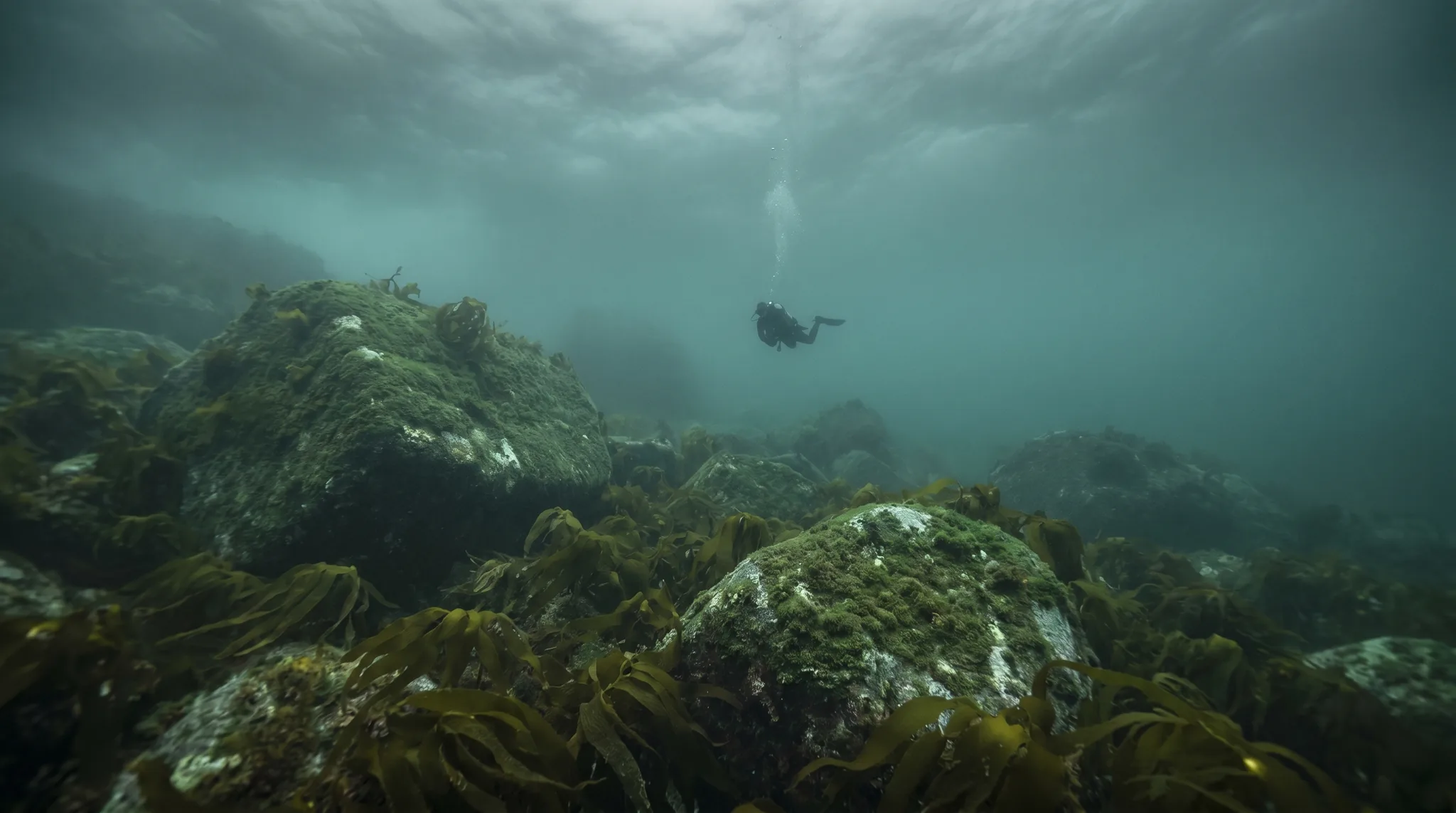
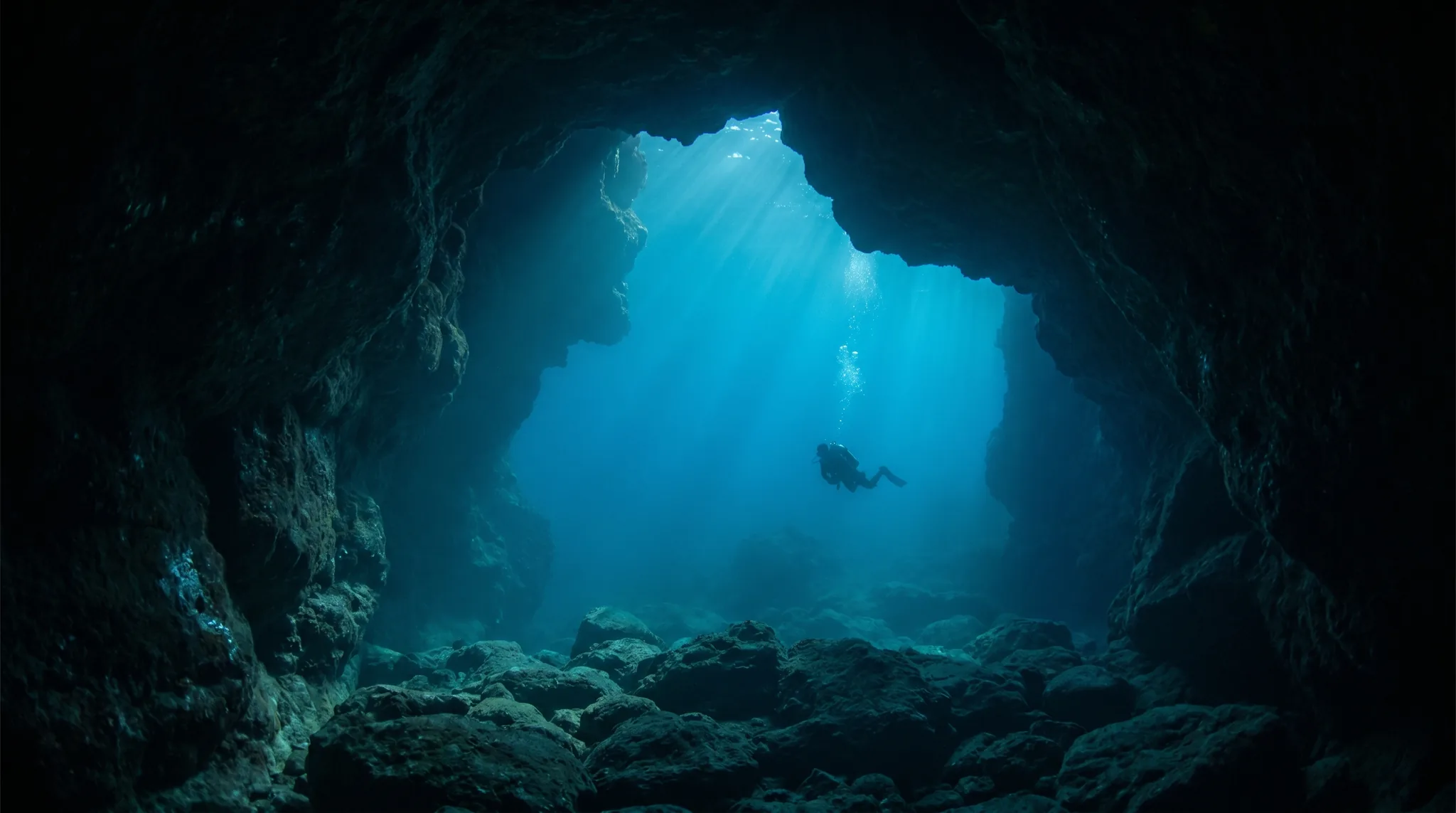
A Coruña offers a varied underwater landscape of reefs, walls, caves and at least one wreck, spread across sites ranging from shallow to deep. Cephalopods define the character here: Common Octopus and European Common Cuttlefish appear across nearly every site. Brittle Star, Hermit Crab and Sea Star carpet the bottom consistently, while Catshark, Tompot Blenny and Sea Hare add vertebrate interest. Most sites require boat access, and conditions lean beginner-friendly, though deeper reef and wall sites reward intermediate and advanced divers.
Monthly water temperature across A Coruña's sites, from satellite sea-surface data corrected for depth. The band shows the site-to-site spread.
Water stays cool throughout the year, warming gradually from late spring into summer and peaking in August before easing off through autumn. Summer and early autumn bring the most settled conditions and the clearest windows for diving. Winter diving is possible but cooler temperatures and reduced activity in the best-months data suggest it suits only committed cold-water divers.
14 operators
A Coruna, Spain
Spain
36 more sites to explore
Water temperature around A Coruña ranges from about 13°C in February to 19°C in August, based on satellite sea-temperature data for its dive sites.
In the warm season (about 19°C) a 5mm suit is comfortable in A Coruña; in the coldest months (about 13°C) step up to a 7mm or semi-dry suit.
Fin maps 48 sites in A Coruña (39 scuba diving sites and 13 snorkelling spots, with some suited to both).
Across A Coruña's dive sites, June, July and August are most often reported as the best months to visit.
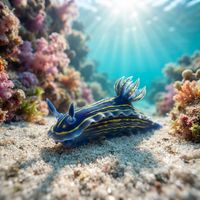
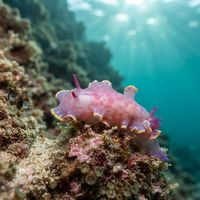
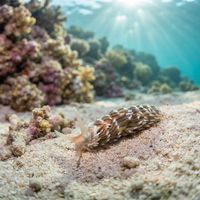
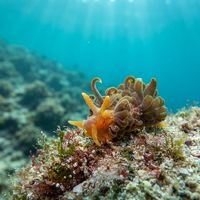
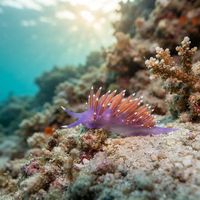
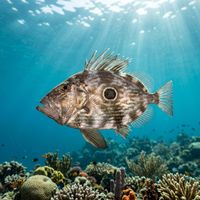
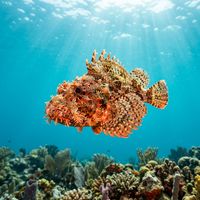
Common Octopus and European Common Cuttlefish are the signature species and appear across nearly every site. Catshark, Tompot Blenny, Sea Hare, Squat Lobster and Conger Eel are all regularly observed. Nudibranch enthusiasts will find Sea Slug, Felimare villafranca and Orange-clubbed Nudibranch among the most frequently logged finds.
A good number of sites are rated beginner level, including shallow reef sites such as As Dovas de Fora and Os Cairos, as well as the wall at Piedra de los Sargos. Many of these have mild currents and manageable depths. Intermediate and advanced divers also have options, particularly at deeper reef and wall sites such as El Gabito and the Pilar Blanco shipwreck.
The majority of sites in A Coruña are boat-access only, and several operators including Mergullo Galicia, Buceo Galicia and Nauga Buceo serve the area. Shore entry is available at a smaller number of sites, such as El Desfiladero, which combines reef and cave topography. Checking with a local operator is the most reliable way to confirm access and conditions for a specific site.
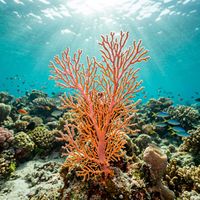
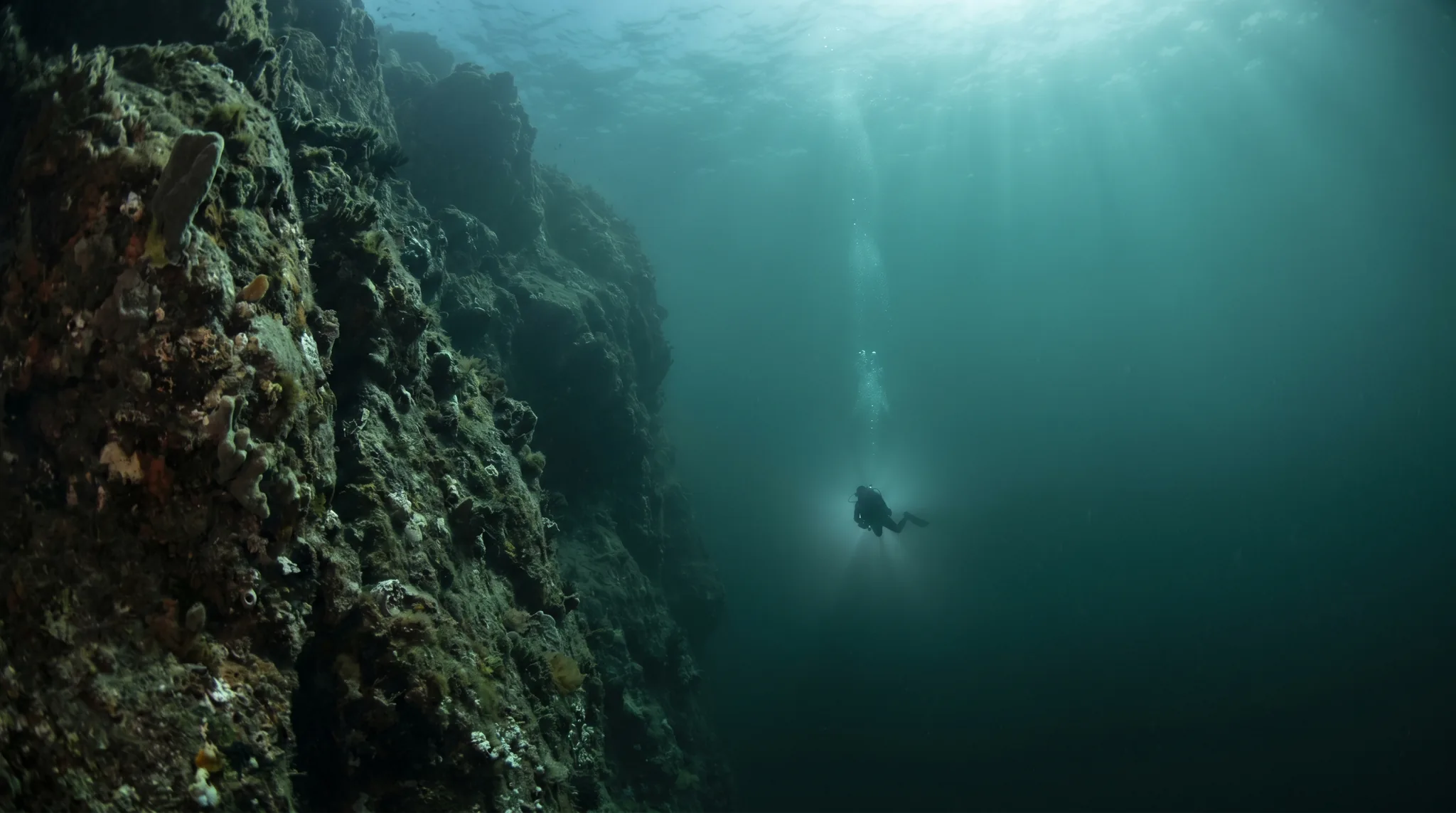
The site mix covers reefs, walls, caves, drop-offs and a wreck. Shallow reefs suit newly certified divers, while deeper walls and the Pilar Blanco shipwreck cater to those with more experience. Several sites combine more than one type of topography, such as Islas Sisargas Sur with its reefs, walls and drop-offs in a single dive.