Phycis phycis
Uncommon crevice-dweller of the Med, most reliably logged in the French Riviera and Catalonia at 13 to 16C. Here's how to spot one.
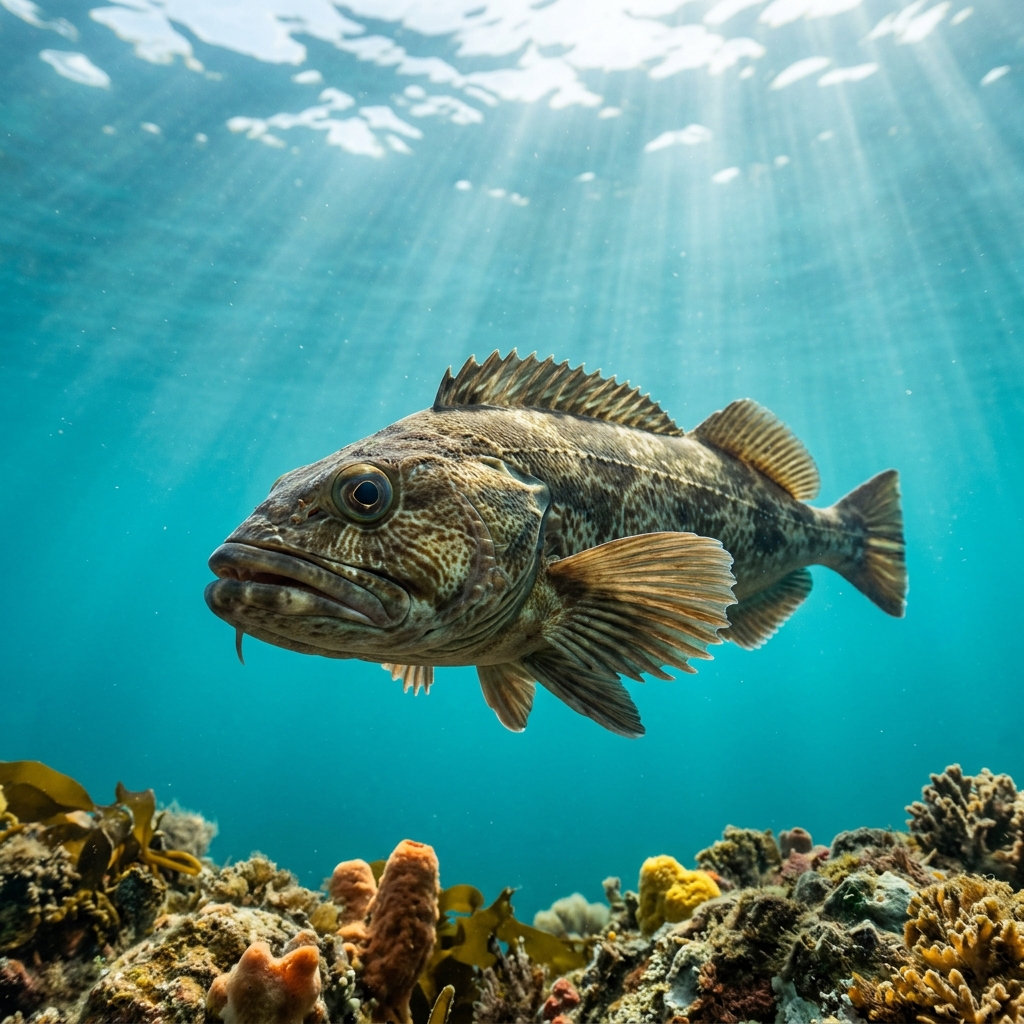
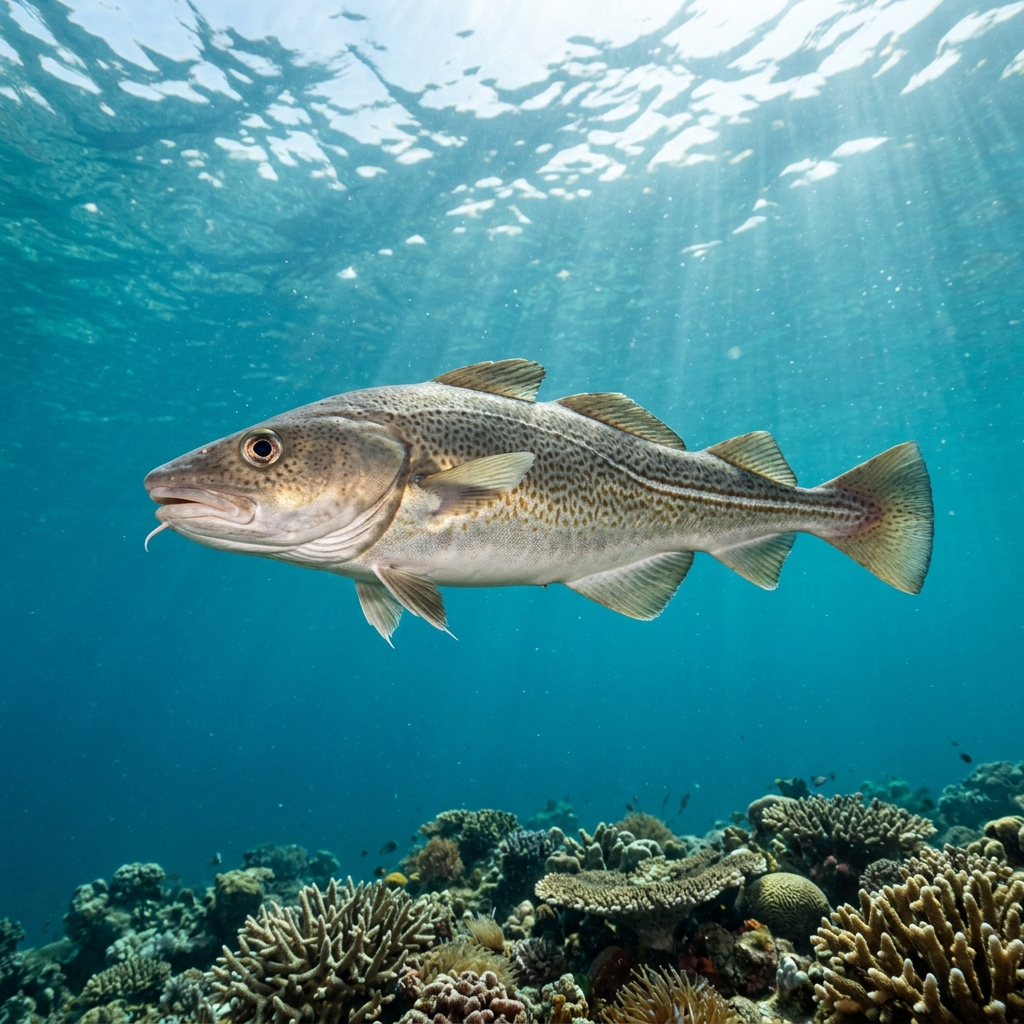
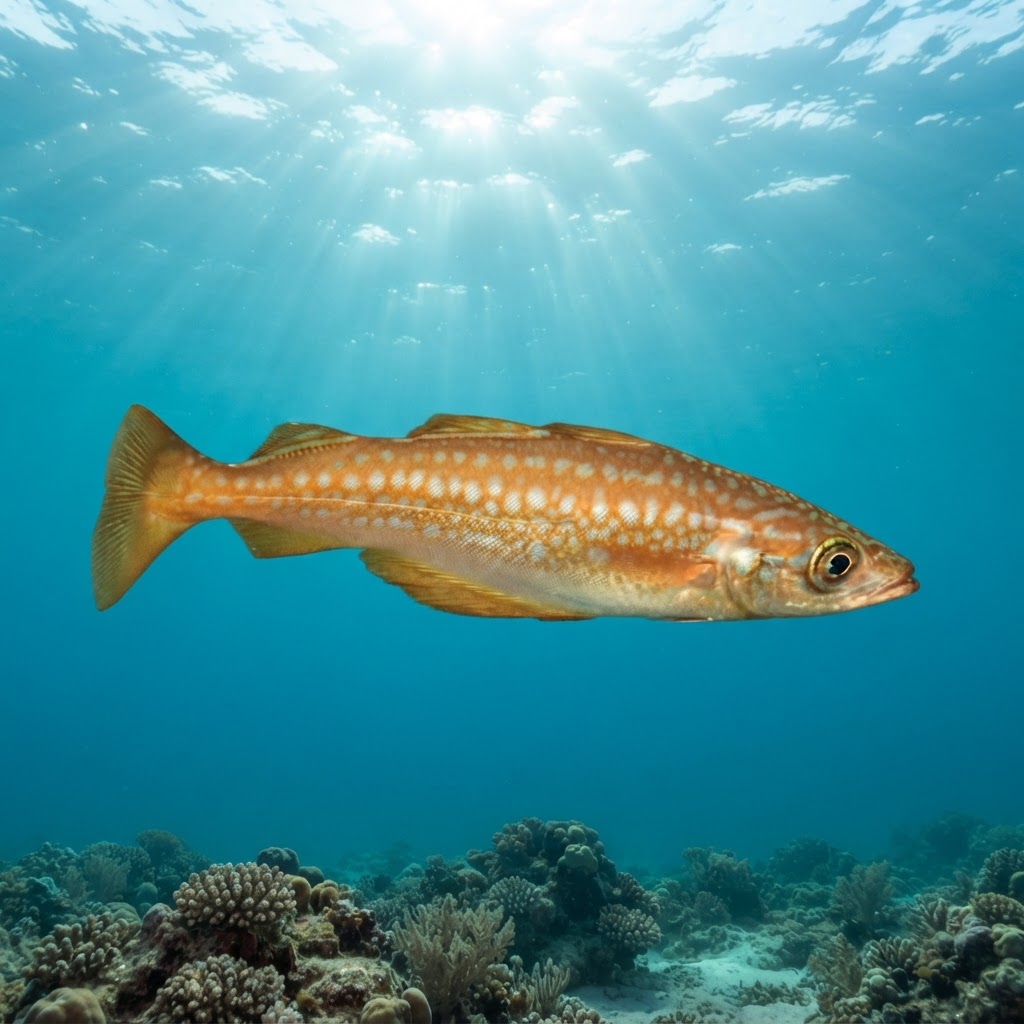
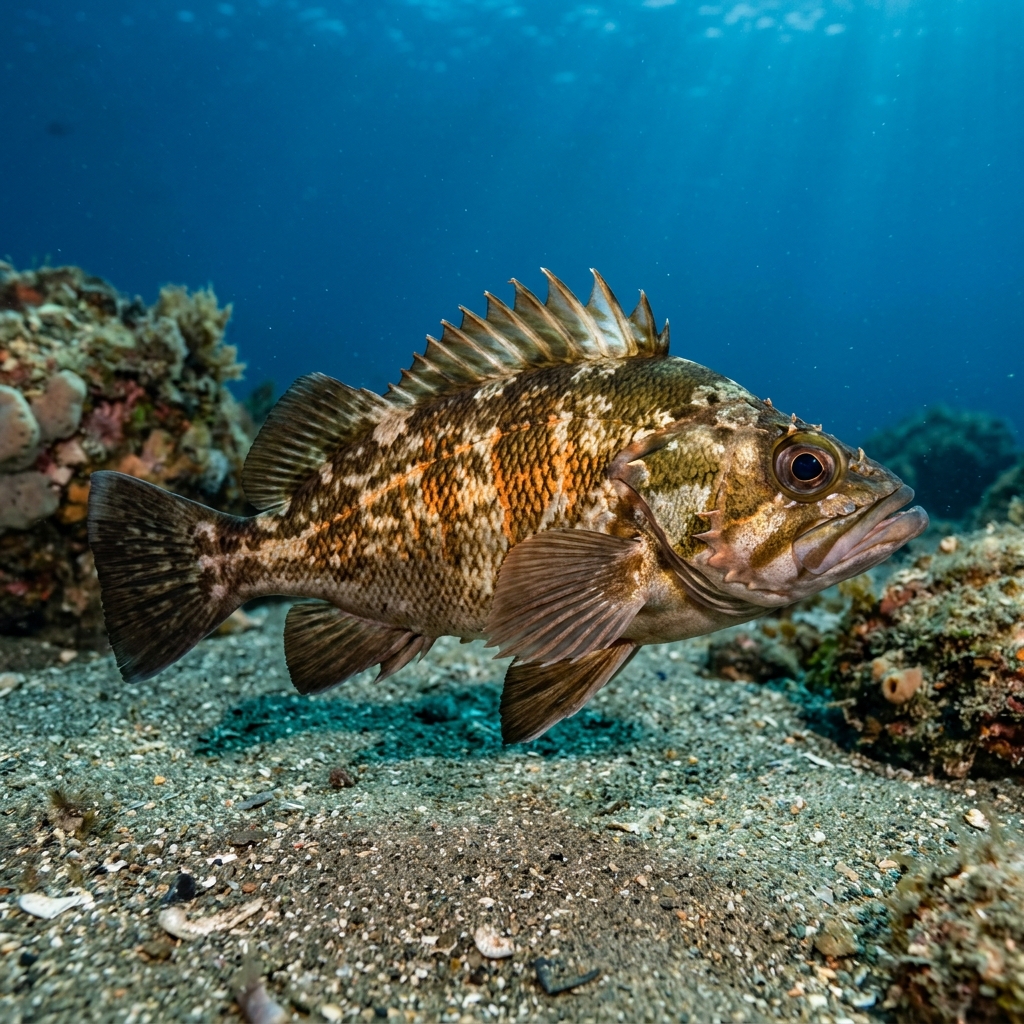
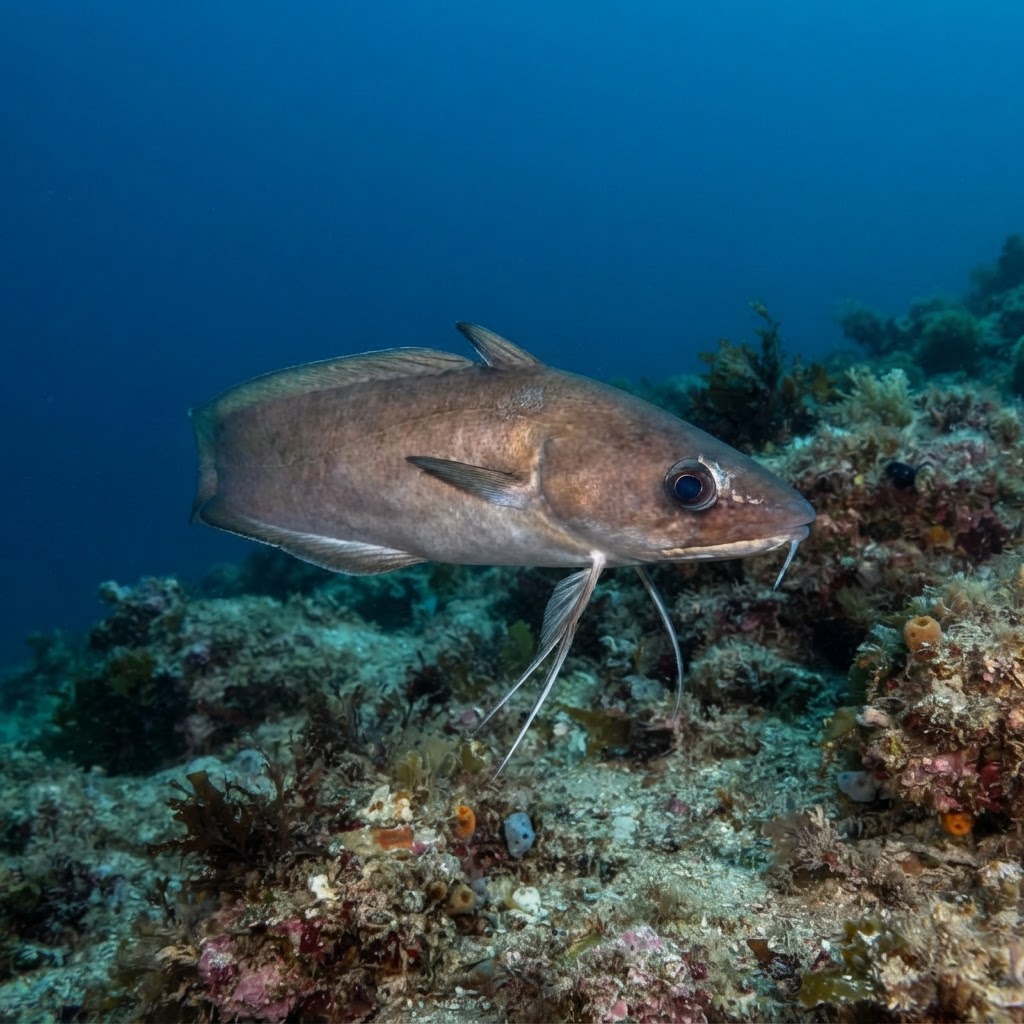
A stocky, brownish-red to grey fish around 45 cm long, usually seen tucked half into a crevice or resting on rubble rather than swimming freely. Look for the single long barbel (a whisker-like feeler) under the chin and the elongated first rays of the pelvic fins, which trail forward like feelers. The body tapers to a rounded tail, and the overall look is heavy-bodied and slightly hunched, not sleek.
Divers most often find it wedged into a crevice, under a ledge or resting against rubble on rocky and mixed seabeds, rarely out in the open water. It tends to hold its ground rather than bolt, letting a slow approach get a decent look before it retreats deeper into cover. Given its depth range extends well past recreational limits, the shallower encounters divers log are likely younger or more exploratory individuals.
That chin barbel and the elongated pelvic-fin rays are feeling organs, letting it detect prey on the seabed in the low light of crevices and deeper rocky ground where vision alone isn't much use.
Sightings show no clear seasonal pattern, so treat it as a year-round find on Mediterranean and nearby Atlantic reefs. Its comfort range of roughly 13.3 to 16.2C matches cooler, deeper rocky ground that stays fairly stable through the year, which likely explains the lack of a strong season in the logs.
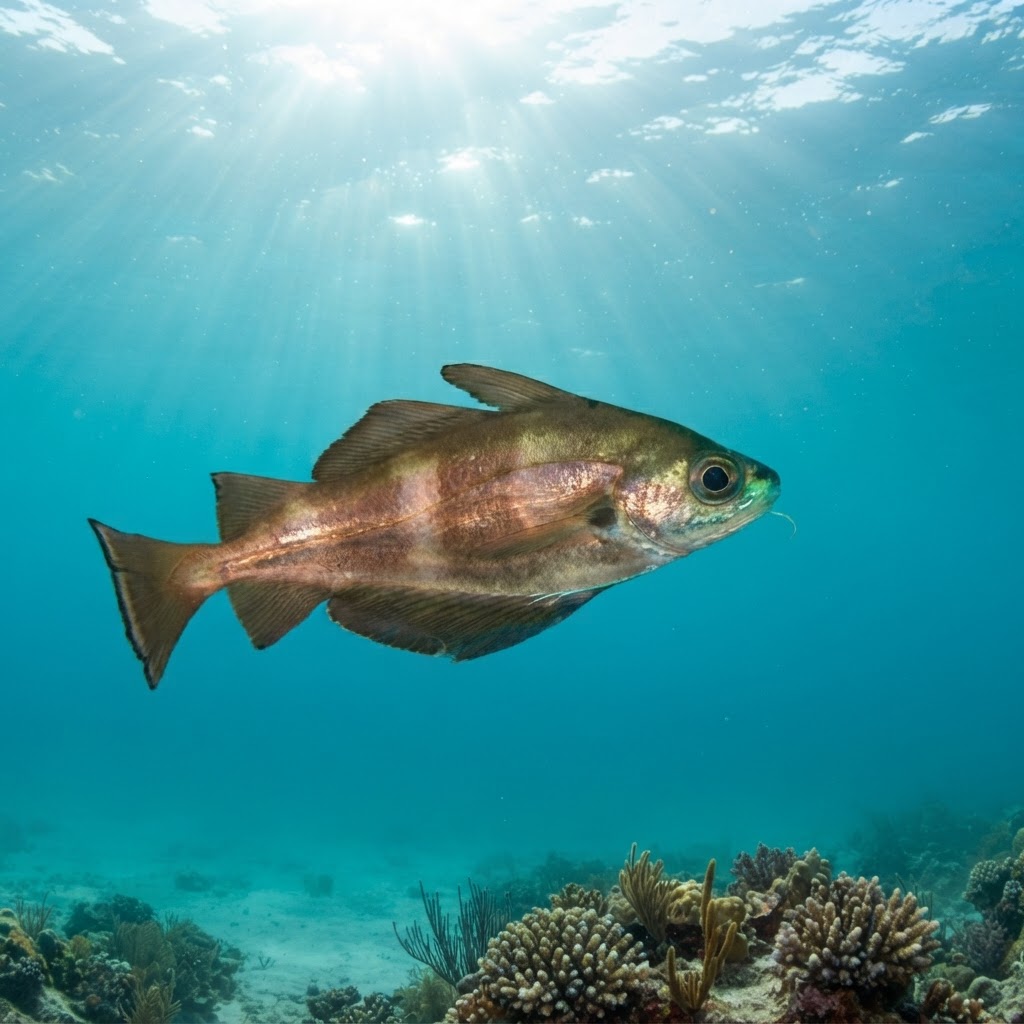
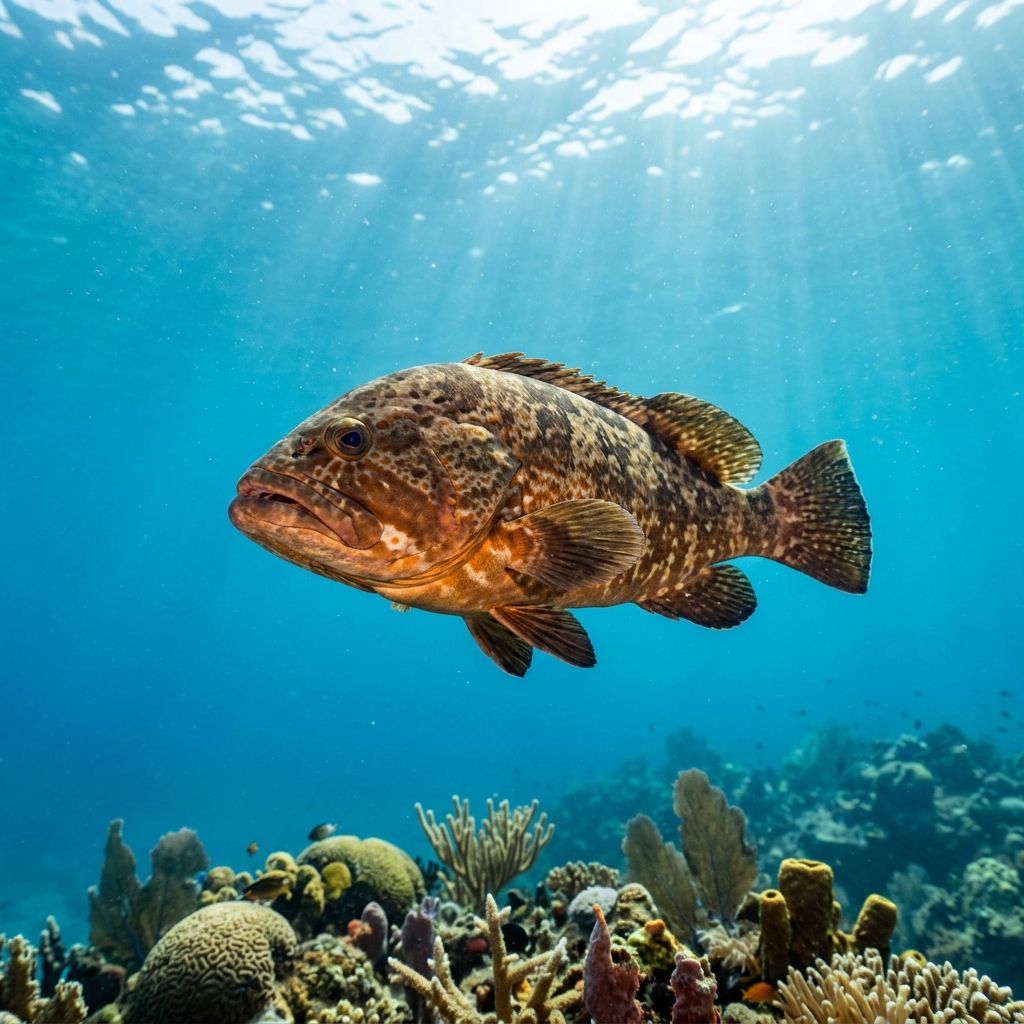
Reef neighbours a diver could mistake it for. Use the identification notes above to tell them apart.
Most reliably logged in France, particularly the French Riviera and Provence, and in Spain across Catalonia, Andalusia and the Balearic Islands. It also turns up with decent consistency in Italy, especially Sardinia, Liguria and Tuscany, and along Portugal's Lisbon Coast and around the Canary Islands.
Mapping where Forkbeard is logged…
It's most commonly logged in France, especially the French Riviera and Provence, and in Spain across Catalonia, Andalusia and the Balearic Islands. Italy (Sardinia, Liguria, Tuscany), Portugal's Lisbon Coast, and the Canary Islands also produce regular sightings.
There's no strong seasonal pattern in the sighting data, so it's considered a year-round species on Mediterranean and nearby Atlantic dive sites. Its narrow, cool temperature niche of roughly 13 to 16C stays fairly steady across the year on the rocky ground it favours.
Look for a stocky, brownish-red fish around 45 cm tucked into a crevice or resting on rubble, with a single barbel under the chin and long, feeler-like pelvic fin rays trailing forward. It rarely swims out in the open, so spotting the shape wedged into rocky cover is the giveaway.
Forkbeard typically reach around 45 cm in length, giving them a solid, heavy-bodied look on the reef rather than a slender profile.
No, Forkbeard pose no danger to divers. They're a shy, crevice-dwelling fish that tends to hold still or retreat further into cover rather than react aggressively.
It carries a long chin barbel and elongated pelvic fin rays that act as feeling organs, letting it locate prey by touch in the dim, low-visibility crevices and deeper rocky habitats it prefers.
Site and sighting data is aggregated from diver logs, iNaturalist and GBIF. For taxonomy and conservation status:
Pouting
236 sites