Symphodus mediterraneus
A small, patchy wrasse turning up on rocky reefs from Catalonia to the French Riviera, most divers rate it an uncommon find in water around 16-21C.
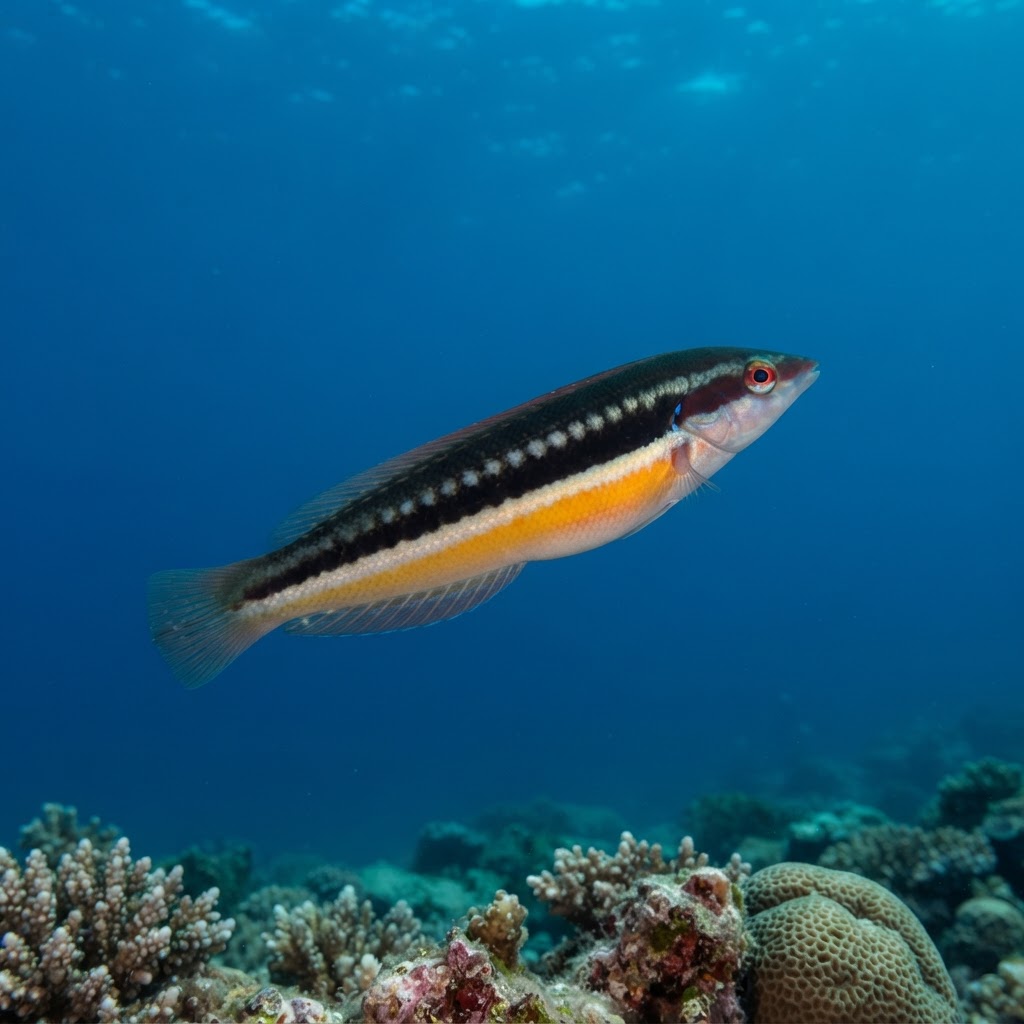
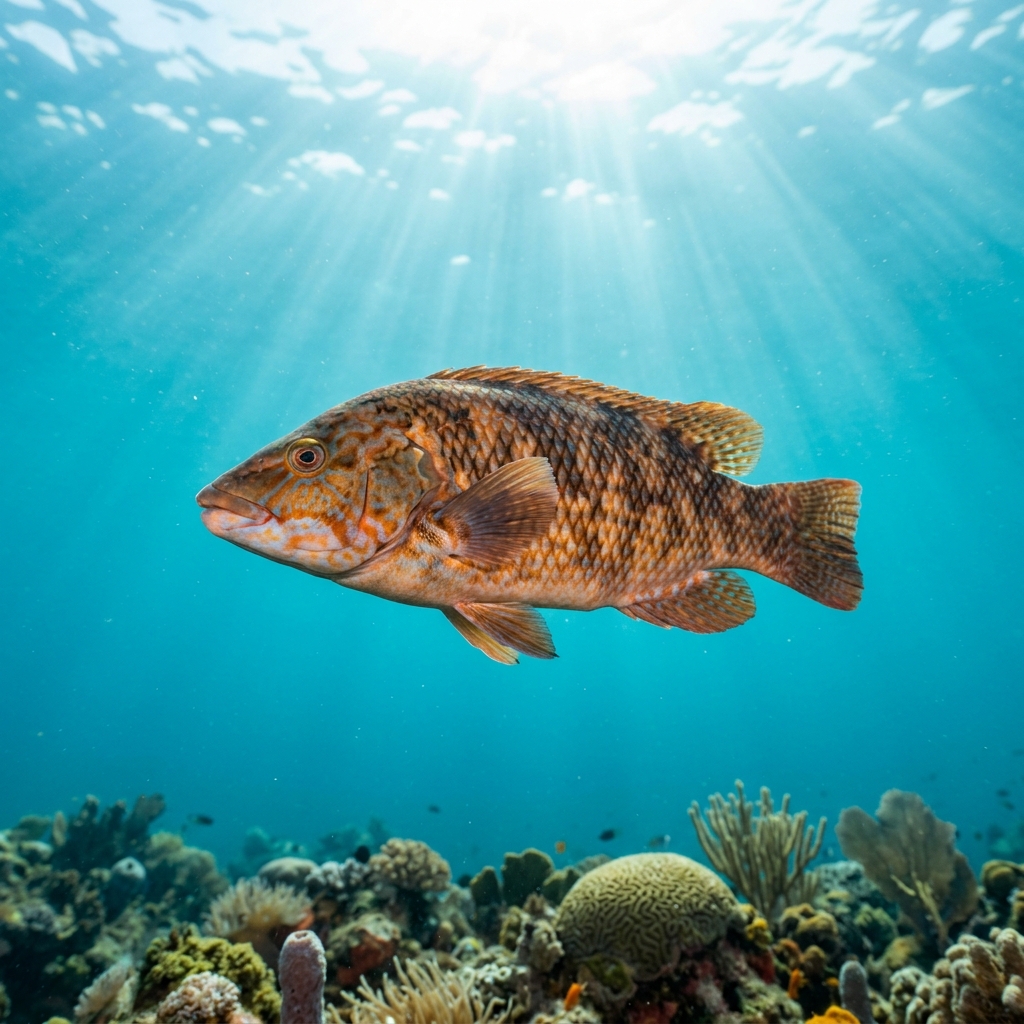
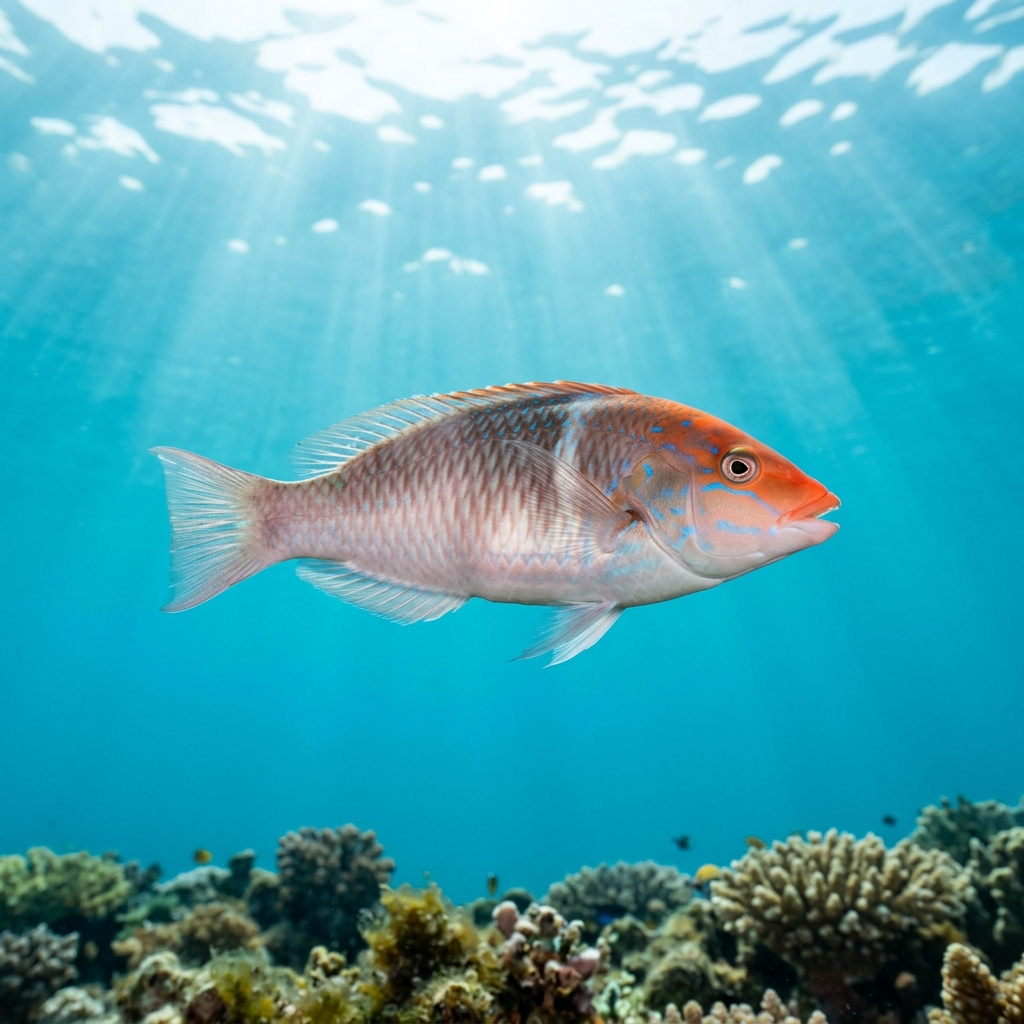
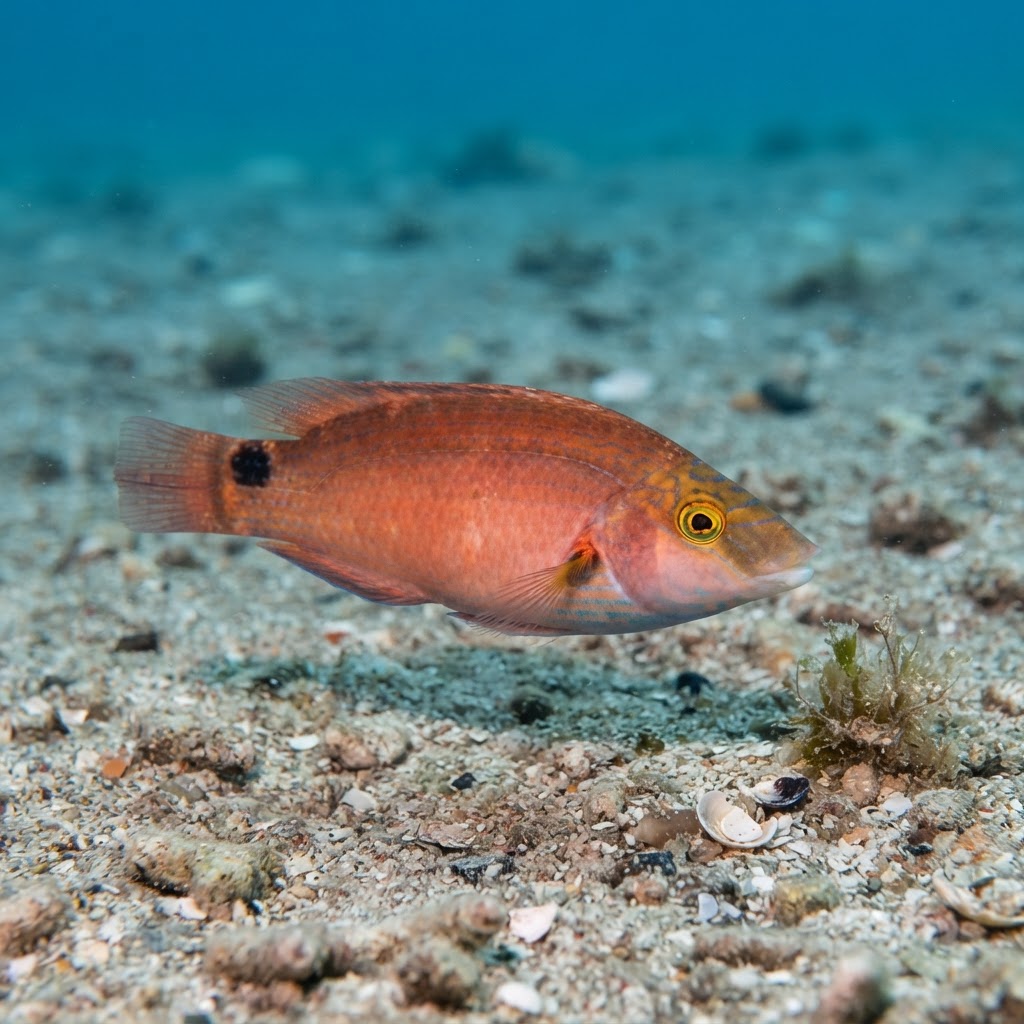
A small, stocky wrasse that tops out around 12 cm, so easy to miss against rock and weed unless you slow down. Look for a mottled brown-to-olive body broken up with patches of orange, yellow and pale blue, and a dark blotch at the base of the pectoral fin (the axillary spot the name refers to). It sits low over rock and rubble rather than swimming in open water, which is often the first tell.
Found picking around rock crevices and weedy ledges rather than out in open water, usually solo or loosely spread across a reef rather than in tight groups. It tends to hold its ground or duck into cover when a diver approaches rather than bolting, which makes for reasonable close looks if you move slowly. Most sightings sit in the shallower half of its depth range, on the same rocky and rubble-strewn terrain divers already work over for other small wrasses.
Like many Symphodus wrasses, it builds and guards a nest of algae on the seabed during breeding, with males taking on defence duties around the nest site rather than just drifting off after spawning.
No clear seasonal pattern shows up in the data, and it's recorded in water from 16.2 to 21C, so it's a fair bet on rocky Mediterranean dives across most of the year rather than a specific-month target.
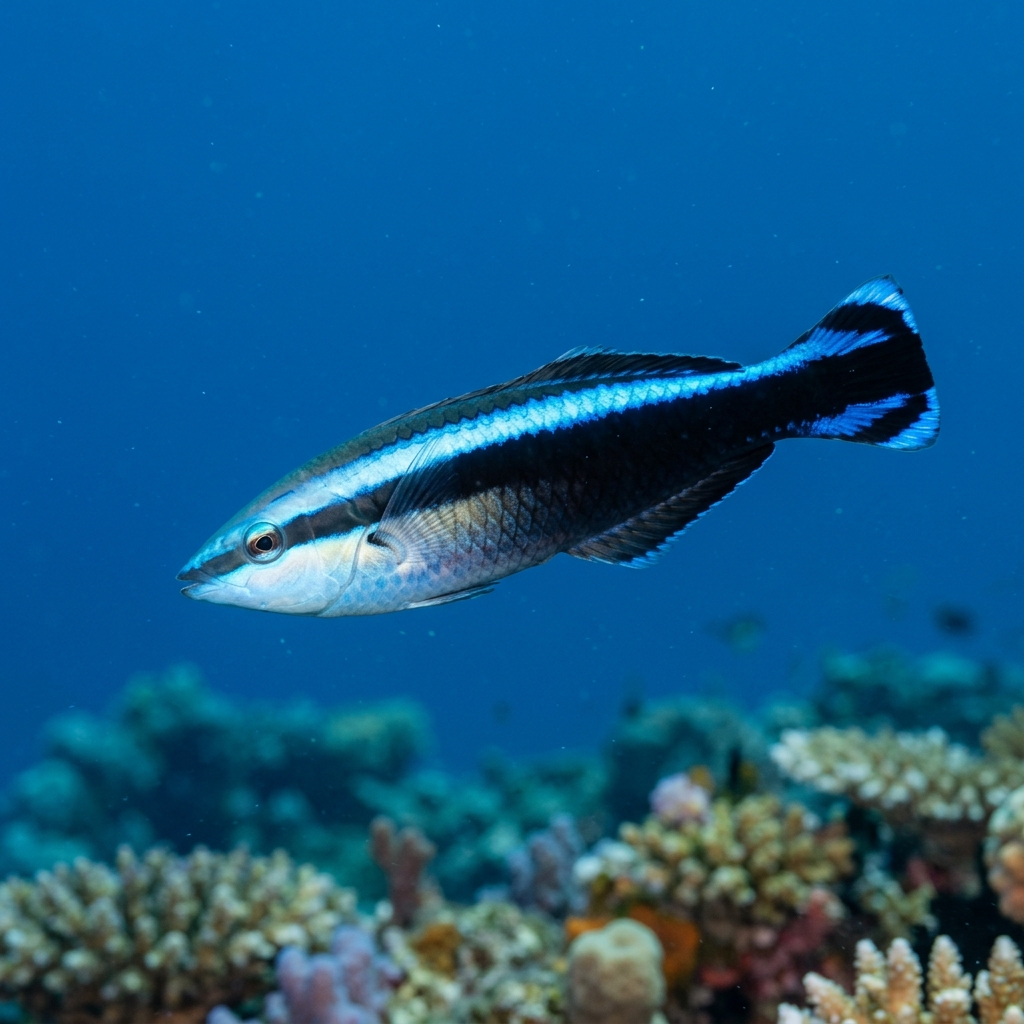
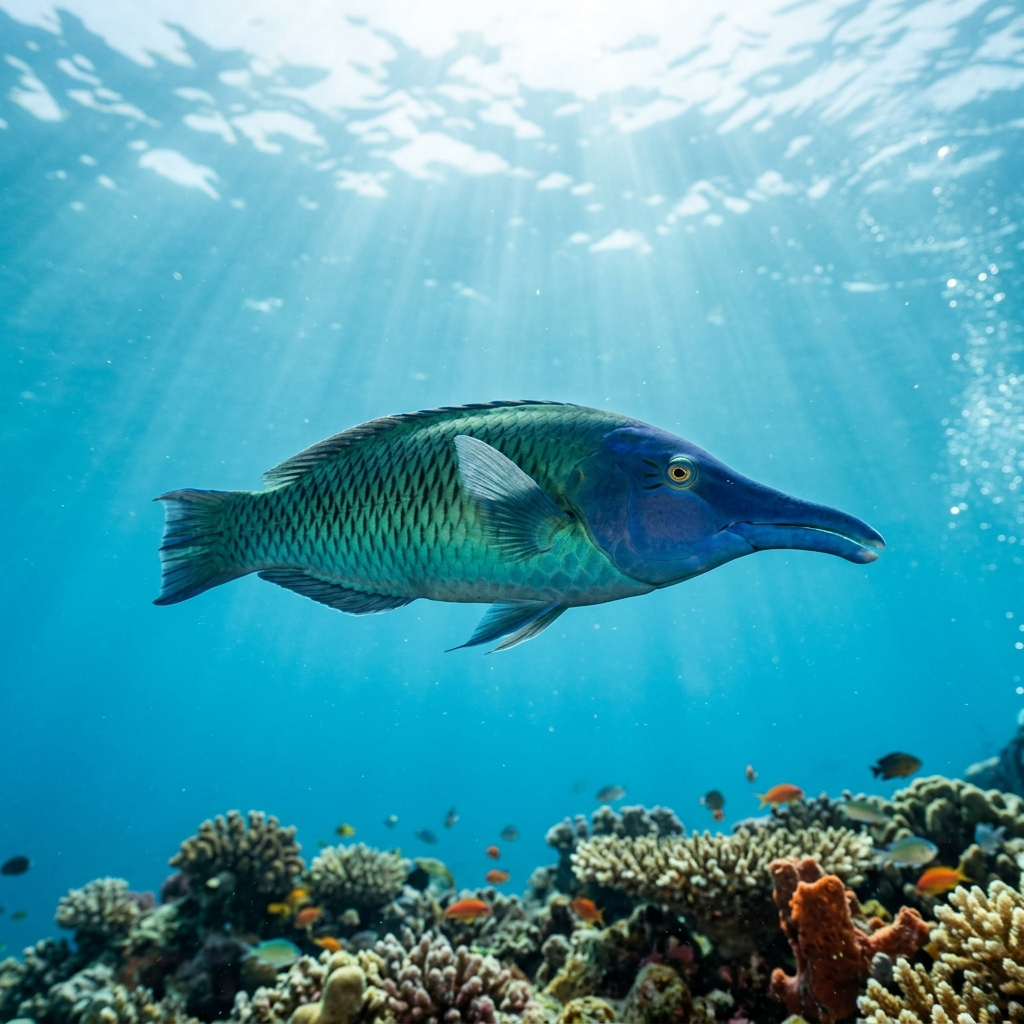
Reef neighbours a diver could mistake it for. Use the identification notes above to tell them apart.
Most consistently logged on rocky Mediterranean reefs in Spain and France, with Catalonia and the French Riviera & Provence region among the strongest spots, and further reliable sightings around Kvarner and Istria in Croatia, Liguria and Tuscany in Italy, and the Balearic and Valencia coasts of Spain. Smaller numbers turn up further afield in Greece, the Azores and the Canary Islands.
Mapping where Axillary Wrasse is logged…
Rocky Mediterranean reefs are the reliable ground, especially Catalonia and the Balearic and Valencia coasts in Spain, the French Riviera & Provence, and Kvarner and Istria in Croatia. It also turns up in Liguria and Tuscany in Italy and in smaller numbers around Greece, the Azores and the Canary Islands.
There's no strong seasonal signal in the sighting data, and it's recorded across a wide temperature range from 16.2 to 21C, so it's reasonably findable on rocky Mediterranean reefs through most of the diving season.
Look for a small wrasse, around 12 cm, with a mottled brown and olive body patched with orange and pale blue, sitting low over rock rather than swimming in the open. The dark mark at the base of the pectoral fin is the key giveaway feature.
They're small, typically reaching around 12 cm, and stay closer to reef and rubble surfaces rather than growing into anything you'd notice from a distance.
No, they're harmless to divers and pose no threat. They're more likely to duck into a crevice than react defensively when approached.
Site and sighting data is aggregated from diver logs, iNaturalist and GBIF. For taxonomy and conservation status:
Bird Wrasses
3,632 sites