Gobius xanthocephalus
Small, sand-loving goby found across Catalonia and the French Riviera in 15.5-21C water, spotted year-round on rock and sand patches.
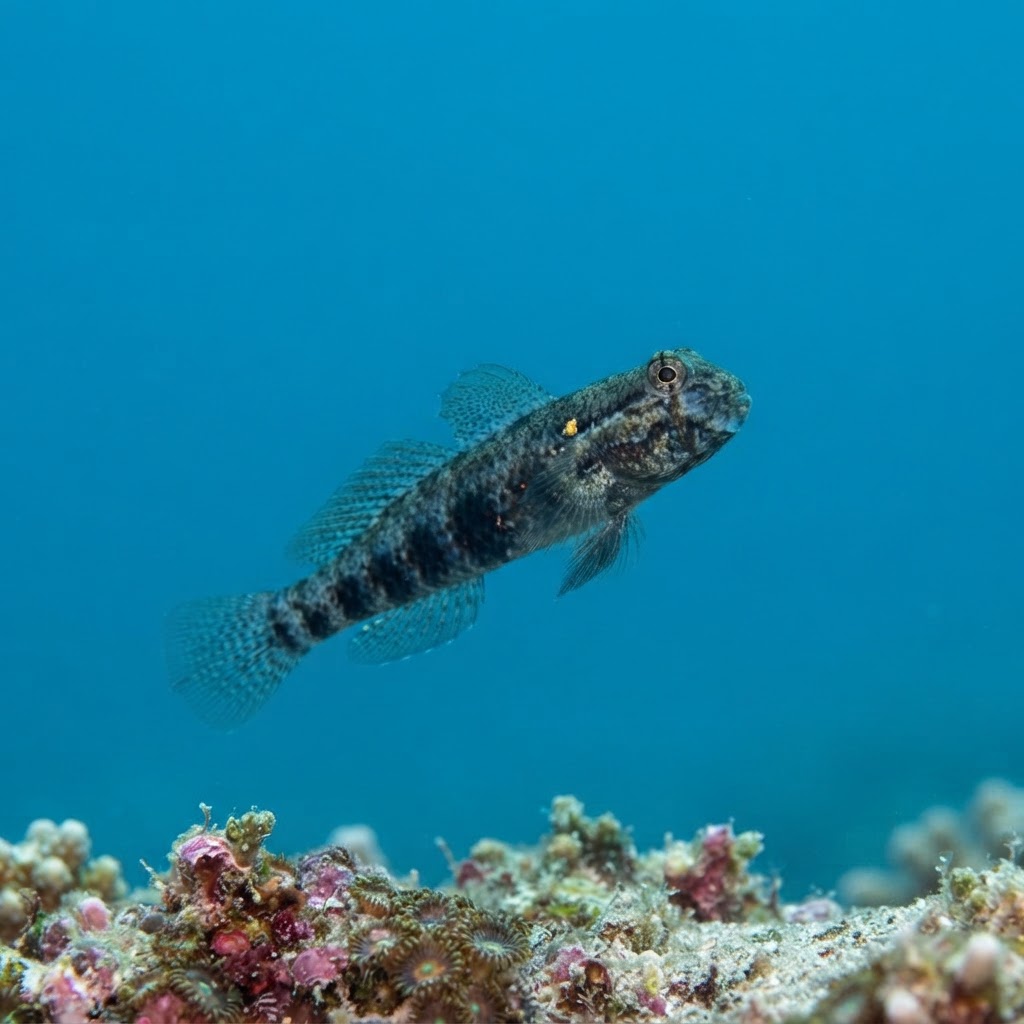
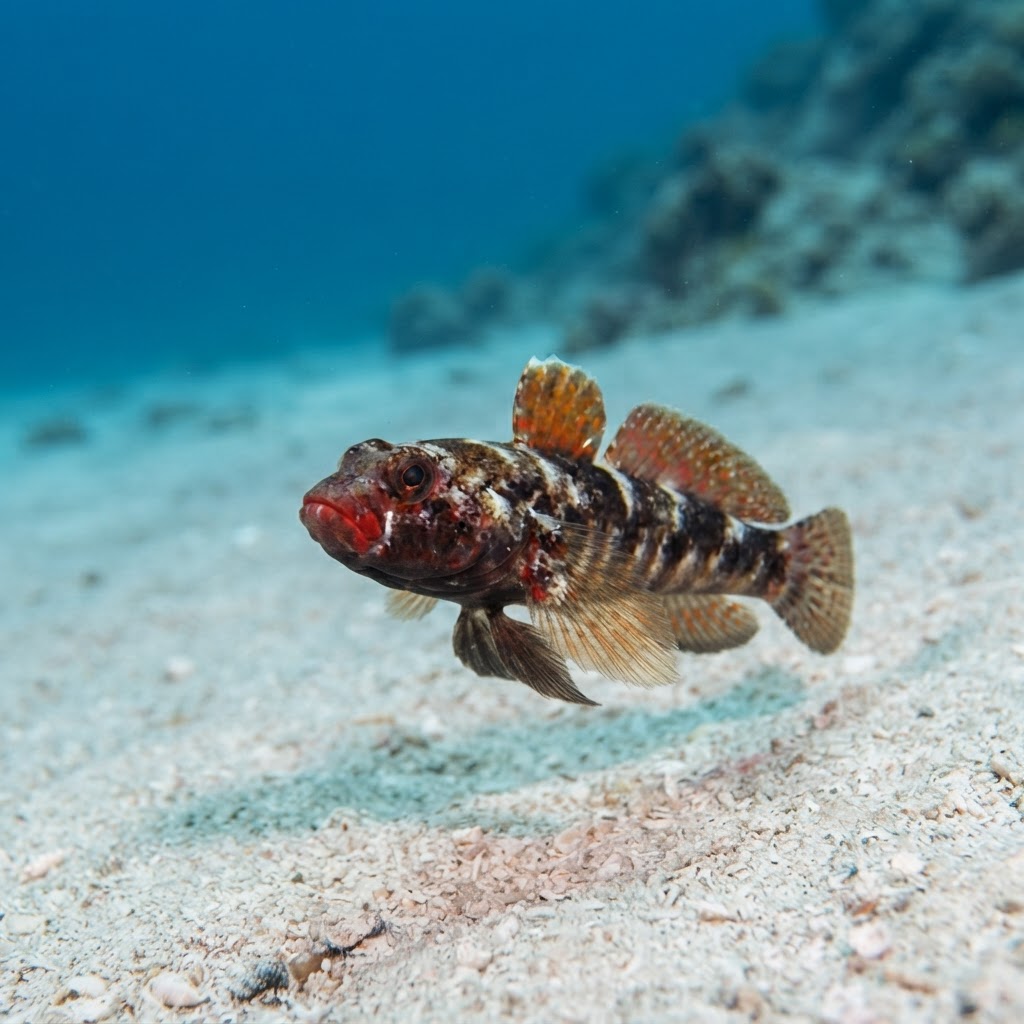
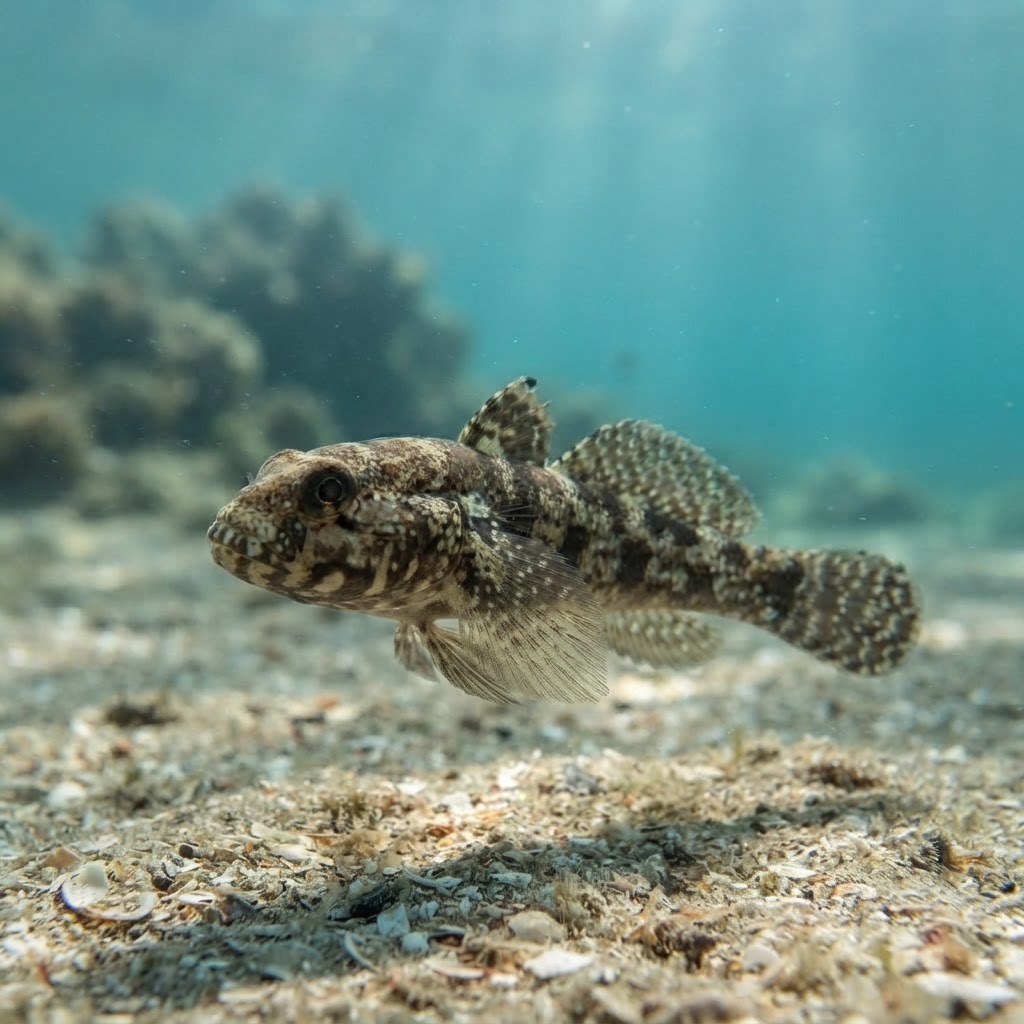
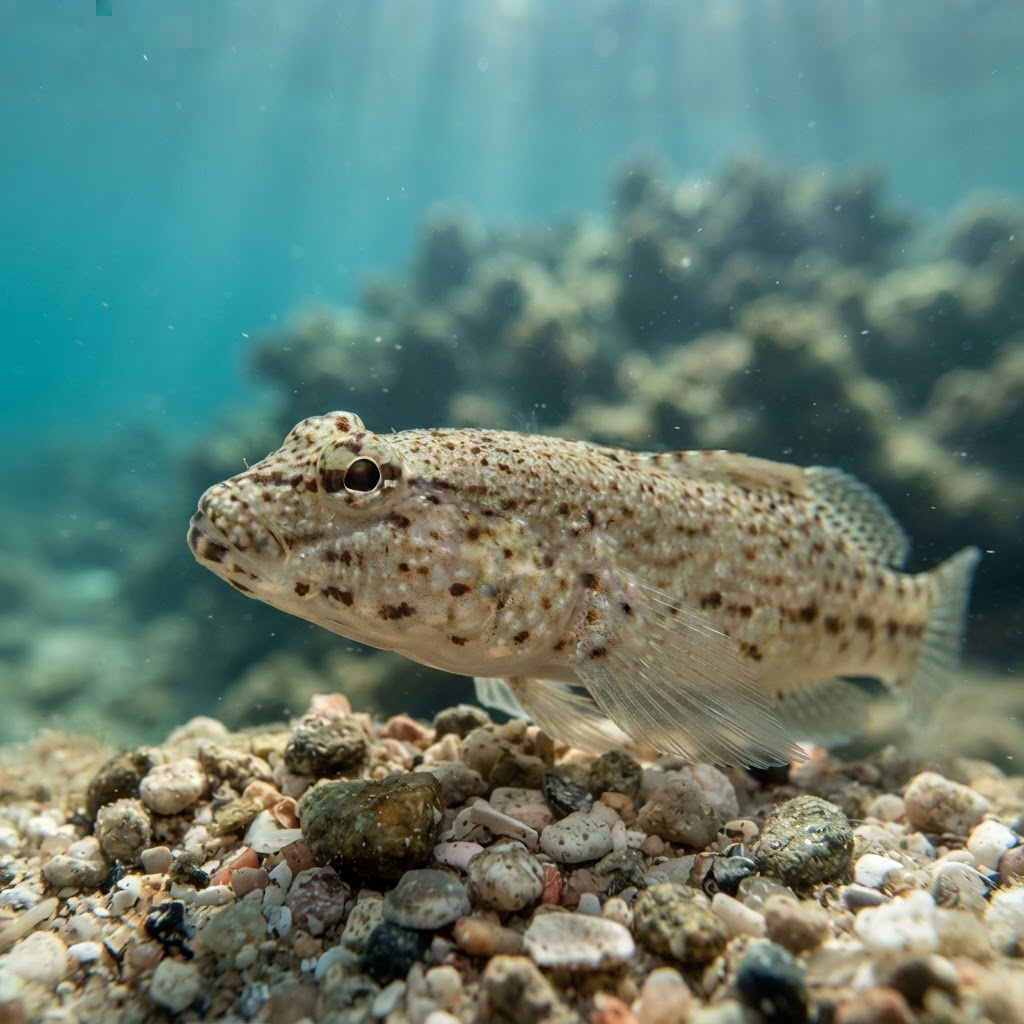
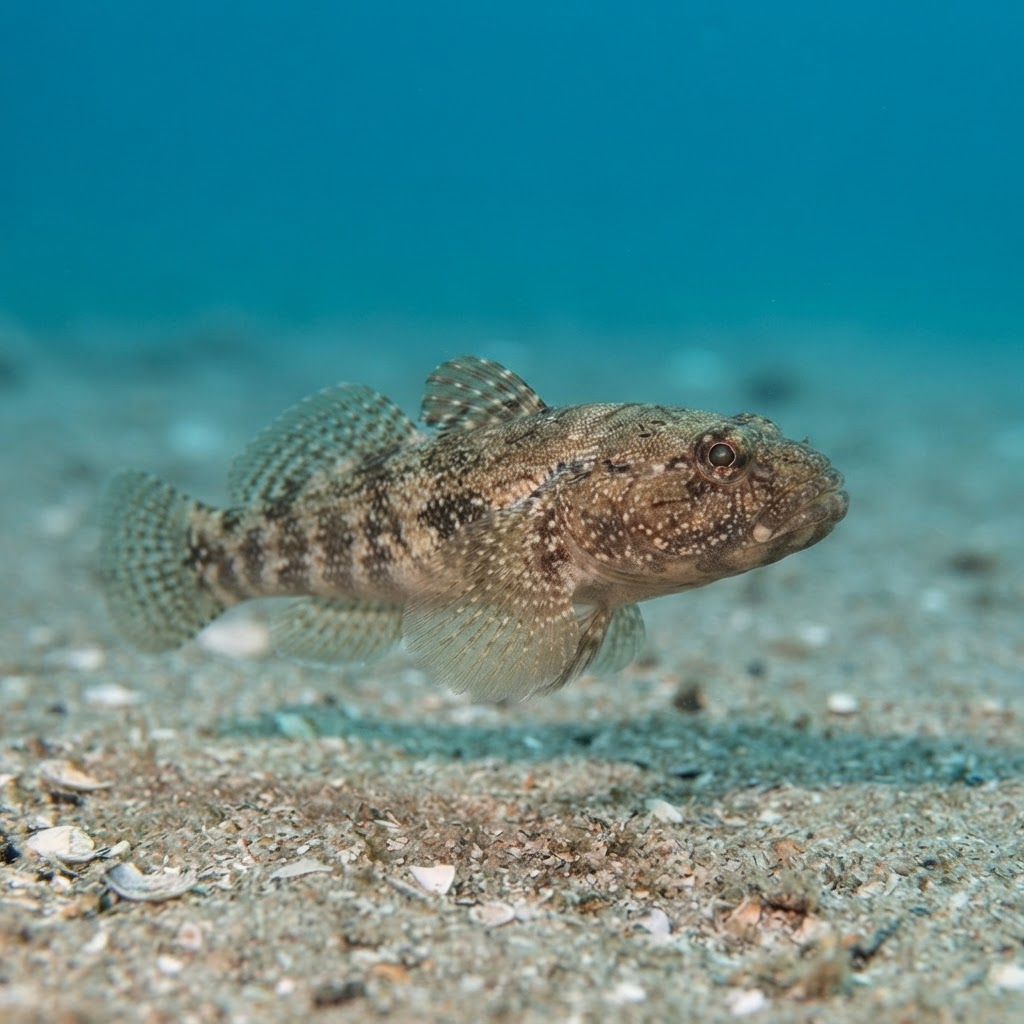
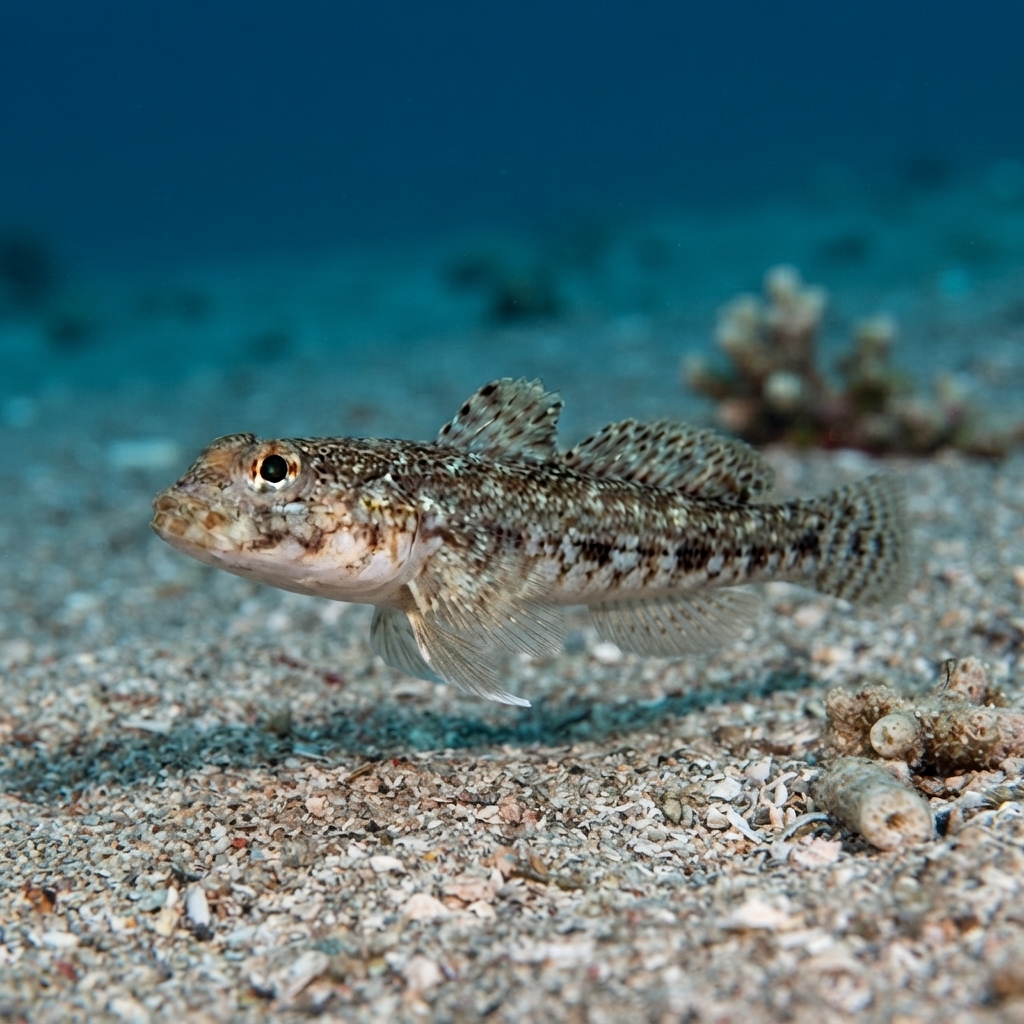
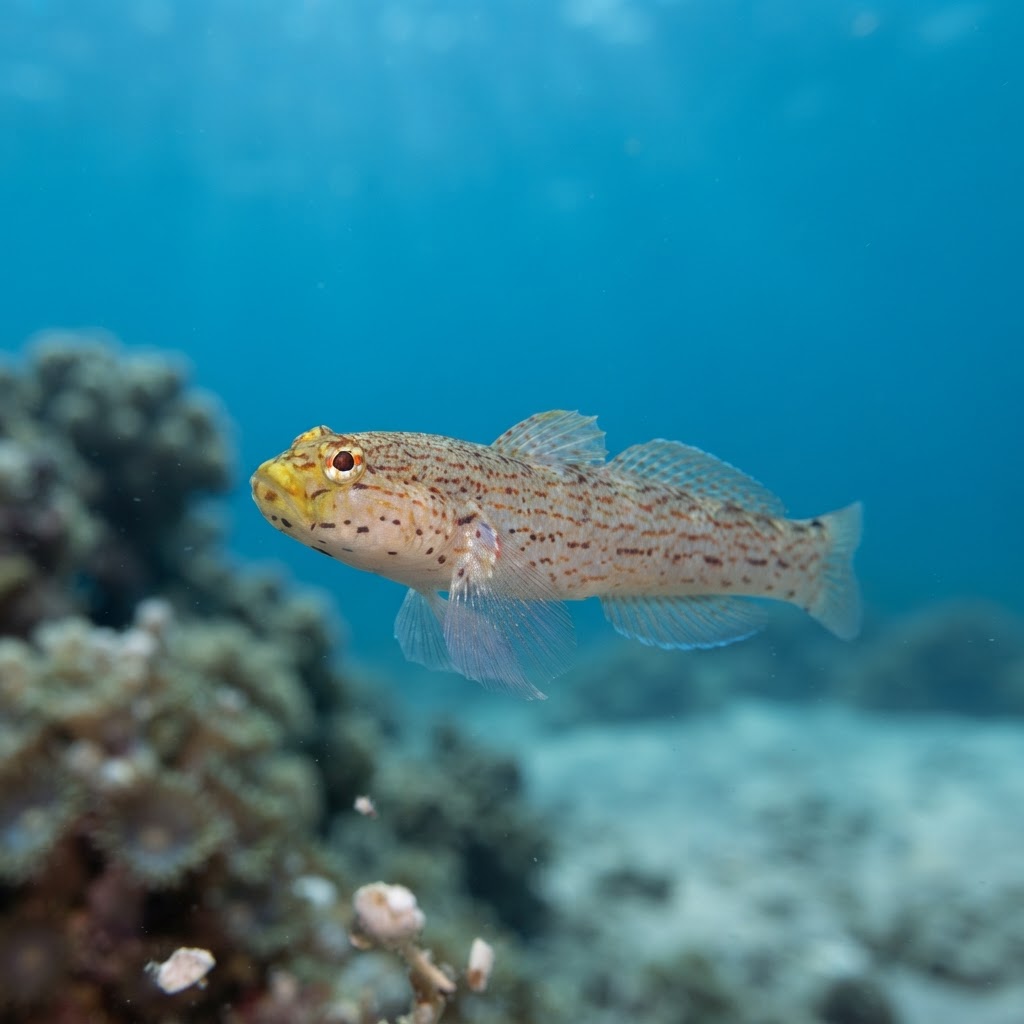
A tiny, slender goby around 7 cm long, best identified by its pale yellowish head contrasting with a more grey-brown body. It perches directly on sand or rubble rather than swimming freely, propped on its pelvic fins in typical goby fashion. Look closely at eye level rather than scanning the water column, since its size and colouring blend it into the substrate at a distance.
Expect to find it sitting still on sand, rubble or low rocky ledges rather than out in open water, usually within reach of some shelter to dart into. It tends to hold its ground at close range rather than bolting the moment a diver approaches, which makes it a good subject for a slow, patient look with a torch or macro lens. Most logs describe it as an uncommon find, so it rewards divers who search sandy patches near rock rather than just cruising past.
Like other small demersal gobies, it likely lacks a swim bladder and relies on resting directly on the seabed rather than hovering, which is why you find it perched rather than drifting.
No clear seasonal pattern shows in the sighting data, and its temperature niche of 15.5 to 21C spans much of the Mediterranean and Atlantic diving calendar, so it is worth looking for on any dive within its range rather than a specific month.
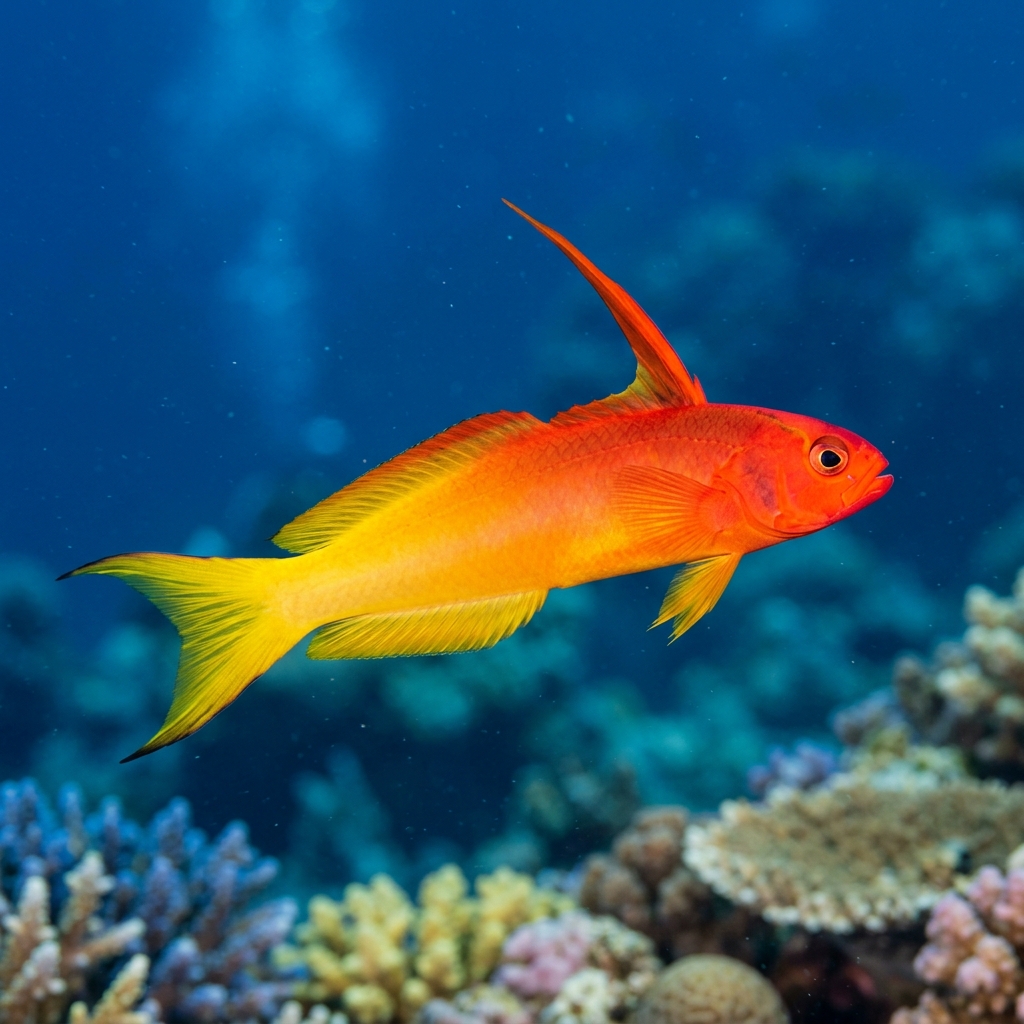
Reef neighbours a diver could mistake it for. Use the identification notes above to tell them apart.
This is a Mediterranean and eastern Atlantic species, most reliably logged in Catalonia, Spain and along the French Riviera and Provence coast, with strong showings too around the Lisbon Coast in Portugal. Divers also record it steadily in Occitanie, the Cantabrian Coast, Gran Canaria, the Bay of Biscay and Galicia, so it turns up across a wide stretch of Spanish, French, Portuguese and Canary Island coastline.
Mapping where Yellow-headed Goby is logged…
It is most commonly logged in Catalonia, Spain, along the French Riviera and Provence, and around the Lisbon Coast in Portugal, with further sightings in Occitanie, the Cantabrian Coast, Gran Canaria and Galicia. It spans Spanish, French, Portuguese and Canary Island waters rather than being tied to one single site.
There is no strong seasonal signal in the sighting data, and its comfort range of 15.5 to 21C covers a large part of the year in the Mediterranean and eastern Atlantic, so it can turn up on dives across most of the calendar.
Look for a small goby, around 7 cm, resting on sand or rubble near rock, with a pale yellowish head set against a duller body. It sits propped on its fins rather than swimming in open water, so slow, close-range searching along the substrate is the way to spot it.
They stay small, reaching around 7 cm in length, which puts them firmly in macro-photography territory rather than something you will spot from a distance.
No, they pose no danger to divers. They are small, sedentary bottom-dwellers with no venom or aggressive behaviour, and simply hold still or retreat into shelter when approached.
Site and sighting data is aggregated from diver logs, iNaturalist and GBIF. For taxonomy and conservation status:
Slender Goby
806 sites