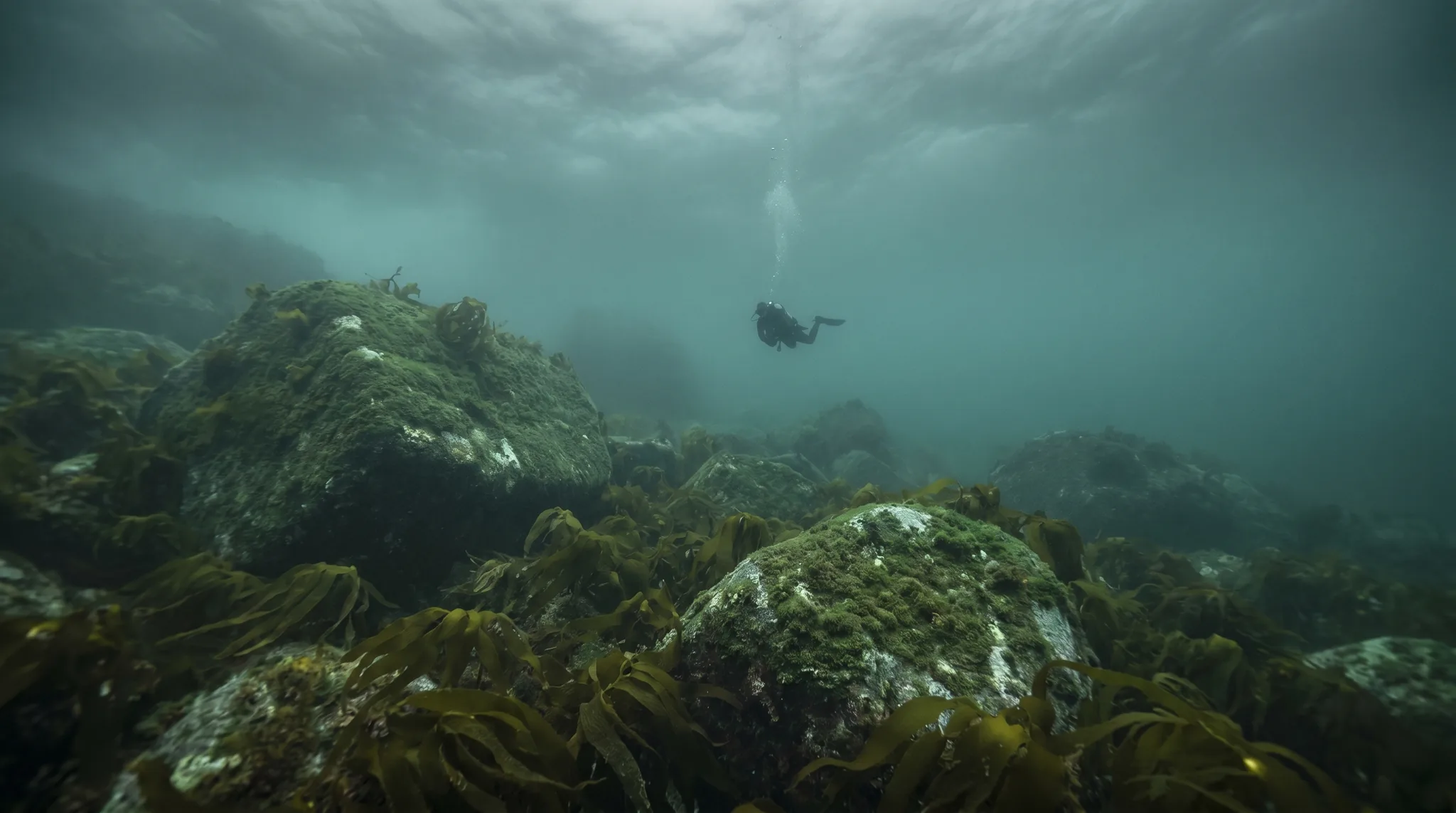
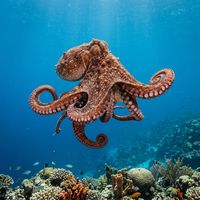
Barcelona's dive and snorkel sites span shallow artificial reefs, seagrass beds, walls, and a handful of wrecks. The Two-banded Seabream, White Seabream, and Tompot Blenny are reliably seen across sites, while the European Common Cuttlefish and Common Octopus are signature finds. Most sites suit beginners, with a spread of shore and boat entries. Water temperatures climb through summer, making the warmer months the most comfortable for both activities.
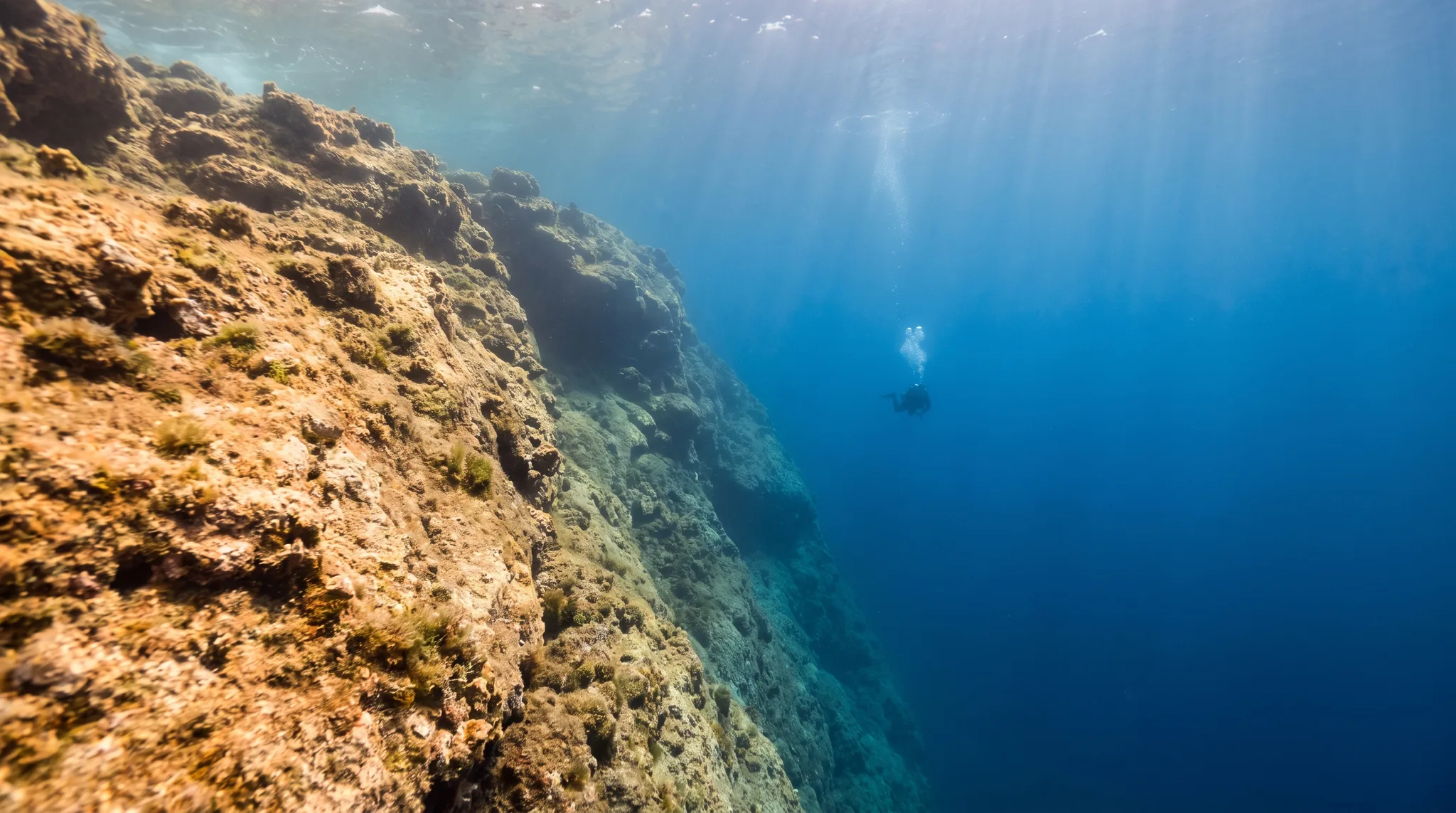
Monthly water temperature across Barcelona's sites, from satellite sea-surface data corrected for depth. The band shows the site-to-site spread.
Water temperatures are at their coolest in winter and early spring, then rise steadily from May onward, peaking in late summer before dropping back through autumn. The warmest and most popular diving window runs from late spring through October. Most sites experience mild currents, though exposed boat sites can feel more dynamic.
17 operators
10 more sites to explore
Water temperature around Barcelona ranges from about 14°C in January to 27°C in August, based on satellite sea-temperature data for its dive sites.
In the warm season (about 27°C) a rash guard or 3mm shorty is comfortable in Barcelona; in the coldest months (about 14°C) step up to a 7mm or semi-dry suit.
Fin maps 22 sites in Barcelona (18 scuba diving sites and 8 snorkelling spots, with some suited to both).
Across Barcelona's dive sites, May, June, July, August, September and October are most often reported as the best months to visit.
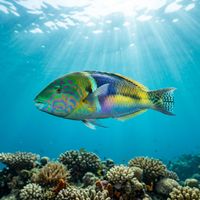
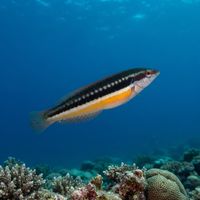
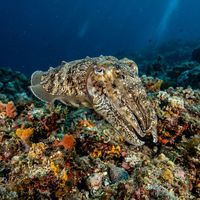
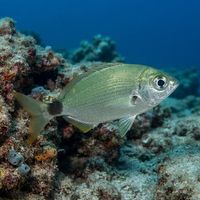
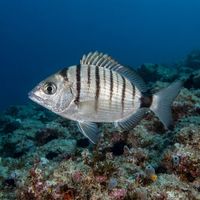
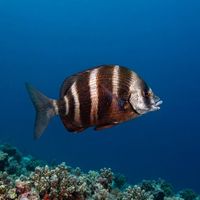
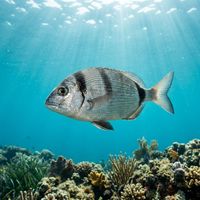
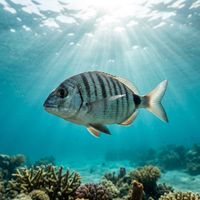
The most consistently observed species are the Two-banded Seabream, White Seabream, Tompot Blenny, and Turkish Wrasse, all of which appear across the majority of sites. The European Common Cuttlefish and Common Octopus are signature species worth looking out for. Less frequent but recorded sightings include the Lesser Spotted Dogfish, Great Barracuda, and the Cratena Slug.
The majority of sites are rated beginner level, including shore-entry options such as Espigon Wela A and Pecio La Dragonera, as well as shallow boat dives like Vapor del Miracle. A smaller number of sites, such as Els Arbrets and El Biotop, are rated intermediate and are better suited to divers with more experience. Currents across the region are generally mild.
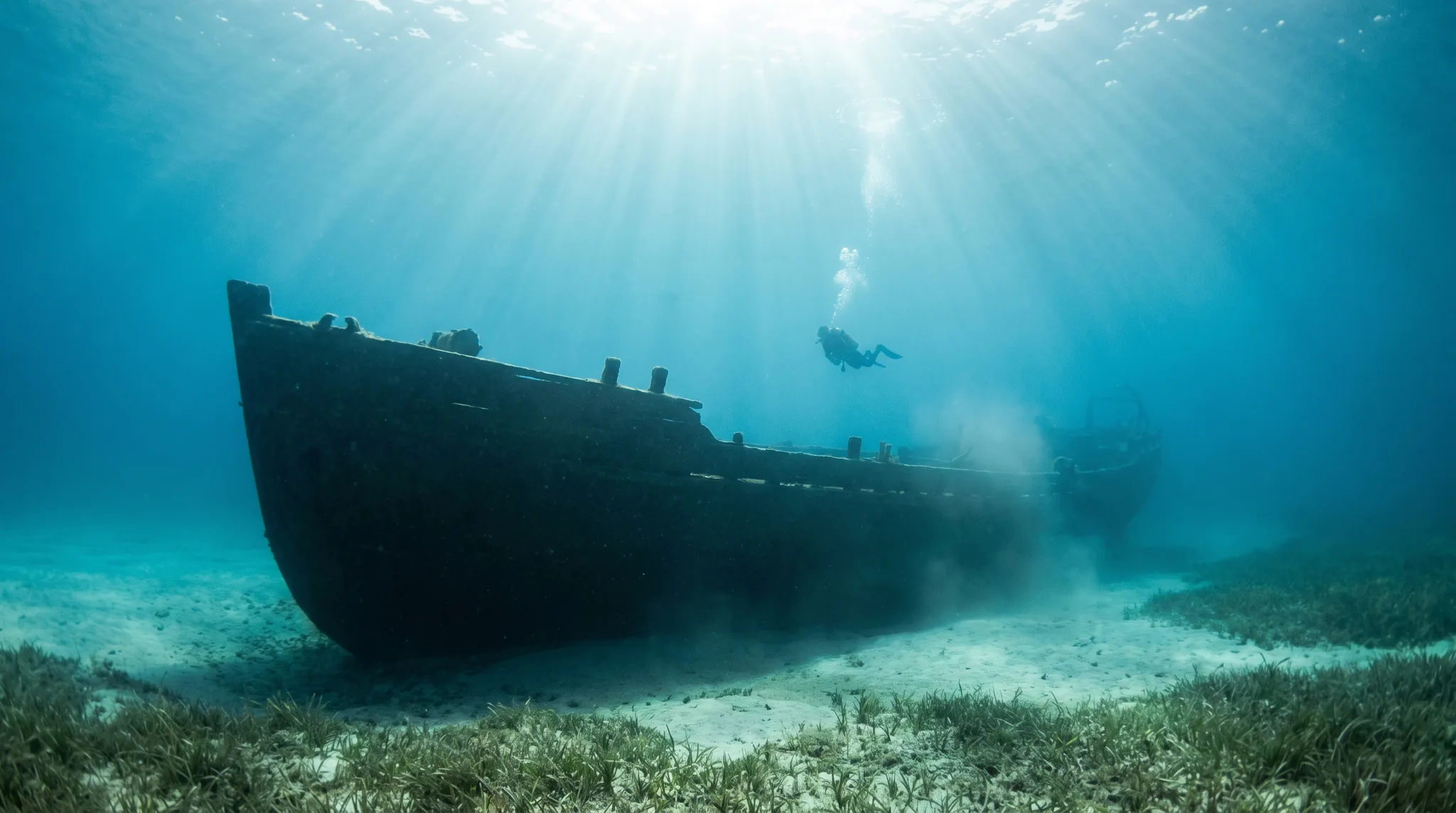
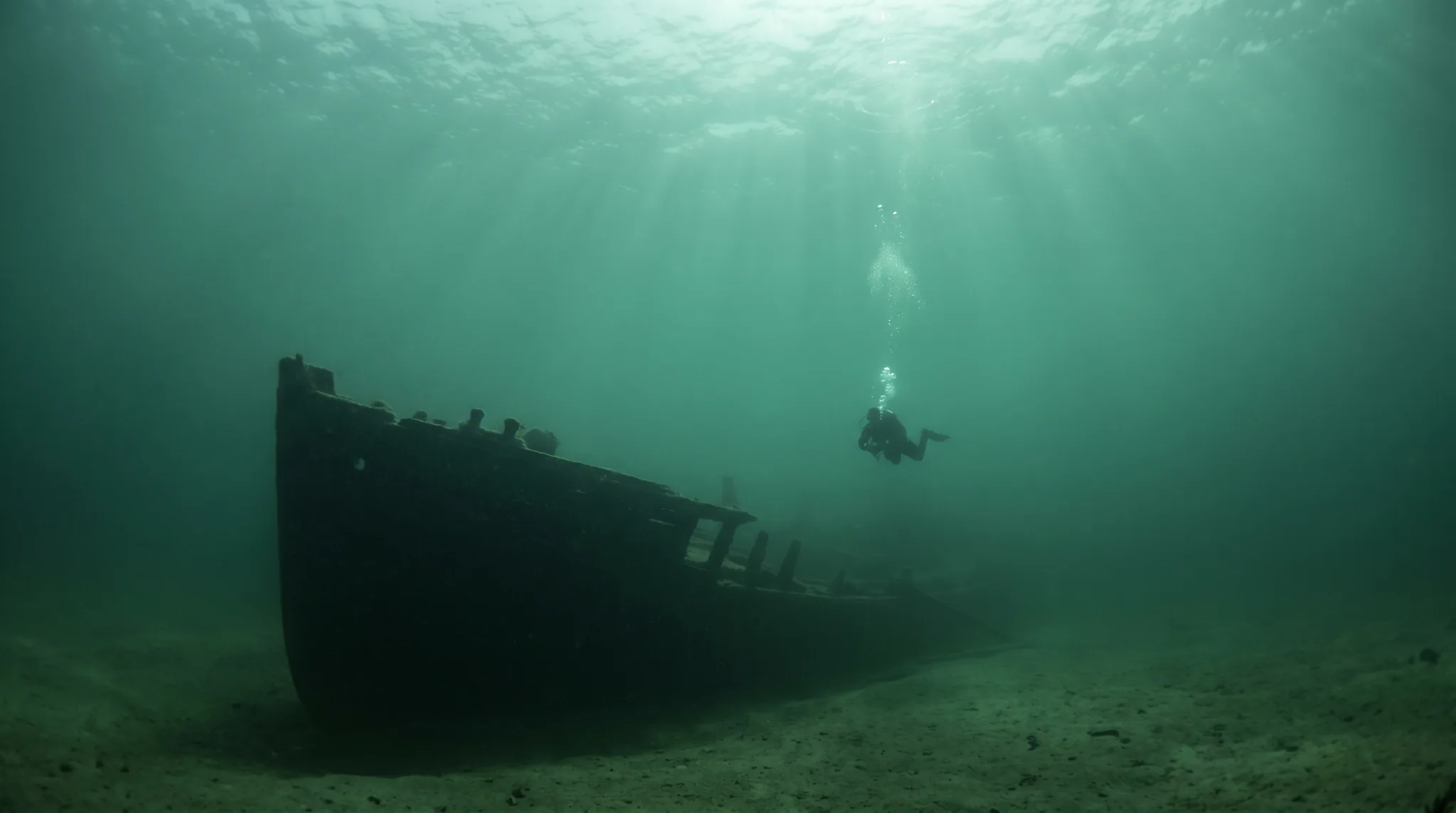
Some wreck sites, including Pecio La Dragonera, are accessible directly from shore, while others such as Vapor del Miracle and El Vapor require a boat. The choice of entry depends on the specific site, so it is worth checking with one of the local operators such as iDive Barcelona or Medusadive when planning your trip.
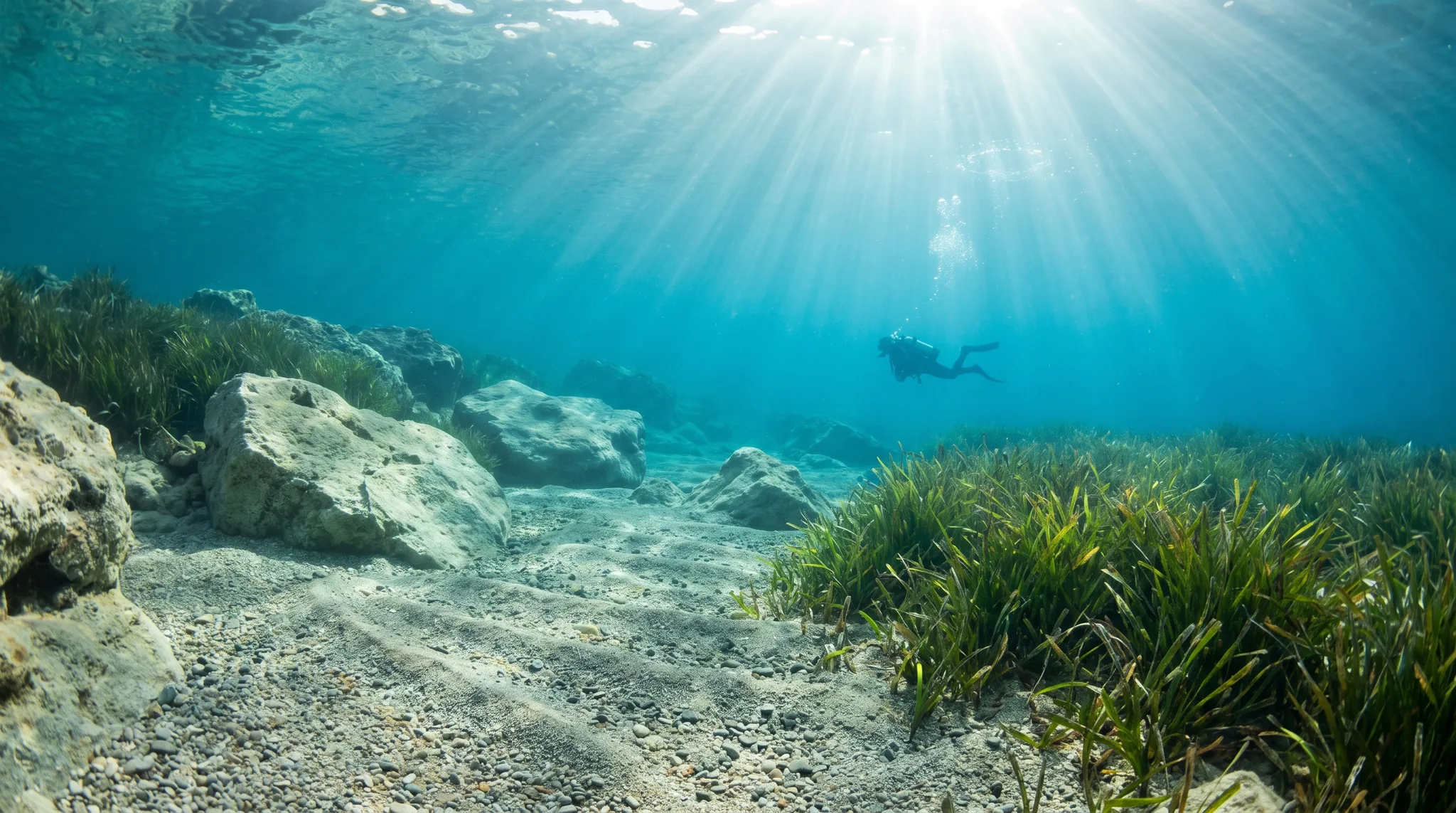
Barcelona offers a varied mix including artificial reefs, natural reefs, wrecks, seagrass beds, walls, and at least one cave site. Artificial reefs like El Biotop and Port Olimpic attract dense fish life in relatively shallow water, while wreck sites such as Heinkel He 111 provide more technically engaging dives at greater depth. Seagrass sites like Cimodocea are calmer and particularly good for observing smaller species.