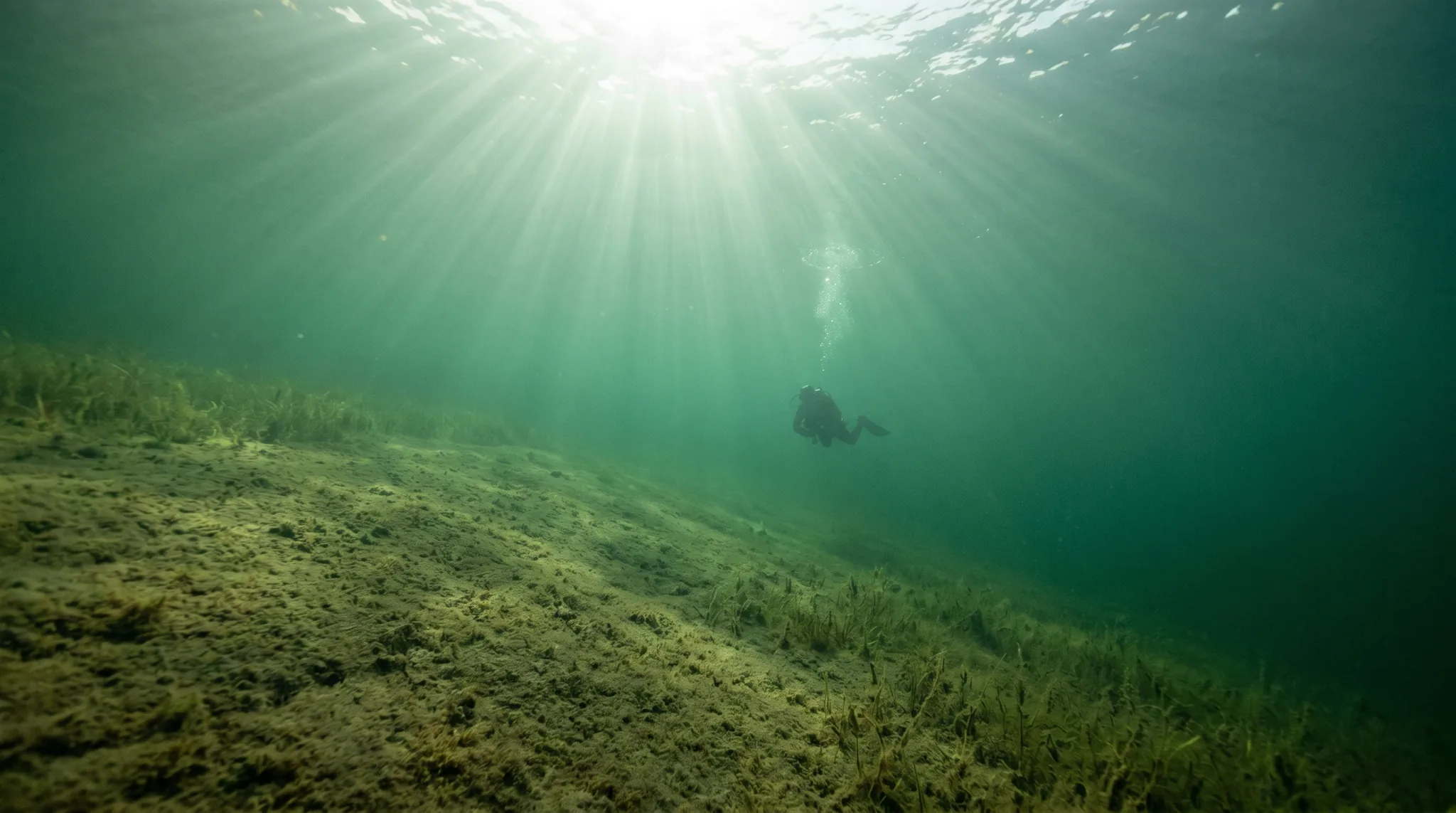
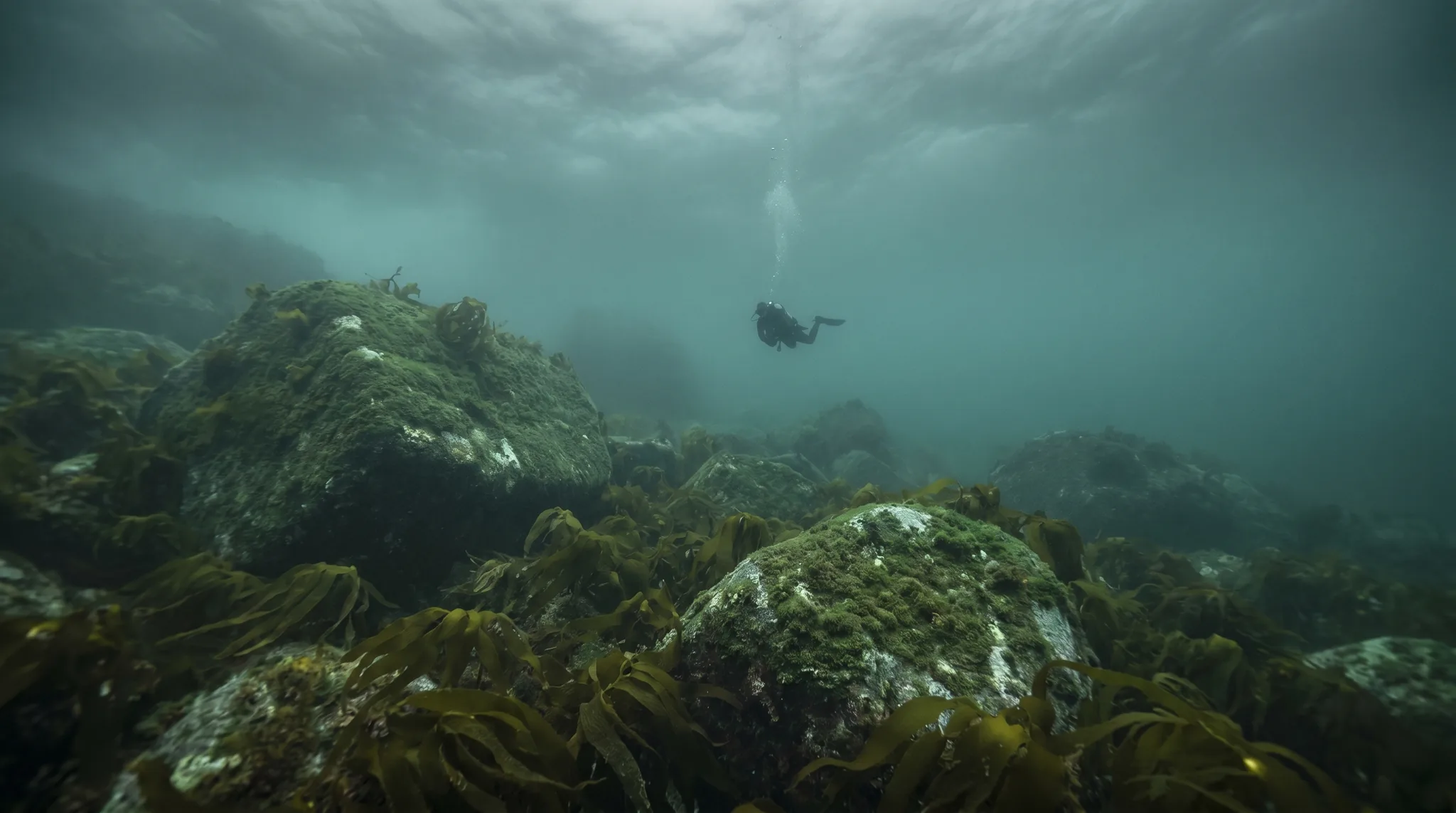
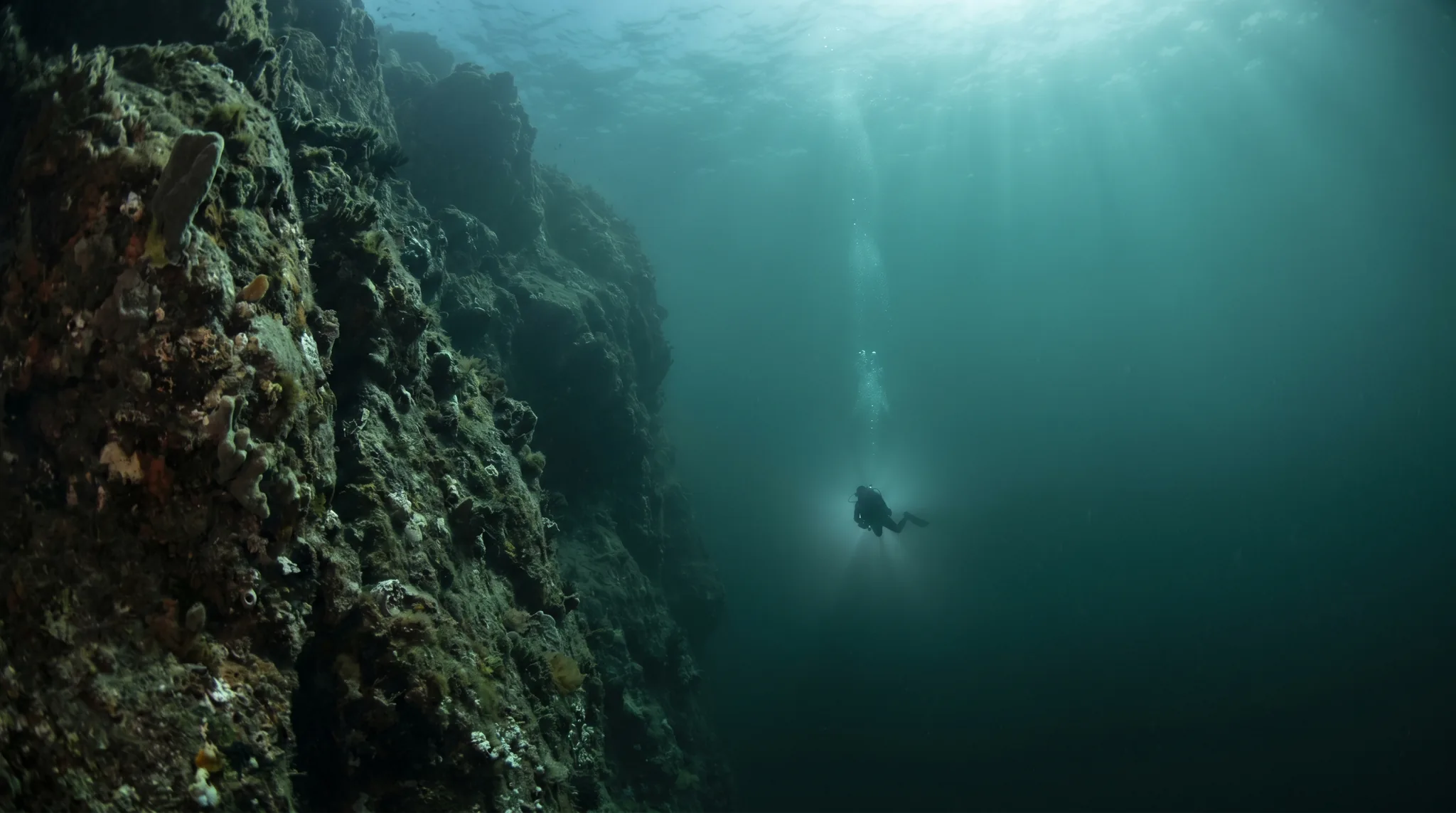
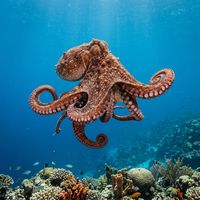
San Sebastián offers a varied dive landscape built around rocky reefs, sheer walls, cave systems, and several wrecks. The majority of sites are reached by boat, with a handful accessible from shore. Skill levels span beginner to advanced, from shallow reef dives through to deep wall drops requiring precise buoyancy. The Marbled Electric Ray and Common Octopus are signature sightings, while Scorpionfish, Tompot Blenny, Conger Eel, and a remarkable range of nudibranchs and invertebrates populate the reef structures throughout the year.
Monthly water temperature across San Sebastián's sites, from satellite sea-surface data corrected for depth. The band shows the site-to-site spread.
Water temperatures rise steadily from spring into late summer, peaking in September before cooling through autumn and into a cold winter. The warmest and most settled diving falls between May and October, when conditions are generally most favourable. Outside these months, exposed sites can carry stronger currents and reduced visibility, so divers should plan accordingly.
13 operators
Pasaia, Spain
Fuenterrabia, Spain
19 more sites to explore
Water temperature around San Sebastián ranges from about 12°C in January to 20°C in September, based on satellite sea-temperature data for its dive sites.
In the warm season (about 20°C) a 5mm suit is comfortable in San Sebastián; in the coldest months (about 12°C) step up to a 7mm or semi-dry suit.
Fin maps 31 sites in San Sebastián (31 scuba diving sites and 3 snorkelling spots, with some suited to both).
Across San Sebastián's dive sites, May, June, July, August, September and October are most often reported as the best months to visit.
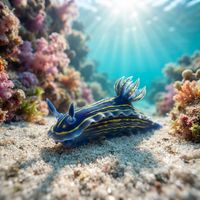
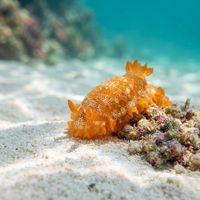
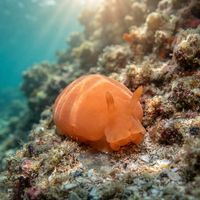
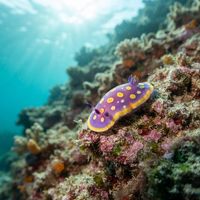
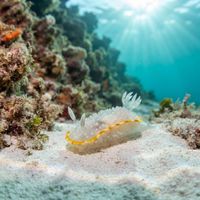
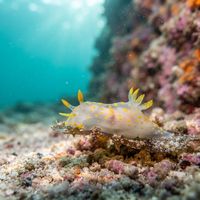
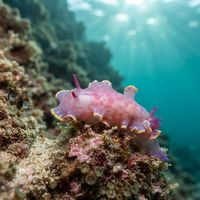
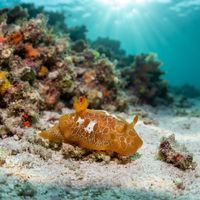
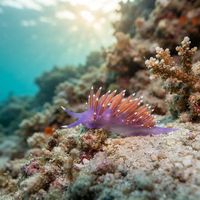
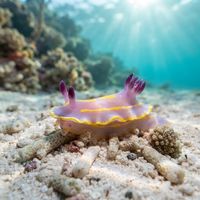
The reefs and walls are home to an impressive spread of species. Marbled Electric Ray and Common Octopus are the most reliably encountered, alongside Scorpionfish, Tompot Blenny, Conger Eel, and Striped Red Mullet. Invertebrate life is particularly rich, with Sea Slug, Tricolor Doris, Mediterranean Violet Aeolid, Slipper Lobster, Squat Lobster, and Crab all commonly observed across the sites.
A good number of sites are rated for beginners, including Bancha del Este, Gran Cañon, and Playa de los Frailes, which offer shallower reef and wall terrain at manageable depths. Intermediate sites such as Las Piramides, Tambo, and Las Cuevas add more varied topography for progressing divers. The deepest and most current-exposed sites, such as Las Langostas, are reserved for advanced divers.
The large majority of sites require a boat, and several local operators including Buceo Donosti, Diving Hondarribia, APSAS, Euskadi Urpekaritza, EVERENT, and Ksub run trips from the area. Shore entry is available at a smaller number of sites, notably Bancha del Este. Boat access opens up the full range of reefs, walls, caves, and wrecks the region has to offer.
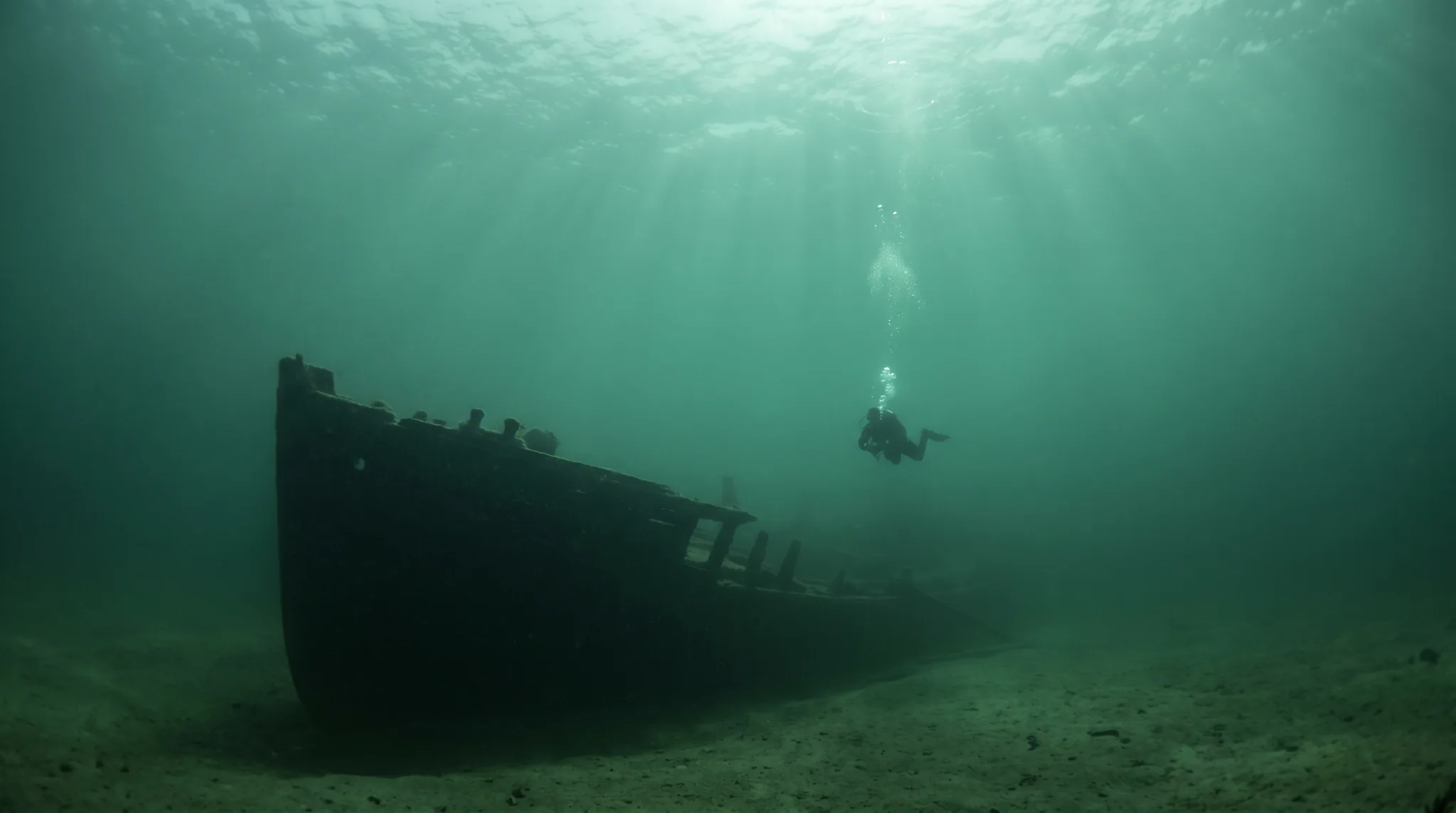
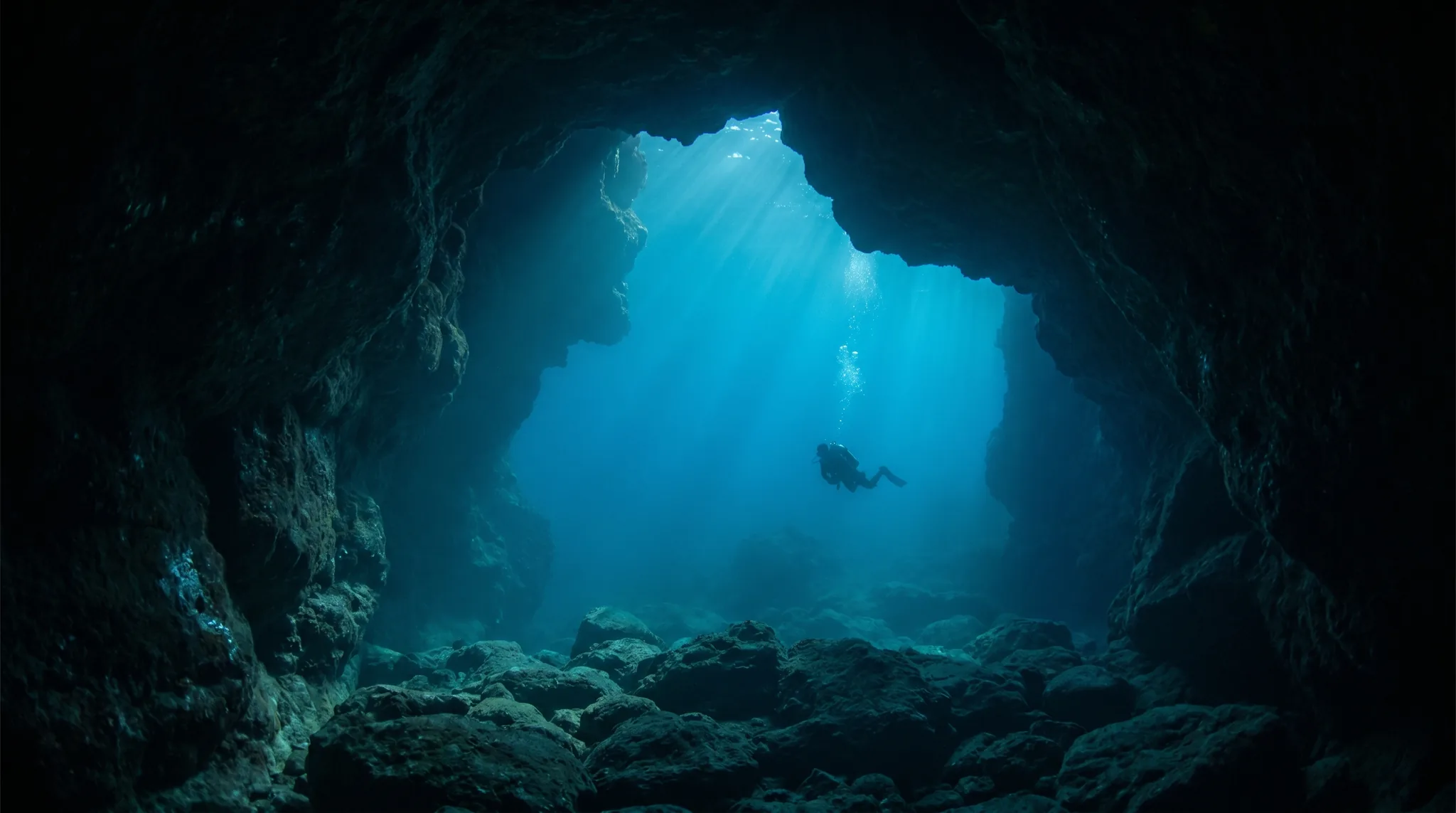
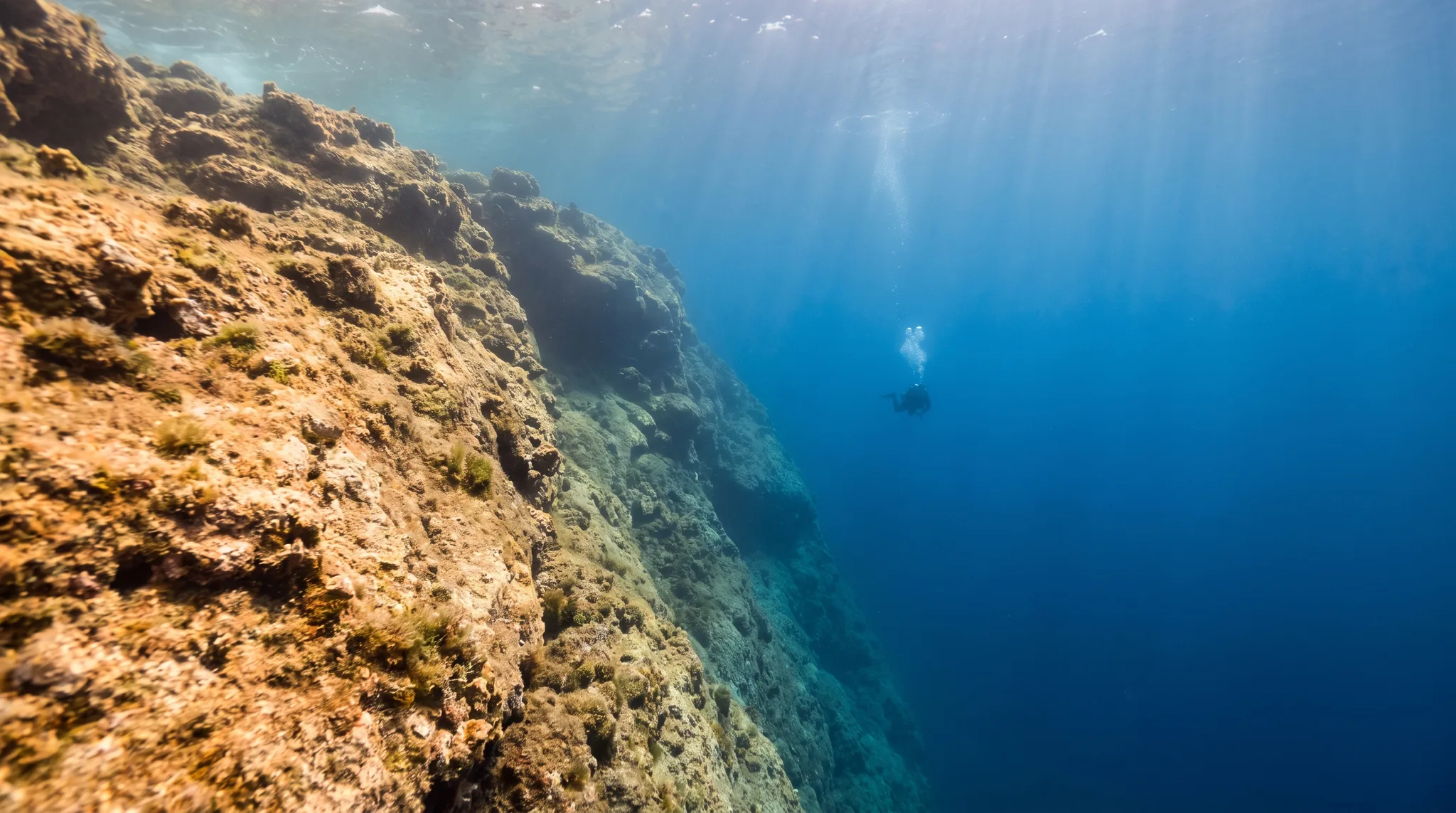
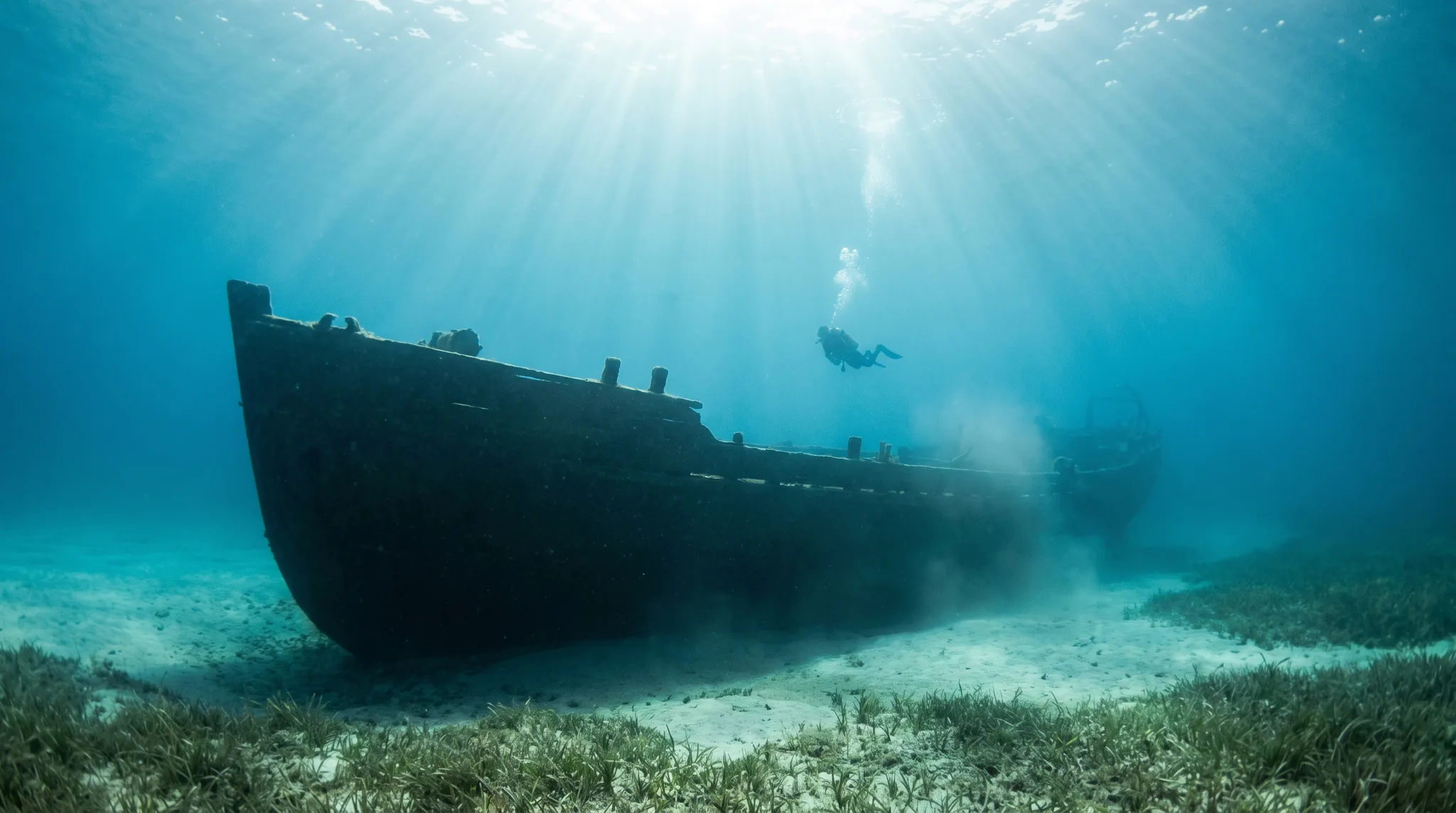
The site mix is notably diverse for a coastal region of this size. Rocky reefs form the backbone, but there are also vertical walls, cave and gully systems, pinnacles, and wrecks such as Pikatxilla, Cañonero el Tajo, and Purrustarri. This variety means divers can move between very different underwater environments without travelling far.