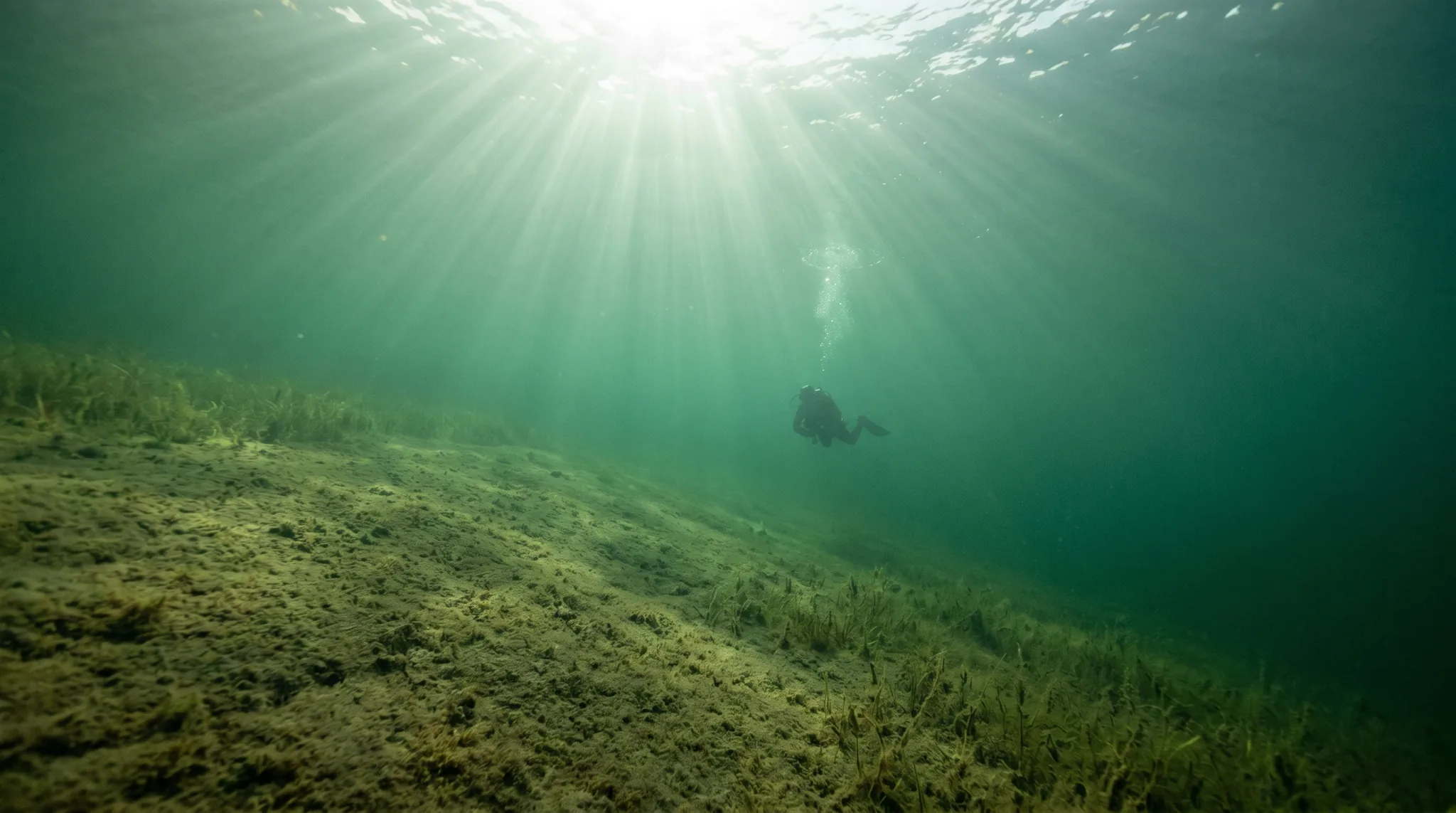
Santander and Cantabria offer a varied diving landscape spanning beginner-friendly artificial reefs and shallow coastal sites through to deep wrecks and a technically demanding freshwater cave system at El Pozo Azul. Reef structures, walls, pinnacles and drift sites make up the bulk of the site mix, most reached by boat. Cephalopods dominate encounters, with Common Octopus and European Common Cuttlefish observed across almost every site, while Ocean Sunfish, Torpedo Ray and Blue Shark add a pelagic dimension. Conditions are coolest in winter and warmest through late summer.
Monthly water temperature across Santander & Cantabria's sites, from satellite sea-surface data corrected for depth. The band shows the site-to-site spread.
Water temperature climbs steadily from spring, peaking in late summer before easing back through autumn. The warmest months bring the most settled conditions and the strongest diver activity, with June through October forming the core season. Winter diving is possible but cool water and reduced visibility favour those prepared for the chill.
27 operators
Santander, Spain
9 more sites to explore
Water temperature around Santander & Cantabria ranges from about 13°C in January to 21°C in August, based on satellite sea-temperature data for its dive sites.
In the warm season (about 21°C) a 5mm suit is comfortable in Santander & Cantabria; in the coldest months (about 13°C) step up to a 7mm or semi-dry suit.
Fin maps 21 sites in Santander & Cantabria (21 scuba diving sites and 1 snorkelling spots, with some suited to both).
Across Santander & Cantabria's dive sites, June, July, September and October are most often reported as the best months to visit.
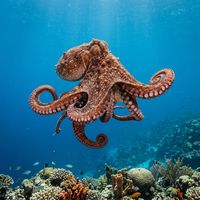
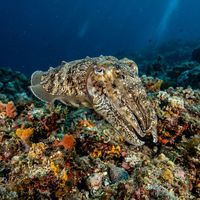
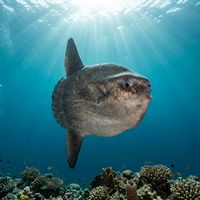
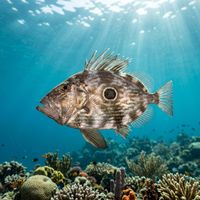
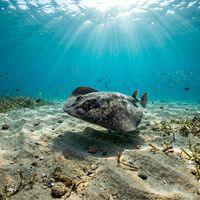
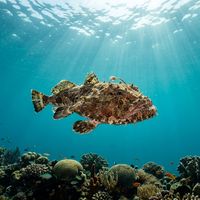
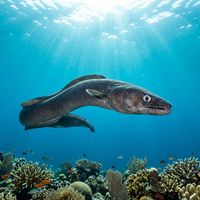
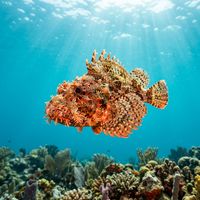
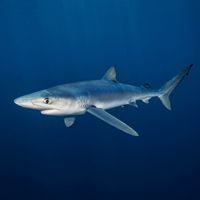
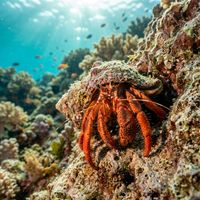
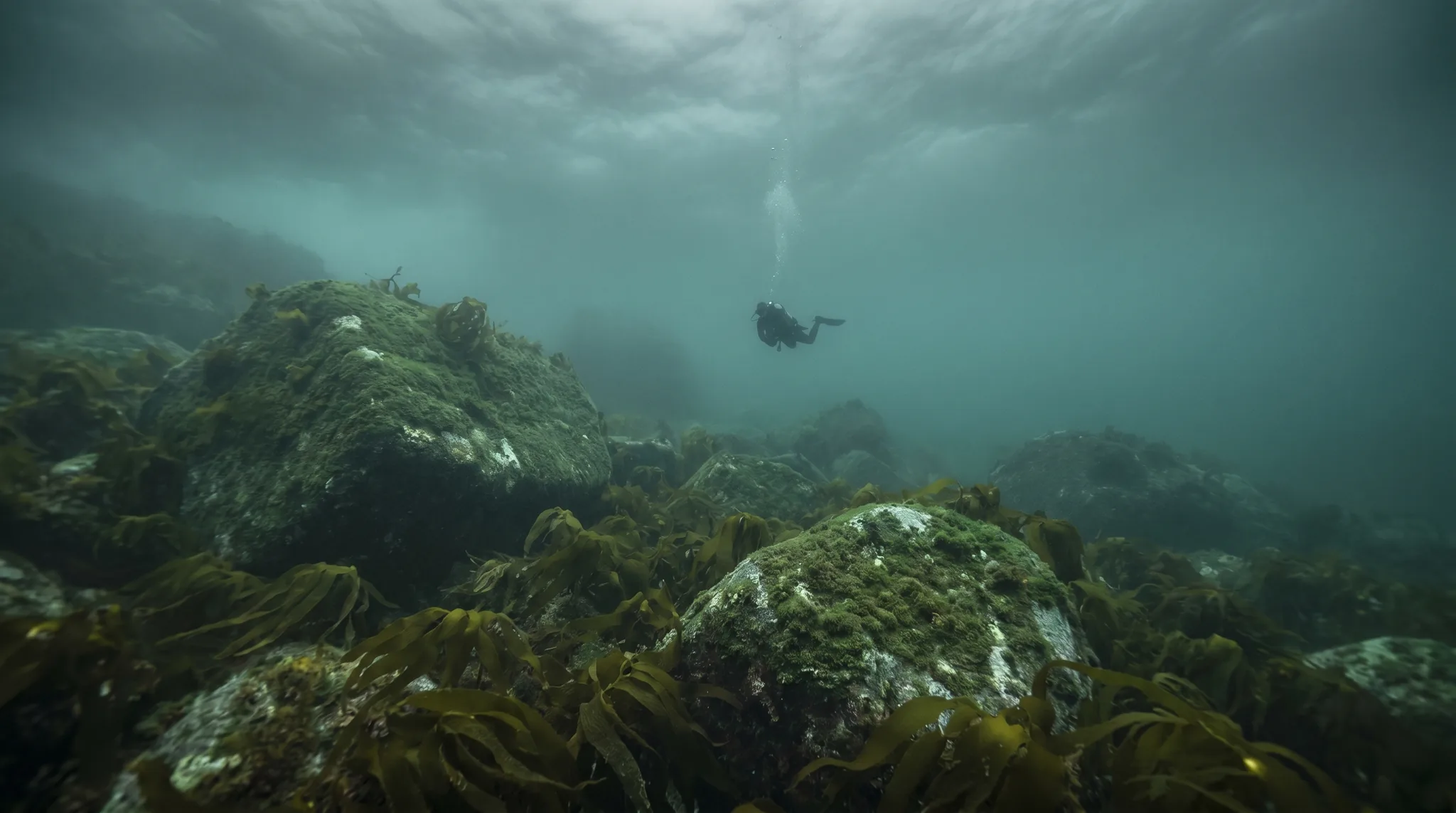
Common Octopus and European Common Cuttlefish are observed across virtually every site, making them defining encounters for the region. Torpedo Ray, Monkfish, Conger Eel, Scorpionfish and John Dory are also very commonly recorded. Blue Shark and Ocean Sunfish add a pelagic element, while Hermit Crab, Sea Star and Spirograph fill out the reef life.
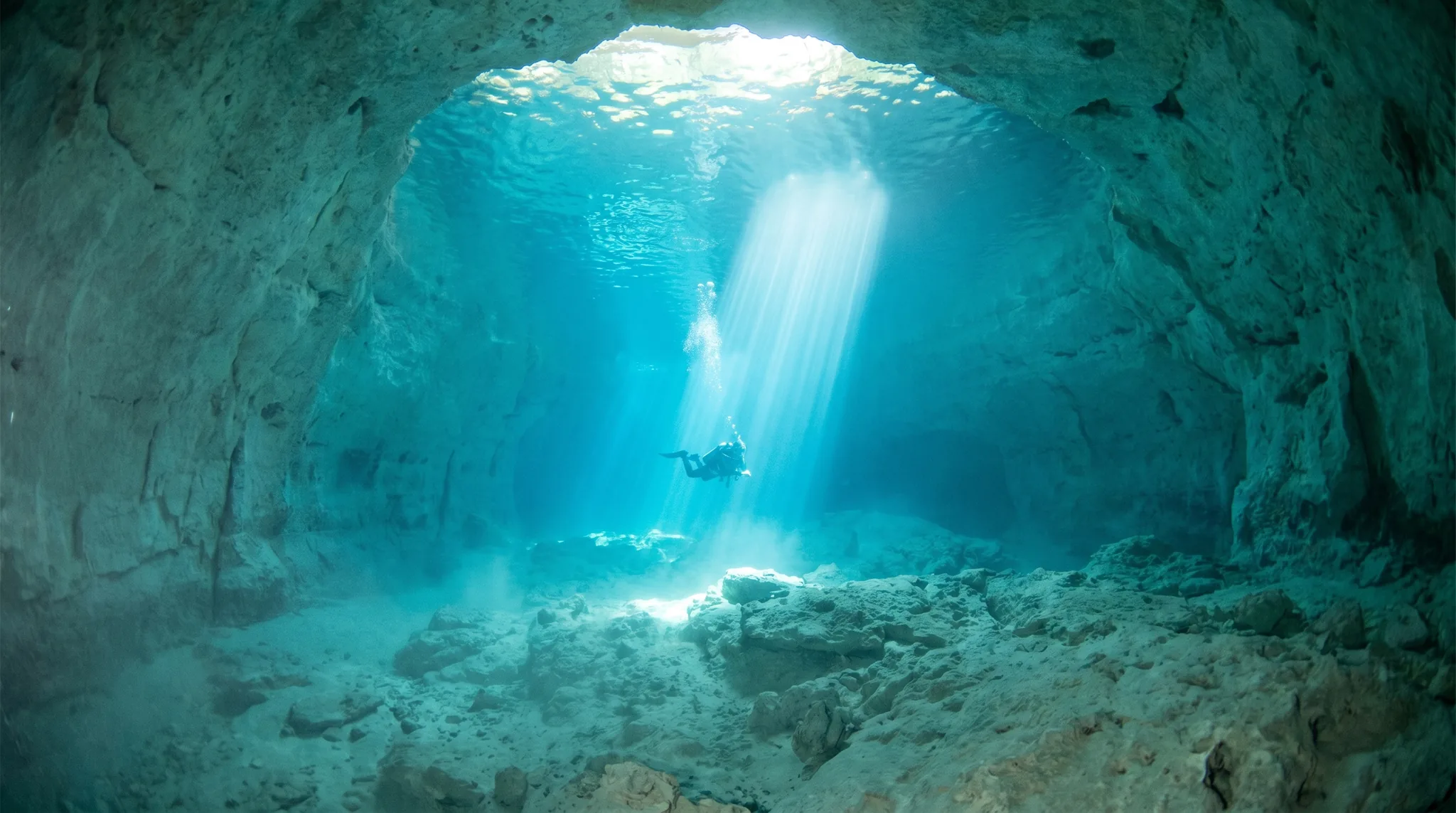
A good portion of the sites are rated beginner level, including the artificial reef at Piscina Profunda YoBuceo, the shallow reef at La Cala near Mouro island, and Isla de los Conejos, which combines reef, cave and drift in manageable depths. Intermediate and advanced sites are also well represented, so divers of all experience levels will find options. The technical cave at El Pozo Azul is strictly for qualified technical divers.
The majority of sites are reached by boat, including the wrecks, reefs around Mouro island, and the pinnacles at Las Agujas. Shore entry is available at a smaller number of sites, notably the artificial reef Piscina Profunda YoBuceo and the cave system El Pozo Azul. Several local operators, among them MOUROSUB, Centro de Buceo Ostende and Club de Buceo Cantabria Abisal, organise boat trips to the main sites.
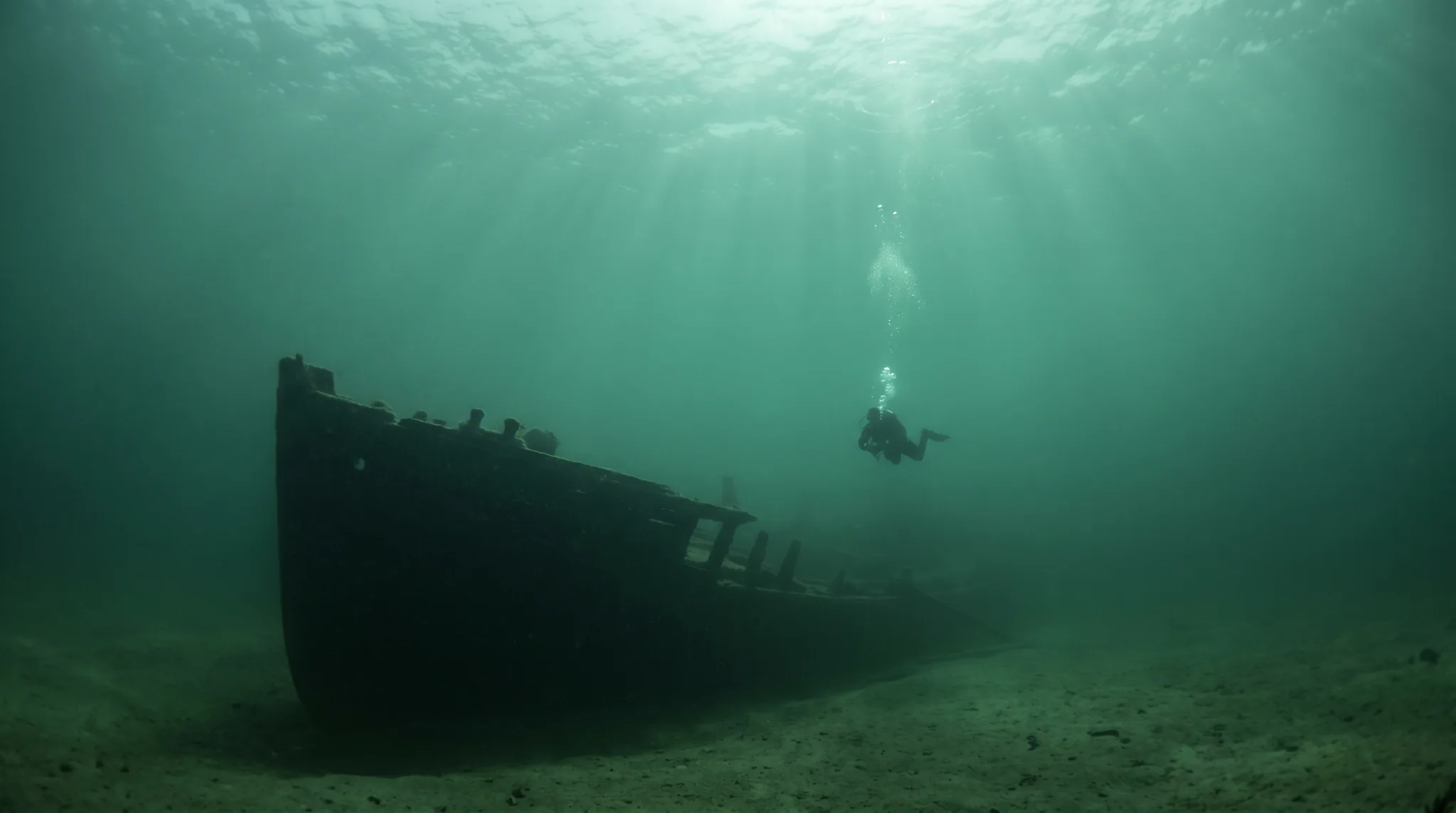
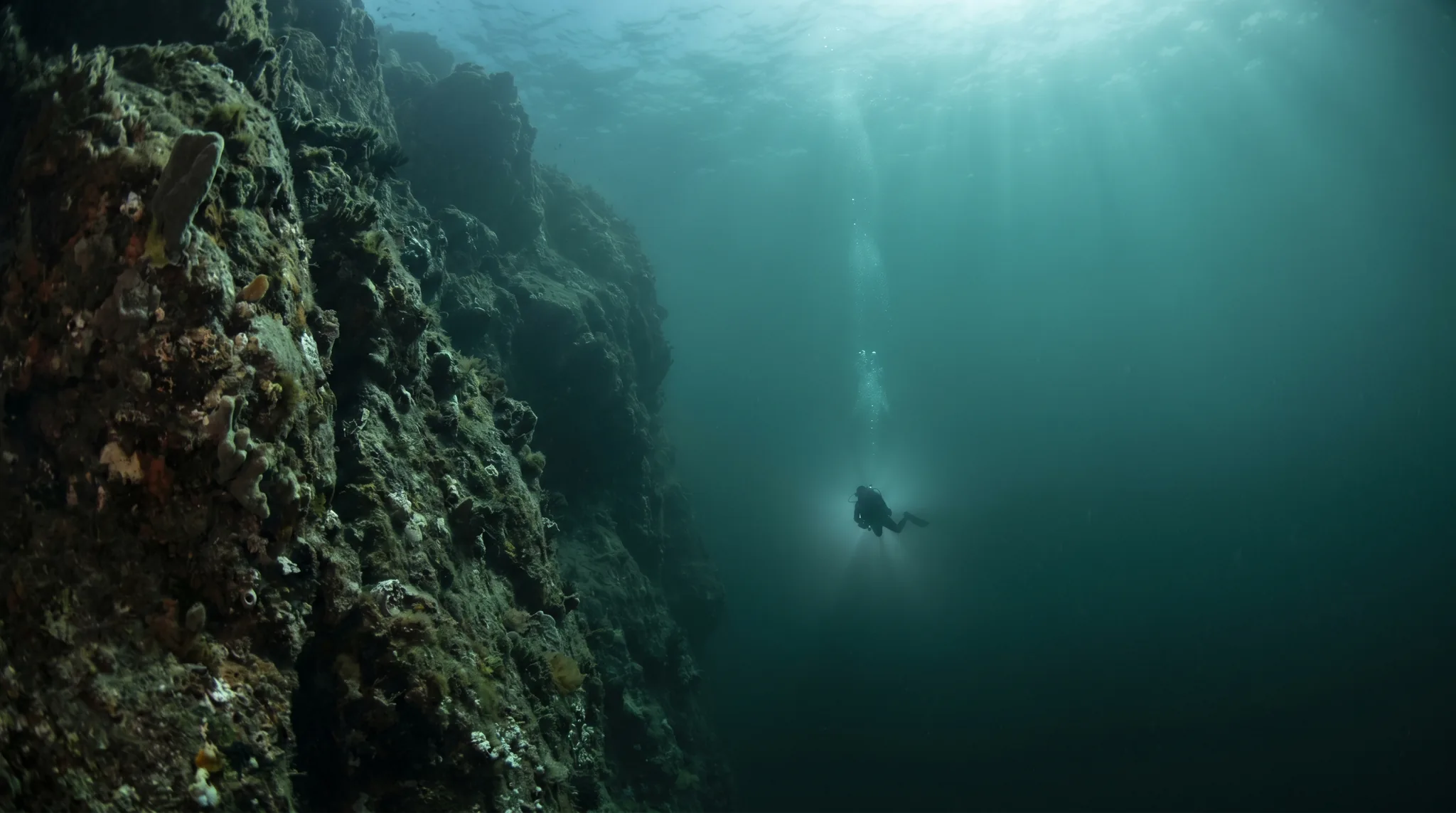
Reef diving is the backbone of the area, with many sites featuring complex topography that combines walls, caves and pinnacles in the same dive. Wrecks such as the Pecio Rio Miera and Pecio Skotland sit at depth and cater to advanced divers. Drift diving is a feature at several sites including Las Agujas and La Calita, where currents can add pace to the dive.