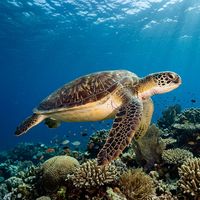
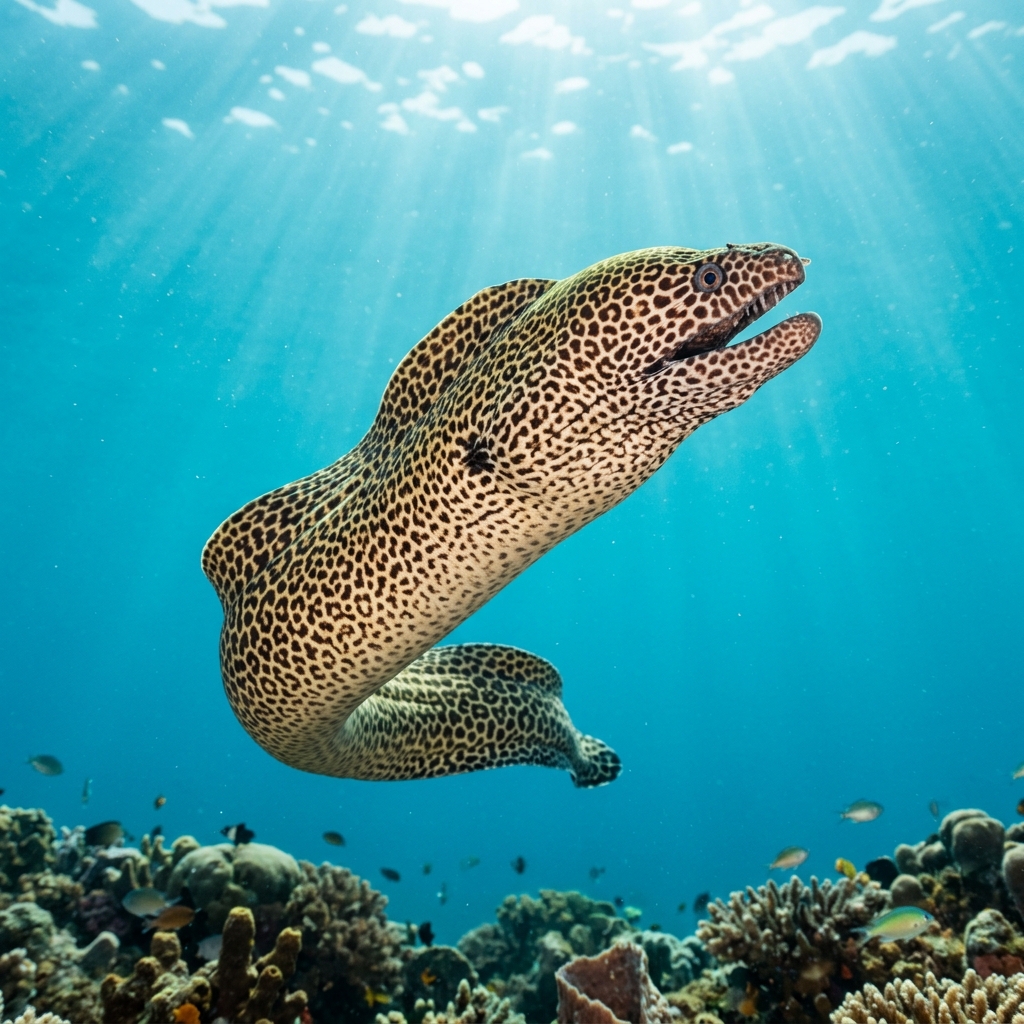
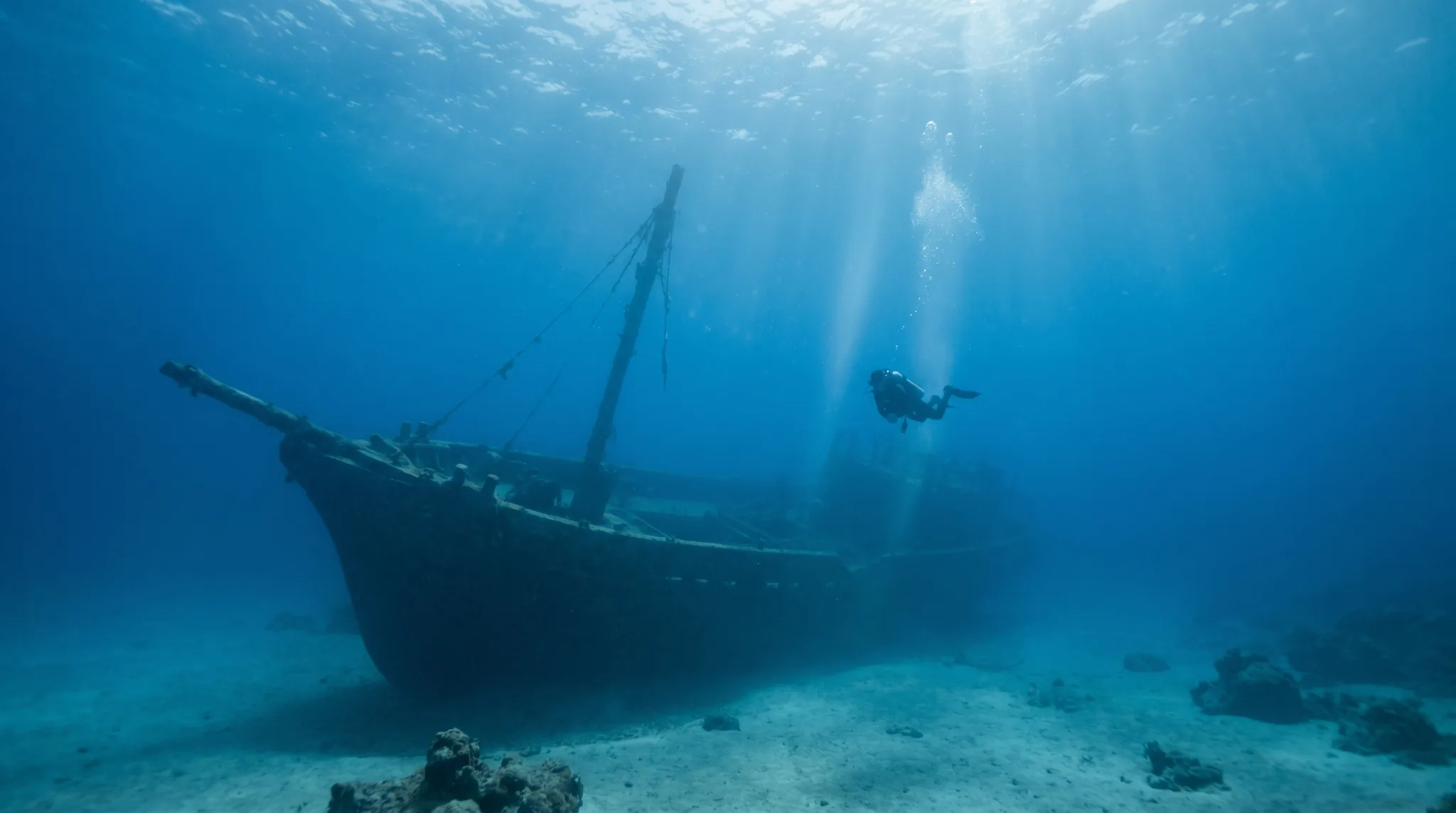
Dakar's diving is defined by a dense concentration of wrecks and reefs spread across four distinct sub-areas: Gorée Island, Soumbédioune and Plateau, Les Almadies and Ngor, and Mbao. Wrecks range from shallow, beginner-friendly sites to deep advanced dives requiring wreck certification, while natural reefs and walls offer an alternative character. The Green Sea Turtle is recorded across nearly all sites, alongside a remarkable trio of moray species: Honeycomb Moray, Purplemouth Moray, and Viper Moray. Water temperatures cool noticeably between February and April, shaping a clear seasonal rhythm for planning.
4 areas
 12
12A compact wreck-diving destination off Dakar where artificial reefs shelter Green Sea Turtle, Honeycomb Moray and abundant reef fish.
 11
11A wreck-heavy dive zone off Dakar where artificial reefs and sunken vessels host Green Sea Turtle and multiple moray species across all skill levels.
5Atlantic reef, wall, and drop-off diving on the Cap-Vert Peninsula, suiting beginners to intermediate divers year-round.
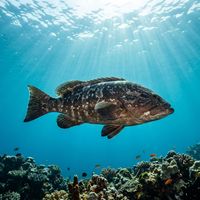
2Advanced wreck diving on the Mbao Wreck Cemetery off Dakar, with deep shipwrecks acting as artificial reefs for sharks and grouper.
Monthly water temperature across Dakar's sites, from satellite sea-surface data corrected for depth. The band shows the site-to-site spread.
Water temperatures follow a pronounced seasonal curve, cooling to their lowest in late winter and early spring before climbing through summer to their warmest in September. Visibility varies considerably across the year, and the peak months favoured by divers fall in two windows: late spring through early summer, and October through November. Some exposed sites in Les Almadies and Ngor carry surf and shore break, making boat access the norm across much of the region.
2 operators
Water temperature around Dakar ranges from about 18°C in March to 28°C in September, based on satellite sea-temperature data for its dive sites.
In the warm season (about 28°C) a rash guard or 3mm shorty is comfortable in Dakar; in the coldest months (about 18°C) step up to a 5mm suit.
Fin maps 30 sites in Dakar (29 scuba diving sites and 3 snorkelling spots, with some suited to both), organised into 4 areas.
Across Dakar's dive sites, May, June, October and November are most often reported as the best months to visit.
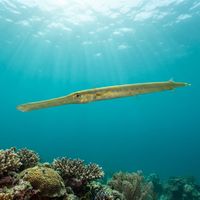
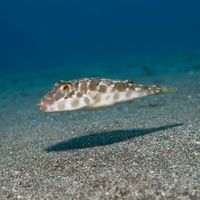
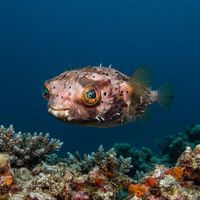
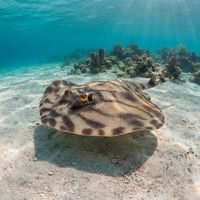
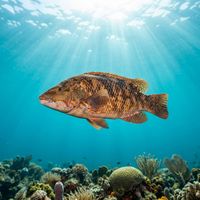
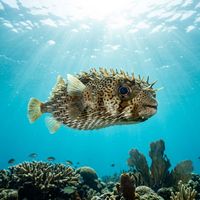
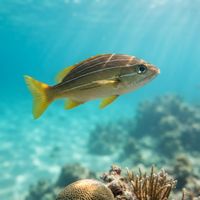
The Green Sea Turtle is recorded as very common across nearly all dive sites in Dakar. Scorpionfish, Pufferfish, Grunt, and Cornetfish are also consistently observed. The region is particularly notable for its moray diversity, with the Honeycomb Moray, Purplemouth Moray, and Viper Moray all confirmed through observation. Round Fantail Stingray and Groupers round out the highlights.
Yes, a good portion of Dakar's sites are rated for beginners. Shore dives such as Bailla and Gorée Ecole offer shallow, calm entry points, while beginner-rated boat dives like Shark Reef and Madeleine Islands provide more variety. Intermediate and advanced sites are also well represented, so divers of all experience levels will find appropriate options.
Gorée Island concentrates the largest number of sites and includes both shallow training reefs and intermediate wreck dives off its shores. Soumbédioune and Plateau offers a broad mix of reefs, wrecks, and drift sites, including some of the deeper advanced dives. Les Almadies and Ngor features wall and drop-off diving alongside reef and artificial structures, though surf can make some entries boat-only. Mbao is home to the Wreck Cemetery, with deep sites suited to advanced certified divers.
Not for all sites, but several of Dakar's most notable wrecks do require wreck-specific training. Epave Chi Chuan and Etoile Rouge are both listed as advanced dives requiring wreck certification. Shallower wreck sites such as Nogaye and Océanie off Gorée Island are accessible to intermediate divers without specialist certification. It is worth confirming requirements with local operators Nautilus Diving or Oceanium de Dakar before booking.