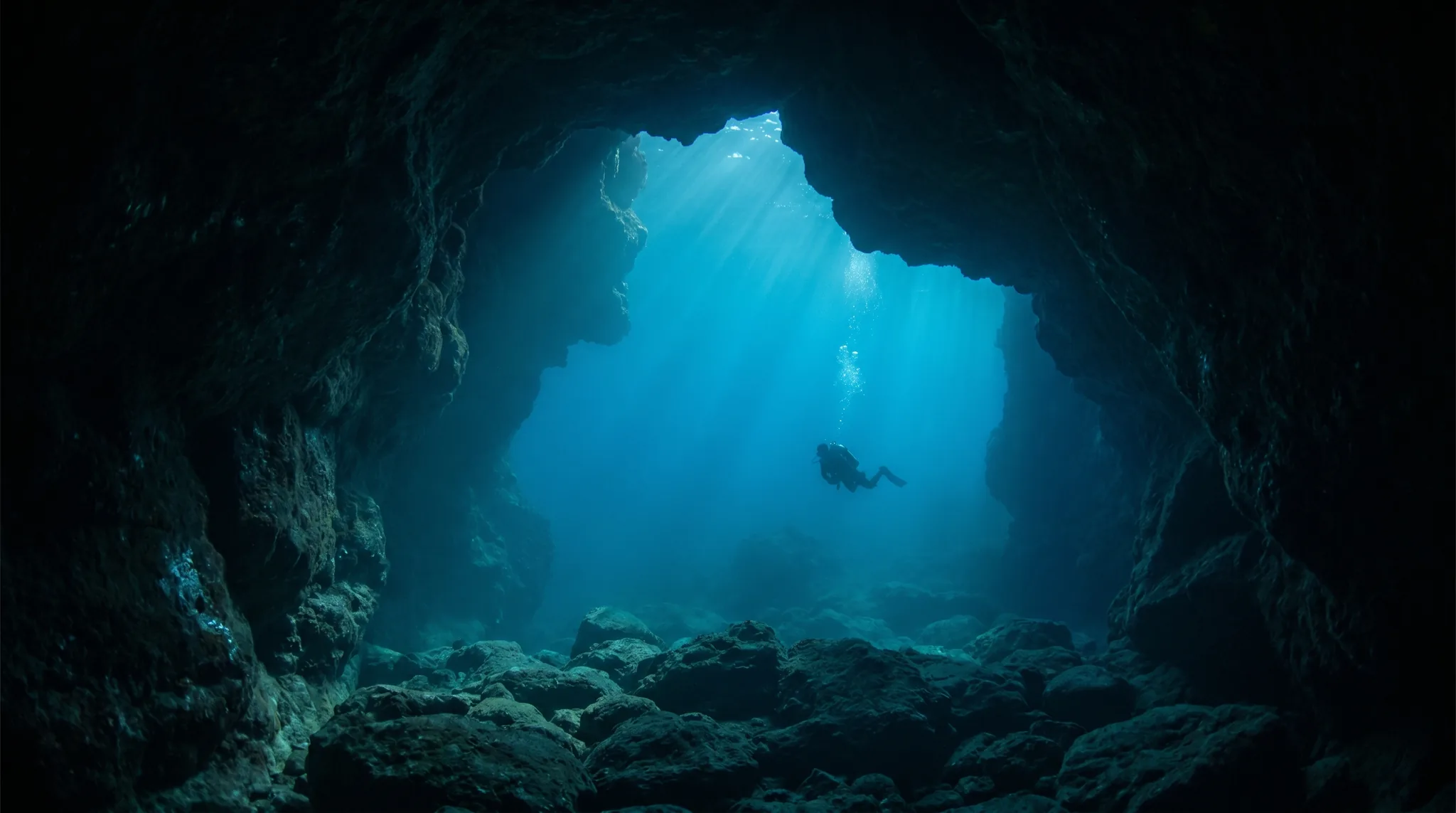
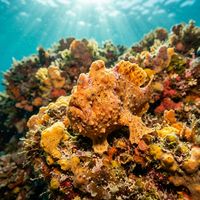
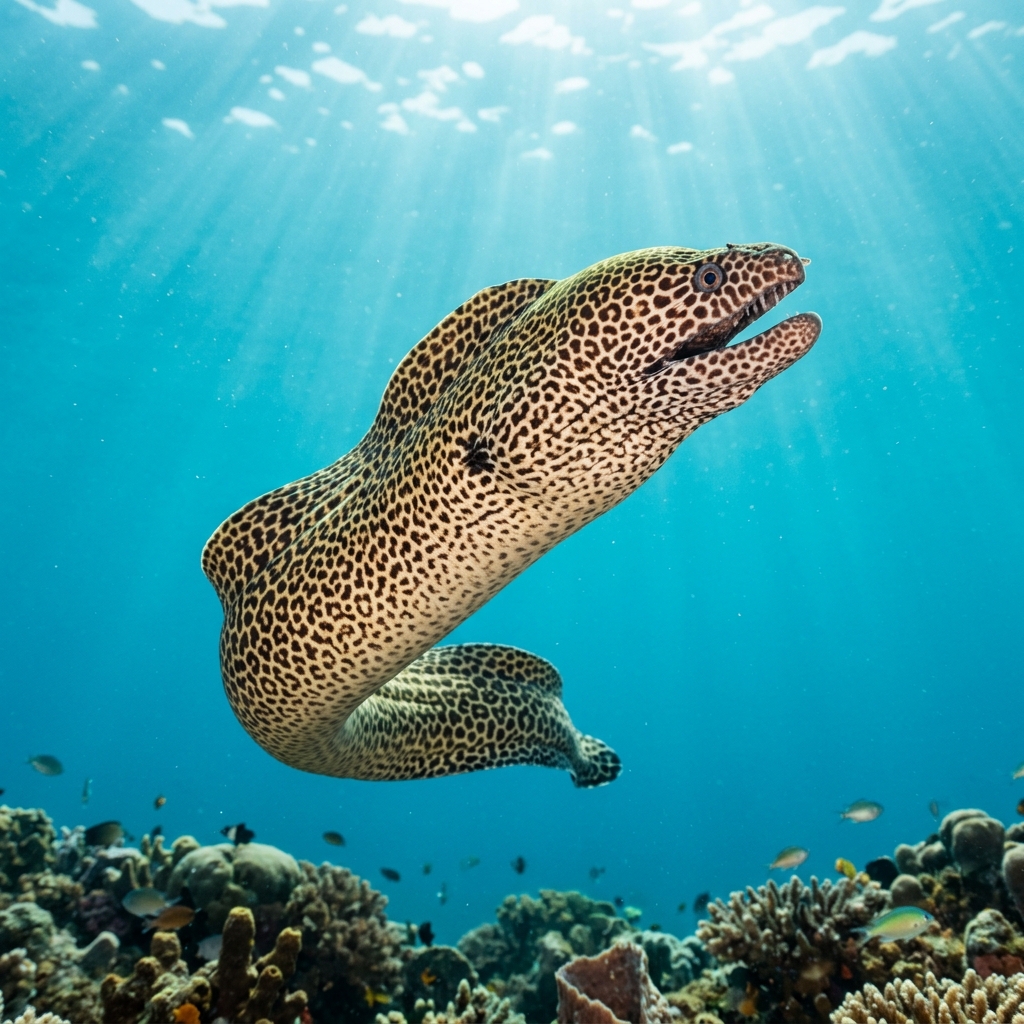
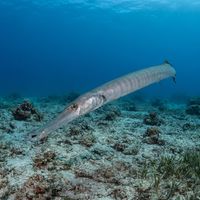
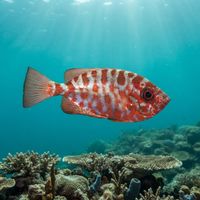
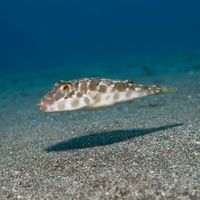
São Vicente divides neatly between Mindelo and São Pedro, each offering around half the island's sites. The diving leans heavily toward boat access, with reef walls, drift passages, caves, pinnacles and a pair of wrecks spread across both areas. Shallow muck diving and beginner-friendly reef sites sit alongside deeper wall and drift dives that suit advanced divers. The signature species list tells its own story: Frogfish, Honeycomb Moray and Flying Gurnard are consistently observed, and the broader species list is notably rich in cryptic and reef-associated life. Conditions are warmest from late summer into autumn, when visibility tends to be at its best.

2 areas
Monthly water temperature across São Vicente's sites, from satellite sea-surface data corrected for depth. The band shows the site-to-site spread.
Water temperatures stay warm throughout the year, dipping only slightly in late winter before climbing to their peak between late summer and autumn. That warmest period, running roughly from August through October, aligns with the highest concentration of recommended dive months, suggesting calmer conditions and better overall experience then. November also rates highly, extending the prime season well into the cooler months.
11 operators
Water temperature around São Vicente ranges from about 23°C in February to 27°C in August, based on satellite sea-temperature data for its dive sites.
In the warm season (about 27°C) a rash guard or 3mm shorty is comfortable in São Vicente; in the coldest months (about 23°C) step up to a 3mm full suit.
Fin maps 34 sites in São Vicente (32 scuba diving sites and 5 snorkelling spots, with some suited to both), organised into 2 areas.
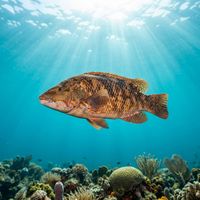
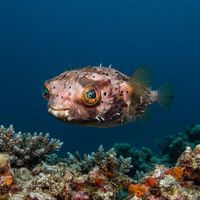
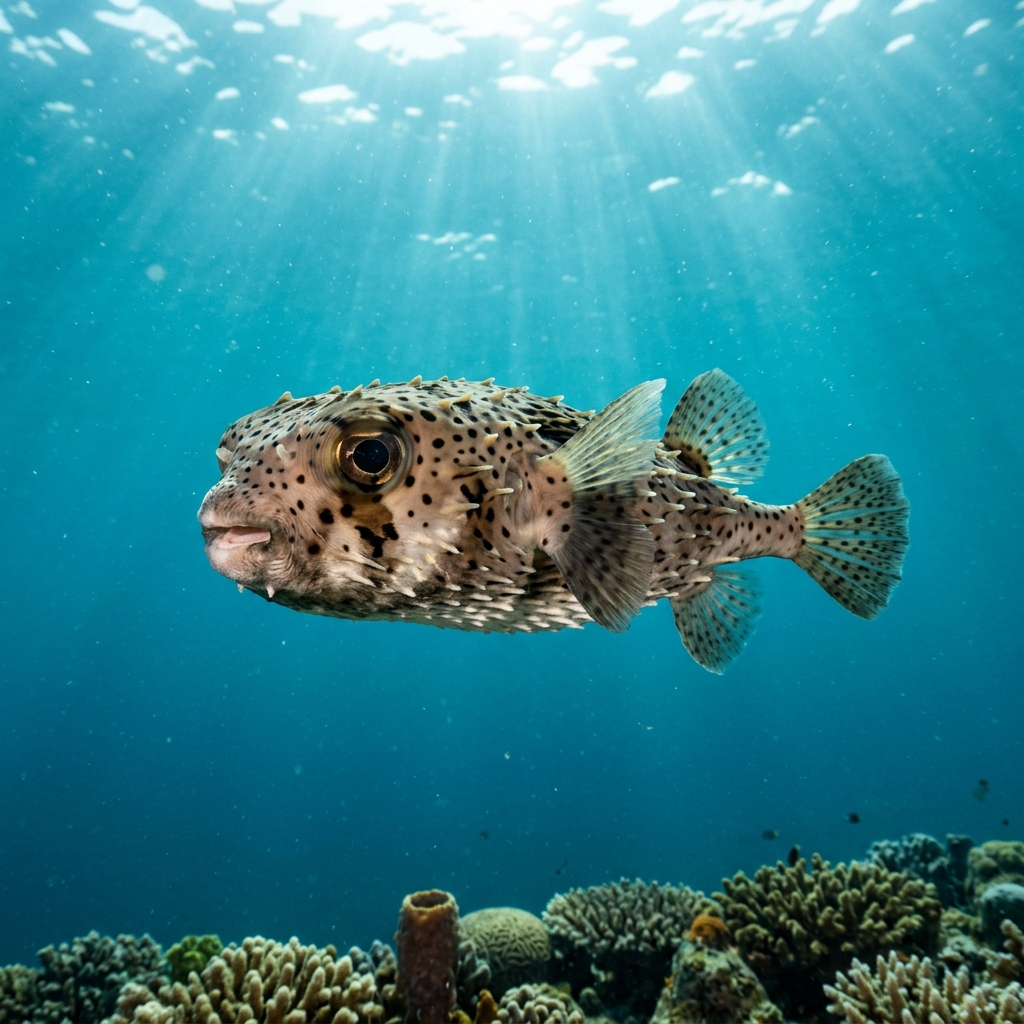
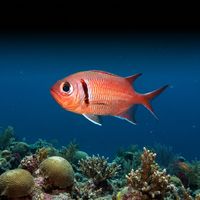
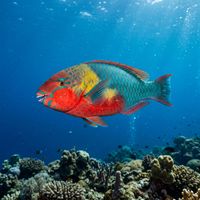
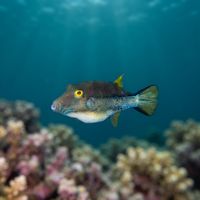
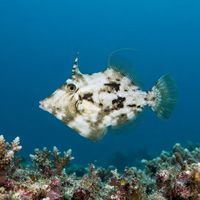
São Vicente has a strong reputation for cryptic and reef species. Frogfish and Honeycomb Moray are observed across virtually every site, and Flying Gurnard, Scorpionfish, Spotfin Burrfish and Round Fantail Stingray are all very commonly recorded. Nurse Shark is a signature species for the island, and the broader list includes Spiny Lobster, Arrow Crab, Cushion Sea Star, European Parrotfish and multiple moray species.
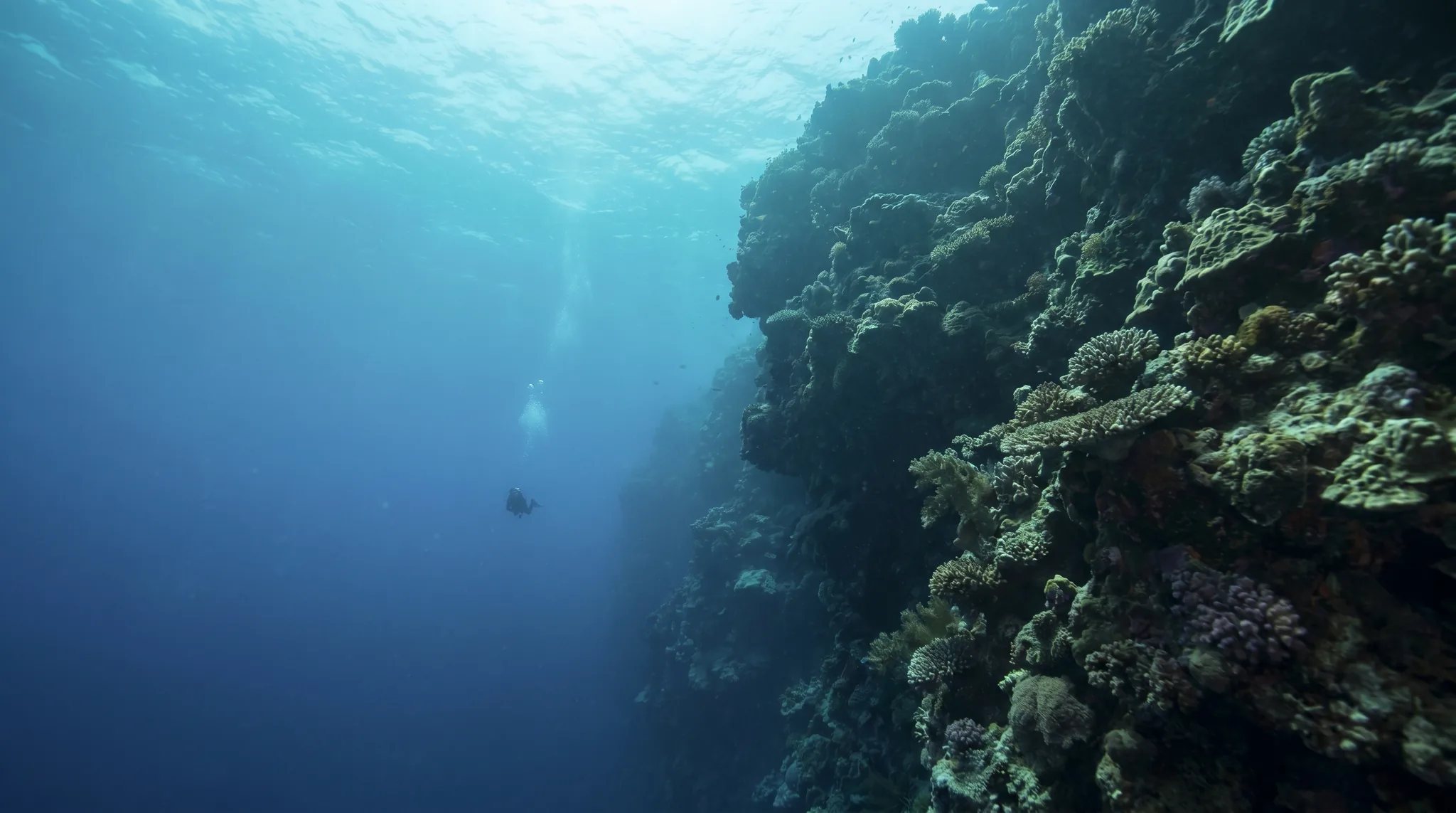
A good proportion of sites are rated for beginners, including reef and cave sites such as Furna de Rosa and Ponta de Tubarão, the wrecks São Macário and SS Marcar, and the wall dive Aquário. The shallow muck site Cabnav is shore-accessible and very manageable. Advanced divers also have dedicated options: Cabo do Tubarão drops to serious depth along a wall with drift, and Ponta Nho Jon features dramatic deep pinnacles.
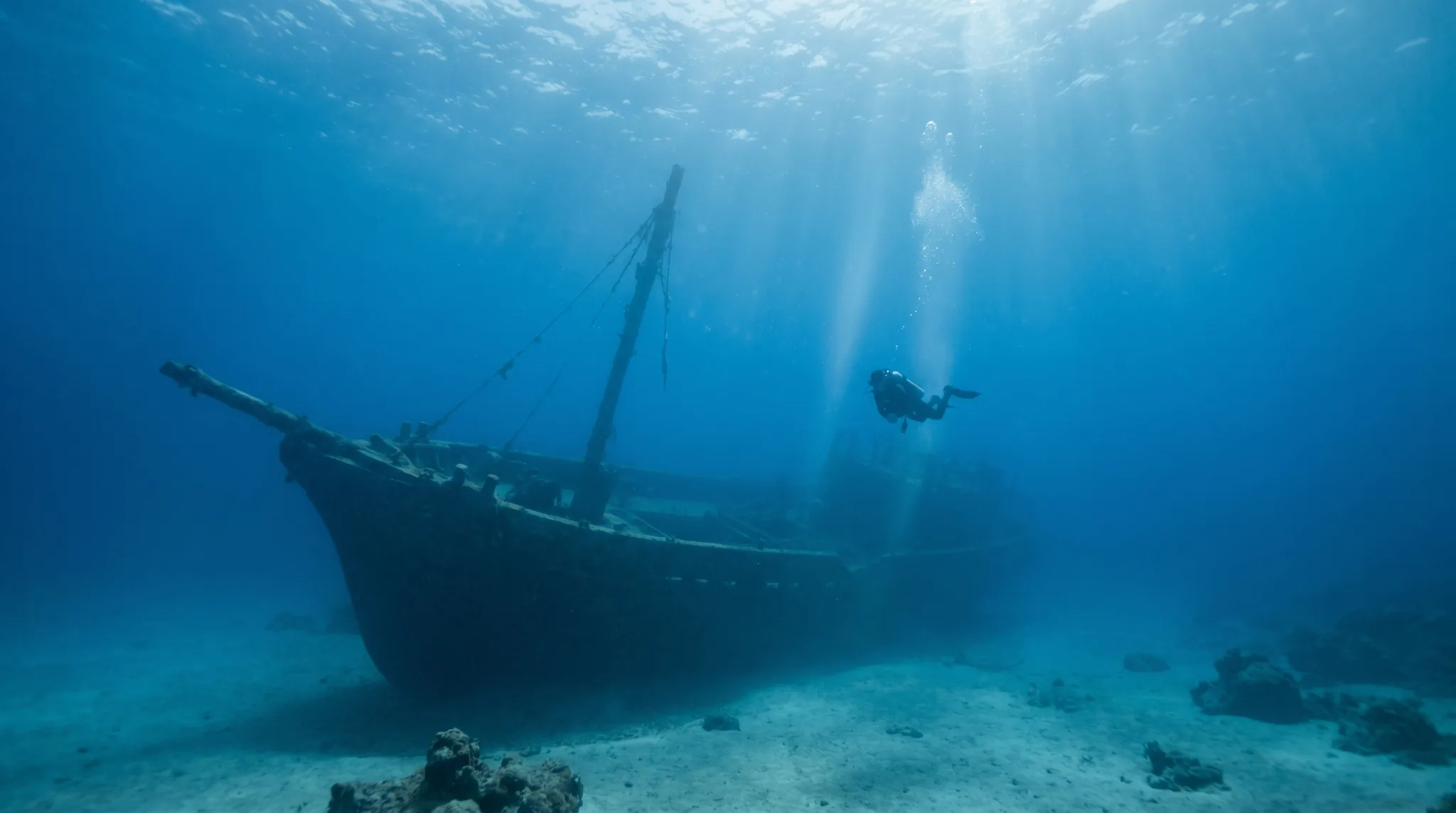
Mindelo holds the island's wreck sites, including São Macário and SS Marcar, as well as the drift and reef dive Cubos, the muck site Cabnav and the islet site Djeu. São Pedro is characterised more by wall and reef diving, with sites such as Sem Âncora, Aquário, Sucenáqua and Ponta Canjana. Both areas share a boat-access model for most sites, though Mindelo has the only two shore-entry options on the island.
The vast majority of sites require a boat, and several operators based in the area run regular dive trips. Shore entry is available at Cabnav in Mindelo and at Ponta de Tubarão, also in the Mindelo area. Operators including Foya Branca, Dive-Tribe Dive Center, Haliotis and Sao Nicolau Diving all operate in the region.