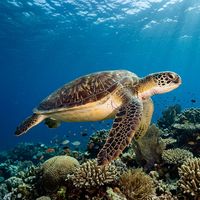
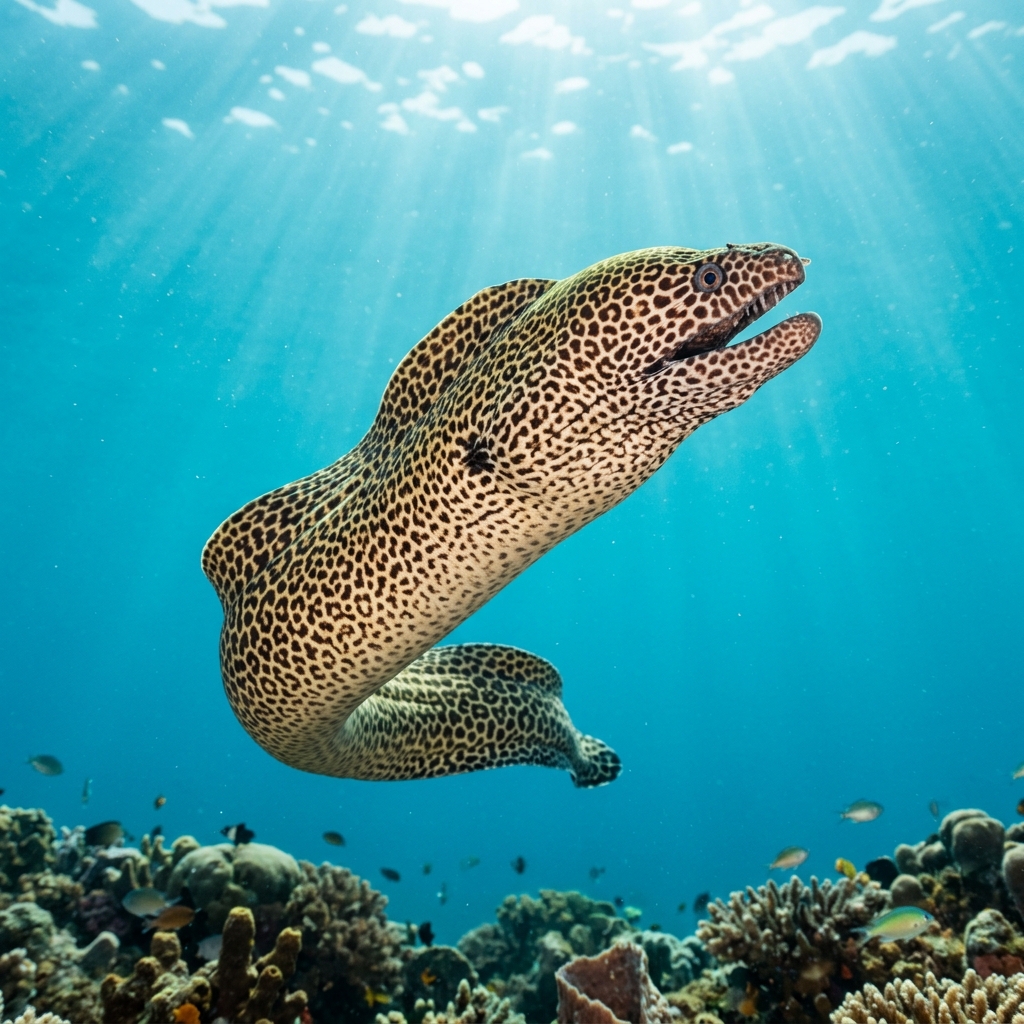
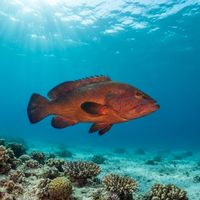
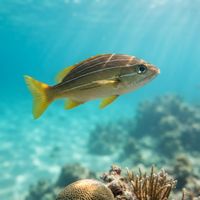
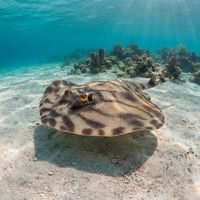
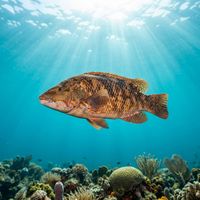
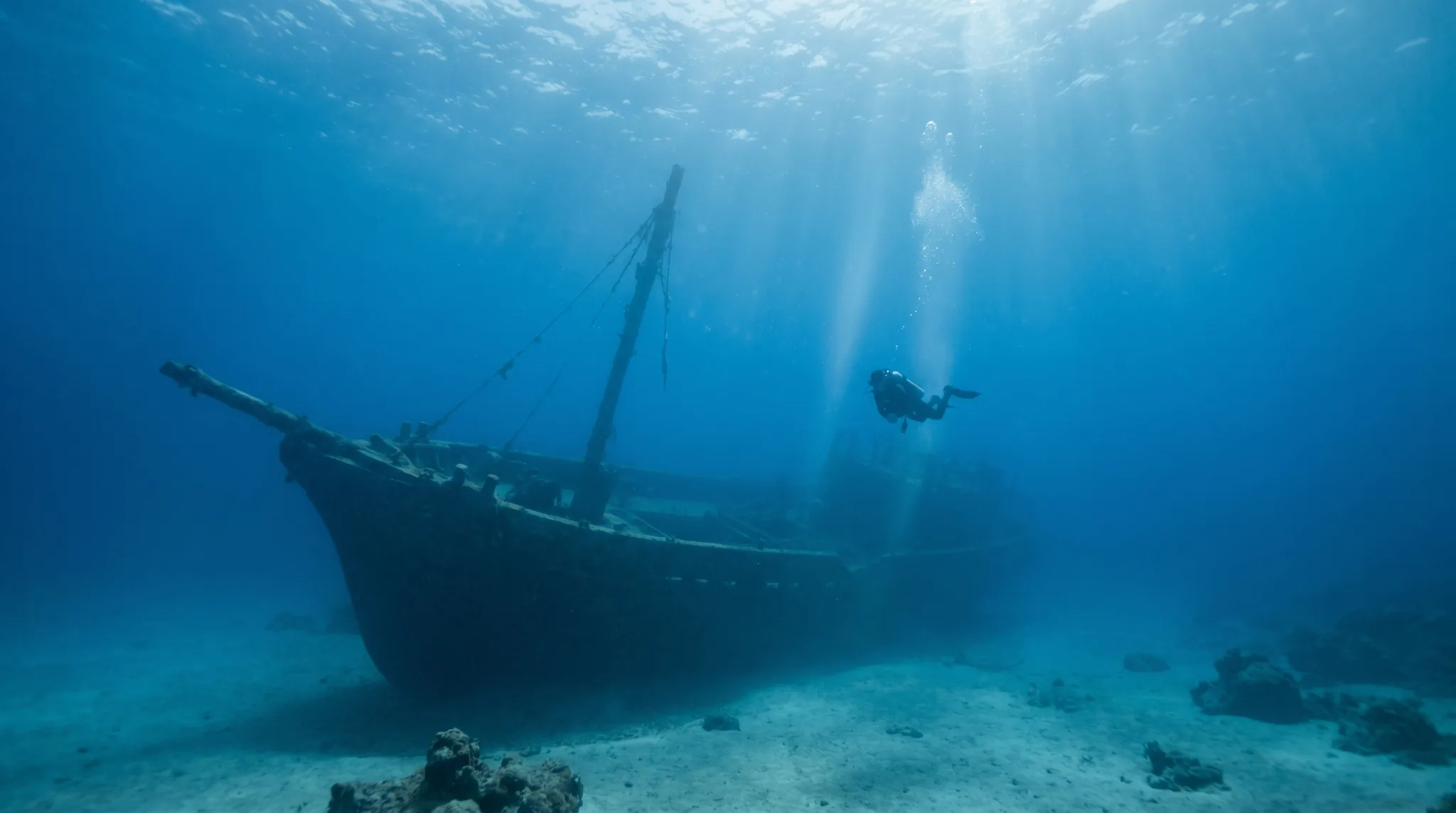
Gorée Island is defined above all by its wrecks. Artificial reefs and deliberately sunk vessels form the backbone of the site mix, drawing divers from beginner to advanced. Shore entries make several shallow wreck and reef sites accessible without a boat, while offshore sites reward those who venture further. Green Sea Turtle and Honeycomb Moray are the signature residents, joined by Groupers, Scorpionfish, Round Fantail Stingray and a rich cast of reef fish across the structures.
Monthly water temperature across Gorée Island's sites, from satellite sea-surface data corrected for depth. The band shows the site-to-site spread.
Water is at its coolest in late winter and early spring, then warms steadily through summer into a warm peak from July to October. The best-months data points toward May through November as the most productive window, with October seeing the strongest concentration of favourable conditions. Some offshore sites such as Shams carry moderate currents, so divers should check conditions before committing to boat dives.
1 operator
1 more site to explore
Water temperature around Gorée Island ranges from about 18°C in March to 28°C in August, based on satellite sea-temperature data for its dive sites.
In the warm season (about 28°C) a rash guard or 3mm shorty is comfortable in Gorée Island; in the coldest months (about 18°C) step up to a 5mm suit.
Fin maps 12 sites in Gorée Island (11 scuba diving sites and 2 snorkelling spots, with some suited to both).
Across Gorée Island's dive sites, July and October are most often reported as the best months to visit.
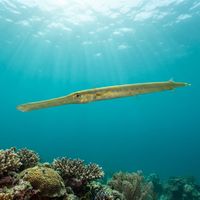
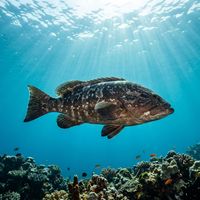
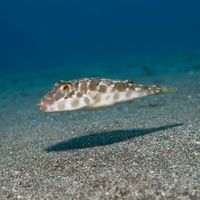
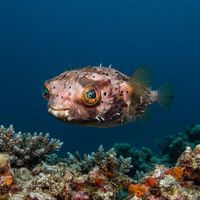
Green Sea Turtle and Honeycomb Moray are the most consistently observed signature species. Across the wrecks and reefs you are also likely to encounter Groupers, Pufferfish, Scorpionfish, Round Fantail Stingray, Cornetfish, Grunt, Sergeants and Lizardfish, among others. The artificial structures concentrate fish life, making encounters relatively reliable.
Yes, a good portion of the sites are rated for beginners, including the shore-entry reef at Gorée - Ecole and the shallow wreck at Welle. These sites stay at accessible depths and allow new divers to build confidence on interesting structures. Intermediate sites such as Nogaye and Océanie are available for those ready to progress, and the advanced wreck Cargo is there for experienced divers seeking greater depth.
Several sites offer shore entry, including Gorée - Ecole and Welle, which both sit at shallow depths and suit beginners. Other sites, particularly the offshore wrecks such as Nogaye, Suzuki, Jumelles and Cargo, require boat access. Having both options means divers without boat arrangements can still explore rewarding reef and wreck terrain.
The wrecks span a wide range of depths and difficulty. Welle is a gentle shore-entry wreck suitable for beginners, while Nogaye and Océanie are intermediate boat dives with moderate depth ranges. Jumelles and Suzuki step things up further, and Cargo is an advanced site with an overhead environment and the greatest depth in the lineup. Several of the wrecks have been established as artificial reefs, meaning they carry substantial marine growth and fish life.