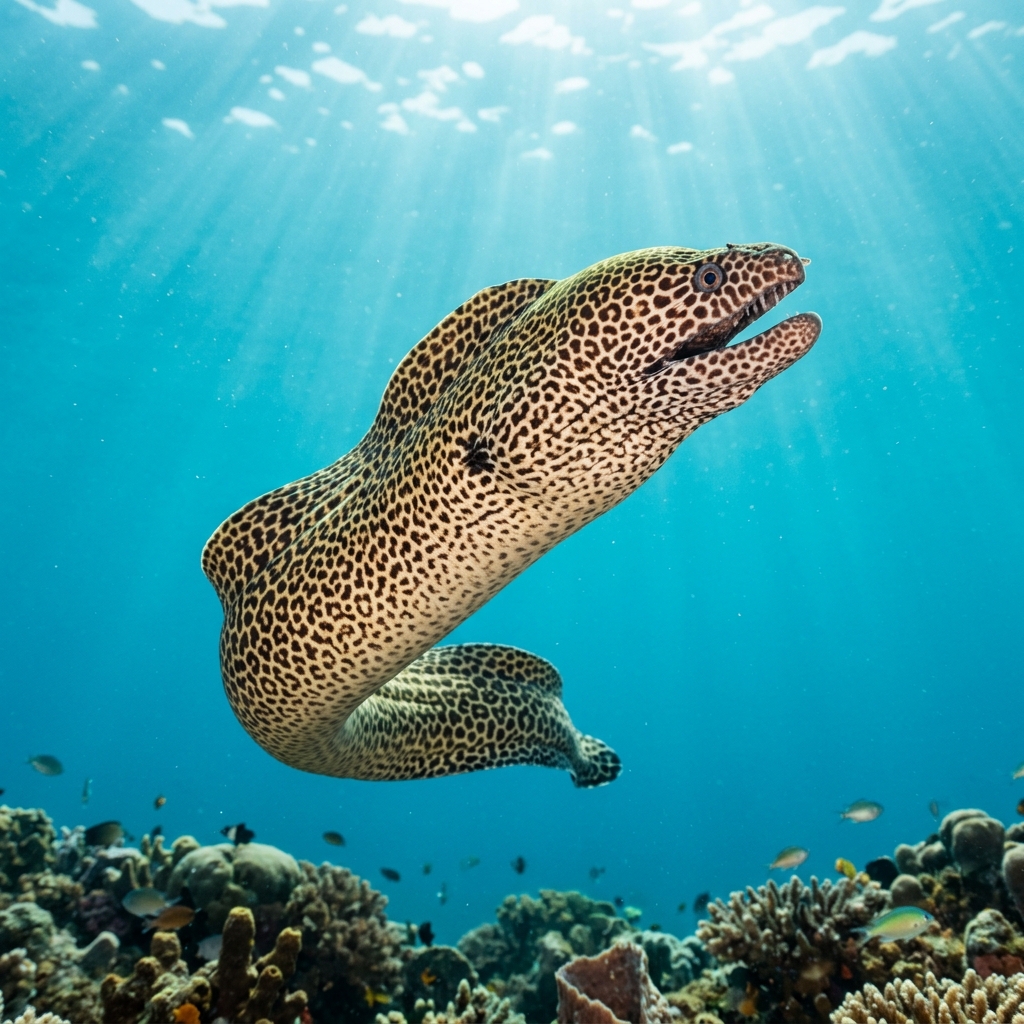
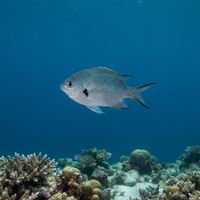
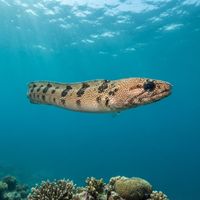
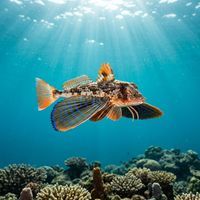
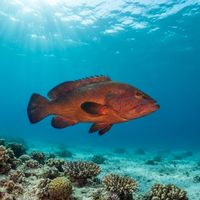
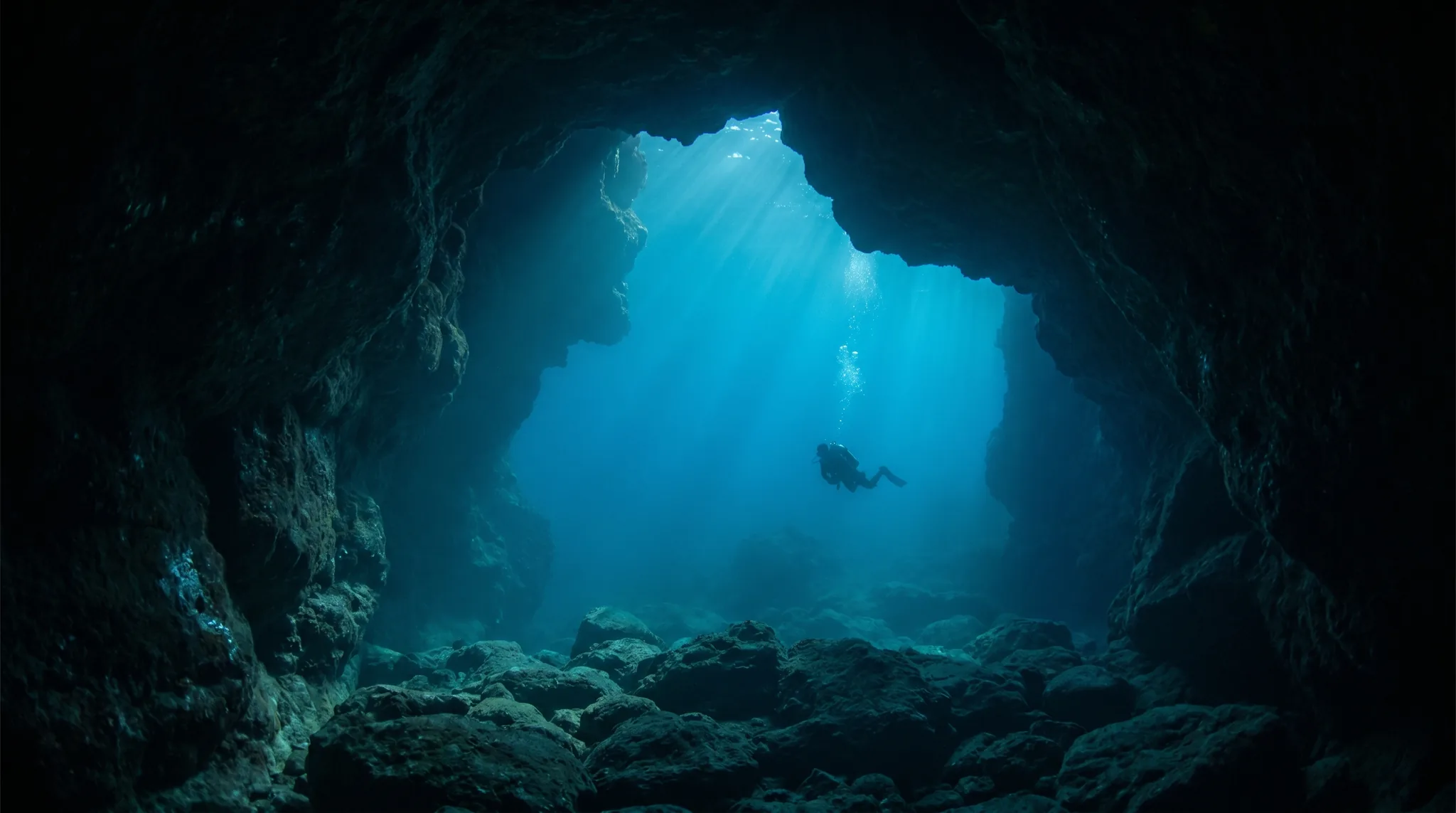
Santiago offers a varied diving landscape anchored by two distinct sub-areas: Tarrafal in the north and Praia in the south, with Tarrafal holding the greater share of sites. Reef walls, drop-offs, drift dives and cave systems make up the structural backbone, ranging from shallow reef tops accessible to beginners through to deep walls suited to intermediate divers. The marine life leans heavily on eels and bottom-dwellers: Honeycomb Moray, Black Moray and Snake Eel are encountered across almost every site, while Dusky Grouper, Trumpetfish and Flying Gurnard reward more attentive divers. Humpback Whale and Green Sea Turtle appearances add an occasional but memorable dimension.
2 areas
Monthly water temperature across Santiago's sites, from satellite sea-surface data corrected for depth. The band shows the site-to-site spread.
Water temperature stays warm throughout the year, with the coolest months falling between February and March and a peak in late summer through autumn. The histogram of favoured conditions points clearly to late spring and early summer as the sweet spot, when visibility tends to improve and currents at exposed wall and drift sites become more manageable. Sites like Vogelwand can carry strong currents, so conditions should be checked before committing to the more challenging boat dives.
28 operators
Water temperature around Santiago ranges from about 23°C in February to 27°C in September, based on satellite sea-temperature data for its dive sites.
In the warm season (about 27°C) a rash guard or 3mm shorty is comfortable in Santiago; in the coldest months (about 23°C) step up to a 3mm full suit.
Fin maps 20 sites in Santiago (19 scuba diving sites and 4 snorkelling spots, with some suited to both), organised into 2 areas.
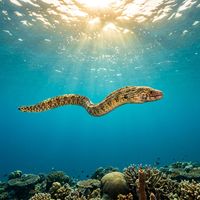
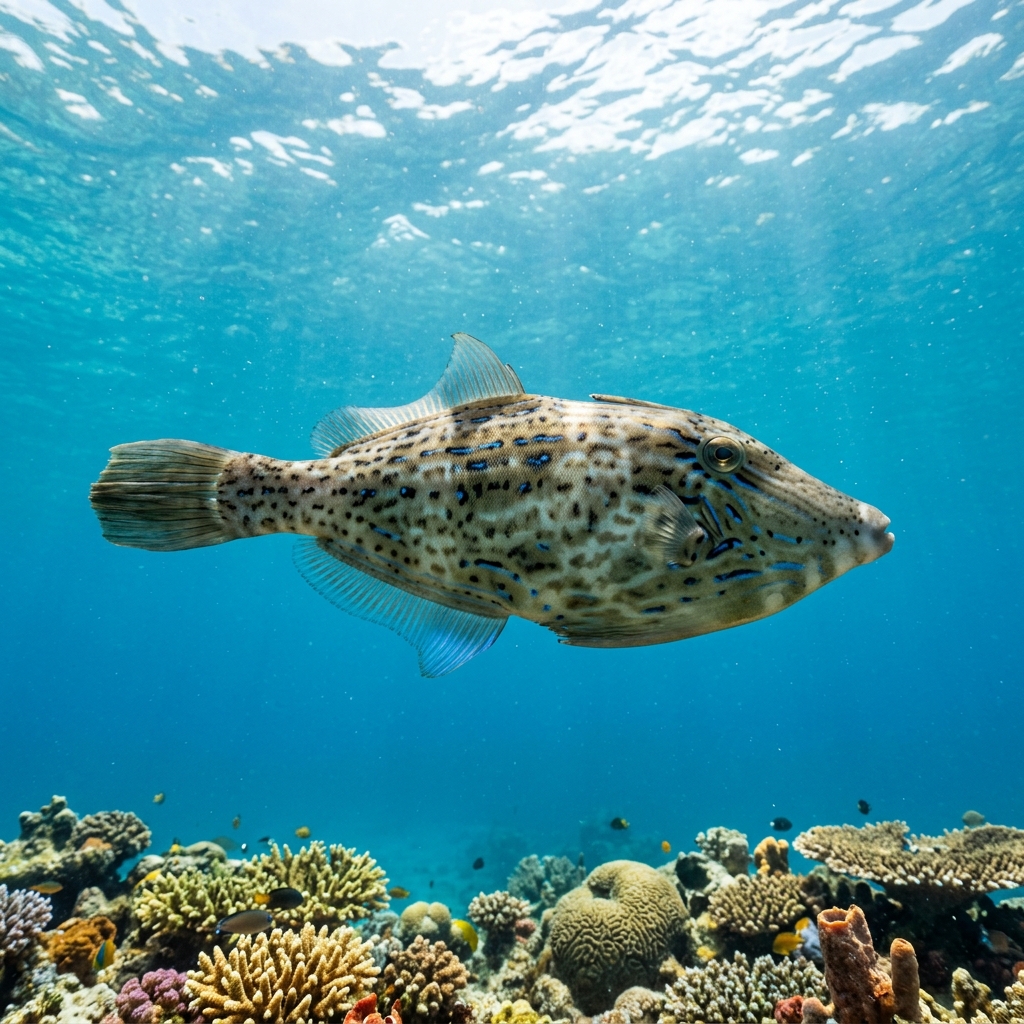
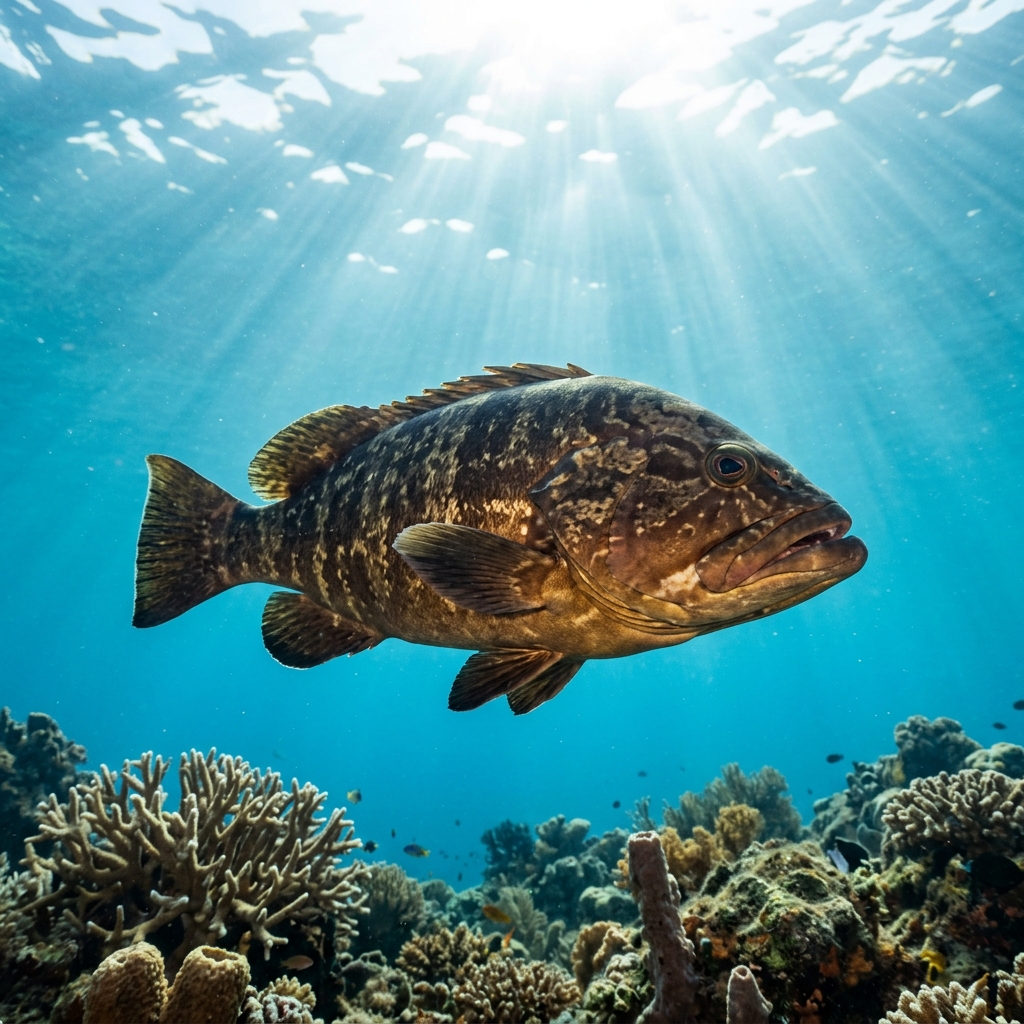
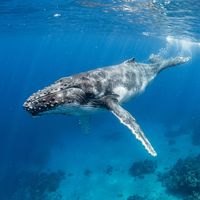
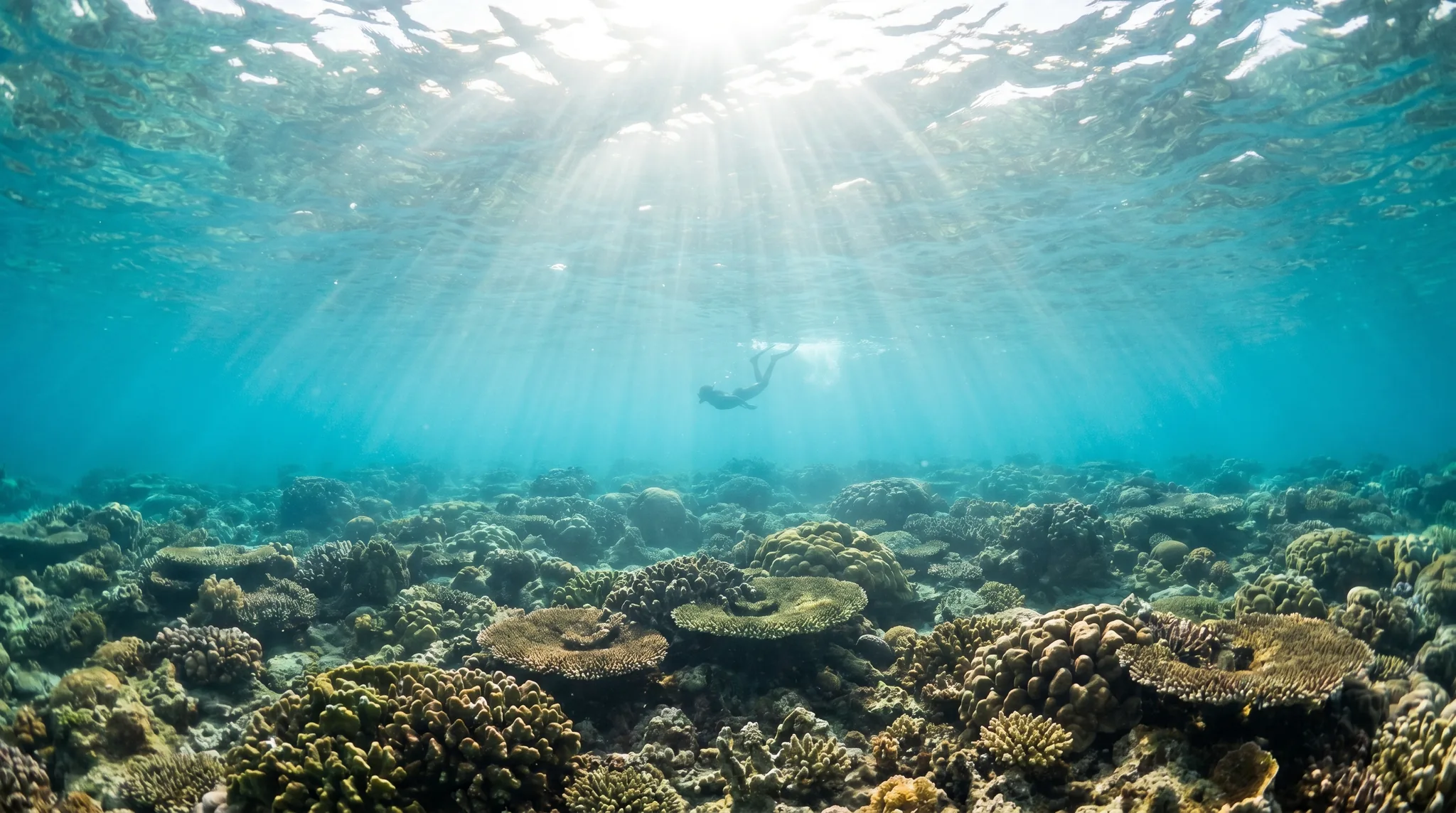
The reefs of Santiago are particularly rich in eels and bottom-dwellers. Honeycomb Moray, Black Moray and Snake Eel are very commonly encountered, alongside Pufferfish, Scrawled Filefish and Bream. Patient divers may also spot Flying Gurnard, Common Octopus and Slipper Lobster, and there are occasional sightings of Humpback Whale and Green Sea Turtle.
Santiago caters to a range of experience levels. Shore dives such as House Reef and Velha are rated for beginners, offering sheltered entries and shallower maximum depths on the reef top. Intermediate divers will find more challenge at boat-access wall and drift sites like Vogelwand and Plateau, where stronger currents and greater depths demand more experience.
Tarrafal holds the larger number of dive sites and is generally considered the primary diving hub on the island. Praia, the southern sub-area, has a smaller cluster of sites. Both areas share the same broad site types, including reef walls, caves and drop-offs, but divers seeking the widest choice of dives will find more variety in Tarrafal.
Several operators serve the island, including Divecenter Santiago and King Bay, Sunfish Scuba Diving Academy, Divecenter Santiago and Cidade Velha Diving. Having multiple operators based on the island means guided boat dives to exposed sites like Vogelwand and Plateau are well supported, and shore-dive briefings for sites such as Velha are readily available.