Muraena spp.
Reef-crevice eels logged from Cape Verde to Florida and the Galapagos, in water from 14 to 28C, usually spotted head-out and stationary.
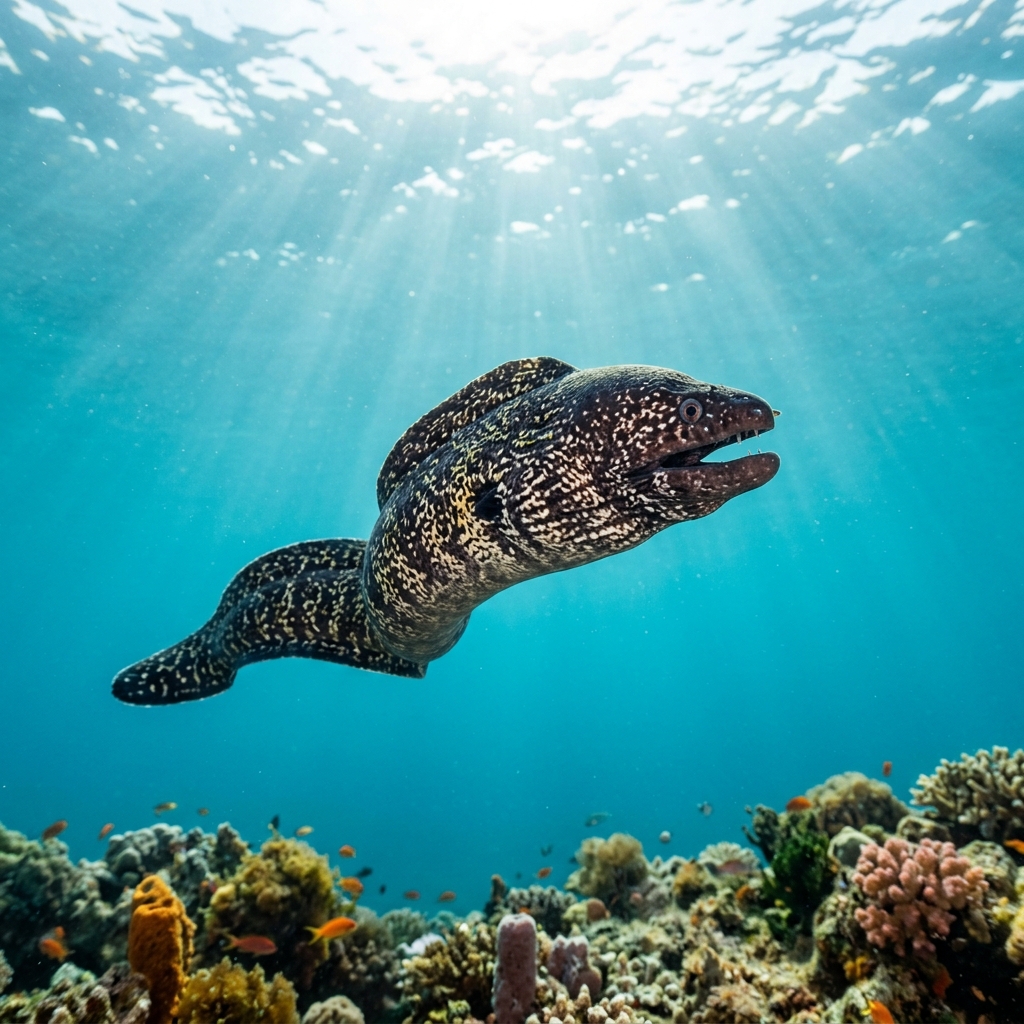
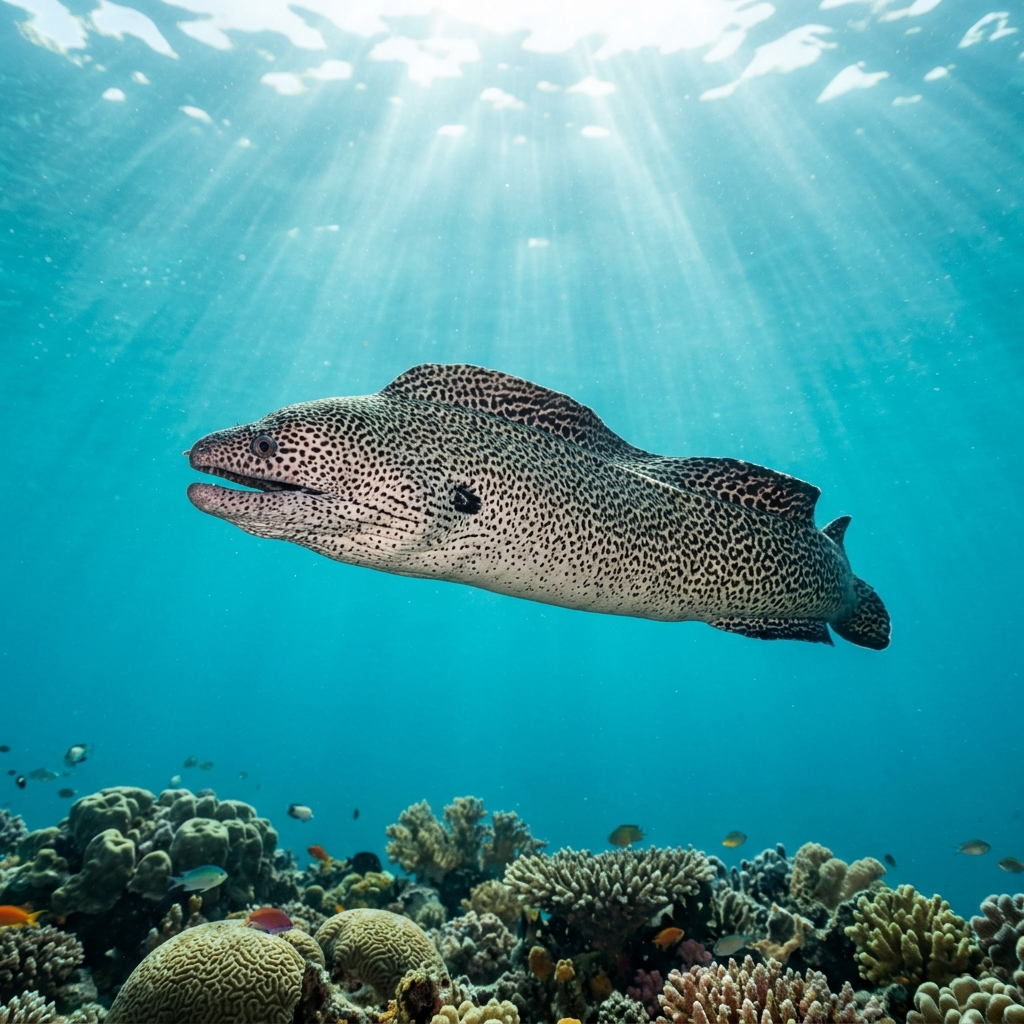
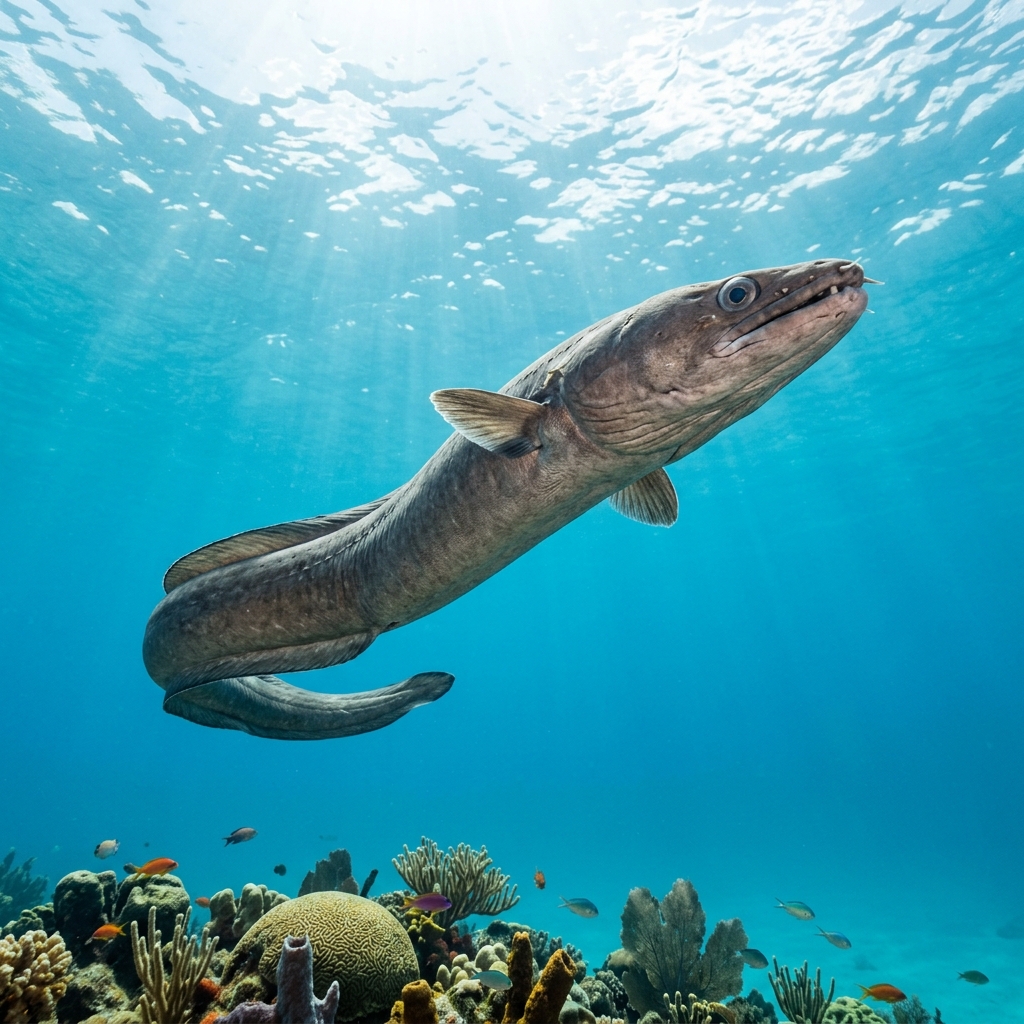
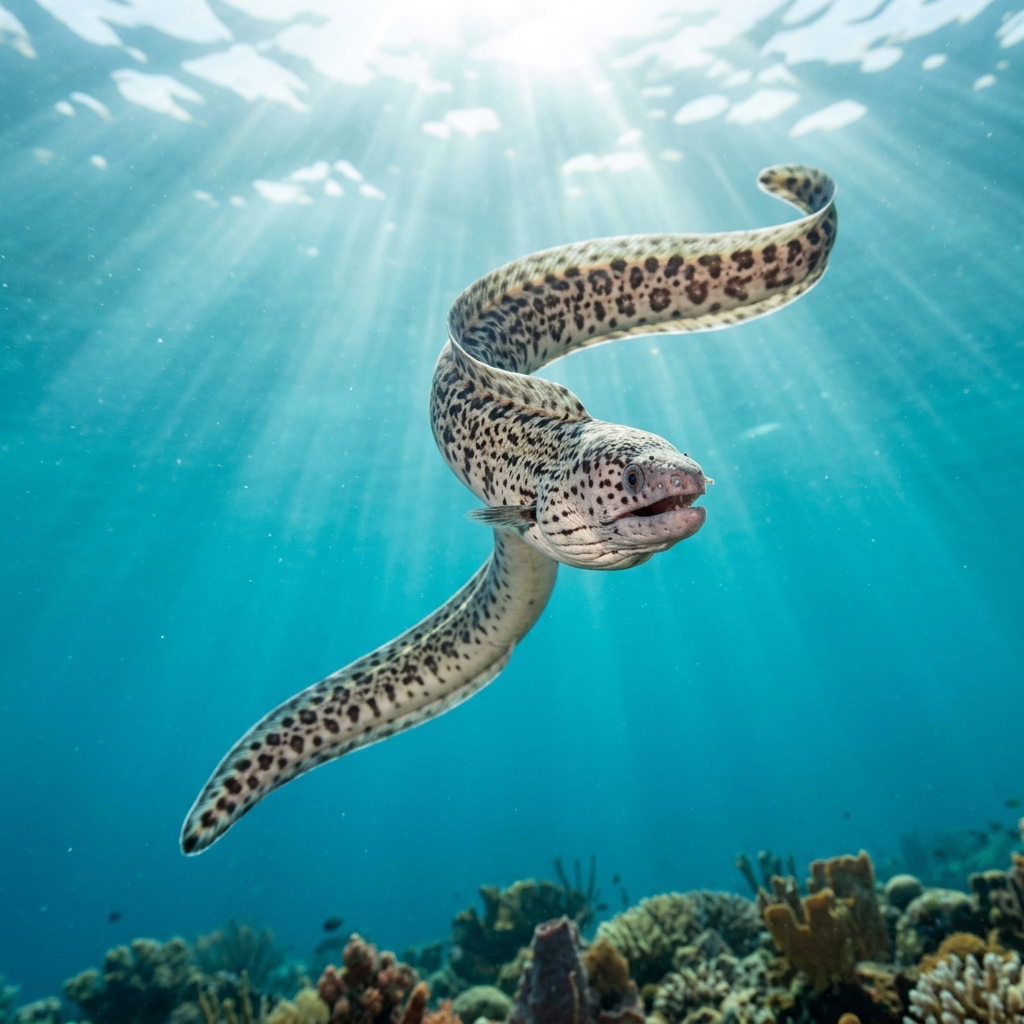
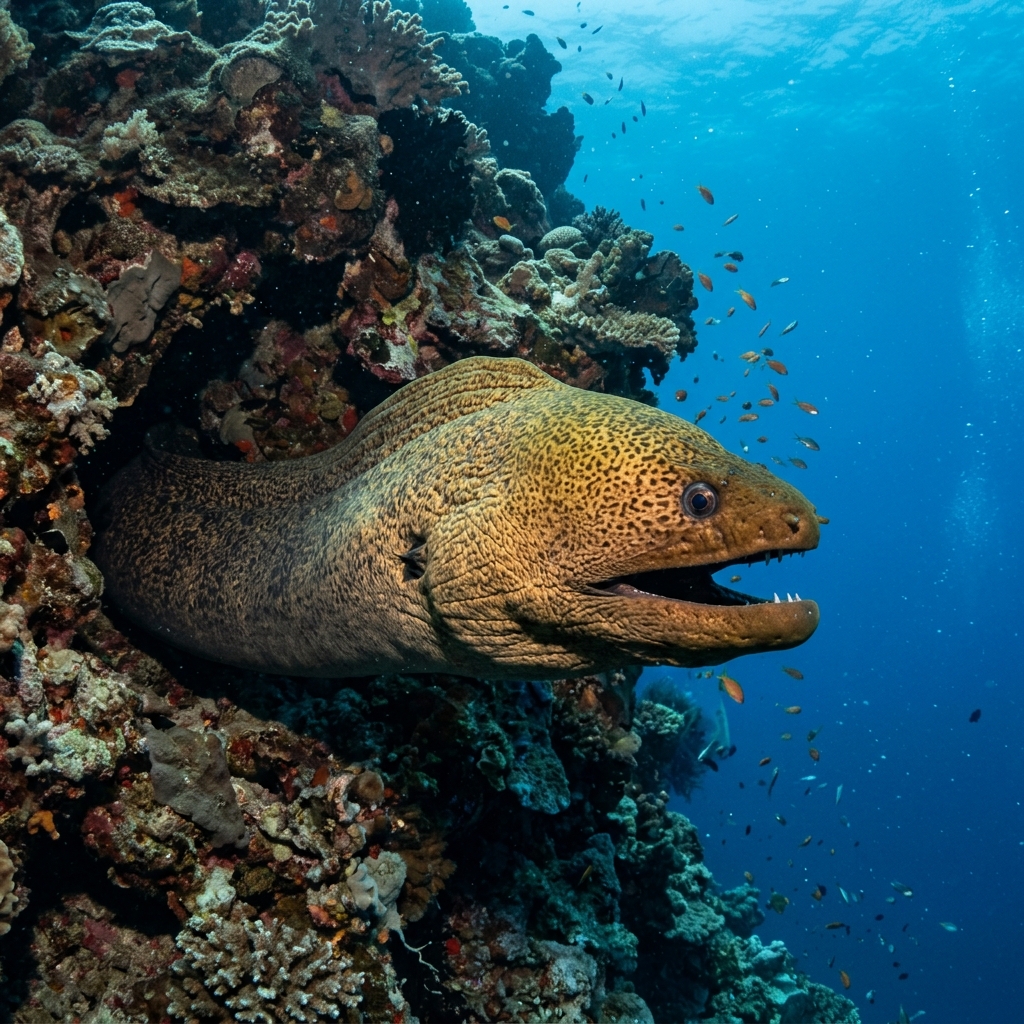
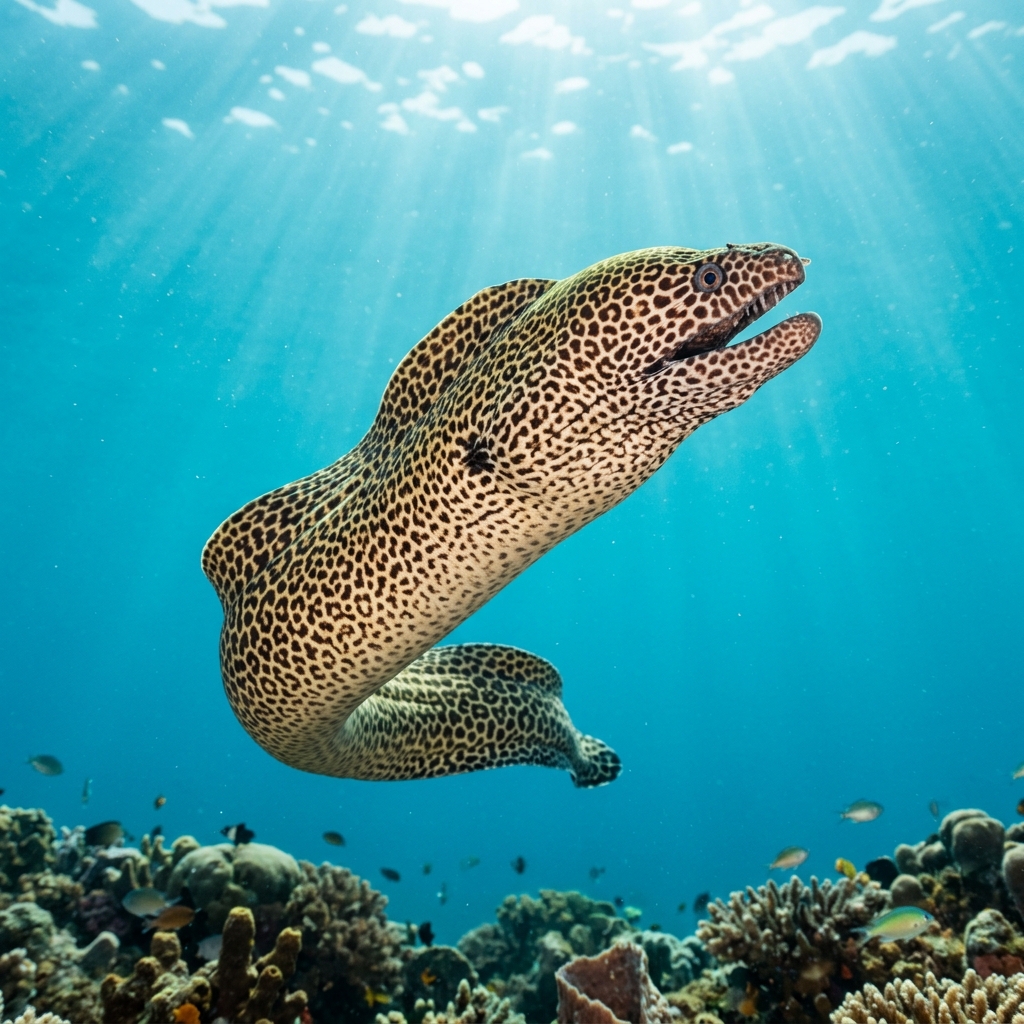
Body pattern is the giveaway: a pale yellowish to tan background covered in dark, irregular blotches that form a honeycomb or net-like mesh, most visible on the head and forebody. Only the head and part of the body usually show from its crevice, mouth opening and closing slowly as it breathes. Body shape is the standard moray form, no dorsal fin spines, no pectoral fins, thick muscular trunk tapering to a ribbon-like tail.
Expect a stationary encounter: body tucked into a crevice or under a ledge, head out, gills pulsing in that slow open-close rhythm morays are known for. It holds its ground calmly if you keep some distance and don't put a hand near the hole, and most daytime sightings are exactly this, a motionless head watching the reef. Active hunting outside the den is a dusk-or-after-dark event, so night dives are your best shot at seeing one actually moving across open reef.
Like other morays, it relies on a second set of jaws in its throat (pharyngeal jaws) that shoot forward to grab and drag prey back, a feeding trick unique among reef fish.
Sighting data shows no clear seasonal pattern, so treat this as a year-round find. Its recorded temperature range of 14.2 to 27.9C spans cool to warm reef conditions, which likely explains why divers log it across the calendar rather than in a narrow window.
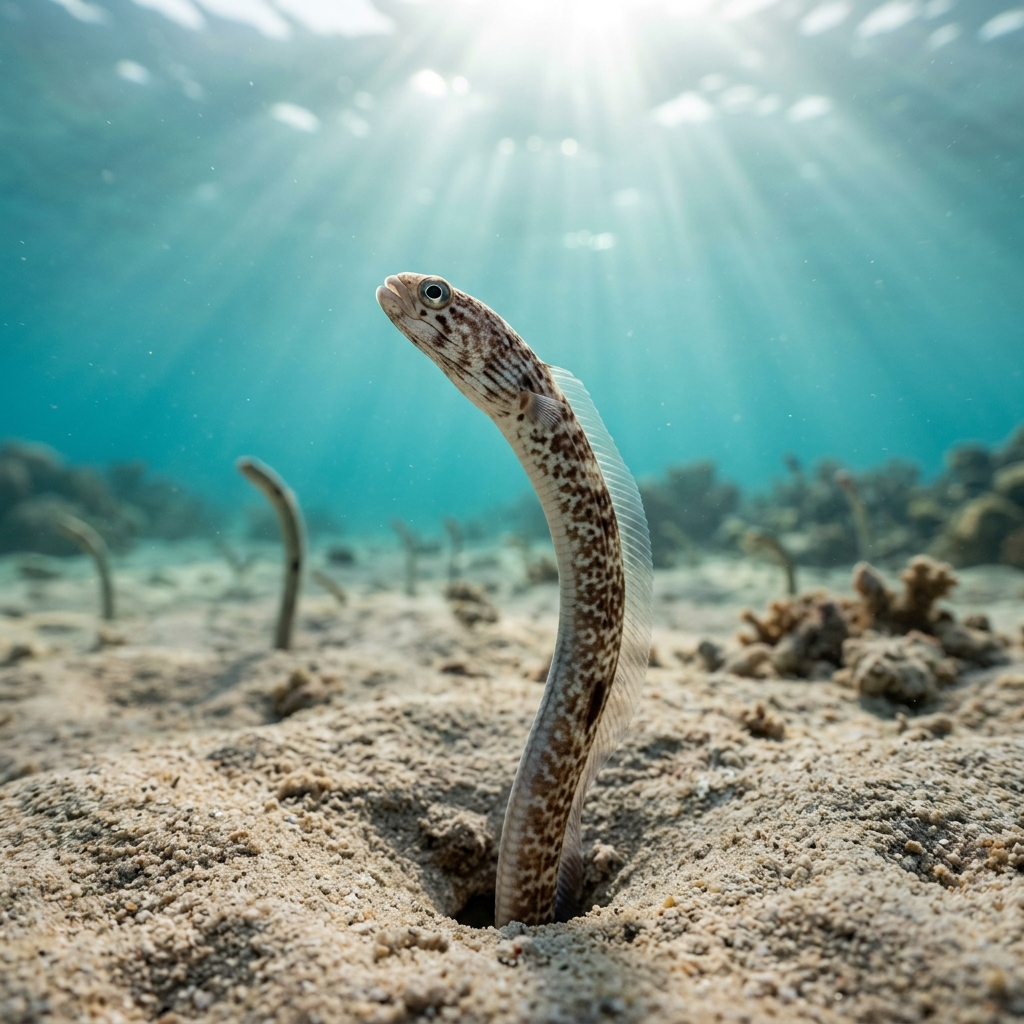
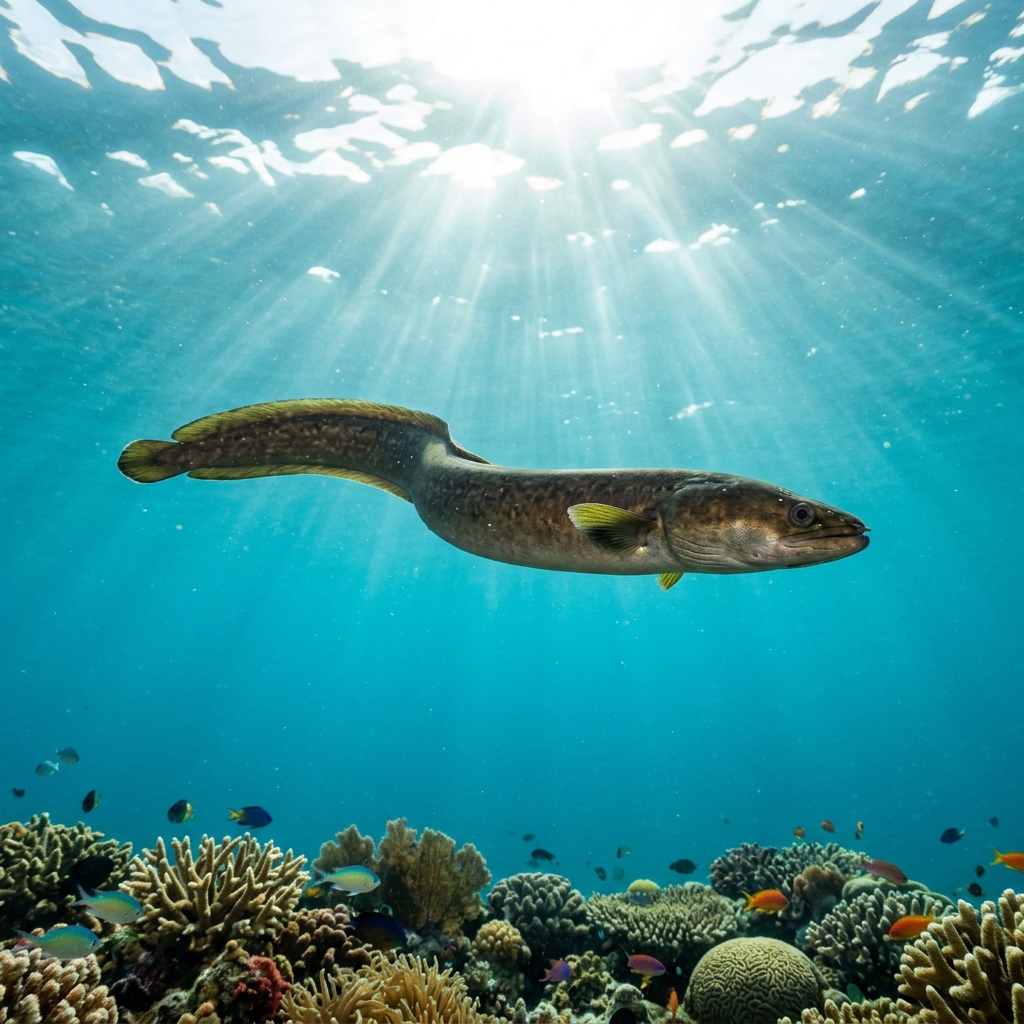
Reef neighbours a diver could mistake it for. Use the identification notes above to tell them apart.
Most reliably logged in Cape Verde, particularly around Sal and São Vicente, and a strong presence across the Caribbean and western Atlantic in Cuba, the Bahamas, and Florida. Also a regular find in Brazil's Pernambuco region, Venezuela, Mexico, and the Galápagos Islands of Ecuador.
Mapping where Honeycomb Morays is logged…
Cape Verde is the strongest area, especially Sal and São Vicente, alongside solid numbers across Cuba, the Bahamas, and Florida. Brazil's Pernambuco coast and Ecuador's Galápagos Islands also produce regular sightings.
There's no detected seasonal spike in sightings, so it's considered a year-round encounter. Its wide observed temperature tolerance, from 14 to 28C, means it turns up on reefs regardless of season.
Look for a pale tan to yellow body covered in dark, irregular blotches that mesh together into a net or honeycomb pattern, most obvious on the head. It's usually seen with just the head poking from a crevice, mouth slowly opening and closing.
No, they're not considered dangerous. They stay put in their crevice and are calm around divers who keep a respectful distance and don't reach into holes or ledges.
Like all morays, it feeds using a second set of jaws hidden in its throat that shoots forward to grab prey and pull it down, a feeding mechanism found in no other reef fish group.
Site and sighting data is aggregated from diver logs, iNaturalist and GBIF. For taxonomy and conservation status:
Garden Eel
2,448 sites