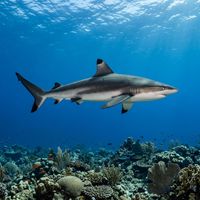
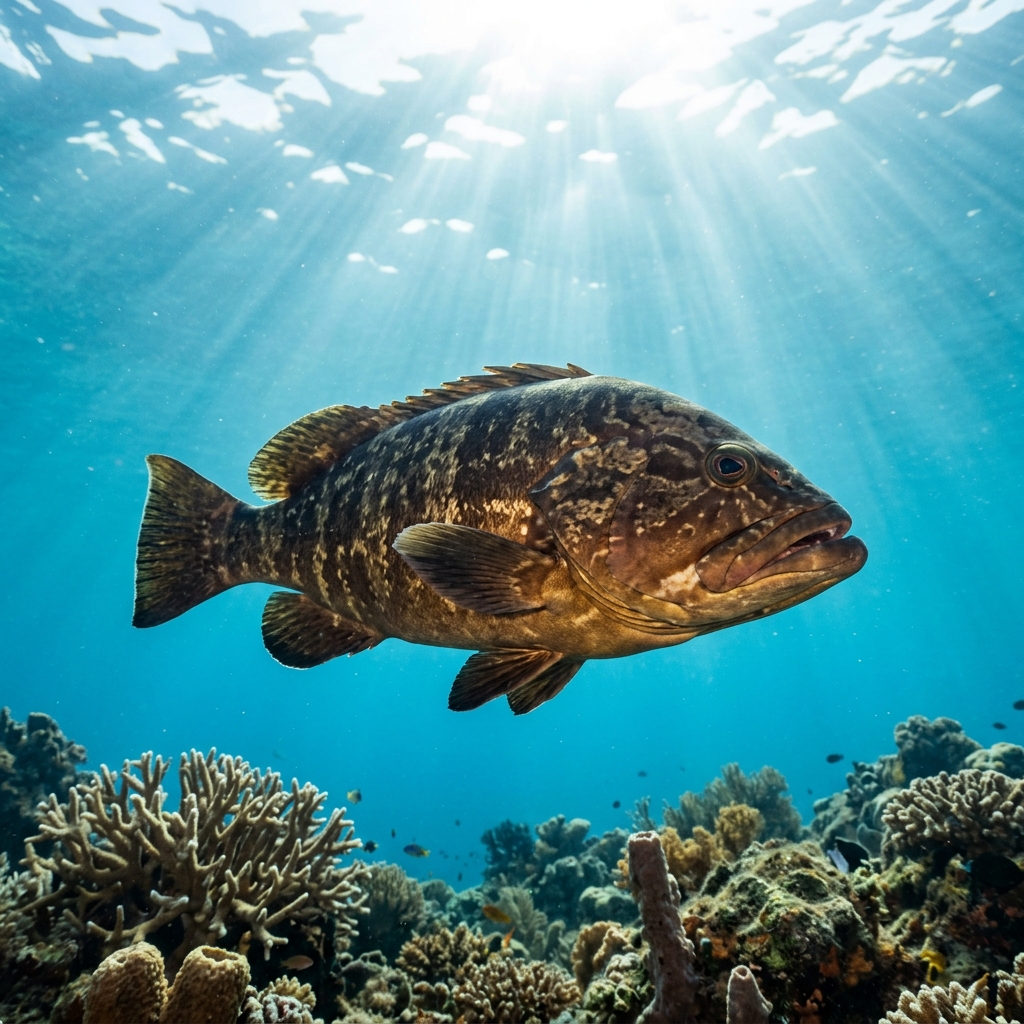
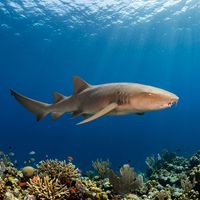
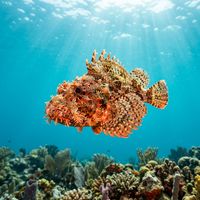
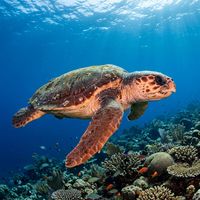
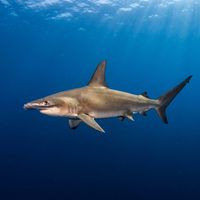
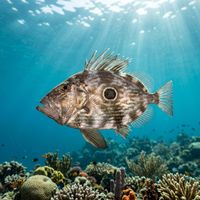
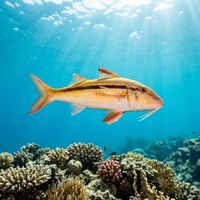
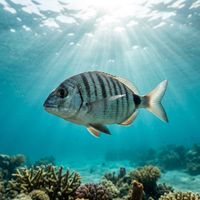
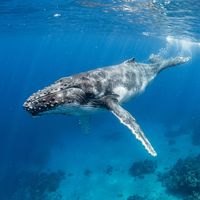
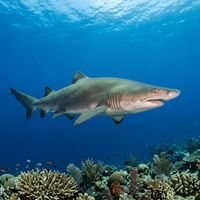
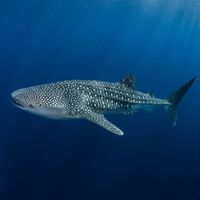
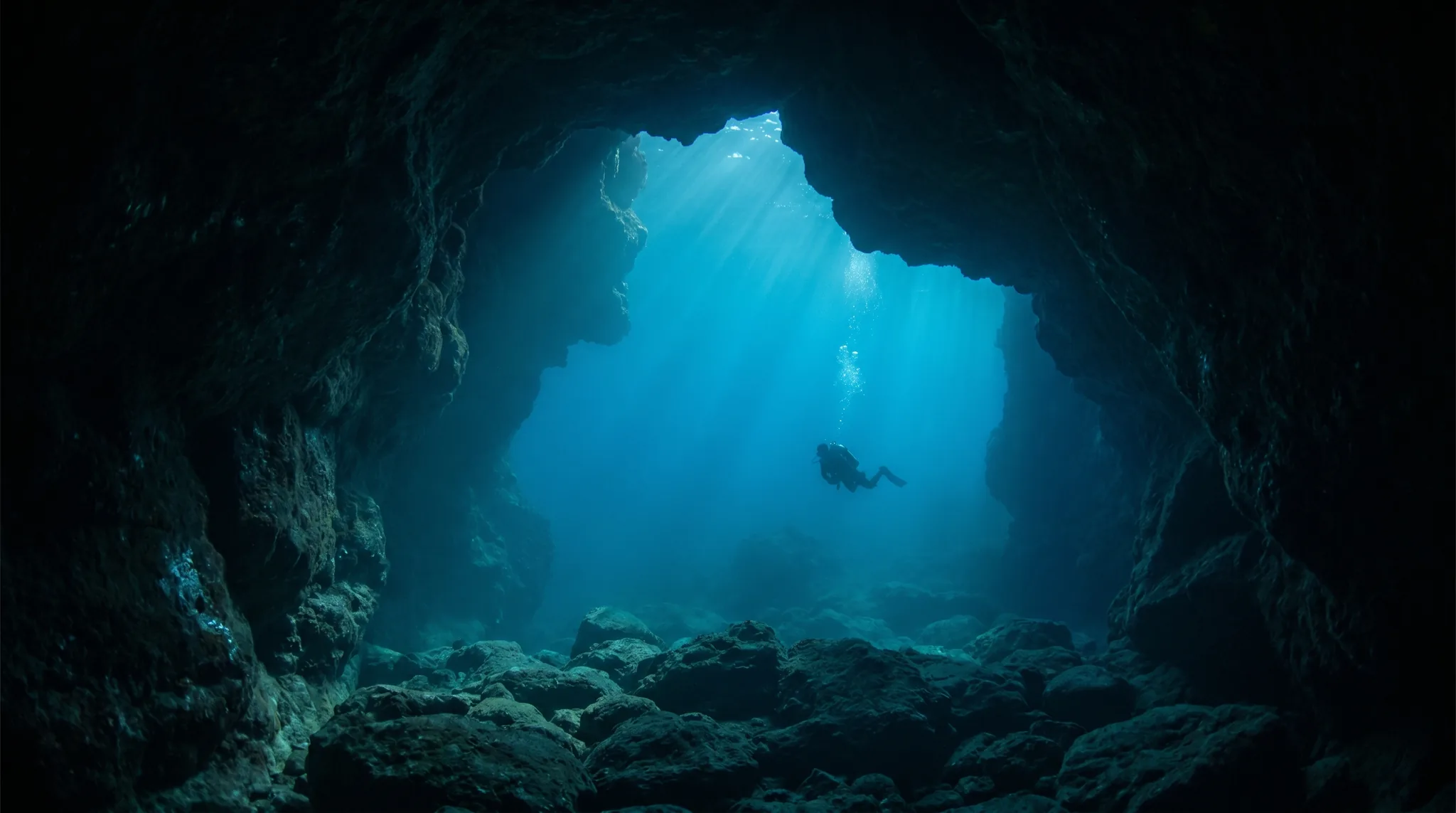
Boa Vista's dive sites are built around reef structures accessible by boat, with a marine life profile dominated by sharks and large fish. The Common Blacktip Shark, Nurse Shark, and Dusky Grouper are encountered across virtually every site, while the Scalloped Hammerhead and Loggerhead Sea Turtle appear at a good number of them. Sponge-covered reef and schools of White Seabream and Goatfish fill out the backdrop. Humpback Whale sightings add a seasonal dimension. Conditions are warmest from August through October, and the best diving months cluster from late spring through early autumn, with April through September drawing the strongest recommendation from logged dives.
Monthly water temperature across Boa Vista's sites, from satellite sea-surface data corrected for depth. The band shows the site-to-site spread.
Water temperature stays comfortably warm year-round, rising to its peak from August through October before easing back through the winter months. The cooler period from January through March still offers pleasant diving, and visibility can be generous across all seasons. The strongest concentration of diver activity falls between April and September, suggesting that conditions, marine life aggregations, and operator availability align most favourably during those months.
15 more sites to explore
Water temperature around Boa Vista ranges from about 23°C in January to 28°C in September, based on satellite sea-temperature data for its dive sites.
In the warm season (about 28°C) a rash guard or 3mm shorty is comfortable in Boa Vista; in the coldest months (about 23°C) step up to a 3mm full suit.
Fin maps 16 sites in Boa Vista (12 scuba diving sites and 4 snorkelling spots).
The Common Blacktip Shark and Nurse Shark are observed across the full breadth of Boa Vista's sites and are among the most reliably encountered animals here. The Scalloped Hammerhead appears at a notable share of sites and is considered a signature species for the island. Whale Shark and Grey Nurse Shark have also been observed, though at fewer sites.
Sites such as Alcatraz feature shallow reef structures with mild currents, which tend to suit less experienced divers comfortably. The boat-access format is consistent across the site mix, so new divers should be comfortable entering from a vessel. Checking with operators such as Diving Center Riamar, Scubacaribe, or Boa Vista Diving directly will help match sites to a specific experience level.
All logged dive sites in Boa Vista are accessed by boat rather than from shore. This means diving is organised through one of the local operators, of which there are several active on the island. Boat trips allow access to the offshore reef structures where the shark and large fish sightings are concentrated.
Humpback Whale sightings have been recorded across a quarter of Boa Vista's sites, making encounters a real possibility rather than a rarity. Bottlenose Dolphin and Orca have also been observed, though at fewer locations. These sightings tend to be seasonal in character, so timing a visit with the warmer months may improve the odds.