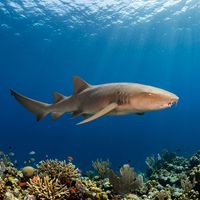
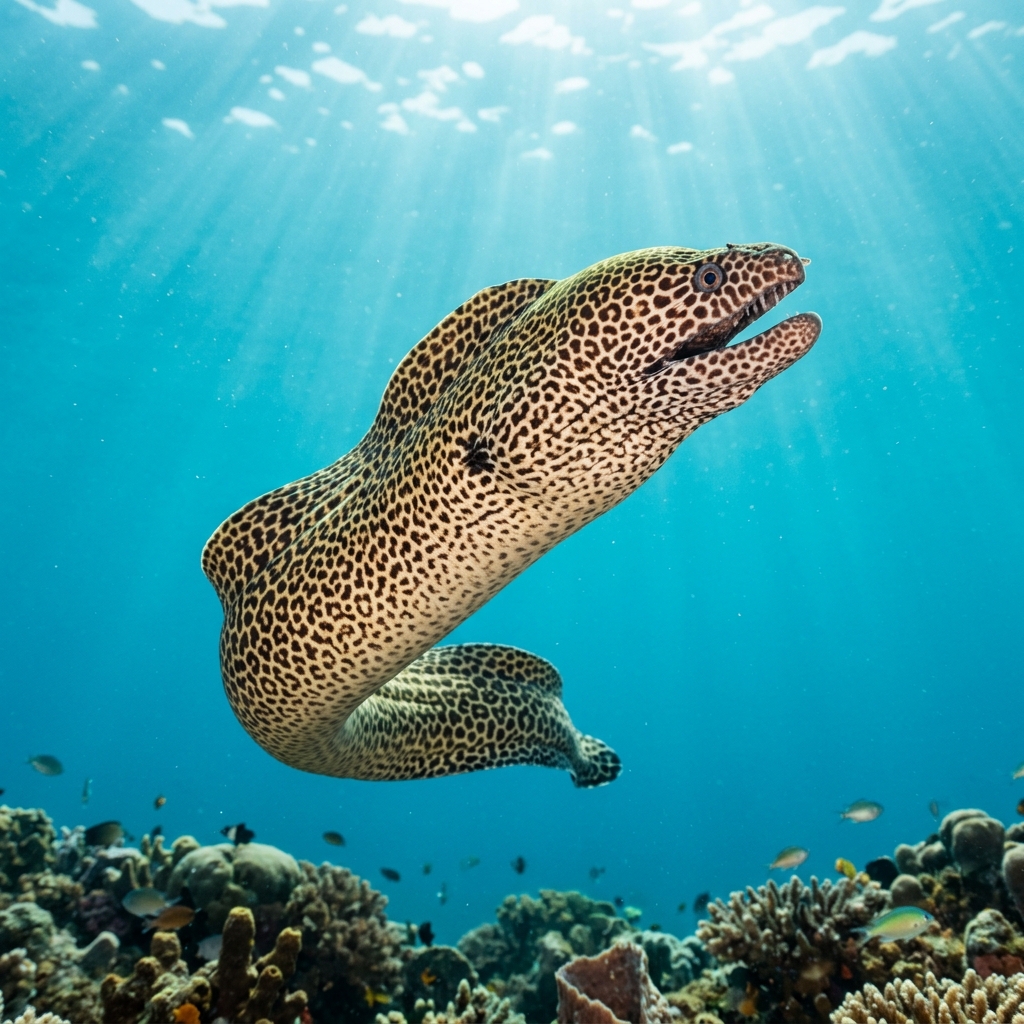
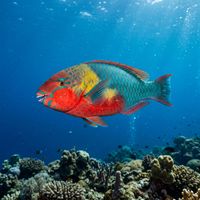
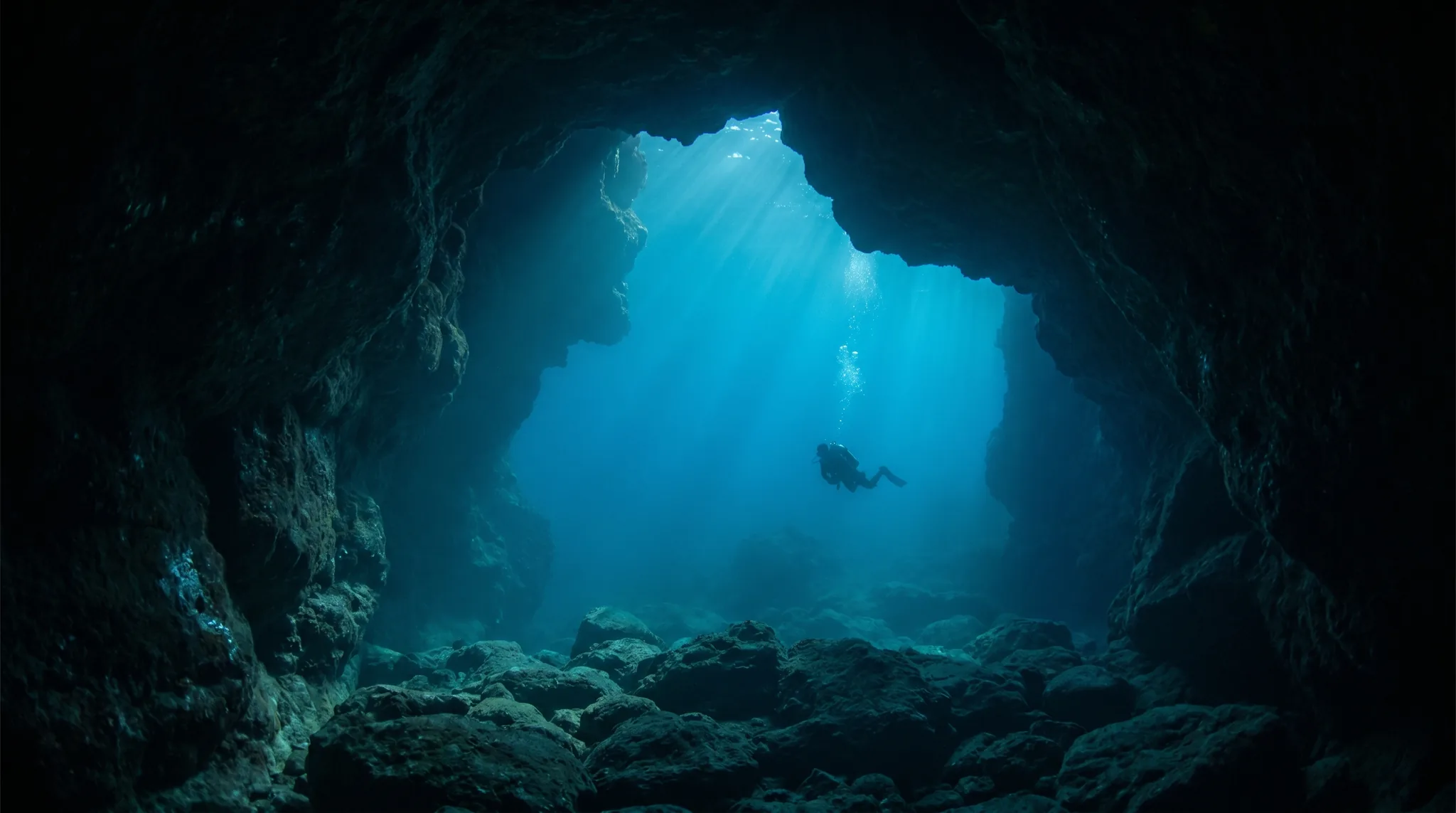
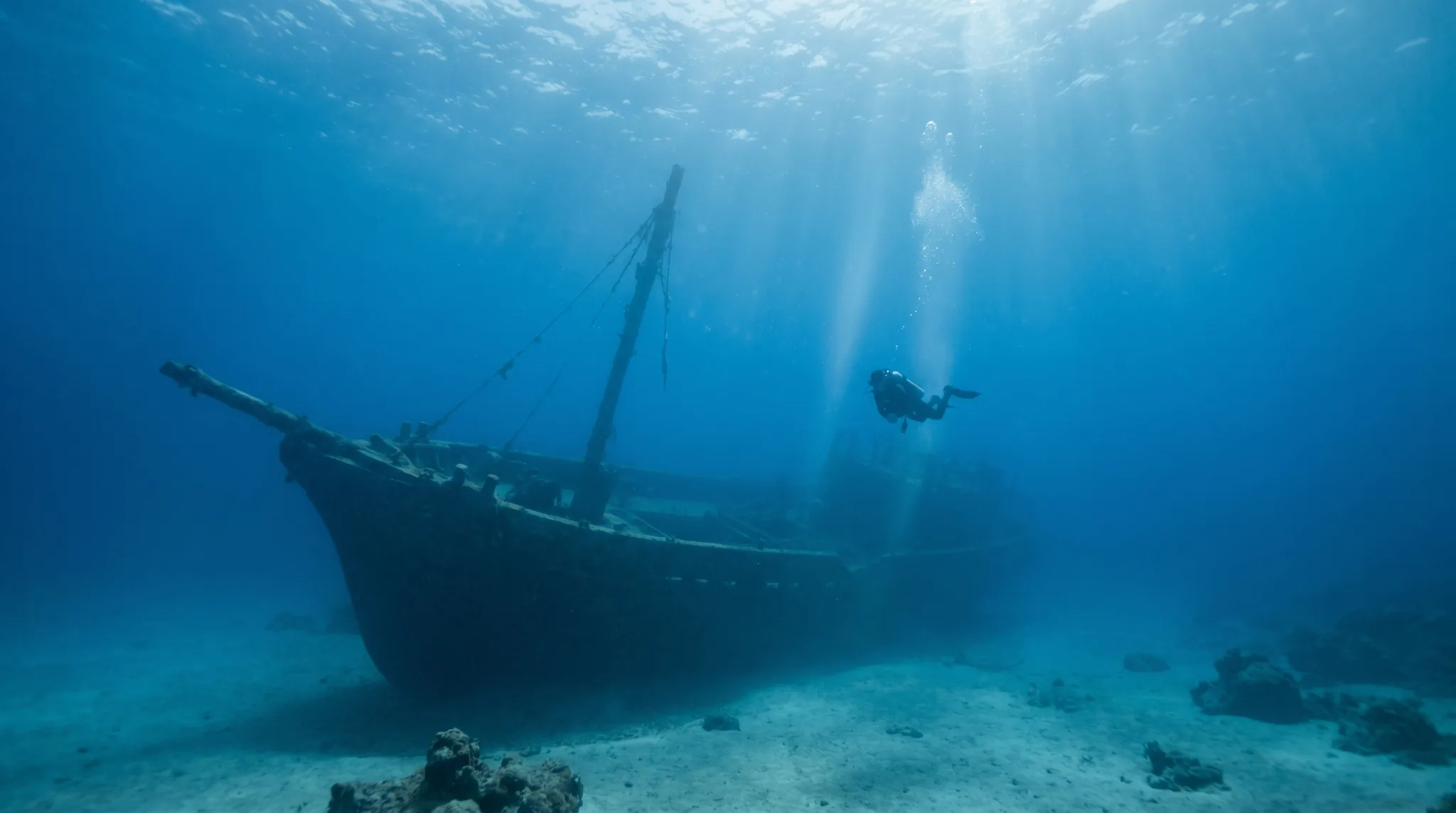
Sal is defined by its exceptional variety of dive site types packed into a single island. Cave systems are a clear speciality: Buracona, Dos Olhos, Regona, Langosta Verde and the multi-chamber 3 Caves each offer distinct overhead environments ranging from accessible to demanding. Wrecks at Danfior, Kwarcit, Calderinha and Santo Antão provide artificial reef structure across a spread of skill levels. The resident marine life skews heavily towards Nurse Shark, multiple moray species including Honeycomb Moray and Purplemouth Moray, European Parrotfish and Groupers. Conditions favour spring and early summer, with a secondary window in autumn.

Monthly water temperature across Sal's sites, from satellite sea-surface data corrected for depth. The band shows the site-to-site spread.
Water temperature stays warm throughout the year, dipping slightly in late winter and peaking in October and November. Visibility varies considerably by site and season, with the best conditions reported from spring through early summer and again in autumn. Some sites such as Morro das Pedras carry strong currents that make conditions challenging, while sheltered reef and wreck sites remain accessible to beginners in most months.
24 more sites to explore
Water temperature around Sal ranges from about 22°C in February to 27°C in October, based on satellite sea-temperature data for its dive sites.
In the warm season (about 27°C) a rash guard or 3mm shorty is comfortable in Sal; in the coldest months (about 22°C) step up to a 3mm full suit.
Fin maps 36 sites in Sal (32 scuba diving sites and 4 snorkelling spots, with some suited to both).
Across Sal's dive sites, April, May, June and October are most often reported as the best months to visit.
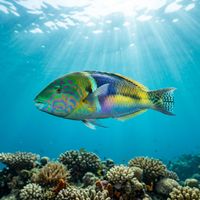
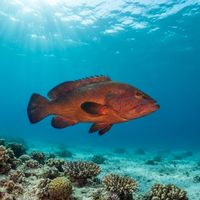
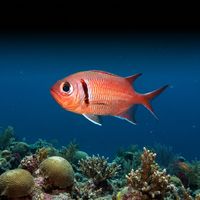
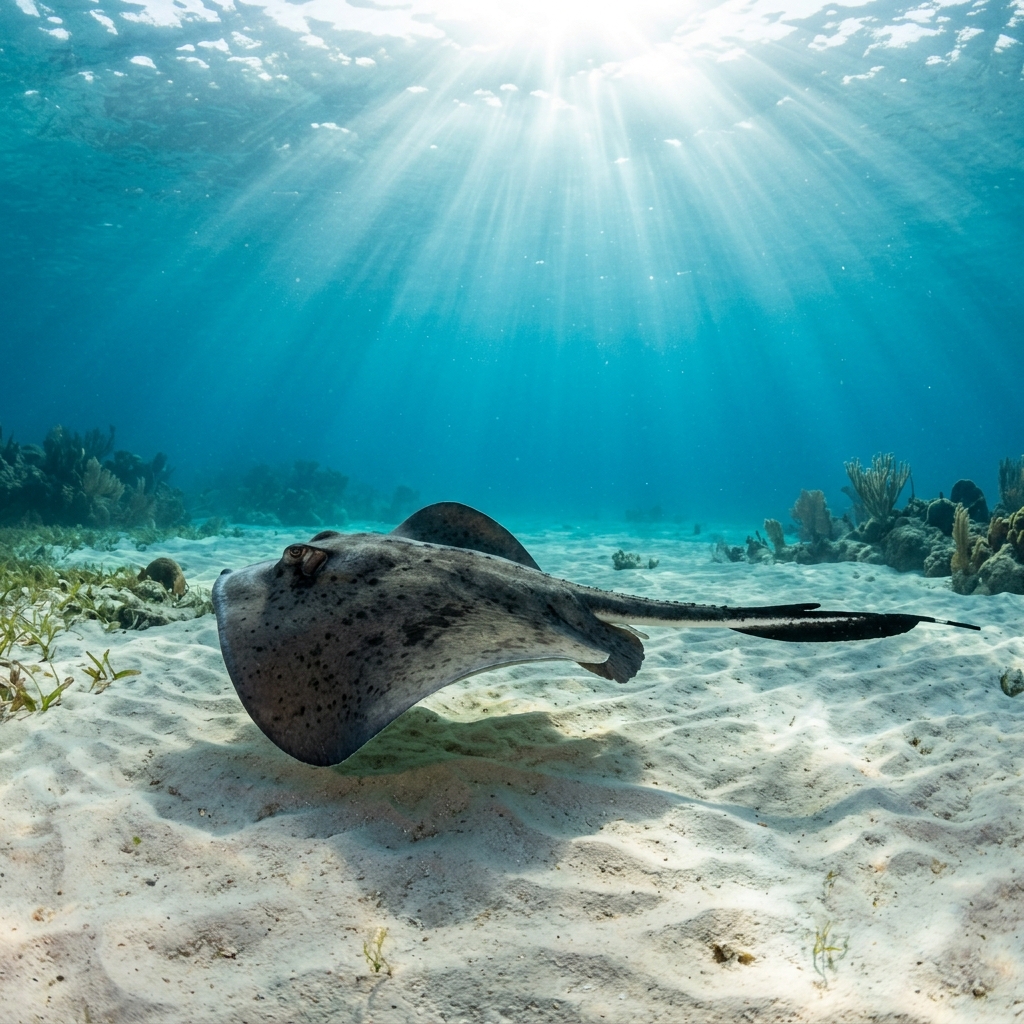
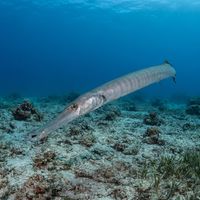
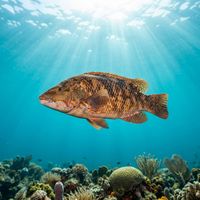
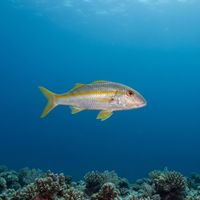
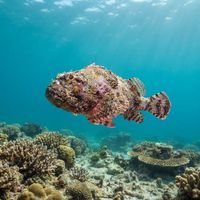
Nurse Shark is observed across the majority of dive sites and is the standout resident species. Moray eels are particularly well represented, with Honeycomb Moray, Purplemouth Moray, Goldentail Moray, Black Moray and Viper Moray all recorded. European Parrotfish, Groupers, Scorpionfish, Trumpetfish and Round Fantail Stingray round out a diverse reef community, and Green Sea Turtle is seen occasionally across several sites.
A good number of sites are graded for beginners, including the Danfior wreck, Santo Antão wreck, Calderinha, Peridao and Bera d'Coral. These sites are generally shallow and reached by boat, making them well-suited to newly qualified divers. The cave systems such as Dos Olhos, Langosta Verde and Dois Olhos are reserved for advanced divers with overhead-environment experience, and Morro das Pedras requires advanced skills due to strong currents.
The cave sites in Sal range from intermediate to advanced difficulty and are among the most distinctive diving on the island. Buracona is a shore-entry cave through volcanic rock, while 3 Caves combines cave, reef, wall and drift topography in a single boat dive. Reef and wall sites such as Choclassa and Peridao offer more open-water diving with a broad depth range, and the wrecks provide structure and marine life at relatively shallow depths.
Access is split between shore entry and boat, with several sites offering both options. Shore-entry sites include Buracona, Regona, Langosta Verde and Dois Olhos, while the wrecks and offshore reefs are reached by boat. Sal has a well-established operator scene with centres including Aqualis Diving, Santa Maria Dive Center, Allblue Cabo Verde, Eco Dive School Cabo Verde and others spread across the island.