
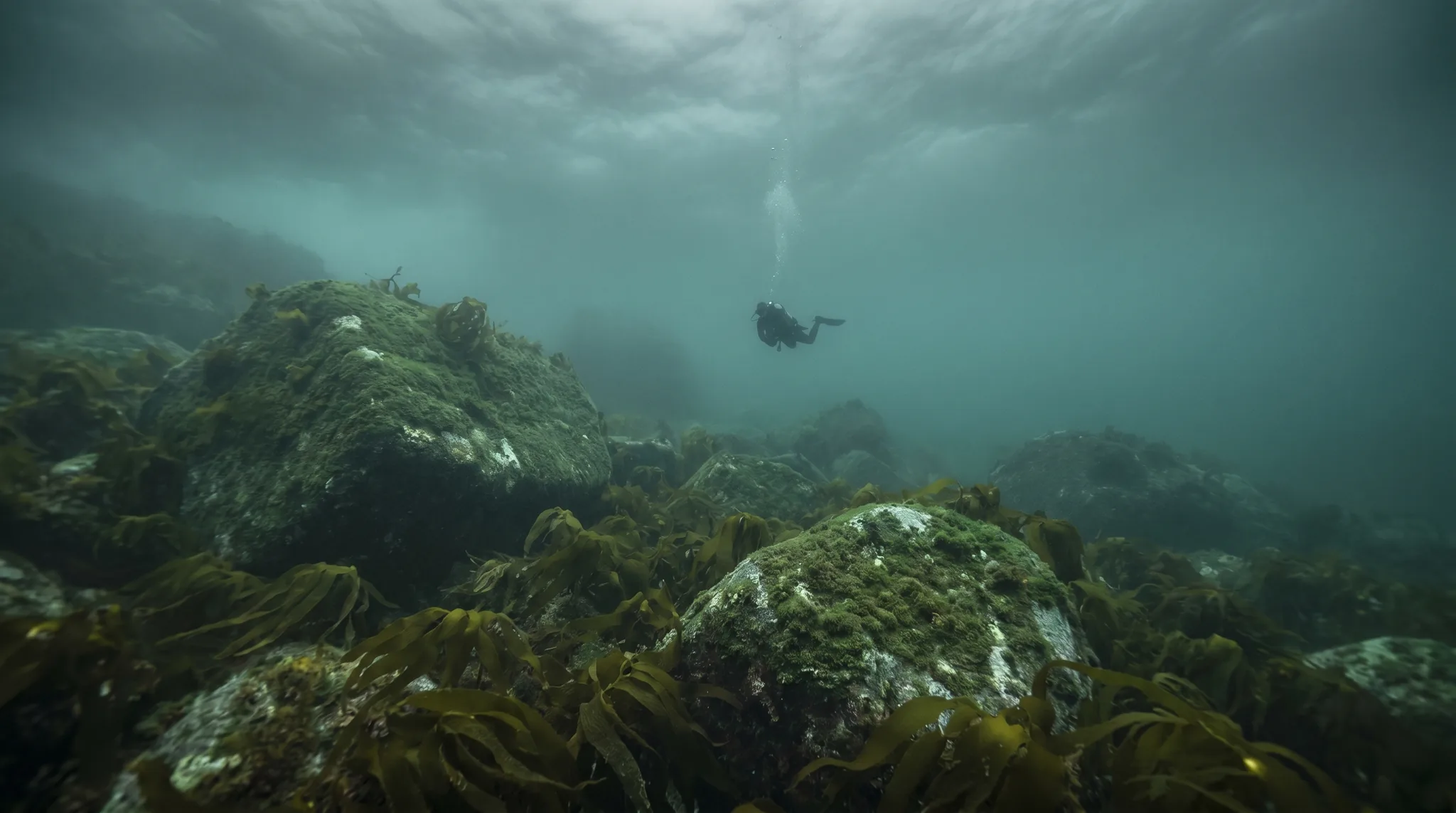
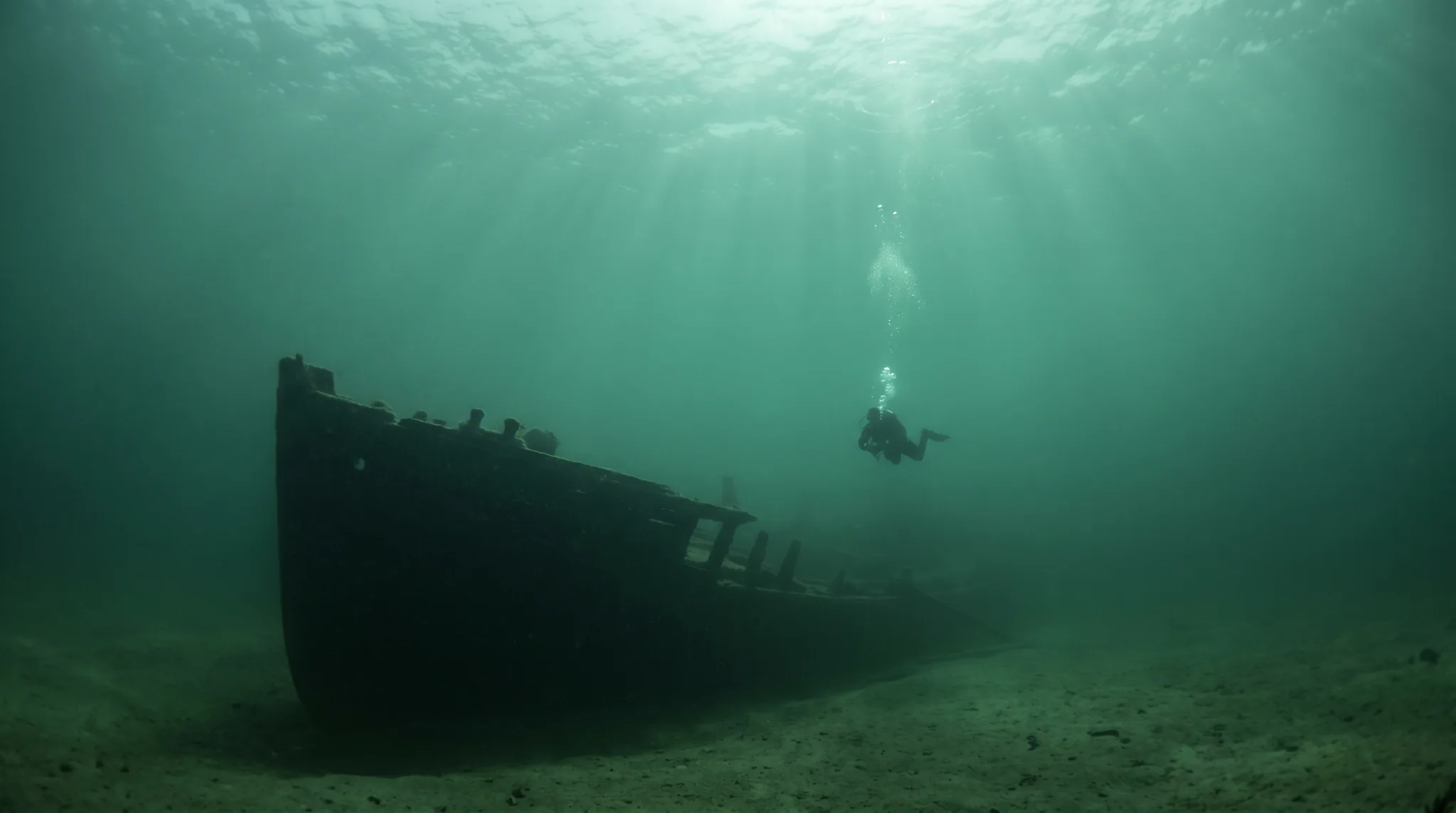
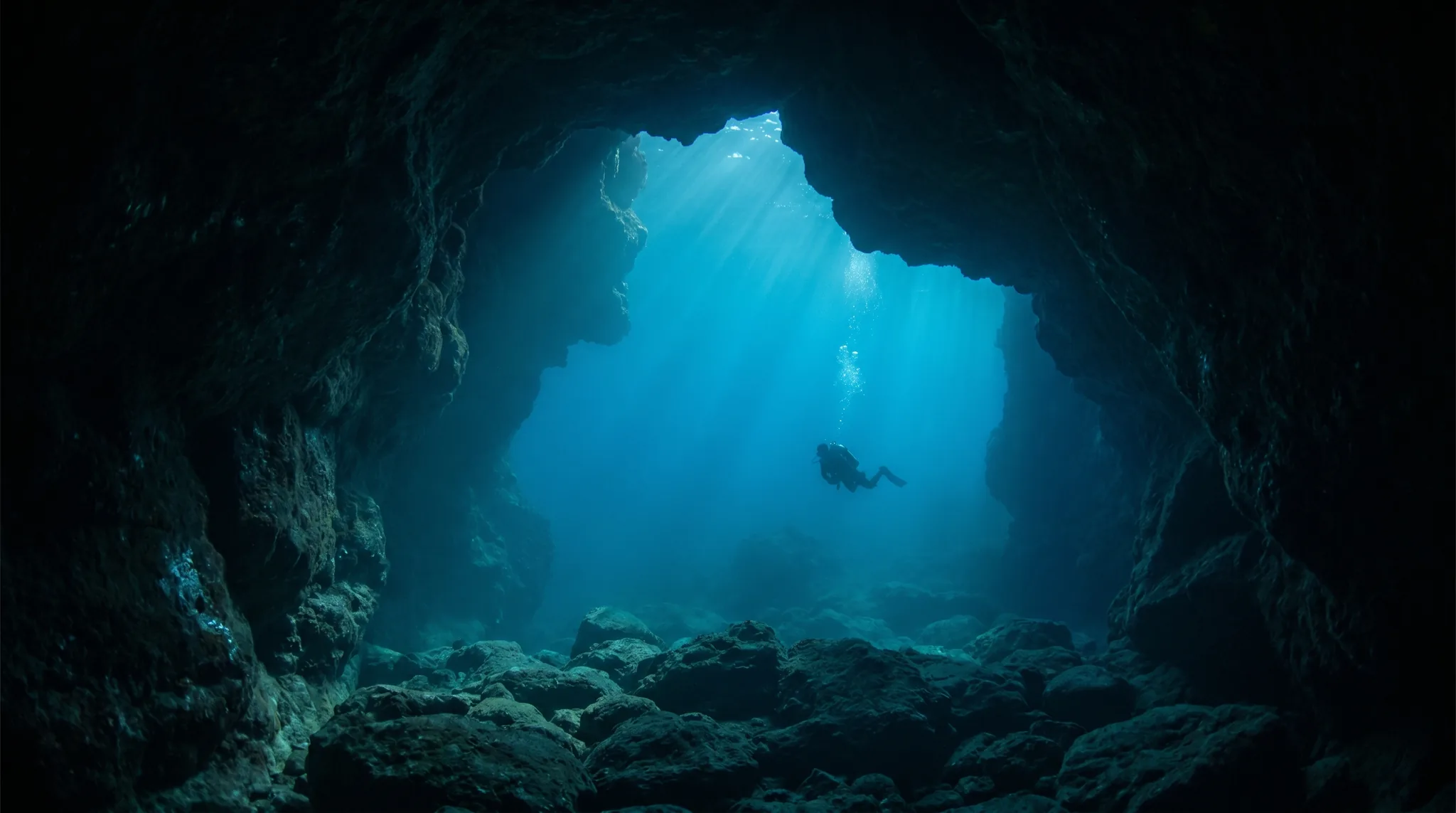
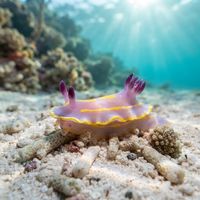
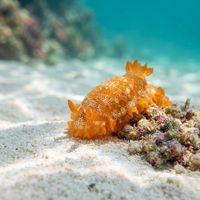
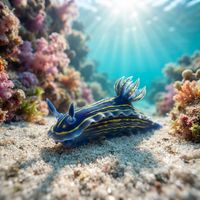
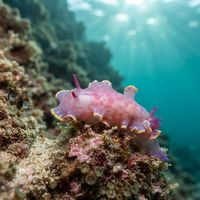
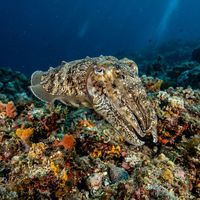
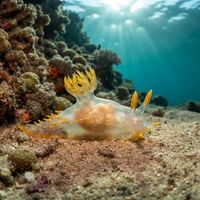
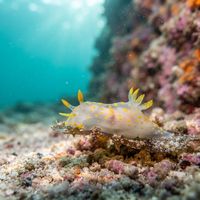
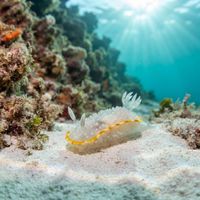
The Lisbon Coast offers a varied diving landscape spread across four distinct sub-areas: Setúbal, the Berlengas Archipelago, Cascais and Peniche. Site types range from shallow shore reefs and kelp forests to wrecks, caves and walls, with options suited to beginners through to advanced divers. Currents and upwelling keep the water cool year-round, which drives a rich benthic community. Common Octopus and European Common Cuttlefish are encountered with remarkable consistency, while Tompot Blenny, Wrasses and Bream fill the reefs. Nudibranch diversity is a quiet highlight, with Felimare villafranca and Tricolor Doris observed frequently across the region.
4 areas
 41
41Two contrasting dive zones offering wrecks, caves, kelp forests and reefs, with outstanding cephalopod and nudibranch encounters across all skill levels.
29Boat-access diving across wrecks, walls, and caves, with prolific cephalopods and nudibranch life throughout both island groups.
16Reefs, wrecks and caves off Cascais, with Common Octopus, Catshark and occasional Gray Seal sightings across a range of skill levels.
Monthly water temperature across Lisbon Coast's sites, from satellite sea-surface data corrected for depth. The band shows the site-to-site spread.
Water temperature stays cool throughout the year, rising modestly from late spring into autumn and dipping again through winter. The peak window runs from late spring through early autumn, when conditions are most settled and visibility tends to be at its best. Exposed sites, particularly around the Berlengas Archipelago and Cascais, can carry swell and current, so divers should check local conditions before committing to boat dives.
42 operators


Atlantic port town offering wreck, reef, cave, and wall diving in the Berlengas Archipelago, with temperate waters and rich nudibranch life.
Water temperature around Lisbon Coast ranges from about 15°C in January to 18°C in August, based on satellite sea-temperature data for its dive sites.
In the warm season (about 18°C) a 5mm suit is comfortable in Lisbon Coast; in the coldest months (about 15°C) step up to a 7mm or semi-dry suit.
Fin maps 93 sites in Lisbon Coast (90 scuba diving sites and 9 snorkelling spots, with some suited to both), organised into 4 areas.
Across Lisbon Coast's dive sites, May, June, July, August and September are most often reported as the best months to visit.
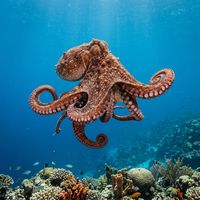
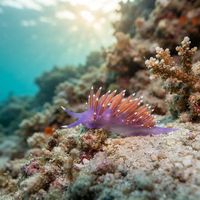
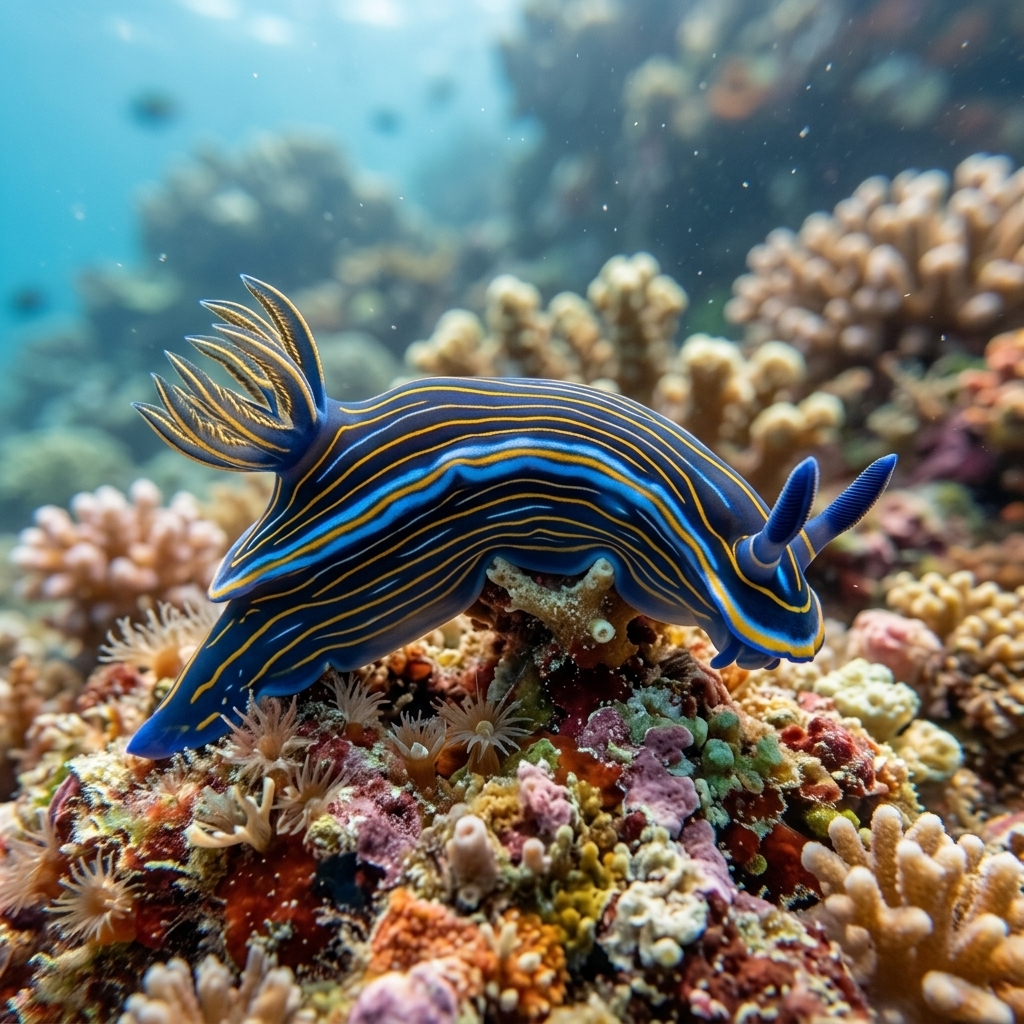
Common Octopus and European Common Cuttlefish are the signature species, observed with very high frequency across the region. Wrasses, Bream and Comber are a constant presence on the reefs, while the nudibranch community is a particular highlight, with Felimare villafranca and Tricolor Doris among the most commonly logged species. Mediterranean Moray and Conger Eel are encountered occasionally in crevices and on wreck structures.
A good portion of the sites are rated for beginners, including shore-entry reefs in Cascais such as Baía da Guia and Pedra da Nau, the shallow wreck Leven near Peniche, and the varied environment around Sesimbra. Intermediate and advanced options are also well represented, with deeper wrecks like the Roberto Ivens and wall dives such as Canyon do Inferno reserved for more experienced divers.
Setúbal has the greatest concentration of sites, with Sesimbra offering reefs, wrecks, caves and kelp forests from both shore and boat. The Berlengas Archipelago sits offshore and features reef and wreck diving, including Mula Estelas, in more exposed conditions. Cascais provides a wide mix of shore and boat dives, from shallow beginner reefs to deeper walls and a serious wreck in the Roberto Ivens. Peniche adds accessible, shallow wreck diving in a compact site cluster.
Both entry types are available across the region. Several Cascais sites, including Baía da Guia and Pedra da Nau, are straightforward shore entries, as is the Leven wreck at Peniche. Many of the more varied and deeper sites require boat access, and most of the sub-areas are well served by local dive operators including Cascais Dive, Haliotis Sesimbra, Haliotis Dive Center and Anthia Diving Center, among others.
