
The Berlengas Archipelago divides neatly into two sub-areas: Berlenga Grande, which holds the majority of sites, and the more remote Farilhões, home to a collection of wrecks at Cemitério dos Navios. Wrecks, walls, and caves define the site mix, with the Common Octopus and European Common Cuttlefish appearing across the reef. Most dives require boat access. Intermediate divers are well served, though advanced sites with strong currents and deeper wreck terrain reward those with more experience.
2 areas
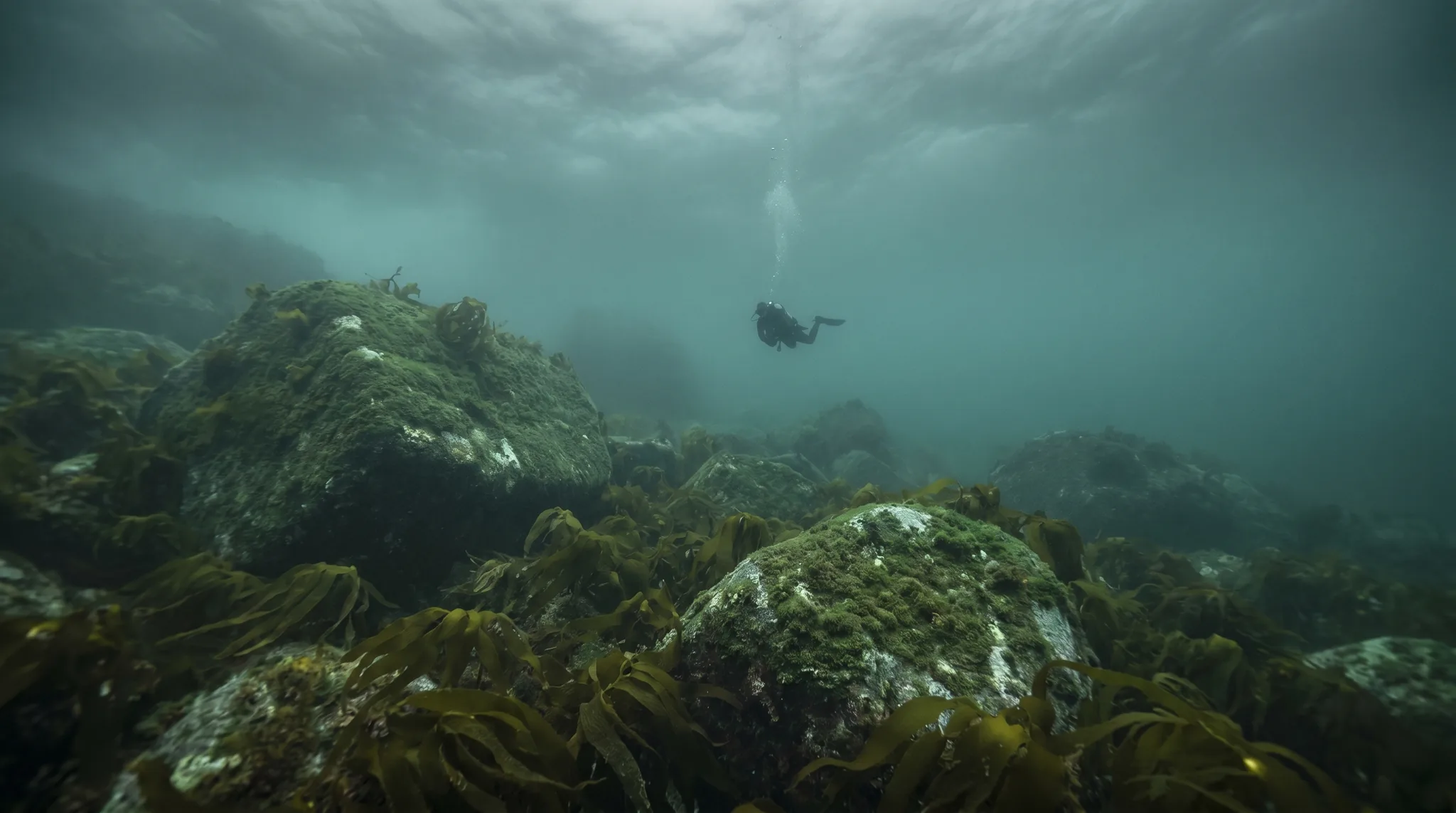
Monthly water temperature across Berlengas Archipelago's sites, from satellite sea-surface data corrected for depth. The band shows the site-to-site spread.
Water stays cool year-round, warming slightly from late summer into autumn. The peak diving window runs from late spring through early autumn, when conditions are most settled. Outside these months, exposure and swell can limit access, particularly at the outlying Farilhões.
8 operators
17 more sites to explore
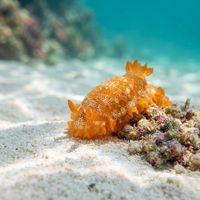
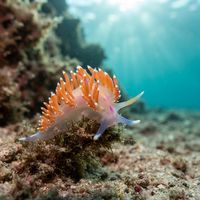
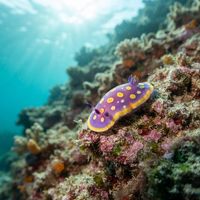
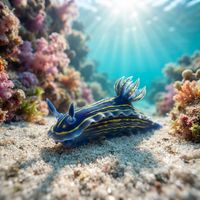
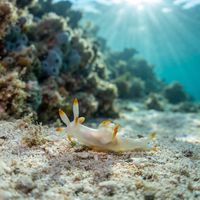
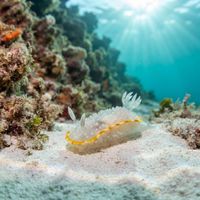
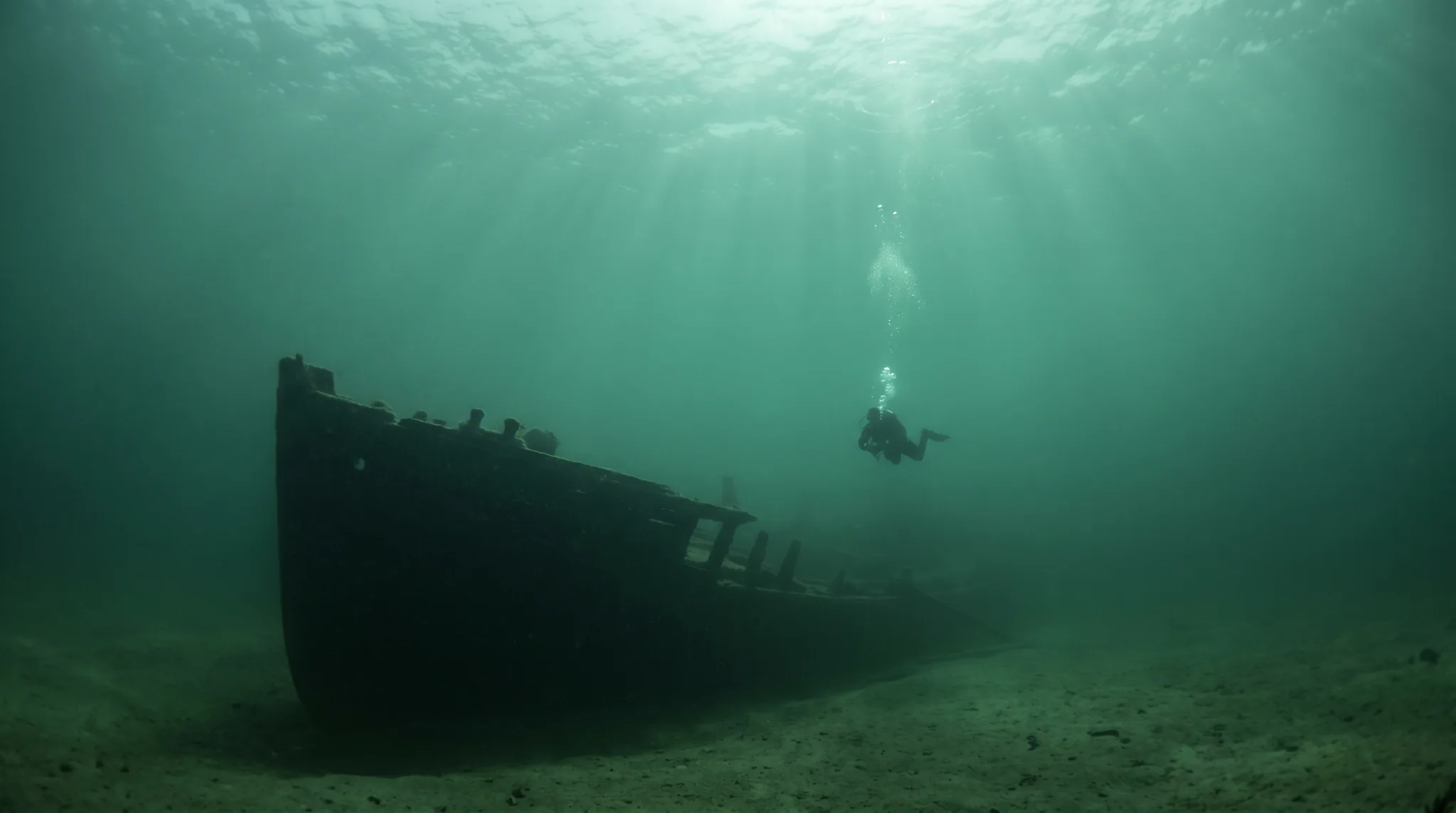
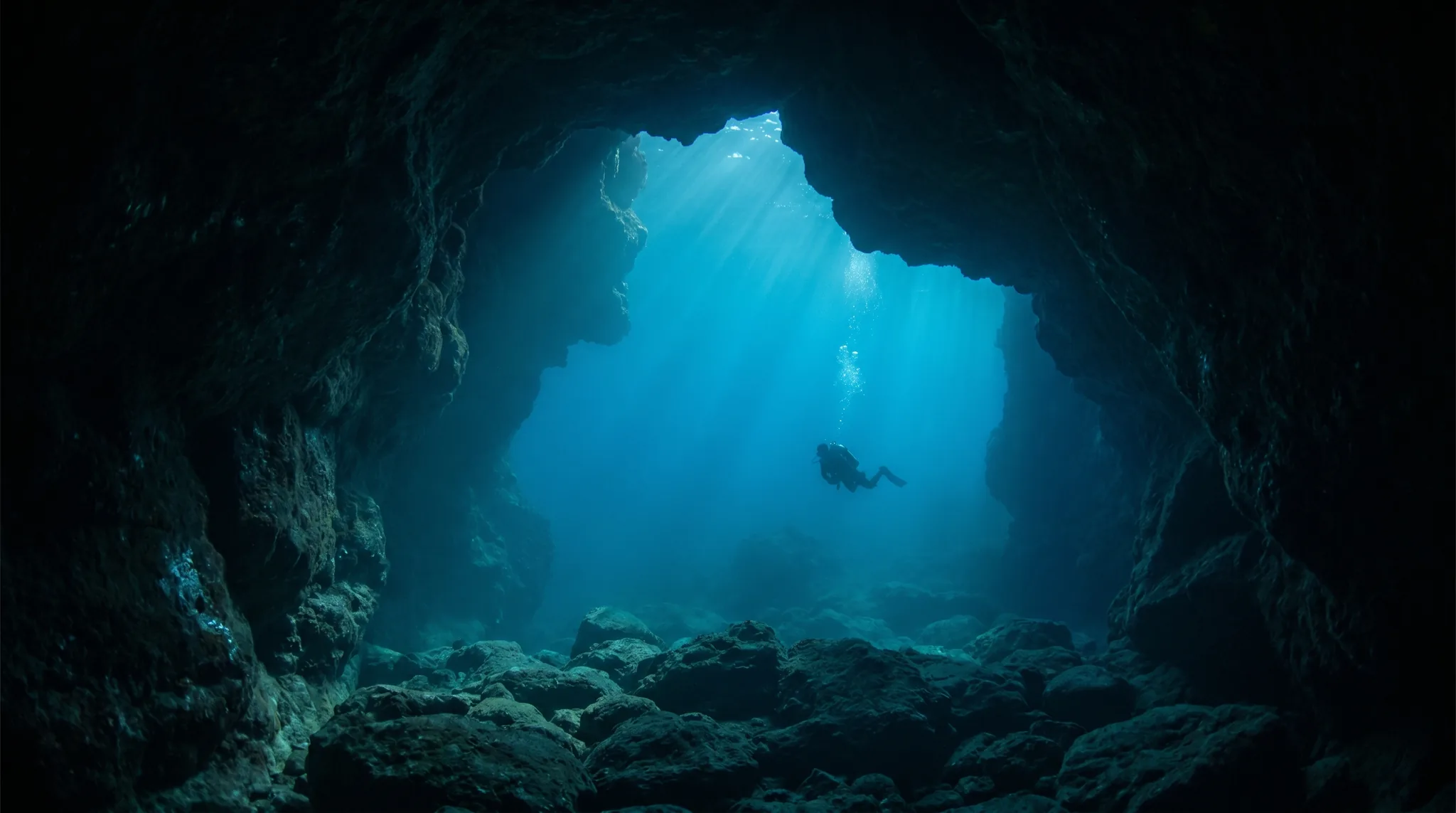
A compact island packed with wrecks, sea caves, and walls, and one of the richest nudibranch destinations in Portugal.
Water temperature around Berlengas Archipelago ranges from about 15°C in January to 19°C in October, based on satellite sea-temperature data for its dive sites.
In the warm season (about 19°C) a 5mm suit is comfortable in Berlengas Archipelago; in the coldest months (about 15°C) step up to a 7mm or semi-dry suit.
Fin maps 29 sites in Berlengas Archipelago (27 scuba diving sites and 5 snorkelling spots, with some suited to both), organised into 2 areas.
Across Berlengas Archipelago's dive sites, June, July, August and September are most often reported as the best months to visit.
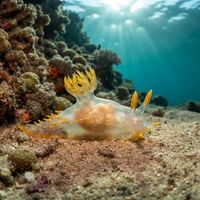
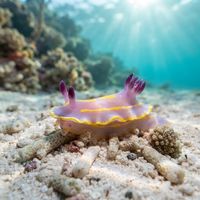
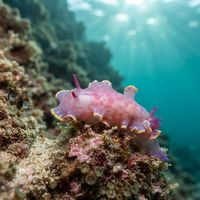
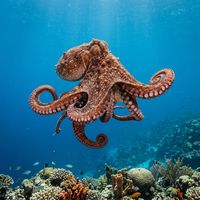
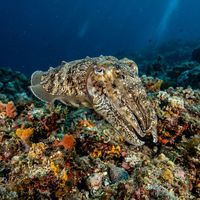
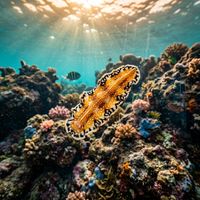
The Common Octopus and European Common Cuttlefish are the signature species here, observed across a wide range of sites. Scorpionfish, Bream, Tompot Blenny, and Gurnard are all regularly sighted on the reefs. Nudibranch enthusiasts will find Felimare fontandraui and Felimare villafranca among the most frequently recorded species, alongside Slipper Lobster and Squat Lobster tucked into the rockwork.
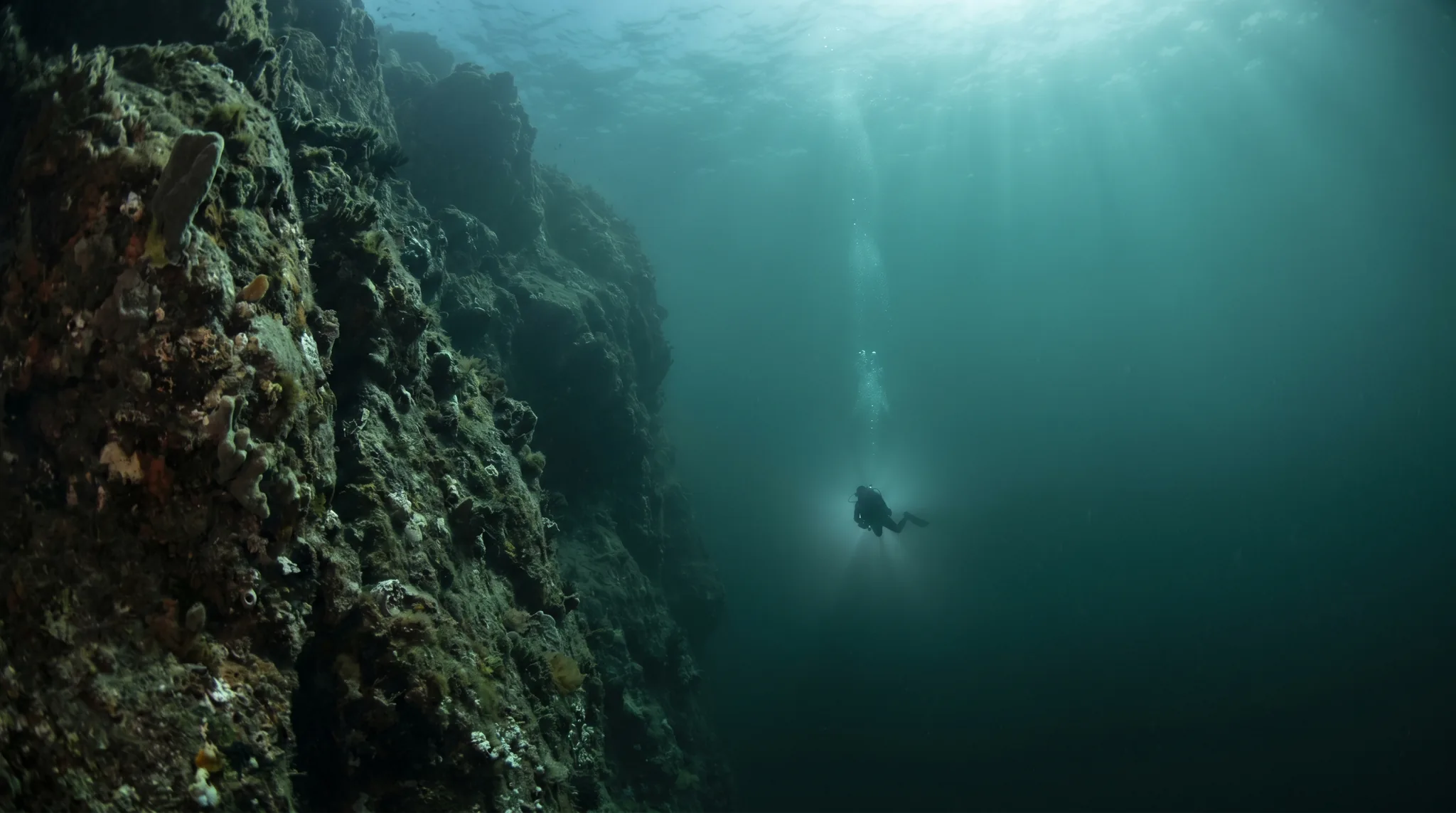
Several sites are rated for beginners, including Cova do Sonho and Parede do Relaxe, which feature shallow cave and wall terrain. However, the majority of the site list sits at intermediate level, and a handful of sites, including Gomes VIII and Maroudio Inglessi, are strictly for advanced divers due to depth and current. Beginners are best guided by Justdive, the operator active in the area.
Berlenga Grande holds the bulk of the sites and offers the widest variety, from shallow beginner caves to deeper intermediate wrecks like Sapho and Vapor do Trigo. Farilhões is a smaller, more remote group with its own distinct appeal: Cemitério dos Navios presents a collection of wrecks with penetration potential, and Farilhão Da Cova combines walls, caves, and reef in one dive. Conditions at Farilhões can be more exposed.
Almost all sites require boat access, which is the standard arrangement through Justdive. A small number of sites, including Cova do Sonho, can be reached from shore. Boat diving is particularly important for reaching Farilhões, which lies further offshore than the Berlenga Grande sites.