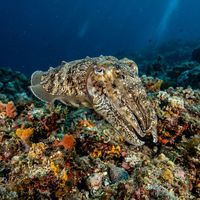
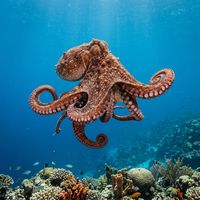
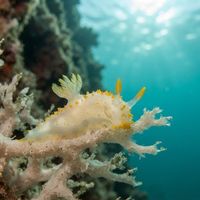
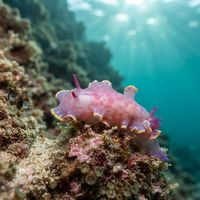
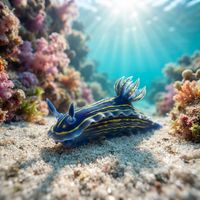
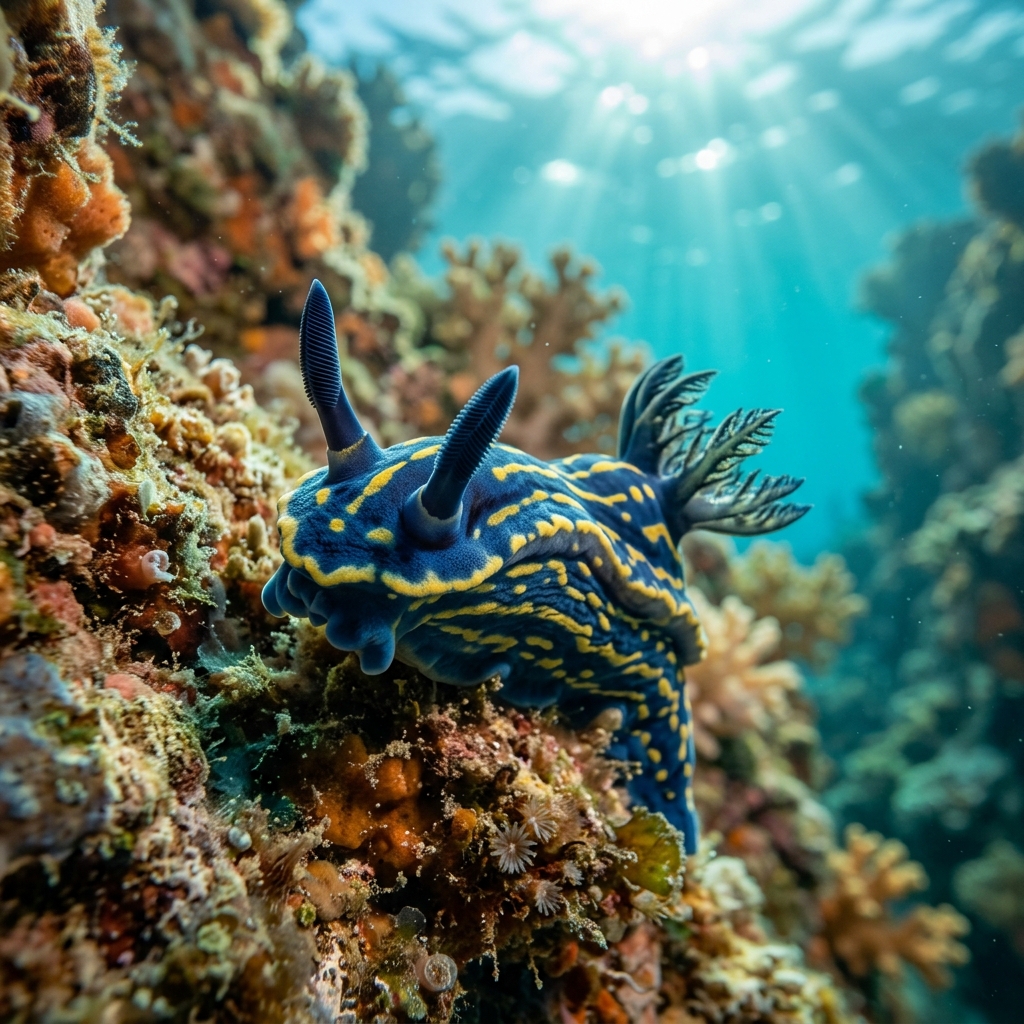
The Algarve offers a varied underwater landscape built around reef, wall, cave, and artificial reef systems, with the bulk of sites concentrated around Albufeira and further options spread across Faro, Lagos, and Sagres. Most dives are boat-accessed, ranging from shallow beginner reefs to deeper intermediate walls and drop-offs. The signature encounters are the European Common Cuttlefish and Common Octopus, both observed consistently across the region. Nudibranch diversity is notable, with the Giant Doris, Tricolor Doris, and Felimare villafranca all frequently recorded. Conditions favour summer and early autumn, when water is at its warmest and visibility tends to be at its best.
4 areas
 72
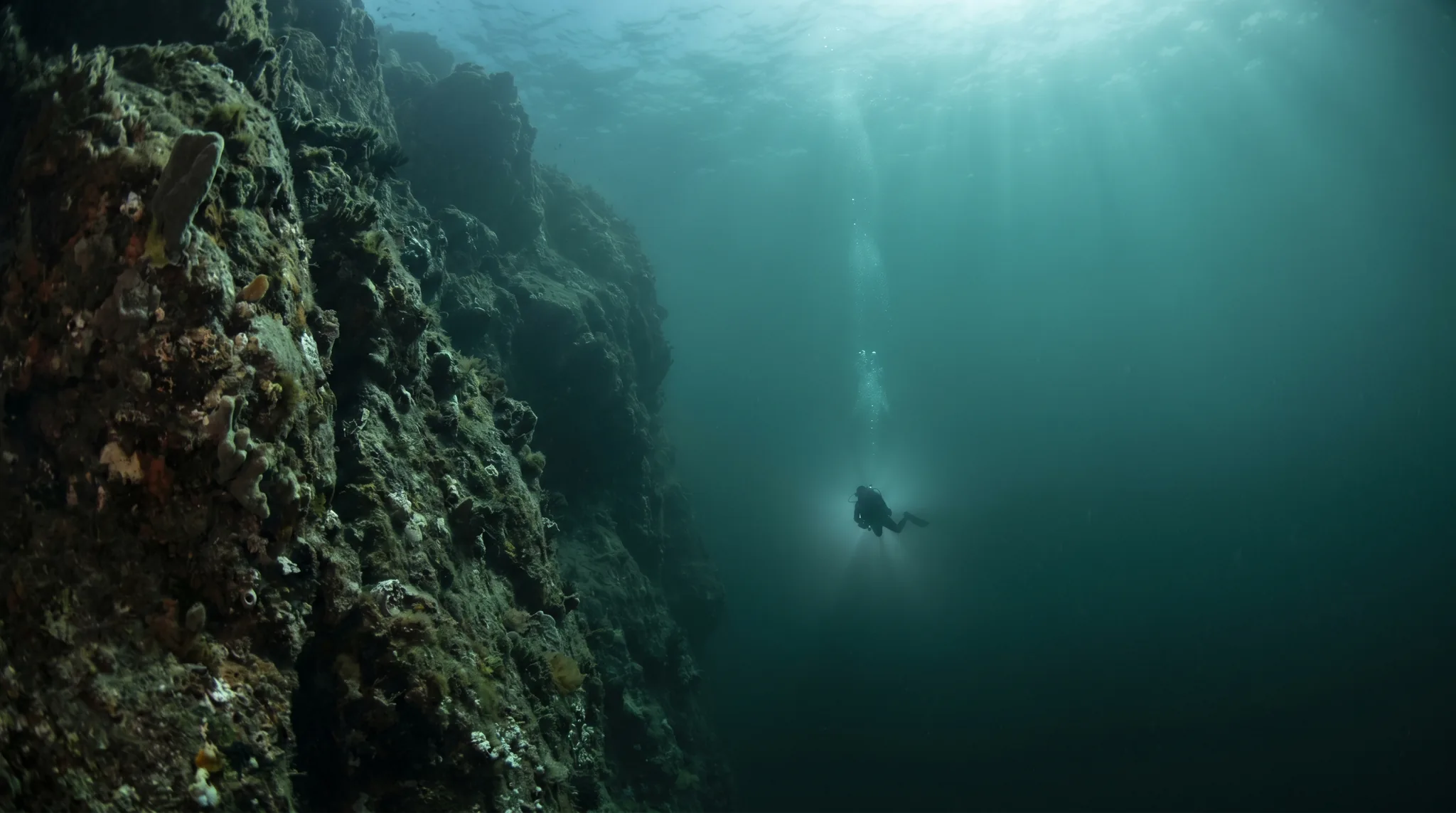
72Reef and cave diving across two distinct coastal areas, with Common Octopus and European Common Cuttlefish found at nearly every site.
 30
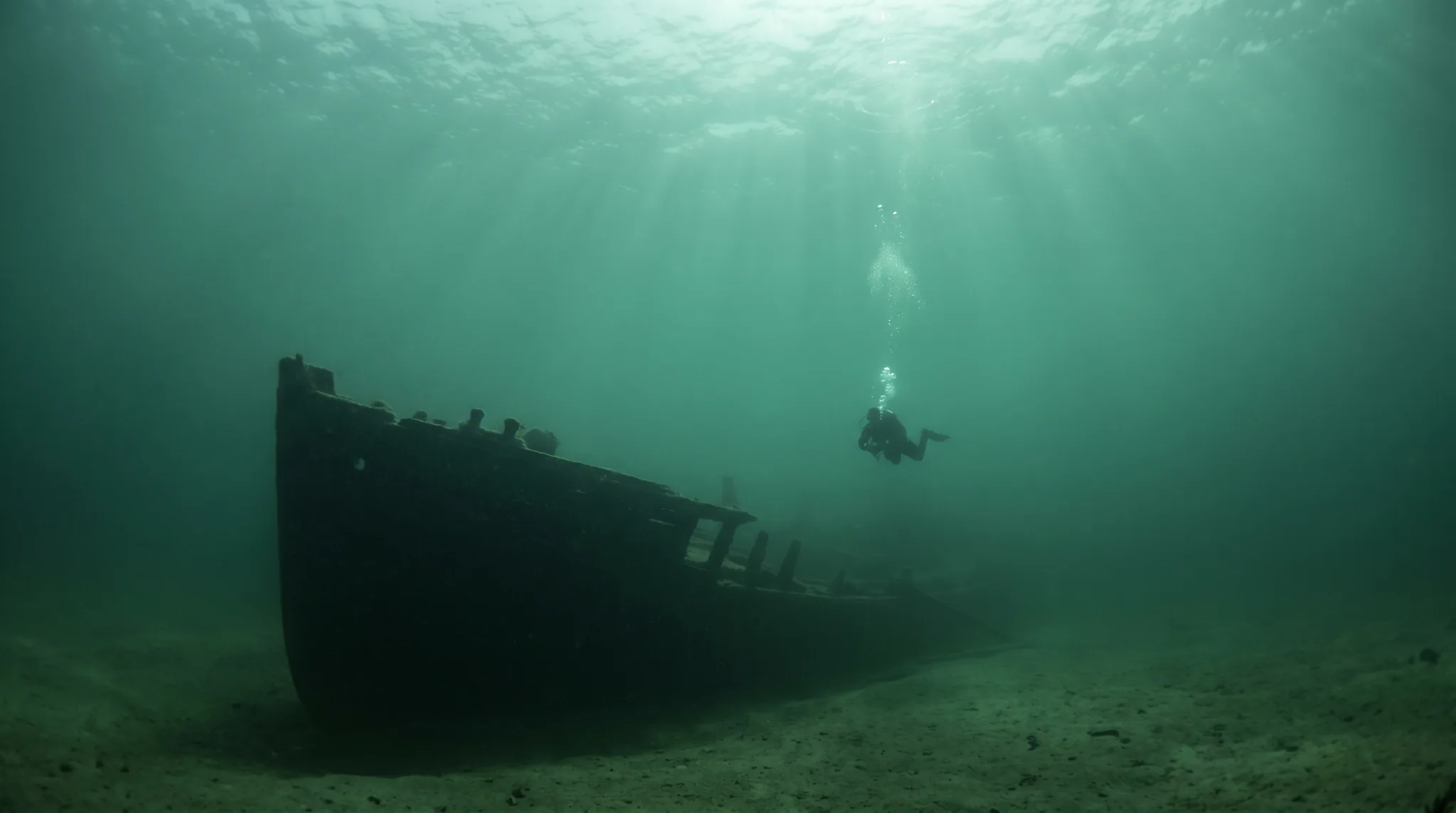
30Boat diving across natural and artificial reefs, with octopus, cuttlefish and moray among the most reliably sighted species.
30Reef, wall and wreck diving rich in cuttlefish, octopus and a remarkable variety of nudibranchs off the Algarve coast.
 14
14
Monthly water temperature across Algarve's sites, from satellite sea-surface data corrected for depth. The band shows the site-to-site spread.
Water temperature holds fairly steady through the year, dipping to its lowest in late winter before rising through spring and peaking in September and October, making autumn a particularly rewarding time to dive. The summer months draw the most activity, with conditions generally at their calmest and most predictable. Visibility is variable and can be affected by swell and current, especially at more exposed sites around Sagres.
51 operators

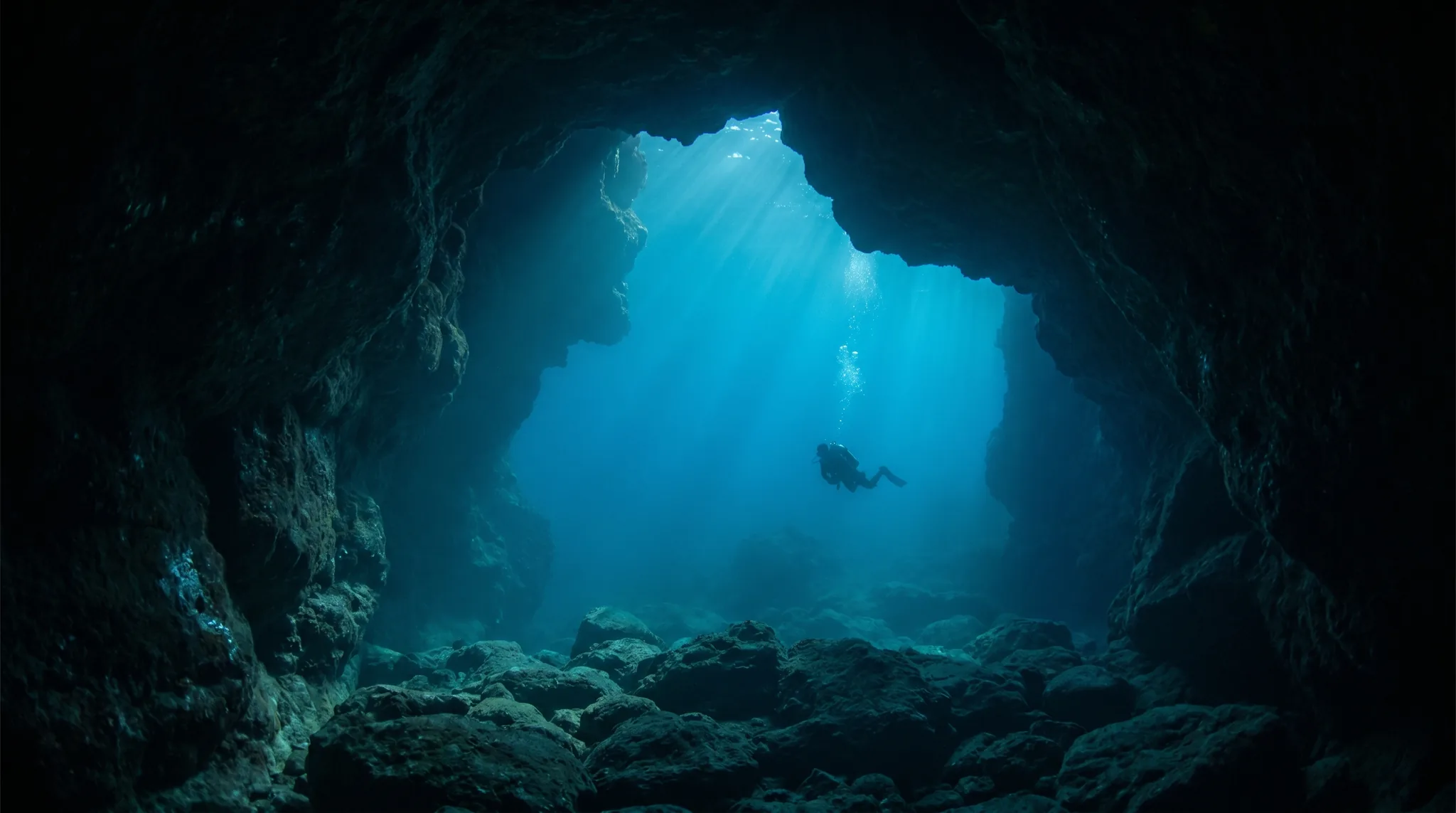
Rocky reefs, caves and a deep wreck, with cuttlefish and octopus at almost every site.
Water temperature around Algarve ranges from about 15°C in March to 19°C in September, based on satellite sea-temperature data for its dive sites.
In the warm season (about 19°C) a 5mm suit is comfortable in Algarve; in the coldest months (about 15°C) step up to a 7mm or semi-dry suit.
Fin maps 146 sites in Algarve (133 scuba diving sites and 29 snorkelling spots, with some suited to both), organised into 4 areas.
Across Algarve's dive sites, May, June, July, August, September and October are most often reported as the best months to visit.
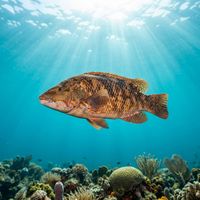
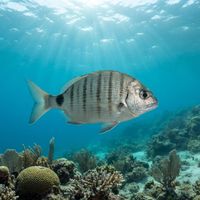
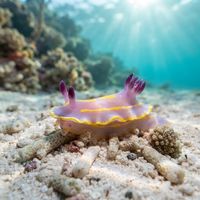
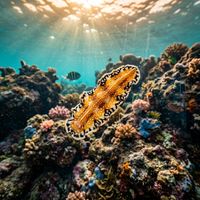
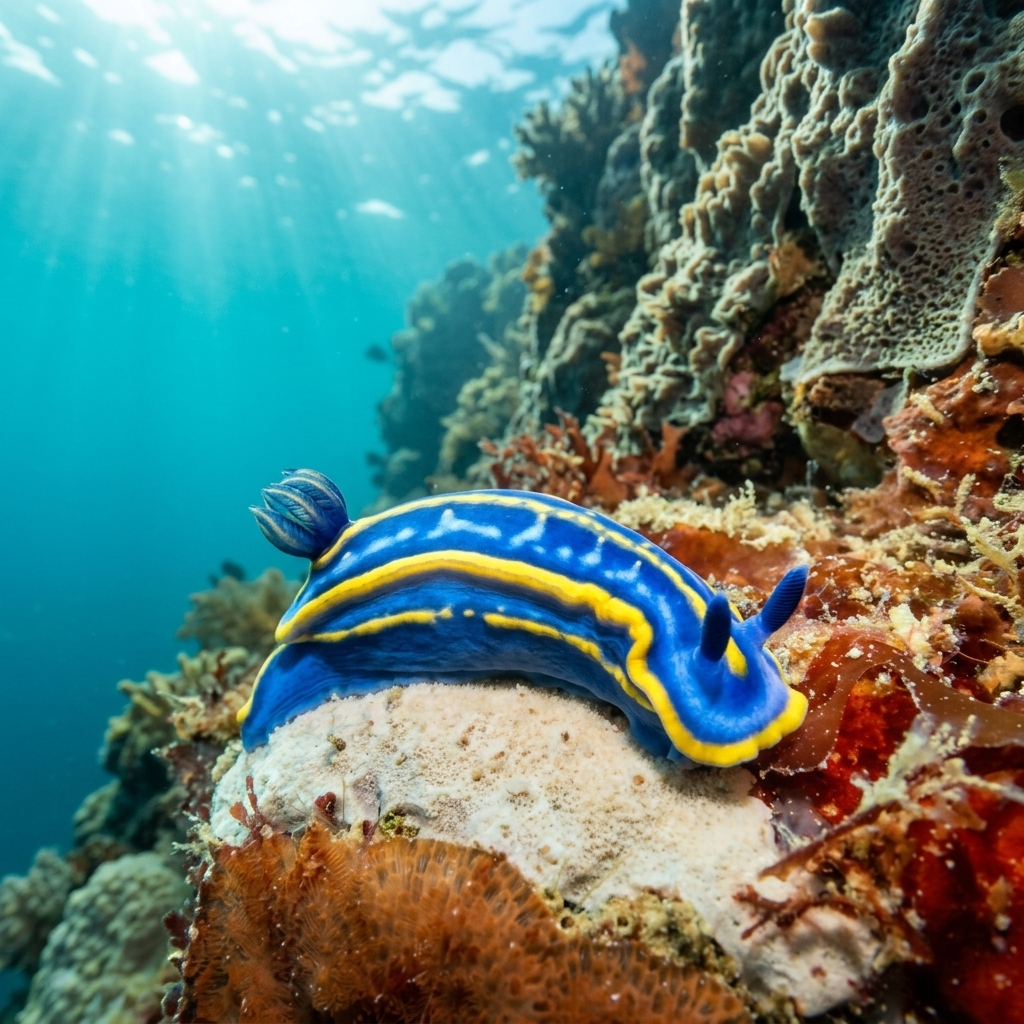
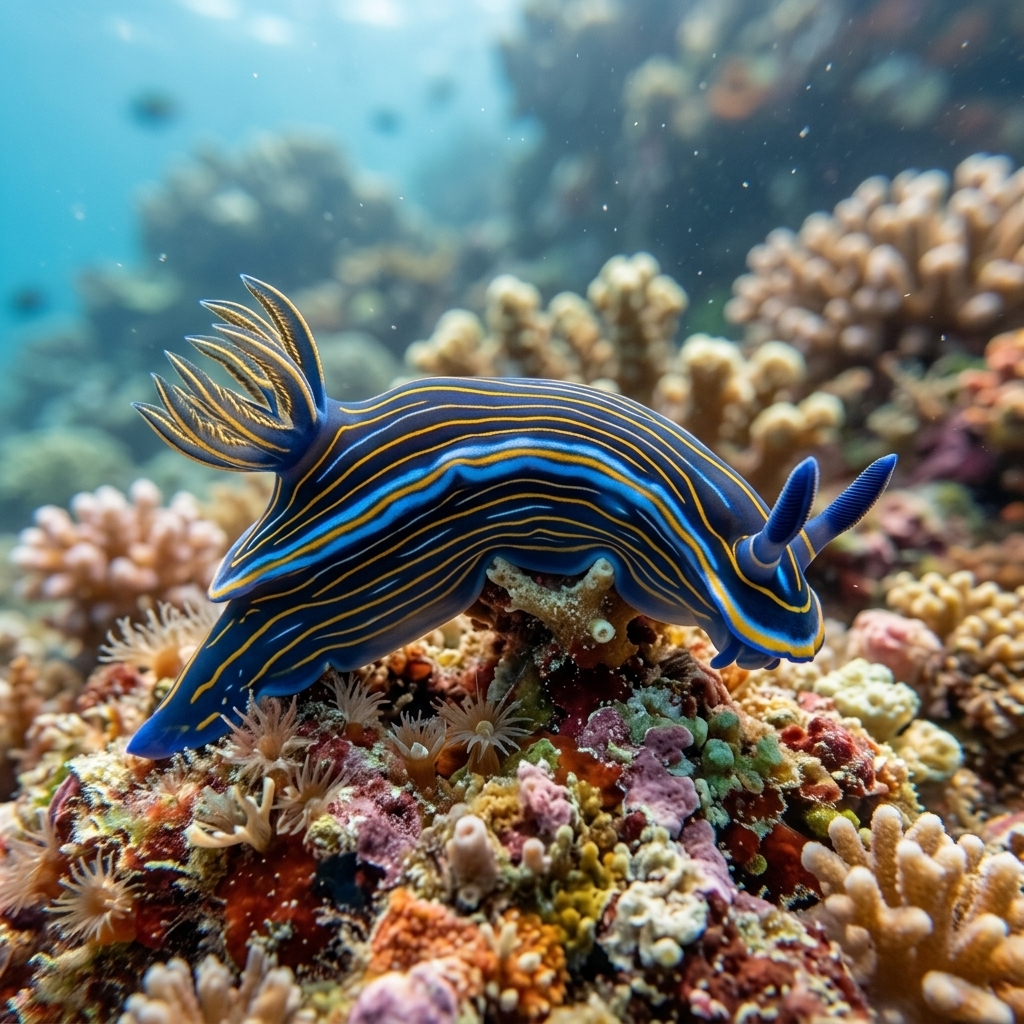
The Algarve is particularly strong for cephalopods, with the European Common Cuttlefish and Common Octopus observed across the great majority of sites. Nudibranch enthusiasts will find the Giant Doris, Tricolor Doris, and Felimare villafranca recorded regularly. Bream, Wrasses, Tompot Blenny, Scorpionfish, and Conger Eel round out the fish life, and Seahorse has also been observed at some sites.
The majority of dive sites in the Algarve are rated for beginners, including shallow reefs such as Maria Luisa, Sulux, and Santa Eulalia 2 where depths are comfortable and conditions are generally mild. Intermediate sites like Pedra do Lavagante and Caneca Wall provide progression for those building experience. The strong presence of beginner-friendly boat dives means new divers have plenty of options across all four sub-areas.
Albufeira holds by far the largest concentration of sites and offers the widest variety of reef, wall, cave, and artificial reef diving. Faro and Lagos each offer a solid selection of sites with their own operators and character. Sagres, at the south-western tip, has fewer sites but is known for more exposed conditions, which suits divers looking for a different kind of experience.
The vast majority of dive sites in the Algarve require boat access, and most operators run scheduled boat dives throughout the season. Shore entry is available at a smaller number of sites, including snorkel-friendly spots like Tunnels and Bridge and Península dos Covos. Operators such as Pura Vida Divehouse, Easydivers Dive Center, Lagos Divers, and WeDive-Lagos are among those offering guided boat trips.