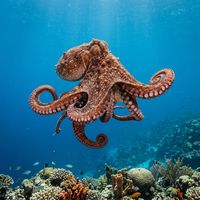
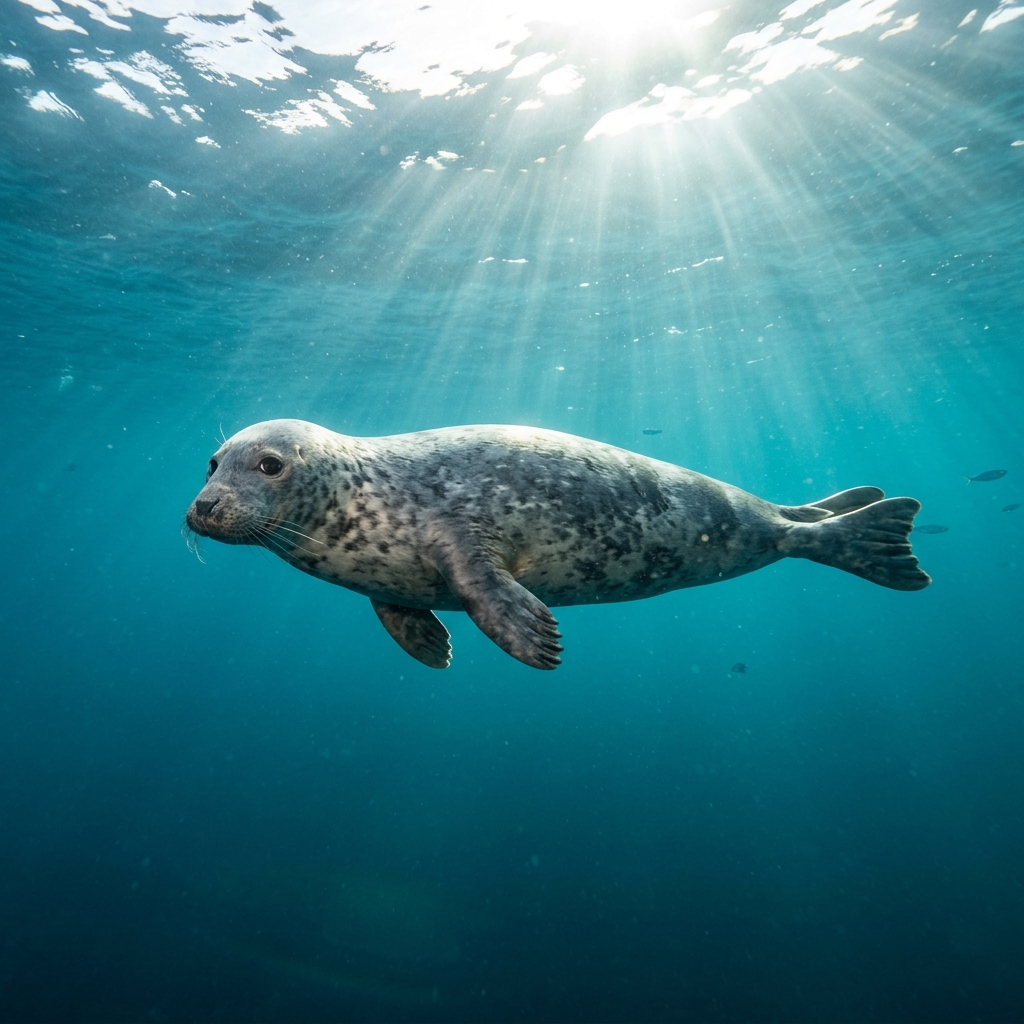
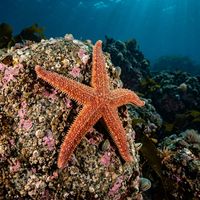
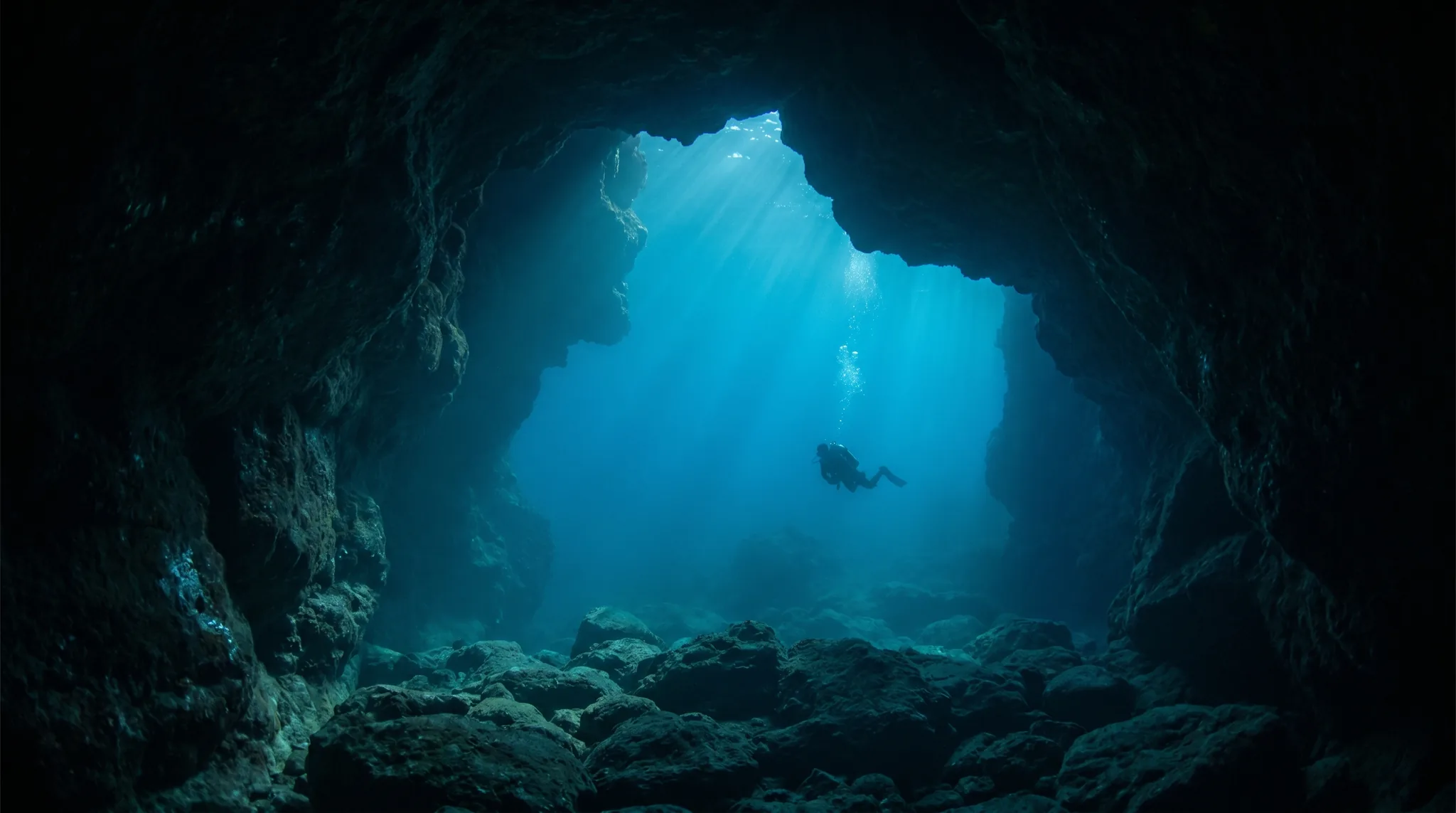
Costa Verde offers a varied underwater landscape spread across three sub-areas: Porto, Póvoa de Varzim, and Viana do Castelo. Wrecks form the backbone of the diving here, from shallow beginner-friendly hulls to deep technical targets, while rocky reefs and kelp forests add habitat diversity, particularly around Viana do Castelo. The Common Octopus and Gray Seal are the species most associated with the region, alongside Conger Eel, Brittle Star, and occasional Blue Shark sightings. Conditions favour cooler water year-round, with the clearest, calmest window running from late spring through early autumn. Porto holds the largest concentration of sites, with Póvoa de Varzim and Viana do Castelo offering rewarding alternatives for those exploring further north.
3 areas
 25
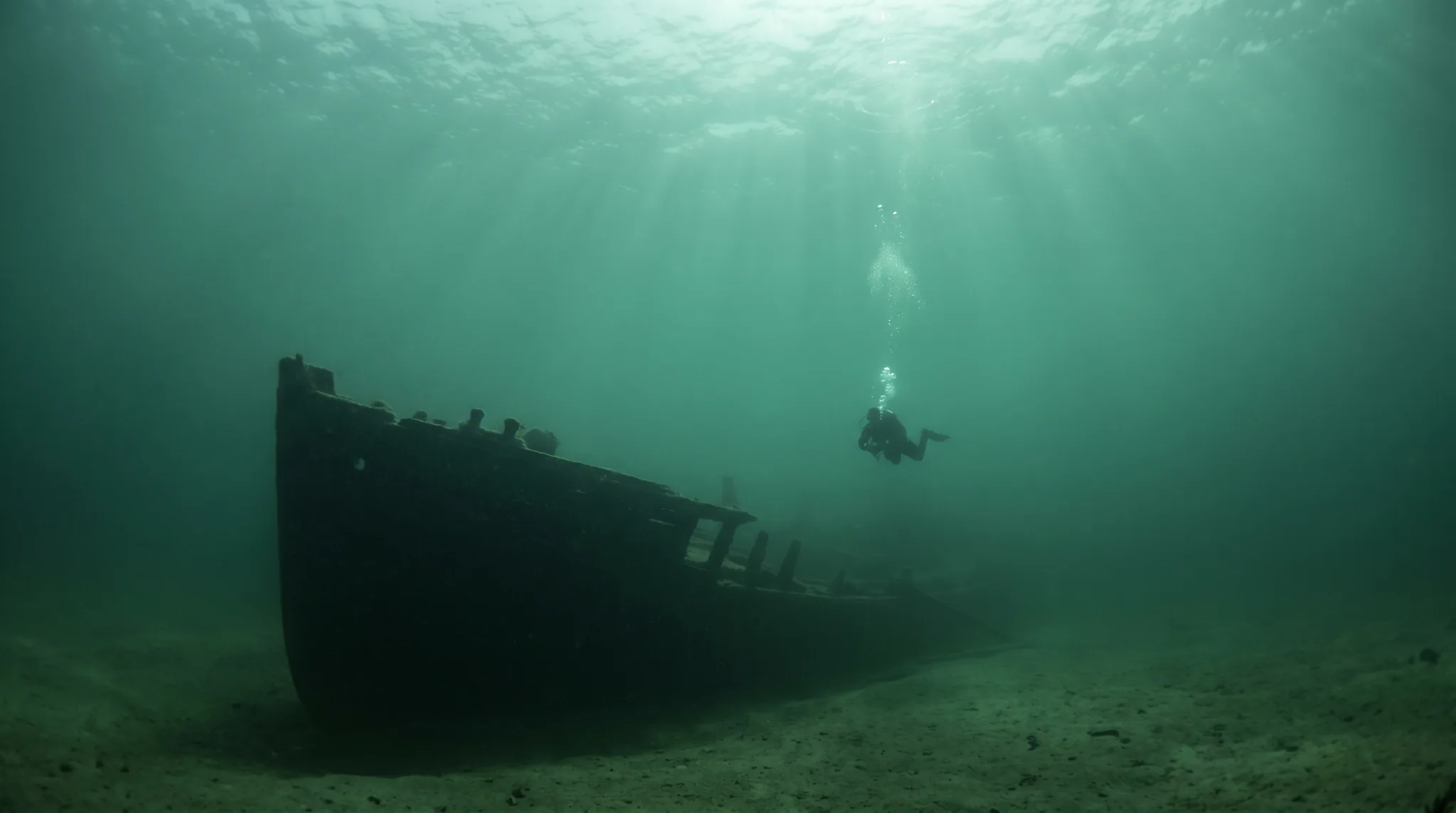
25A wreck-dominated coast where Common Octopus and Gray Seal share the reefs with everything from shallow beginner hulls to deep technical dives.
 13
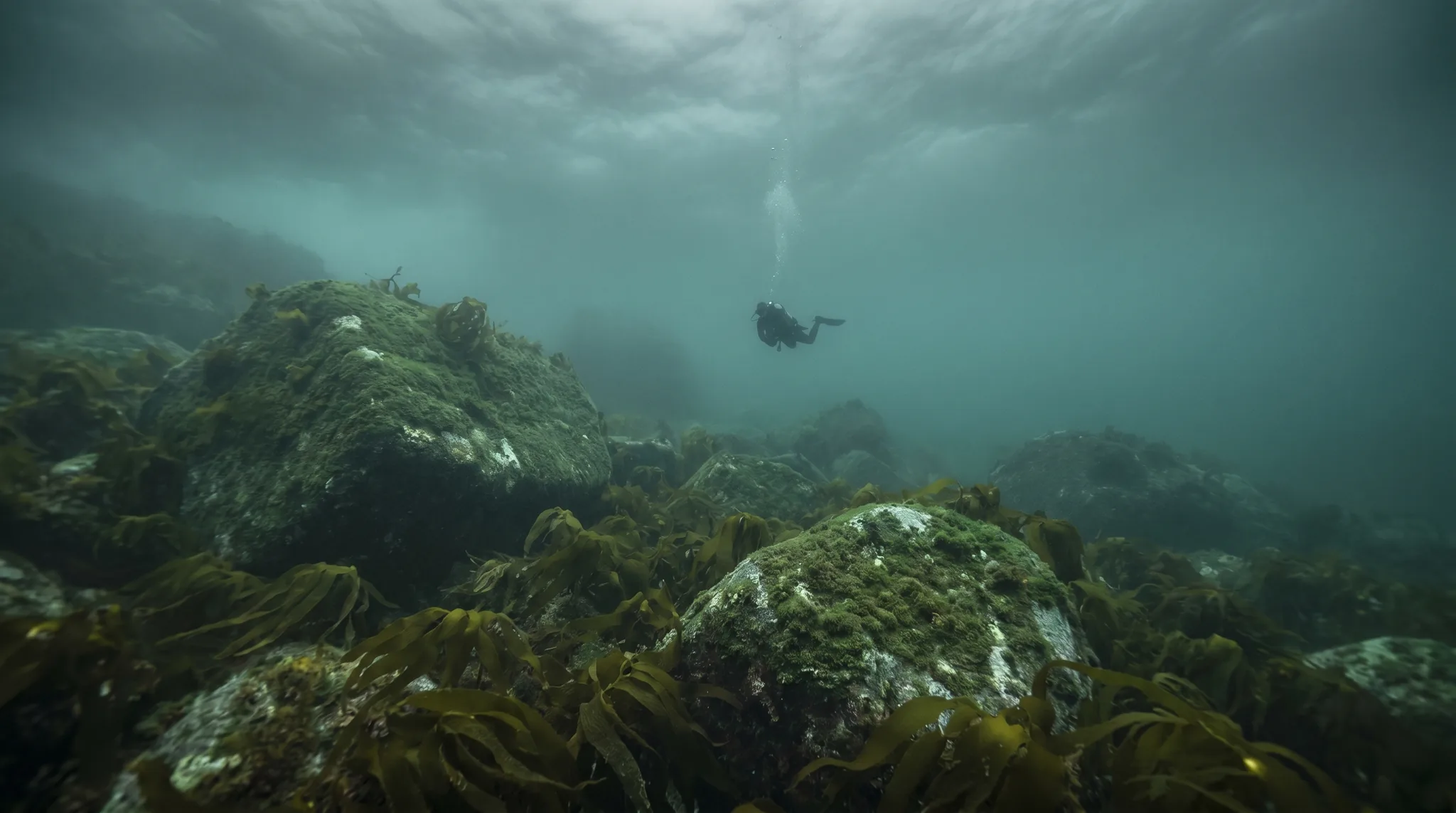
13Rocky reefs, kelp forests and wrecks off the Costa Verde coast, with Common Octopus at nearly every site.
 7
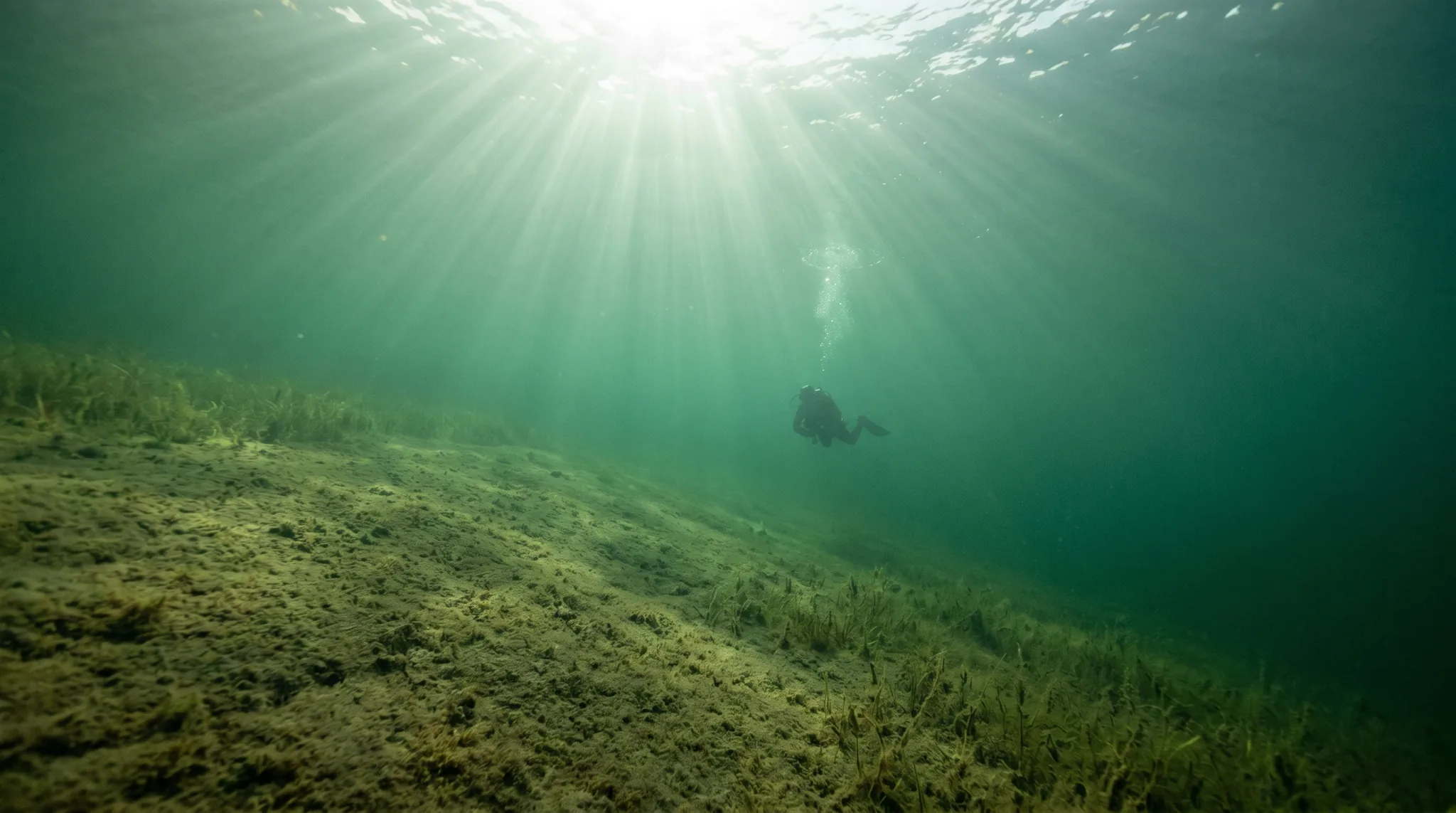
7Northern Portuguese Atlantic coast with kelp reefs, artificial structures, and a freshwater lake dive, in cool temperate waters.
Monthly water temperature across Costa Verde's sites, from satellite sea-surface data corrected for depth. The band shows the site-to-site spread.
Water temperature stays cool throughout the year, sitting at its lowest in winter and rising only modestly through summer, so a well-rated wetsuit is worthwhile in any season. Visibility tends to be moderate and can be affected by swell and current, particularly at the more exposed reef and kelp sites. The most settled conditions and the greatest diver activity fall between late spring and early autumn, making that the most rewarding window for exploring the wrecks and reefs.
11 operators
Portugal
Portugal
Water temperature around Costa Verde ranges from about 14°C in January to 17°C in October, based on satellite sea-temperature data for its dive sites.
With water around 14–17°C, a 7mm or semi-dry suit works in Costa Verde year-round.
Fin maps 45 sites in Costa Verde (36 scuba diving sites and 12 snorkelling spots, with some suited to both), organised into 3 areas.
Across Costa Verde's dive sites, May, June, July, August and September are most often reported as the best months to visit.
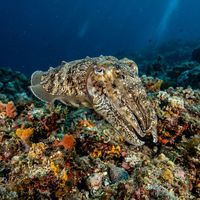
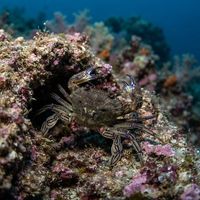
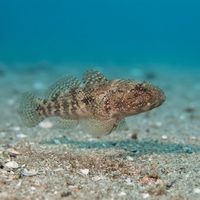
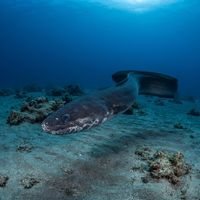
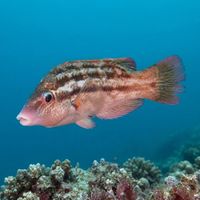
The Common Octopus is encountered across the vast majority of sites and is the species most closely associated with the region. Conger Eel, Brittle Star, Hermit Crab, Tompot Blenny, and Bream are all regularly observed. Less frequent but recorded sightings include Gray Seal, Blue Shark, Bottlenose Dolphin, and Green Sea Turtle.
Costa Verde accommodates a wide range of skill levels. Beginners have several options, including the shallow Barcaça wreck, the shore-accessible reef at Longas, and the artificial reef at Vilarinho da Furna. Intermediate divers can explore sites like Batelao and the Marialva wreck, while advanced divers can head to deep technical targets such as the Kassamba wreck off Póvoa de Varzim.
Porto has the greatest number of sites and a strong wreck-diving focus, ranging from very shallow beginner wrecks to mid-range intermediates. Póvoa de Varzim is home to the region's deepest and most technically demanding dives, including the Kassamba wreck. Viana do Castelo offers a different character, with rocky reef and kelp forest sites such as Forcadinho that suit divers looking for natural reef habitats.
The majority of dive sites require boat access, which is particularly true of the wreck sites around Porto and Póvoa de Varzim. A smaller number of sites, including Longas and Vilarinho da Furna, can be reached from shore. A few sites offer both options, giving divers some flexibility depending on conditions and available support.