Felimare villafranca
Spot Villefranche Felimare in the Algarve or French Riviera between Feb and Sep in cool 14-21 °C Atlantic and Mediterranean waters. ID tips inside.
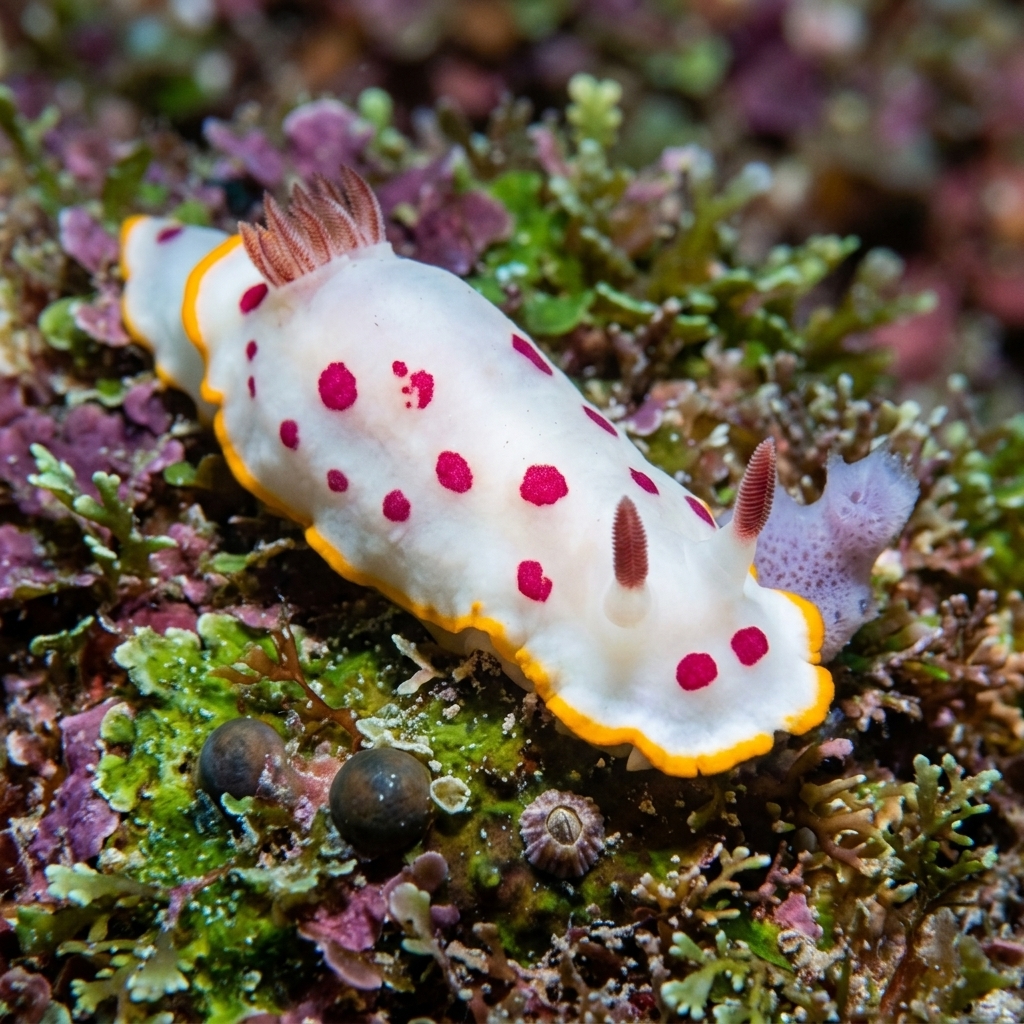
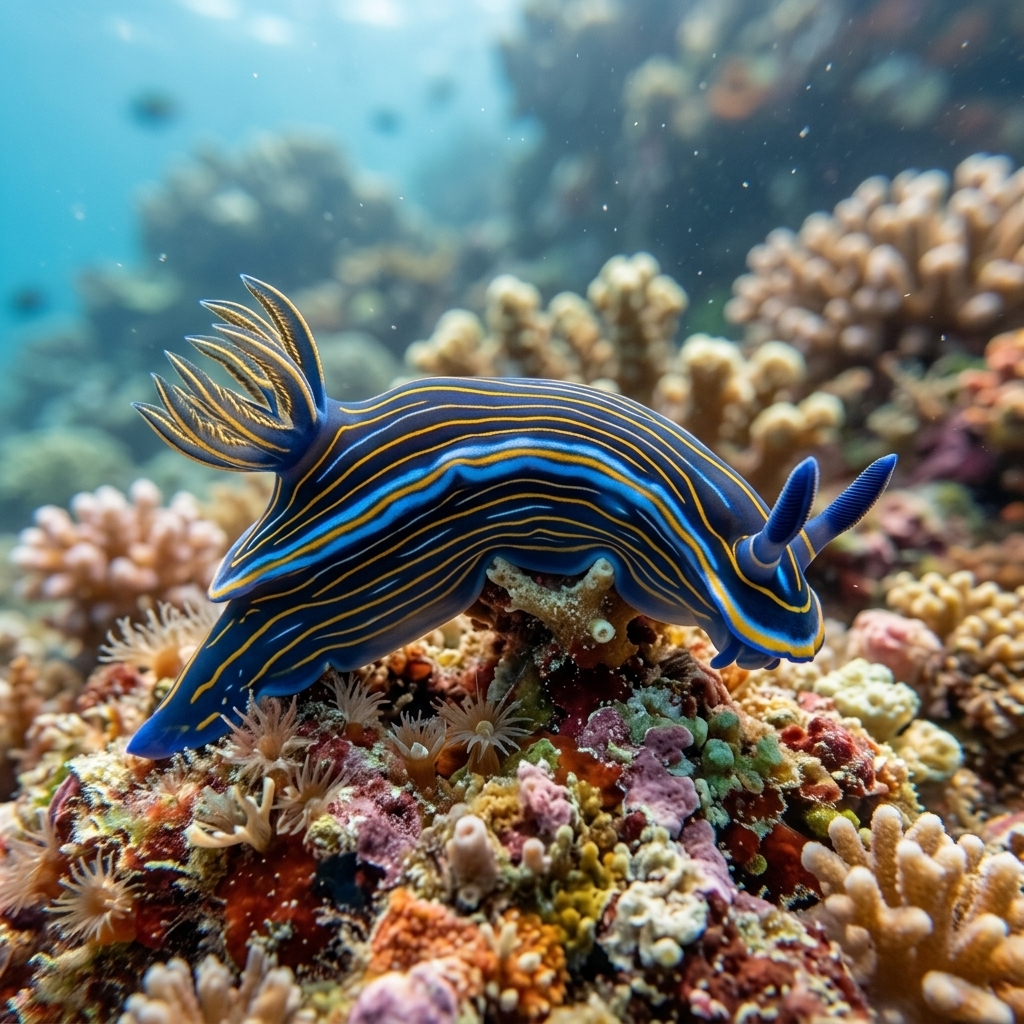
Look for a vivid blue body edged with bright yellow or cream marginal lines running along the mantle rim, this yellow border is the quickest field mark. The cerata (gill plumes on the back) are similarly blue with yellow tips, standing upright when the animal is undisturbed. It is a small, flattened chromodorid, typically found moving slowly across rocky or algae-covered substrate in cool, clear water. The bold colour contrast makes it stand out against dark rock even at depth.
You will almost always find it crawling slowly across bare rock, encrusting sponge, or coralline algae, grazing as it goes. It shows little reaction to an approaching diver and will continue moving unhurriedly, making photography straightforward if you approach from the side and stay low. Sightings tend to come from shallow to mid-depth rocky reefs, often on vertical or overhanging faces where sponge growth is thickest.
Like other chromodorids, Felimare villafranca likely sequesters chemical compounds from the sponges it feeds on, storing them in its own tissues as a chemical defence against predators, the bold blue-and-yellow colouration is a warning signal advertising that defence.
Sightings concentrate from February through September in the Northern Hemisphere, so late winter through late summer is the window to plan for. The species occupies cool water between roughly 14 and 21 °C, which matches the Atlantic and western Mediterranean coastal conditions during that period.
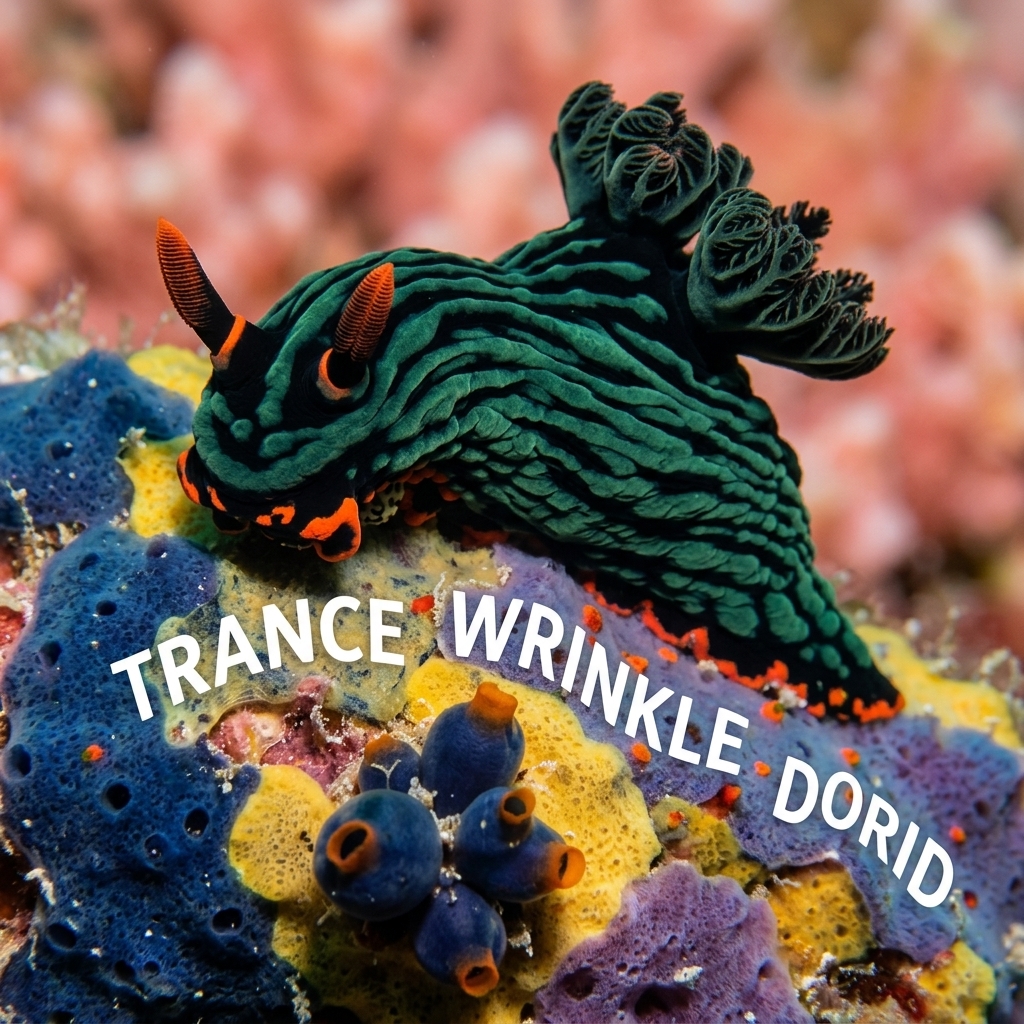
Reef neighbours a diver could mistake it for. Use the identification notes above to tell them apart.
Most logged across Portugal and Spain, with the Algarve and the Lisbon Coast together accounting for a large share of all records, and Andalusia close behind. France adds a strong cluster on the French Riviera and in Provence, with smaller but consistent records from Sicily, Lampedusa, and Croatia's Kvarner Gulf. If you are targeting this species, the Portuguese and southern Spanish Atlantic coasts offer the greatest spread of known sites.
Mapping where Villefranche Felimare is logged…
The strongest populations are recorded in Portugal, particularly the Algarve and Lisbon Coast, and in southern Spain's Andalusia region. The French Riviera and Provence are also reliable, with additional records from Sicily, Lampedusa, and Croatia's Kvarner Gulf.
Plan a dive between February and September for the best chance. The species favours cool Atlantic and Mediterranean water in the 14-21 °C range, which broadly matches late winter through summer on the Portuguese and Spanish coasts.
Focus on the yellow or cream border running around the edge of the bright blue mantle, that two-tone margin is the key field mark. The upright blue gill plumes tipped with yellow confirm the ID. It moves slowly across rocky substrate, making a careful look straightforward.
It is a chromodorid nudibranch and almost certainly feeds on sponges, as is typical for the family. It is thought to store chemical compounds from its prey in its own tissues, making it unpalatable to most predators, the bright colours serve as a warning to anything considering taking a bite.
No. This small nudibranch poses no risk to divers whatsoever. It moves slowly, ignores approaching divers, and its chemical defences are relevant only to would-be predators, not to humans.
Site and sighting data is aggregated from diver logs, iNaturalist and GBIF. For taxonomy and conservation status:
Light-spotted Aegires
3,168 sites