
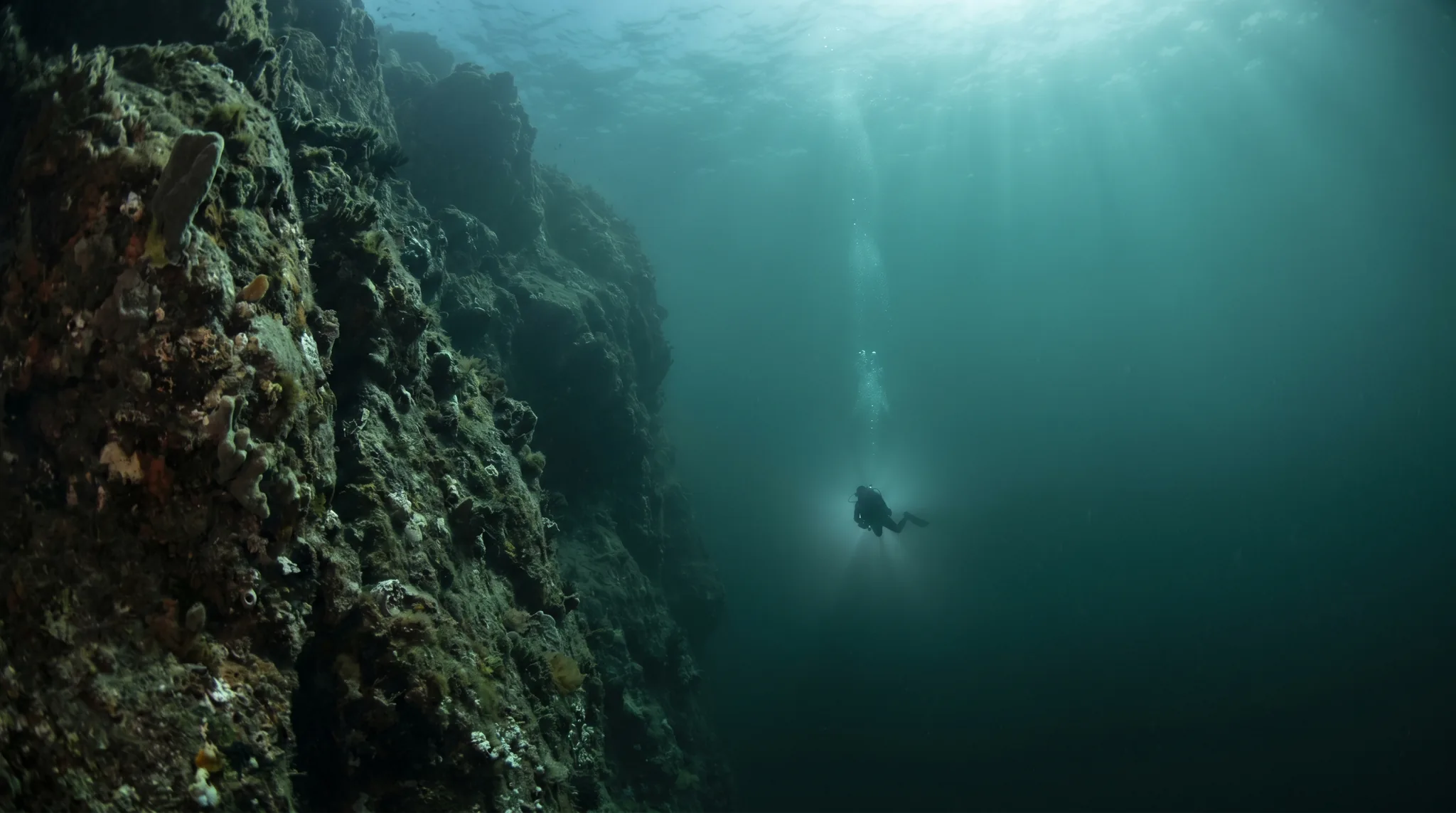
Setúbal divides into two distinct zones: the River Gurara Wreck Area and the Sesimbra Coast, together covering a wide range of site types including reefs, walls, caves, kelp forests, wrecks and artificial structures. Depths span from very shallow beginner reefs to serious technical drops, making the region truly inclusive. The Common Octopus, European Common Cuttlefish and Mediterranean Moray are consistently encountered, alongside a rich nudibranch community and plentiful Conger Eel. Conditions favour late spring and autumn.
2 areas
Monthly water temperature across Setúbal's sites, from satellite sea-surface data corrected for depth. The band shows the site-to-site spread.
Water temperature stays relatively stable year-round, sitting at its coolest in late winter and peaking gently through late summer and early autumn. Autumn stands out as the most popular period among divers, with late spring also drawing strong interest. Exposed boat-access sites can carry current and reduced visibility, while sheltered bays like Baía da Armação offer calmer conditions when northerly winds pick up.
34 operators


29 more sites to explore
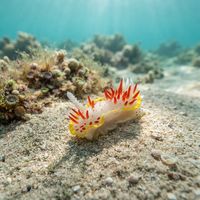
Boat-access reef and cave diving off Setúbal, outstanding for nudibranch diversity and a wide skill-level range.
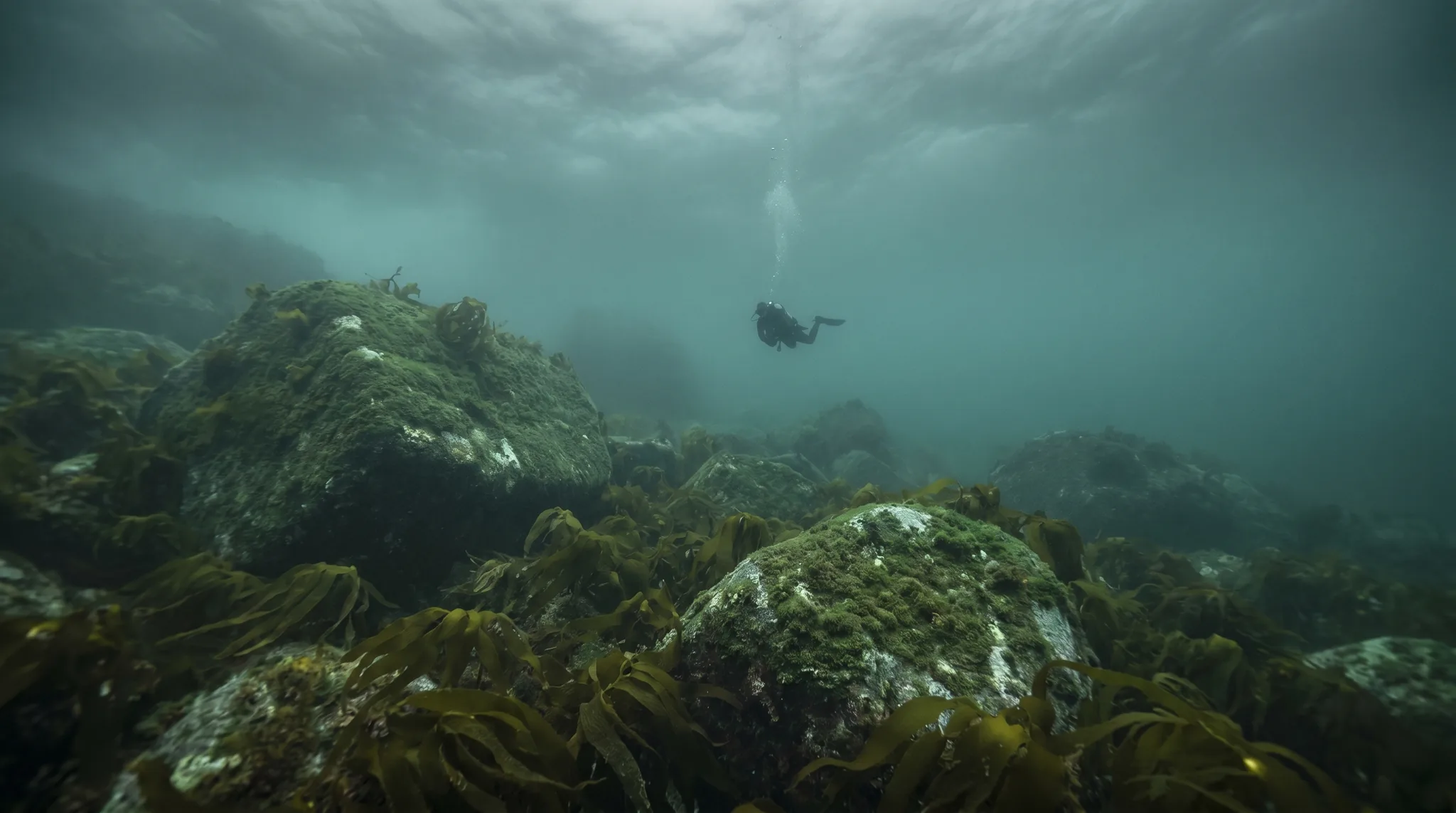
Water temperature around Setúbal ranges from about 15°C in February to 18°C in August, based on satellite sea-temperature data for its dive sites.
In the warm season (about 18°C) a 5mm suit is comfortable in Setúbal; in the coldest months (about 15°C) step up to a 7mm or semi-dry suit.
Fin maps 41 sites in Setúbal (41 scuba diving sites and 1 snorkelling spots, with some suited to both), organised into 2 areas.
Across Setúbal's dive sites, June and October are most often reported as the best months to visit.
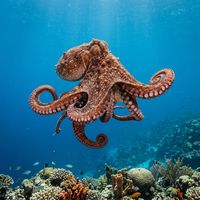
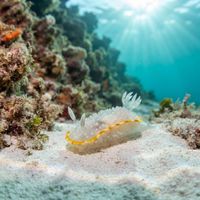
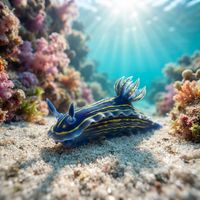
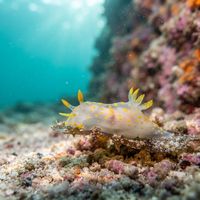
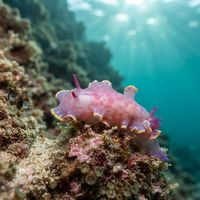
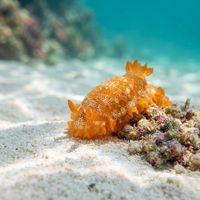
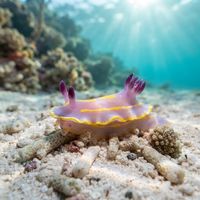
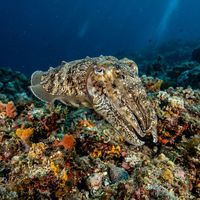
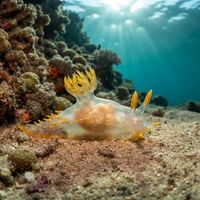
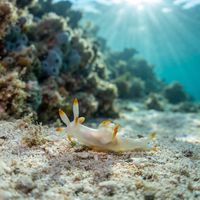
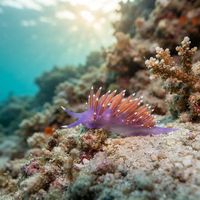
The Common Octopus and European Common Cuttlefish are among the most frequently observed animals across the region. Mediterranean Moray, Conger Eel and Scorpionfish are well established on the reefs, while nudibranch enthusiasts will find Felimare villafranca, Tricolor Doris and Orange-clubbed Nudibranch recorded at a wide range of sites. Slipper Lobster and Cuckoo Wrasse round out a varied list of confirmed sightings.
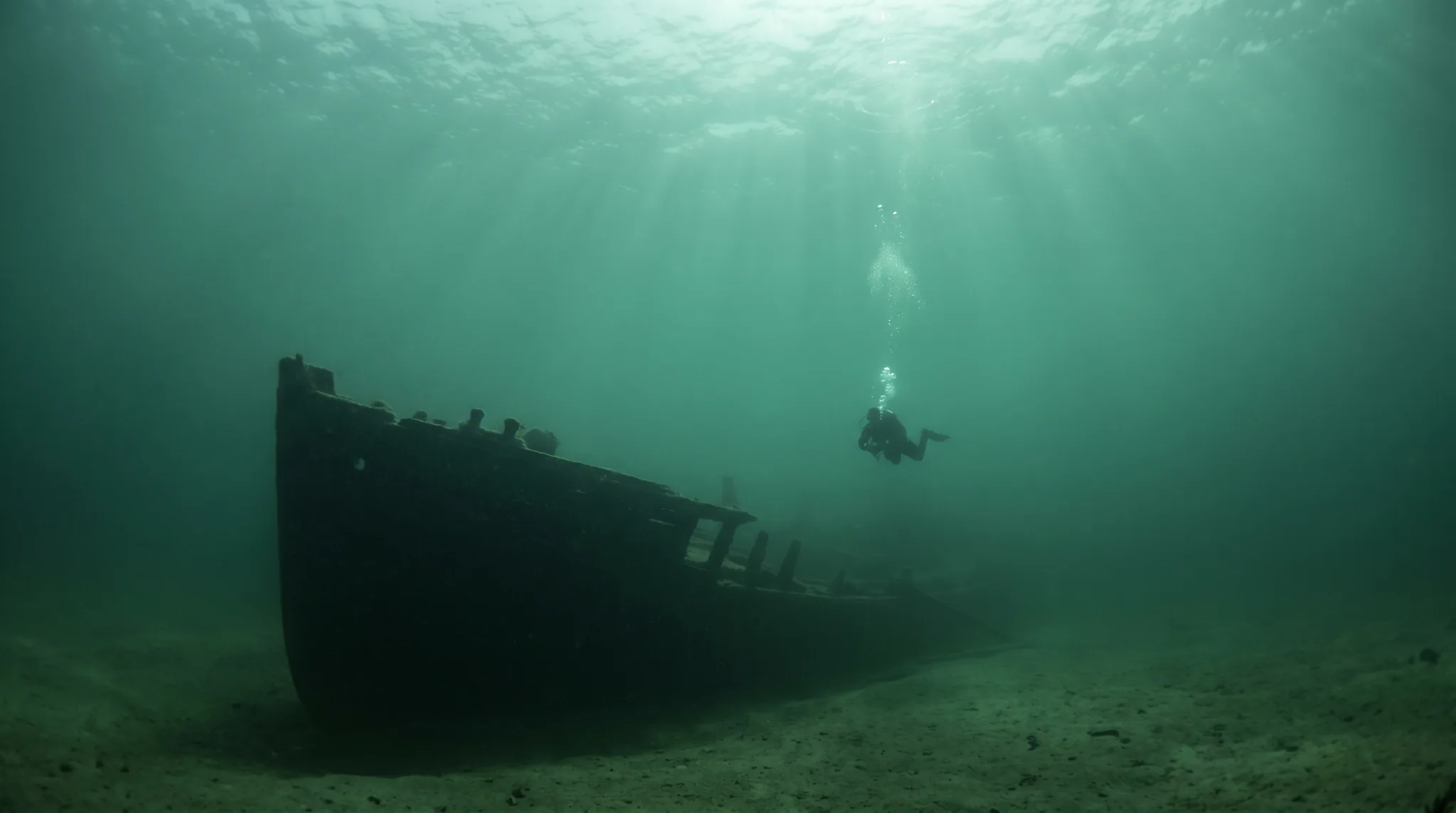
A good portion of the sites are rated for beginners, including Sesimbra, Pedra da Malha, Baía da Armação and the small wreck Batelão. These sites are generally shallow and, in several cases, sheltered from prevailing winds. Intermediate and advanced options are also well represented, so mixed-ability groups can dive the same area without compromise.
The River Gurara Wreck Area holds the larger share of sites and features a mix of open reefs, artificial structures and deeper offshore pinnacles. The Sesimbra Coast leans more towards caves, walls and wrecks in a more concentrated coastal setting, with sheltered bays that suit newer divers. Both areas are accessed primarily by boat, though a handful of sites across the region also allow shore entry.
There are multiple operators active in the region, including Anthia Diving Center, Haliotis Sesimbra, Vertente Natural and Diving Center Megadive, among others. Additional options include Dive Club Cipreia, Nautilus Escola do Mar, Arrábida Experiences and SPOT Freedive School. The breadth of choice means divers can usually find guiding and equipment hire suited to their level and preferred sub-area.