
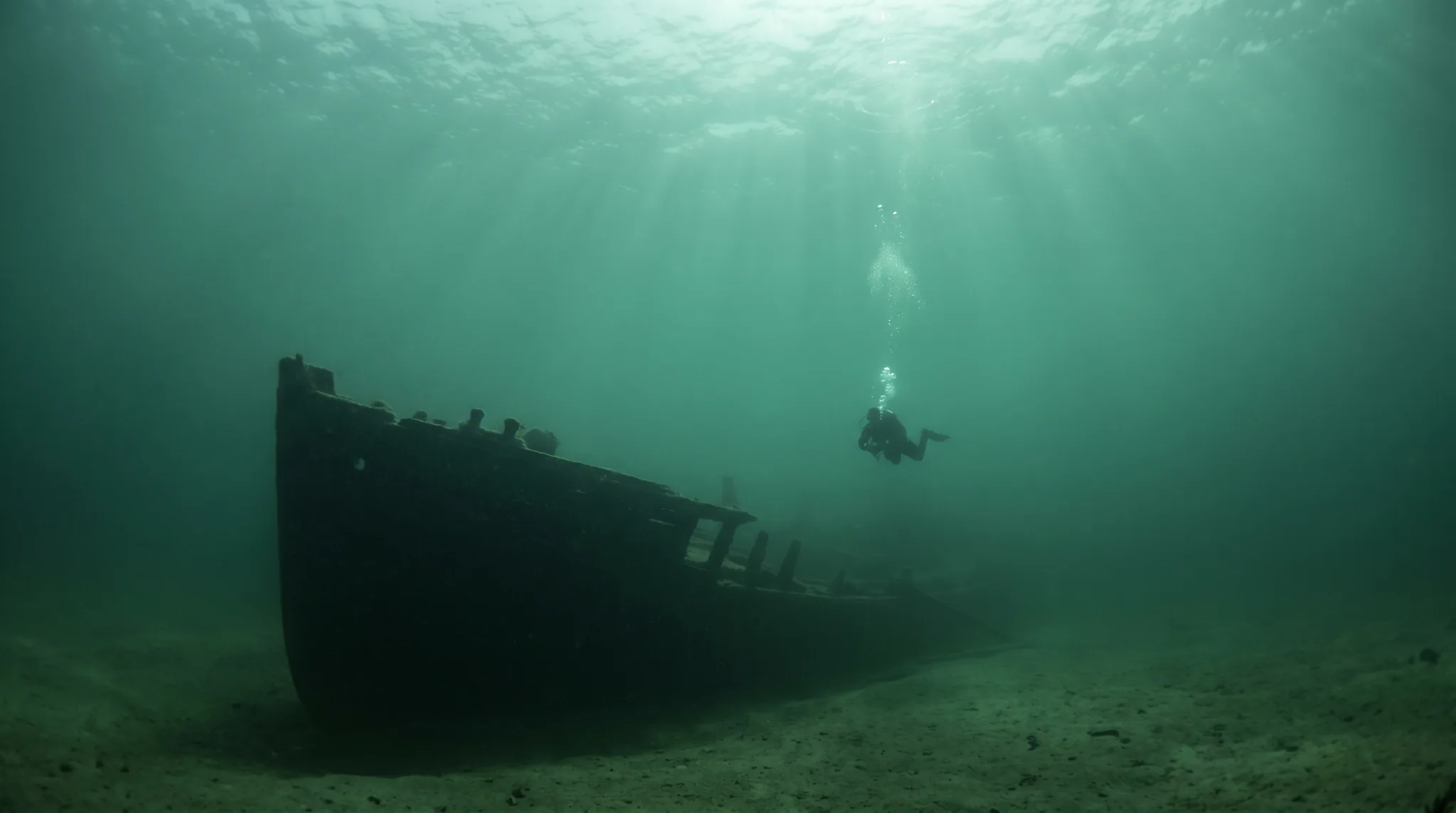
Cascais offers a compact but varied dive scene, ranging from shallow shore-entry reefs suited to beginners through to deep wrecks that demand advanced certification. The Roberto Ivens minesweeper and the Thermopylae wreck sit at depth, while sites like Gruta da Pombeira and CANYON do Inferno add cave and wall diving to the mix. Common Octopus, European Common Cuttlefish and Catshark appear across the site list, and an occasional Gray Seal encounter is well documented. All diving is boat-accessed except for a handful of shore entries close to town.
Monthly water temperature across Cascais's sites, from satellite sea-surface data corrected for depth. The band shows the site-to-site spread.
Water temperature stays cool year-round, rising only modestly from the winter low into early autumn. The warmest months run from late summer into autumn, which also coincides with the most favoured diving period. Exposed coastal conditions mean visibility can vary, and divers should expect currents at offshore sites regardless of season.
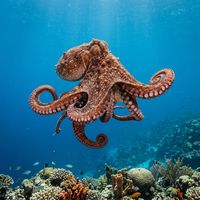
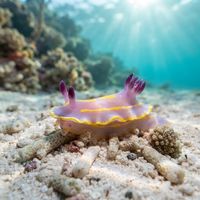
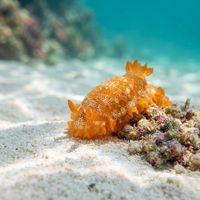
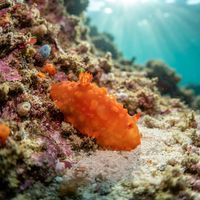
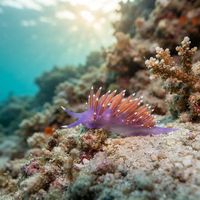
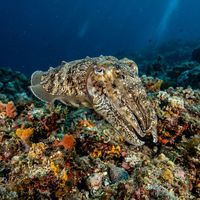
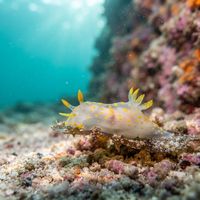
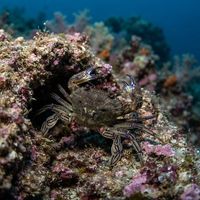
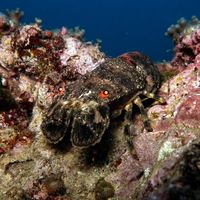
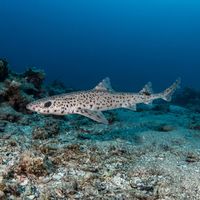
4 more sites to explore
Water temperature around Cascais ranges from about 15°C in January to 18°C in September, based on satellite sea-temperature data for its dive sites.
In the warm season (about 18°C) a 5mm suit is comfortable in Cascais; in the coldest months (about 15°C) step up to a 7mm or semi-dry suit.
Fin maps 16 sites in Cascais (16 scuba diving sites and 2 snorkelling spots, with some suited to both).
Across Cascais's dive sites, April, May, June, July, August and September are most often reported as the best months to visit.
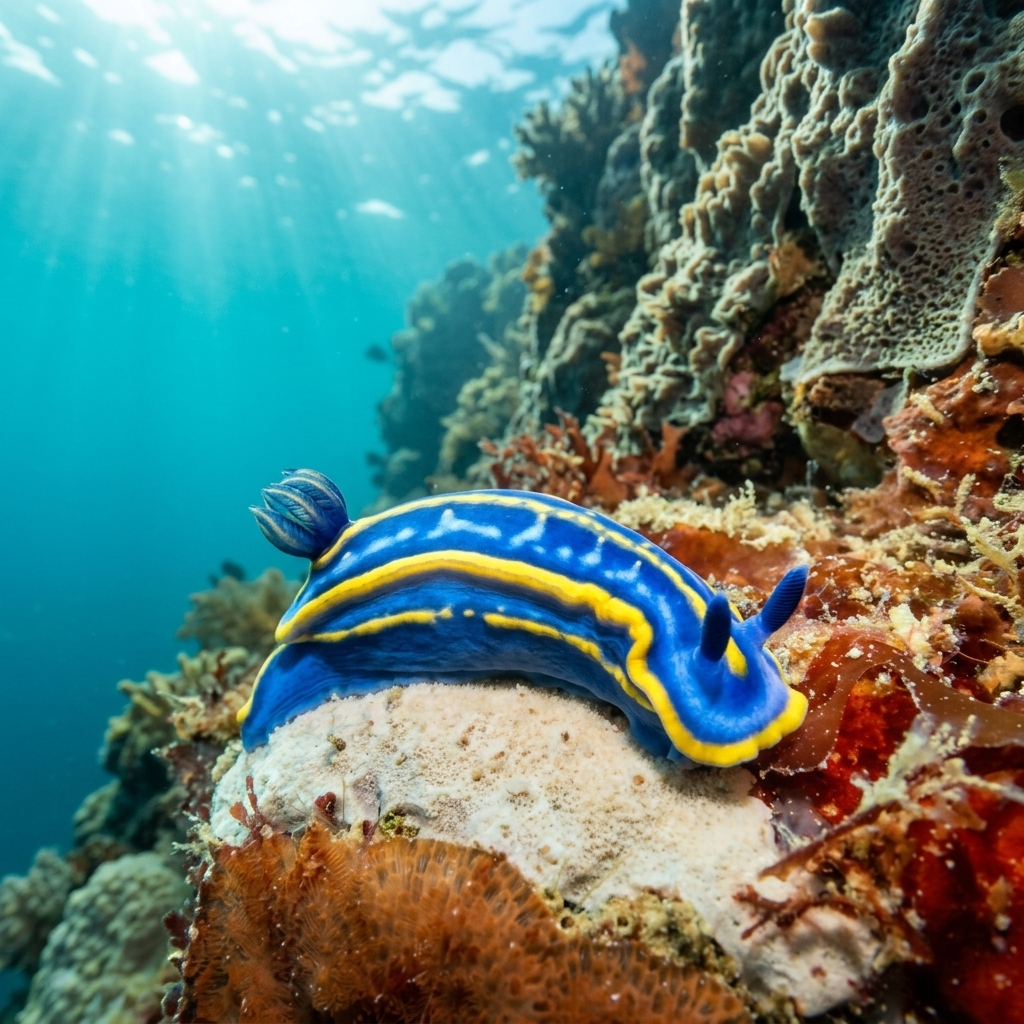
Common Octopus and European Common Cuttlefish are observed across virtually all sites. Catshark, Scorpionfish, Slipper Lobster and Wrasses appear frequently, and nudibranch species including the Tricolor Doris and Felimare villafranca are well documented. Gray Seal sightings are occasional but have been recorded, making them a real possibility on any dive.
A good number of sites are rated beginner level, including shallow shore-entry spots such as Baía da Guia and Pedra da Nau, as well as boat-access reefs like Principes and Maria Alice. The cave at Gruta da Pombeira is also listed as beginner-friendly given its modest depth. More advanced divers are catered for by deeper wrecks and wall sites.
The site mix spans natural reefs, artificial reefs, caves, walls and wrecks, covering a wide depth range from very shallow to well beyond recreational sport limits. Shore entries are available for those without boat access, while the offshore wreck sites including Roberto Ivens and the Thermopylae require a boat and advanced certification. Canyon do Inferno adds a wall dive option for intermediate to advanced divers.
Several operators are based in the area, including Cascais Dive, Escola de Mergulho de Lisboa, Tribemar, AZZURRO Dive Academy and Nautilus, Escola do Mar. Between them they cover the range of sites and skill levels available in the region, from introductory dives on shallow reefs to guided wreck expeditions.