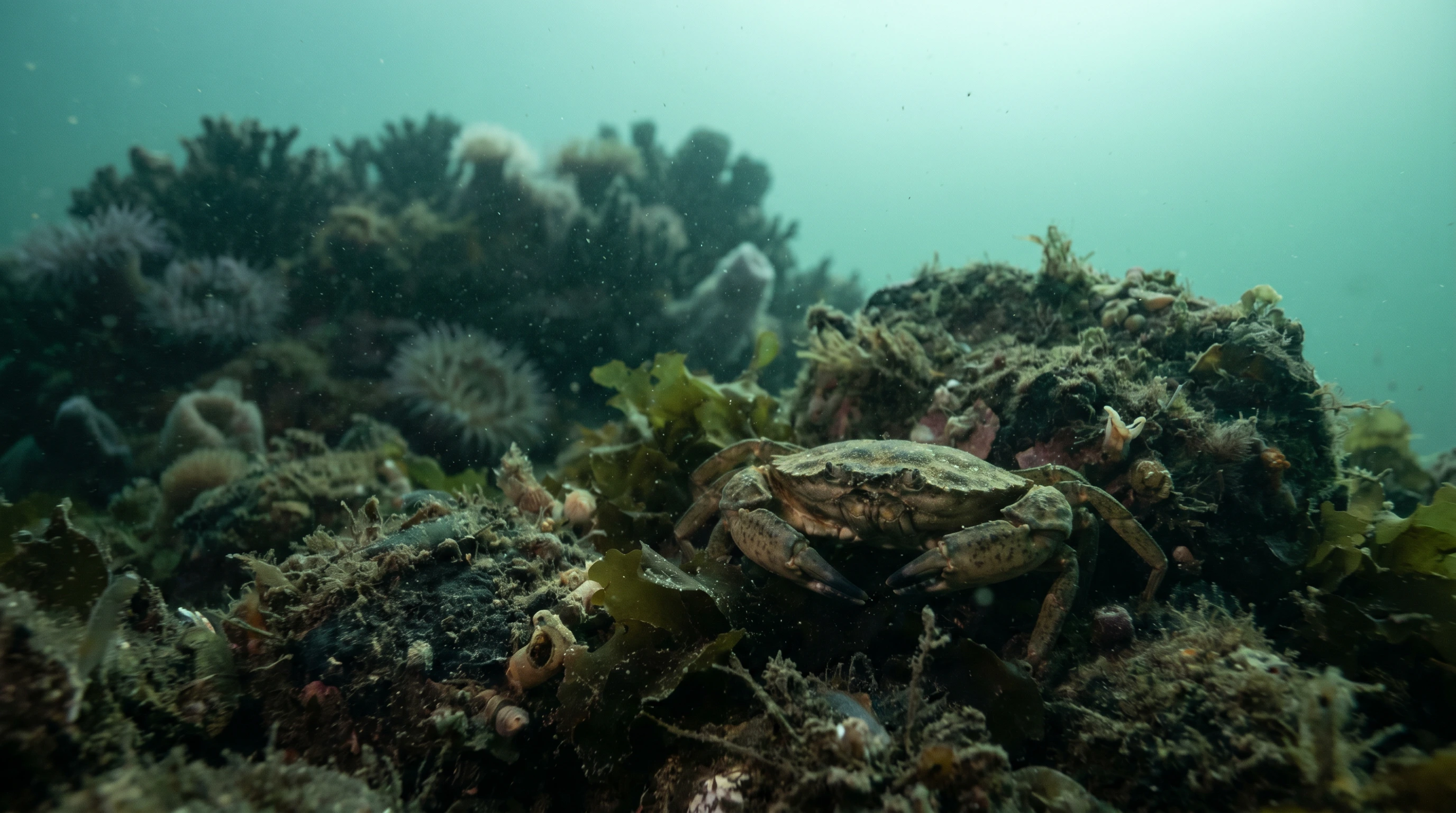
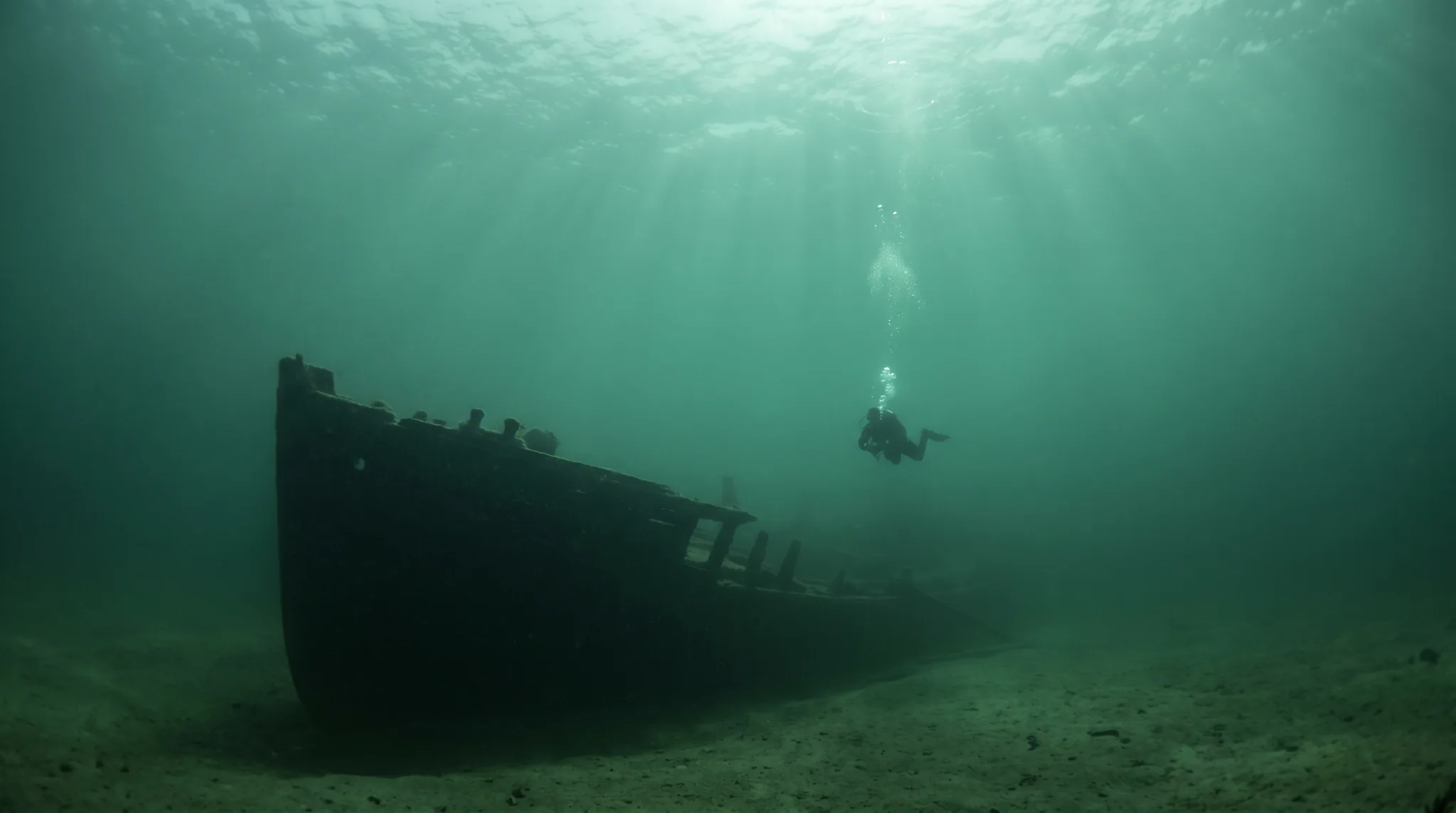
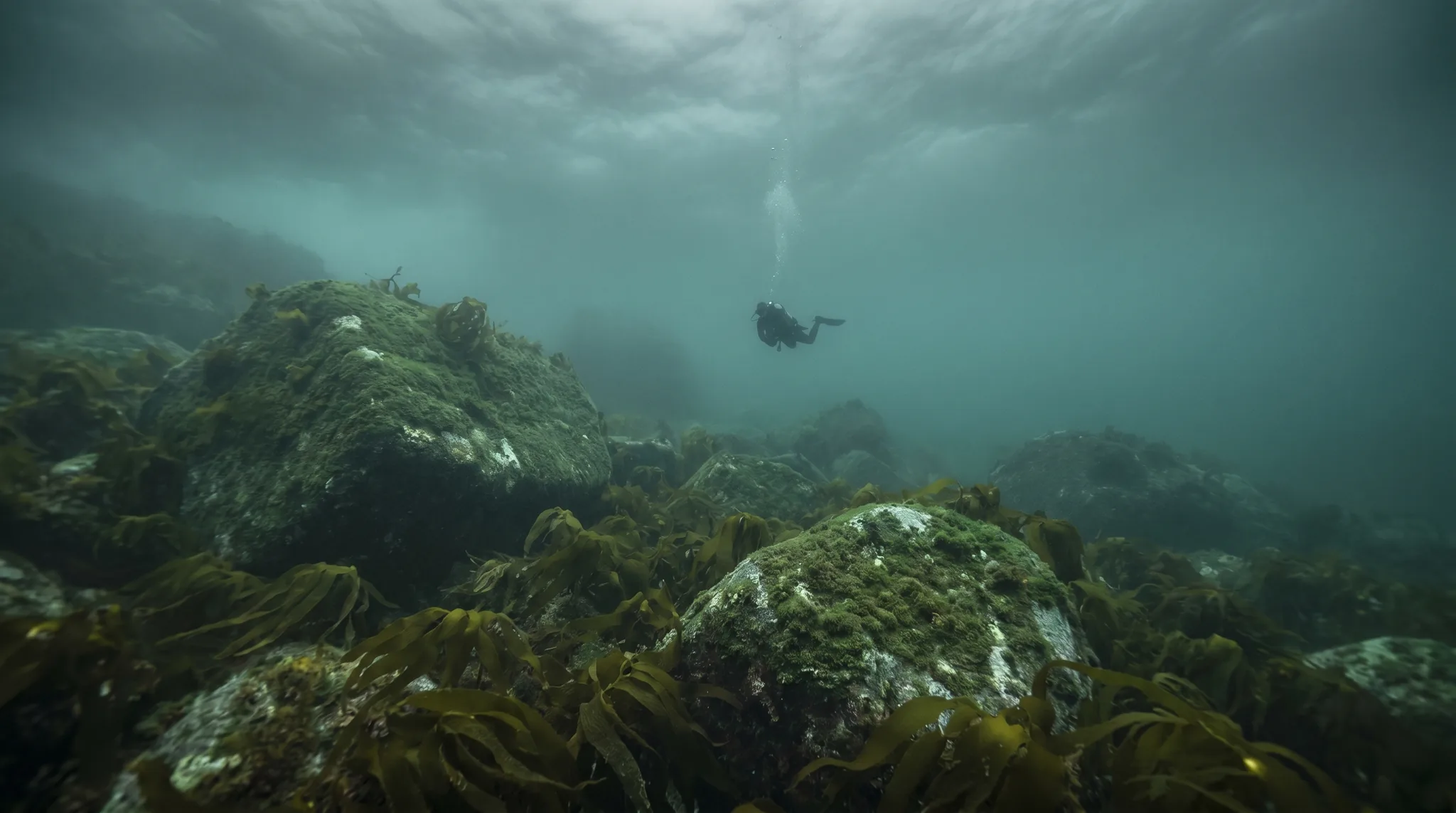
Zeelandbrug sits within the Oosterschelde and draws divers with an unusually rich mix of site types: muck, natural reef, artificial reef, wall, wreck and drift. Currents are the defining force here, shaping both the challenge and the reward. Nudibranch diversity is exceptional, with species such as the Chestnut Pump Dorid, Boston Facelina and Fourline Nudibranch observed across nearly every site. The Short-snouted Seahorse and European Common Cuttlefish add further character. Sites range from sheltered beginner spots to powerful advanced drift dives, all accessible from shore.
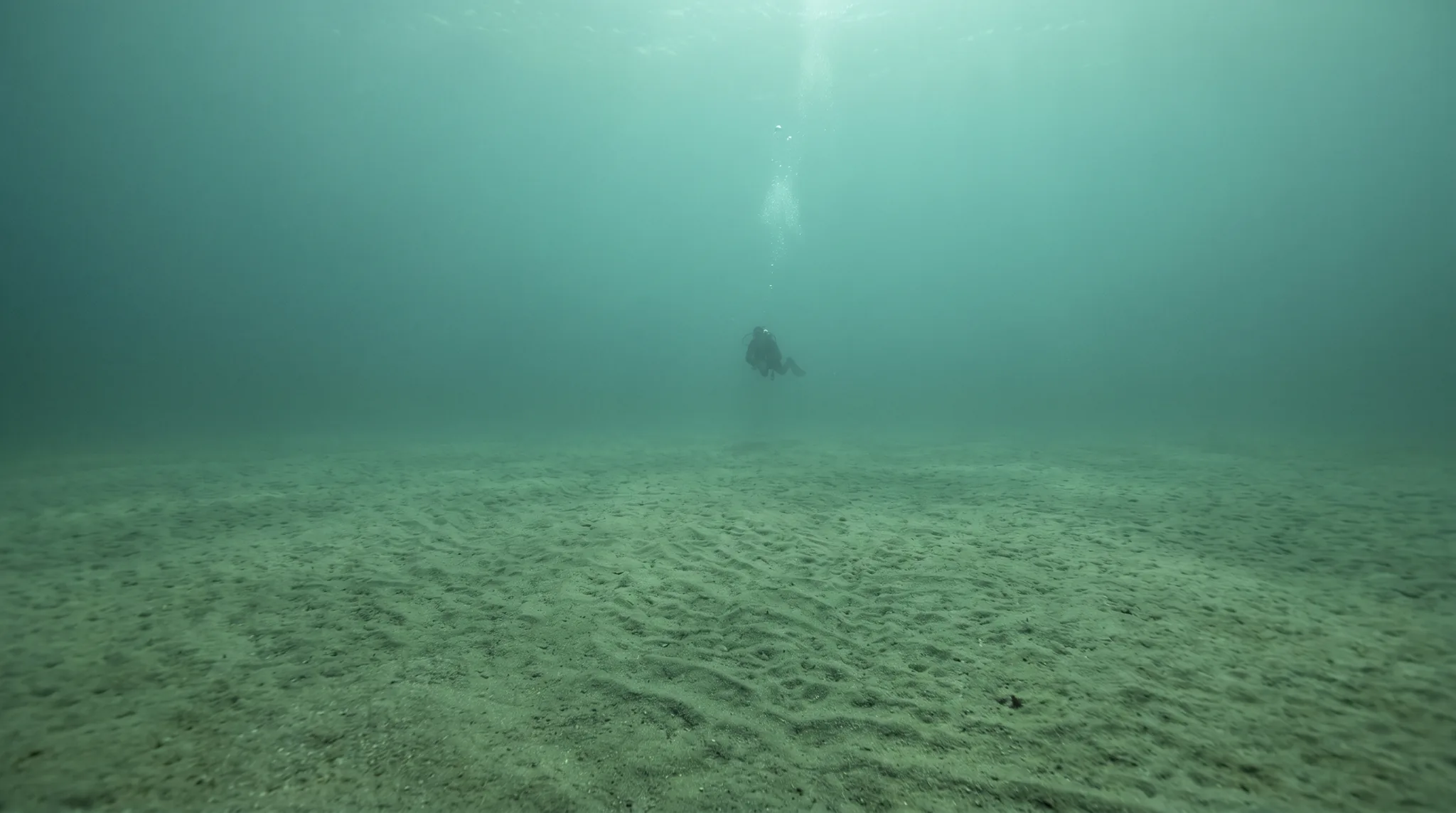
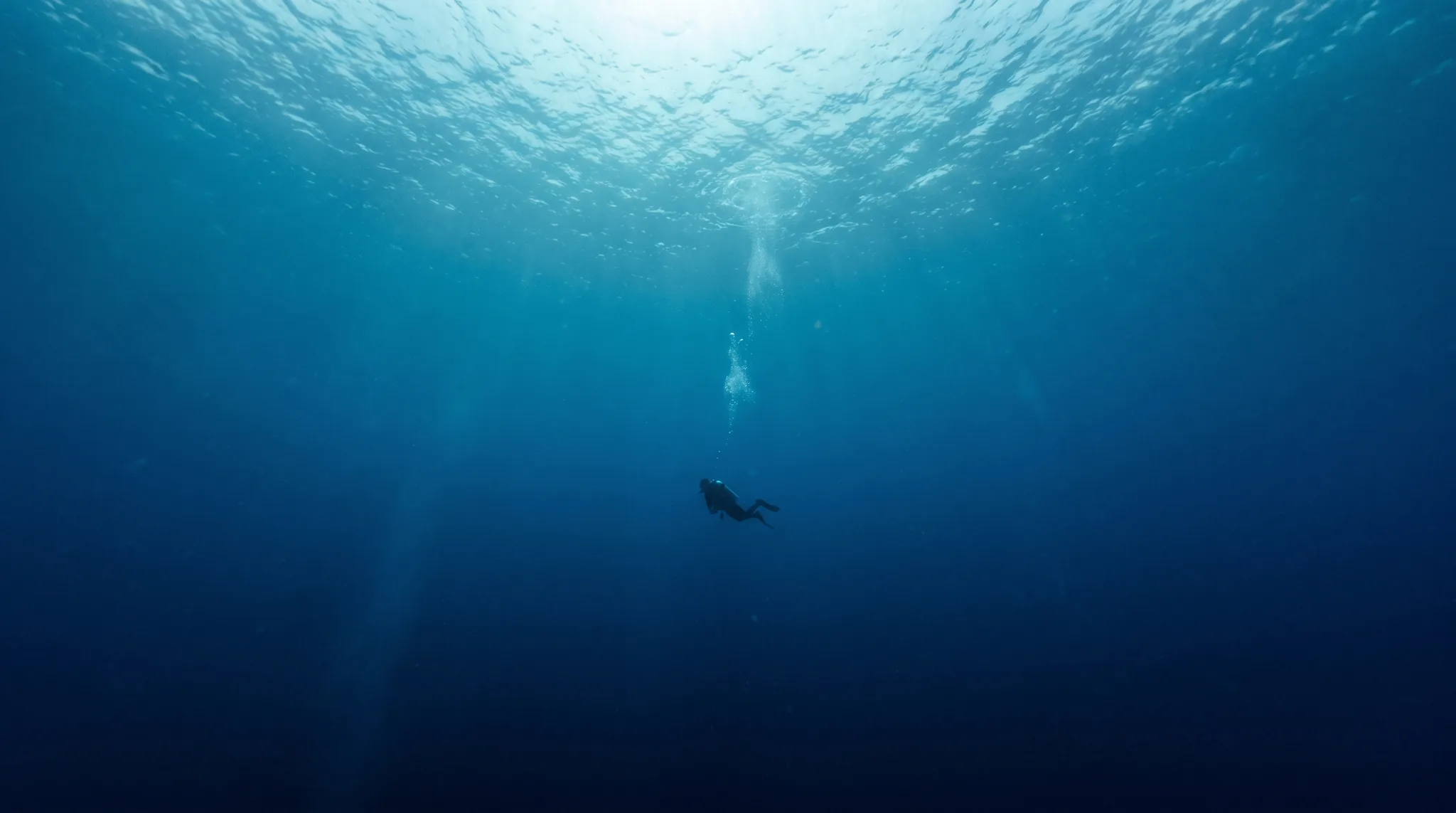
Monthly water temperature across Zeelandbrug's sites, from satellite sea-surface data corrected for depth. The band shows the site-to-site spread.
Water is coldest in winter and warms noticeably from late spring through summer, making the warmer months the most comfortable for longer dives. The peak season runs from spring through early autumn, when conditions and marine life activity align well. Currents are a constant consideration and vary significantly between sites, from sheltered walls suited to beginners through to powerful drift channels that demand advanced buoyancy and planning.
55 operators

Rhoon, Netherlands
79 more sites to explore
Water temperature around Zeelandbrug ranges from about 7°C in February to 20°C in August, based on satellite sea-temperature data for its dive sites.
In the warm season (about 20°C) a 5mm suit is comfortable in Zeelandbrug; in the coldest months (about 7°C) step up to a drysuit.
Fin maps 91 sites in Zeelandbrug (89 scuba diving sites and 10 snorkelling spots, with some suited to both).
Across Zeelandbrug's dive sites, May, June, July, August and September are most often reported as the best months to visit.
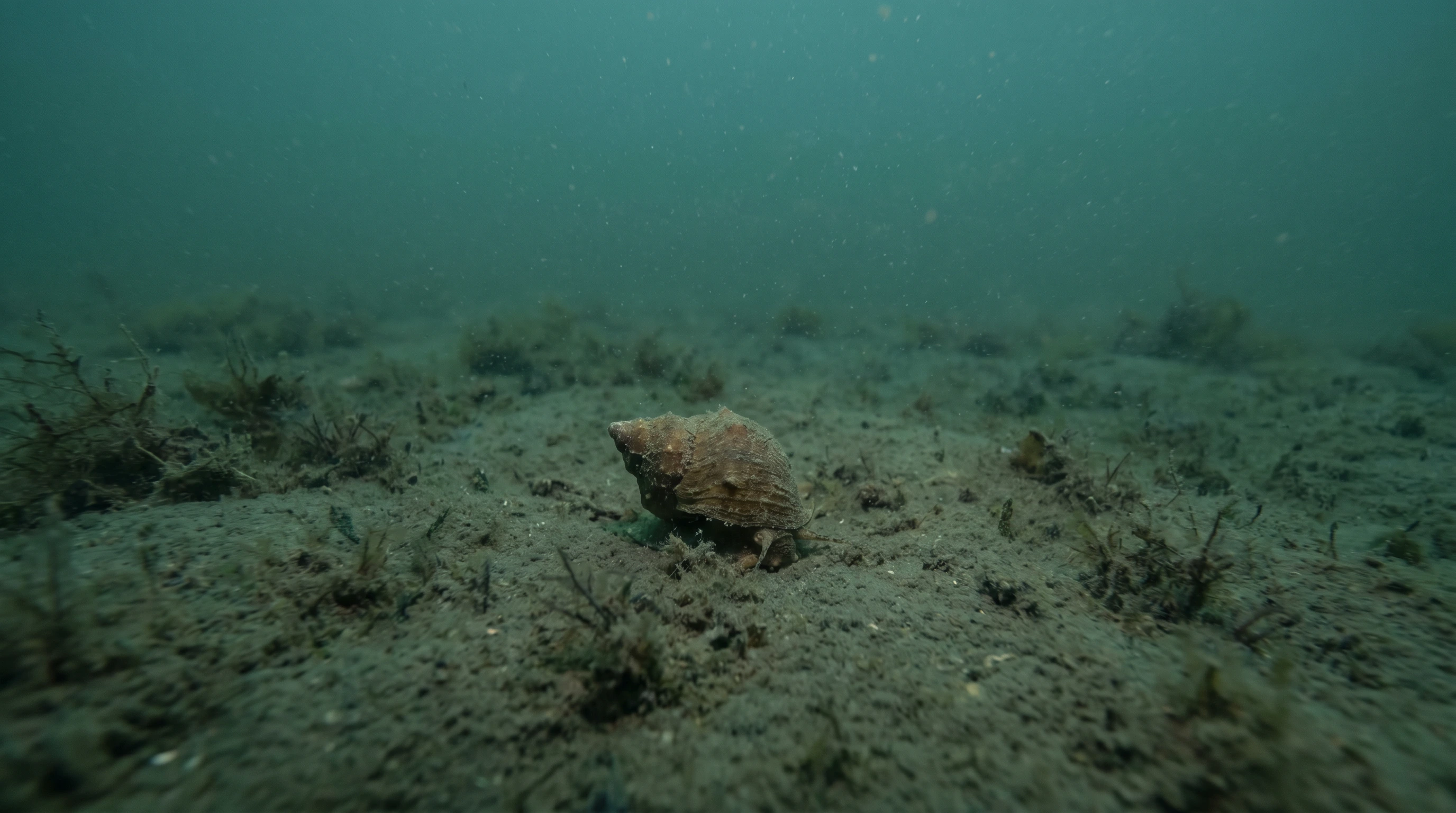
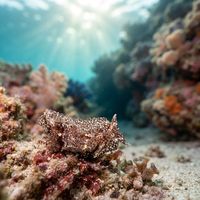
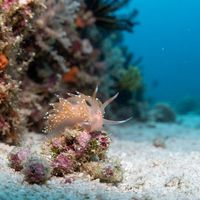
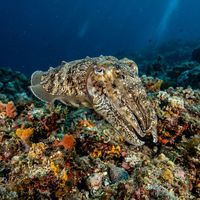
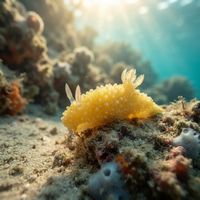
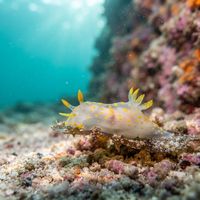
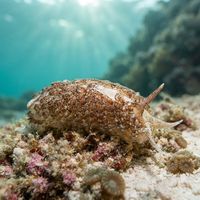
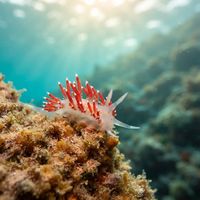
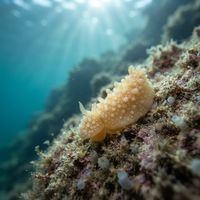
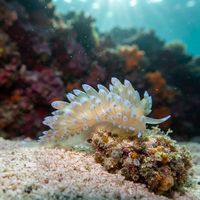
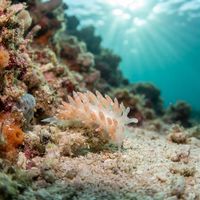
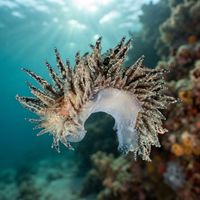
Zeelandbrug is particularly notable for nudibranch diversity. The Chestnut Pump Dorid, Boston Facelina, Doris Berghi, Fourline Nudibranch and Bushy-backed Nudibranch are all regularly observed. Beyond nudibranchs, divers frequently encounter the European Common Cuttlefish, Greater Pipefish, Longspined Sea-scorpion, Velvet Swimming Crab and Brown Crab. The Short-snouted Seahorse is among the signature species of the area.
Yes, several sites are graded for beginners. Oude Veersedijk Wolphaartsdijk, Dreischor Het Gemaal and Zoetersbout all offer sheltered, shallow conditions accessible from shore. However, a significant number of sites are intermediate or advanced due to strong and variable currents, so divers should check individual site requirements before entering.
The vast majority of sites at Zeelandbrug are shore-entry, making independent access straightforward without the need for a boat. Zuidbout is an exception, offering both shore and boat entry. Many operators are based in the area and can provide guided dives and equipment support.
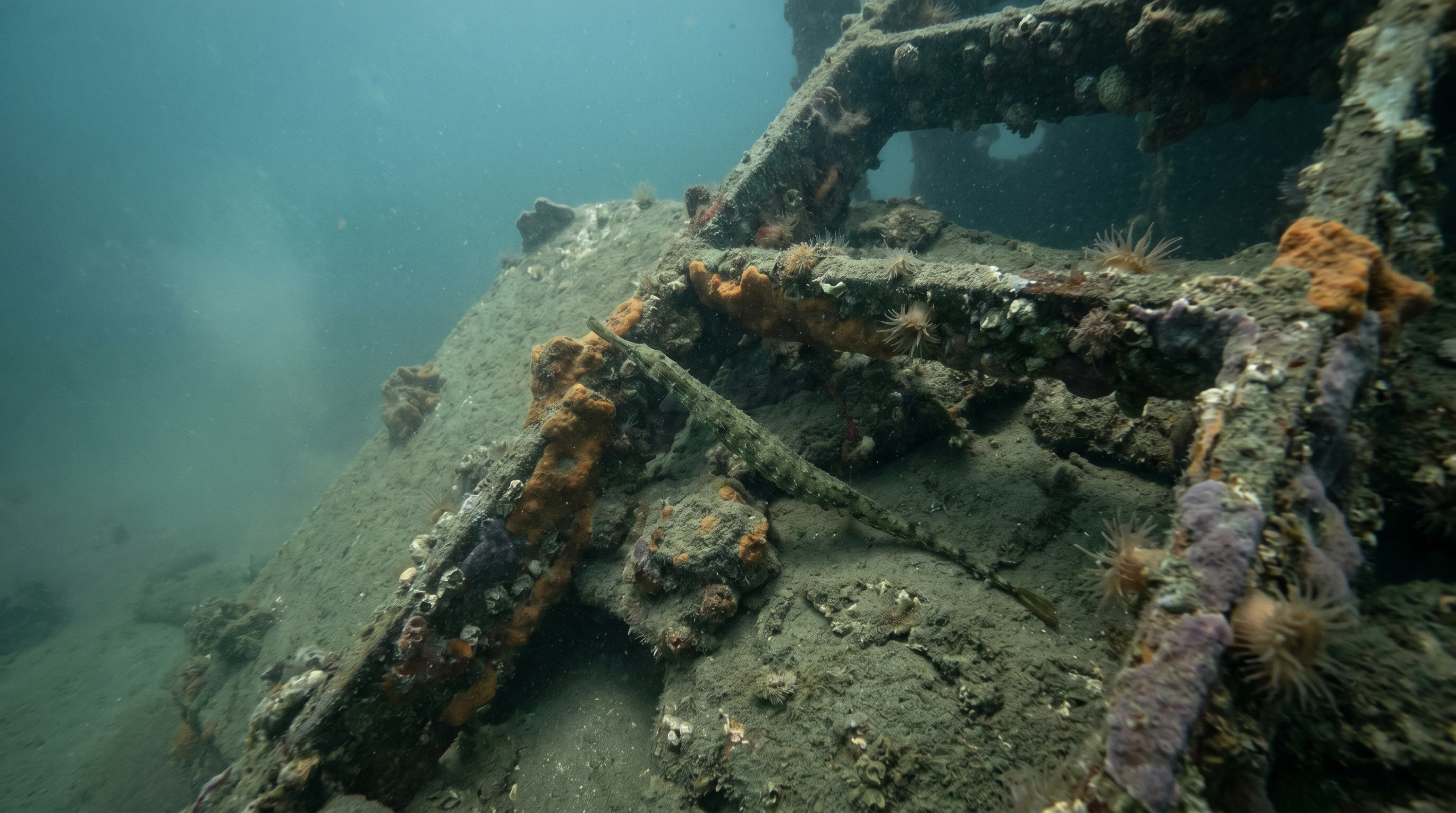
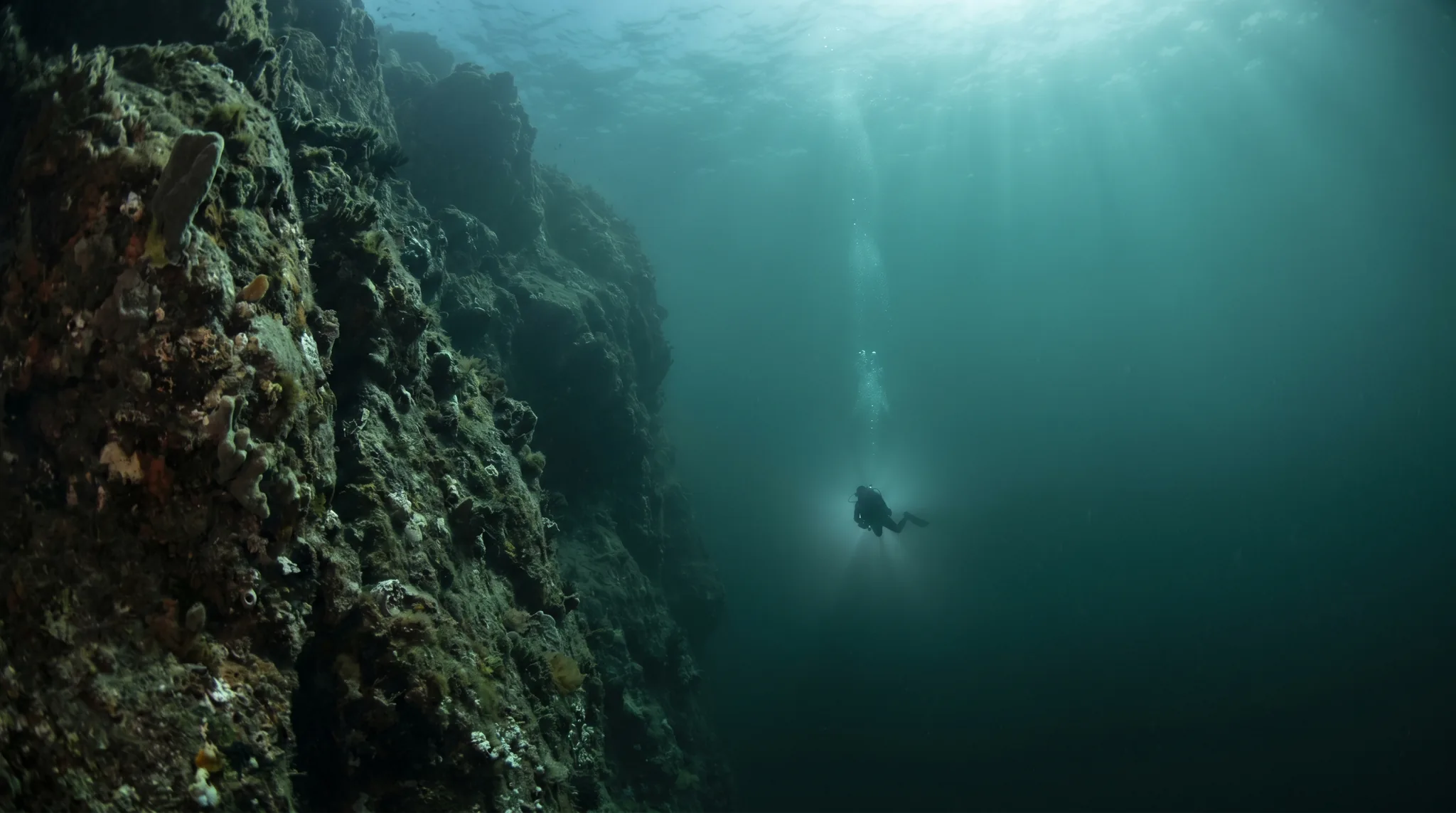
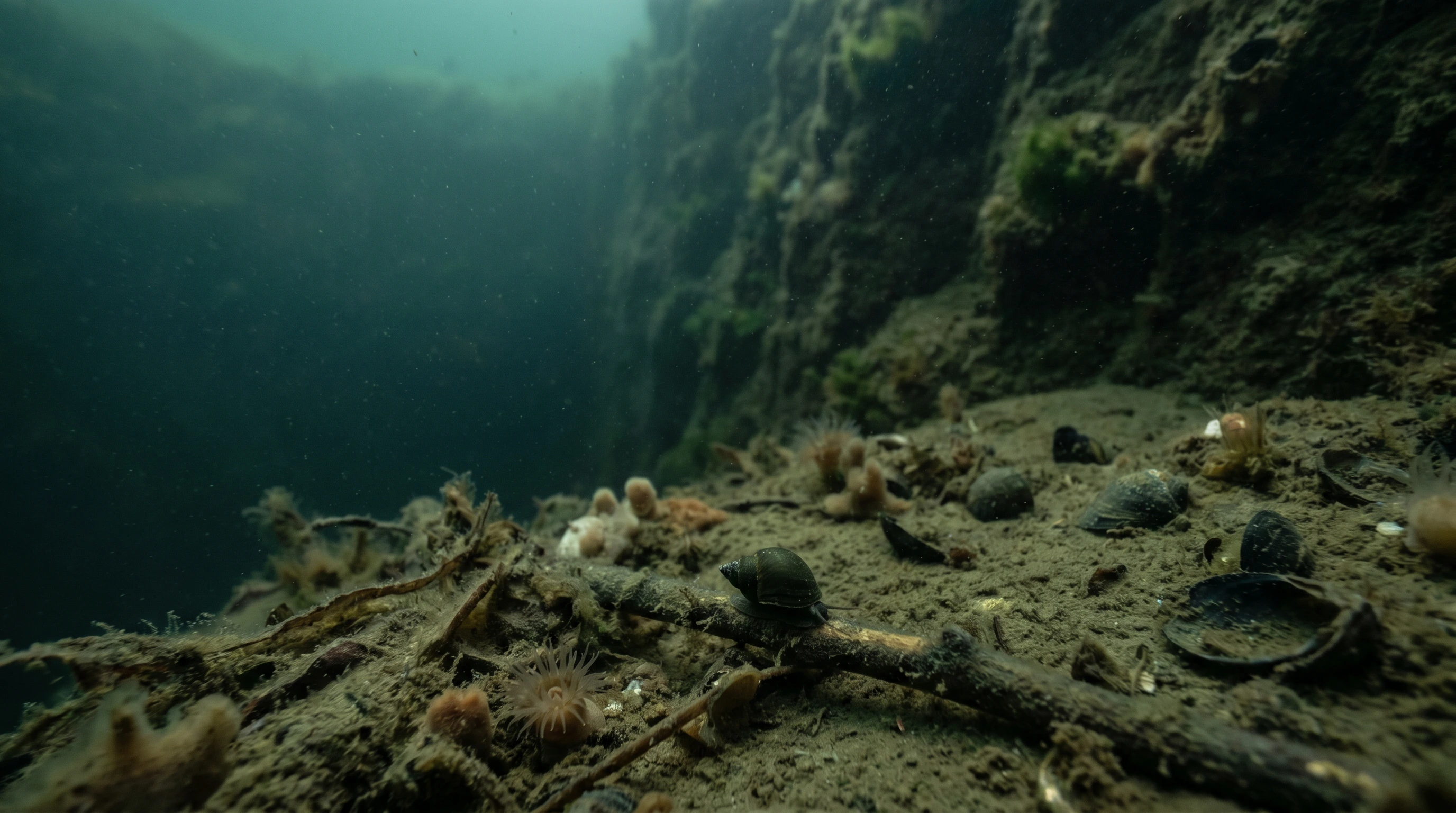
Zeelandbrug offers a wide variety of underwater terrain. Muck sites such as Zoetersbout and Zeelandbrug Nord reward patient, detail-focused diving with small and cryptic species. Artificial reef structures at sites like Katshoek and Plompetoren attract dense marine life and are ideal for photography. Wall dives at Zuidbout and Stavenisse Oostnol add vertical relief, while drift sites like Wissenkerke Westnol and Westbout deliver exhilarating current-assisted dives for experienced divers.