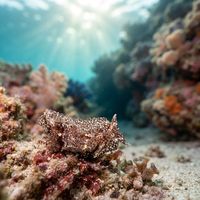
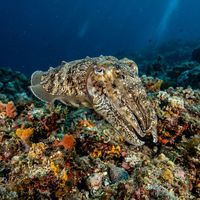
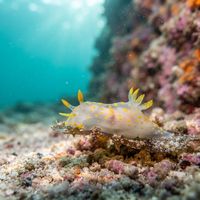
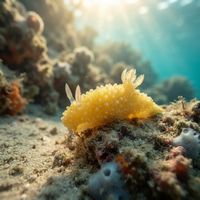
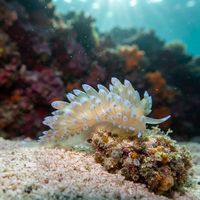
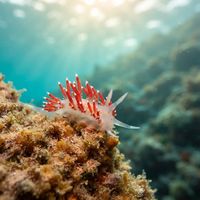
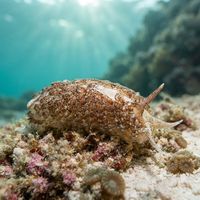
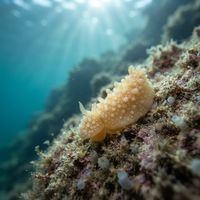
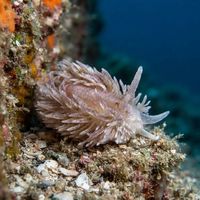
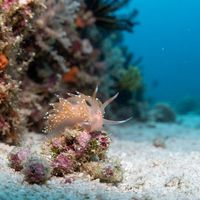
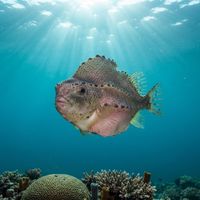
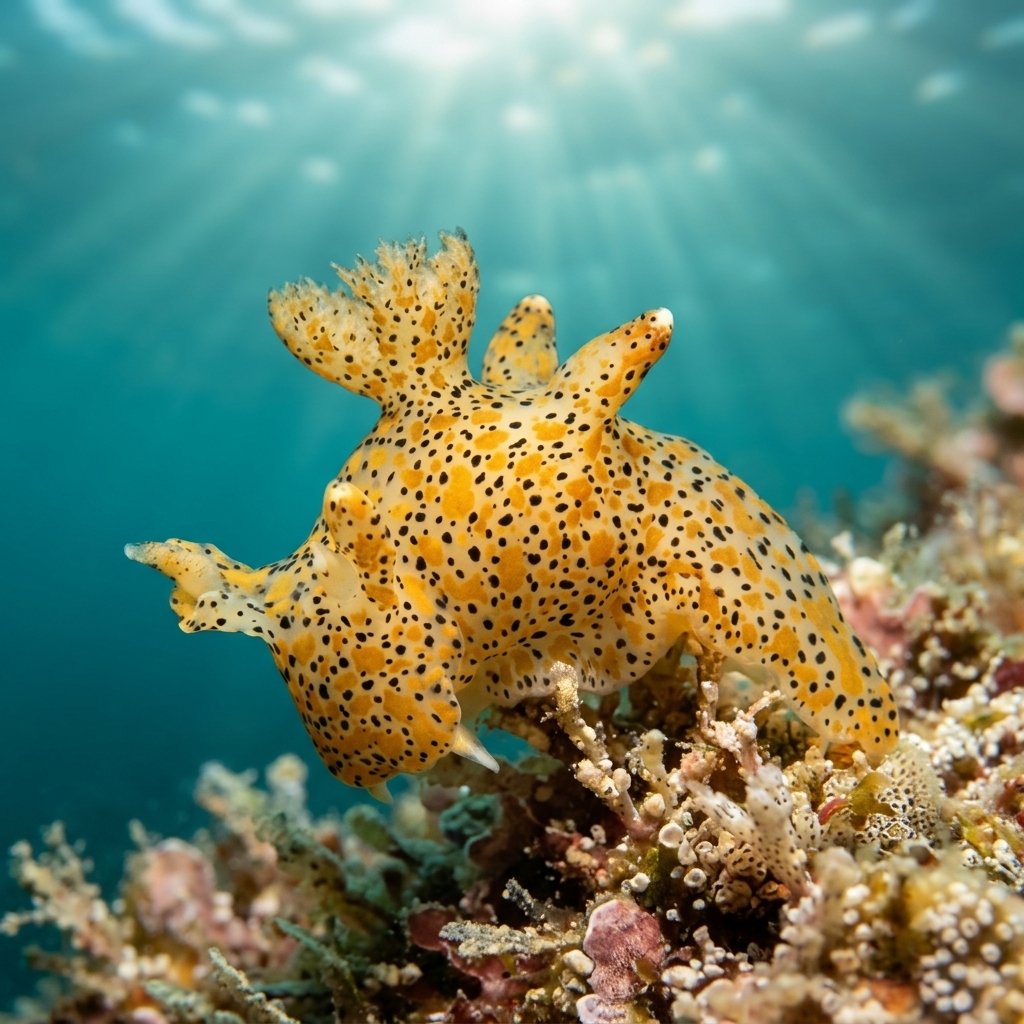
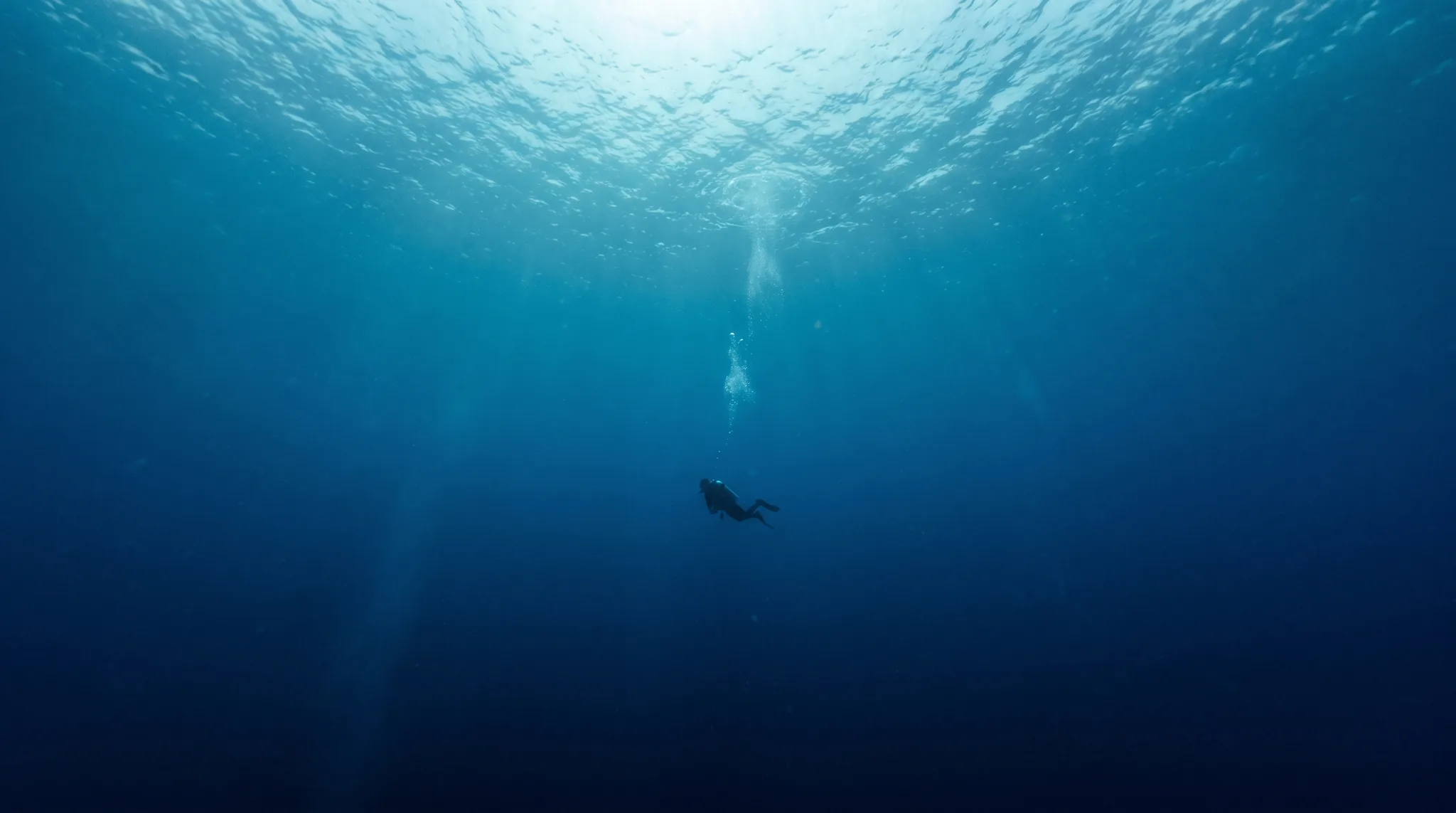
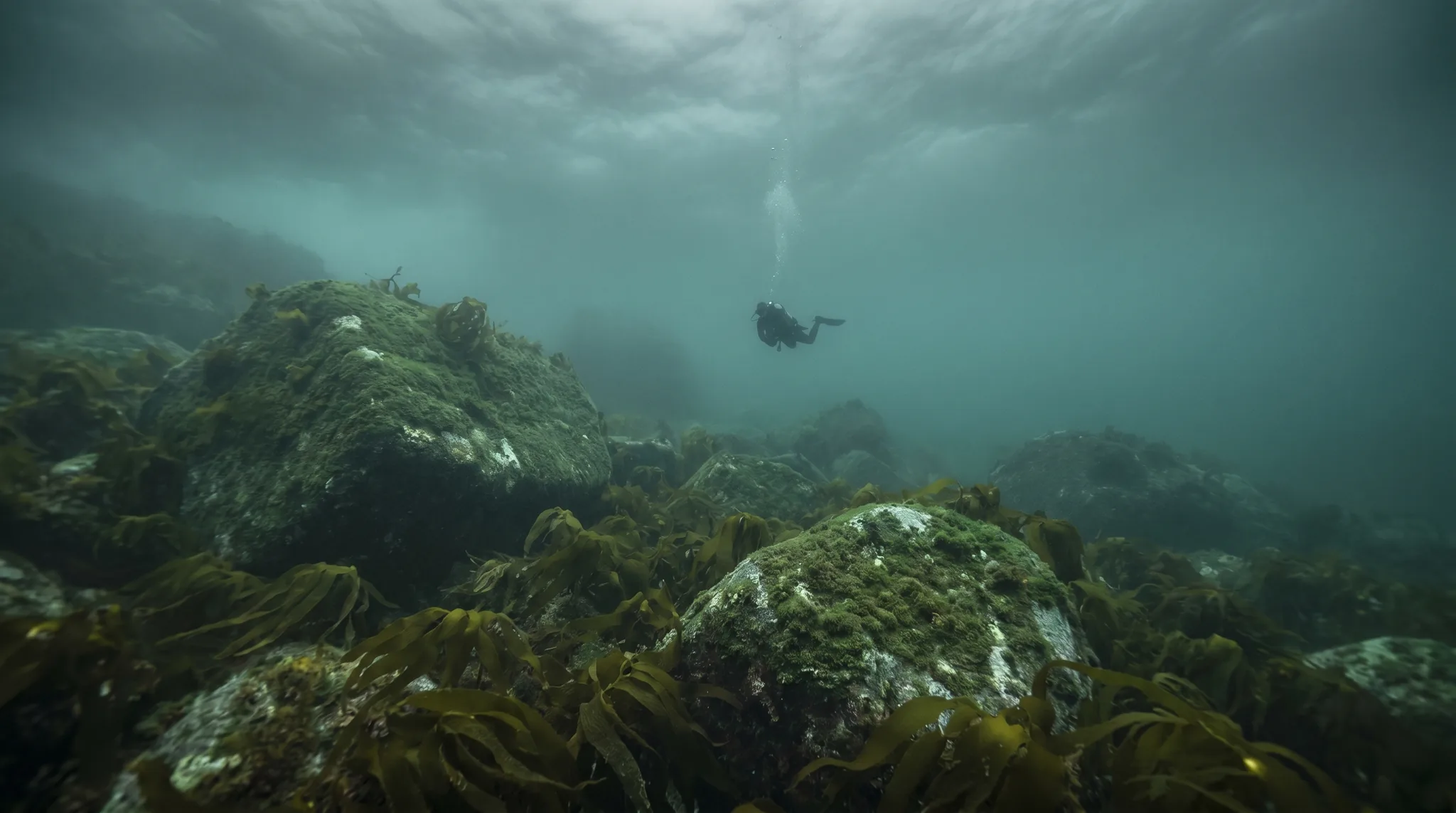
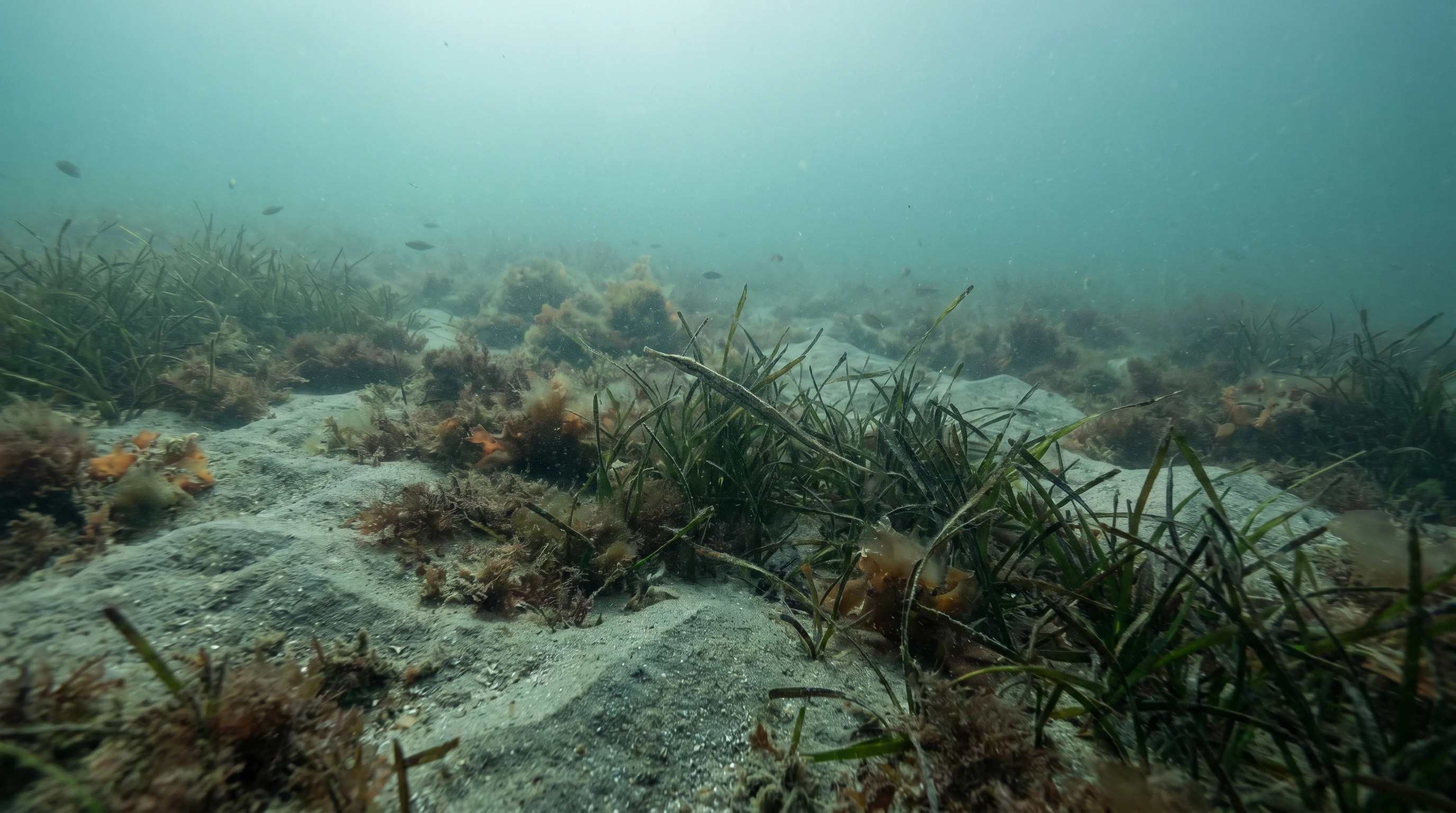
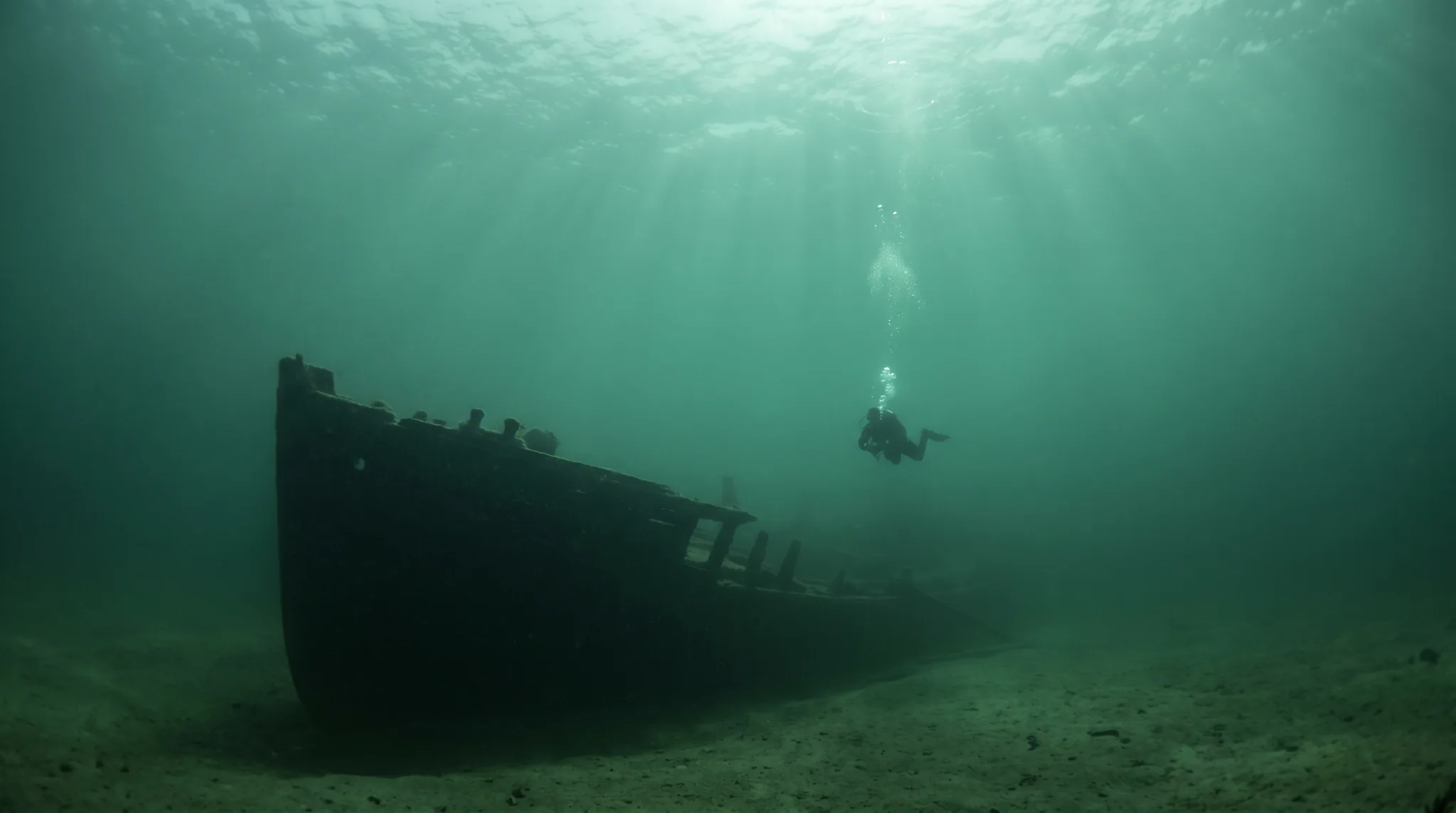
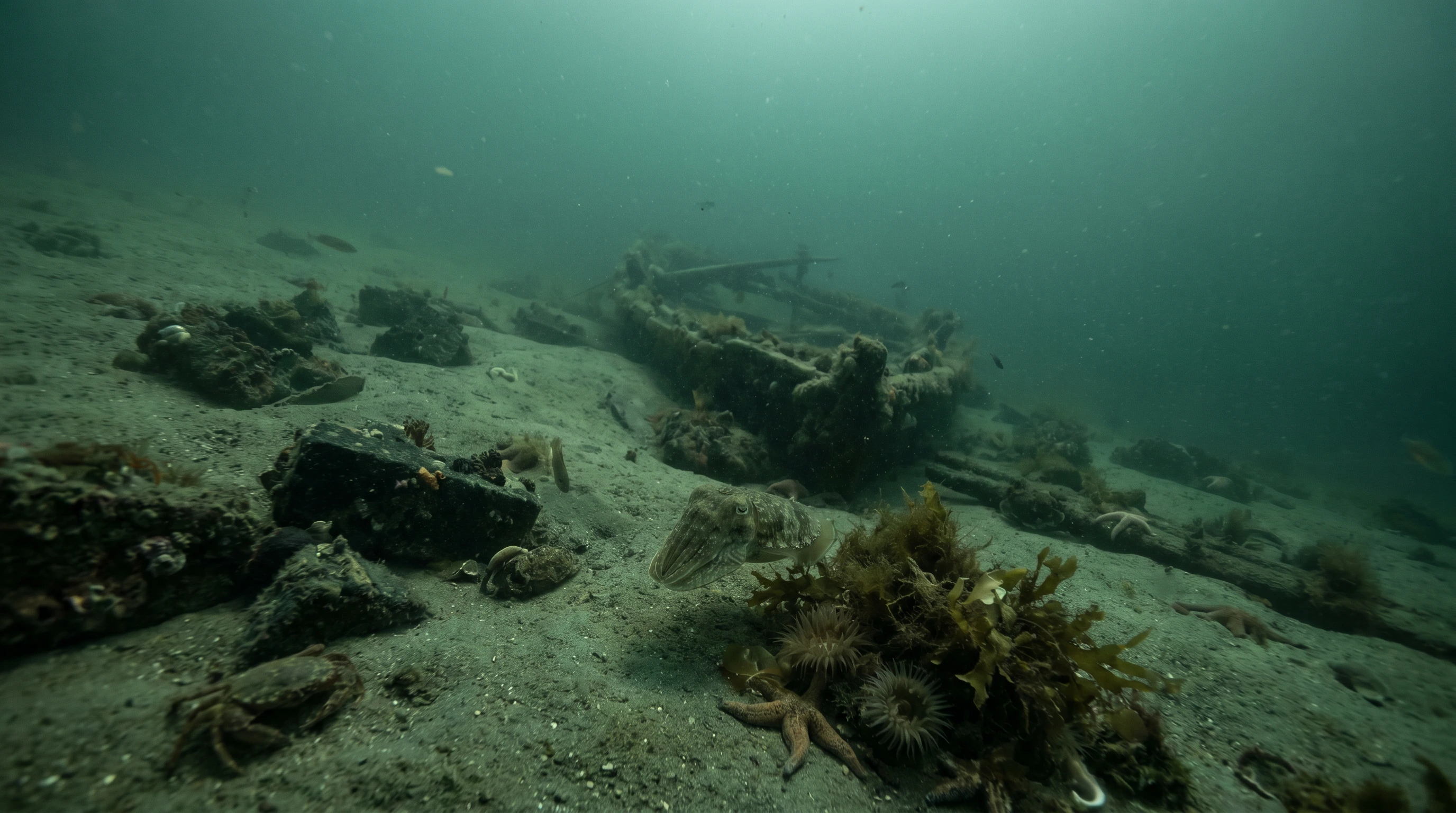
Wemeldinge sits within the Oosterschelde tidal system and offers an unusually varied portfolio of dive sites for a compact area. Shore entries dominate, ranging from gentle muck and artificial reef environments suitable for beginners at Bergse Diepsluis and Goesse Sas, through drift and wreck combinations at intermediate sites like De Hoek and Goese Sas, to demanding wall and deep reef dives at De Plaat and Putti's Place. Strong tidal currents define the character of many sites, and precise timing is essential. The marine life leans heavily toward nudibranchs, with European Common Cuttlefish, Common Lobster, and occasional Short-snouted Seahorse rounding out the picture.
Monthly water temperature across Wemeldinge's sites, from satellite sea-surface data corrected for depth. The band shows the site-to-site spread.
Water temperatures follow a clear seasonal curve, dropping to their coldest in late winter and peaking in late summer, which brings the most comfortable conditions for extended dives. Spring through early autumn sees the most dive activity, with May and June drawing particular interest. Tidal currents are a constant factor regardless of season, so slack-water timing is critical at many sites.
11 operators
Nieuw-Vossemeer, Netherlands
18 more sites to explore
Water temperature around Wemeldinge ranges from about 7°C in February to 20°C in August, based on satellite sea-temperature data for its dive sites.
In the warm season (about 20°C) a 5mm suit is comfortable in Wemeldinge; in the coldest months (about 7°C) step up to a drysuit.
Fin maps 30 sites in Wemeldinge (30 scuba diving sites and 3 snorkelling spots, with some suited to both).
Across Wemeldinge's dive sites, April, May, June, July, August and September are most often reported as the best months to visit.
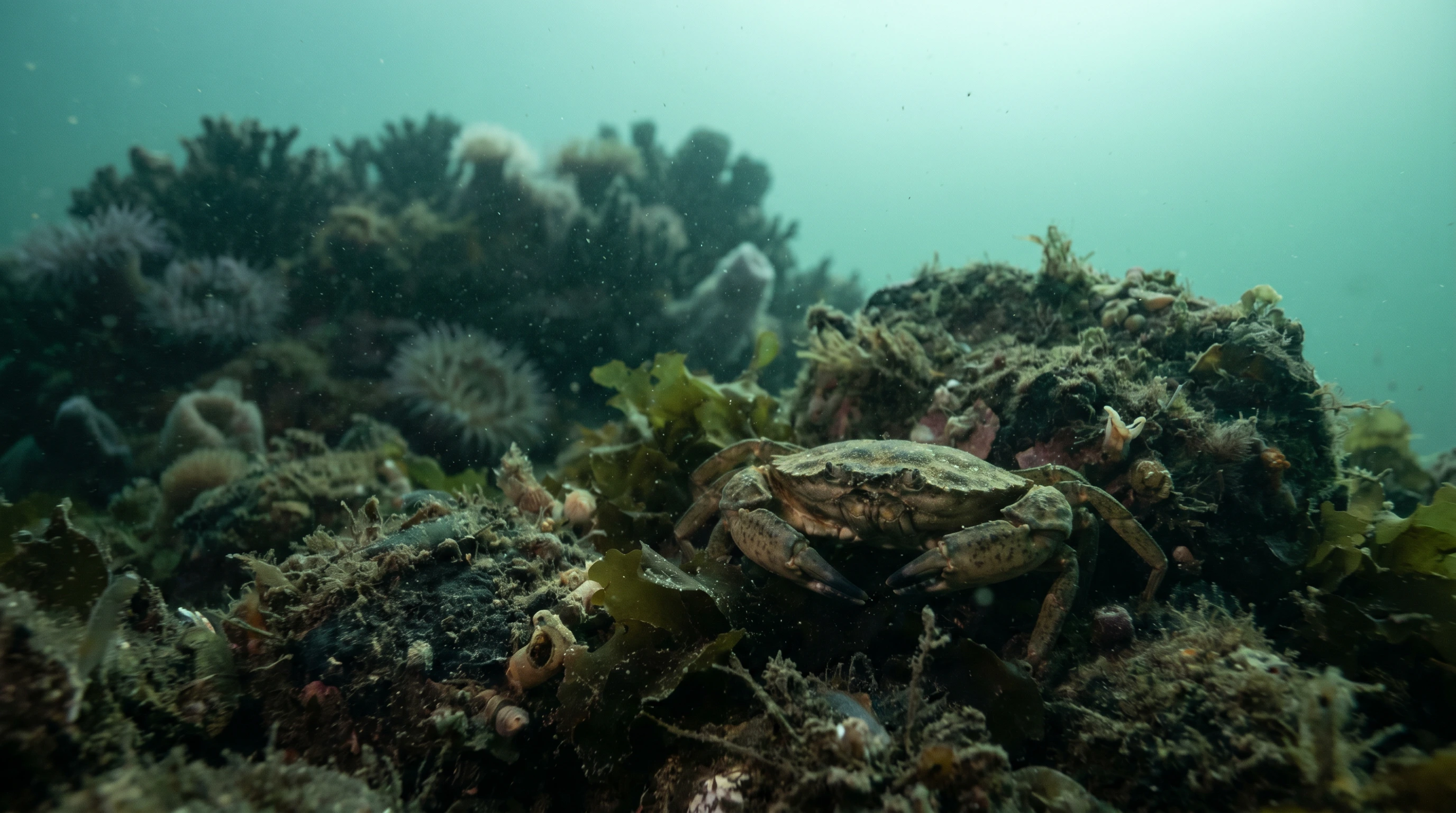
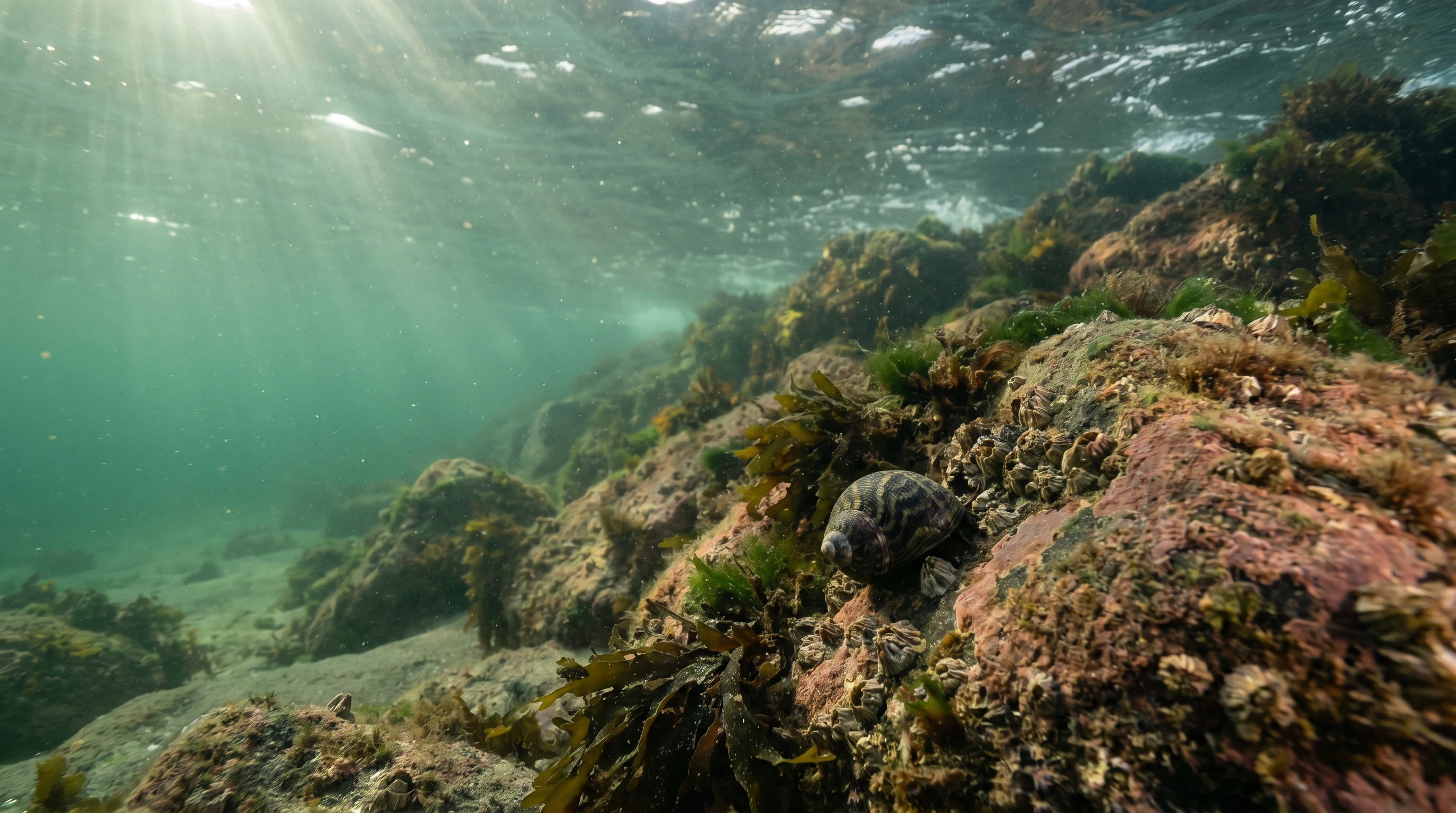
Nudibranchs dominate the species list, with Fourline Nudibranch, Chestnut Pump Dorid, Warty Dorid, and Doris Berghi all observed regularly across sites. European Common Cuttlefish and Common Lobster are very common, and divers occasionally come across Short-snouted Seahorse. Common Hermit Crab and Thecacera are also frequently spotted.
Yes, several sites are rated for beginners. Bergse Diepsluis offers a mix of muck, reef, and artificial reef with relatively shallow maximum depths and shore access. Goesse Sas features heavily overgrown dike remnants at gentle depths, and Sint-Annaland Strand has a gradually sloping sandy bottom near the harbour. These sites allow newer divers to build confidence before tackling the current-driven drift sites.
The majority of sites in Wemeldinge are shore-entry, making them accessible without a boat. A few sites, including De Plaat and Wrak den Boer, can be reached by either shore or boat. Entry conditions vary: Kleine Stelle requires divers to cross a very shallow sandbank, and sites like De Hoek involve a swim from shore before reaching the main structure.
Advanced sites such as De Plaat, Putti's Place, and Stormezande involve strong tidal currents, significant depth, or both, making current planning and buoyancy control essential. Putti's Place combines a wall, a wreck, and an artificial reef and reaches considerable depth. By contrast, beginner sites tend to be shallower, calmer, and structured around gentler reef or muck terrain. Drift experience is a practical prerequisite for several of the intermediate and advanced options.