Best for intermediate divers, 5-15m, shore entry, moderate current.
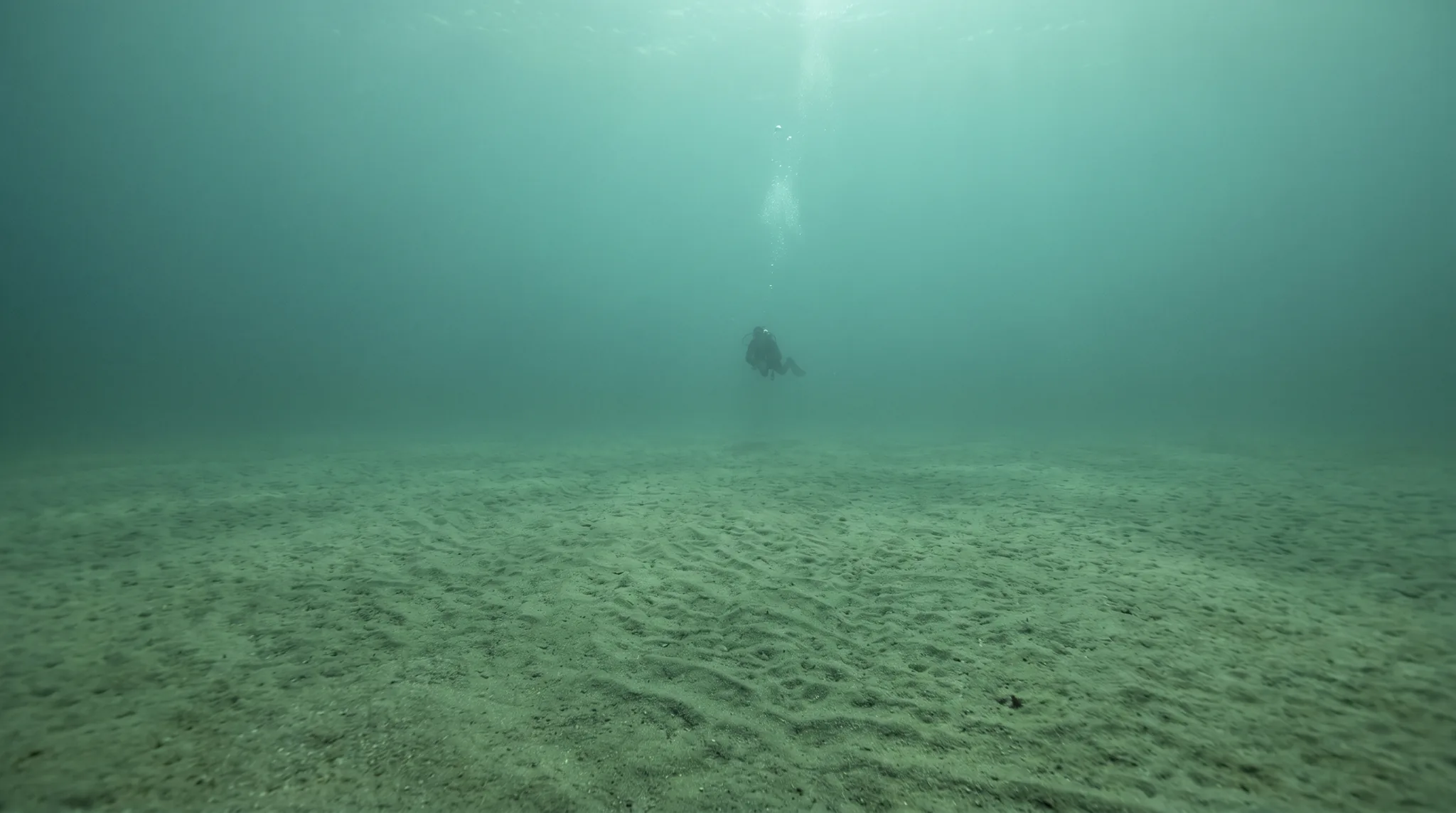
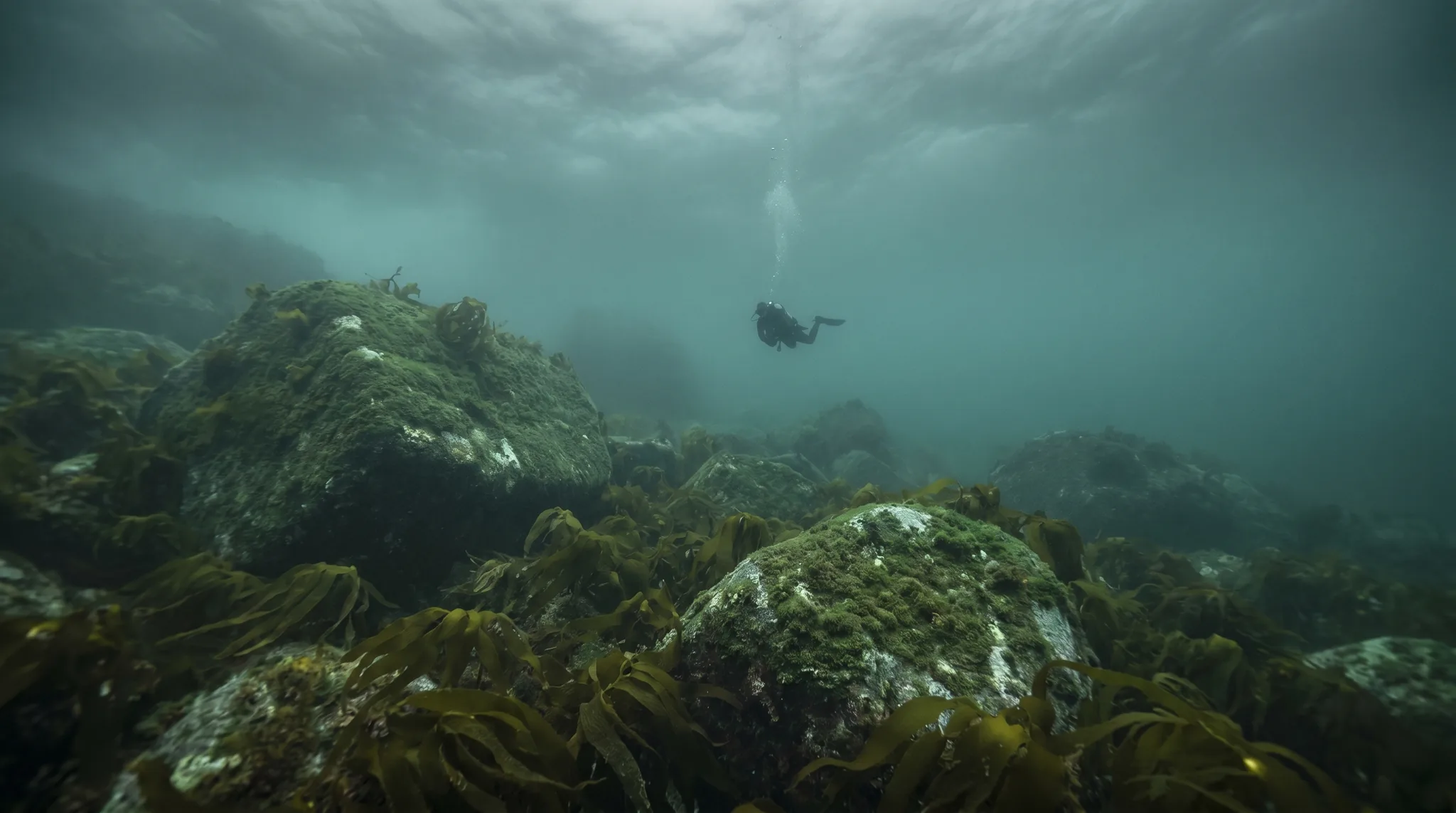
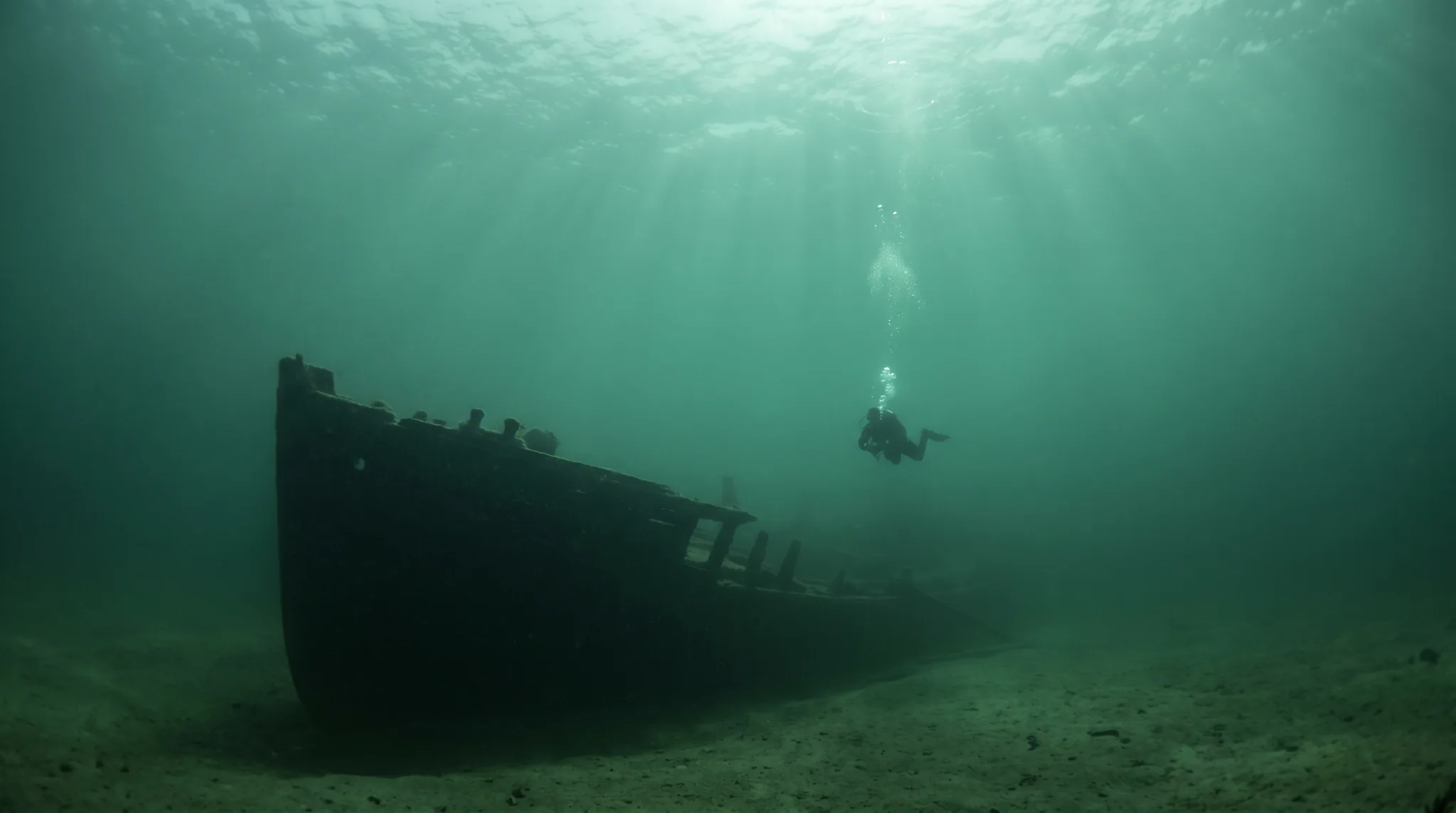
De Val is an artificial reef located at the Zeelandbrug in the Oosterschelde. This shore-entry site features depths ranging from 5 to 15 metres, with an average depth of 10 metres. Divers must navigate moderate tidal currents, making it essential to time entries around slack water. Visibility is variable, typically between 2 and 6 metres. Due to the potential for boat traffic, the use of a surface marker buoy is necessary. The site is suited for intermediate divers who are comfortable managing buoyancy and navigation in challenging conditions. Water temperatures fluctuate between 7 and 20 degrees Celsius, requiring appropriate thermal protection.
51.62805, 3.92083
Enter the water to the left of the light mast and swim parallel to the dike towards the Zeelandbrug.
After a long walk from the restaurant car park at the Zeelandbrug, enter the water to the left of the light mast.
Recorded at this site
Depth
5-15m
Visibility
2-6m
Skill Level
Intermediate
Entry
Shore
Water Temp
7-20°C
Current
Moderate
Typical Dive
40 min
The site is rated for intermediate divers due to the moderate tidal currents, variable visibility, and the need for solid buoyancy control.
Depths at De Val range from 5 to 15 metres, with an average depth of 10 metres.
De Val is a shore-entry site.
Hazards include moderate tidal currents, boat traffic, entanglement risks with submerged debris, and low visibility.
While the site is primarily used for diving, the depth and current conditions make it more suitable for experienced divers than for snorkelling.
Diving at De Val in Zierikzee requires the following certifications: Open Water. Always dive within your training limits.
A drysuit recommended is recommended for diving at De Val in Zierikzee. Water temperatures range from 7°C to 20°C.
Expect moderate currents at De Val in Zierikzee. Good buoyancy control and some drift diving experience is helpful.
Visibility at De Val in Zierikzee typically ranges from 2 metres to 6 metres. Conditions vary with weather, tides, and seasons.