Doris berghi
A common find on cold-water dives in Zeeland, Netherlands, this small nudibranch turns up year-round in waters around 9 to 15C.
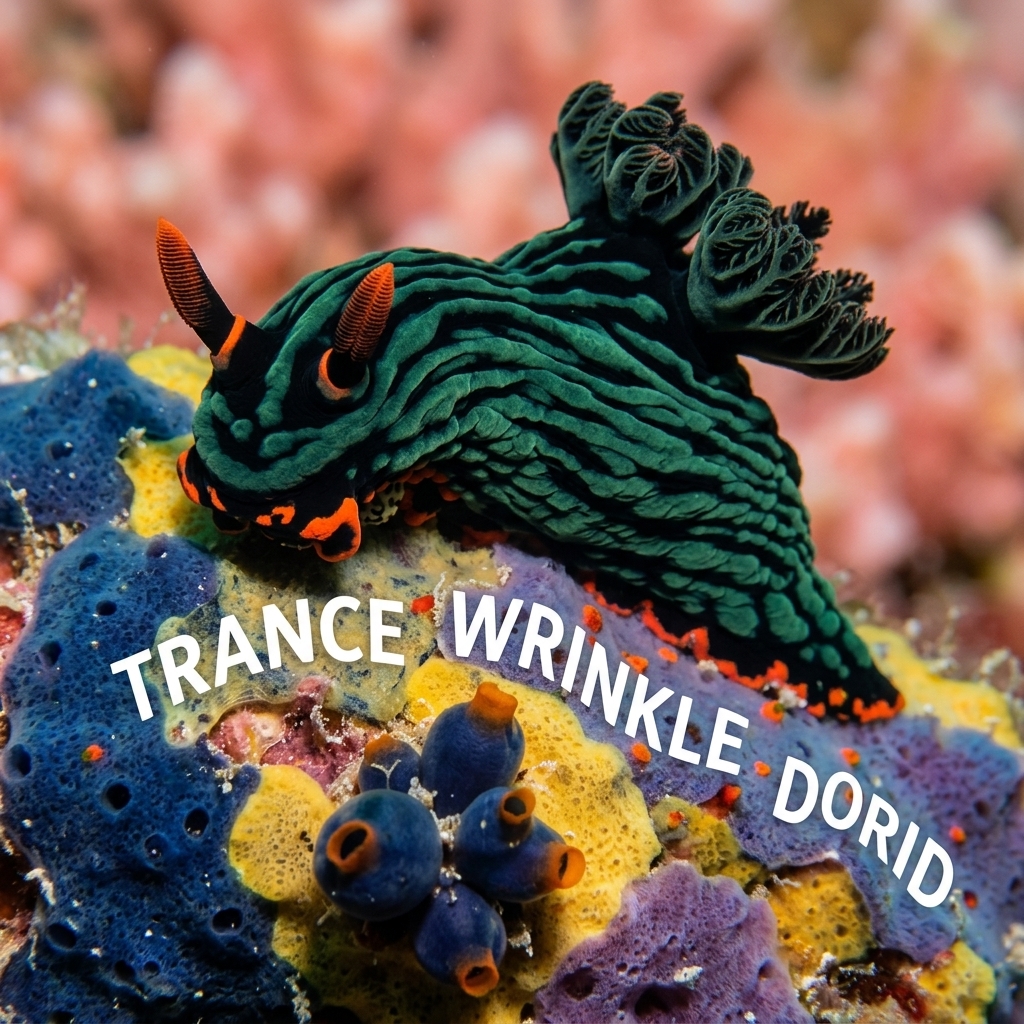
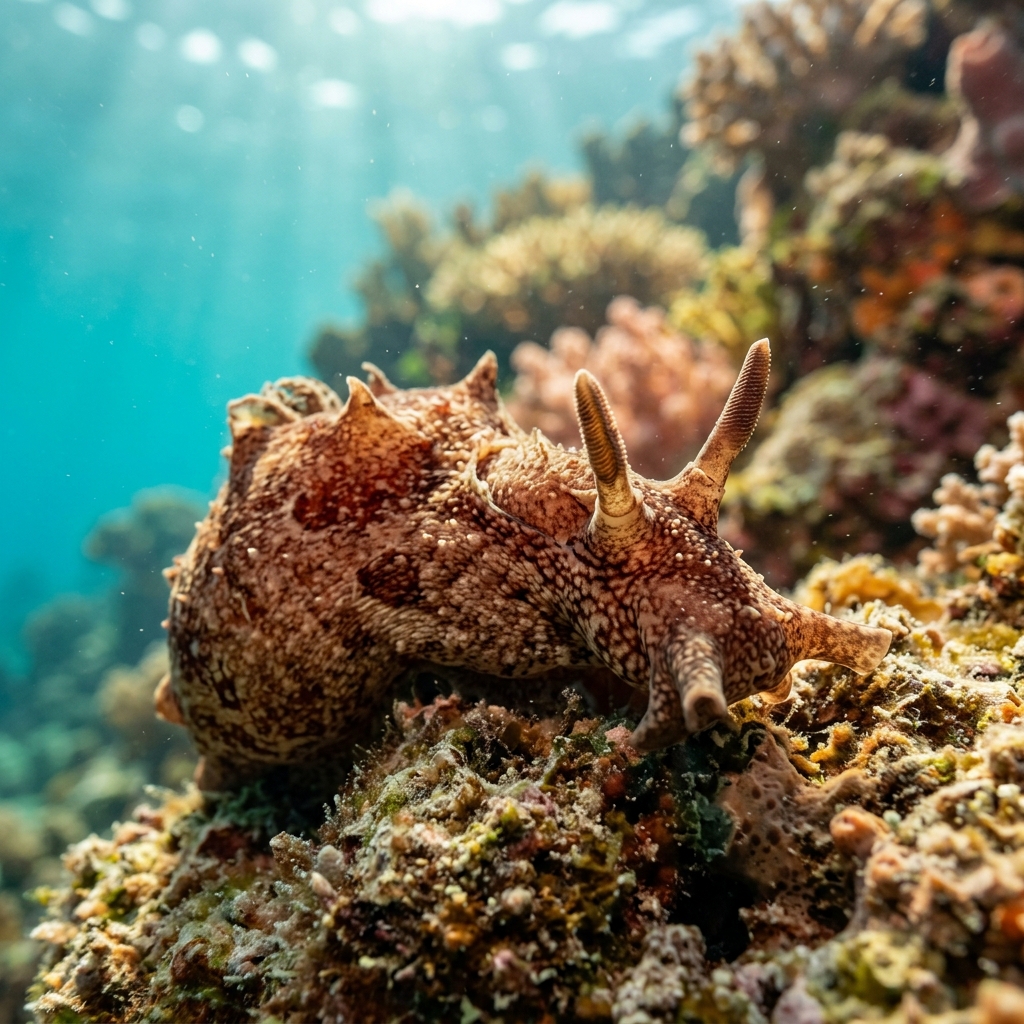
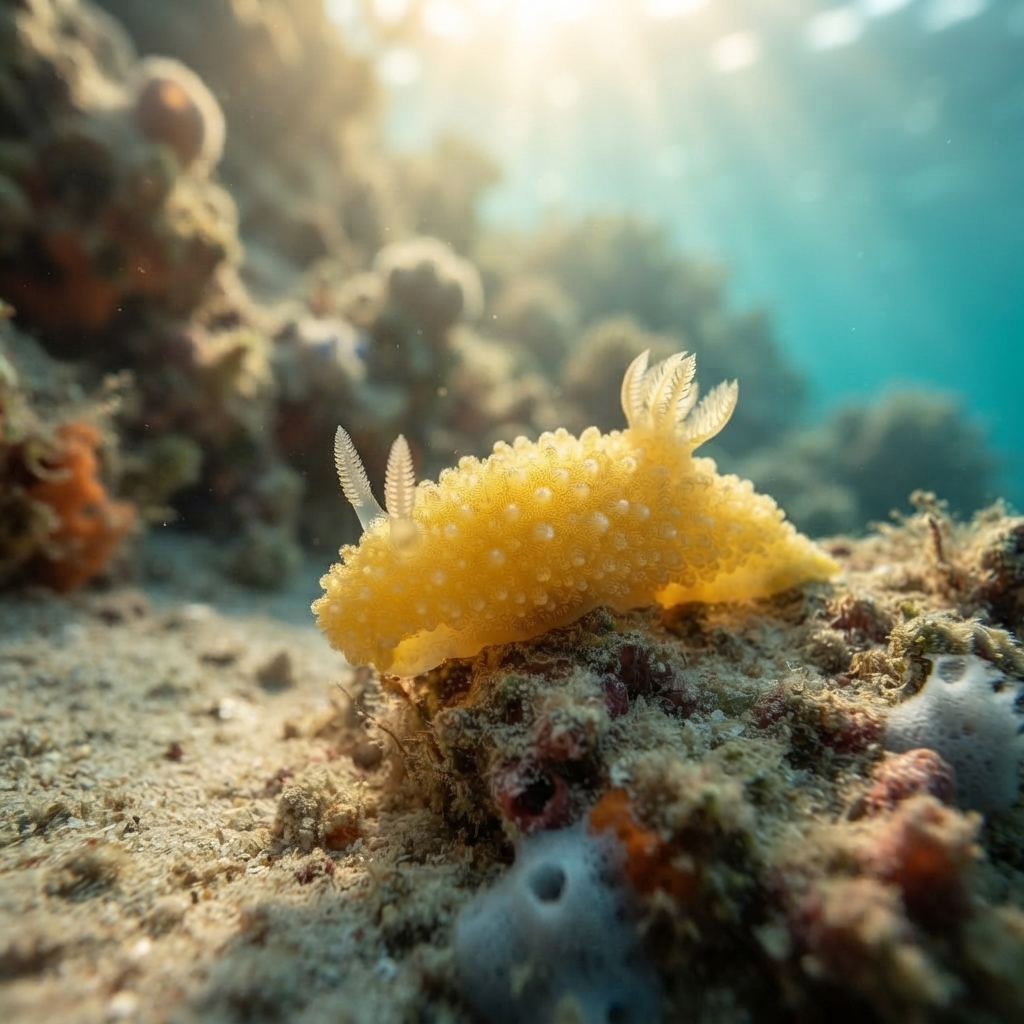
Small, oval-bodied nudibranch with a bumpy, warty (tuberculate) surface typical of dorid sea slugs, usually in pale cream or greyish tones that blend with the cold-water seabed it sits on. Look for the feathery gill cluster (rhinophores and gill plume) on the upper rear of the body, the main features divers actually use to pick it out from the substrate. Its low, slug-like profile and slow crawl over rock and rubble are the easiest first clues underwater.
Divers typically find it moving slowly over rock, rubble or silty bottoms, grazing rather than swimming, and it shows no reaction to divers beyond simply continuing its crawl. It is most often spotted by torchlight or close scanning of the substrate rather than out in open water, and it turns up at a high proportion of sites once you know where to look.
Like other dorid nudibranchs, it breathes through the exposed gill plume on its back, a feature that also makes it easy to photograph for identification once you spot it against the seabed.
Sightings show no clear seasonal pattern, so treat it as a year-round find. Its comfort range of roughly 9 to 15C matches the cool temperate water typical of Zeeland and UK coastal dive sites through most of the year.
Reef neighbours a diver could mistake it for. Use the identification notes above to tell them apart.
This is very much a Dutch speciality, with Zeeland standing out as the strongest and most reliable region to find it, logged commonly across a large number of local sites. It also turns up in the United Kingdom, with sightings from England and Wales, though at lower numbers than the Netherlands.
Mapping where Bergh's Doris is logged…
Zeeland in the Netherlands is by far the strongest region for this nudibranch, with commonly reported sightings across many local dive sites. It is also found in England and Wales, though less frequently than in the Netherlands.
There is no strong seasonal pattern in the sightings, so it can be found year-round. It favours cool water in the 9 to 15C range, which suits the Dutch and UK coastal diving conditions for much of the year.
Look for a small, warty-skinned nudibranch in pale cream or grey tones crawling slowly over rock or silt. The feathery gill plume on its back and its low, bumpy oval body are the key features to check.
No, this nudibranch poses no danger to divers. It has no sting or bite of concern and simply grazes slowly over the seabed.
Exact size data isn't well documented for this species, but like most dorid nudibranchs it stays small, generally in the centimetre range rather than anything conspicuous from a distance.
Site and sighting data is aggregated from diver logs, iNaturalist and GBIF. For taxonomy and conservation status:
Light-spotted Aegires
3,168 sites