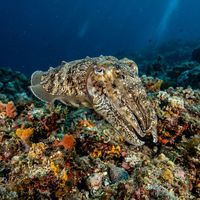
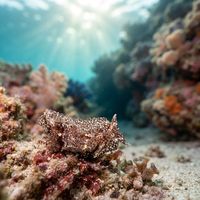
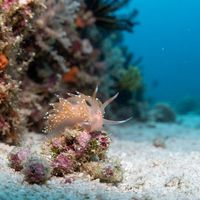
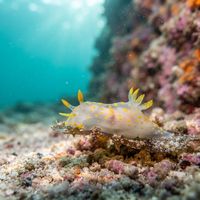
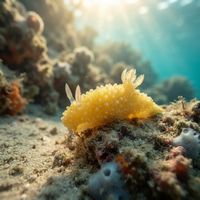
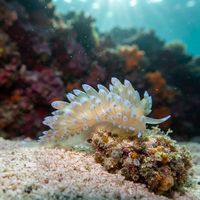
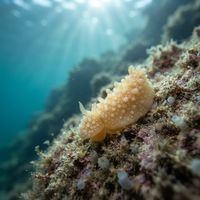
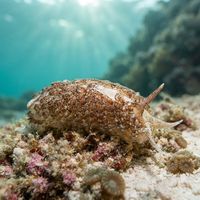
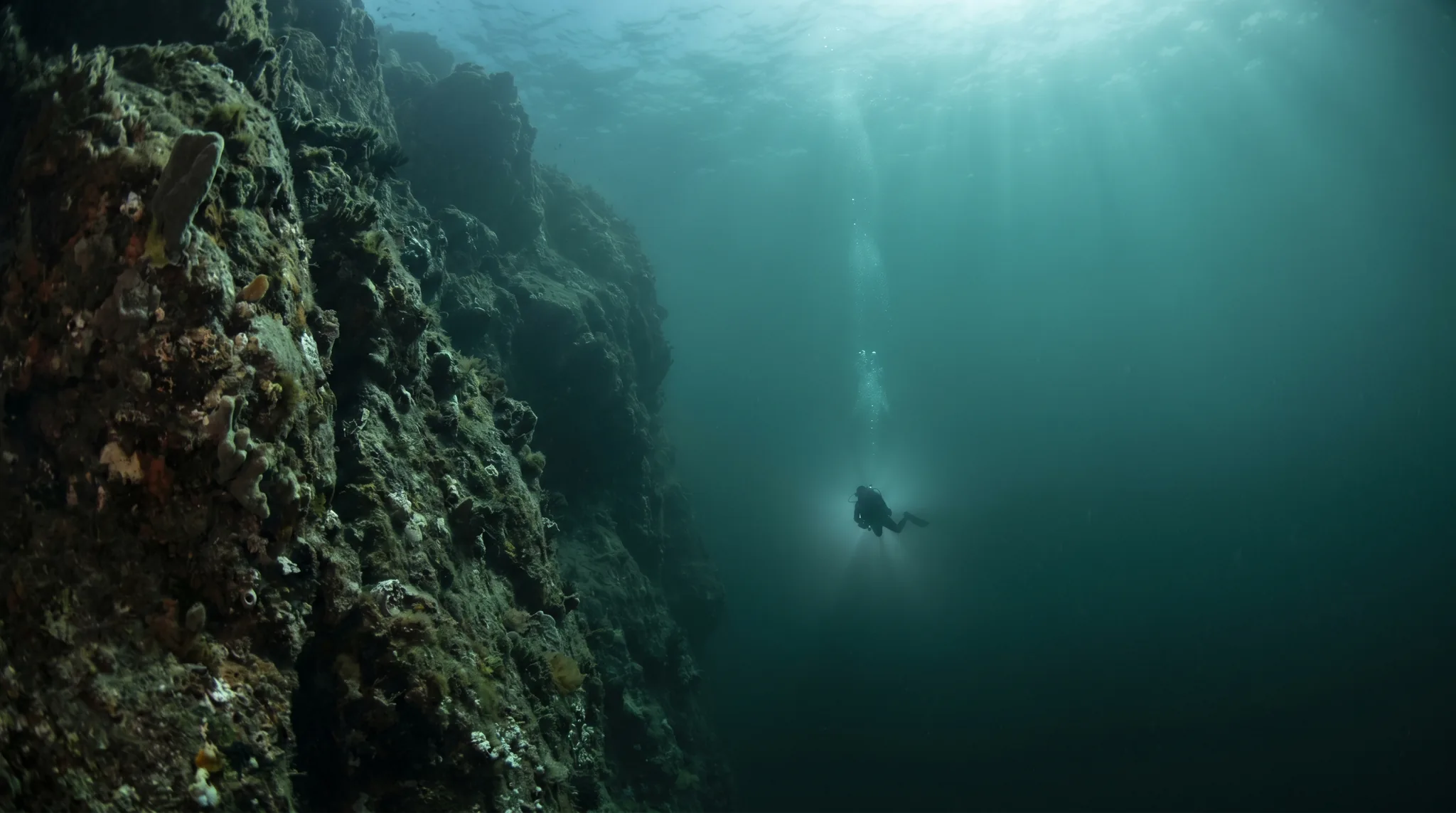
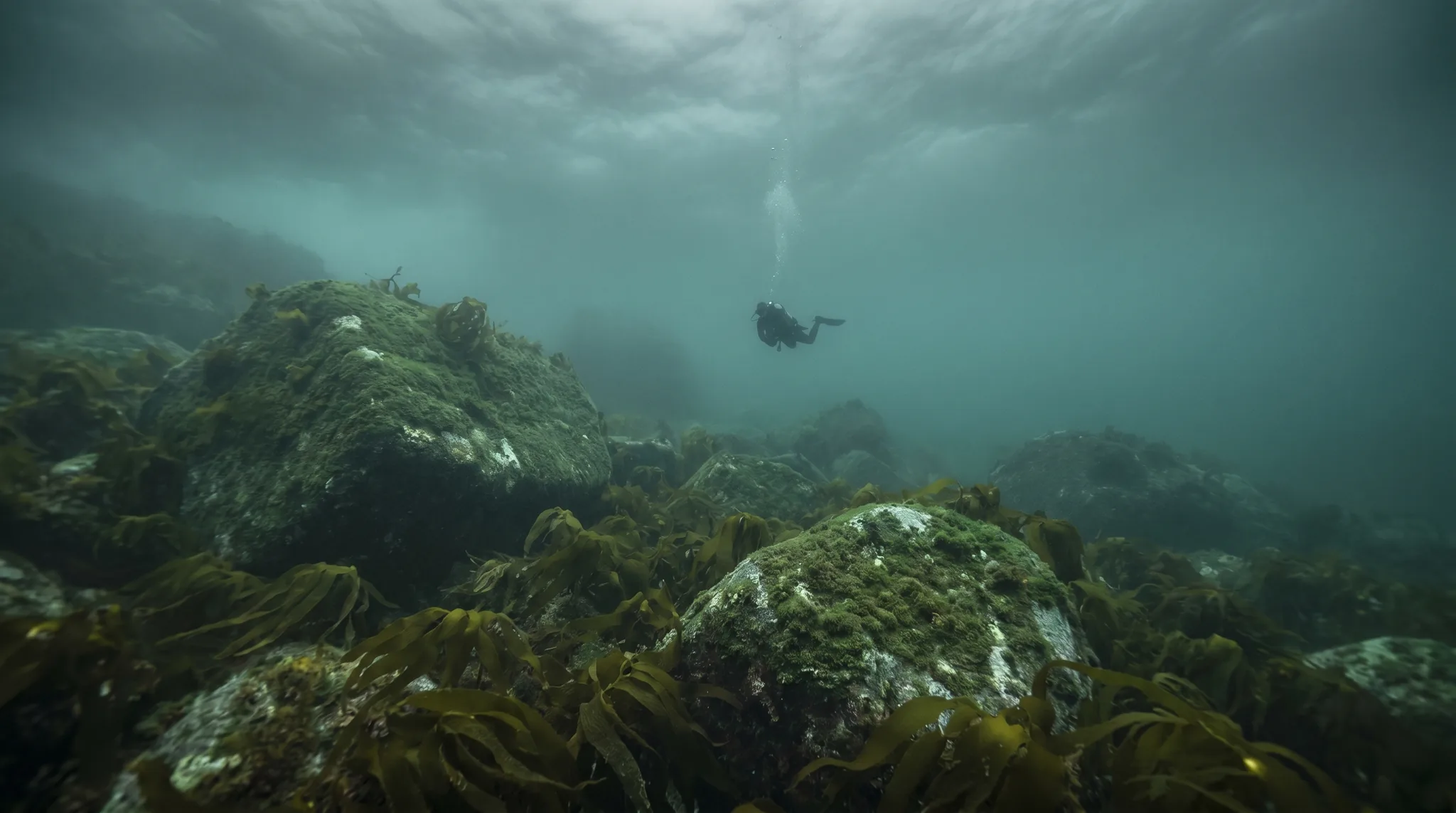
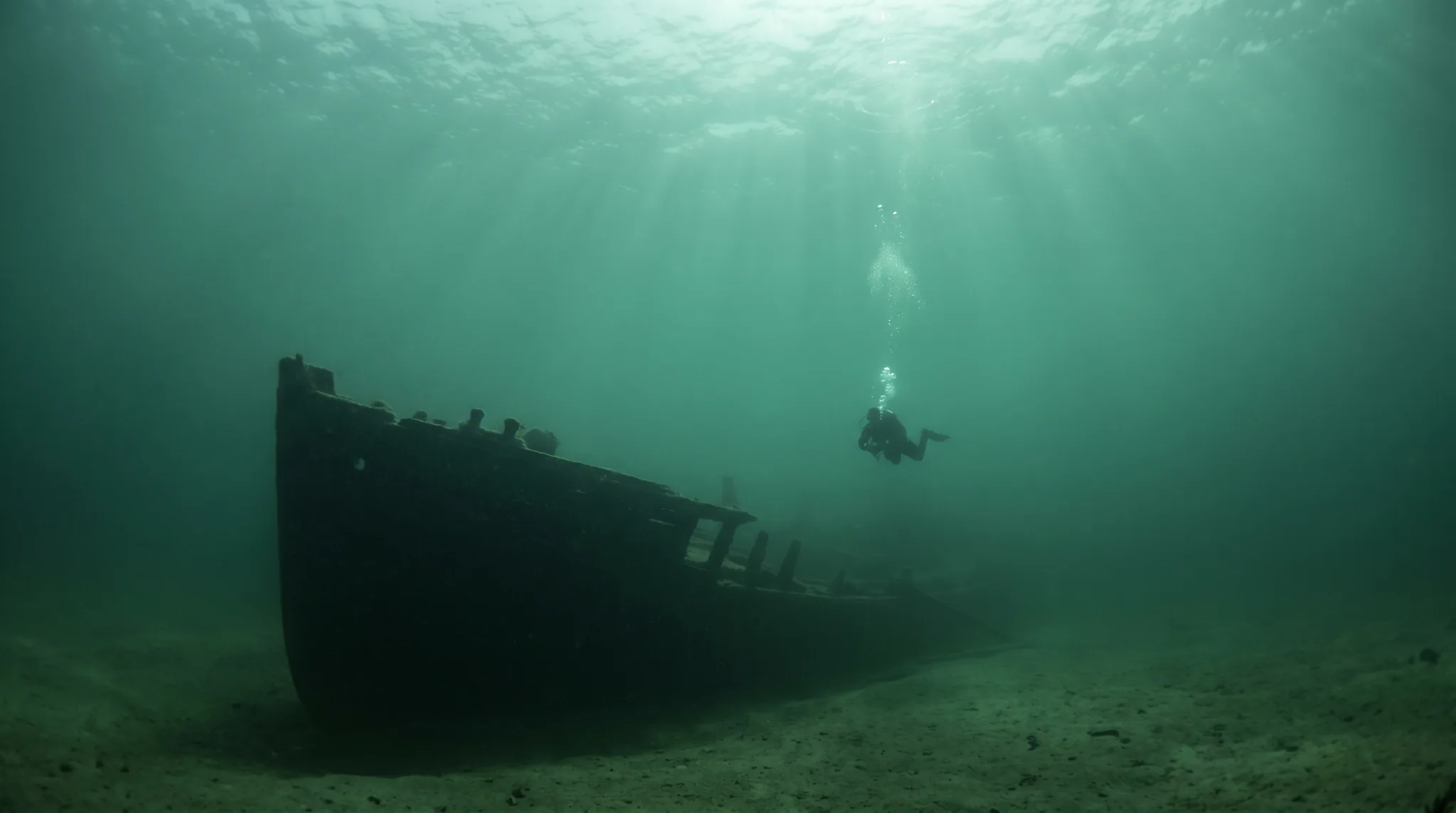
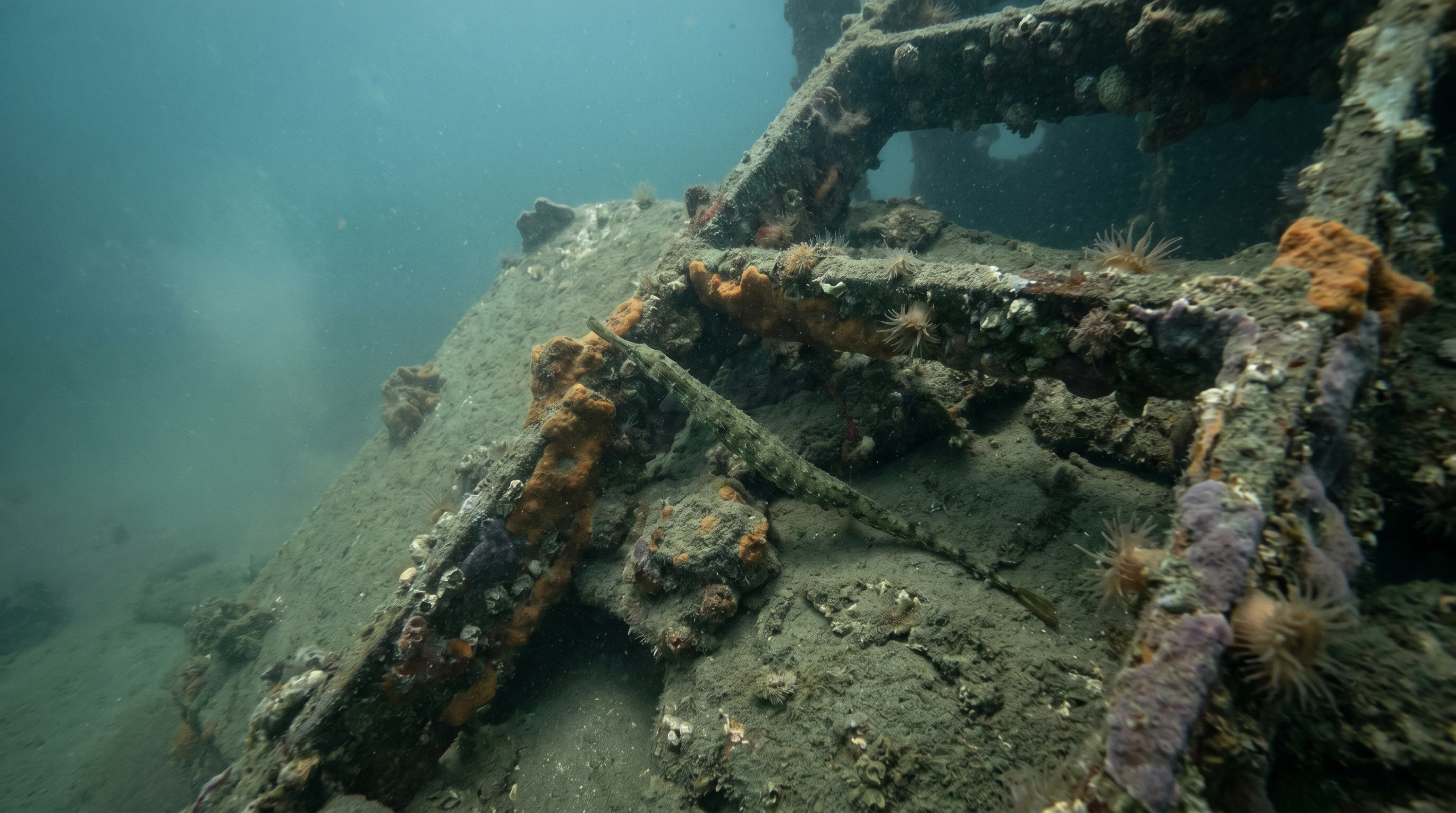
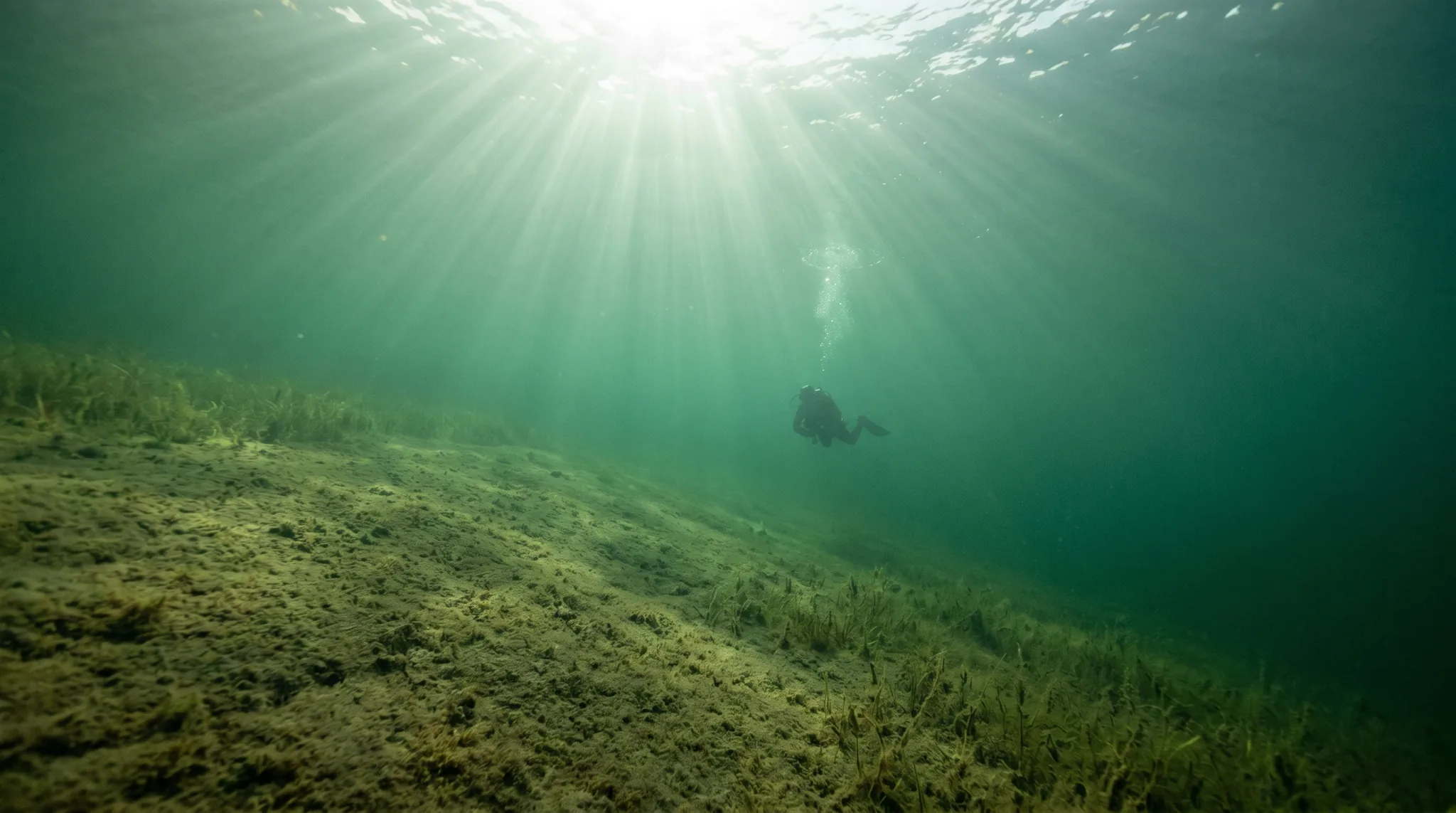
Zeeland's underwater character is shaped by tidal forces and a striking variety of site types across three distinct sub-areas. The Oosterschelde holds the largest concentration of sites, where drift dives along bridge structures, wrecks, walls and artificial reefs challenge divers of every level. The Grevelingenmeer offers calmer, sheltered water with wrecks and muck diving. The smaller Veerse Meer rounds out the region with accessible shore entries. European Common Cuttlefish, Common Lobster, Seahorse, Harbor Seal and Gray Seal are all observation-backed highlights. Currents define the experience: powerful at some sites, gentle at others.
3 areas
 156
156A current-driven estuary where cuttlefish, seals and seahorses share muck, reef and wall sites across a huge range of skill levels.
 66
66Freshwater wreck and artificial reef diving in Zeeland, with Pike, Pike Perch, and European Common Cuttlefish among the highlights.
13A sheltered Zeeland lake with artificial reefs, wrecks, and reliable sightings of seahorse and seal.
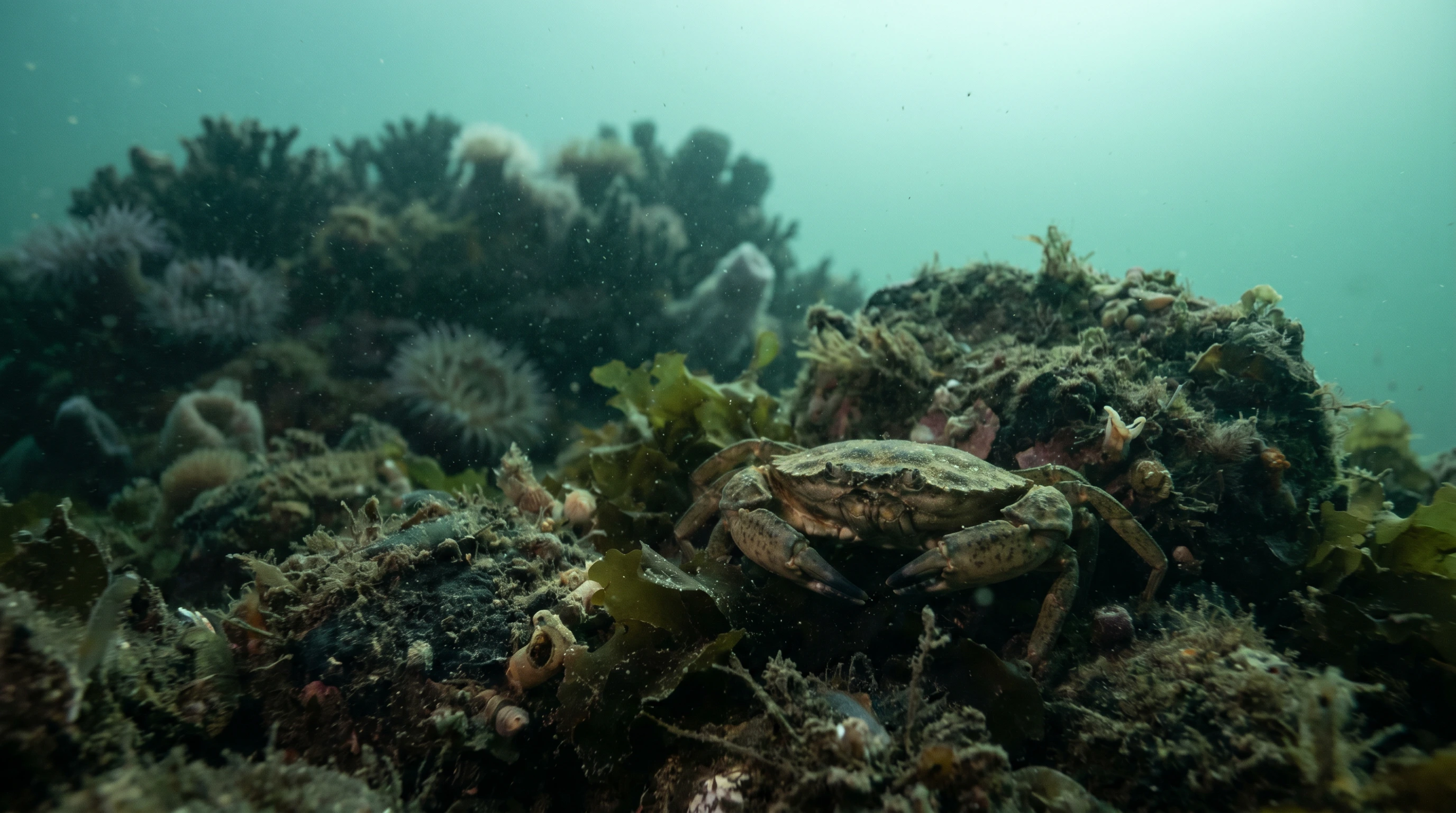
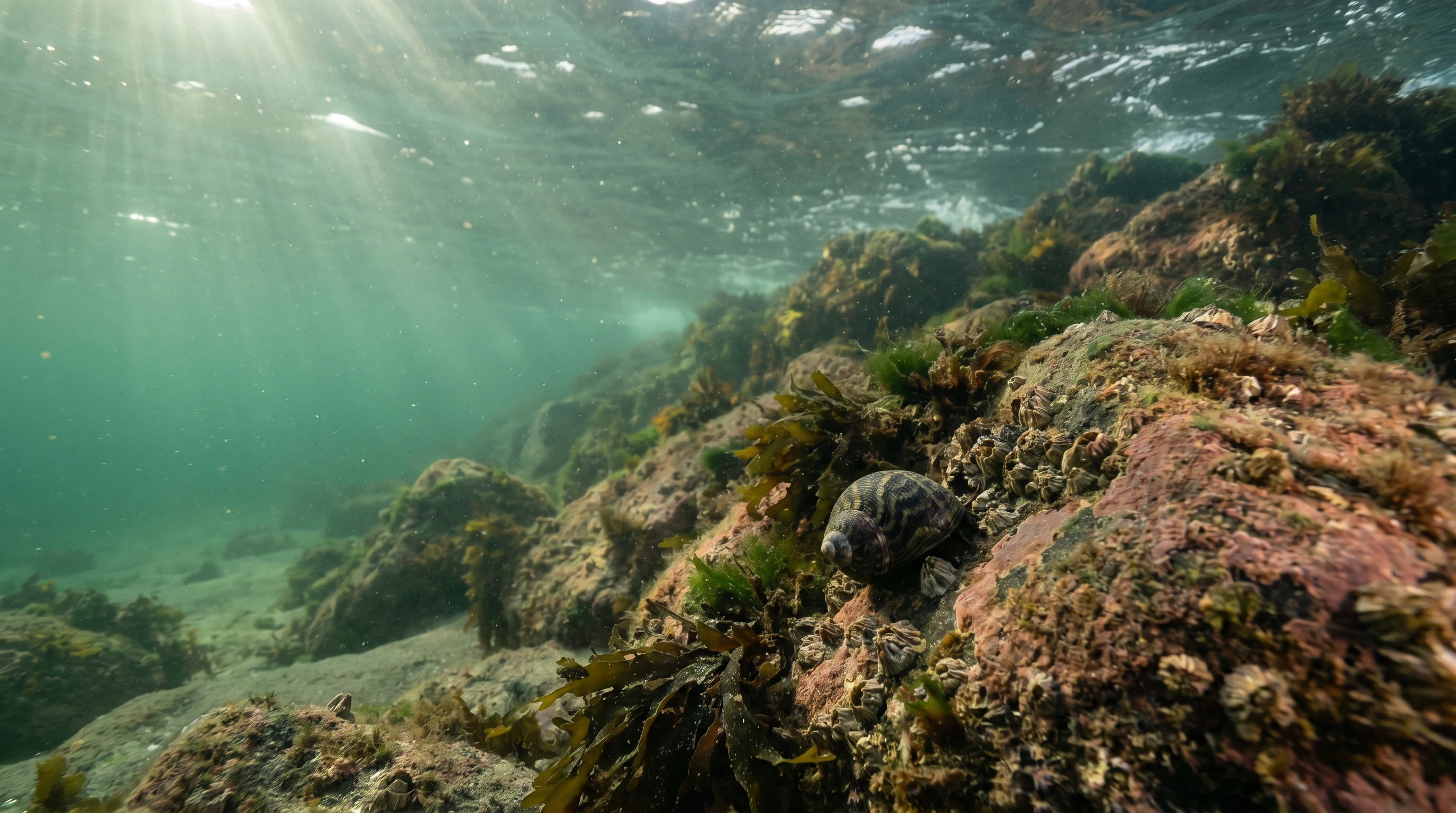
Monthly water temperature across Zeeland's sites, from satellite sea-surface data corrected for depth. The band shows the site-to-site spread.
Water temperatures rise through spring and peak in late summer, making the warmer months the most comfortable for extended dives. The best-months data points strongly to late spring through early autumn as the prime window, when conditions combine reasonable warmth with longer days. Winter diving is possible but demands a well-insulated exposure suit, as temperatures drop to their coldest in late winter.
127 operators
Maasbracht, Netherlands

Water temperature around Zeeland ranges from about 7°C in February to 20°C in August, based on satellite sea-temperature data for its dive sites.
In the warm season (about 20°C) a 5mm suit is comfortable in Zeeland; in the coldest months (about 7°C) step up to a drysuit.
Fin maps 235 sites in Zeeland (231 scuba diving sites and 32 snorkelling spots, with some suited to both), organised into 3 areas.
Across Zeeland's dive sites, May, June, July, August and September are most often reported as the best months to visit.
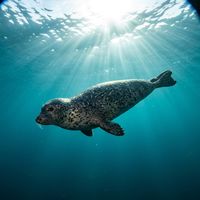
Zeeland's observation-backed species list includes European Common Cuttlefish, Common Lobster, Seahorse, Harbor Seal, Gray Seal, Tompot Blenny, Lumpfish, Pipefish and several jellyfish species including Barrel Jellyfish and Compass Jellyfish. Cuttlefish are particularly widespread across sites. Seals are encountered occasionally rather than on every dive, but sightings are well documented.
Zeeland caters to a wide range of experience levels. Sites such as Bergse Diepsluis, Goesse Sas, Den Osse Haven and Slikken van Flakkee are rated beginner-friendly with shore entry and shallow maximum depths. However, sites near the Zeelandbrug, including Westbout, Wissenkerke Westnol, Zuidbout and De Plaat, involve powerful tidal currents and deeper water that demand advanced skills and careful timing.
The Oosterschelde is the largest sub-area and the most varied, with tidal drift dives, walls, wrecks and artificial reefs, including demanding sites around the Zeelandbrug. The Grevelingenmeer is a sheltered inland body of water with calmer conditions, wreck diving and muck sites, making it popular for less current-dependent diving. The Veerse Meer is the smallest sub-area and offers a more limited but accessible selection of shore-entry sites.
The majority of Zeeland's sites are accessible from shore, which makes independent diving very practical. Popular shore-entry sites include Bergse Diepsluis, Noordbout, Westbout, Wissenkerke Westnol, Den Osse Haven and Slag Baardmannetje. A smaller number of sites, such as REM III, require boat access. Several operators based in the region offer guided boat trips for those sites.