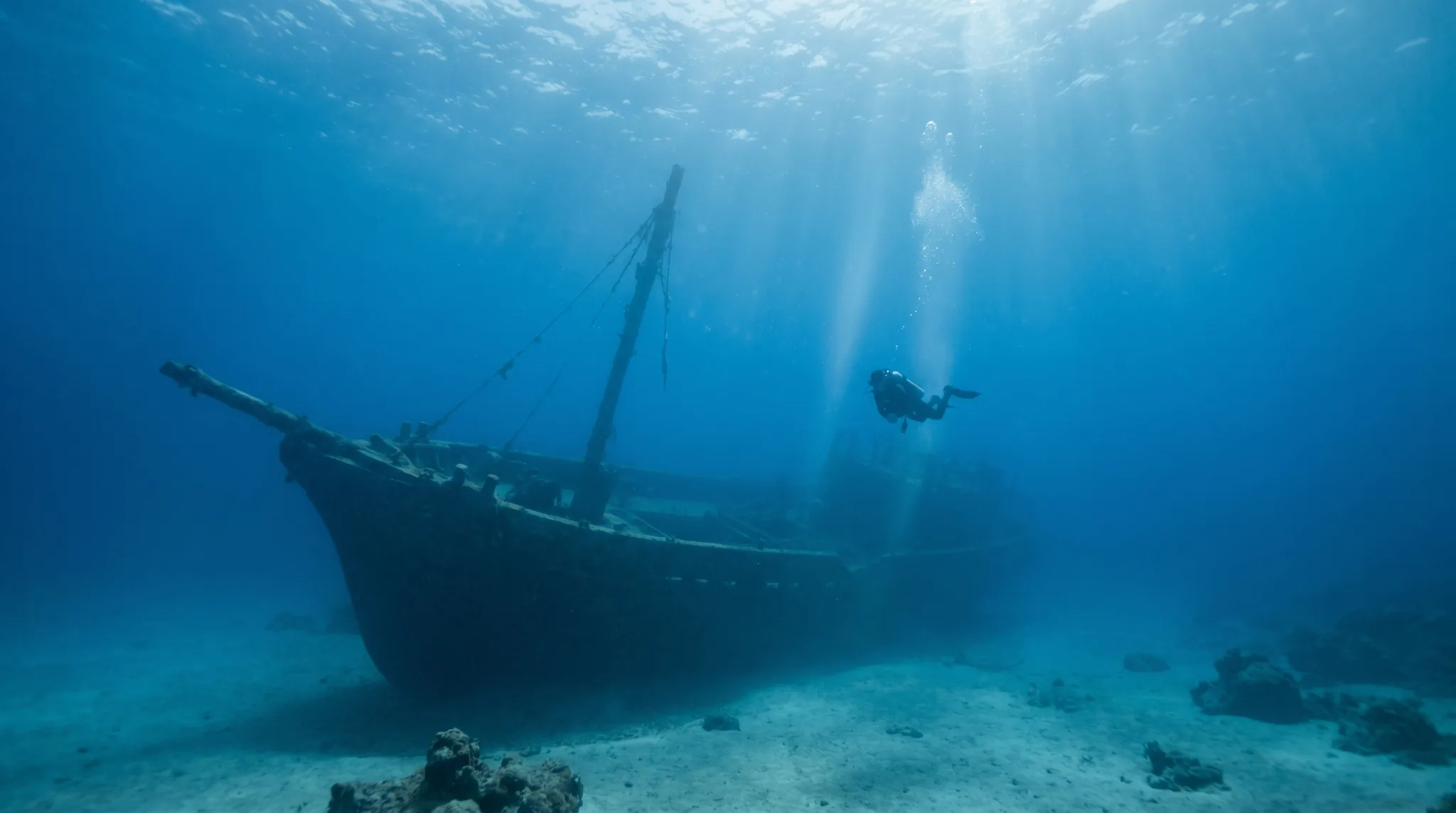
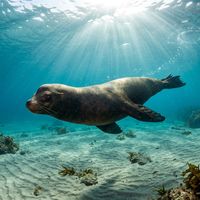
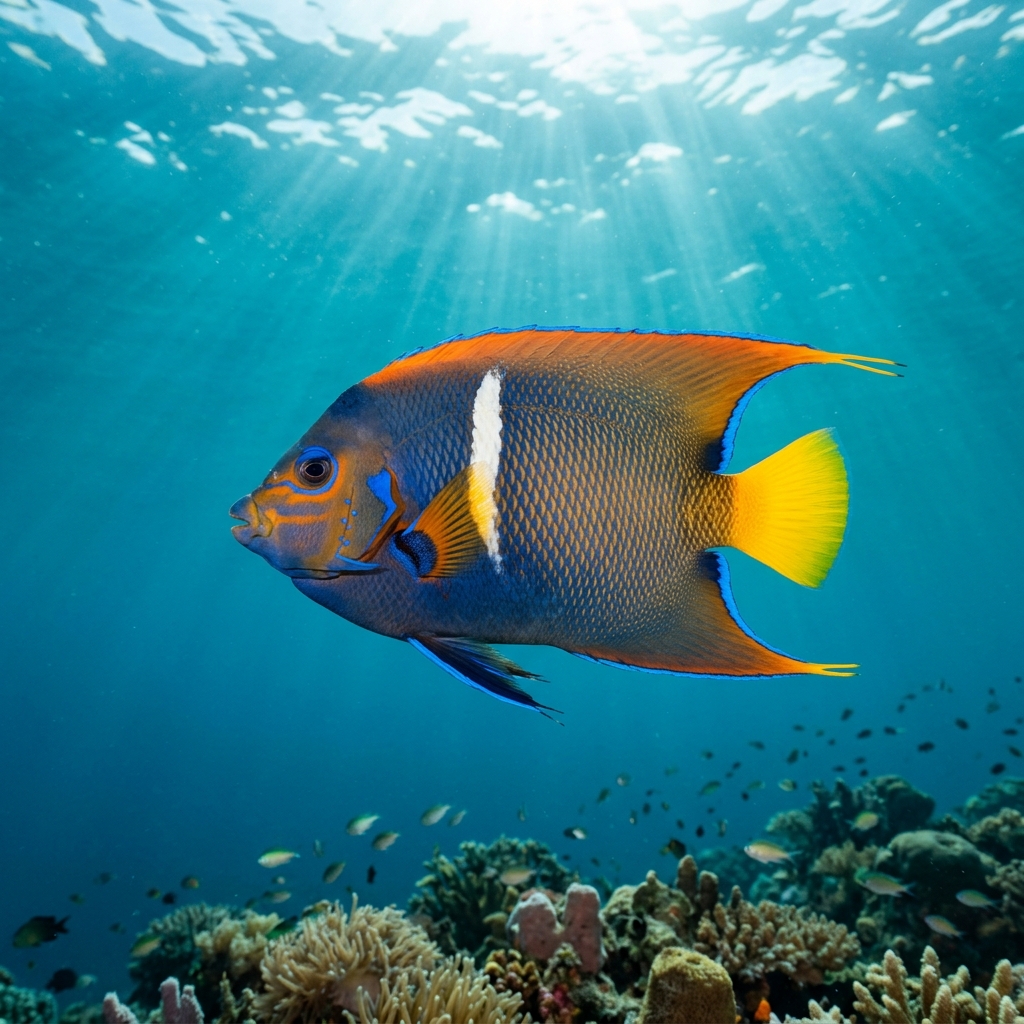
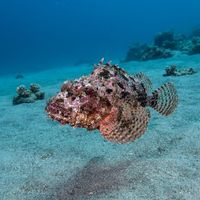
Baja California offers one of the most varied dive landscapes in Mexico, spanning three distinct sub-areas: Baja California Sur, San Carlos, and Baja California Norte. Sites range from shallow wrecks and artificial reefs to kelp forests, drift dives over pinnacles, and canyon systems. The California Sea Lion is the region's defining encounter, observed across a broad spread of sites, alongside the Scorpionfish, Panamic Sergeant Major, and King Angelfish. Conditions warm considerably from mid-year into autumn, when visibility and marine life activity peak. Boat access is the norm throughout, and skill levels range from beginner-friendly shallows to advanced drift and drop-off dives.
3 areas
 89
89Reef pinnacles, wrecks, and California Sea Lion encounters across three distinct sub-areas in southern Baja.
54Wrecks, sea lions and cave systems across two contrasting dive zones in Baja California.
26Kelp forests, walls and pinnacles in the Coronado Islands, with California Sea Lion and Harbor Seal on nearly every dive.
Monthly water temperature across Baja California's sites, from satellite sea-surface data corrected for depth. The band shows the site-to-site spread.
Water temperatures climb steadily from late spring, reaching their warmest in September and October, which also correspond to the most popular diving months according to site activity data. Cooler conditions from January through April suit divers who prefer thinner wetsuits and calmer, less crowded conditions. Drift diving features at several sites, so currents are a factor to discuss with local operators before entry.
52 operators
Water temperature around Baja California ranges from about 19°C in February to 28°C in September, based on satellite sea-temperature data for its dive sites.
In the warm season (about 28°C) a rash guard or 3mm shorty is comfortable in Baja California; in the coldest months (about 19°C) step up to a 5mm suit.
Fin maps 169 sites in Baja California (156 scuba diving sites and 36 snorkelling spots, with some suited to both), organised into 3 areas.
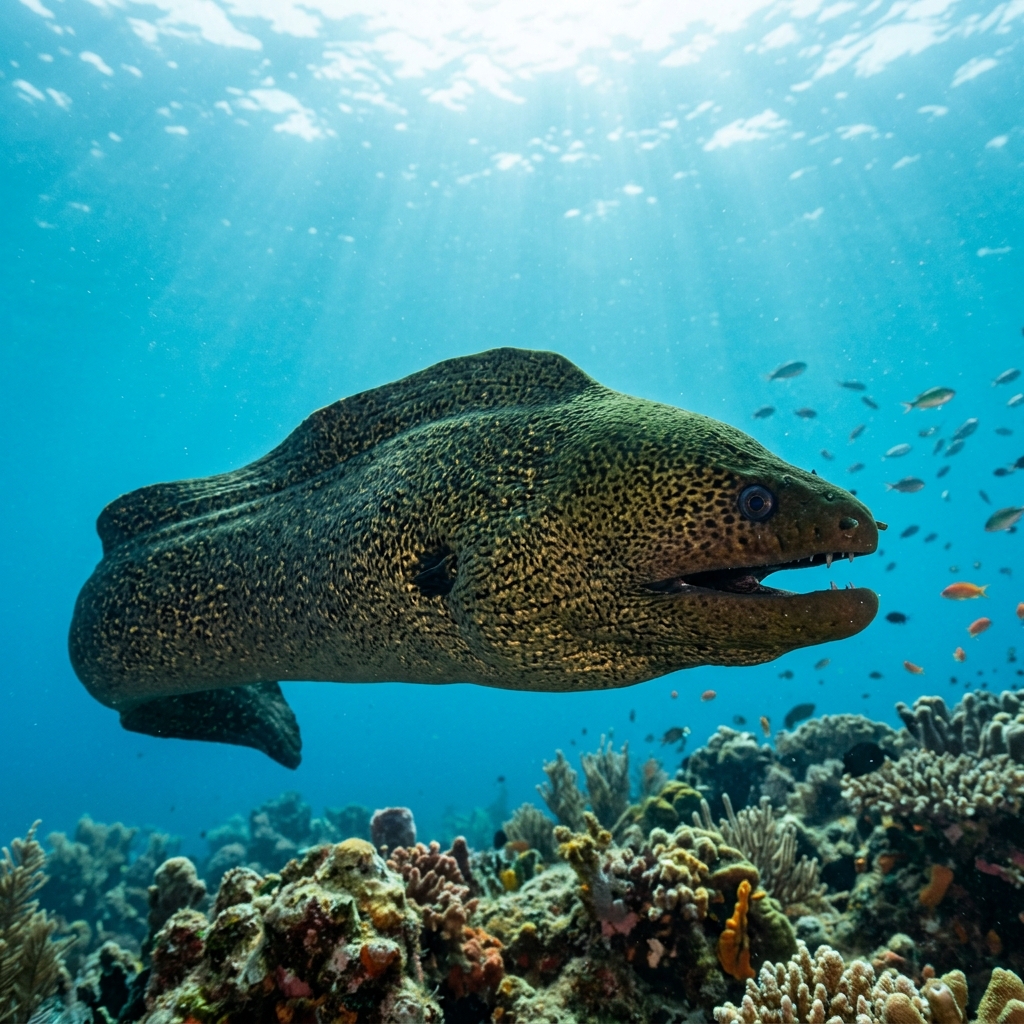
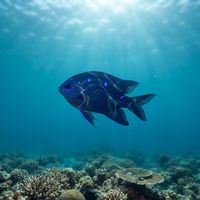
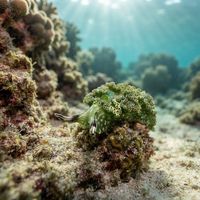
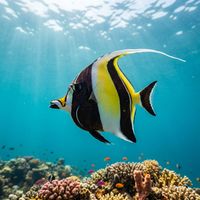
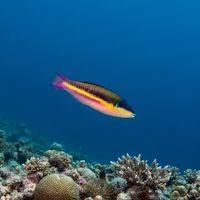
The California Sea Lion is the standout encounter and is observed across a wide range of sites. Reef fish are abundant, with Scorpionfish, King Angelfish, Triggerfish, Barberfish, and Panamic Sergeant Major all commonly recorded. Moray eels are well represented, including the Panamic Green Moray and Jewel Moray. Occasional sightings of the Green Sea Turtle and Whale Shark have also been logged by divers in the region.
Yes, a good portion of Baja California's dive sites are rated for beginners. Sites such as Chayo's Cave, El Vencedor, Corralito, and Swanee Reef offer shallow, manageable profiles that allow long bottom times without demanding conditions. Intermediate and advanced sites are also well represented for those looking to progress, including drift dives and deep pinnacles.
Baja California Sur holds the largest concentration of dive sites and includes reef systems at Cabo Pulmo and the pinnacles off Isla Espiritu Santo. San Carlos contributes a strong wreck and artificial reef scene, with sites like Chayo's Cave, the Suchiate Wreck, and the Arroyo wall and drift dive. Baja California Norte, the smallest sub-area, is home to kelp forest diving around the Coronado Islands.
Boat access is standard across Baja California's top sites, with no prominent shore-entry options listed among the leading locations. Several operators serve the region, including Dive Cabo, Blue Nation Diving, Manta Scuba Diving, and Mares Dive Center. Booking through a local operator is the practical route to reaching the majority of sites.