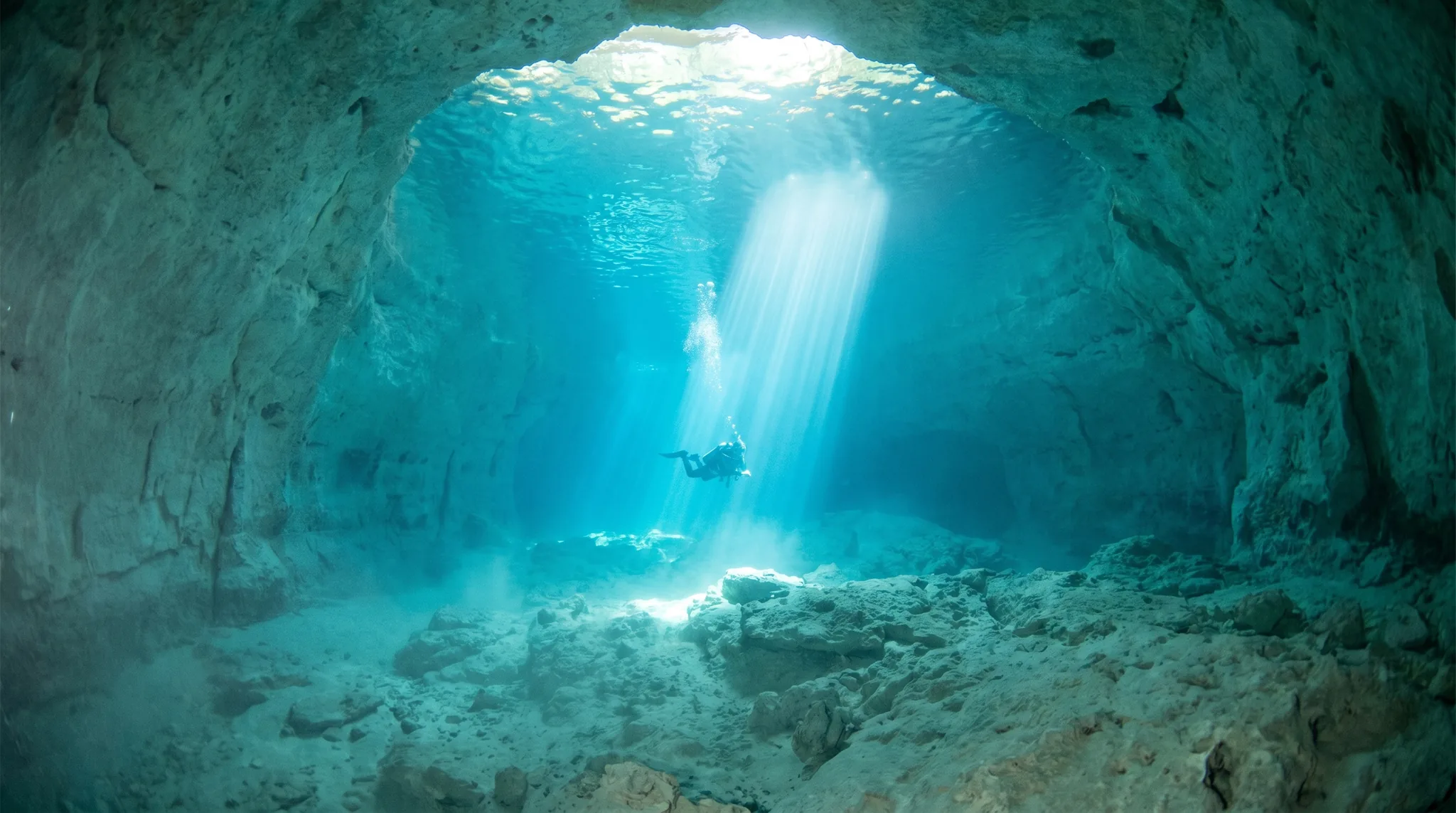
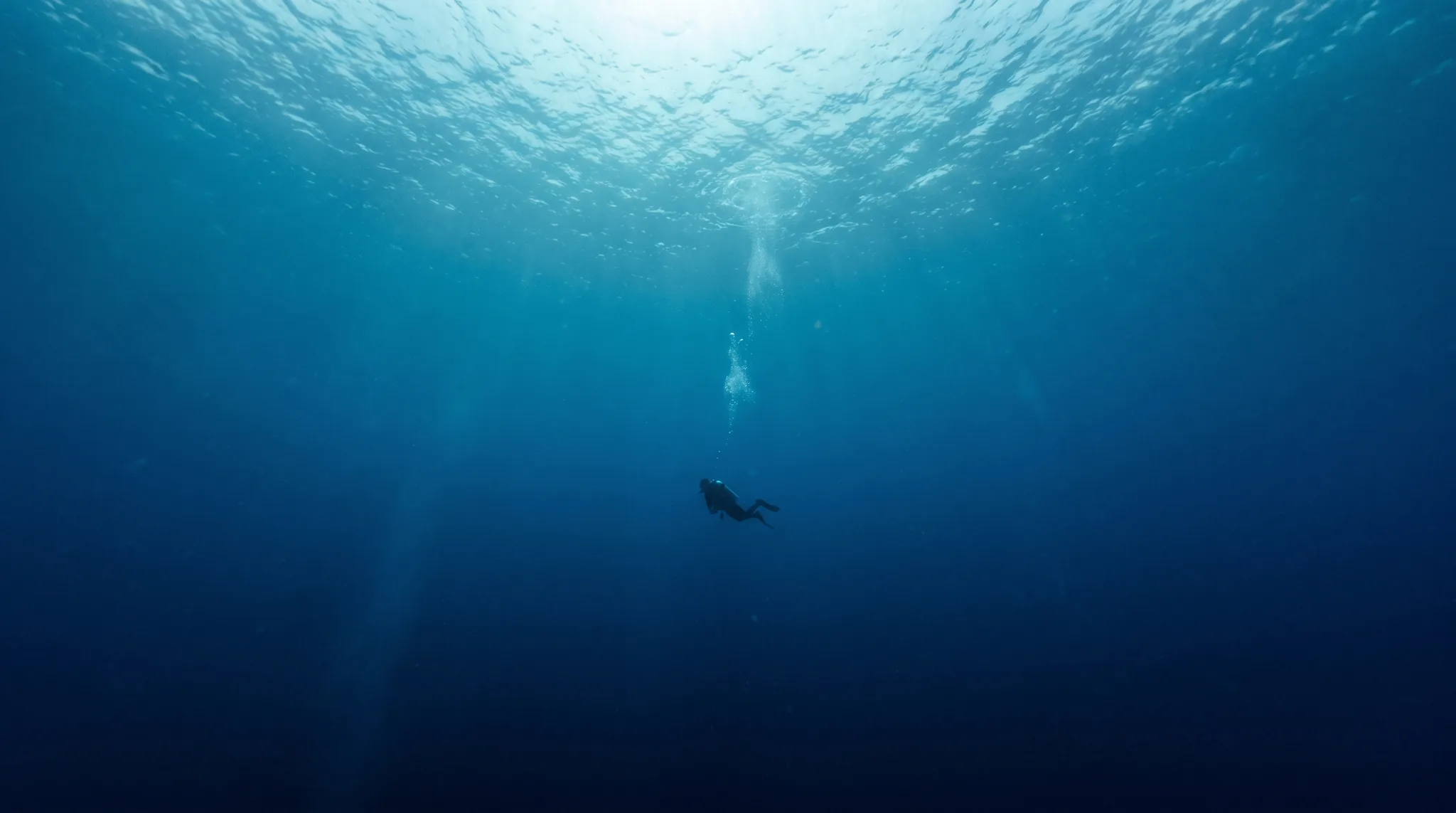
Veracruz divides into two distinct sub-areas: the Veracruz Reef System, which holds the bulk of the sites, and the more remote Isla de Lobos to the north. Together they offer natural coral reefs, purpose-sunk wrecks, and shallow artificial structures that suit everyone from first-time divers to those seeking deeper, more demanding ground. The species list is dominated by observation-backed regulars: the Christmas Tree Worm appears at virtually every site, the Brazilian Reef Octopus and Smooth Trunkfish are very common, and the French Angelfish is a fixture on most reefs. Water is warmest from late summer into early autumn, and the clearest conditions align broadly with the spring-to-summer window.
2 areas
 15
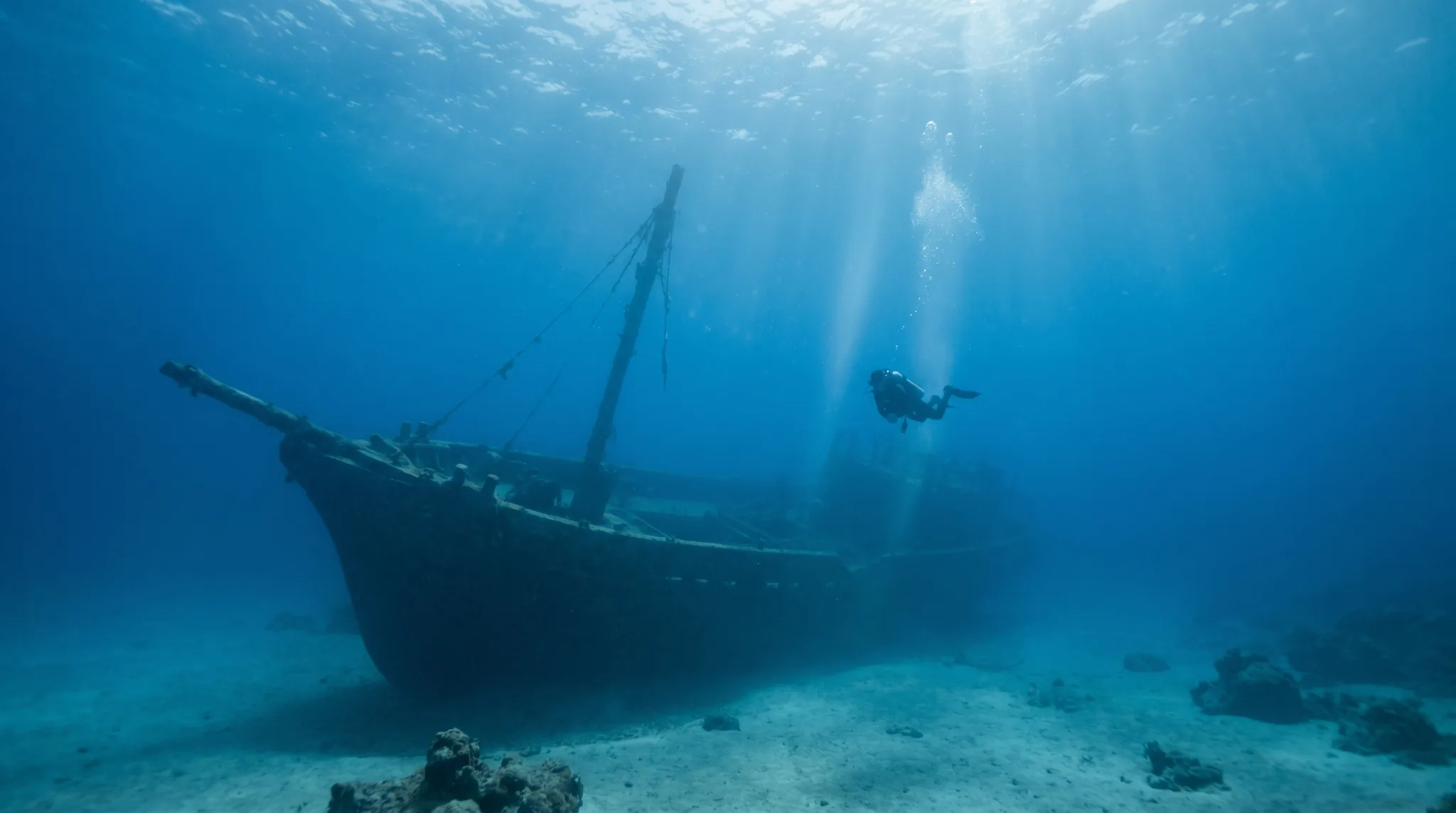
15Offshore reefs hosting French Angelfish, moray eels and Brazilian Reef Octopus, with sites for all levels from shallow artificial reefs to deep wrecks.
 5
5Gulf of Mexico reef and wreck diving off Veracruz, with sites ranging from shallow artificial reefs to natural coral structures accessible to beginner divers.
Monthly water temperature across Veracruz's sites, from satellite sea-surface data corrected for depth. The band shows the site-to-site spread.
Water temperature climbs steadily from a mild late-winter low through to a warm peak in September, then eases back through autumn and winter. The most popular diving months run from spring through early autumn, when visibility tends to be at its best and conditions most settled. Sites at Anegada de Adentro require boat access specifically to avoid surf and shore break, so exposed swell is a factor worth watching on any visit.
8 operators
1 more site to explore
Water temperature around Veracruz ranges from about 23°C in February to 30°C in September, based on satellite sea-temperature data for its dive sites.
In the warm season (about 30°C) a rash guard or 3mm shorty is comfortable in Veracruz; in the coldest months (about 23°C) step up to a 3mm full suit.
Fin maps 21 sites in Veracruz (17 scuba diving sites and 7 snorkelling spots, with some suited to both), organised into 2 areas.
Across Veracruz's dive sites, May, June, July, August and September are most often reported as the best months to visit.
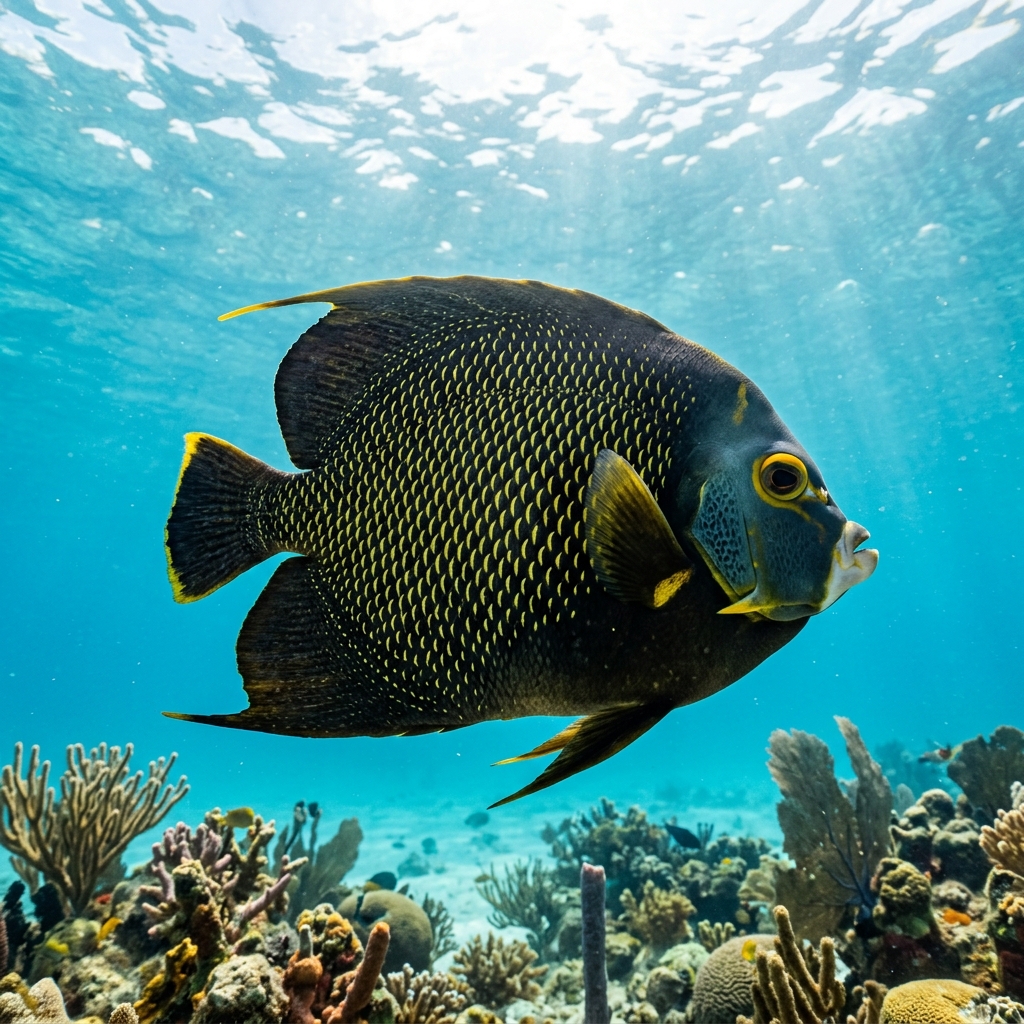
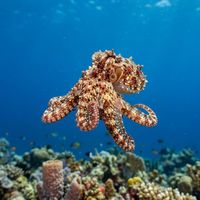
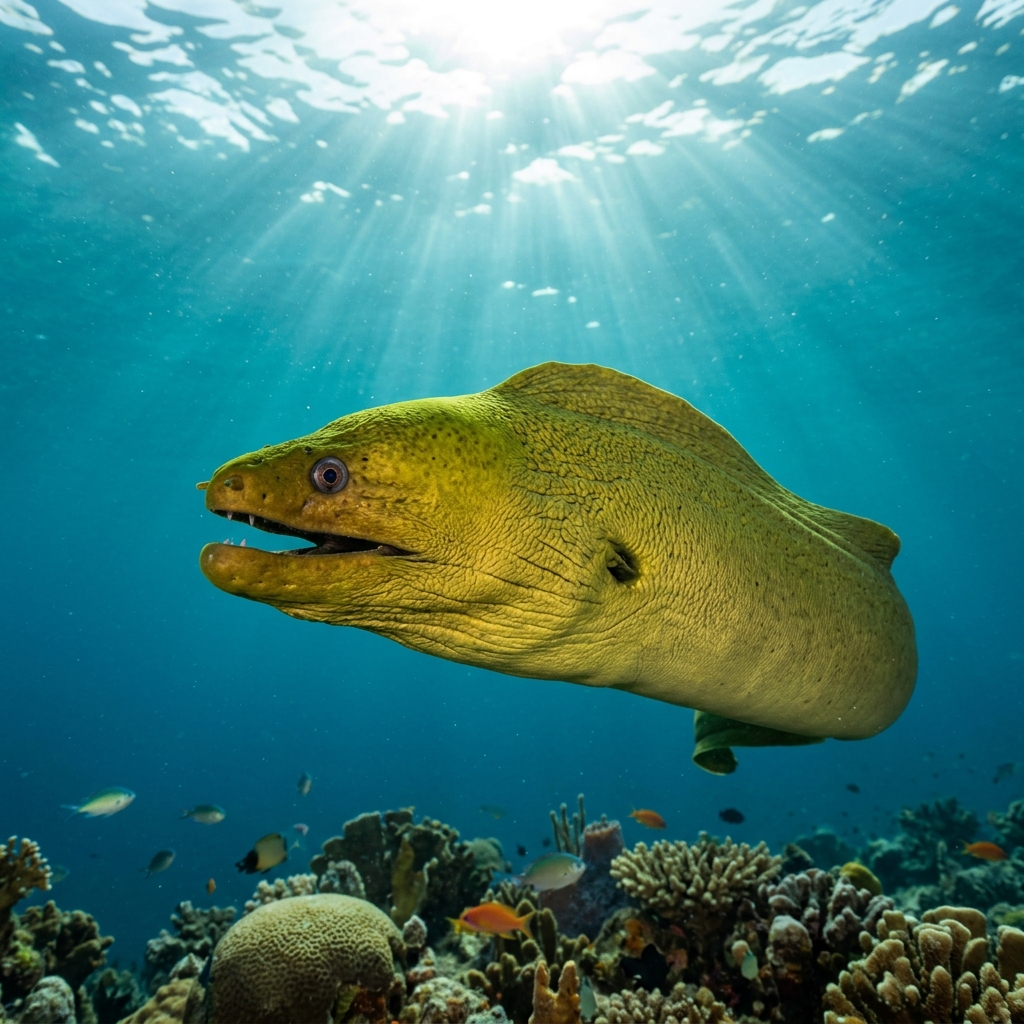
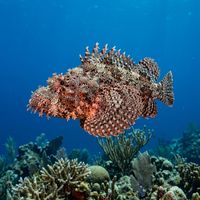
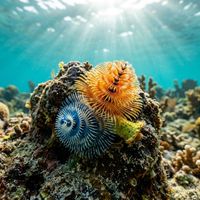
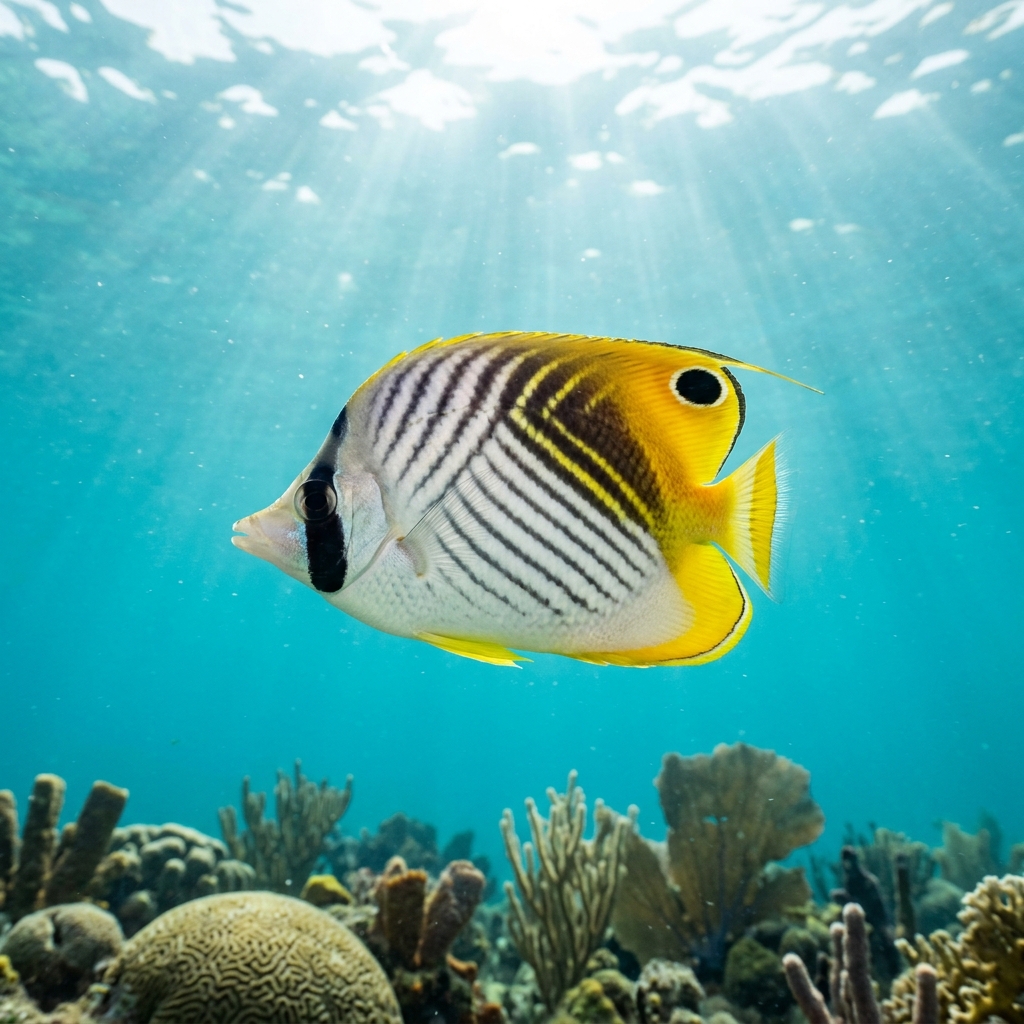
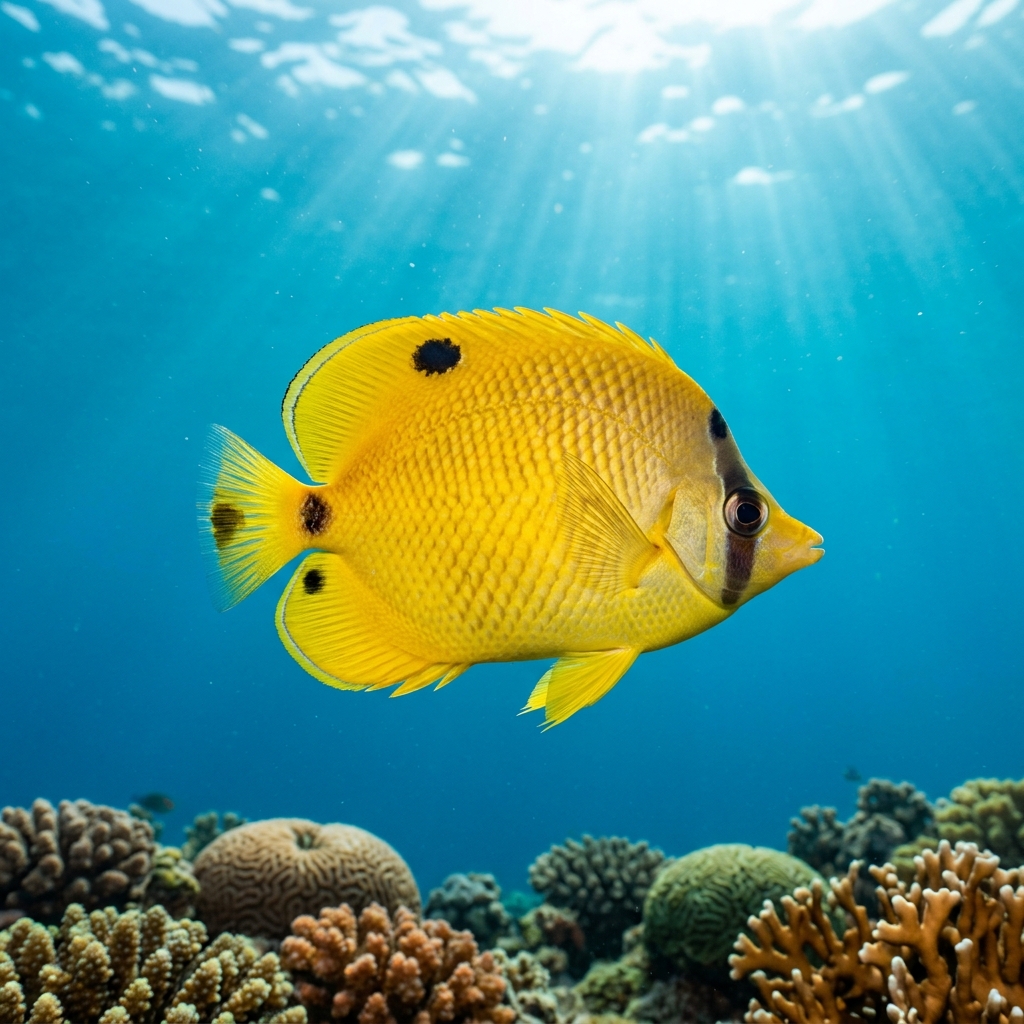
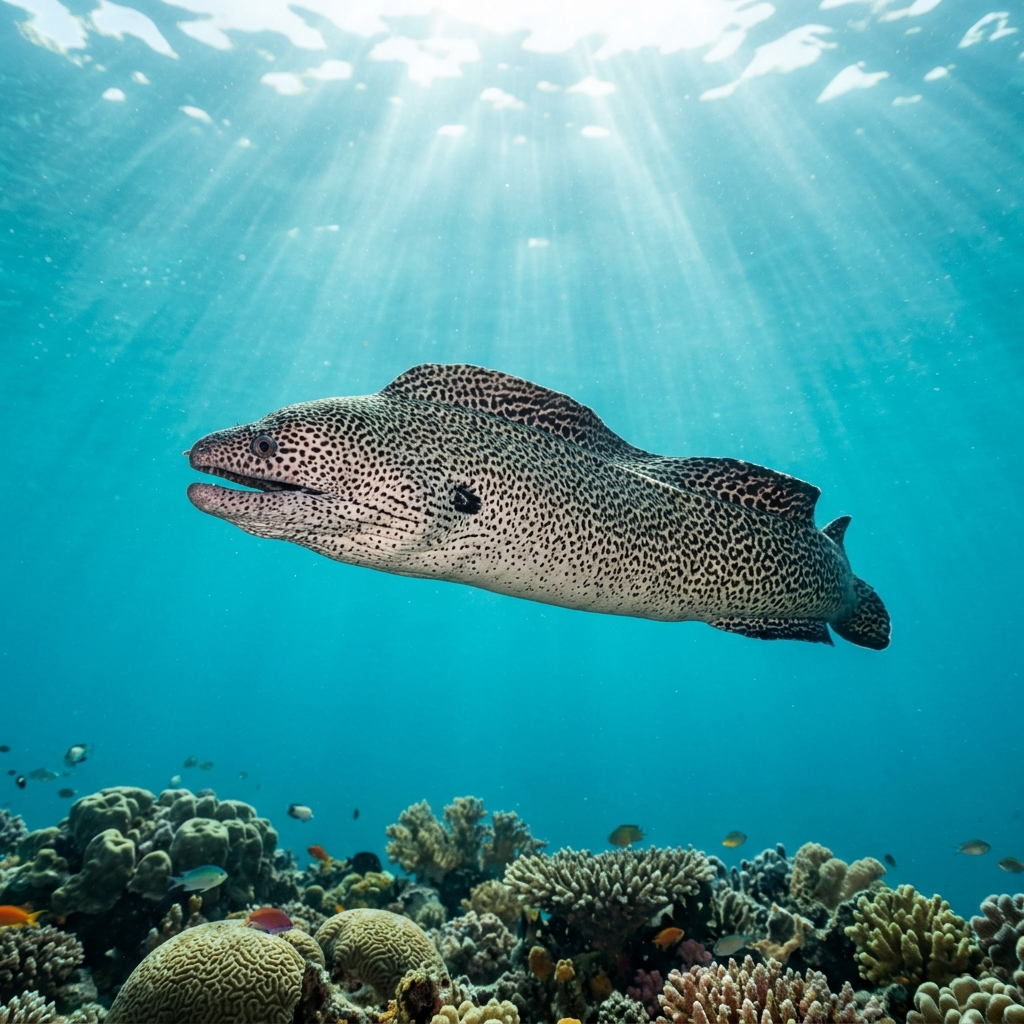
The reefs here support a wide range of observed species. The Brazilian Reef Octopus and Christmas Tree Worm are among the most reliably seen, appearing across nearly every site. French Angelfish, Smooth Trunkfish and Foureye Butterfly Fish are very common, while Green Moray, Spotted Moray and Purplemouth Moray inhabit the reef structure. Indian Lionfish and Spotted Scorpionfish reward careful eyes, and the Green Sea Turtle is occasionally encountered.
The Veracruz Reef System contains the larger concentration of sites and includes several wreck and artificial reef options alongside natural coral. Isla de Lobos is smaller and more focused, with reef dives that are well suited to beginners. Both sub-areas require boat access for all sites, so independent shore entry is not part of the picture here.
The region combines natural coral reefs, intentionally sunk wrecks, and artificial reef structures. Sites like Lobos and Ahogado del Arquitecto mix reef and wreck in a single dive, while Sueste is a pure reef that drops into very deep water. The range of depth profiles means divers of different experience levels can find appropriate terrain across both sub-areas.