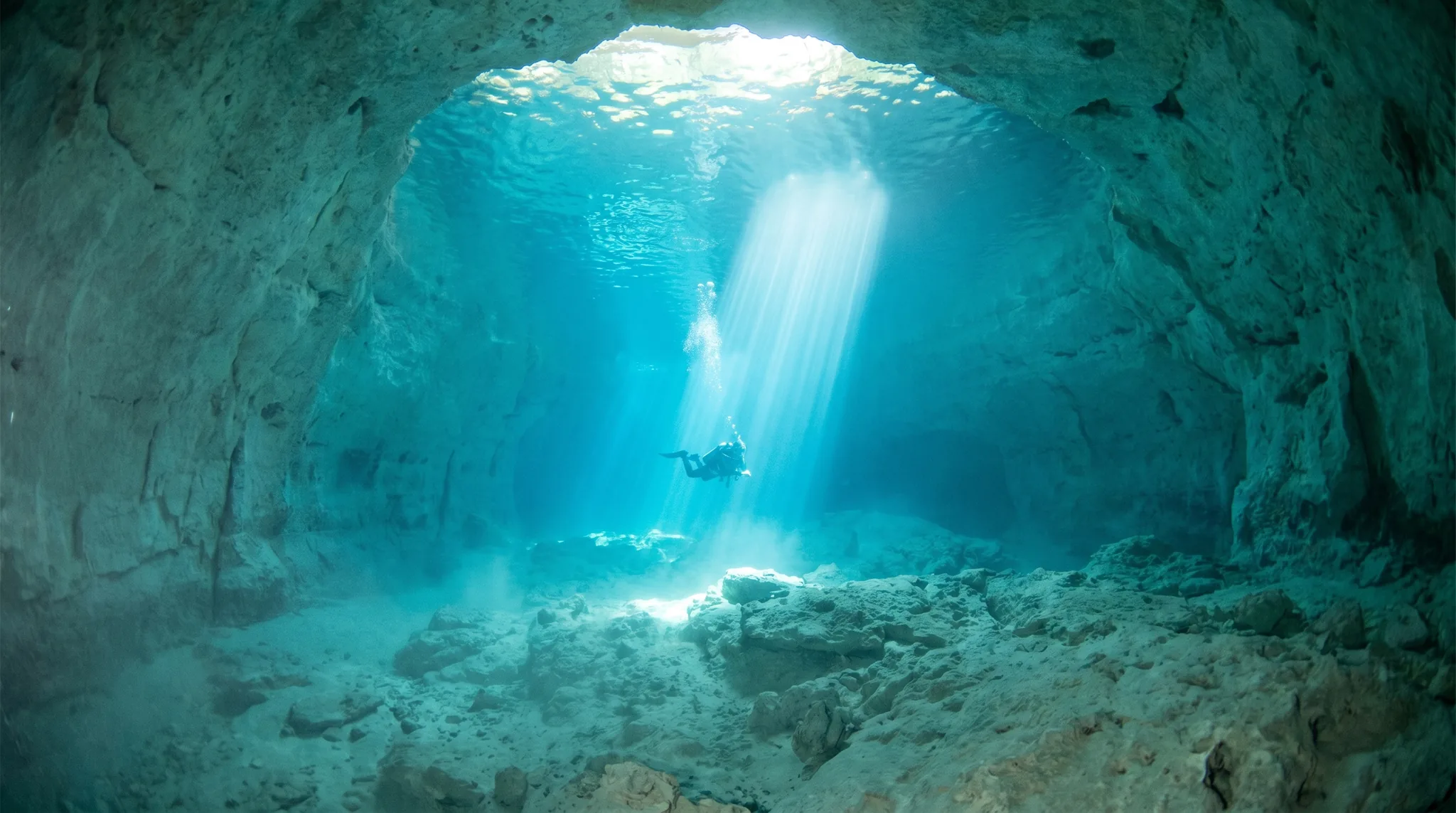
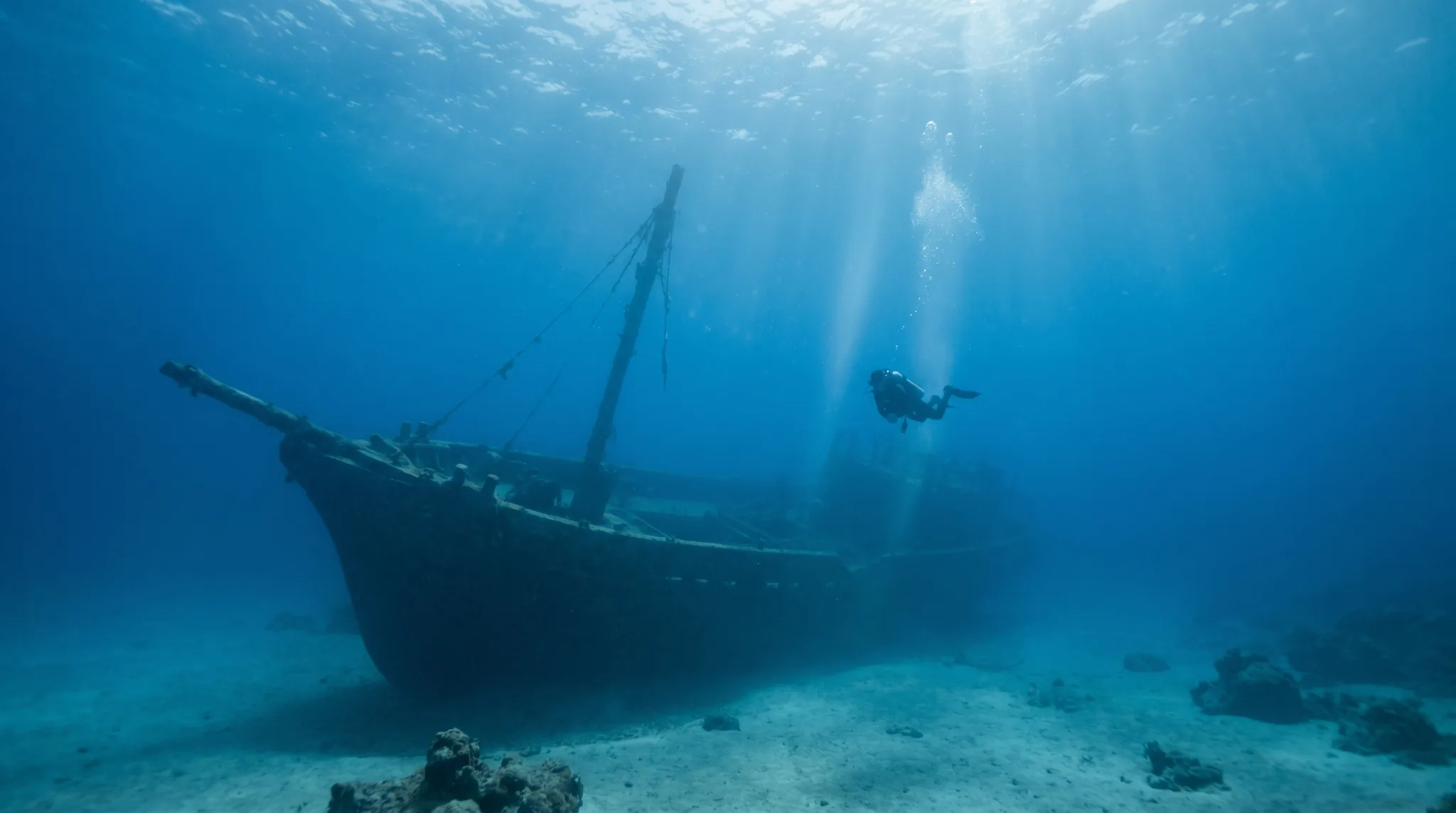
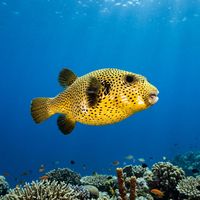
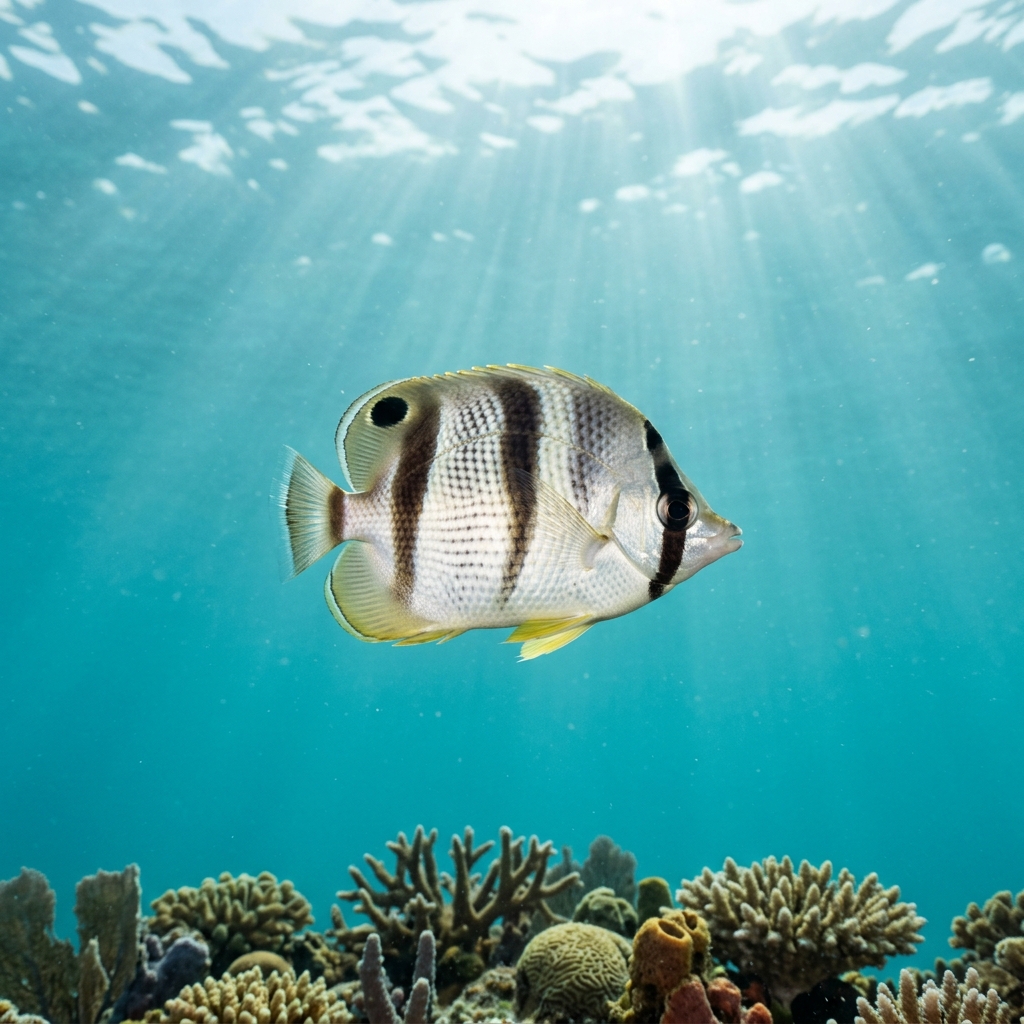
Mexico's Pacific Coast spans four distinct sub-areas, from Puerto Vallarta in the north to Huatulco in the south, with Acapulco and Ixtapa and Zihuatanejo filling the middle stretch. The site mix runs from shallow protected coves and artificial reefs to open-water pinnacles, walls, caves and wrecks, giving every skill level something to work with. Reef fish are abundant throughout: the Guineafowl Puffer, Panamic Sergeant Major, Barberfish and Threebanded Butterflyfish appear at the great majority of sites, while the Spotted Eagle Ray is a reliable encounter across the coast. Conditions favour the cooler, calmer months from November through March and again in May.
4 areas
 43
43Reefs, wrecks, caves and pinnacles on Mexico's Pacific Coast, with outstanding angelfish and ray sightings across sites for all skill levels.
 37
37Three bays of boat-access reef diving with rich fish life, beginner-friendly sites, and occasional Spotted Eagle Ray and Seahorse sightings.
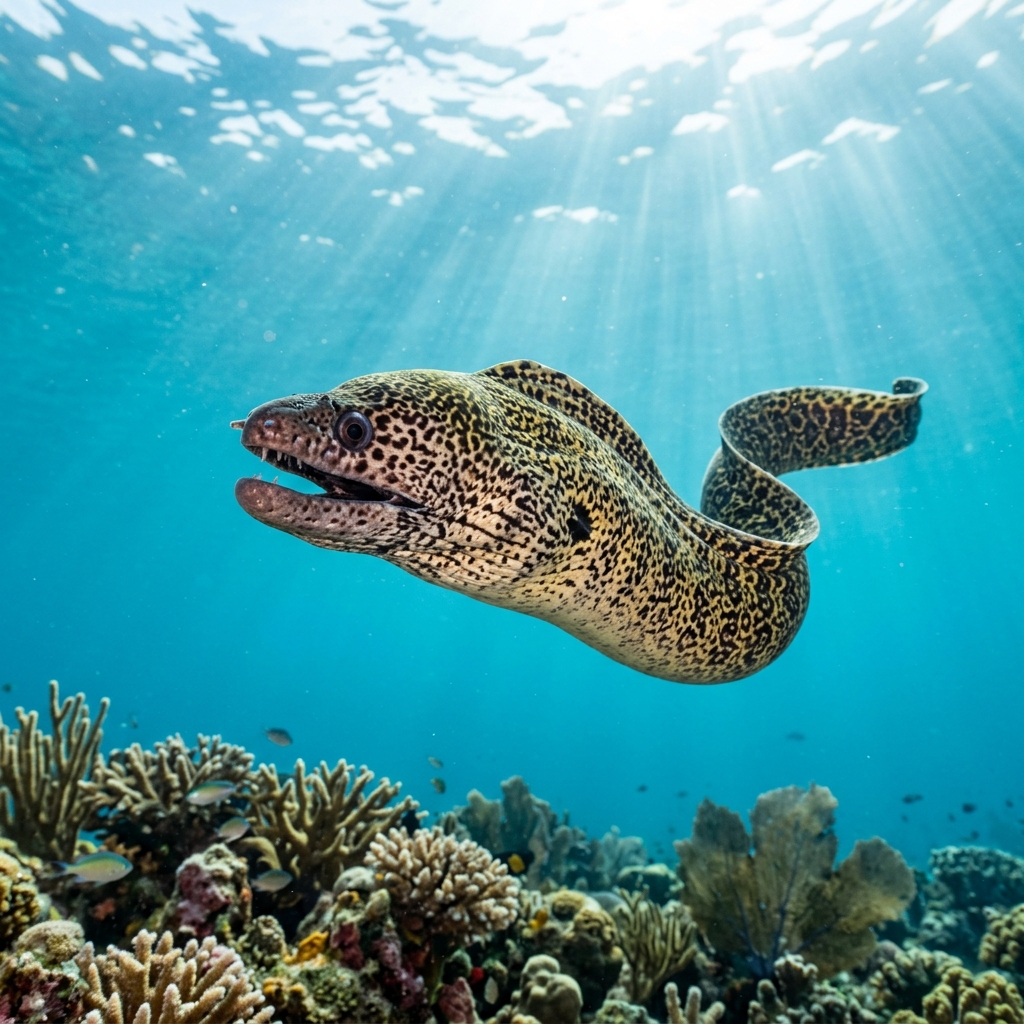
19Boat-access reefs and wrecks around Isla de la Roqueta, with Spotted Eagle Ray, Jewel Moray and occasional Whale Shark sightings.
15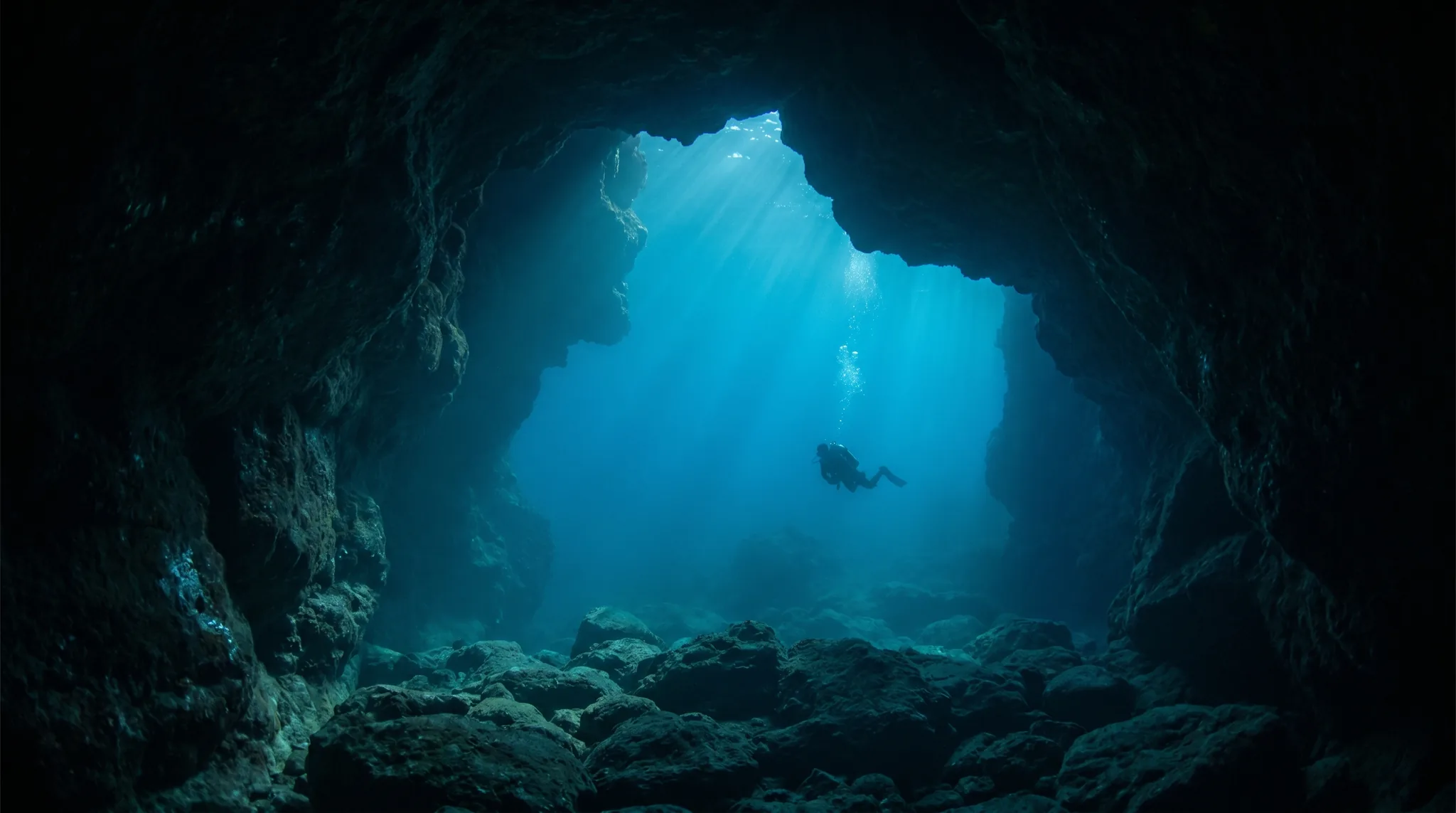
Monthly water temperature across Pacific Coast's sites, from satellite sea-surface data corrected for depth. The band shows the site-to-site spread.
Water temperatures remain warm throughout the year, peaking in the summer and early autumn months and sitting slightly cooler from late autumn through spring. Visibility tends to be best in the drier months from November through March and in May, which also align with the peak season for diver visits. Summer brings warmer water but reduced visibility and more variable conditions at exposed sites.
52 operators
Warm reef diving across two sub-areas, with Spotted Eagle Ray, Jewel Moray and Seahorse among the most frequently observed species.
Water temperature around Pacific Coast ranges from about 26°C in March to 30°C in July, based on satellite sea-temperature data for its dive sites.
In the warm season (about 30°C) a rash guard or 3mm shorty is comfortable in Pacific Coast; in the coldest months (about 26°C) step up to a 3mm full suit.
Fin maps 114 sites in Pacific Coast (101 scuba diving sites and 31 snorkelling spots, with some suited to both), organised into 4 areas.
Across Pacific Coast's dive sites, March, May, November and December are most often reported as the best months to visit.
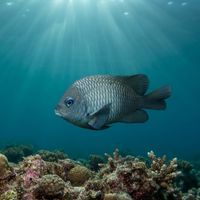
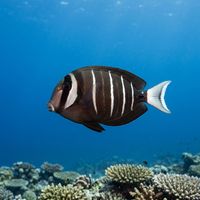
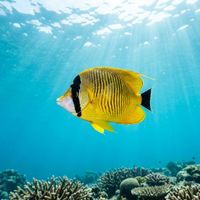
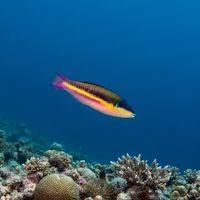
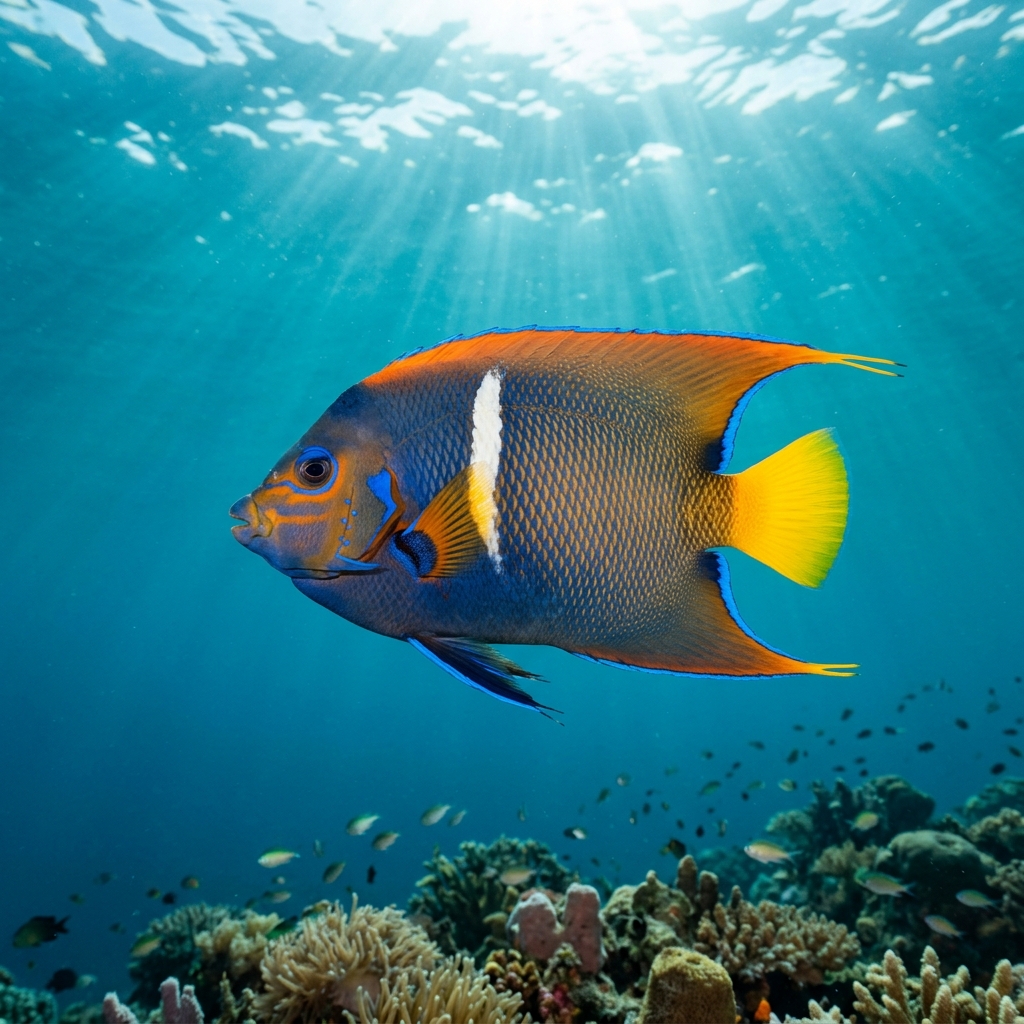
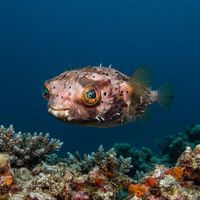
The reefs are home to a rich mix of observed species. The Spotted Eagle Ray is a signature encounter found across a wide range of sites, alongside the Jewel Moray, King Angelfish and Cortez Angelfish. Reef fish such as the Guineafowl Puffer, Panamic Sergeant Major, Barberfish, Porcupinefish and Threebanded Butterflyfish are very commonly recorded, and patient divers occasionally spot the Seahorse.
Yes, the majority of listed sites are rated for beginner divers, including shallow reef sites in Zihuatanejo Bay such as Manzanillo and Playa Las Gatas. Many of these have calm, protected entries and mild currents. Intermediate and advanced sites such as Faro de Bucerias, Anegados and Torrecillas are also available for those looking to progress.
Puerto Vallarta has the largest concentration of sites and is the base for operators such as Banderas Scuba Republic and Hurricane Divers, with notable spots including the cave and reef at Anegados in the Marietas Islands and the expert-level pinnacle site at Torrecillas. Huatulco offers reef and canyon diving including Whale Rock in Bahia San Agustin. Ixtapa and Zihuatanejo share a cluster of beginner-friendly bay sites, while Acapulco includes sites off Isla de la Roqueta such as La Marina and Palmitas.
Boat access is more common across the coast, particularly for reef, pinnacle and cave sites that sit offshore. Shore entry is available at a smaller number of sites, including Faro de Bucerias and Manzanillo, while several sites such as Playa Las Gatas and El Cristo offer both options. Checking the entry type for your chosen site in advance is worthwhile when planning with an operator.